To get a SIM card in Nepal, choose a provider (Ncell, NTC or Smart Cell), take your passport, a copy of your visa page and one passport-sized photo to an authorized SIM shop or official counter, fill out the registration form, and the SIM is activated within minutes. The SIM itself costs roughly NPR 90 to 200, and a foreign visitor is allowed to hold two Nepali SIM cards at a time. Prices on this page are in Nepali rupees. That is the whole process, and it is the same for tourists and locals apart from the ID you present. If you are visiting Nepal for a fortnight or less, a prepaid tourist SIM is the best SIM card for tourists on most itineraries; on a longer trip to Nepal a standard prepaid SIM with a monthly data pack works out cheaper. Everything below is the detail behind each of those steps.
Most of the SIM providers have booths at Tribhuvan International Airport and in major cities like Kathmandu and Pokhara, making access easy for you. You can buy a SIM card at the airport within minutes of clearing customs, because all three operators in Nepal keep counters in the arrivals hall at Kathmandu airport. If you land late and the desks have shut, the shops on Jyatha Marg in Thamel are the best place to buy the next morning, and Lakeside has the same in Pokhara. Most tourists buy SIM and data pack together at one counter, which is why the airport desks quote a bundled price. There are staff and helpers who will help you set up, so the whole process will take only a few minutes. Both prepaid and data packages are available, depending on your needs.
Once the SIM is activated, you can use mobile data, make calls, and send texts straight away. Recharge cards are sold in most local shops, or you can top up using Nepali digital wallets like eSewa or Khalti. If something goes wrong, support is available through the provider apps and service centers. Check coverage before you choose, because the right answer changes depending on where you are going: NTC reaches further into rural and trekking areas, Ncell is faster in the cities. Whichever provider in Nepal you pick, a local SIM card is how you stay connected once you are away from hotel wifi.
Roaming, a local SIM or an eSIM? Leaving your home SIM on data roaming is the expensive way to do it, because roaming charges are set by your own operator rather than by the Nepali market, and they sit well above what a local pack costs for the same data usage. An international SIM card or a Nepal travel SIM sits in the middle. Getting a local SIM at a counter here, or buying a Nepal eSIM before you fly, is what most people traveling to Nepal end up doing, and both are covered below.
Step-by-Step Method of Getting a SIM Card in Nepal
Step 1: Choose a SIM Provider
Ncell
Ncell is one of Nepal’s private telecom companies and the best SIM card in Nepal, established in 2004 as Spice Nepal Pvt.Ltd and later rebranded to Ncell in 2010 after being taken over by the Swedish company TeliaSonera. Now it is 100% Nepali-owned; however, it is registered in the UK under Spectrlite UK. Ncell offers a large number of services, including data and voice plans, SMS, 2G, 3G, and high-speed 4G LTE internet. 5G is not yet available. Ncell has asked the Nepal Telecommunications Authority for trial spectrum in the 700 MHz and 2600 MHz bands, but as of August 2026 no operator has launched a commercial 5G service, so 4G LTE is the fastest connection an Ncell SIM will give you.
Ncell provides affordable prepaid and postpaid plans, international roaming, and special tourist SIM cards. It also provides a mobile application for checking balance, recharges, and data management, making it one of the popular choices for both locals and tourists. Warning: on the Everest Base Camp trail, Ncell thins out fast. Expect 3G at best, and nothing past Pheriche.
Nepal Telecom, also known as NTC, is the state-owned telecom company of Nepal and the oldest service provider. It was formally established as a company in 2004 under the Telecommunication Act, but the history goes back to 1913 when the Nepalese government made its first effort in telecommunication. Owned by the Government of Nepal, the Nepal Telecom SIM card offers nationwide services with very good coverage in rural and remote areas, and it is the telecom SIM most trekkers end up carrying.
Its service includes voice calls, SMS, landline, ADSL, fiber internet (FTTH), 3G, 4G LTE, and WiMAX. NTC does not sell commercial 5G either. It ran 5G trials in Kathmandu and Pokhara and has said it will start with the metropolitan areas once spectrum is allocated, but the regulator was still preparing that auction in mid-2026, so 4G LTE remains the ceiling on every Nepali SIM. NTC services are good and reliable in the mountain and rural regions, so they are one of the best options for tourists and people who are travelling outside the major cities, like going for a trek in Annapurna Base Camp or Everest Base Camp. To be fair enough, A trekker found NTC reliable than others at Annapurna Base Camp but needed Wi-Fi at higher altitudes.
Smart Cell
Smart Telecom, also known as Smart Cell, is Nepal’s third-largest telecom operator, established in 2008. It is a private company that got its license from the Nepal Telecommunication Authority in 2013. Smart Cell provides voice calls, SMS, 3G, and 4G LTE services, mainly targeting urban areas and growing towns. Although its coverage is less than that of Ncell and NTC, it is increasing its network slowly. Smart Cell is mainly known for offering budget-friendly data and voice packages, and its 4G services are currently available in over 45 districts of Nepal. Regarding Smart Cell Ban rumours, while there were past issues related to Smart Telecom’s license revocation, the government overturned that decision, and Smart continues to operate.
Step 2: Bring Your Documents
To get a SIM card in Nepal as a foreign tourist, you must bring a valid passport, a real or a copy of your visa page or entry stamp, and one passport-sized photo. These are the main documents required for registration by all major SIM providers like Ncell, NTC, and Smart Cell. If you took a visa on arrival at the airport, the entry stamp in your passport is the visa page the counter wants to see. One passport photo covers one registration, so carry two if you intend to register a second SIM. Locals get SIM cards against a citizenship card; foreigners get them against a passport, and that is the only real difference in the paperwork. If you don’t have a printed photo, then most of the SIM shops can take and print one or two as needed, for you on the spot for around NPR 50-60 per photo. This process is quick and usually takes a few minutes.
In some cases, you may also be asked for the local contact number of your hotel or accommodation details, especially if you’re getting a tourist SIM. These details will help the SIM providers to verify your stay during your visit. It’s always a good idea to carry photocopies of your passport and visa for a faster process. Without these documents, SIM registration and activation will not be possible, so make sure you have them before visiting the SIM card shop. Pro tip: carry photocopies of your passport and visa, or you’ll be stuck playing “find the copy shop” in Kathmandu’s maze of streets
Note: Nepali citizens need a citizenship card instead of a passport, and a Mobile Device IMEI Registration (For New Phones)
Step 3: Visit a SIM Card Shop
To get a Nepal SIM card, you can visit official service centers like the Ncell Center or NTC (Nepal Telecom) office, which are located in major cities like Kathmandu, Pokhara, Biratnagar, and Lalitpur. The Ncell center offers services such as SIM card registration, 4G upgrades, tourist SIMs, mobile internet packages, and customer support. Similarly, the NTC Office (also known as Nepal Telecom counters) provides services like new SIM cards, data and voice packages, ADSL or fiber net help, and roaming service. These centers are open from 9:00 AM to 5:30 PM on working days. These centers are authorized, popular, and staffed with trained personnel to help you through every step of the SIM activation process.
Outside official centers, you’ll find authorized telecom dealers in shopping malls, commercial streets, and local phone shops in Kathmandu, Pokhara, and towns across Nepal. These shops are licensed by the Telecommunications Authority to sell and activate SIMs, but prices can vary- some may charge more, and some may charge less. So bring your documents and show them, they will provide you SIM within a minute.
- Tribhuvan International Airport
On arrival at Kathmandu’s Tribhuvan International Airport, you’ll find SIM card counters for Ncell, Nepal Telecom (NTC), and Smart Cell across the baggage claim and arrivals hall. Ncell operates two booths there, one for physical SIMs and another for e-SIMS. While Ncell offers both regular and tourist SIMs. Smart Cell also operates a store at the airport. They provide standard SIMs (not e-SIMs) at around NPR 99 with starter credit (around NPR 90 plus data and talk time). Airport kiosks generally stay open for international flight arrivals, making it quick and easy for you to get it immediately after landing.
Popular Trips by Himalayan 360
Kailash Mansarovar Yatra
14 Days
Kailash Mansarovar Yatra
$2,770
5.0(6 reviews)
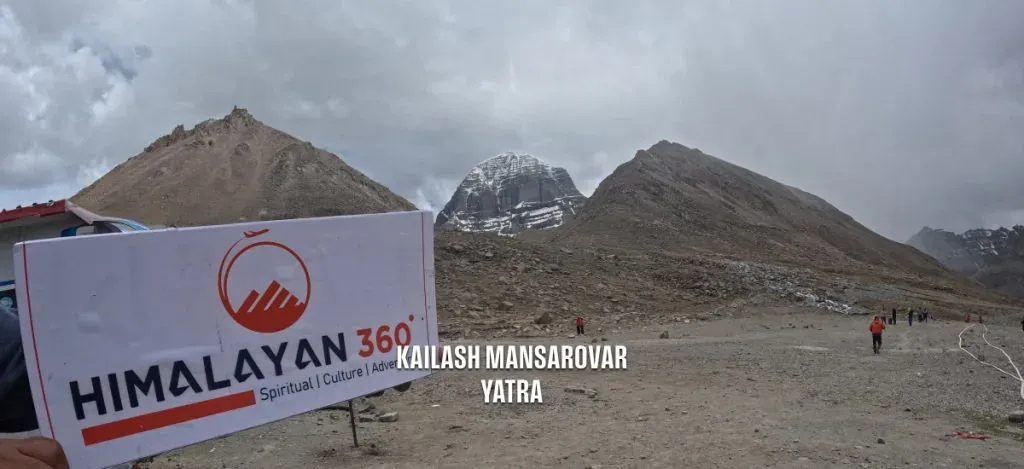
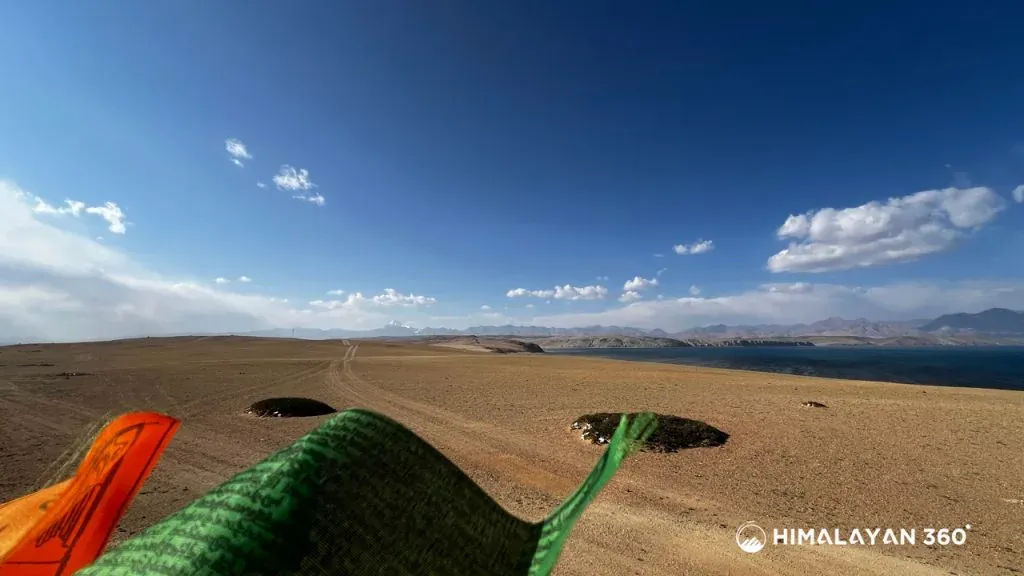
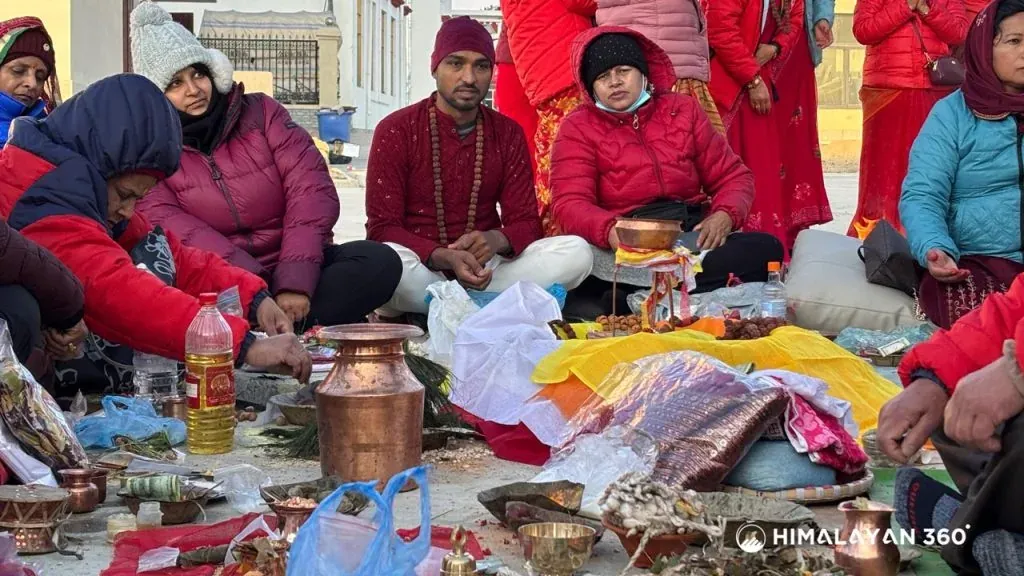
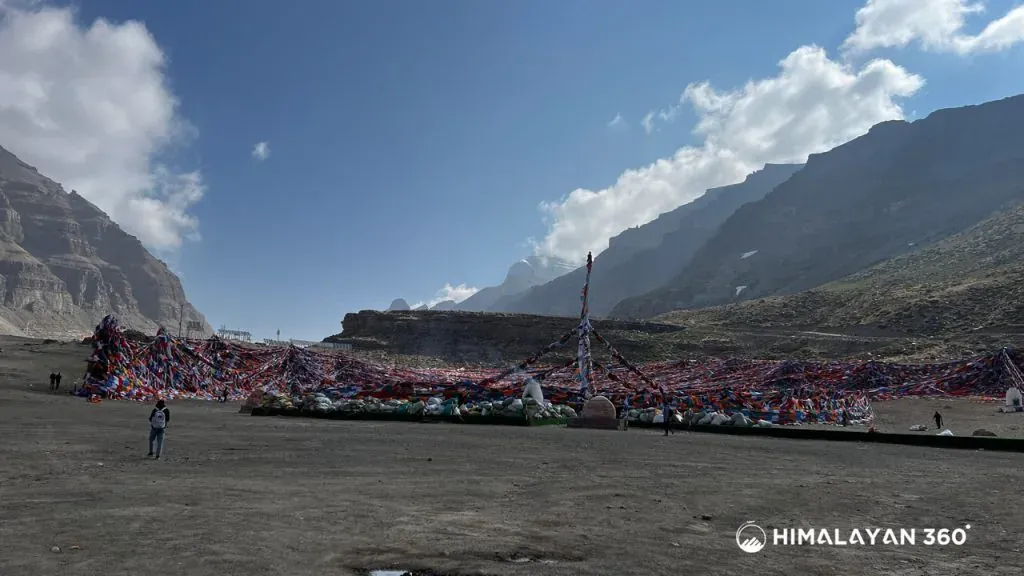
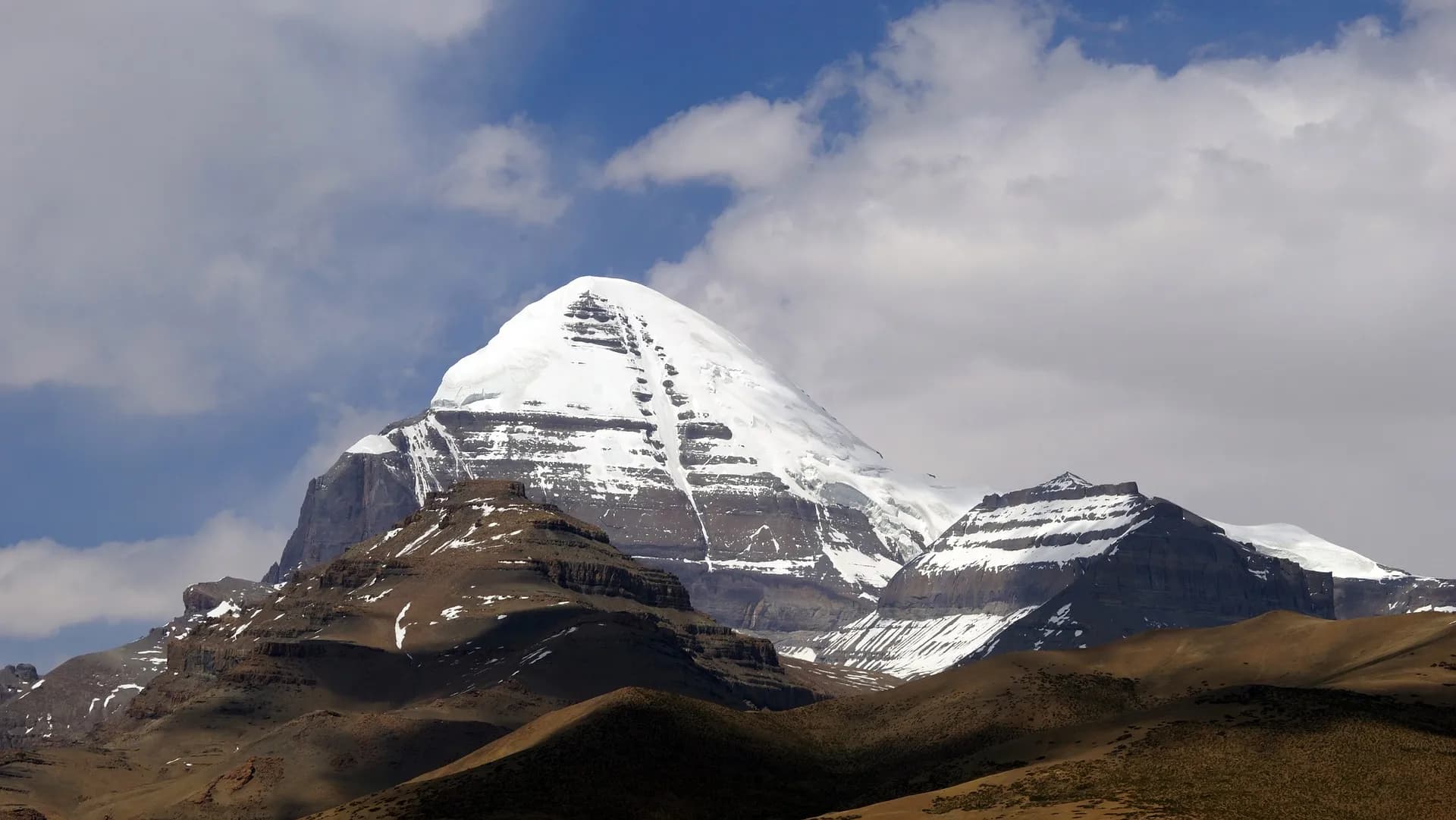
The Kailash Mansarovar Yatra from Nepal is one of the world’s most demanding and most revered pilgrimages, a journey to Mount Kailash (6,638 m) and the sacred Lake Mansarovar on the high plateau of western Tibet. This is our 14-day overland yatra, departing from Kathmandu and crossing into Tibet at the Rasuwagadhi–Gyirong border. It is the route most pilgrims choose: slower than the helicopter, which means your body acclimatises properly instead of being dropped at altitude, and far less expensive. You travel through the Himalayan foothills, over the Tibetan plateau, past Lake Mansarovar, and finally around Mount Kailash itself on the three-day Kora. Mount Kailash is held sacred by four faiths. Hindus know it as the abode of Lord Shiva. Buddhists know it as the seat of Demchog (Chakrasamvara). Jains revere it as the place where their first Tirthankara attained liberation. For Bon followers it is the axis of the world. Lake Mansarovar, at its foot, is believed in Hindu tradition to have been created by Lord Brahma. We have operated this pilgrimage since 2014. We arrange the Chinese Group Visa, all four Tibet-side permits, accommodation, transport, meals, oxygen and a medical kit, and Nepali- and Hindi-speaking support throughout. Groups run 5–20 pilgrims. 2027 departures are open now. Bookings for the May–September 2027 season are being taken from August 2026, and the earlier you book, the better your choice of date.
Book Now Make An Enquiry
Everest Base Camp Helicopter Tour
1 Days
Everest Base Camp Helicopter Tour
$1,070
5.0(7 reviews)
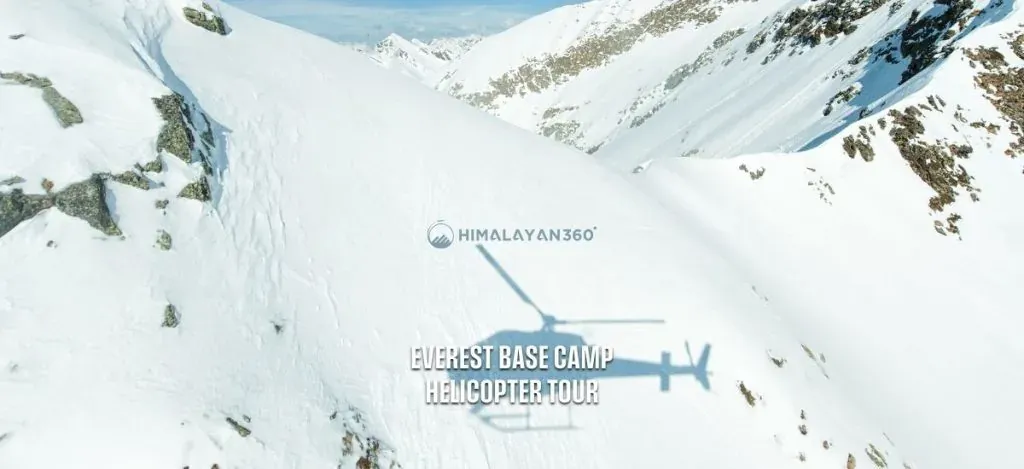
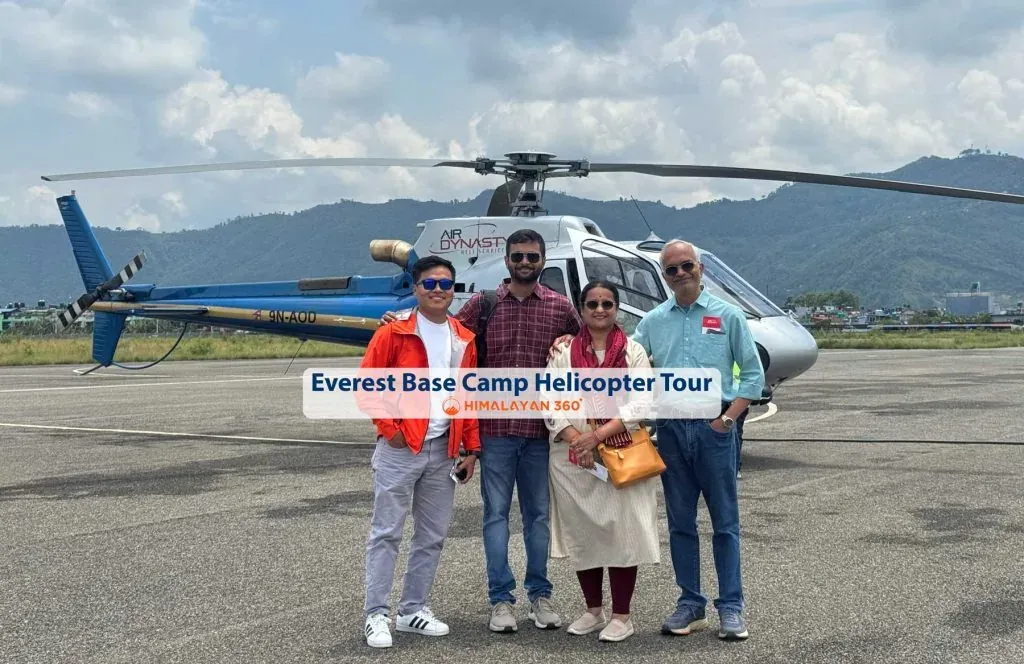
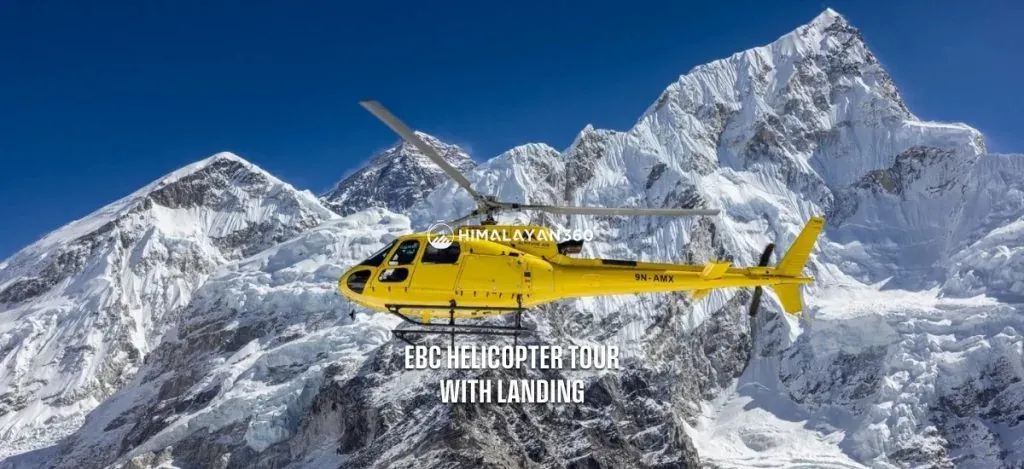
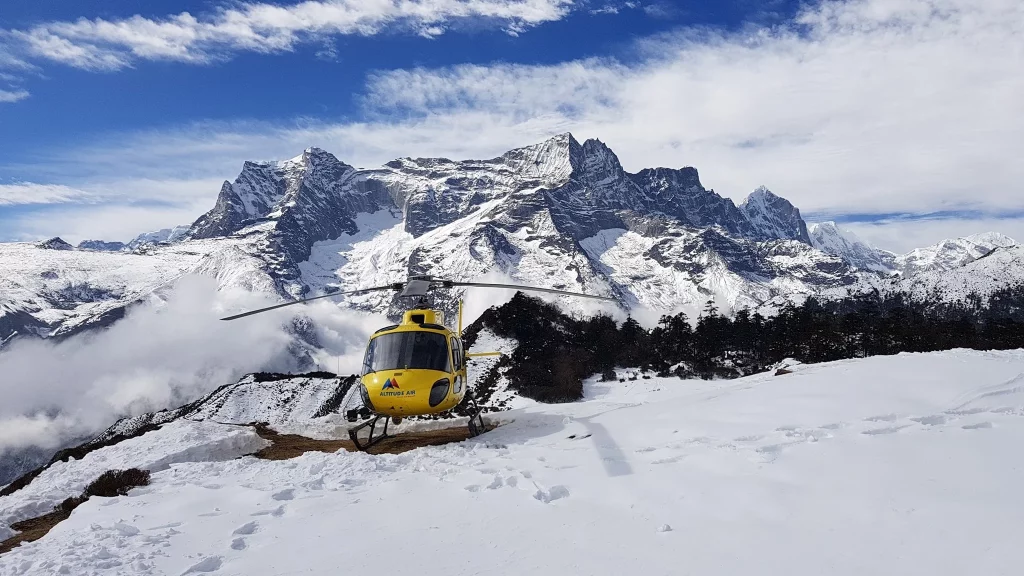
If you want a unique traveling experience in Nepal, the Everest Base Camp Helicopter Tour is an excellent option. It is a single-day tour that takes you on a heart-throbbing ride over the base camp of the world’s tallest mountain, Mount Everest (8848.86 meters). The guided tour will take you to the heart of the beautiful Everest region in eastern Nepal. You will stop at Tenzing Hillary Airport in Lukla and the famous Everest View Hotel at Syangboche Hill during the tour for refreshments. You will fly over the Everest Base Camp (5364 meters) and Kala Patthar (5545 meters), the dream destination of trek enthusiasts and mountaineers worldwide. What could be better than flying like a bird and witnessing the grand Himalayan ranges from a close and aerial perspective? Within a short time, you will travel across the diverse landscapes of the Everest region, including dense forests, valleys, rivers, and glaciers. Likewise, you will witness the gorgeous Khumbu Glacier and Khumbu Icefall from an aerial view. You will be left awe-struck by the magnificent views of the towering vistas: Mount Everest, Lhotse (8516 meters), Nuptse (7861 meters), Cho Oyu (8201 meters), Ama Dablam (6812 meters), Pumori (7161 meters), and many others. The helicopter flight tour is also a luxurious experience. It is a perfect way to travel comfortably and in style, skipping the arduous physical challenges. Moreover, it is suitable for anyone, including children, older adults, and those with physical constraints. No wonder the tour has been garnering a lot of popularity in recent times!
Book Now Make An Enquiry
Once you provide your documents in the shops or centers, you’ll need to fill out a SIM card registration form. This form generally asks for basic details like your full name, passport number, nationality, local address in Nepal (such as your hotel), and sometimes your contact number or email. At the end of the form, you must place your signature to confirm the information is correct and to agree with the provider’s terms.
If you face any problem or need help, the shopkeeper or staff at the counter will help you in completing the form. In many cases, they’ll even fill it for you; you just need to check the details and sign it. This registration process is required by the Nepalese government for all SIM card users to confirm proper identity verification and prevent misuse. After completing the form-filling process, they will submit it to the telecom provider for activation. The whole process is simple and usually takes less than 10 minutes.The Nepalese government loves this paperwork to keep SIMs out of the hands of mischievous mountain spirits.
Step 5: Activate Your SIM
- First: After purchasing the SIM card, insert it into your phone. Make sure your mobile phone is unlocked (not limited to your country’s SIM card only)
- Second: Restart your device so it can detect the local network
- Third: Within a few minutes, the SIM should automatically connect to the provider’s network, whichever one you purchase, either NTC, Ncell, or Smartcell. Look for the signal bar on your screen.
- Fourth: Some SIMs activate instantly, while others may need manual activation. The shopkeeper usually activates it during the registration process
- Fifth: If activation is not automatic, then you may need to use the SIM provider’s mobile app. Ask the seller or follow the instructions provided with the SIM. It is not a difficult process; it will be completed within a few minutes, only for the SIM, which needs manual activation.
- Sixth: Still not activated? Then go to your phone’s network settings and make sure mobile data is ON. Set mobile data to 2G/3G/4G (Auto) depending on your phone and location, and try to insert the SIM in another phone to verify it’s working. If still not activated, then you can contact customer support. For Ncell dial
*9005# or 9005, for NTC dial 1498, for Smart Cell dial 4242.
Tip: Once activated, you can start making calls, sending texts, and using mobile data immediately. Check your main balance and remaining data before you leave the shop, and send one WhatsApp message while the staff are still in front of you, because that is the quickest proof the data side is live. The activation instructions on the SIM pack also carry the top-up codes you will need later.
Types Of SIM Cards In Nepal
Prepaid SIM cards are the most common type of SIM used in Nepal, especially by locals and short-term visitors. With prepaid service, you prepay for talk time, SMS, and data, so there is no bill and no contract. Physical prepaid SIM cards are sold at every counter and the prepaid plans on offer are the same ones locals buy, so you can buy a prepaid SIM card anywhere without a tourist markup. These SIMs are very flexible and easy to use. You can recharge it when needed using recharge cards or mobile wallets like eSewa and Kalti. If you are recharging through cards, then you have to use their USSD code PIN. For NTC put *411*<13‑digit PIN>#, for Ncell put *102*<16‑digit PIN>#, and for Smart Cell put *122*<16‑digit PIN>#.
All of the major providers like Ncell, NTC, and Smart Cell offer prepaid SIMs, and you can choose from daily, weekly, or monthly data and voice packs depending on your needs.
Postpaid SIM cards are usually preferred by long-term residents, business users, and government offices. With postpaid service you receive a monthly bill based on your usage. You will also get better call and data rates, higher credit limits, and more network access. SIM providers like Ncell and NTC offer postpaid plans. A local bank account and permanent address in Nepal are required to register for a postpaid SIM.
Tourist SIMs are specially made for foreign visitors and are available at every SIM center, shops, or at the TIA. Providers such as Ncell and NTC offer these SIM cards with starter packs that include free talk time and data. For example, NTC offers a tourist SIM with a NPR 100 bonus balance and 1GB of data valid for 3 days. These SIMs are valid for a limited time (usually 15-30 days) and can be extended or recharged if needed.
Data-only SIM cards are designed for internet use only; no voice or SMS services are included in this SIM. They are good for tablets, routers, smartphones, or those who use mobile internet more than calls. Telecom companies in Nepal, especially Ncell and NTC, offer affordable data SIMs with high-speed 4G packages, ranging from daily to monthly options. These services can be helpful for remote work, streaming, or staying connected with everyone outside while traveling.
Which One Should You Get?
- Tourists → Tourist SIM (easy) or Prepaid SIM (more flexible).
- Trekkers/Remote Areas → NTC Prepaid (best coverage).
- Long-term expats/residents → Postpaid SIM (unlimited plans). For when you’ve decided Nepal’s momos are worth staying for.
- Data-heavy users → Data SIM or prepaid with large data packs. Because your TikTok addiction doesn’t pause for mountains.
Match the pack to the length of your stay rather than buying the largest one on the board, because unused data does not roll over once the validity expires.
Comparing 3 SIM card Providers OF Nepal
| Properties | NTC (Nepal Telecom) | Ncell | Smart Cell |
| Network coverage | Best in rural and remote areas | Best in urban and tourist areas | Limits to some cities and towns |
| Internet Speed | Moderate to high (4G in major areas) | High speed (4G in most urban areas) | 4G is available in limited zones |
| Prepaid SIM | Widely available | Widely available | Less availability |
| Postpaid SIM | Mostly available | Mostly available | very limited or not available |
| Tourist SIM | Available at the airport for free | Available but not for free | rarely available |
| Data-only SIM | Mostly available | Mostly available | Mostly available |
| SIM cost | NPR 90-150 | NPR 100-200 | Around NPR 100 |
| Customer Service | Slower but reliable | Fast and responsive | Limited service location |
Network Coverage Comparison in Charts
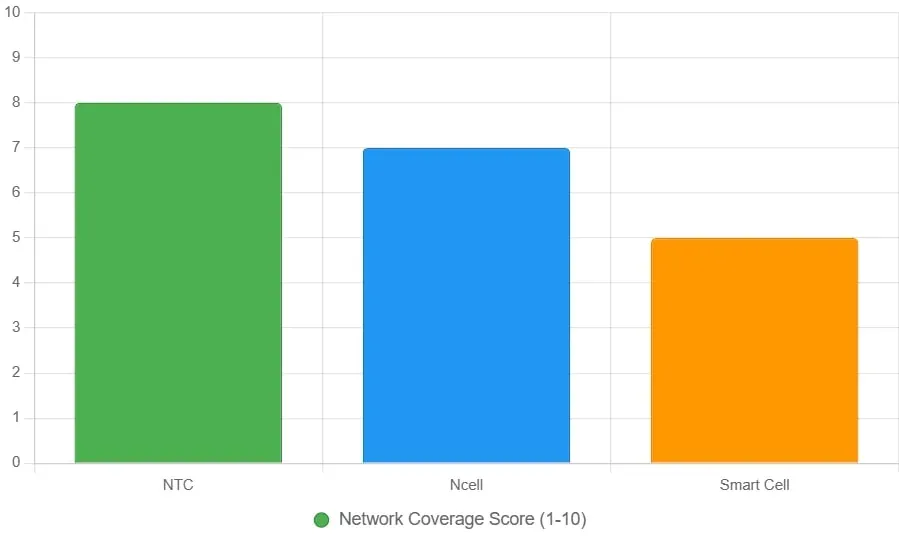
Choosing a SIM card for Nepal comes down to where you are going rather than to price. 4G coverage in Nepal follows the road network more closely than the coverage maps suggest, and the difference shows up as soon as you are traveling in Nepal outside the Kathmandu valley. NTC has the widest coverage in Nepal for both voice and data once you leave the highways, Ncell is quicker where there are people, and Smart Cell is a city option.
Here’s a visual to help you pick your SIM provider, because choosing a SIM shouldn’t feel like picking a trek route in a blizzard.
Data Plans for Ncell, NTC, Smart Cell
| Provider | Price (NPR) | Data Volume | Validity/Time |
| Ncell | 39 99 199 799 | 0.5 GB 1.5 GB 3.5 GB 15 GB | 1 day 3 days 7 days 28 days |
| NTC | ~100 999 | ~6 GB 100 GB | ~ 7 days 28 days |
| Smart Cell | 11.49 19 37 98 165 425 | 400 MB Unlimited (Night only) 2GB 6GB 10GB 30GB | 1 day 11 PM – 6 AM (1 day) 1day 7days 15 days 30 days |
Pack prices and volumes change several times a year and shift with promotions, so treat the table above as the shape of the market rather than a price list. Check the live packs in the Ncell or Nepal Telecom app, or from the operator's own pack menu on the handset, on the day you buy.
eSIM
eSIM, or embedded SIM, is a digital SIM that allows users to activate a mobile number without inserting a physical SIM card. In Nepal, eSIMs are provided by two main telecom operators: Ncell and Nepal Telecom (NTC). Nepal Telecom introduced eSIM in September 2022, becoming the first telecom provider in the country who launch this service. Ncell also started offering eSIM service soon for compatible devices. eSIM technology is suited for users of modern smartphones like iPhones (XR and above), Google Pixel, Samsung Galaxy S20 series, and newer.
To activate an eSIM, you need to visit the nearest service center of Ncell or NTC with a compatible device and a valid ID. You can activate eSIM by scanning the QR via settings under “Add Cellular Plan”. For Ncell, the cost to convert a physical SIM to an eSIM or to buy a new eSIM is around NPR 100. For NTC, the conversion fee is NPR 50, while buying a new SIM may cost slightly more. The main benefits of using eSIM include the ability to use multiple numbers on a single device, easier switching between networks, and no need to physically handle or replace SIM cards. As of now, Smart Cell does not offer eSIM services.
If you are a tourist and want to avoid a physical SIM altogether, an international eSIM provider will sell you eSIM plans for Nepal that you buy online and activate instantly by QR code before you fly. An eSIM for Nepal is convenient, but it is not automatically cheaper than the local pack. Their prices and bundle sizes change constantly, so compare eSIMs for Nepal on the day rather than working from a figure in an article, and check which Nepali network the plan actually roams on. Away from the highways that single detail decides whether you have signal at all. Although eSIM usability is still in the early stages in Nepal, the government and telecom operators are working to expand its availability and compatibility. The services are only available at official service centers in major cities like Kathmandu, Pokhara, and Biratnagar. As the demand for advanced mobile technology grows, eSIM is expected to become more common in Nepal in the coming years.
Now, go get that SIM and start posting those Himalayan sunsets, just don’t expect your phone to outshine the mountain
Top 10 Packages of Nepal
Manaslu Circuit Trek
14 Days
Manaslu Circuit Trek
$920
5.0(7 reviews)
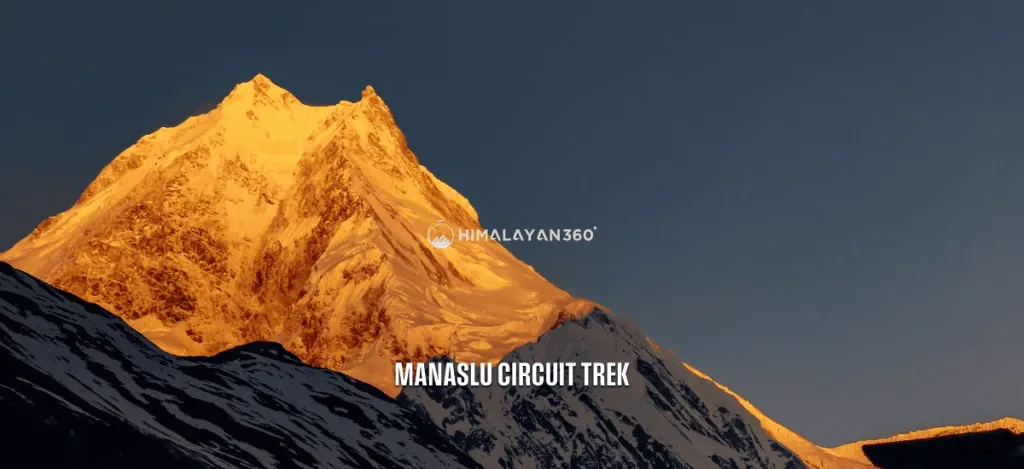
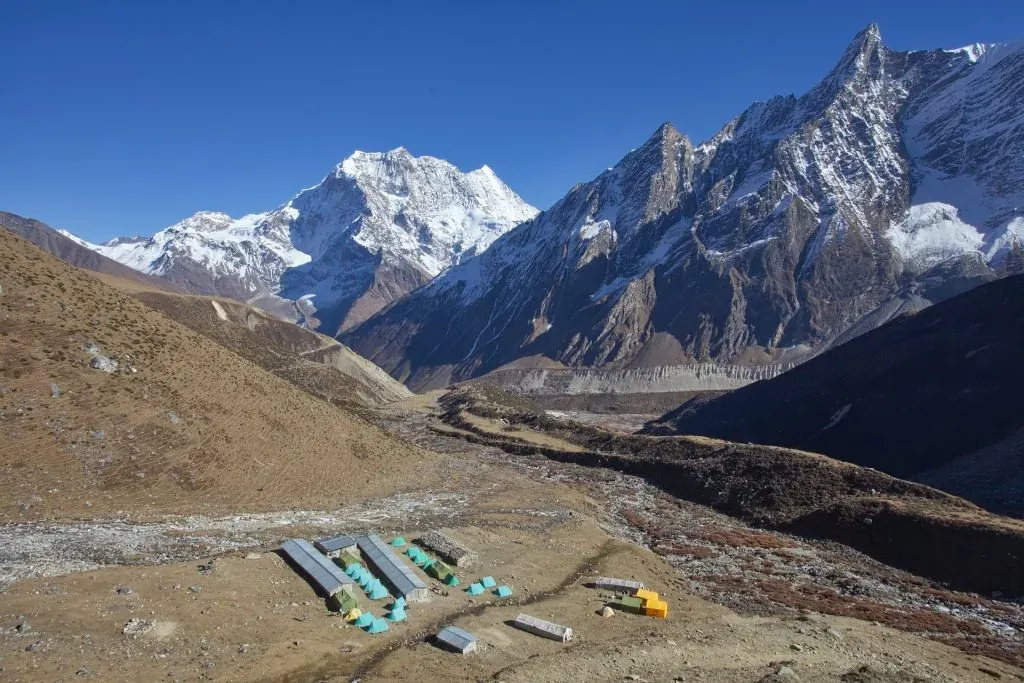
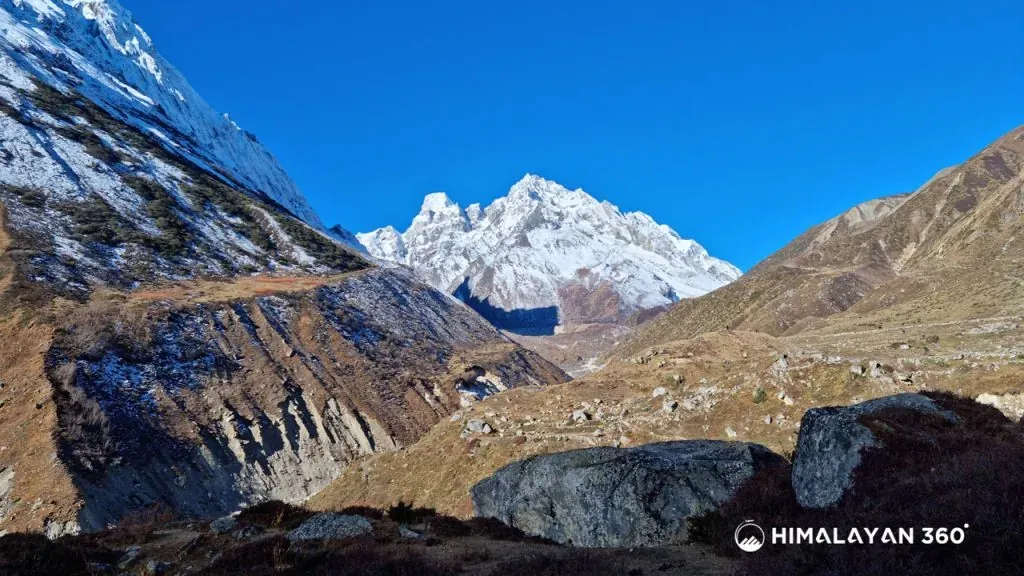
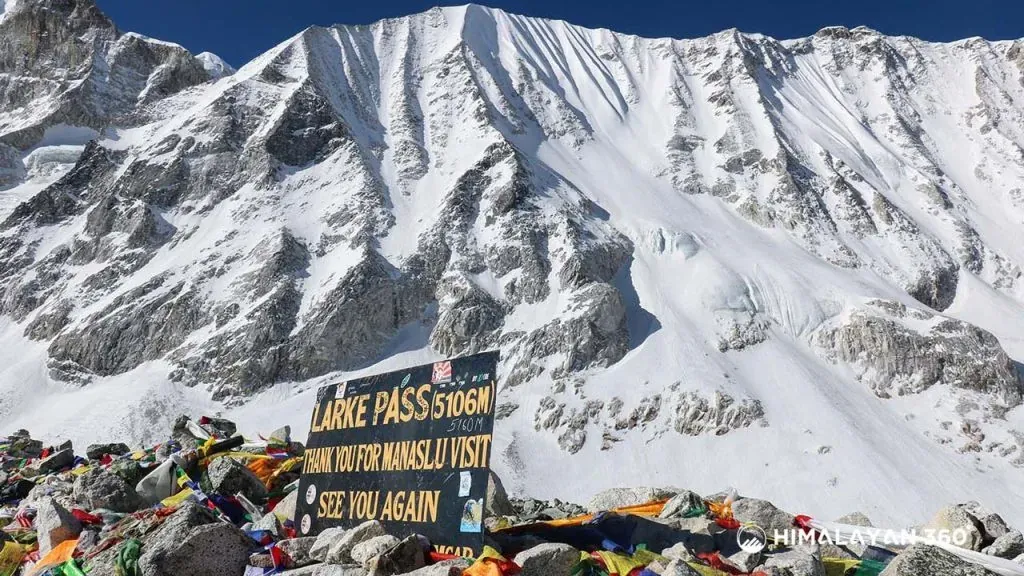
The Manaslu Circuit Trek is a stunning 13-18 day teahouse trek in Nepal, circling the world’s 8th highest mountain (Manaslu 8,163m), and covers about 144KM (89 Miles). The trek journey starts at Machha Khola and slowly climbs through farmlands and small villages. As you move higher, you reach mountain valleys like Samagaon and Samdo. The biggest highlight is crossing the Larkya La Pass (5,160M), where you can see amazing views of Manaslu, Himalchuli, and Ngadi Chuli. The trek also offers a local culture experience. Villages such as Samagaon, Namrung, Lho, and Deng show strong Tibetan traditions. You will see monasteries, prayer flags, and mani walls along the way. Depending on the season, you may also witness festivals like Lhosar (Tibetan New Year) or Saga Dawa, which celebrates Buddha’s life. In these villages, people farm millet, herd yaks, and live in ways passed down for centuries. This gives trekkers a close look at a culture that is still very traditional. The Manaslu Circuit trek trail also takes you through different natural landscapes. In the lower region at Jagat and Soti Khola, you will walk through green forests alive with rhododendron, magnolia, and bamboo. As you go higher past Philim, Namrung, and Samdo, the forest changes into oak, maple, and conifers, with waterfalls along the way. Near Samagaon and Larkya La, the land becomes rocky and snowy, with only small plants like moss and lichens. The changing landscape offer the true trekking experience throughout the Manaslu Circuit trek. Likewise, one special thing about the trek to Manaslu Circuit region is that it is a restricted area. Trekkers need special permits, which help protect the environment and keep the trail less crowded. You will need to compulsorily hire a trekking guide. You can find simple teahouses and lodges in main villages, but the trek still feels wild and quiet compared to other popular routes in Nepal. The best time for Manaslu Circuit trek is during the Spring (March to May) and Autumn (September to October) seasons.
Book Now Make An Enquiry
Annapurna Base Camp Trek
9 Days
Annapurna Base Camp Trek
$666
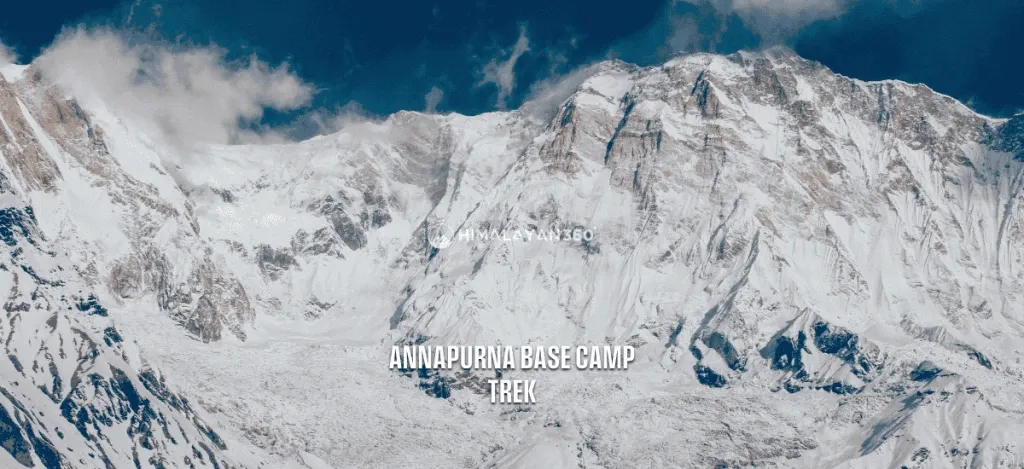
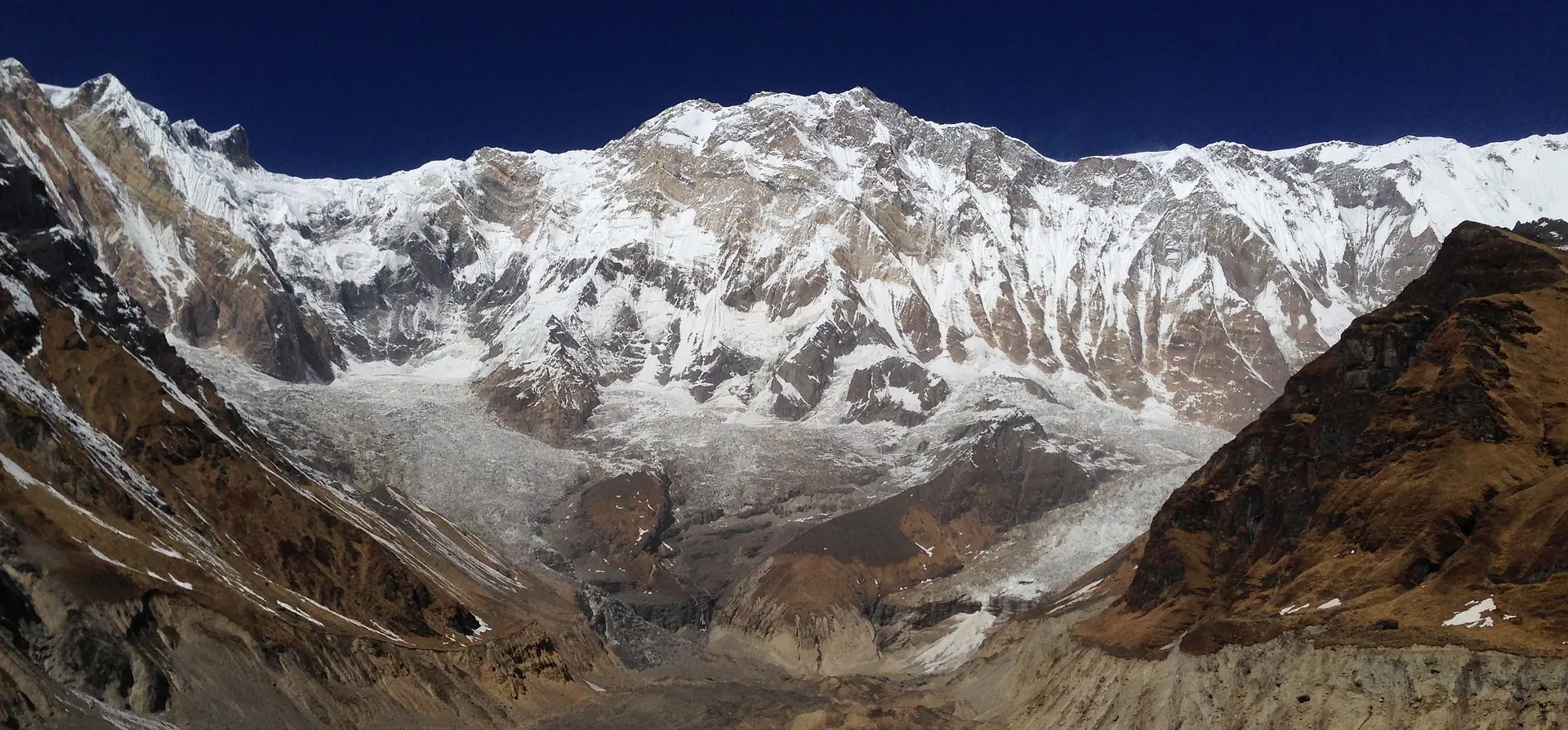
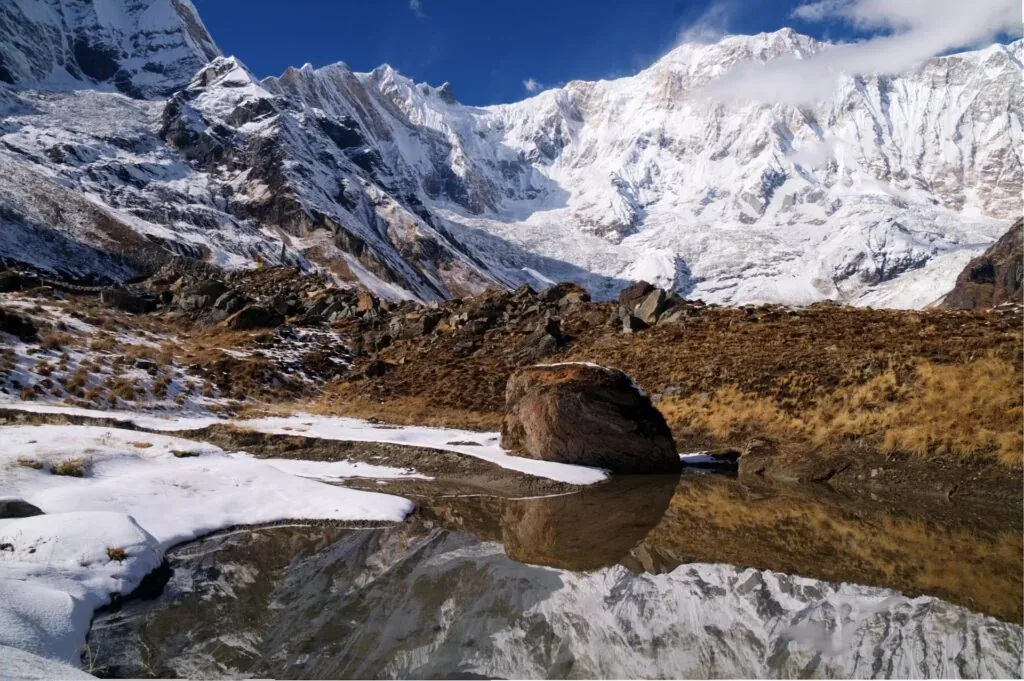
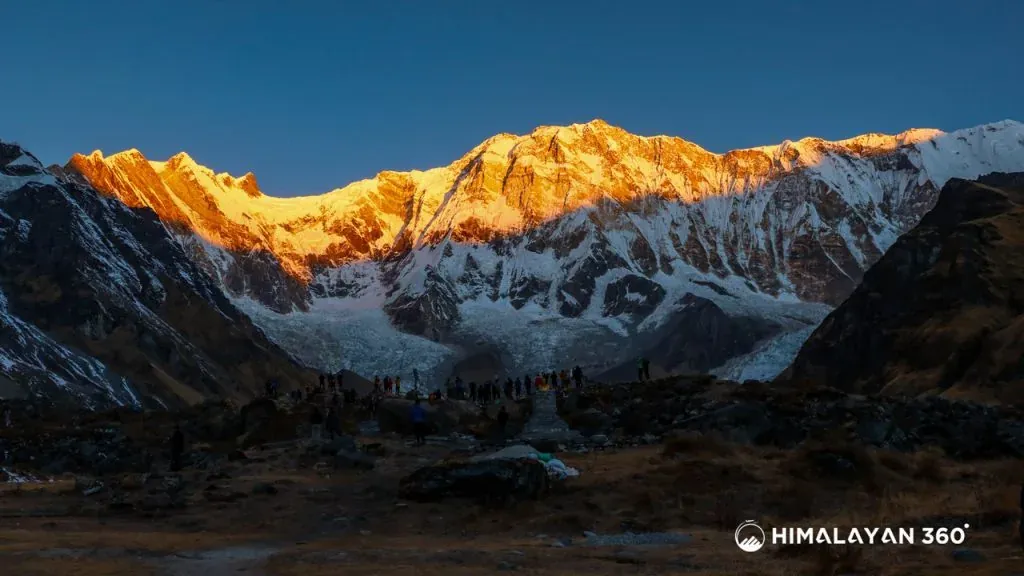
The Annapurna Base Camp (ABC) Trek is one of the most popular trekking adventures loved by trekking enthusiasts and adventurers worldwide. Starting from Pokhara, the trek takes you deep into the heart of the Annapurna Sanctuary, surrounded by some of the world’s tallest peaks. Over 9 days, you’ll walk through terraced fields, quiet green forests, and peaceful mountain villages. The final destination, Annapurna Base Camp, sits at 4,130 meters and offers stunning views of Annapurna I, Machhapuchhre (Fishtail), Hiunchuli, and other snow-covered peaks. The highlight of the trek is not just about seeing mountains, but also about learning about the culture and the everyday life of the people in the Annapurna region. The trail passes through traditional villages like Ghandruk, Chhomrong, Ulleri, and Ghorepani, where you can meet the friendly Gurung and Magar people. You’ll stay in teahouses, try Nepali food, and see Buddhist prayer flags and temples along the trail. The Annapurna Base Camp trek is suitable for first-time trekkers with a good fitness level. Even though the altitude goes above 4,000 meters, the gradual climb gives your body time to adjust. The best time to do the Annapurna Base Camp trek is in spring (March to May) or autumn (September to November), when the weather is clear and the views are at their best.
Book Now Make An Enquiry
Annapurna Circuit Trek
10 Days
Annapurna Circuit Trek
$599
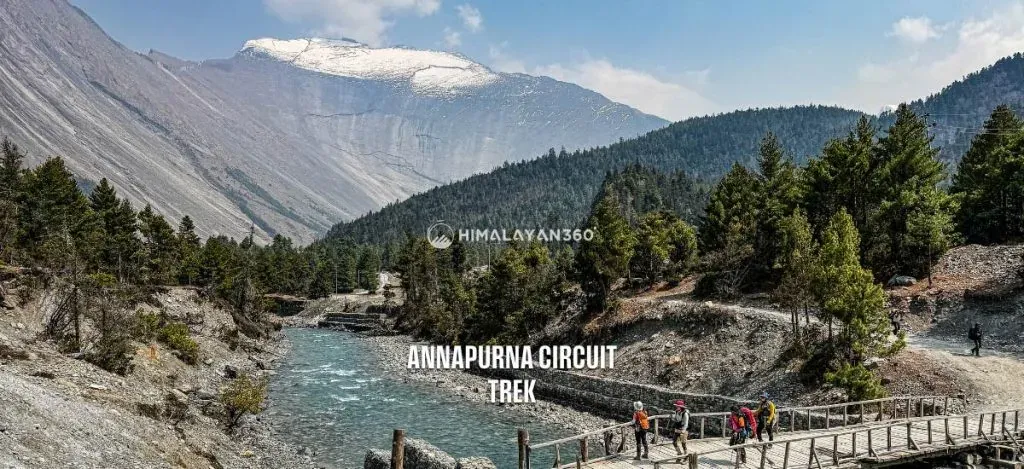
The Annapurna Circuit Trek is an adventure through the Annapurna Region of central Nepal. During this journey, you will witness the mesmerizing views of Annapurna (8,091m), Dhaulagiri (8,167m), Machapuchare (6,993m), and many other peaks. Starting from Chame, the Annapurna Circuit trek covers about 160 kilometers. Likewise, the adventure takes trekkers through the Annapurna Conservation Area from dense forests, high-altitude meadows, and desert-like landscapes. Passing through villages like Manang, Chame, and Pisang gives you a remote village experience. The highest point you will reach in the Annapurna Circuit trek is Thorong La Pass, at 5,416 meters. Not just naturally, the trek is also culturally beautiful. Most people living in the region are Gurung and Thakali, and they follow the Tibetan Buddhist culture. Also, exploring the Muktinath Temple adds a spiritual aspect to the adventure. Although the trek is not as popular as the Annapurna Base Camp Trek and is slightly difficult, the rewarding experience you will get will make it all worthwhile.
Book Now Make An Enquiry
Everest Base Camp Trek
14 Days
Everest Base Camp Trek
$1,260
5.0(2 reviews)
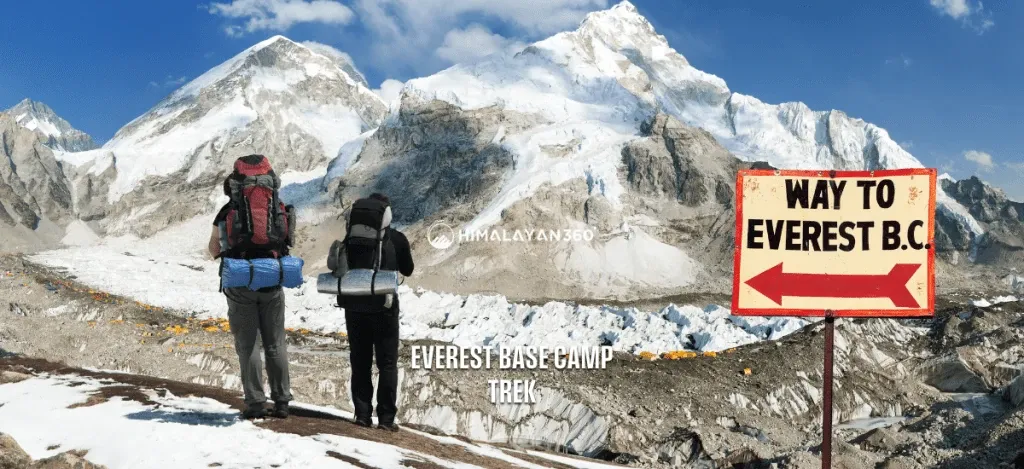
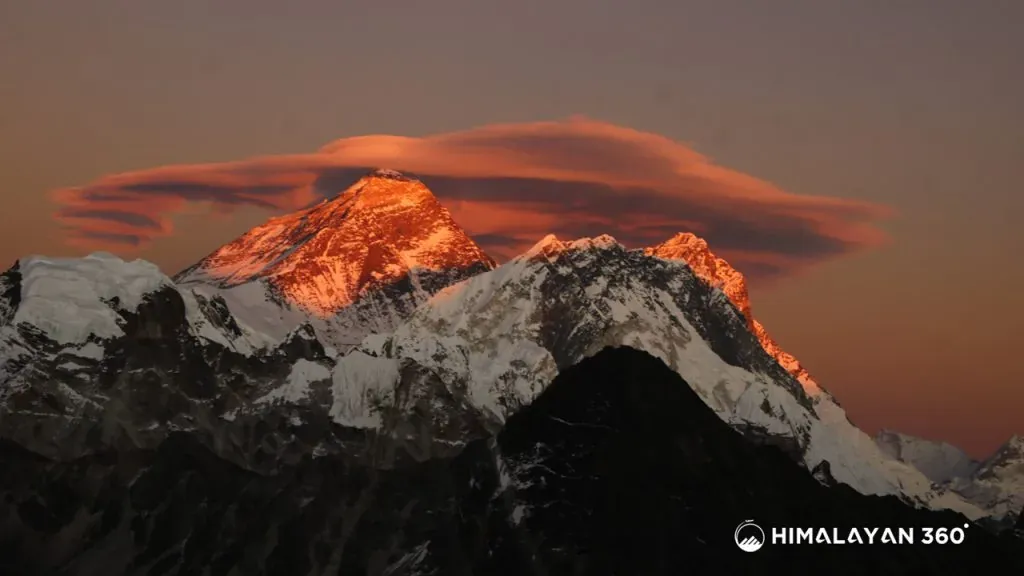
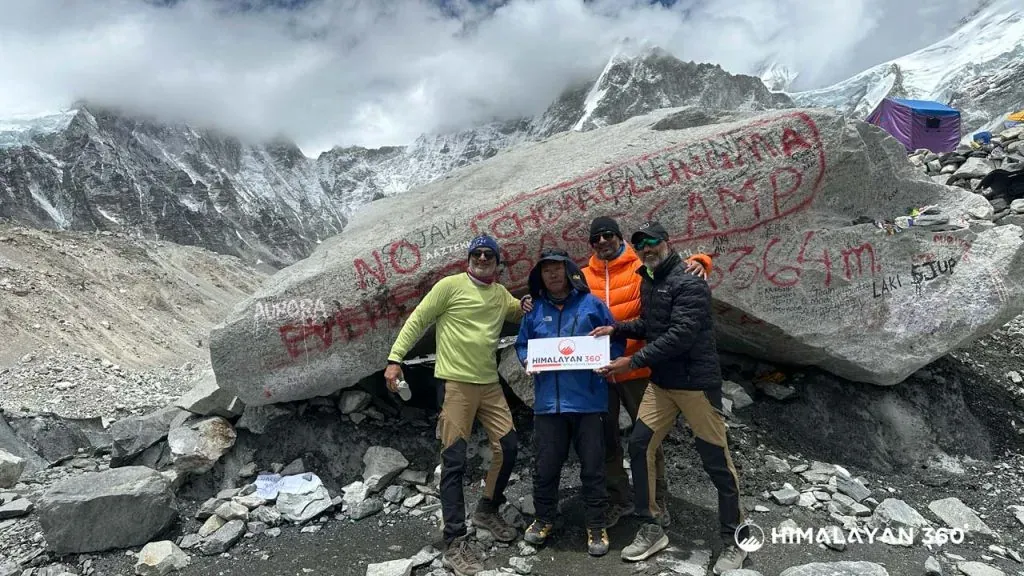
Everest Base Camp Trek is every trekker’s dream adventure. It takes you right to the foot of the world’s tallest mountain, Mount Everest (8,848.86 m) at 5,364 meters. One of the best experiences is the early morning hike to Kala Patthar (5,545 meters), where you get incredible views of Everest, Lhotse (8,516 m), Nuptse (7,861 m), and other giant peaks. The best time to do the EBC trek is during Spring (March-May) and Autumn (September-November). You’ll follow the classic route through the Khumbu Valley, starting with green forests and terraced hills. As you go higher, the landscape changes to rocky alpine paths and glaciers. Along the way, you’ll cross famous suspension bridges, see flowing rivers, and walk near the massive Khumbu Glacier. Important landmarks include Namche Bazaar (a lively mountain town), Tengboche Monastery (a peaceful place with amazing mountain views), and memorial sites that honor climbers from the past. You will also pass through traditional Sherpa villages, offering a unique opportunity to experience the Nepali Sherpa culture and spirituality. Your trek begins with a thrilling flight from Kathmandu or Manthali to Lukla (2,840 meters), where the trail starts. From Lukla, you’ll take an easy walk to Phakding and then head to Namche Bazaar. After that, you will move on to Tengboche, Dingboche, and Lobuche, where the terrain gets rougher. The final part of the trek is the exciting hike to Everest Base Camp and the sunrise hike to Kala Patthar. At the end of the trek, you will carry unforgettable memories and a trekking experience that will last a lifetime.
Book Now Make An Enquiry
Everest Mountain Flight
1 Days
Everest Mountain Flight
$215
5.0(7 reviews)
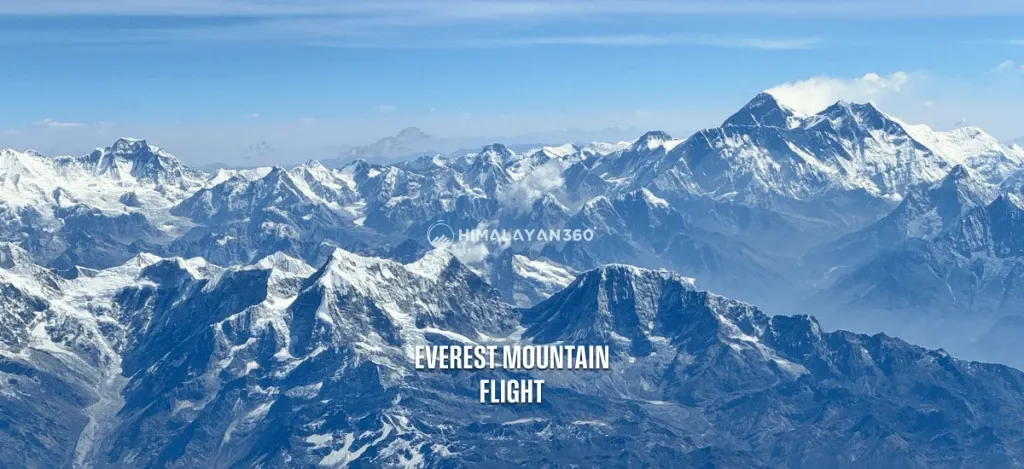
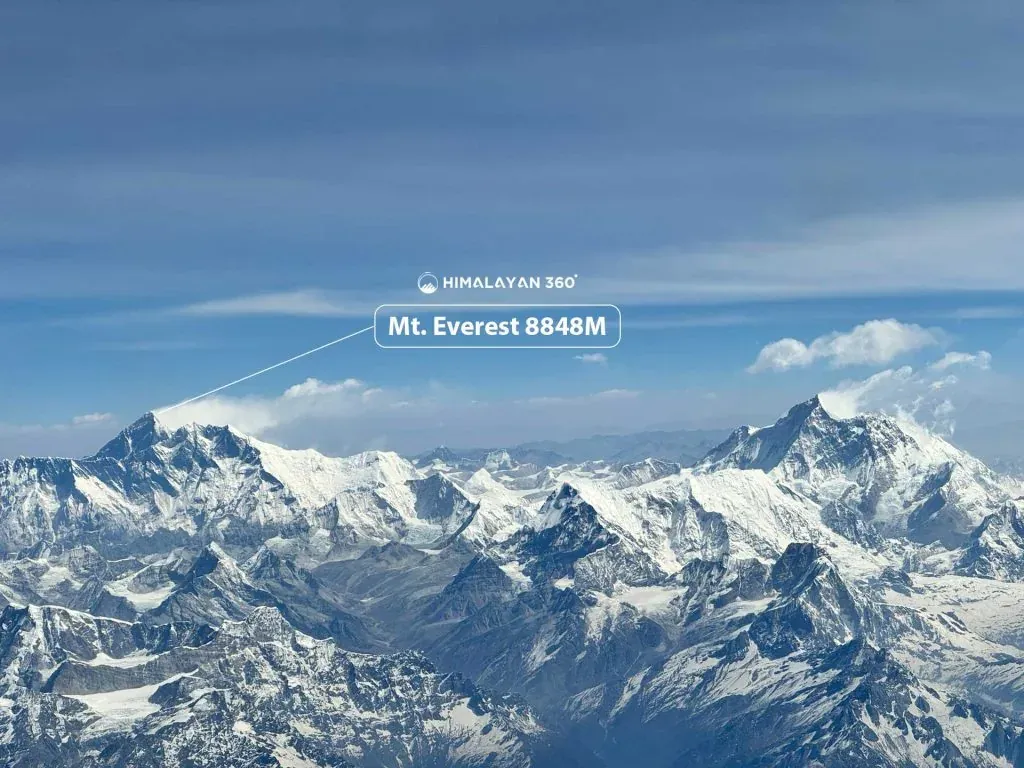
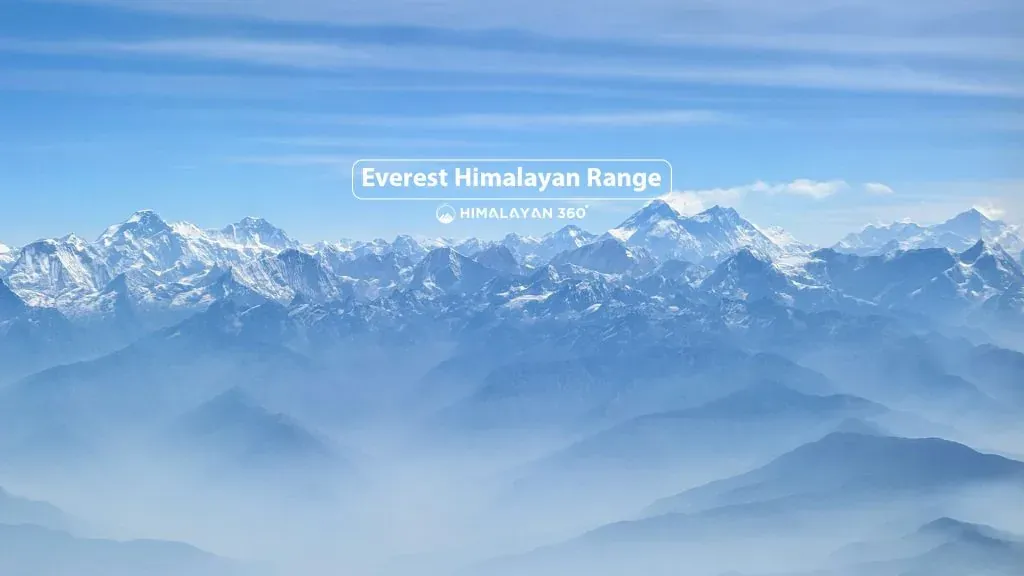
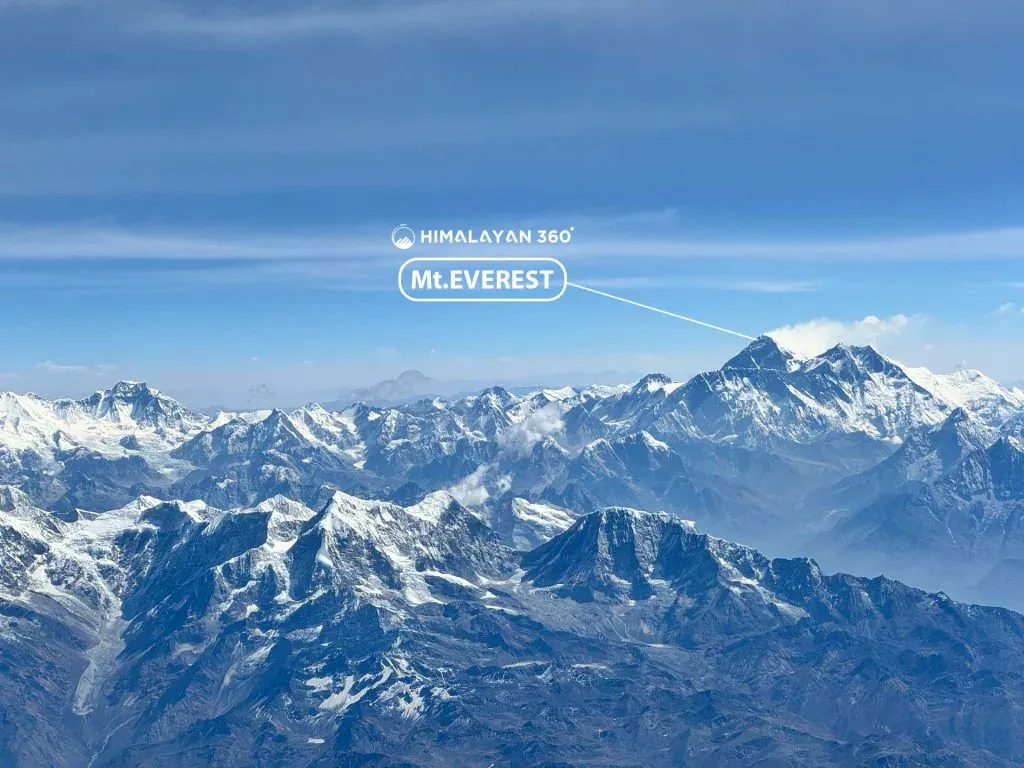
The Everest Mountain Flight is a chance to see the highest mountain, Mount Everest, from the sky with a bird’s gaze. This flight lasts about 50 minutes-1 hour and can be your best and extraordinary experience. Along with Mt.Everest, the ride will take you close to other famous peaks, including Mount Lhotse, Nuptse, Cho Oyu, and 20 other prominent peaks. Besides, the high-altitude flight will also allow you to see the varied landscapes, glaciers, and valleys from above. The mountain flight does not have a long history but has gained popularity due to its convenience and safety. The flight is operated from Tribhuvan International Airport early in the morning, taking you to the east of Nepal. As the flight takes off, you can see a glimpse of Langtang Lirung, the first mountain view on the flight. Flying while witnessing many other beautiful mountain views, you can finally witness the top of Everest and fly to Chamlang Peak. From there, the plane takes a turn back on the same route. You can get a different perspective on the view while they return to Kathmandu. If you have limited time and want the most comfortable and fastest way to see the beauty of the Everest region, the Mount Everest flight can be the best option. Likewise, the tour is an excellent way to see the Himalayas without the hard work of trekking. Additionally, what makes this tour amazing is that anyone can enjoy it, regardless of age or fitness level. Thus, the tour is also ideal for travelers who want to spend their time with families in the mountains but are time-bound.
Book Now Make An Enquiry
Everest Cho La Pass Trek
17 Days
Everest Cho La Pass Trek
$1,410
5.0(7 reviews)
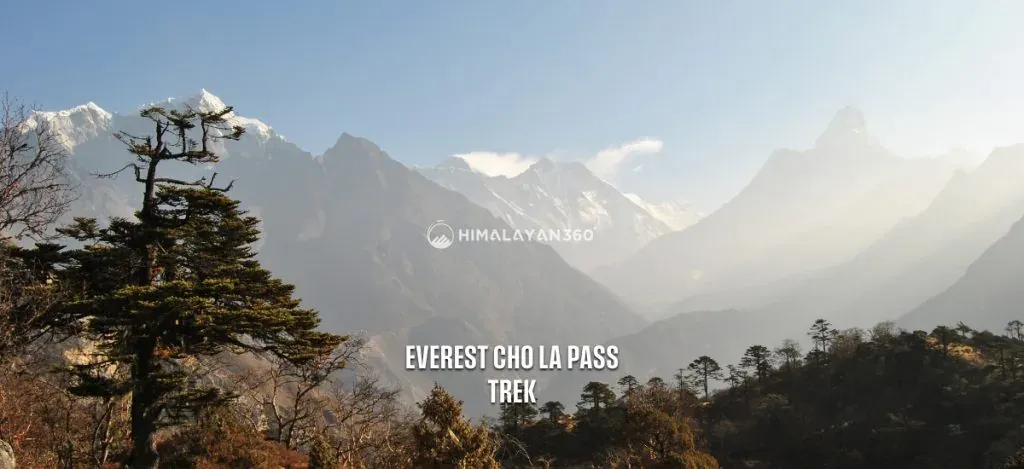
Experience most of the Everest region with the Everest Cho La Pass Trek via Everest Base Camp (EBC). This unique adventure takes you to Nepal’s most popular trek destination, Everest Base Camp (5,364 meters), and to one of the region’s high mountain passes, the Cho La Pass (5,368 meters). It offers an opportunity to witness some of the world’s highest mountains, including Mount Everest, Lhotse, Nuptse, Cho Oyu, and Pumori.Similarly, the route also takes you to the beautiful valley of Gokyo, home to the turquoise Gokyo Lakes, making it the perfect way to explore the Everest region. Your journey begins with a short flight to Tenzing Hillary Airport of Lukla. You will then pass traditional settlements like Namche Bazaar, Tengboche, Dingboche, and others. During the trek, you will glimpse the rich culture and customs of the Sherpa community. The walkway traverse within Sagarmatha National Park ascends and descends through steep and narrow sections. Likewise, travelers traverse through remote trails via rocky areas, glaciers, and moraines. There are several suspension bridges over the Dudh Koshi River that you must cross along the way. The trek is challenging but equally rewarding and memorable. The Everest Base Camp ChoLa Pass Gokyo Trek in Nepal is perfect for anyone looking for a challenging adventure and a unique cultural experience.
Book Now Make An Enquiry
Makalu base camp trek
17 Days
Makalu base camp trek
$1,299
5.0(7 reviews)
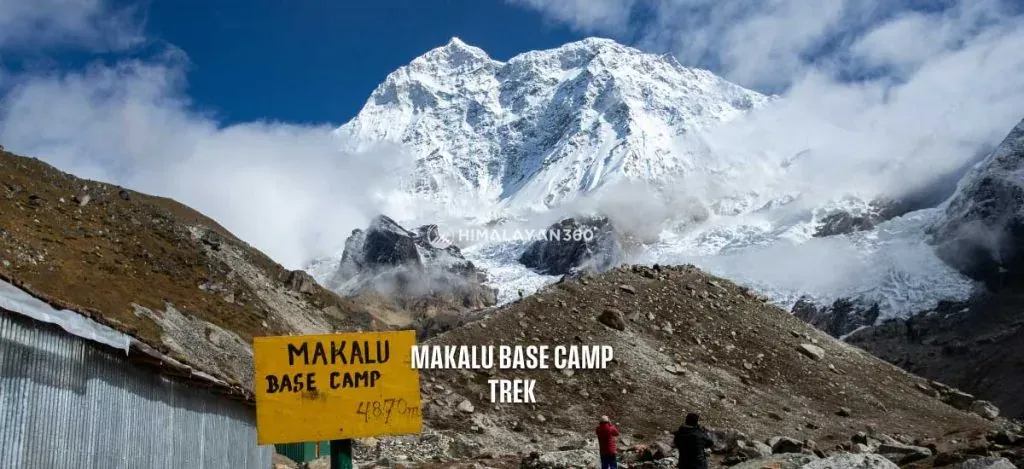
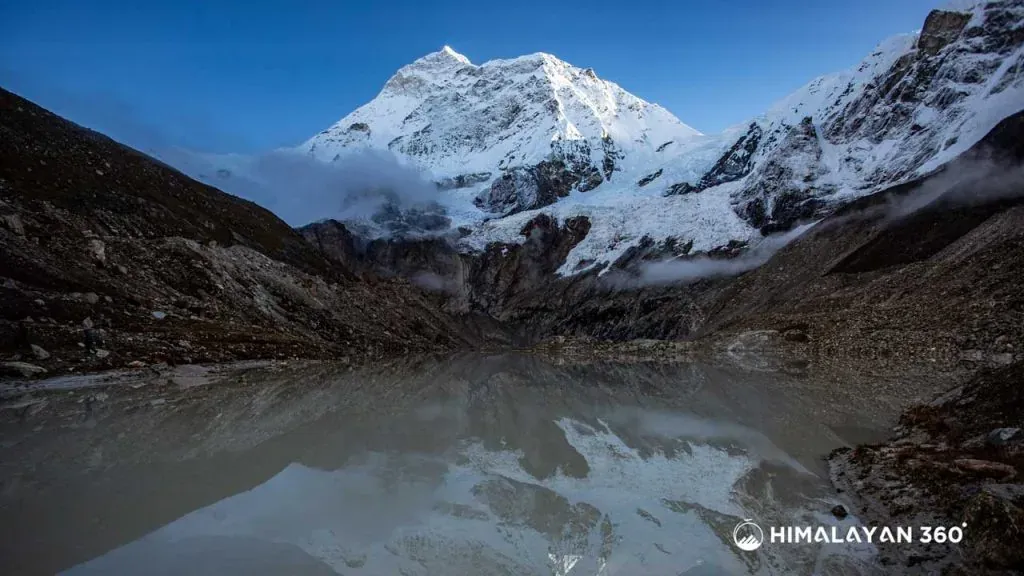
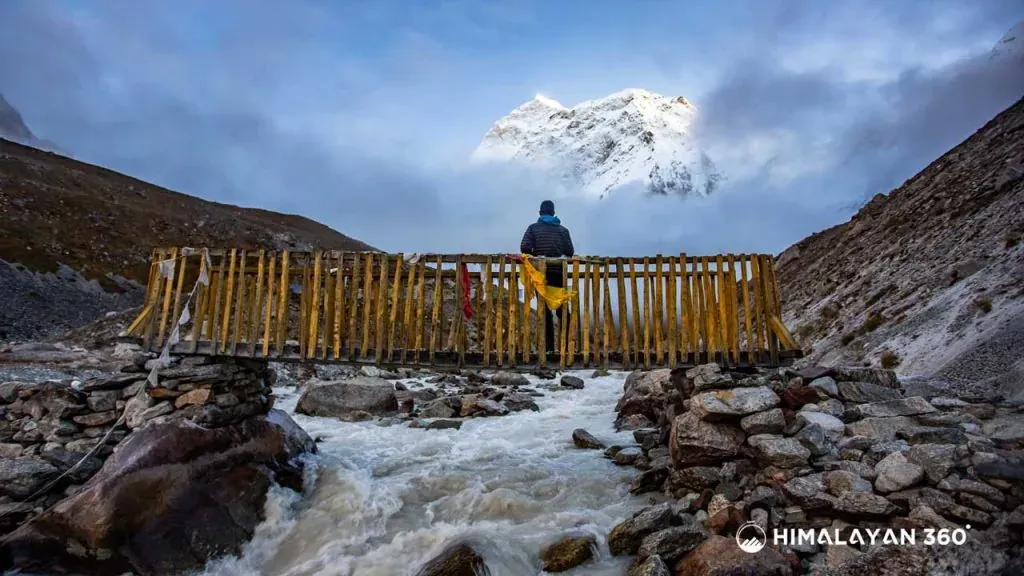
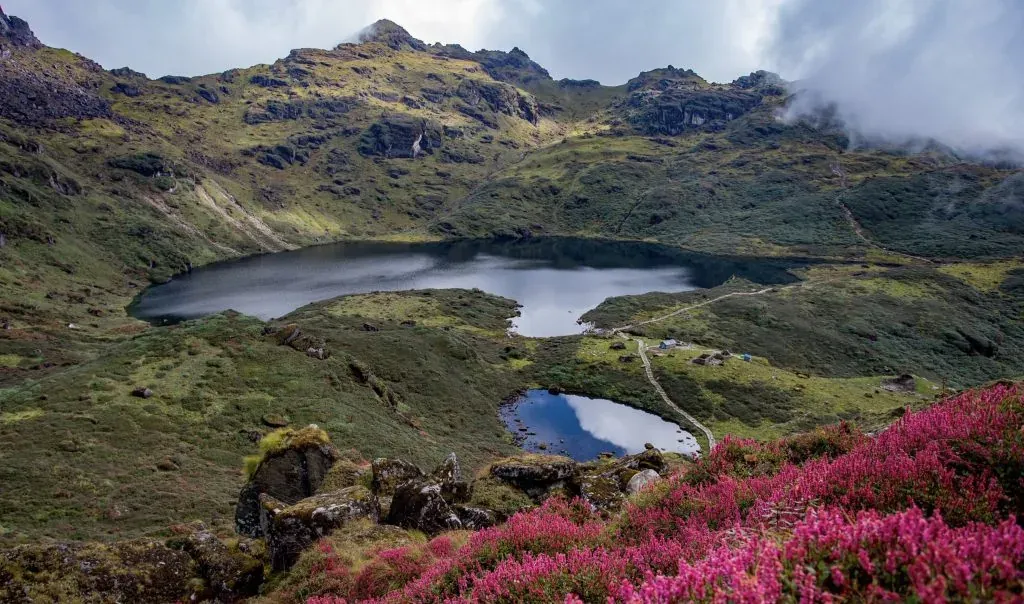
The Makalu Base Camp Trek is one of Nepal’s most rewarding adventures if you want to avoid the crowded Everest and Annapurna trails and experience a wilder, untouched part of the Himalayas, where the mountains feel raw, and the scenery just keeps surprising you. Nestled in the remote eastern Himalayas, the trail gives you sweeping views of some of the world’s tallest peaks, including Mount Makalu (8,463M, the world’s fifth highest mountain) and distant views of Mount Everest, Lhotse, and Kanchenjunga from certain points. The trek ends at Makalu Base Camp (4,870M), sitting right under Makalu’s dramatic south face, surrounded by glaciers, ice cliffs, and high alpine valleys. Now, let’s talk about the journey itself. You start in the lower hills near Num, and the trail climbs steadily through terraced fields and small villages where Rai, Gurung, and Sherpa communities live. As you go deeper into Makalu Barun National Park, the Makalu Base Camp trek path winds through thick rhododendron and bamboo forests, deep river gorges, and wide yak pastures. You may also see incredible wildlife like red pandas, musk deer, Himalayan tahr, and in the most remote parts, maybe even the elusive snow leopard. Villages and teahouses are few and far between, so you really feel the isolation. One of the trek’s defining features is the mix of altitude and history. You will cross several high passes above 4,000M, including the famous Shipton La, named after the legendary explorer Eric Shipton, whose expeditions opened up this part of the Himalayas for modern trekkers. Makalu Base Camp Trek difficulty is moderate to challenging. You’ll face long climbs, rocky trails, and thin air that makes every step feel different. Moreover, the constantly changing landscapes make the trek challenging. But the reward is totally worth it. Standing beneath Makalu’s colossal south face and looking across the surrounding giants is one of those moments that stays with you forever.
Book Now Make An Enquiry
Kanchenjunga Circuit Trek
23 Days
Kanchenjunga Circuit Trek
$2,330
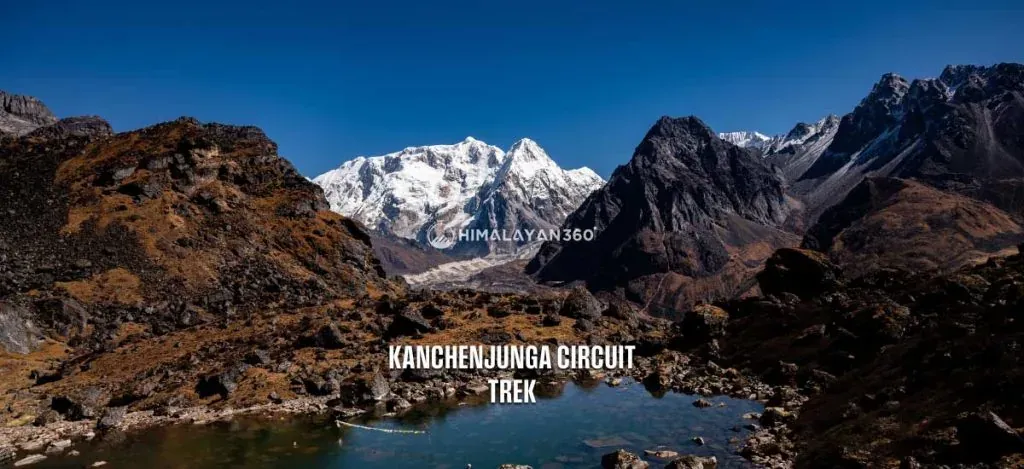
The Kanchenjunga Circuit Trek is an exciting journey that takes you through the north and south base camps of Mount Kanchenjunga, the third highest mountain in the world. It is one of the least-traveled destinations in Nepal’s eastern region, far from the busy trails of Everest or Annapurna. It takes 23 days to complete. The highest point of the trek is Pangpema at 5,143 meters (16,873 ft), where you’ll be rewarded with a jaw-dropping view of the Kanchenjunga massif. This trek offers a mix of natural beauty, cultural experience, and raw adventure. Trekkers will hike through thick rhododendron forests, bamboo groves, and quiet villages, slowly climbing higher each day. The trails pass through the Kanchenjunga Conservation Area, where lucky trekkers may spot rare wildlife, such as the red panda or blue sheep. The Kanchenjunga circuit trek is suitable for those with prior trekking experience or good physical fitness. Still, with the right planning and a guided itinerary, even passionate beginners can give it a try. The best seasons to do the Kanchenjunga Circuit Trek are spring (March–May) and autumn (September–November), when the weather is clear and stable.
Book Now Make An Enquiry
Dhaulagiri Circuit Trek
18 Days
Dhaulagiri Circuit Trek
$3,060
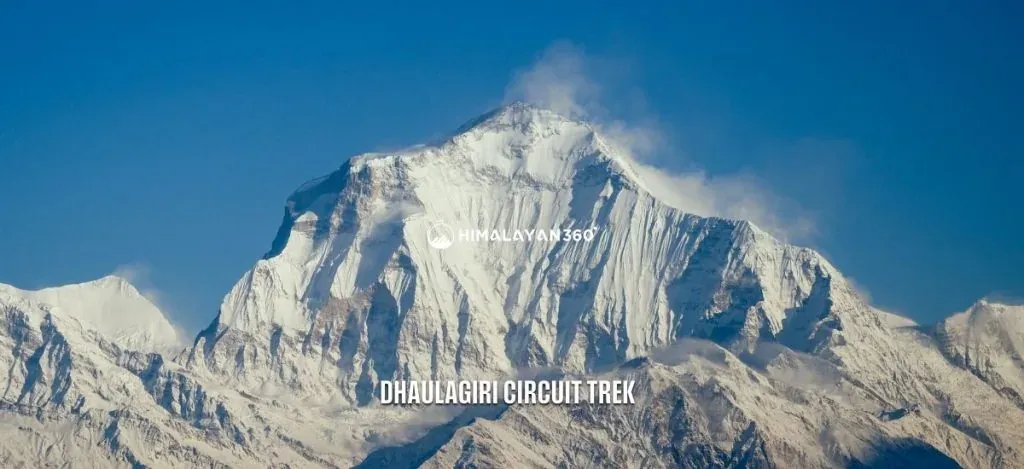
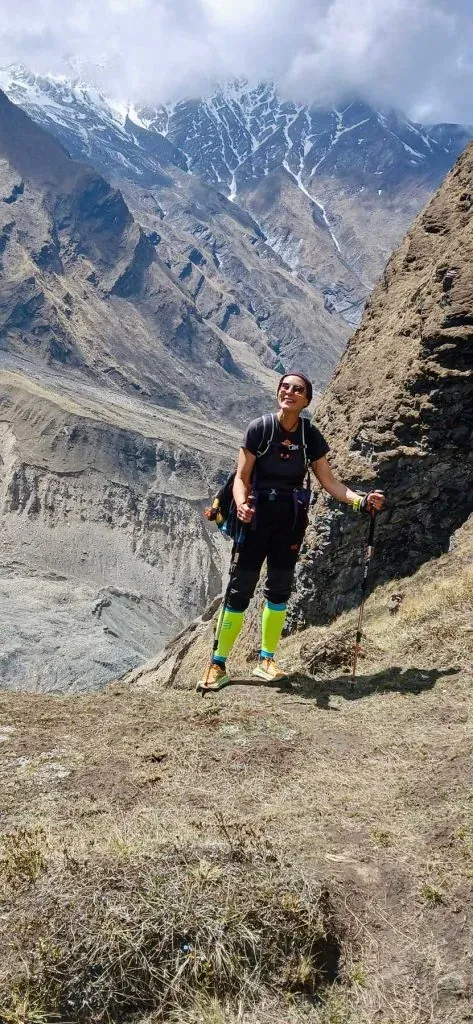
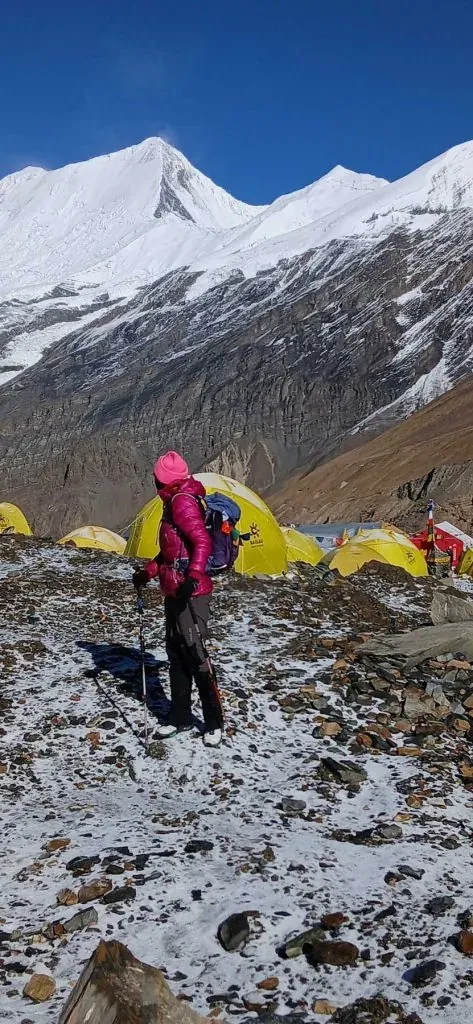
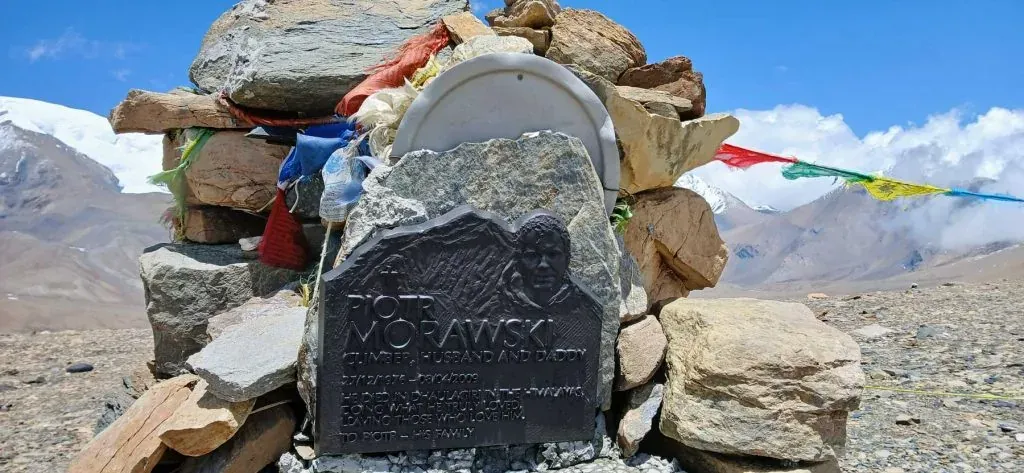
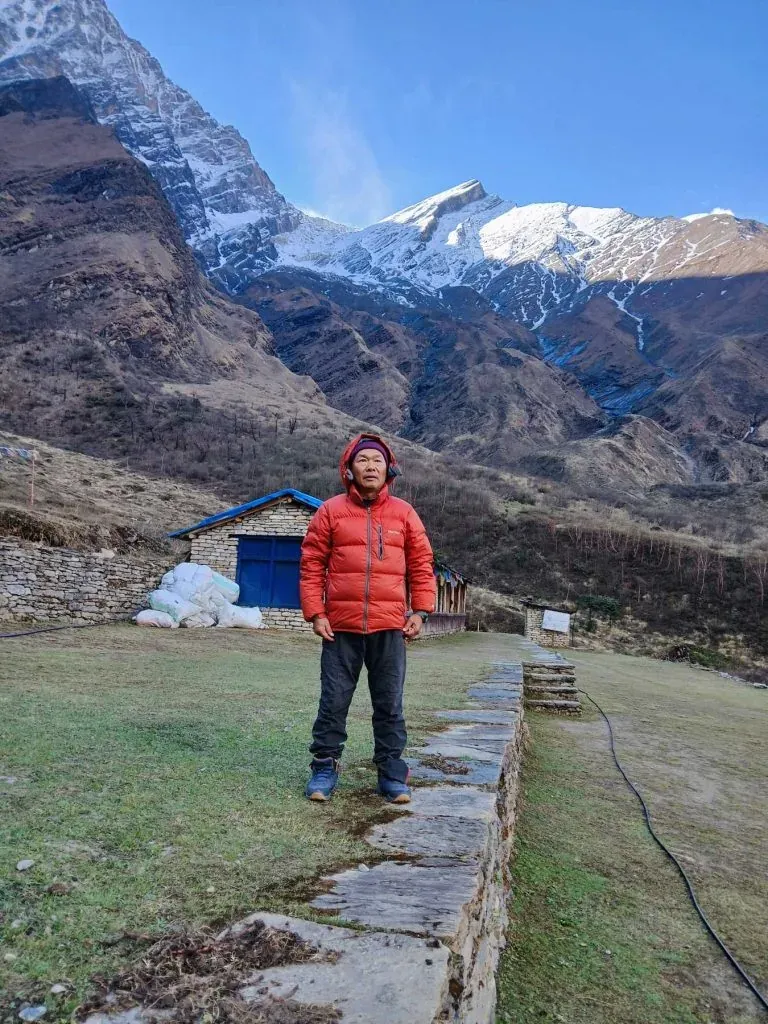
The Dhaulagiri Circuit Trek is one of the most adventurous and challenging treks in Nepal due to the involvement of two mountain high passes, the French Pass and the Dhampus Pass. It takes you through quiet mountain areas that few people visit. The trek covers 160-230 kilometers (100-143 miles) and reaches its highest point at French Pass (5,360m). On the way, you’ll see stunning views of Mount Dhaulagiri (8,167m), the seventh-highest mountain in the world, along with Annapurna (8,091m), Tukuche Peak (6,920m), and Nilgiri (7,061m). This epic trek begins at Darbang and takes you through remote villages like Muri, Bagar, and Dobhan, all the way to Marpha. You’ll walk through dense forests, riversides, rocky paths, and glaciers, including the Chhonbardan Glacier. A highlight of the trek is visiting Japanese Base Camp (3,890 m) and Dhaulagiri Base Camp (4,748m). These two sites are surrounded by two iconic sites. The trek also offers the chance to learn about local culture and tradition. Most people residing in the Dhaulagiri region of Nepal are of the Magar, Thakali, and Gurung ethnicities. You’ll see their homes, temples, prayer flags, and see the blend of Hindu and Buddhist culture. This trek is hard, but it’s also peaceful and rewarding. The mountain views are amazing, and there are fewer crowds. It’s a great choice for people who want a real adventure in the Himalayas. Want to know more or customize your trip? Contact us by email or phone, and we’ll help you plan an unforgettable journey into the heart of the Himalayas.
Book Now Make An Enquiry
4 UNESCO Heritage Site Day Tour in Kathmandu
1 Days
4 UNESCO Heritage Site Day Tour in Kathmandu
$32
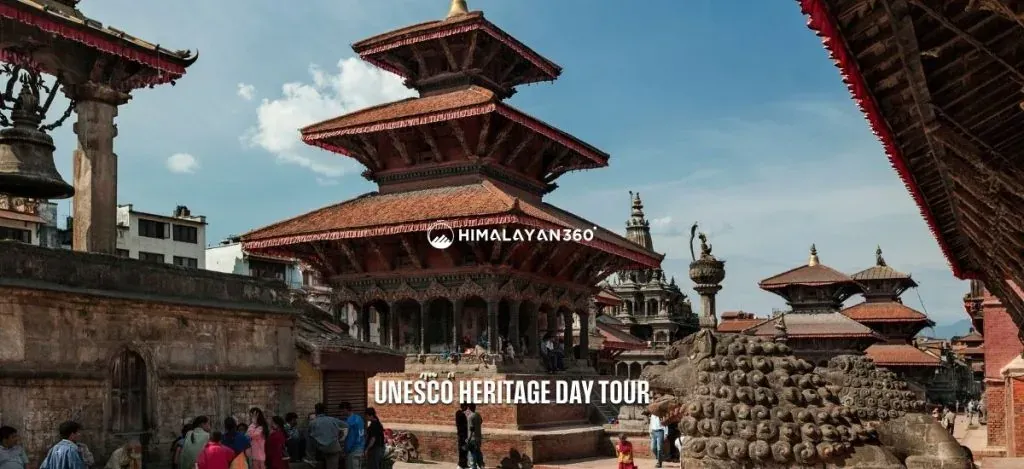
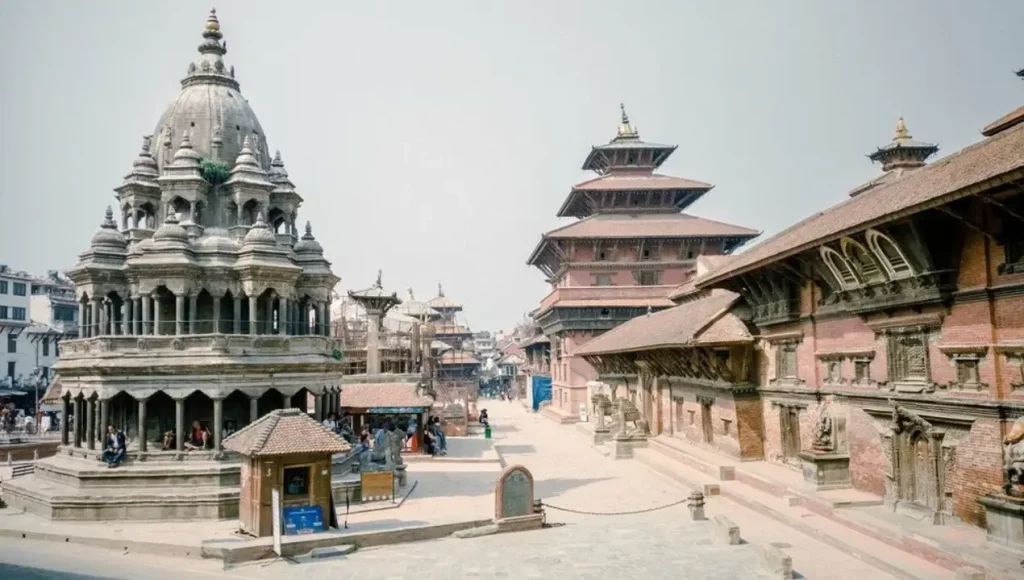
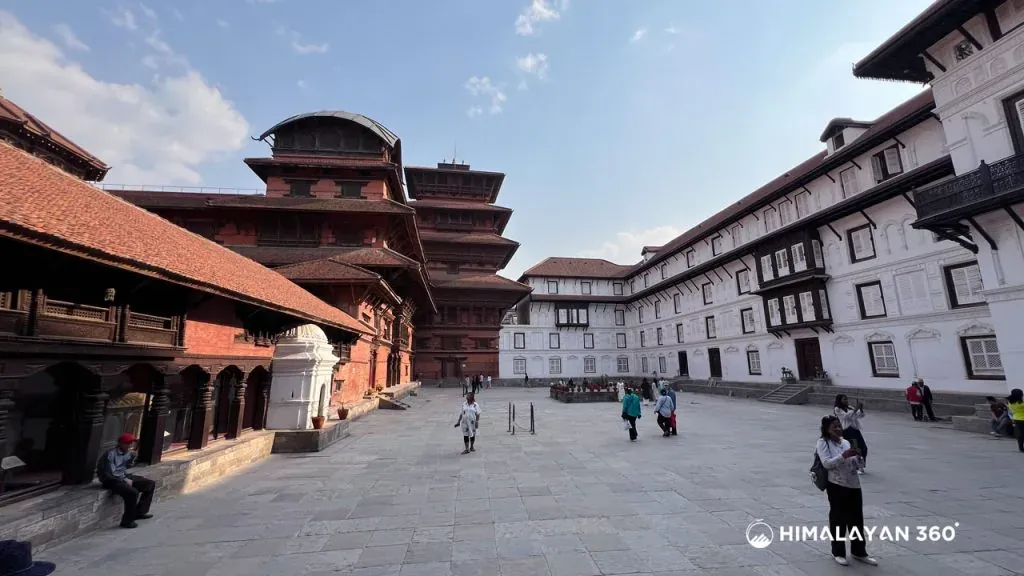
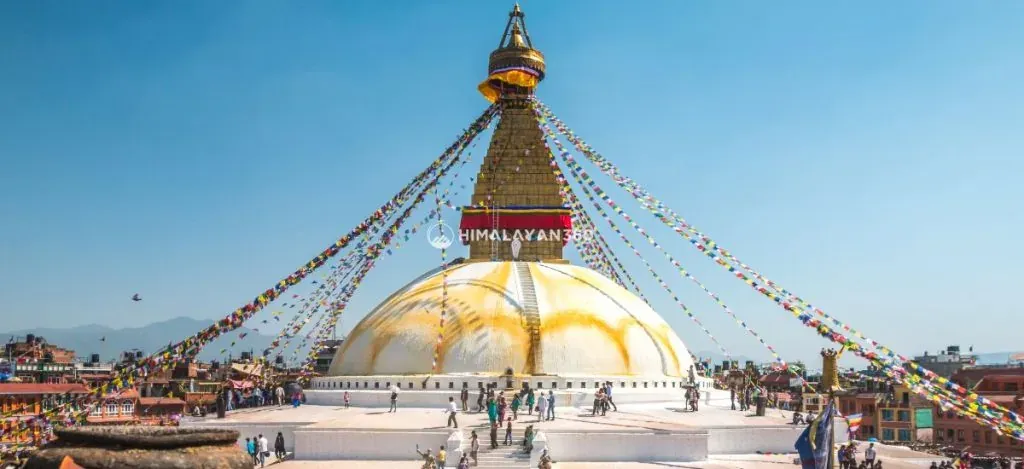
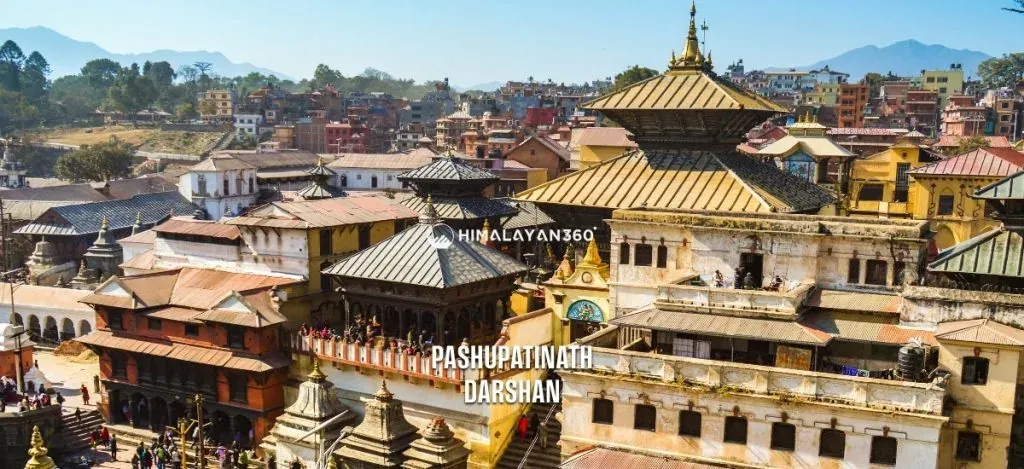
Kathmandu, the heart of Nepal, is home to several UNESCO World Heritage Sites. Each of them reflects the history, art, and culture of the city. A one-day tour covering the top four sites: Swayambhunath Stupa, Kathmandu Durbar Square, Pashupatinath Temple, and Boudhanath Stupa tells its own story from ancient kings to sacred rituals. A single full day is all you need to feel the magic and history of Kathmandu. Starting from Swayambhunath, your day tour begins with over 2,000 years of history. Legend says the Kathmandu Valley was once a lake, and the hill of Swayambhunath rose at its center. Later, the stupa was renovated and expanded by King Manadeva in the 5th century to promote Buddhism. As you climb its 365 steps, you’ll witness the Buddhist traditions that made this place special for centuries. From there, your tour leads to Kathmandu Durbar Square, where the history of the Malla Kings is still alive. Between the 12th and 18th centuries, rulers like King Pratap Malla built palaces, temples, and courtyards with detailed carvings to show both power and faith. This place will really amaze you. After that, you’ll visit Pashupatinath Temple and Boudhanath Stupa. Pashupatinath, established in the 5th century and rebuilt in the 17th century by King Bhupatendra Malla, honors Lors Shiva and hosts daily rituals on the Bagmati River. Boudhanath, which was built in the 5th to 6th century CE to support Tibetan Buddhism, is one of the largest stupas in the world. These heritage sites will surprise you with their history and culture. To explore these four incredible sites, go through the detailed itinerary below and plan your visit to Kathmandu with us.
Book Now Make An Enquiry
 Trek
Trek By air
 Pilgrimage
 Festivals
 Wildlife
 Luxury
 Yoga
Yoga Food
Food Heritage