The Ladder, and Where It Ends
Almost nobody goes from a trek to an 8,000M peak. The useful progression in Nepal has three rungs, and we run all of them.
Get high on foot first. The Everest Base Camp Trek tops out at Kala Patthar, 5,545M, from USD 1,260. It tells you honestly how your body behaves above 5,000M, and that answer is worth more than any training plan.
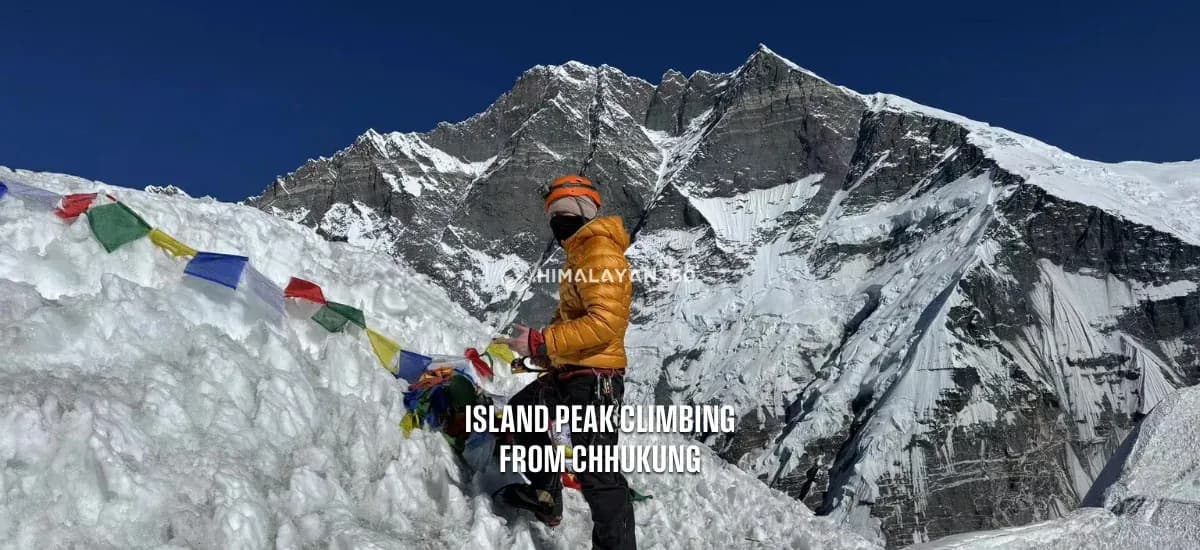
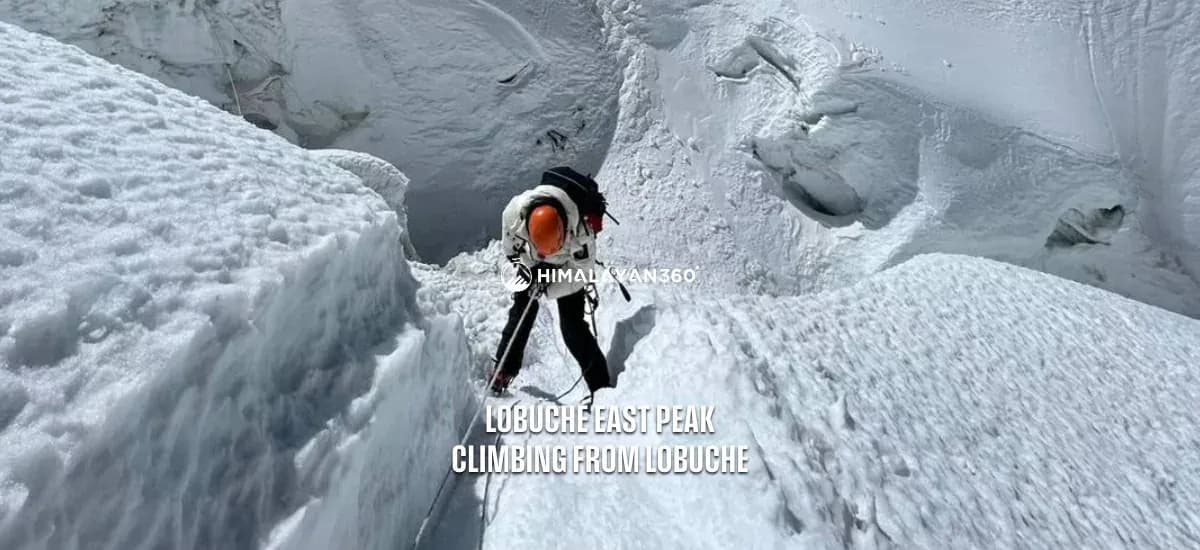
Learn the hardware on a trekking peak. Island Peak Climbing at 6,189M and Lobuche East Peak Climbing from Lobuche at 6,119M, from USD 780, are where crampons, harness, jumar and fixed ropes stop being theory. The Island Peak itinerary builds in a pre-climb training session at base camp.
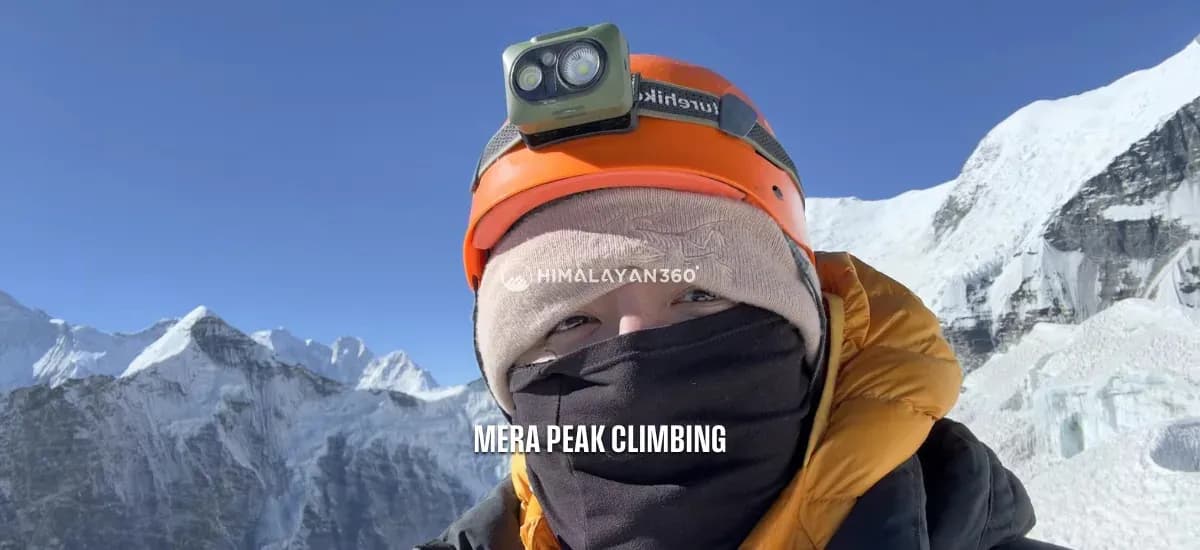
Add altitude and duration. Mera Peak Climbing at 6,476M, from USD 2,050, is the highest and the longest of the three. It is less technical than Island Peak and harder, which surprises people.
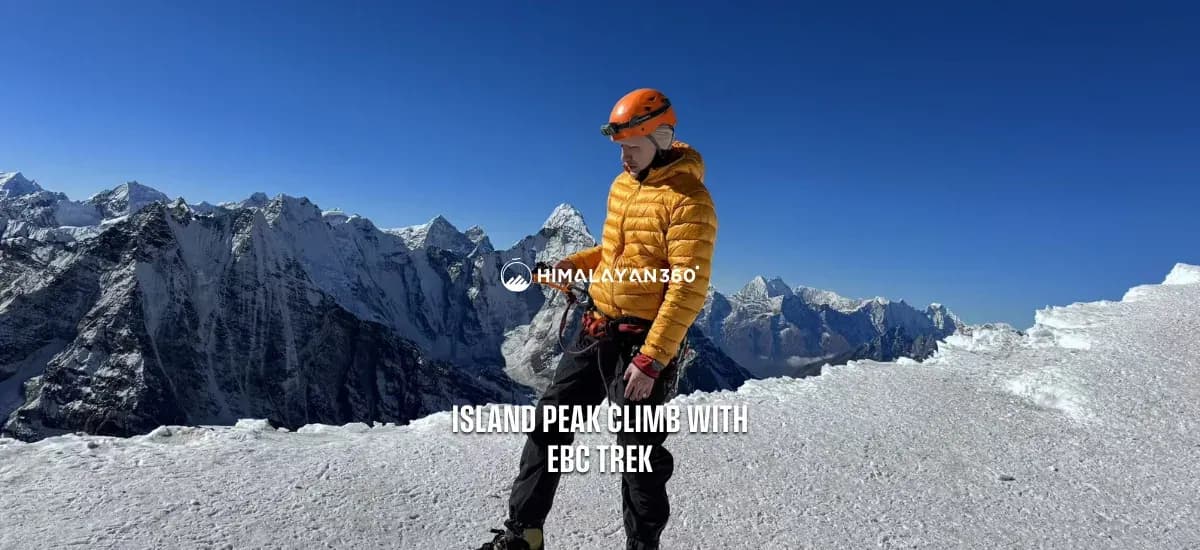
Or do both at once. Island Peak Climb with EBC Trek puts the high trek and the climb in one trip.
Cho Oyu, and Why It Is Not on This Page
We do not run 8,000M expeditions, and the honest advice for anyone arriving here without 8,000M experience is that Cho Oyu is the end of a progression rather than the start of one.
Cho Oyu is the sixth highest mountain in the world at 8,188M, on the Nepal and Tibet border. It has a reputation as the most approachable of the fourteen 8,000M peaks, and that reputation does real damage, because approachable at 8,188M is not the same as easy. A climb takes about two months. The difficulty is not technical ground, it is altitude, weather and duration: two months of cold and wind, avalanche risk on some ground, and a body that has to stay strong the whole time. Every failure at that height traces back to how fast someone went up.
The permits depend on the side. From Tibet: a Chinese Mountaineering Association permit, a Tibet Entry Permit, and often an Aliens' Travel Permit, all arranged through an operator. From Nepal: a climbing permit from the Nepal Mountaineering Association. Neither side issues to an individual.
If Cho Oyu is the goal, the three peaks above are the work that comes first, and the altitude question is the one to settle before any of it.
What a Trekking Peak Actually Asks
Not mountaineering experience. What it asks is:
- Hill fitness rather than gym fitness. Long days on your feet, back to back, carrying a daypack.
- A head for exposure. The summit ridges are narrow and the drop is real, even with a rope on.
- Patience with altitude. Every itinerary here is paced around sleeping altitude, and the rest days are the climb.
- Willingness to be taught. Crampons, harness, jumar and abseil are learned in a morning. Using them tired at 6,000M is the part that takes the trip.
Make an enquiry and we will tell you which of the three fits what you have actually done.
 18Days
 6,189m
 Strenuous