Kailash Yatra Fixed Departure Date 2026 Click Here
Everest Three High Pass Trek
The Everest Three High Pass trek presents a challenging yet rewarding journey through the Khumbu region of Nepal. It involves crossing three Everest high passes: Kongma La, Cho La, and Renjo La. The route enters the Everest Base Camp and lovely Gokyo Valley, famous for its crystal-clear Gokyo lakes, Ngozumpa glacier, and panoramic view from Gokyo Ri.
The trek begins along the classic Everest Base Camp (5,364m). Before reaching it, you face the first and toughest pass, Kongma La (5,535m). It is difficult to cross this rugged trail, but the views of the Khumbu Glacier, Nuptse, and surrounding peaks make every step worthwhile. Standing at Everest Base Camp afterward feels like a true reward, and a climb to Kala Patthar (5,550m) gives you the best sunrise over Everest itself.
From here, the trail turns toward the second challenge, Cho La Pass (5,420m). This steep, icy route connects the Everest region with the stunning Gokyo Valley. The view from the top of Cho La Pass is simply great, with excellent sights of major peaks like Ama Dablam, Lhotse, and Cho Oyu.
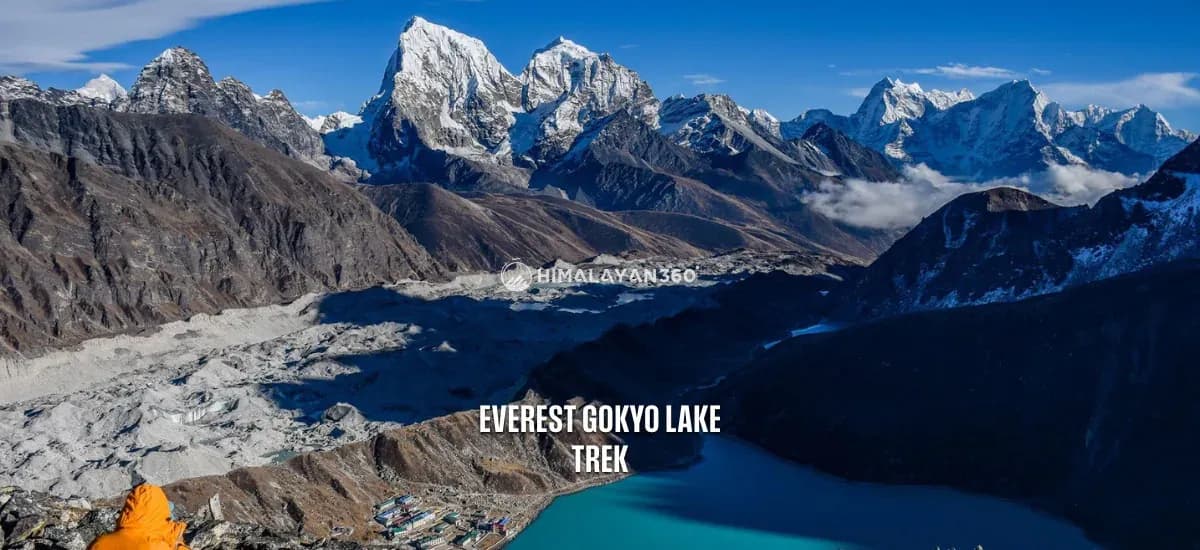
In Gokyo, you enjoy the serene Gokyo Lakes and the mighty Ngozumpa Glacier before facing the final pass, Renjo La (5,360m). This crossing offers some of the most breathtaking panoramas of the entire trek: Everest, Lhotse, Cho Oyu, and the turquoise lakes below. Throughout the trek, you also experience the lively Sherpa culture, stay in traditional villages, and witness life in the high Himalayas. and the scenic Himalayan vistas.
The Everest Three Pass Trek includes the peaceful beauty of the Gokyo Lakes, the thrill of crossing three high mountain passes, and the fulfillment of attaining the Everest Base Camp trek. It is a high-altitude trek suitable for experienced trekkers who want to push beyond the usual trails and explore the wilder side of the Himalayas.
Max. Altitude
5,555M/18,225FT
Best Season
Feb,March,April,May,June,Sept,Oct,Nov,Dec
Difficulty
Destination
Nepal, Everest Region
Transportation
Flight | Car | Jeep
Start / End
Kathmandu/Kathmandu
Accommodation
Meals
Breakfast
Lunch
Dinner
Language
English
Route
Kathmandu-Lukla-Phakding-Namche-Tengboche-Dingboche-Chhukung-Lobuche-Gorak Shep-Dzongla-Gokyo-Marulung-Namche-Lukla-Kathmandu
Activities
6 hrs walking
Trip Type
Trekking in the Himalaya
Trek Distance
Lukla to Lukla (140.6KM/87.4Miles)
Major highlights of Everest Three High Pass Trek
- Start your adventure with a scenic mountain flight from Kathmandu to Lukla, then follow in the legendary footsteps of Tenzing Norgay and Sir Edmund Hillary.
- Experience the iconic Everest Base Camp, and ascend Kala Patthar for panoramic Everest views.
- Cross the Kongma La Pass that provides stunning views of Khumbu Glacier, Nuptse, Lhotse, and Makalu.
- Travel the challenging Cho La Pass (5,420m), offering stunning glacial vistas.
- Cross the third pass Renjo La Pass, that offer panorama of the entire trek.
- Visit the famous Tengboche Monastery, the largest and most sacred in the region, where monks chant against the backdrop of Everest.
- Explore the serene beauty of the Gokyo Lakes and walk on Nepal’s longest glacier, Ngozumpa, for a true off-the-beaten-path experience.
- Witness the vibrant Sherpa culture in Namche Bazaar.
- Enjoy a walk through diverse landscapes, from lush valleys to high-altitude terrain, with the towering Himalayas always in view.
- Summit Gokyo Ri for breathtaking views of the mountains and the Khumbu region.
- Spot Himalayan wildlife and birds inside Sagarmatha National Park, a UNESCO World Heritage Site filled with natural wonders.
Outline Itinerary of Everest Three High Pass Trek
Detailed Itinerary of Everest Three High Pass Trek
Day 01: Arrival at Tribhuvan International Airport in Kathmandu and transfer to hotel
| Itinerary Fact | Details |
|---|---|
| Highest Altitude: | 1,400M/4,593FT |
Place: Thamel
On the first day, you will arrive at Tribhuvan International Airport. You will go through customs and then take a tourist bus to the hotel in Thamel, a busy area in Kathmandu. Once you reach the hotel, we will check in and drop off our bags. After that, you can explore the lively Kathmandu. You will return to the hotel, enjoy a delicious dinner, and rest.
| Itinerary Fact | Details |
|---|---|
| Meals: | N/A |
| Accomodations: | 3-Star Hotel |
Day 02: Fly to Lukla from Kathmandu or Ramechhap Airport and then Trek to Phakding
| Itinerary Fact | Details |
|---|---|
| Time: | 02:00-14:00 |
| Trek Distance: | 7.3KM/4.5Mile |
| Ascent: | 176M/577FT |
| Descend: | 389M/1,275FT |
| Trek Duration: | 3Hours |
| Flight Hours: | 35Minutes or 5-6Hours Drive + 20Minutes Flight |
| Highest Altitude: | 2,860M/9,383FT | Lukla |
Place: Phakding
Today, your adventure towards Everest 3 passes begins. You will have breakfast in Kathmandu and then quickly fly to Lukla. The flight lasts about 35 minutes and offers excellent bird-eye views of the Himalayas. As you arrive near Lukla, you will see views of the Khumbu mountains at 2860m. Lukla is also the starting point of the trek in the Everest region.
The trekkers also have the option to fly to Lukla from Ramechhap. This would require a 5-6 hour bus ride from Kathmandu to Ramechhap, followed by a 20-minute flight. Once you arrive at Lukla airport, the trek begins. You will start walking to your destination, Phakding. You will cross a few suspension bridges and pass through the village of Chheplung as you go downhill to reach Phakding, where you will stay overnight.
| Itinerary Fact | Details |
|---|---|
| Meals: | Breakfast, Lunch, and Dinner |
| Accomodations: | Tea House | Lodge |
Day 03: Trek to Namche Bazaar from Phakding
| Itinerary Fact | Details |
|---|---|
| Time: | 08:00-16:00 |
| Trek Distance: | 9.8KM/6Mile |
| Ascent: | 1,090M/3,575FT |
| Descend: | 290M/951FT |
| Trek Duration: | 6Hours |
| Highest Altitude: | 3,440M/11,286FT | Namche |
Place: Namche
On day 3 of the Three Everest High Pass trek itinerary, after enjoying breakfast in Phakding, you’ll continue your trek toward Namche Bazaar. Today’s walk in the Everest Three High trek route includes a mix of gentle uphill and downhill sections and crossing several suspension bridges. The highlight of the trek early on is the stunning view of Mt. Thamserku (6,608m) from the charming Bengkar village. As you pass through Monjo, you’ll enter the Sagarmatha National Park after checking your permits at the entrance gate.
The trail then takes you through dense pine forests and rugged terrain. If the weather is clear, you’ll catch your very first glimpse of Mount Everest from inside the forest. After walking past Jorsale village, you’ll cross the famous Hillary Suspension Bridge and begin a steady climb to Namche Bazaar. Namche Bazaar is the largest Sherpa village in the Khumbu Region and is the starting point for many expeditions and trekking groups. Overnight at Namche.
| Itinerary Fact | Details |
|---|---|
| Meals: | Breakfast, Lunch and Dinner |
| Accomodations: | Tea House | Lodge |
Day 04: Acclimatization Day at Namche. Hike to Hotel Everest View
| Itinerary Fact | Details |
|---|---|
| Time: | 08:00-13:00 |
| Trek Distance: | 4KM/2.5Mile |
| Ascent: | 420M/1,378FT |
| Descend: | 420M/1,378FT |
| Trek Duration: | 2Hours |
| Highest Altitude: | 3,860M/12,664FT | Everest View Hotel |
Place: Namche
Day four of the Everest Three High Passes Trek is a day for acclimatization spent in Namche Bazaar to help the body adjust to the increasing altitude. But instead of taking full rest day, you will engage in light hike. A common activity is a hike up to the Hotel Everest View, situated at a higher elevation, offering stunning panoramic views of the Himalayas, including Everest and the surrounding Himalayan peaks.
This uphill trek allows trekkers to experience a higher altitude before descending back to the relative safety of Namche for the night, a strategy known as “climb high, sleep low,” which is crucial for preventing altitude sickness.
| Itinerary Fact | Details |
|---|---|
| Meals: | Breakfast, Lunch and Dinner |
| Accomodations: | Tea House | Lodge |
Day 05: Trek to Tengboche from Namche Bazaar
| Itinerary Fact | Details |
|---|---|
| Time: | 08:00-16:00 |
| Trek Distance: | 9.3KM/5.8Mile |
| Ascent: | 1,035M/3,395FT |
| Descend: | 597M/1,958FT |
| Trek Duration: | 6Hours |
| Highest Altitude: | 3,860M/12,664FT | Tengboche |
Place: Tengboche
It’s the 5th day of trek through the route in the Everest region, and you will trek from Namche Bazaar to Tengboche today. The Everest Three High Pass trekking route offers some of the best mountain views so far, including Mount Everest, Ama Dablam, Lhotse, Nuptse, and Thamserku. As you follow a gently winding Everest Three High Pass trek trail, you’ll walk through pine forests and may spot wildlife like musk deer, Himalayan Thar, and colorful pheasants along the way (the sighlighting is rare).
You’ll then cross a prayer flag-draped bridge over the Dudh Koshi River before reaching Phungi Thanga. After a final climb, you will reach Tengboche, home to the region’s most important monastery. You can take time to visit the Tengboche Monastery. Overnight at Tingboche.
| Itinerary Fact | Details |
|---|---|
| Meals: | Breakfast, Lunch and Dinner |
| Accomodations: | Tea House | Lodge |
Day 06: Trek to Dingboche from Tengboche
| Itinerary Fact | Details |
|---|---|
| Time: | 08:00-16:00 |
| Trek Distance: | 10.4KM/6.5Mile |
| Ascent: | 676M/2,217FT |
| Descend: | 229M/751FT |
| Trek Duration: | 6Hours |
| Highest Altitude: | 4,410M/14,468FT | Dingboche |
Place: Dingboche
The sixth day of the Everest 3 pass trek itinerary takes you from Tengboche to Dingboche. Today’s journey takes you down through a beautiful forest trail, across the peaceful Imja Khola, and into the traditional Sherpa village of Pangboche. You will be accompanied by the mesmerizing views of Mt. Ama Dablam, Lhotse, and other towering peaks throughout the trekking route.
As you continue, the Everest high passes trek trail opens up into vast pastures and rolling hills leading toward Dingboche, also known as the ‘summer valley’ for its sunny, open terrain. We aim to arrive in Dingboche in time for lunch. After lunch, you can relax with a book or enjoy the views of the surrounding mountains.
| Itinerary Fact | Details |
|---|---|
| Meals: | Breakfast, Lunch and Dinner |
| Accomodations: | Tea House | Lodge |
Day 07: Trek to Chhukung from Dingboche
| Itinerary Fact | Details |
|---|---|
| Time: | 09:00-12:00 |
| Trek Distance: | 4.5KM/2.8Mile |
| Ascent: | 673M/2,207FT |
| Descend: | 673M/2,207FT |
| Trek Duration: | 2.5Hours |
| Highest Altitude: | 4,730M/15,518FT | Chhukung |
Place: Chhukung
The seventh day of the Everest Three Passes Trekking involves a relatively short trek from Dingboche (4,410m/14,470ft) to Chhukung (4,730m/15,518ft), typically taking around 3 hours. This day serves as continued acclimatization, allowing your body to adjust to the increasing altitude while enjoying the scenic views of the Imja Valley, Lhotse, Nuptse, and Ama Dablam.
Upon reaching Chhukung, you’ll have the afternoon free, with options for short hikes to viewpoints or preparing for potential ascents of Chhukung Ri before returning to sleep overnight.
| Itinerary Fact | Details |
|---|---|
| Meals: | Breakfast, Lunch and Dinner |
| Accomodations: | Tea House | Lodge |
Day 08: Trek to Lobuche via Kongma La Pass
| Itinerary Fact | Details |
|---|---|
| Time: | 05:00-13:00 |
| Trek Distance: | 7.7KM/4.8Mile |
| Ascent: | 810M/2,658FT |
| Descend: | 630M/2,067FT |
| Trek Duration: | 8Hours |
| Highest Altitude: | 5,540M/18,176FT | Kongma La |
Place: Lobuche
After staying overnight in Chhukung, it’s time to tackle the first Everest pass, Kongma La Pass (5,535m). Enjoy a hearty breakfast before departing on the steep trail to the northwest, where you’ll have views of the Nuptse Glacier and Island Peak Valley.
You will then ascend through the rugged Niyang Khola Valley, dotted with iced lakes, until you reach the challenging Kongma La Pass. You will take breaks as needed to enjoy the stunning views of the Everest region. After appreciating the scenery, you will descend carefully through rocky terrain toward Lobuche, where you can see the Khumbu Glacier. You’ll spend the night in a teahouse in Lobuche.
| Itinerary Fact | Details |
|---|---|
| Meals: | Breakfast, Lunch and Dinner |
| Accomodations: | Tea House | Lodge |
Day 09: Trek to Everest Base Camp and then back to Gorak Shep
| Itinerary Fact | Details |
|---|---|
| Time: | 08:00-16:00 |
| Trek Distance: | 11.6KM/7.23Mile |
| Ascent: | 484M/1,588FT |
| Descend: | 243M/798FT |
| Trek Duration: | 7Hours |
| Highest Altitude: | 5,364M/17,598FT | Everest Base Camp |
Place: Gorak Shep
Today is the most exciting and rewarding day of your 17 days itinerary of Everest Three High Pass, as you’ll finally reach Everest Base Camp, the base of the world’s highest peak, Mt Everest. Continuing on the trekking route in the Everest region, you will trek from Lobuche to Gorak Shep. Gorak Shep is the last teahouse before reaching the base camp, so you will return there after your visit to EBC.
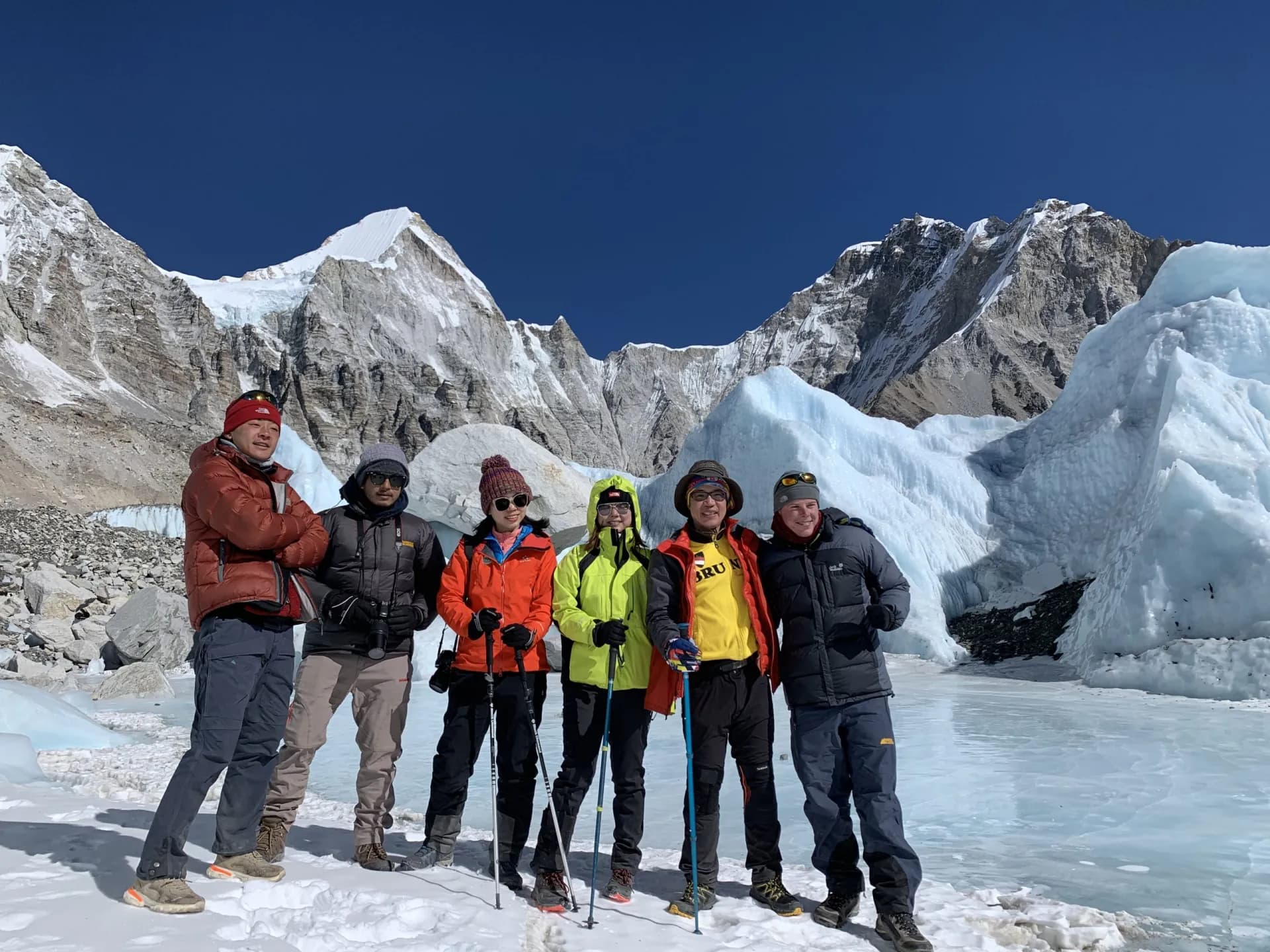
The journey involves adventurous trails and a break at Gorak Shep before continuing for several hours to Everest Base Camp (5,364m). You’ll walk alongside the Khumbu glacier, and upon reaching the base camp, you’ll be surrounded by towering peaks like Lhotse, Makalu, Cho Oyu, Nuptse, and others. You won’t see Mount Everest from EBC. After appreciating the moment, you’ll head back to Gorak Shep for the night.
| Itinerary Fact | Details |
|---|---|
| Meals: | Breakfast, Lunch and Dinner |
| Accomodations: | Tea House | Lodge |
Day 10: Morning Hike to Kala Patthar and Trek to Dzongla
| Itinerary Fact | Details |
|---|---|
| Time: | 04:00-16:00 |
| Trek Distance: | 14.2KM/8.8Mile |
| Ascent: | 685M/2,248FT |
| Descend: | 1,027M/3,370FT |
| Trek Duration: | 7Hours |
| Highest Altitude: | 5,555M/18,225FT | Kala Patthar |
Place: Dzongla
On the tenth day of the Everest Three High Passes trekking, you’ll hike to Kala Pathar, a 2-3 hour trek from Gorak Shep. If you reach the summit early, you’ll witness a stunning sunrise over the world’s highest peaks, including Mt Everest and Mt Ama Dablam.
After enjoying the views and capturing amazing photos, you’ll trek to Dzongla. This involves retracing your steps to Lobuche, then navigating a rough riverbed trail. You’ll climb a ridge that offers beautiful mountain views, including the Cho La Pass (5,420m) and Cho La Lake, before descending through several villages to reach Dzongla for the night.
| Itinerary Fact | Details |
|---|---|
| Meals: | Breakfast, Lunch and Dinner |
| Accomodations: | Tea House | Lodge |
Day 11: Trek to Thagnak from Dzongla via Cho La Pass
| Itinerary Fact | Details |
|---|---|
| Time: | 05:00-14:00 |
| Trek Distance: | 9.72KM/6Mile |
| Ascent: | 938M/3,078FT |
| Descend: | 618M/2,028FT |
| Trek Duration: | 7Hours |
| Highest Altitude: | 5,368M/17,512FT | Cho La Pass |
Place: Thagnak
You will start your climb from Dzongla (4,830m/15,850ft) to the challenging Cho La Pass (5,420m/17,782ft), the second pass of the trek. This part involves steep, rocky, and possibly icy trails that require physical strength and mental determination. Depending on the conditions, you may need trekking poles or microspikes.
After the tough climb to the pass, you will see prayer flags and stunning views. The descent to Thagnak (4,700m/15,420ft) can also be difficult, as it often includes crossing moraines and potentially icy ground. As you reach Thagnak, a quieter settlement, you will have dinner and sleep overnight.
| Itinerary Fact | Details |
|---|---|
| Meals: | Breakfast, Lunch and Dinner |
| Accomodations: | Tea House | Lodge |
Day 12: Trek to Gokyo from Thagnak
| Itinerary Fact | Details |
|---|---|
| Time: | 09:00-13:00 |
| Trek Distance: | 3.5KM/2.18Mile |
| Ascent: | 50M/164FT |
| Descend: | 90M/295FT |
| Trek Duration: | 2.5Hours |
| Highest Altitude: | 4,790M/15,715FT | Gokyo Lake |
Place: Gokyo Lake
Your trek from Thagnak to Gokyo is a relatively short and scenic walk of about 4 hours, gaining only a slight altitude to reach the village of Gokyo (4,750m). As you traverse its moraine, the trail offers stunning views of the Ngozumpa Glacier, Nepal’s longest glacier.
You’ll likely pass by the first of the Gokyo Lakes, Longpongo (4,690m), before arriving at the main Gokyo village on the eastern shore of the third Gokyo Lake, Dudh Pokhari (4,750m). After reaching Gokyo village, you will visit the local area and then your teahouse for an overnight stay.
| Itinerary Fact | Details |
|---|---|
| Meals: | Breakfast, Lunch and Dinner |
| Accomodations: | Tea House | Lodge |
Day 13: Acclimatization Day – Hike to Gokyo Ri
| Itinerary Fact | Details |
|---|---|
| Time: | 08:00-12:00 |
| Trek Distance: | 3.4KM/2.1Mile |
| Ascent: | 584M/1,916FT |
| Descend: | 584M/1,916FT |
| Trek Duration: | 3Hours |
| Highest Altitude: | 5,357M/17,575FT | Gokyo Ri |
Place: Gokyo Lake
Today, you will stay in Gokyo to rest and adjust to the altitude. In the morning, you will hike up to Gokyo Ri, which is a steep climb. The effort will be worth it because, from the top, you will see amazing views of Everest, Lhotse, Makalu, and Cho Oyu. These peaks will look majestic, standing tall above the clouds.
After enjoying the views, you will return to Gokyo for lunch. The rest of the day is free to relax or explore. You can spend time by the lake or meet other trekkers in the lodge. This day will help us prepare for the challenges ahead and give us a chance to fully enjoy Gokyo.
| Itinerary Fact | Details |
|---|---|
| Meals: | Breakfast, Lunch and Dinner |
| Accomodations: | Tea House | Lodge |
Day 14: Trek to Marulung from Gokyo via Renjo La Pass
| Itinerary Fact | Details |
|---|---|
| Time: | 05:00-14:00 |
| Trek Distance: | 12.5KM/7.8Mile |
| Ascent: | 570M/1,870FT |
| Descend: | 1,150M/3,773FT |
| Trek Duration: | 8Hours |
| Highest Altitude: | 5,360m / 17,585ft (Renjo La) |
Place: Marulung
Today, you will begin your journey from Gokyo to Marulung at 5:00 a.m. First, you will climb uphill for 570 meters to reach Renjo La Pass, the third high pass of the trek. This climb requires time and effort, but once you reach the top, you can enjoy breathtaking views of Mount Everest, the Gokyo Lakes, and other towering peaks.
After taking in the stunning scenery, you will descend 1,150 meters toward Marulung. The total distance of the trek is about 12.5 kilometers, and it takes around 8 hours to complete. You will make stops for meals and rest along the way. Finally, you will arrive in Marulung and spend the night in a tea house or lodge, feeling tired but satisfied with your day’s adventure.
| Itinerary Fact | Details |
|---|---|
| Meals: | Breakfast, Lunch, and Dinner |
| Accomodations: | Tea House or Lodge |
Day 15: Trek to Namche Bazaar from Marulung
| Itinerary Fact | Details |
|---|---|
| Time: | 08:00-17:00 |
| Trek Distance: | 15.5KM/9.6Mile |
| Ascent: | 70M/230FT |
| Descend: | 820M/2,690FT |
| Trek Duration: | 8 Hours |
| Highest Altitude: | 4,210M/13,812FT | Marulung |
Place: Namche Bazaar
The fifteenth day of the Three Passes of the Everest trek journey continues by retracing your steps. Your journey begins with a descent from Marulung to Tarnga, passing through a rhododendron forest and alongside the Bhote Koshi River towards Namche Bazaar. After crossing the Langmuche Khola and visiting the Buddhist shrine Gompa, you’ll reach Sundar Peak.
A stop at the historic Thame monastery, a religious village, is included before retracing your steps through Samde, Thamo, and Phurte to the world’s highest power plant for views of Khari Gompa and Laudo Monastery. Finally, you’ll descend to Namche, a vibrant town filled with pine forests, gompas, prayer flags, and an interesting market, making for a delightful evening.
| Itinerary Fact | Details |
|---|---|
| Meals: | Breakfast, Lunch, and Dinner |
| Accomodations: | Tea House | Lodge |
Day 16: Trek back to Lukla from Namche Bazaar
| Itinerary Fact | Details |
|---|---|
| Time: | 08:00-16:00 |
| Trek Distance: | 17.2KM/10.7Mile |
| Ascent: | 672M/2,205FT |
| Descend: | 1,246M/4,088FT |
| Trek Duration: | 6Hours |
| Highest Altitude: | 3,440M/11,286FT | Namche |
Place: Lukla
You will continue descending from Sherpa villages, reaching Lukla from Namche today after breakfast. After two regular trekking days, you have one last challenge on this trek. The hike from Namche to Lukla will take 6 to 7 hours. You will walk along greener trails and pass by rhododendron trees. Although the journey is long, the beautiful scenery will help you forget the distance and tiredness. Enjoy this last day of the Everest 3 Passes Trek.
| Itinerary Fact | Details |
|---|---|
| Meals: | Breakfast, Lunch, and Dinner |
| Accomodations: | Tea House | Lodge |
Day 17: Flight back to Kathmandu or Ramechhap Airport from Lukla and Same Day Drive Back to Kathmandu
| Itinerary Fact | Details |
|---|---|
| Time: | 07:00-16:00 |
| Flight Hours: | 35Minutes or 5-6Hours Drive + 20Minutes Flight |
| Highest Altitude: | 2,860M/9,383FT | Lukla |
Place: Thamel
On Day 17 of the trek, you will leave the Everest region. Start the day with an early morning flight back to Kathmandu from Lukla, if available during the off-peak season. If not, you will take a scenic flight from Lukla to Ramechhap Airport, which is more common during peak trekking seasons. Once you arrive in Ramechhap, you will drive for 4 to 5 hours to return to Kathmandu. Once in Kathmandu, you will arrive at your hotel to rest, and in the evening, meet your crew for a celebratory dinner.
| Itinerary Fact | Details |
|---|---|
| Meals: | Breakfast, Lunch, and Dinner |
| Accomodations: | 3-Star Hotel |
Day 18: Transfer to the International Airport for Your Final Departure
Meals: Breakfast
We will arrange your transfer to the international airport based on your flight schedule on the final day of your journey. After a delicious breakfast, you will have time to pack your bags and complete any last-minute preparations. We will ensure your departure is smooth and memorable, just like the rest of your trek. Have a safe flight, namaste.
| Itinerary Fact | Details |
|---|---|
| Meals: | Breakfast |
Explore with Local Experts! Our experienced guides, porters, and staff are locals who know every trail, culture, and hidden gem. Travel with us for an authentic adventure!
Plan your trip on your own date
Ready to create your perfect adventure? Use our trip planner to customize your itinerary and schedule according to your preferences. We’re here to help you tailor every detail to fit your unique needs.
Why Choose Everest Three High Pass For Trekking?
You should choose the Everest Three High Pass trek for trekking, as this journey connects the famous Everest Base Camp with the peaceful Gokyo Valley. It offers a mix of stunning nature, mountain thrills, and Sherpa culture along the trekking route. You’ll walk among giants, explore peaceful valleys, meet kind locals, and push yourself in the best way possible. This route promises an adventure you’ll never forget.
Beautiful Mountain View of the Everest Region
Trekking to Everest Three Pass offers some of the breathtaking mountain views and landscapes of the Everest Region. Some majestic mountains you can witness include Mount Everest (the world’s highest mountain, standing at 8,848.86m), Lhotse (the fourth-highest mountain, standing at 8,516m), Nuptse (part of the Everest massif), Cho Oyu (the sixth-highest mountain), and Ama Dablam (often referred to as the “Matterhorn of the Himalayas”). Besides mountain views, you will also witness scenic valleys, glaciers, icy mountains, and traditional Sherpa villages. The landscapes change every day, from green valleys to rocky cliffs and glaciers.
A Deep Sherpa Cultural Experience in Namche Bazaar and others
Not only does the trek offer a scenic adventure, but it is also a chance to experience the unique Sherpa culture of Nepal. During the journey, you’ll walk through traditional Sherpa villages like Namche Bazaar, Dole, and Machhermo, where you can learn about the mountain way of life. Many locals here follow Tibetan-influenced Buddhism, and you’ll see colorful prayer flags, old monasteries, and spinning prayer wheels along the trail. Additionally, local people here are welcoming and provide a home-like adventure in the Himalayas.
Visit to Gokyo Lakes and Gokyo Ri at 5,357m
One of the biggest highlights of this trek is the visit to the Gokyo Valley. You’ll see the stunning Gokyo Lakes, crystal-clear lakes surrounded by snow-covered peaks. These lakes are especially important to both Hindus and Buddhists. From here, you can hike up to Gokyo Ri (5,357m) for panoramic views of Everest, Cho Oyu, Makalu, and more. This viewpoint offers one of the best sunrise views in the Himalayas. This viewpoint is often called the “hidden gem” of the Everest region.
Diverse Flora & Fauna in Sagarmatha National Park
The Everest Three High Pass lies within Sagarmatha National Park. Thus, you can experience a rich variety of flora and fauna. While trekking, you may catch a glimpse of some rare wild animals, such as the Himalayan tahr, musk deer, snow leopard, and colorful birds like the Danphe (Nepal’s national bird), amidst lush vegetation. The trail also takes you through forests of rhododendron, pine, and birch, especially in the lower sections of the trek. The region’s diverse ecosystem offers a vibrant backdrop to your trek, adding to the adventure and natural beauty you will witness.
Best Time for Everest Three High Passes Trek
Trekking the Everest 3 High Passes is possible throughout the year with proper preparation and planning. Every season brings a few unique challenges along with a once-in-a-lifetime experience. To enjoy the best weather and clear views, you should plan your trek during spring (March to May) or autumn (September to November). On the other hand, summer and winter come with their own challenges, making it quite difficult to trek the Three Passes of the Everest.
Spring (March to May)
Spring is considered one of the best seasons for trekking, including the Everest 3 Pass trek. The weather is moderate, with clear skies and temperatures ideal for trekking. You will also see blooming rhododendrons and other wildflowers and enjoy spectacular views as the landscape comes alive, making it a popular trekking season. The temperatures are comfortable, and the region is less crowded than in autumn, allowing for a more peaceful experience.
| Category | Details |
|---|---|
| Average Temperature | 10°C to -10°C (depending on altitude) |
| Climate | Mild, with clear skies and moderate temperatures. |
| Flora | Blooming rhododendrons, wildflowers, and lush vegetation. |
| Fauna | Himalayan tahr, musk deer, and various bird species like the Himalayan monal. |
Summer/Monsoon (June to August)
The summer monsoon season is typically not recommended to trek to the Everest Base Camp and Everest Three Passes. While temperatures may still be relatively warm, the heavy rainfall during this period makes trails slippery and increases the risk of landslides. The weather is also quite unpredictable, and visibility can be poor, hindering scenic views. Therefore, most trekkers avoid this season due to the difficult and sometimes unsafe conditions.
| Category | Details |
|---|---|
| Average Temperature | 15°C to 0°C (depending on altitude) |
| Climate | Warm with high humidity and frequent rainfall. |
| Flora | Vegetation is lush due to rainfall, but trails can be slippery. |
| Fauna | Active wildlife, such as monkeys and various birds, is harder to spot due to the dense foliage and weather. |
Autumn (September to November)
Autumn is another good time for the Everest Base Camp and the Everest 3 Passes trek. You will get stable weather, with clear skies and crisp temperatures. The landscape is often clear from the monsoon rains, and the fall colors add a layer of beauty to the surroundings. You will experience stunning panoramic views of the peaks, and the trails are in excellent condition, free from mud and puddles. With fewer rain chances and mild temperatures, autumn provides the ideal trekking environment.
| Category | Details |
|---|---|
| Average Temperature | 12°C to -10°C (depending on altitude) |
| Climate | Cool and dry with clear skies and stable weather. |
| Flora | Crisp air, fall colors with some remaining wildflowers. |
| Fauna | Himalayan tahr, musk deer, snow leopards (though rare), and various high-altitude birds. |
Winter (December to February)
| Category | Details |
|---|---|
| Average Temperature | -10°C to -20°C (depending on altitude) |
| Climate | Cold, with snow, and higher chances of storms. |
| Flora | Vegetation is sparse; the landscape is often covered in snow. |
| Fauna | Wildlife is harder to spot due to the cold and snow, but possible sightings of Himalayan tahr and snow leopards. |
Meals and Accommodation Along the Route
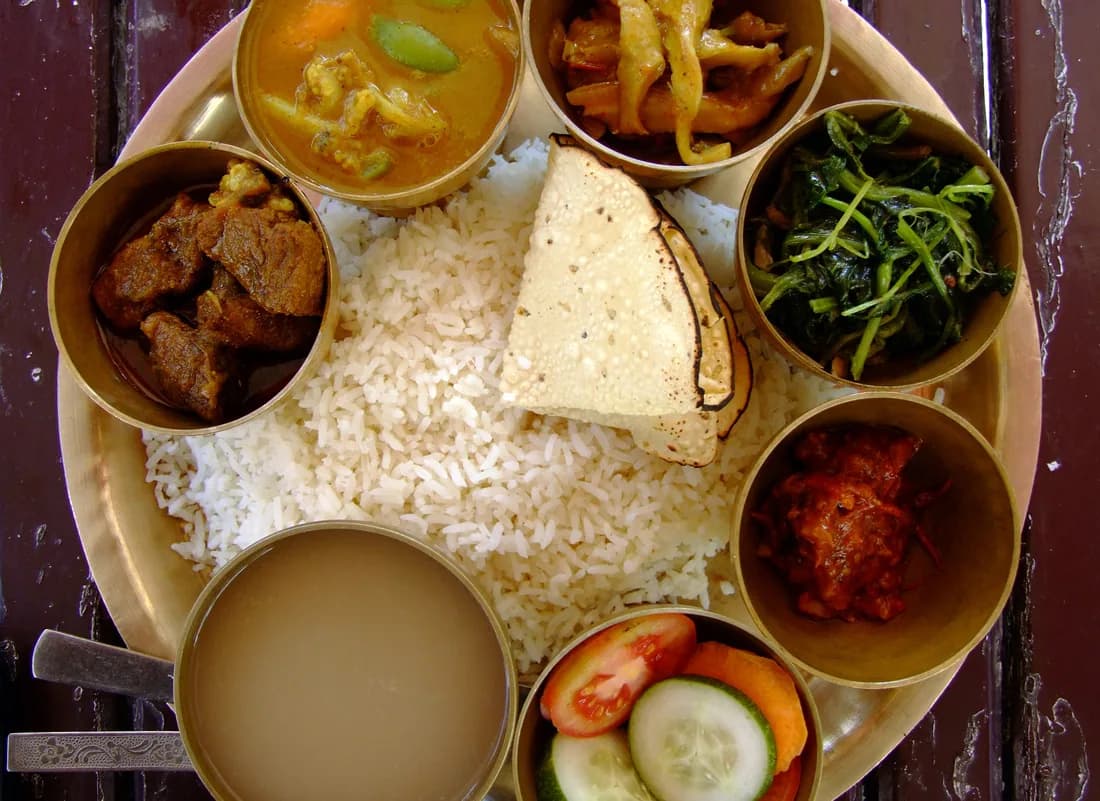
You will find plenty of tea houses along the route that offer simple yet hearty meals to fuel your trek. Breakfast typically includes items such as bread, eggs, pancakes, or porridge, while lunch and dinner often feature dishes like dal bhat (lentil soup with rice), noodles, momos (dumplings), or fried rice. Many tea houses also serve hot beverages like tea, coffee, and hot lemon, comforting in the cold mountain climate. Some places may even offer baked goods and chocolate bars to satisfy your sweet tooth.
Accommodation or lodges along the trekking route of Everest three Passes typically consists of basic tea houses and lodges. These provide essential amenities like a bed, blankets, and sometimes shared bathrooms with limited hot water. Rooms are usually twin-shared with a bed, blankets, and pillows. Most tea houses have a communal dining area with a stove where you can gather to warm up and socialize. You need to understand that the facilities become more basic as you ascend to higher altitudes.
Is Drinking Water Safe During the Everest Three High Pass?
Drinking water along the Everest Three High Pass is generally not safe to consume directly from natural sources without treatment. Water from streams, rivers, and tap water may contain harmful bacteria or parasites. So it is essential to purify the water before drinking. You can use water purification tablets, a portable filter, or a UV purifier to ensure the water is safe.
Furthermore, many tea houses offer boiled water, which is a safer option, but it may come at a small cost at higher altitudes. To reduce waste, avoid buying bottled water and carry a reusable water bottle instead. Staying hydrated is crucial during the trek. Make sure you drink purified water at least 3 to 4 liters a day to protect yourself from dehydration and altitude sickness during the adventure.
Challenges During the Everest Three High Passes Trek
People often see trekking as a fun outdoor adventure filled with amazing views. While that’s somewhat true, the journey is also much more intense than it looks. Especially when you’re doing a challenging trek like the Everest Three Passes, this journey isn’t just about walking. It’s about pushing yourself through steep, rugged trails, harsh weather, and remote, wild terrain.
Here are some challenges one can face during the Everest Three High Passes Trekking:
Altitude Sickness above 4,000m
Altitude sickness is a major concern when trekking at high altitudes. As you go higher from Dingboche, the air pressure drops, and there is less oxygen available for you to breathe. Your body needs time to adjust to this lower oxygen level. If you climb too quickly, your body might struggle to adapt, which can lead to Acute Mountain Sickness (AMS).
Symptoms of AMS can include mild headaches, nausea, fatigue, and, in severe cases, conditions like High Altitude Cerebral Edema (HACE) or High Altitude Pulmonary Edema (HAPE), which are very serious and require you to descend immediately. To prevent and manage altitude sickness on your trek, move up gradually, stay well-hydrated, and pay attention to how you feel.
Adverse Weather Risks
Weather conditions in the Everest region can change rapidly, and you might encounter sudden snowstorms or freezing winds, especially near Kongma La Pass, Cho La Pass, and Renjo-La Pass. Sudden weather changes may also lead to life-threatening situations.
To avoid this, make sure you check the daily forecasts. It would be best if you also prepared for unpredictable weather by carrying appropriate gear, including warm clothing and waterproof equipment.
Technical Difficulty
You may be wondering how difficult the crossing of the Everest High Pass trek is. It’s quite an adventurous trek with steep ascents, icy trails, and rocky paths. The trek demands good physical fitness and mental resilience, as it passes through glaciers and challenging terrain. You can carry trekking poles and wear sturdy boots to make your journey safer and more comfortable. Also, the trek is suitable for trekkers with a moderate to high level of fitness and a sound mental state.
Remote Location and Scarce Lodging after Gokyo
The Everest Three Passes trek presents many challenges because of its remote location after Gokyo. This leads to fewer and simpler lodging options. As trekkers head into high-altitude areas near Gokyo Lakes, places to stay become increasingly limited. Accommodations often have shared rooms and basic facilities.
In remote areas at higher elevations, expect rustic conditions, which may include unheated rooms and little access to services like hot showers and electricity. During busy seasons, lodges fill up quickly, so it’s important to book early or be flexible with your plans. Trekkers should be ready for a self-sufficient experience, so it’s a good idea to bring essentials like a warm sleeping bag and extra layers for comfort.
Preparation for the Trek
Physical Fitness
Trekking to Everest Three High Passes of the Everest region requires excellent physical conditioning to endure steep ascents, rocky paths, and long trekking days. You should start training a few months in advance with activities like hiking, running, cycling, and strength-building exercises. Including flexibility and core strength exercises in your routine will help prevent injuries and improve balance on uneven terrain. Remember to break in your trekking boots and gear during training to ensure comfort on the trail.
Mental Assurance
Being mentally fit is essential if you are trekking to Kongma La Pass, Cho La Pass, and Renjo La Pass. The trek involves some huge challenges, and you should be confident enough to handle them. You should focus on your goals and stay motivated throughout the journey, which will help you overcome tough moments. Mental resilience will allow you to enjoy the trek even when conditions are difficult. You can also try visualization techniques for enhanced preparations.
Is the Everest Three Passes Trek suitable for you?
Considered a challenging adventure, the Everest Three High Passes trek demands a high level of physical fitness and mental preparation. The trek passes through Chola La Pass at 5,420m, Renjo La Pass at 5,360m, and Kongma La Pass (5,535m). Thus, crossing over 5,000m, the chance of getting altitude sickness is also high. You will navigate steep ascents, rocky trails, and icy terrains. Having some proper experience can somehow make your journey easier.
Further, hiking for a long day, over 2 weeks of adventure, can also be tiring. The route’s difficulty, remote location, and unpredictable weather can further heighten the challenges. With all these factors in mind, the trek to the Everest Three High Pass can not be the proper option for beginners with an average fitness level. Physical and mental preparation is key to making the Everest Three High Pass trek a memorable and successful journey.
Permits for Everest Three High Pass Trek
You need two main permits to trek the Everest Three High Pass: the Sagarmatha National Park Entry Permit and the Khumbu Pasang Lhamu Rural Municipality Permit. Having these permits means you will have legal assurance that you will be able to travel to this area. Depending on your starting point, both licenses can be obtained in Kathmandu or Monjo.
Sagarmatha National Park Entry Permit
To enter Sagarmatha National Park, all trekkers, except children under 10, must obtain an entry permit. For foreign nationals, the permit costs NPR 3,000 (plus 13% VAT), while SAARC nationals pay NPR 1,500 (plus 13% VAT), and Nepali citizens pay NPR 100.
This single-entry, non-refundable, and non-transferable permit can be purchased at the Nepal Tourism Board office in Kathmandu or at the Sagarmatha National Park Entry Gate in Monjo, requiring a passport and two passport-sized photos. The fees collected contribute to the conservation of the park’s unique environment, wildlife, and cultural heritage.
Khumbu Pasang Lhamu Rural Municipality Permit
The Khumbu Pasang Lhamu Rural Municipality Permit is mandatory for all trekkers in the Khumbu region. It replaces the need for a TIMS (Trekkers’ Information Management System) card and ensures local authorities can monitor and maintain the trekking trails. This permit costs NPR 2,000 (around USD 15) per person and is available at Lukla or Monjo.
Additional Notes
If you fly directly to Lukla, these two permits are sufficient for the trek. However, suppose your itinerary includes trekking outside the Khumbu region, such as Jiri or Salleri. In that case, you might need a TIMS card, which costs NPR 2,000 for group trekkers and NPR 3,000 for solo trekkers. Always carry passport-sized photos and your passport when obtaining permits, and confirm current rates as they may change periodically.
Travel Insurance for Trek to Everest Three High Passes
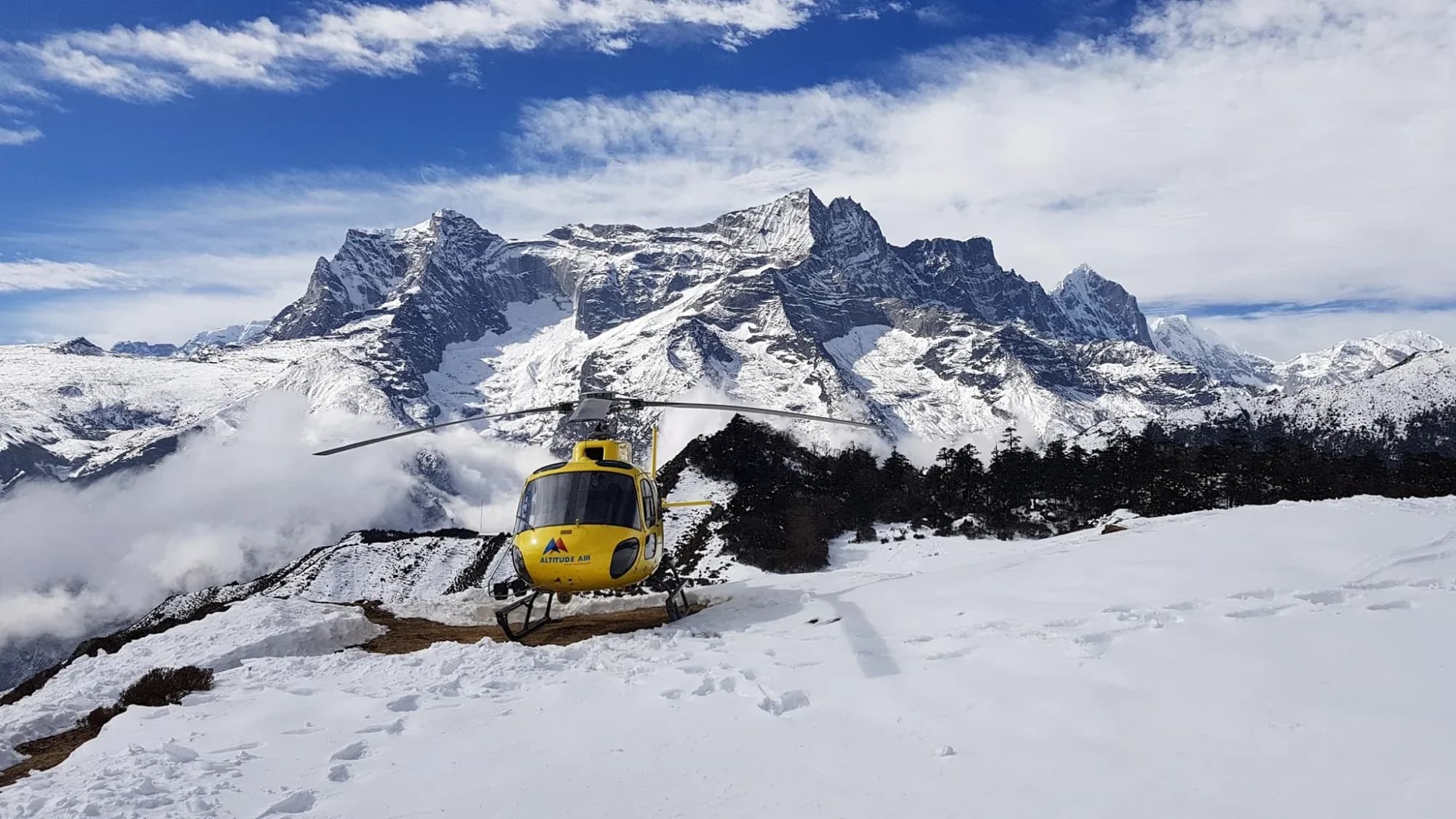
If you are trekking to higher elevations above 5,500m, it is essential for you to get travel insurance. Having travel insurance offers you financial security and peace of mind. This ensures that you are protected in case of altitude sickness, accidents, or emergencies requiring helicopter evacuation. Travel insurance also helps you cover emergency medical expenses, trip cancellation, lost luggage, and other risks.
Before purchasing travel insurance, ensure that it includes helicopter evacuation, as this is the only viable option for emergencies at high altitudes. Carefully review the policy details, including exclusions and limits, to ensure they match the specific risks of the trek. Always carry a copy of your insurance policy and emergency contact numbers while trekking for quick emergency access.
Why Choose Everest 3 High Pass Trek with Us?
You may find multiple travel agencies while researching, and choosing the right one can be difficult for you. Also, the risk of getting scammed by the companies is elevated. So while considering the travel agency, make sure you do thorough research. But here we are, Himalayan 360, waiting for you. You can choose us for your trip to the Everest Three Passes if you are looking for perks while booking with us.
Authorized Company
Himalayan 360 is a government-registered trekking agency in Nepal. From the trip packages we sell, Nepal receives payments that can enhance the environment and help the people of Nepal. In addition to the government, we are also certified by the Nepal Tourism Board (NTB), Trekking Agencies Association of Nepal (TAAN), Nepal Mountaineering Association (NMA), and other institutions.
Expert Guides
The guides we offer are experienced enough to handle all the trips. Similarly, the guides we hire are well-educated and updated about the regions, thus offering you accurate information about the areas. Having a guide means you increase your safety throughout the journey.
Responsible & Eco-friendly
Himalayan 360 organizes fully responsible trekking, tours, and peak climbing activities. We are fully aware of preserving the environment by properly disposing of litter. As responsible citizens, we perfectly follow the Leave No Trace rule. Knowledgeable, we respect local culture, festivals, and traditions and make efforts not to disrupt the lives of our local people.
Avoid Hidden Charges
We are clear on our trip policies and costs. Our estimates will include both your costs for our services and other items not covered in our fees that many other clients incur while traveling to and within Nepal. We will make every effort to have you leave Nepal with wonderful memories and no surprise costs.
Packing Essentials For Everest Three High Passes Trek
If you plan to trek to Everest Base Camp, Everest Three High Passes, and Gokyo Lake, be fully prepared. Packing the right essentials is key to handling the trek’s challenges. Make a detailed packing list since the trek takes more than two weeks. Keep your bag under 10 kg. Don’t forget any important gear and essentials.
Clothing
- Base Layer (Thermal Underwear) – 2-3 sets
- Middle Layer (Insulating Layer) – Fleece or down jacket
- Outer Layer (Weatherproof) – Waterproof jacket & pants
- Trekking Pants – 2 pairs
- Down Jacket
- Thermal Gloves – 1 pair
- Warm H at
- Sun Hat
- Scarf orBuff
- Trekking Socks – 4-5 pairs
- Warm Socks – 2 pairs
- Gaiters (optional)
Footwear
- TrekkingBoots – Waterproof, with good ankle support
- Lightweight shoes or sandals
- Sunglasses
- Headlamp
- Trekking Poles
- Water Bottles/Hydration System – 2L capacity
- Water Purification Tablets or Steripen
Sleeping Gear
- SleepingBag – Rated for -10°C to -20°C
- Sleeping Bag Liner
Personal Items
- Passport and Permits (TIMS, Sagarmatha National Park)
- Travel Insurance
- Camera/Smartphone
- Toiletries – Biodegradable soap, toothbrush, toothpaste, wet wipes
- First Aid Kit – Painkillers, band-aids, blister treatment, antiseptic, meds
- Altitude Sickness Medication (Diamox)
- Sunscreen – SPF 30 or higher
- Lip Balm with SPF
- Food and Snacks
- Power Bank
- Travel Adapter/Charger
Safety and Emergency Gear
- Whistle
- Multi-tool (optional)
- Cash – Nepali Rupees
Everest Three High Pass Trek Commonly Asked Questions
Is the Everest Three Passes Trek safe?
Can I trek solo for Everest 3 Passes?
Is it possible to charge devices and access the internet during the trek?
Are there any age restrictions for the Everest Three High Passes Trek?
Are there ATMs or money exchange facilities along the route?
What transportation options are available to reach the trek starting point?
Can I add Gokyo Lakes to the Everest Three Passes trek route?
Is the Everest Three High Pass Trek suitable for beginners?
How can I book this trek, and what are the payment options?
Are last-minute bookings available for the Everest 3 Pass Trek?
Review
Related Trips
1 Days
Everest Base Camp Helicopter Tour
14 Days
Everest Base Camp Trek
11 Days
Everest Base Camp Trek With Helicopter Return
USD 1,885 per person
Adventures Await
we’ll make it extraordinary and uniquely yours.
Create a travel experience that reflects your style and preferences.
With expert guidance, every moment of your trip is uniquely tailored to you.