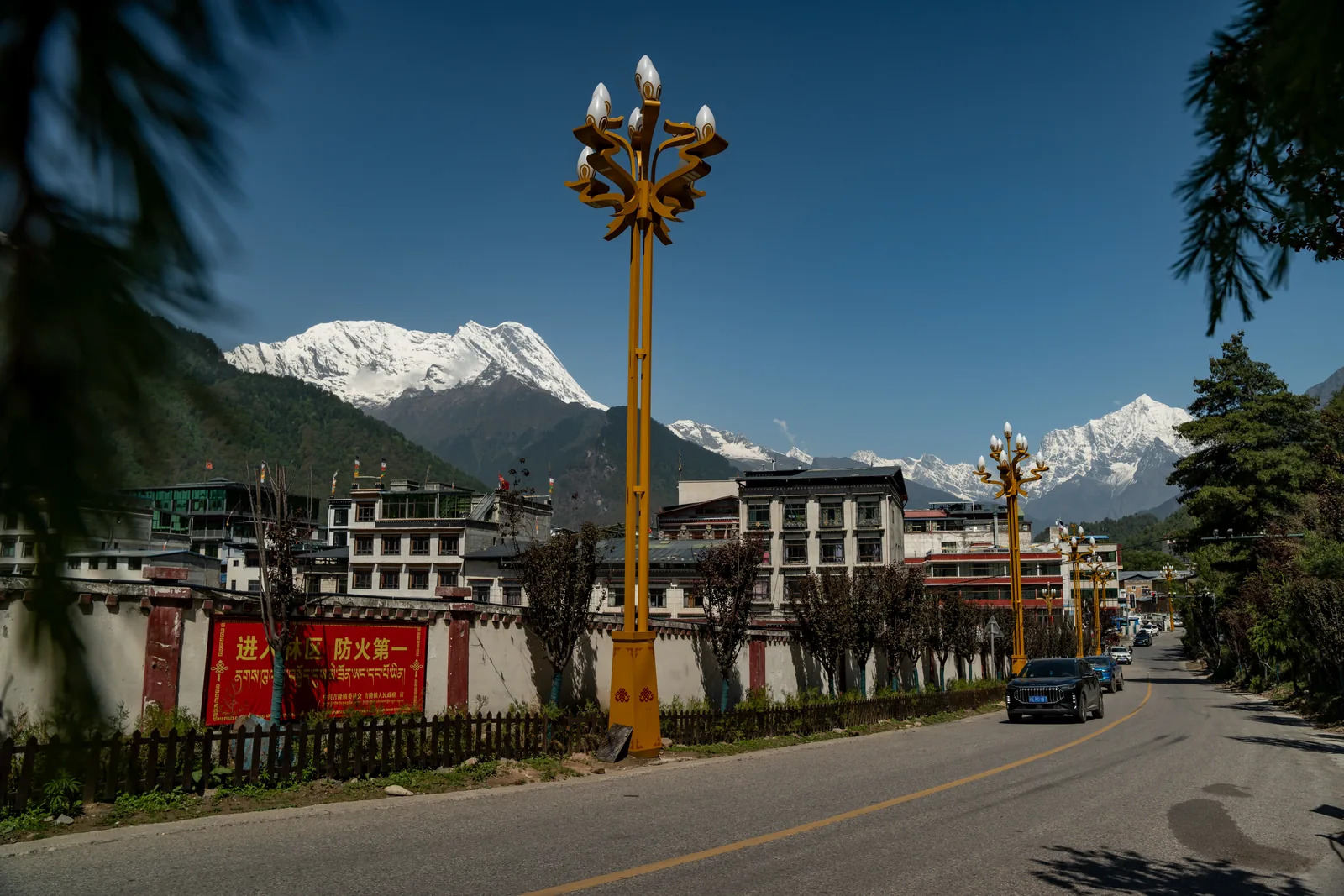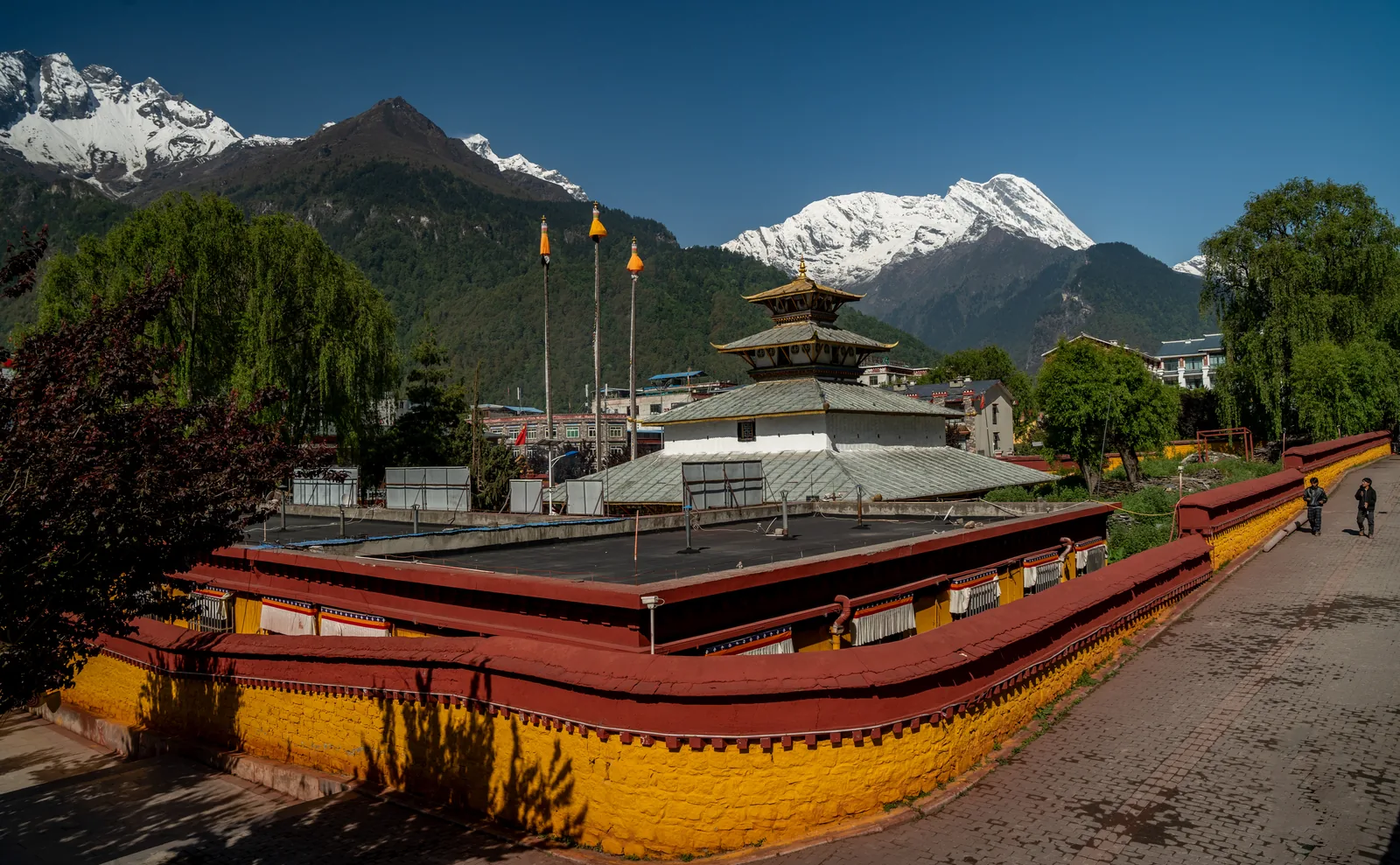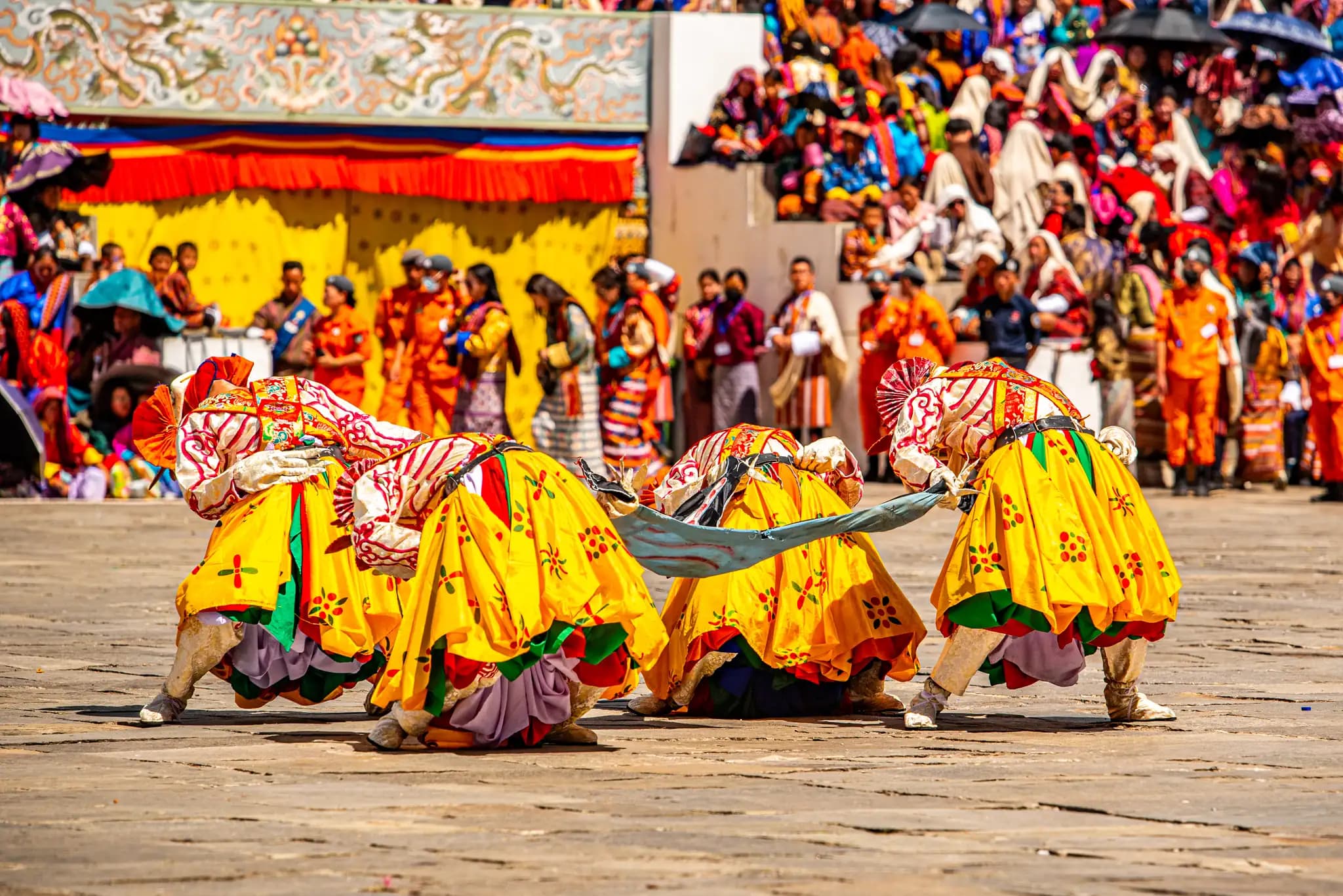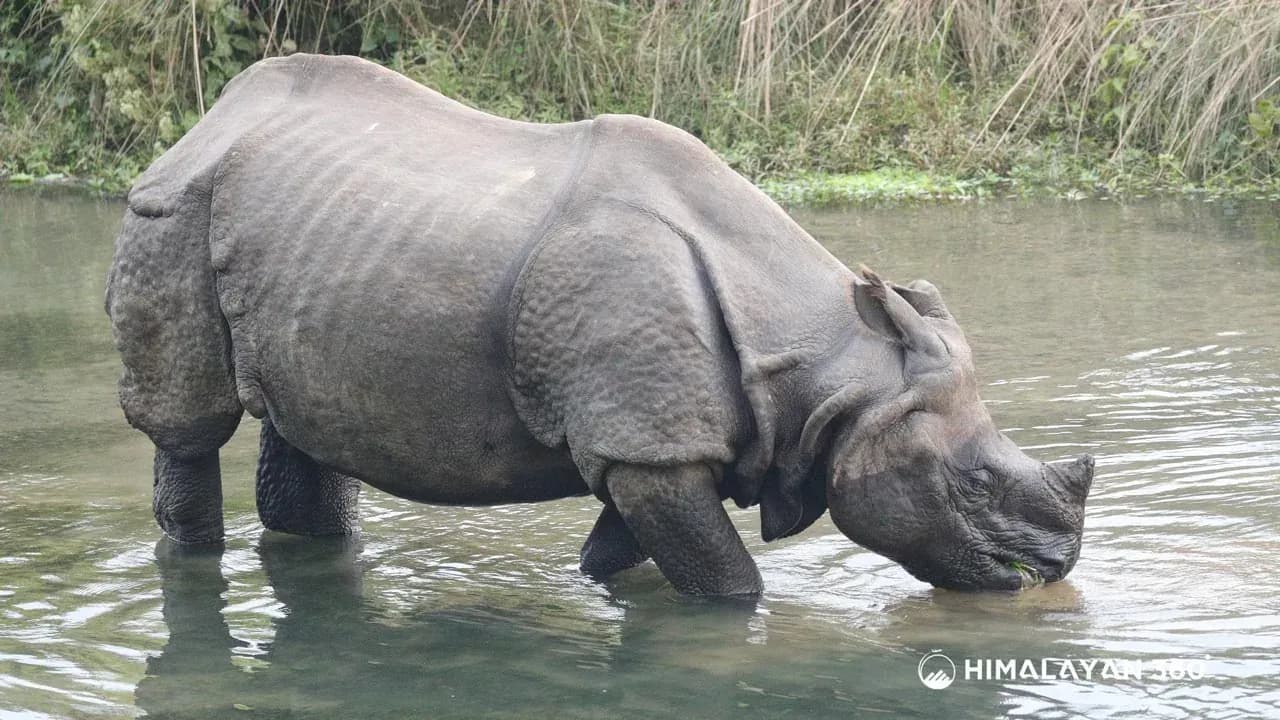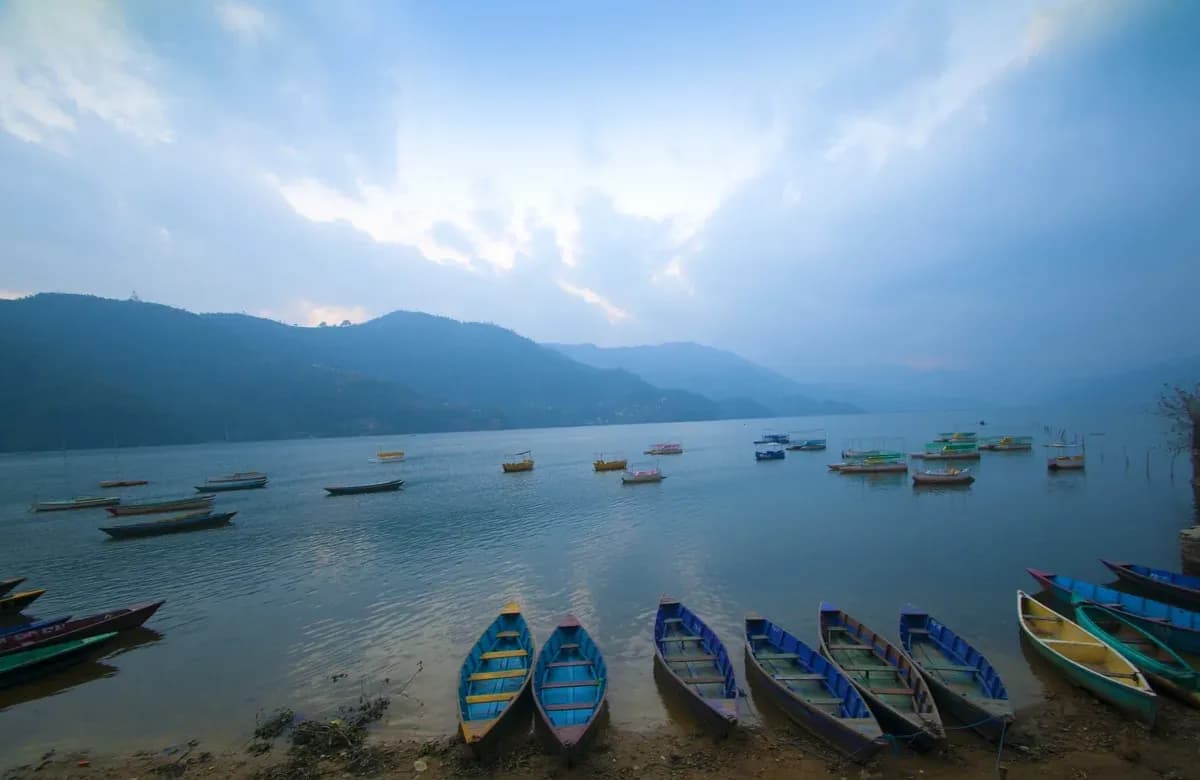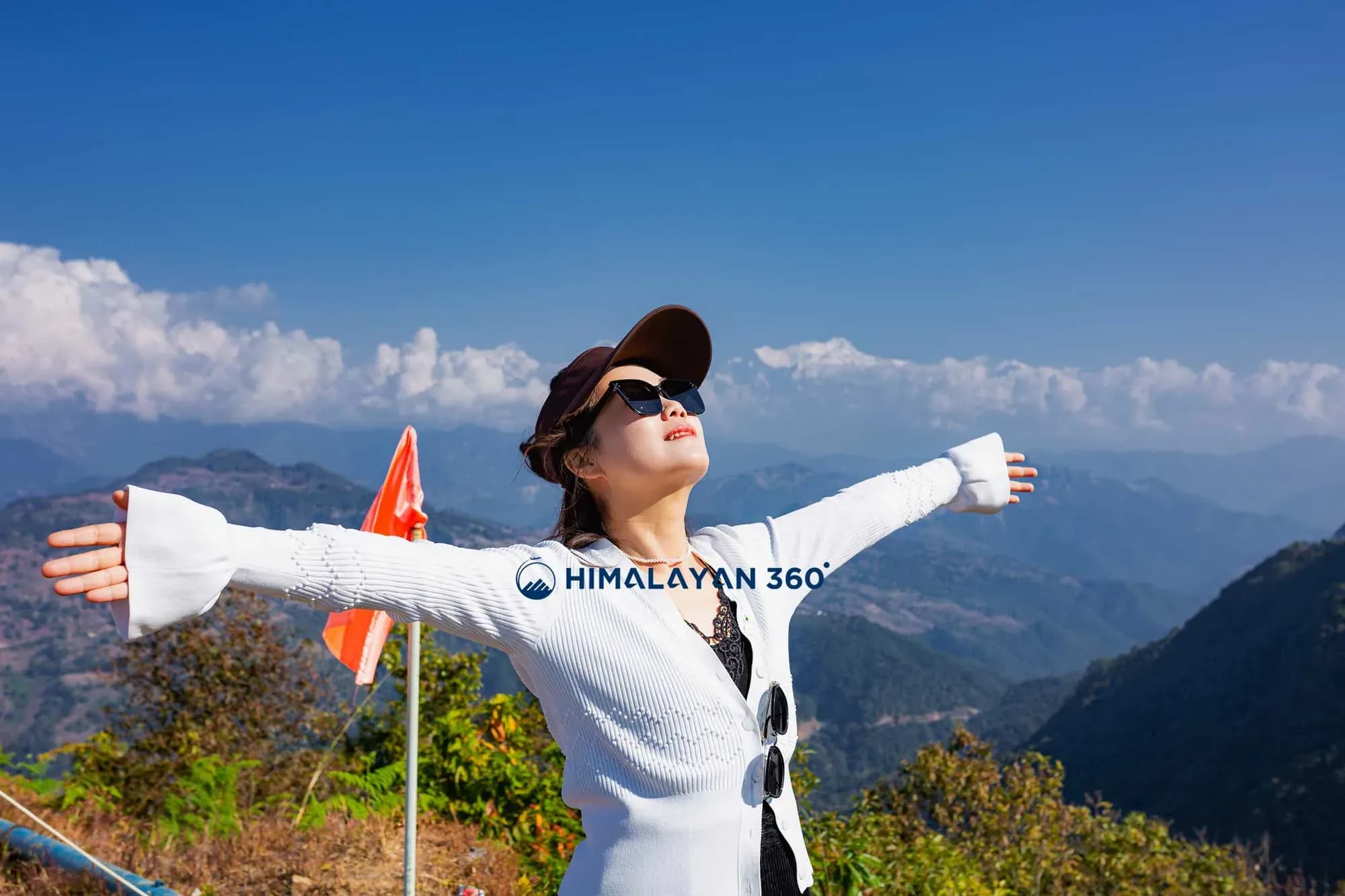
After the recent Gen-Z protest, the country is calm again, with peace and safety restored. Visit: This Vlog by a Fellow Tourist to see the friendly and welcoming side of Nepal, even during hard times.
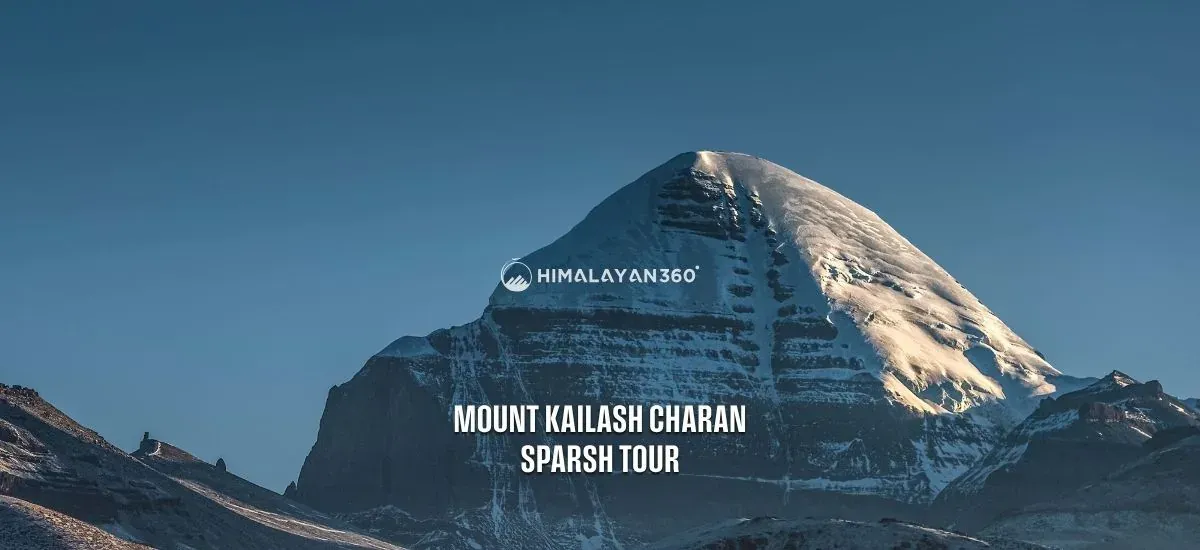
Mount Kailash Charan Sparsh Tour
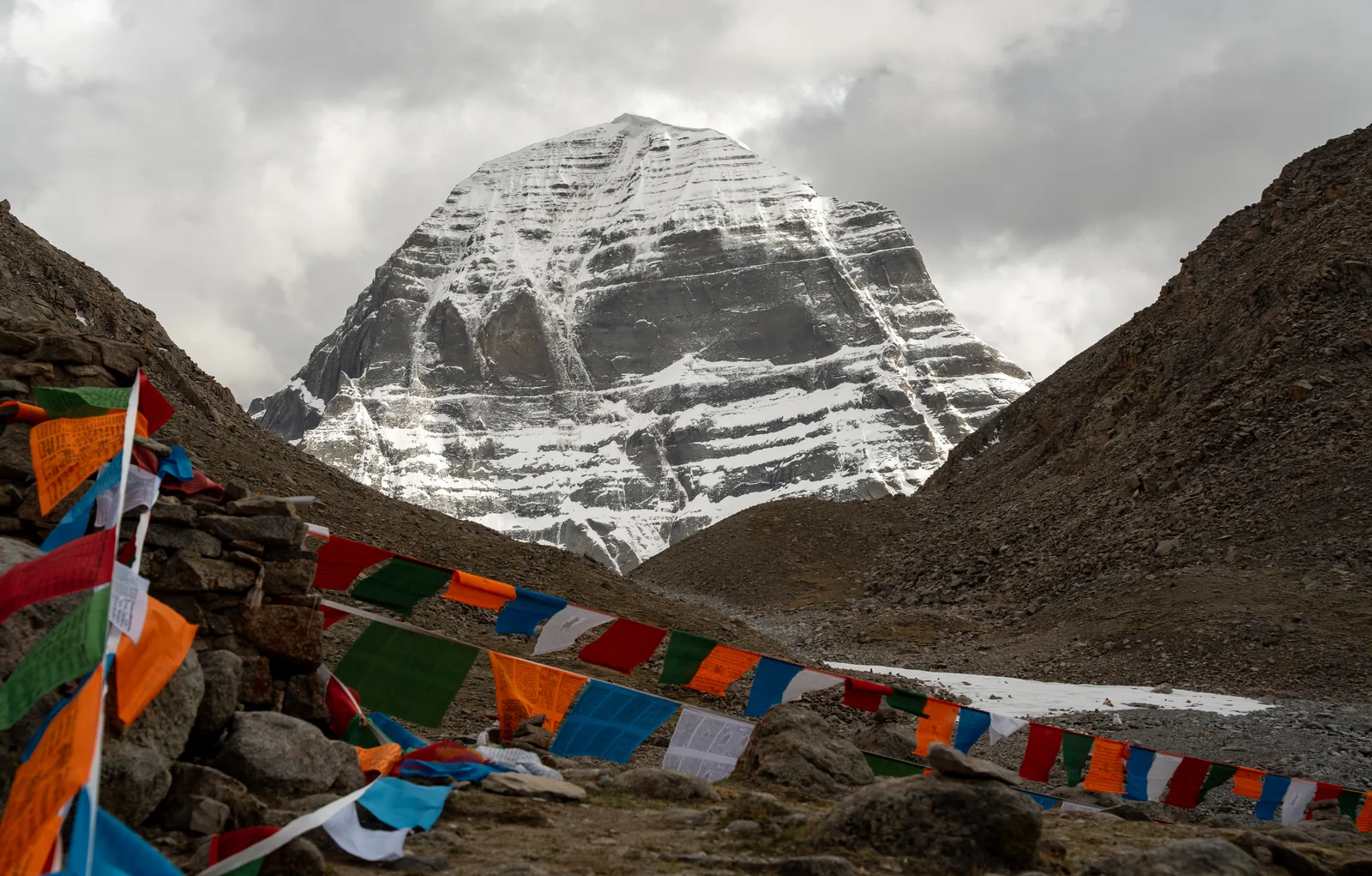
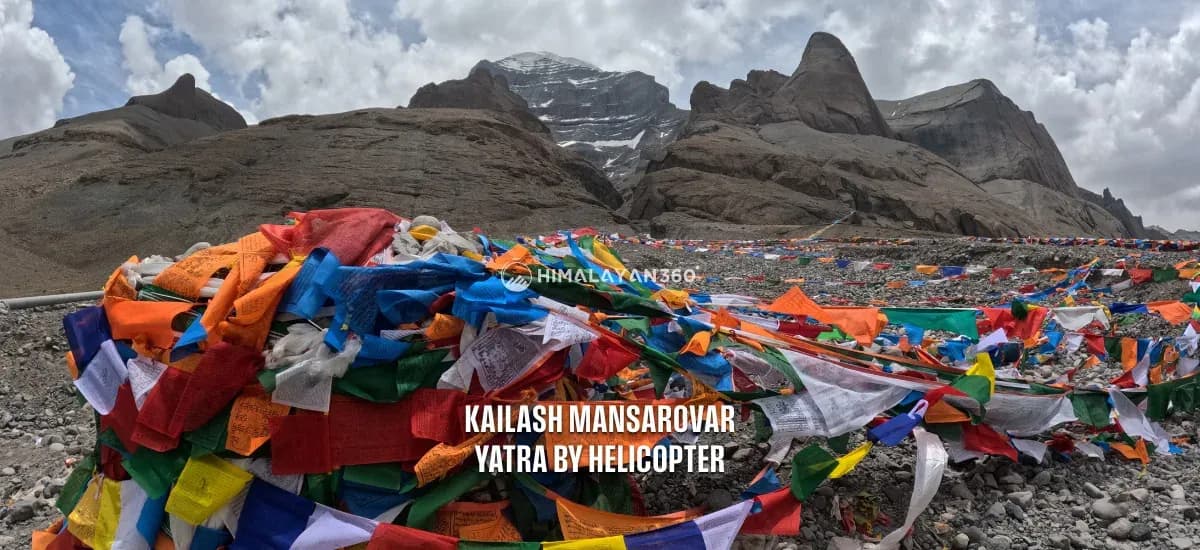
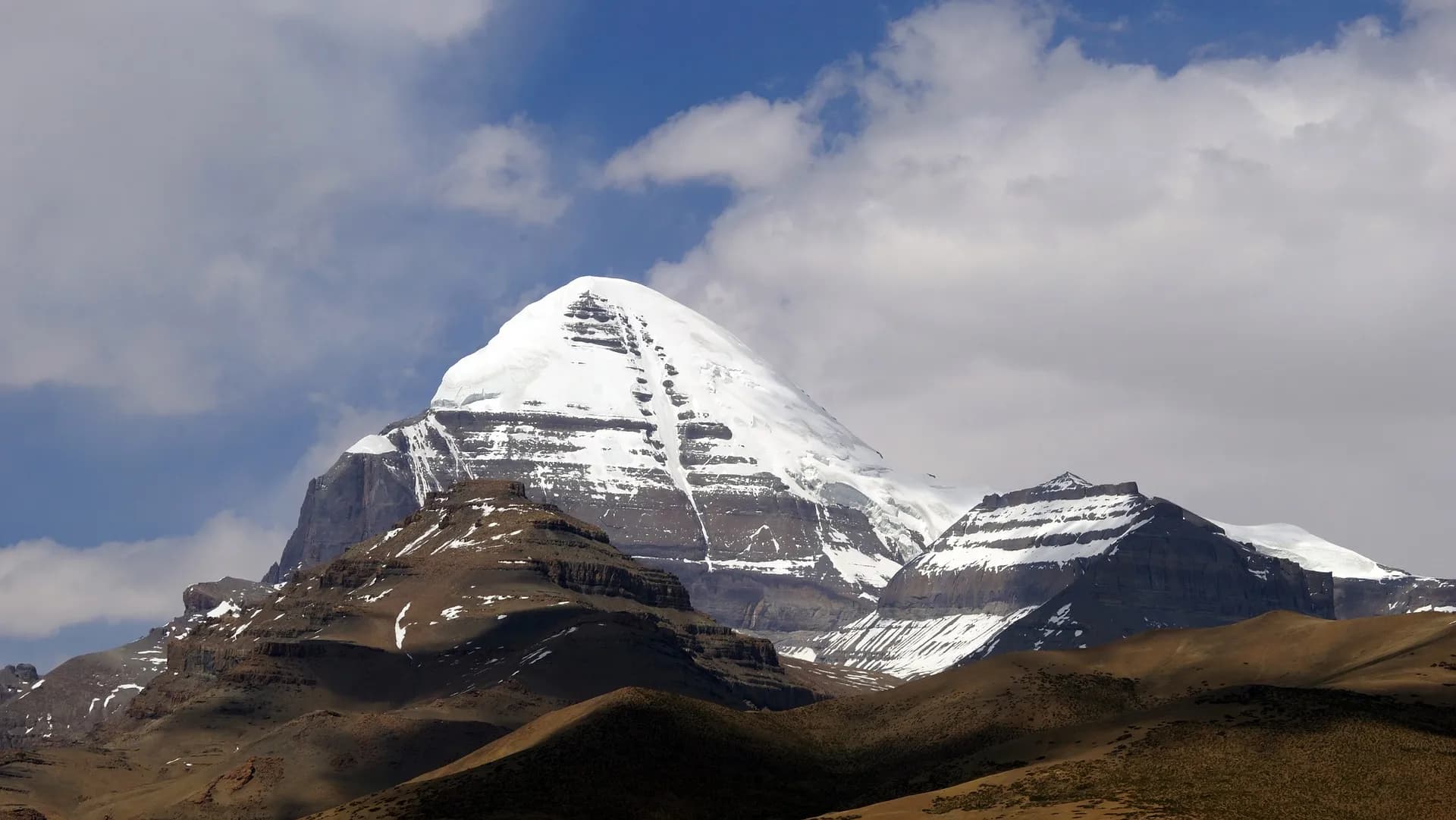
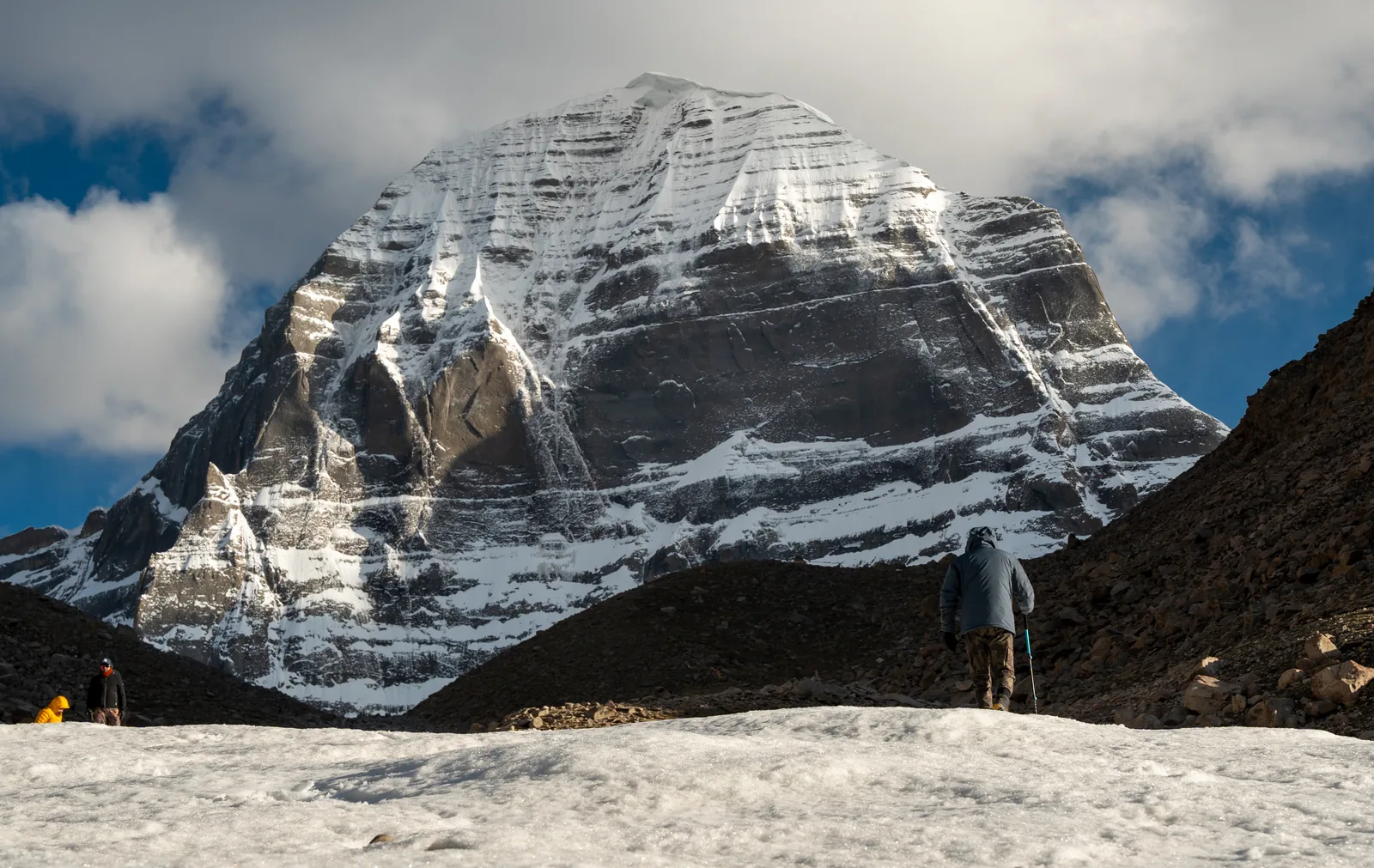
Kailash Charan Sparsh Tour with Lake Mansarovar is a journey to the sacred Mount Kailash, combining touching the feet of Mount Kailash (Charan Sparsh) with a visit to the holy Lake Mansarovar. Reaching the base of Mt Kailash represents a deep connection with Lord Shiva. Followers believe that this mountain is where Lord Shiva resides, and many consider the journey to Mount Kailash a significant spiritual experience that should be undertaken only once in a lifetime. This pilgrimage place is sacred for the people of the Jain, Hindu, Buddhist, and Bon religions.
Likewise, the mountain is near the sources of several major rivers, including the Indus, Sutlej, Brahmaputra, and Karnali. Unlike the Kailash Mansarovar tour, the Mount Kailash Charan Sparsh pilgrimage covers a distance of 7 km from the Dirapuk monastery to the mountain’s north face, which differs from the traditional Kailash Mansarovar Yatra. This spiritual tour provides travellers with positive energy, which can be particularly beneficial as they trek through the icy moraines and snowy mountains. Now, let’s talk in detail about the Mount Kailash Charan Sparsh tour.
Max. Altitude
5,670m/ 18,602ft
Best Season
May, Jun, Jul, Aug and Sept
Travel Distance
2,005km/1,246miles
Difficulty
Destination
Tibet
Transportation
Sharing Vehicle
Start / End
Kathmandu/Kathmandu
Accommodation
Meals
Breakfast
Lunch
Dinner
Language
English | Chinese
Trip Type
Spiritual Tour
Trek Distance
43km During Kora
Highlights of the Mount Kailash Charan Sparsh Tour
- Get the chance to see some of the stunning and beautiful views of the mountains, different types of landscapes,
- Witness the serene high-altitude lake Mansarovar, which provides calmness and peacefulness to pilgrims.
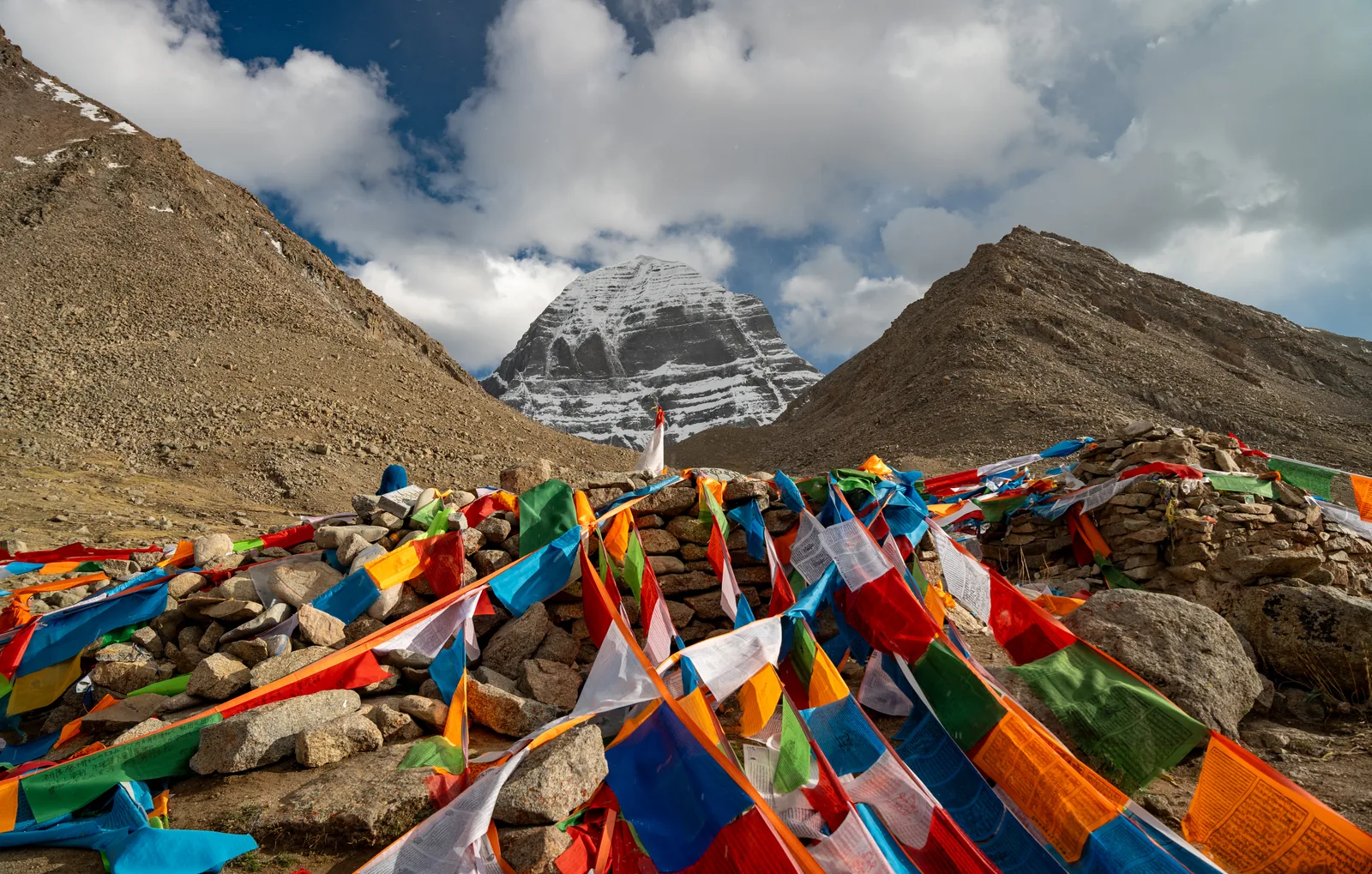
- Experience the unique way of life in Tibet. Discover traditional monasteries, colorful prayer flags, and local customs and cuisine.
- Explore the unique lifestyle of Tibet by visiting traditional monasteries, vibrant prayer flags, and local customs and cuisine.
- Visit meditation caves and interact with gurus, monks, and people who have dedicated their lives to it.
- High altitude adventurous trekking above 4500m makes it a combination of both high altitude and religious trek.
Cost Breakdown for Mount Kailash Charan Sparsh Tour
Mount Kailash Charan Sparsh tour costs $1999 per person if you are traveling in a group of 9 to 20 people. The Kailash Charan Sparsh with Lake Mansarovar tour has gained popularity over the years. The minimum group size of this tour is 4, while the maximum can be more than 20. Not to mention, the trip cost largely depends on the size of the group; the more people in the group, the greater the discount, making your trip budget-friendly. Yet, the cost also depends on the season of travel, level of luxury preferred, and sometimes fluctuation of currency.
Outline Itinerary of Mount Kailash Charan Sparsh Tour
Mount Kailash Charan Sparsh Tour Itinerary
Day 01: Drive towards Nepal-Tibet border
| Itinerary Fact | Details |
|---|---|
| Time: | 11:00-18:00 |
| Travel Duration: | 7 hours |
| Travel Distance: | 145km/90 miles |
| Highest Altitude: | 1,762m/ 5,780ft | Timmure |
- Attraction of the Day: Nepal-Tibet Border
The first day of the tour begins in Kathmandu, Nepal. After breakfast in the hotel, you will drive towards the Nepal-Tibet border, which takes about 7 hours. The Nepal-Tibet border is a crucial checkpoint and logistical hub. This border is highly protected, so make sure you have the proper documents and follow the instructions of your guides. You will stay overnight in the hotel on Nepal’s border, as you will only cross the border the next day.
| Itinerary Fact | Details |
|---|---|
| Meals: | N/A |
| Accomodations: | Guest House |
Day 02: Drive and Rest Day in Kerung
| Itinerary Fact | Details |
|---|---|
| Time: | 09:00-11:00 |
| Travel Duration: | 2 hours |
| Travel Distance: | 98km/67 miles |
| Highest Altitude: | 2,700m/ 8,858ft | Kyirung |
- Attraction of the Day: Kyirung Country and the Himalayas
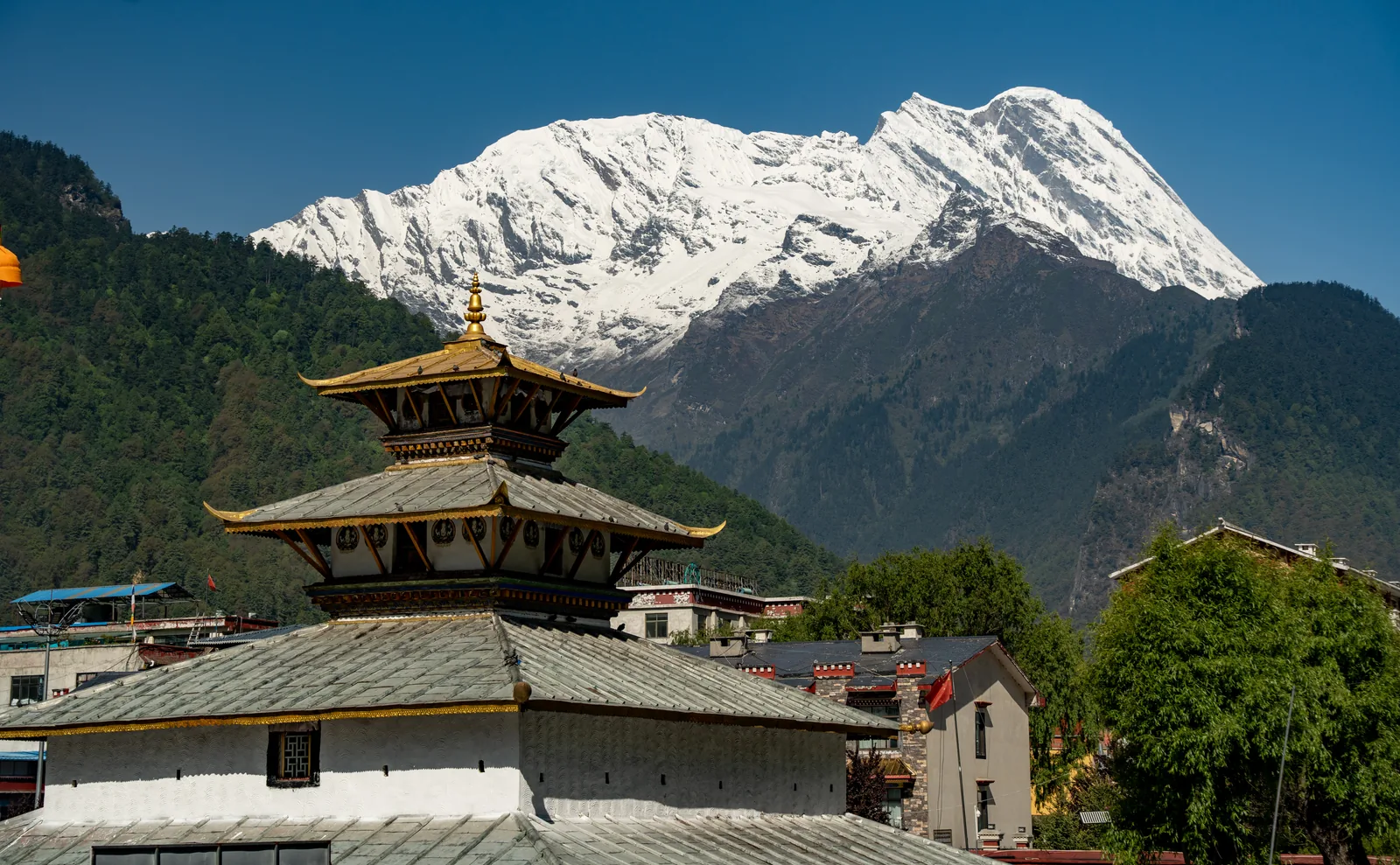
On the second day, you will complete the immigration process, cross the border, and reach Kerung, marking your entry into Tibet. Kerung is 98 km from the Nepal-Tibet border and is a two-hour drive away. Kerung is an important acclimatization and resting stop before embarking on your actual trip to Kailash Mansarovar. At an elevation of 2,700m, the location is perfect for starting a high-altitude journey like Kailash Charan Sparsha and Mansarovar Lake.
Today, we will stay in Kerung and acclimatize properly. We will spend the night and have dinner in a guesthouse or basic lodge in Kerung. We recommend you rest well, as the tour will be tough from tomorrow onwards.
| Itinerary Fact | Details |
|---|---|
| Meals: | Breakfast, Lunch, Dinner |
| Accomodations: | Guest/Tea House |
Day 03: Drive from Kerung to Saga via Pikutso Lake
| Itinerary Fact | Details |
|---|---|
| Time: | 09:00-15:00 |
| Travel Duration: | 6 Hours |
| Travel Distance: | 230km/143 miles |
| Highest Altitude: | 4,450m/14,600ft | Saga |
- Attraction of the Day: Saga Country, Pikutso Lake
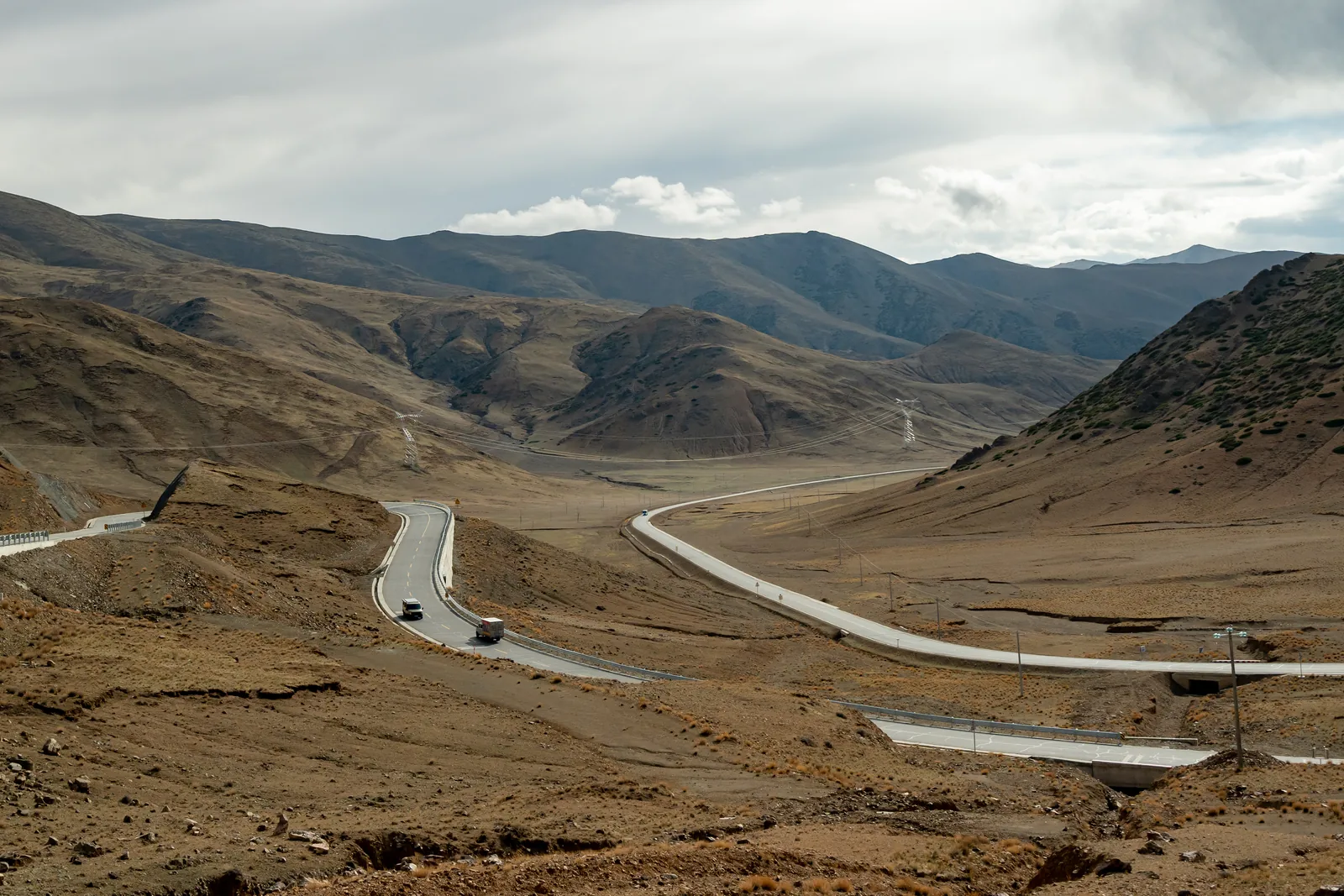
Today, we will leave the beautiful Kerung behind and continue our drive through the arid plateau terrain. During the ride, you will see fantastic views of Shishapangma (8,027 meters), Tibet’s highest peak. The drive will be memorable, as it will bring you closer to Tibet’s surreal typography. Our route will take us past Karru Ongchen, Khunmen Tso, and the calm Pikutso Lake, the trip’s highlights.
Continuing the drive, you’ll get closer to the day’s destination, Saga. It takes approximately 6 hours to travel from Kerung to Saga, covering a distance of 230 kilometers. Yet, before we reach Saga, we will cross the Brahmaputra River, known as Yarling Tsangpo in Tibet. As you get to the town, you’ll check into a local accommodation point where you’ll stay overnight and have dinner.
| Itinerary Fact | Details |
|---|---|
| Meals: | Breakfast, Lunch, Dinner |
| Accomodations: | Guest/Tea House |
Day 04: Drive from Saga to Lake Manasarovar and Tsu Gompa
| Itinerary Fact | Details |
|---|---|
| Time: | 09:00-17:00 |
| Travel Duration: | 8 hours |
| Travel Distance: | 507km/315 miles |
| Highest Altitude: | 4,600m/15,092ft | Mansarovar |
- The Attraction of the Day: First view of Mt. Kailash, Tsu Gompa, and Lake Mansarovar
The fourth day of the Kailash tour package begins with breakfast in Saga, and today, we will reach Manasarovar Lake. As you leave Saga, the landscape changes with rugged sections and mountain peaks in the background. Likewise, the pathways pass through Paryang and Hor Qu.
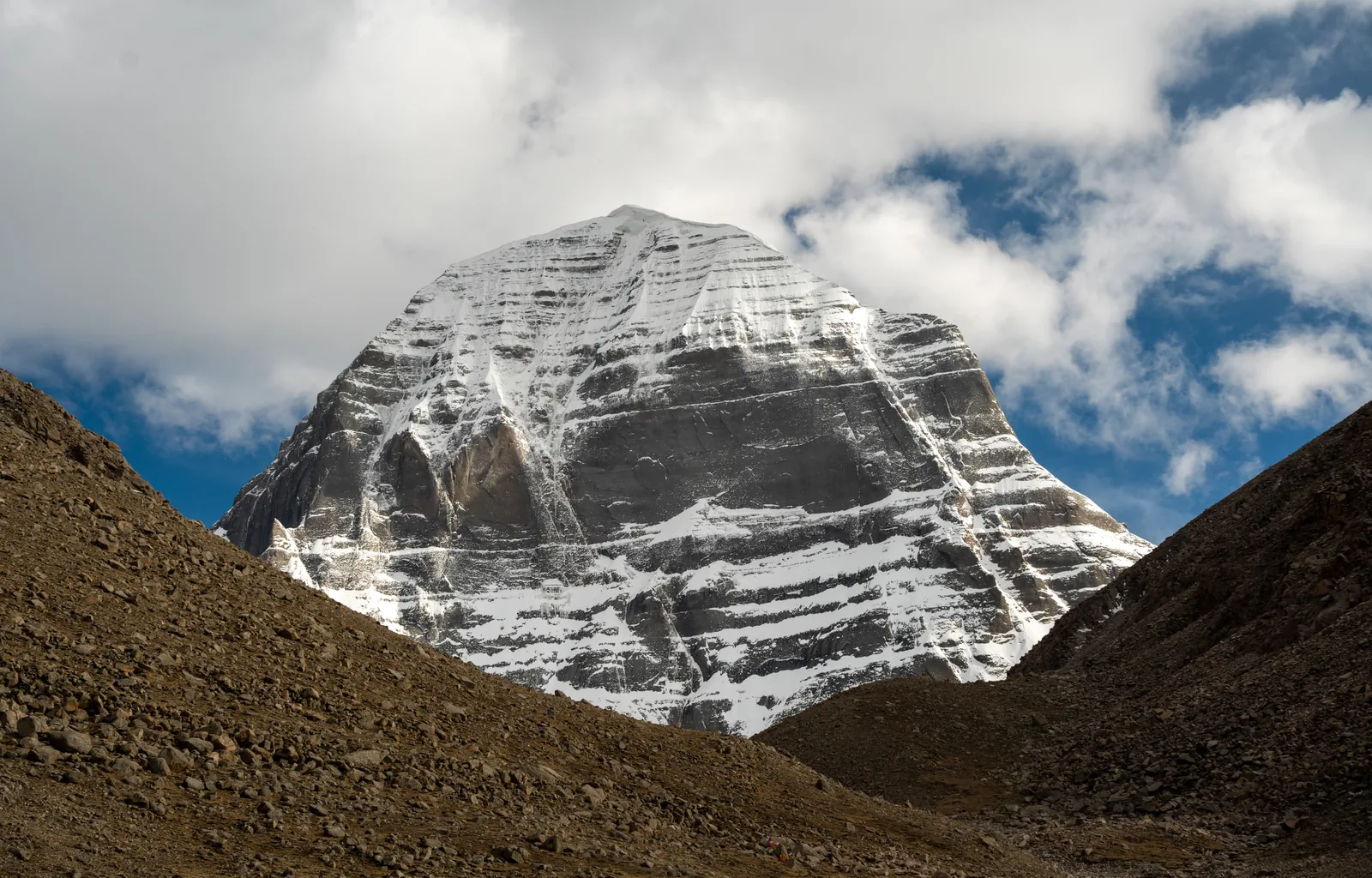
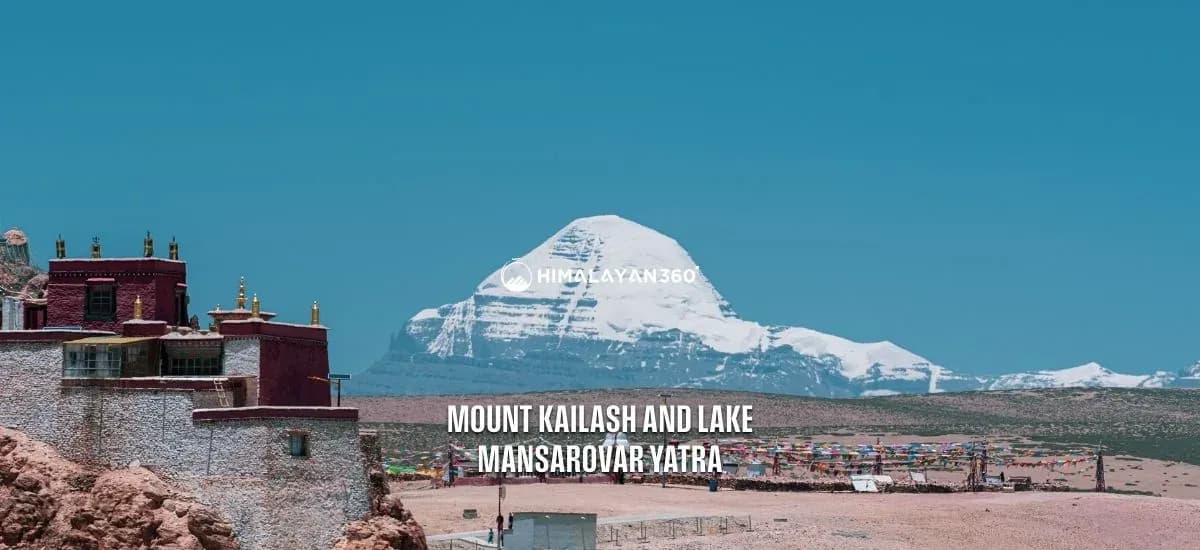
The glittering north face of Mount Kailash will welcome you and make the moment truly appreciable. Afterwards, you will drive along the lake’s northern shore toward Tsu Gompa (also known as Chiu Gompa). Tonight, you’ll stay at a local lodge in Tsu Gompa, enjoying the Himalayan atmosphere before settling in for the night.
| Itinerary Fact | Details |
|---|---|
| Meals: | Breakfast, Lunch, Dinner |
| Accomodations: | Guest/Tea House |
Day 05: Tsu Gumpa to Dirapuk
| Itinerary Fact | Details |
|---|---|
| Time: | 10:00-13:00 |
| Travel Duration: | 3 hours |
| Travel Distance: | 70km/43 miles |
| Highest Altitude: | 4,860m/15,945ft | Dirapuk |
- Attraction of the day: Dirapuk
The overnight stay at Tsu Gompa must have been amazing, but now it’s time to move on. Today’s jeep ride is fairly short, and the journey involves a mix of trek and ride. You’ll leave Tsu Gompa on a short ride to Yam Dwar. It is a one-and-a-half-hour ride from Tsu Gompa to Yam Dwar, covering a distance of 6km.
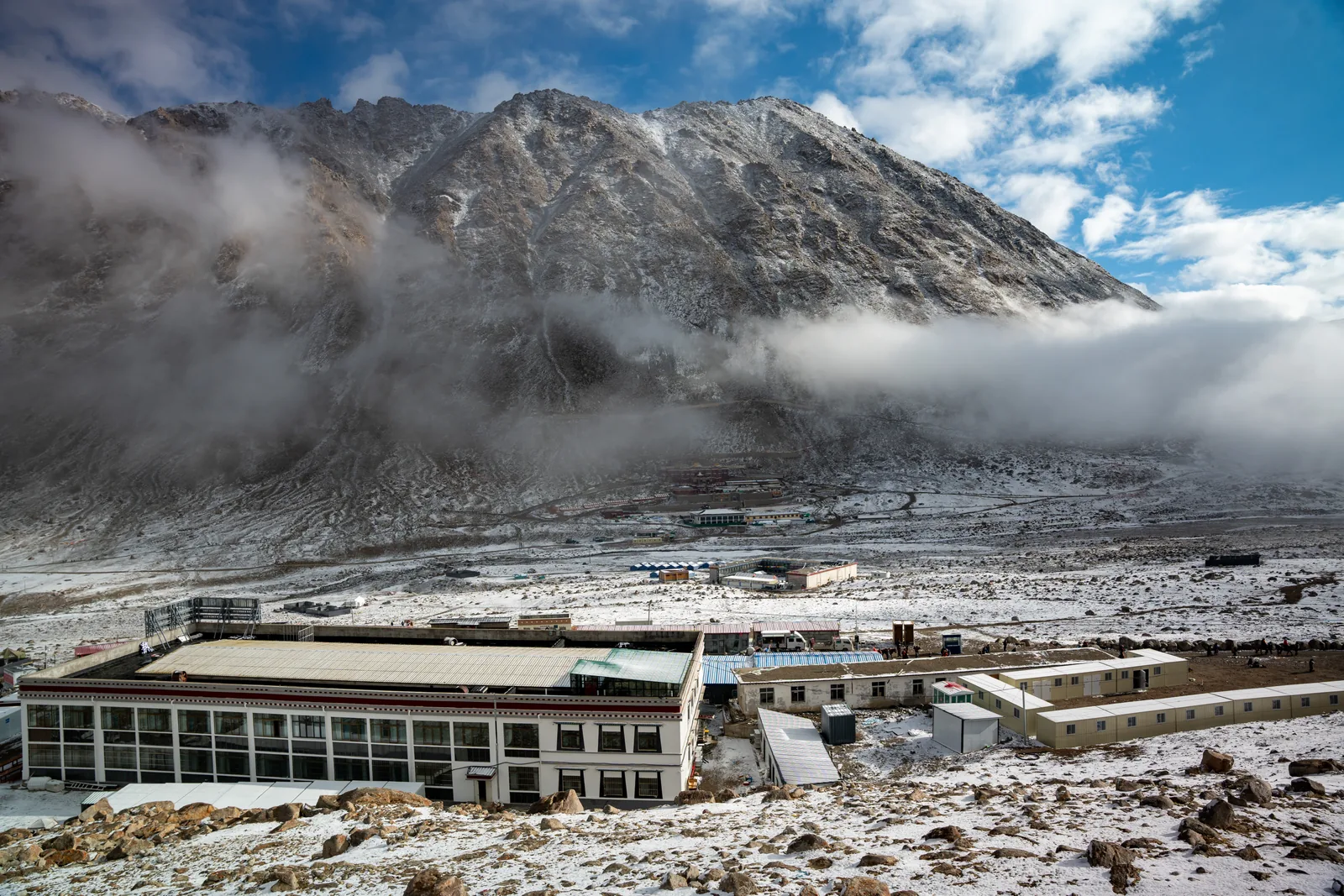
From Yam Dwar, your trek to Kailasa Charan begins. Dirapuk is 12km from Yam Dwar and takes a 3-4 hour smooth walk. Additionally, the village is situated on the northern face of Mount Kailasa, providing a stunning backdrop. At the location, you will stay in a tented camp in the summer and in teahouses in the winter.
| Itinerary Fact | Details |
|---|---|
| Meals: | Breakfast, Lunch, Dinner |
| Accomodations: | Tented camp, Tea House |
Day 06: Hike to Charan Sparsh and back to Dirapuk
| Itinerary Fact | Details |
|---|---|
| Time: | 09:00-15:00 |
| Travel Duration: | 6 Hours |
| Travel Distance: | 10km/6miles |
| Highest Altitude: | 4,860m/15,945ft | Dirapuk |
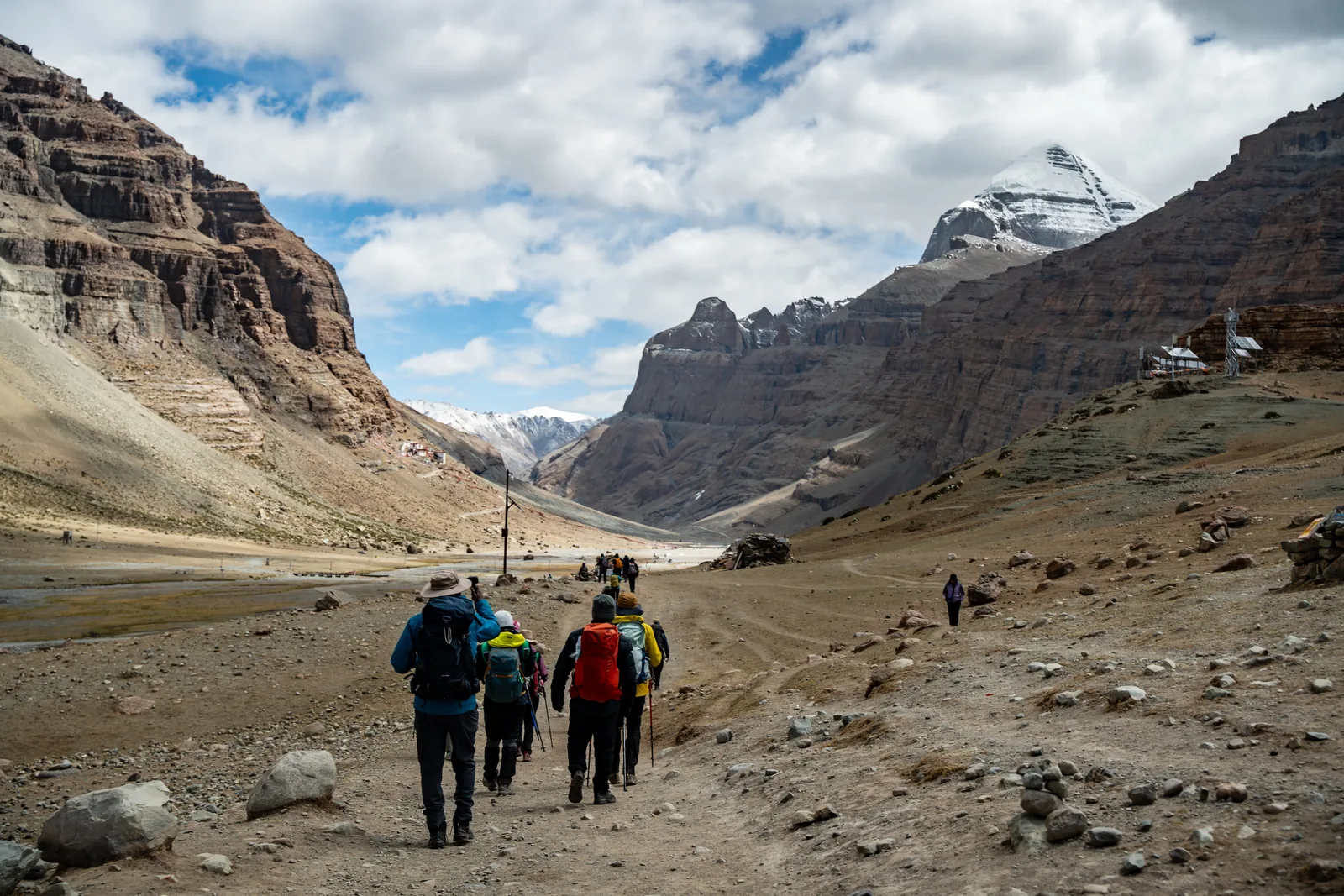
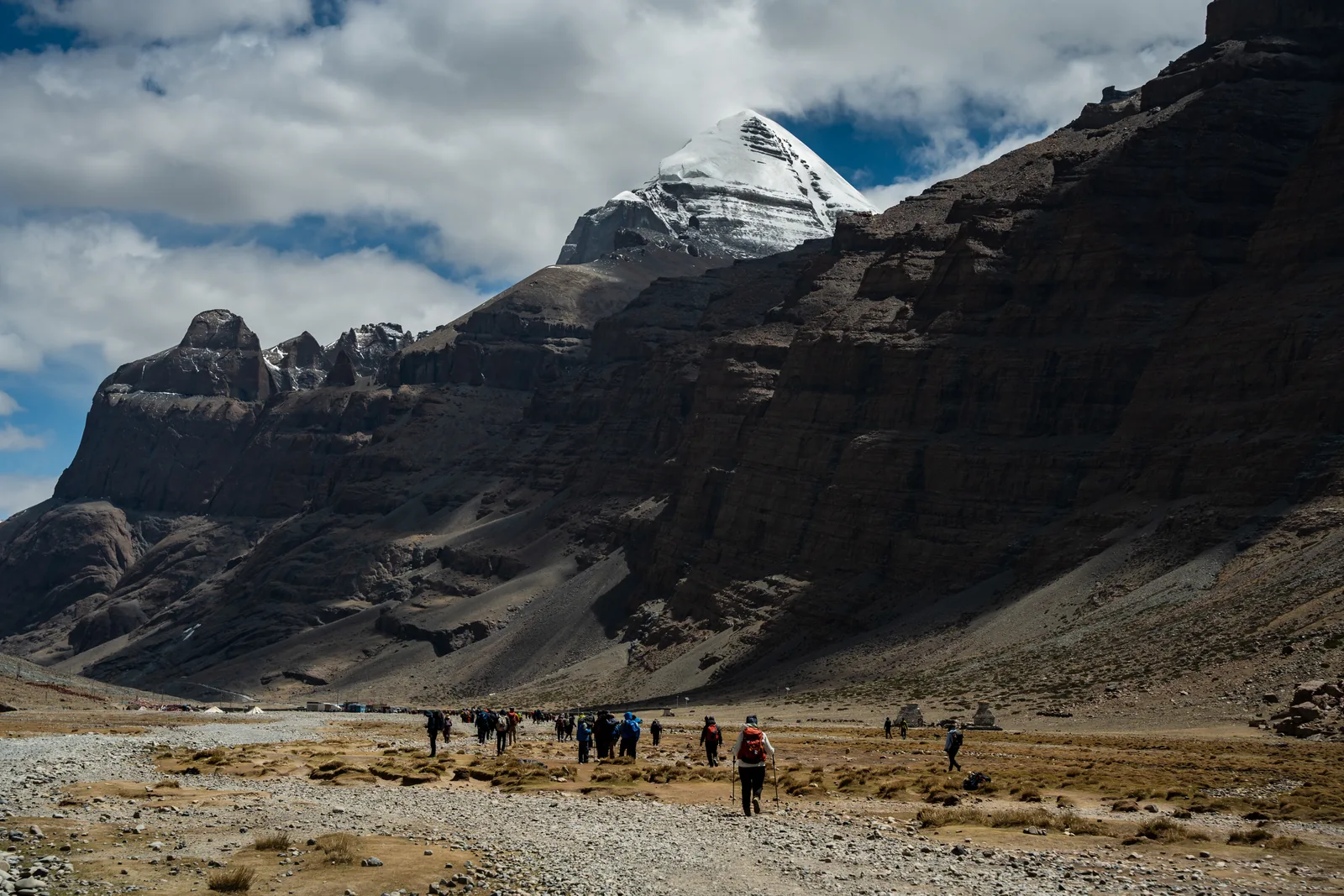
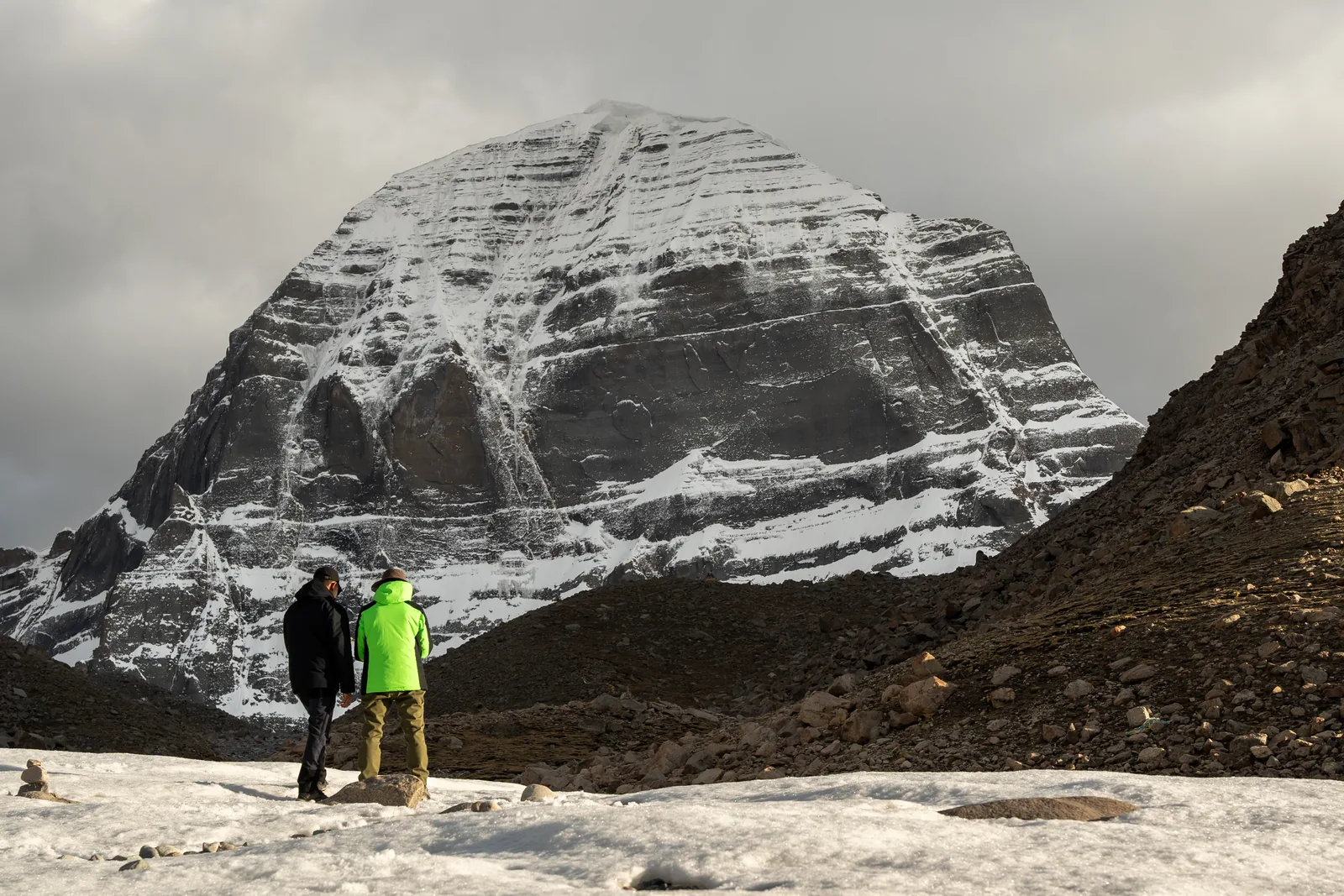
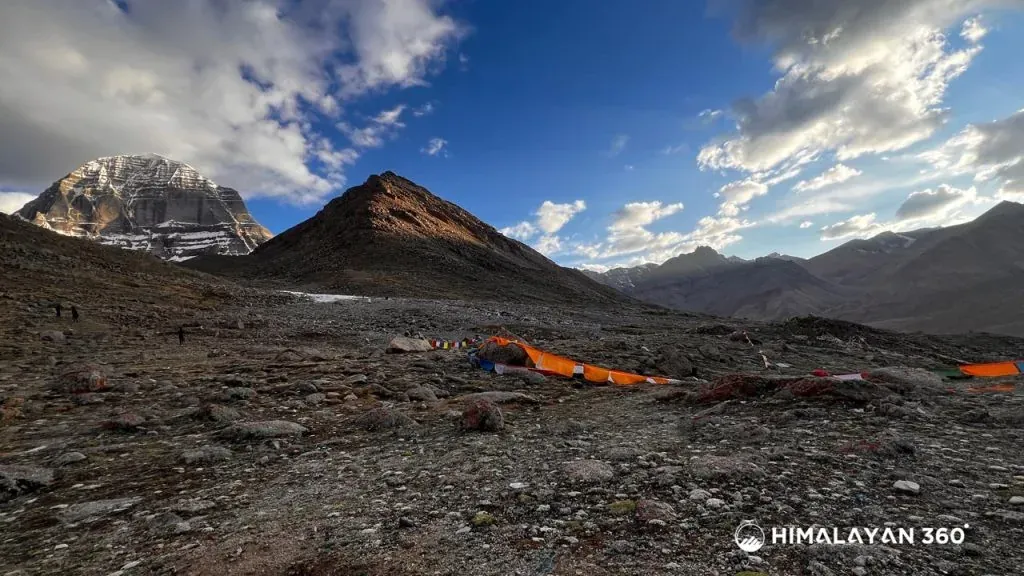
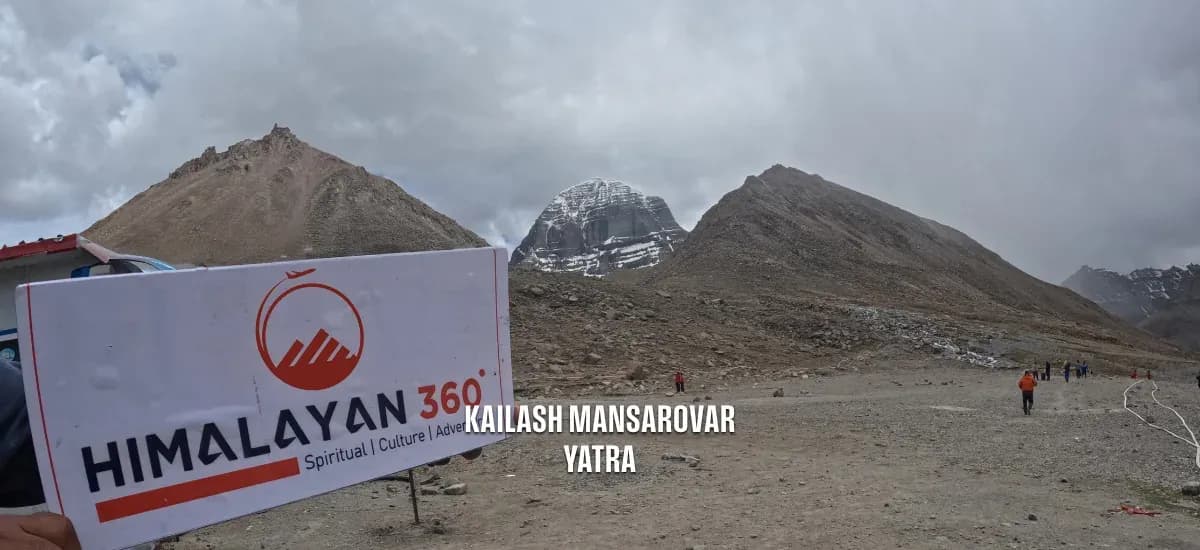
The sixth day of this tour is the most important one, as today we will reach the ultimate destination at Mount Kailasa Charan. Leaving Dirapuk monastery, you will begin your hike towards Mount Kailash’s feet, which is the closest permitted point to Mt Kailash. The walkway from Dirapuk to Mt. Kailash’s foot is rough and rocky, with a gradual ascent via occasional glacier-covered areas.
On the way, you will enjoy stunning mountain views and meet pilgrims and travelers worldwide. After hours of hiking, we get to the Charan Sparsha point. Here, you will show your respect by touching the ground, regarded as Lord Shiva’s foot. After this sacred ritual, you will return along the same path to Dirapuk. The hike back gives you time to reflect on your experience and connect with the spiritual energy of Mount Kailash.
| Itinerary Fact | Details |
|---|---|
| Meals: | Breakfast, Lunch, Dinner |
| Accomodations: | Tented camp, Tea House |
Day 07: Trek to Zuthulpuk via Dolma La Pass and Gauri Kund
| Itinerary Fact | Details |
|---|---|
| Time: | 08:00-17:00 |
| Trek Distance: | 25km/15.5miles |
| Trek Duration: | 10hr |
| Highest Altitude: | 5,670m/18,602ft Dolma La pass |
- Attraction of the Day: Dolma la pass and Gauri Kund
After completing the Charan Sparsh, it’s time for another exciting side tour from Dirapuk to Zuthulpuk monastery via Domla La Pass (5,630m). The route is rocky and uneven, with a challenging ascent that requires good physical strength. Likewise, the route ahead offers spiritual growth as you hike up the steep landscape toward Dolma La Pass, the highest point of the journey. From the high pass, you’ll descend to Gauri Kunda, a holy glacial lake where goddess Parvati is believed to bathe.
You can stop at Gauri Kunda to pay homage to its significant religious and cultural importance. You can also enjoy your time by the lake and start puja and other spiritual activities. After the Kunda, you will continue the pathway towards Zuthulpuk, your overnight point. The day’s trek is indeed adventurous but equally satisfying.
| Itinerary Fact | Details |
|---|---|
| Meals: | Breakfast |
| Accomodations: | Tented camp, Tea House |
Day 08: Trek back to Darchen and Drive to Saga
| Itinerary Fact | Details |
|---|---|
| Time: | 08:00-17:00 |
| Trek Distance: | 8km/ 5miles |
| Trek Duration: | 2 hour |
| Travel Duration: | 7 hours |
| Travel Distance: | 470km/292 miles |
| Highest Altitude: | 4,670m/15,322ft | Darchen |
- Attraction of the Day: Mt.Kailash, Saga country
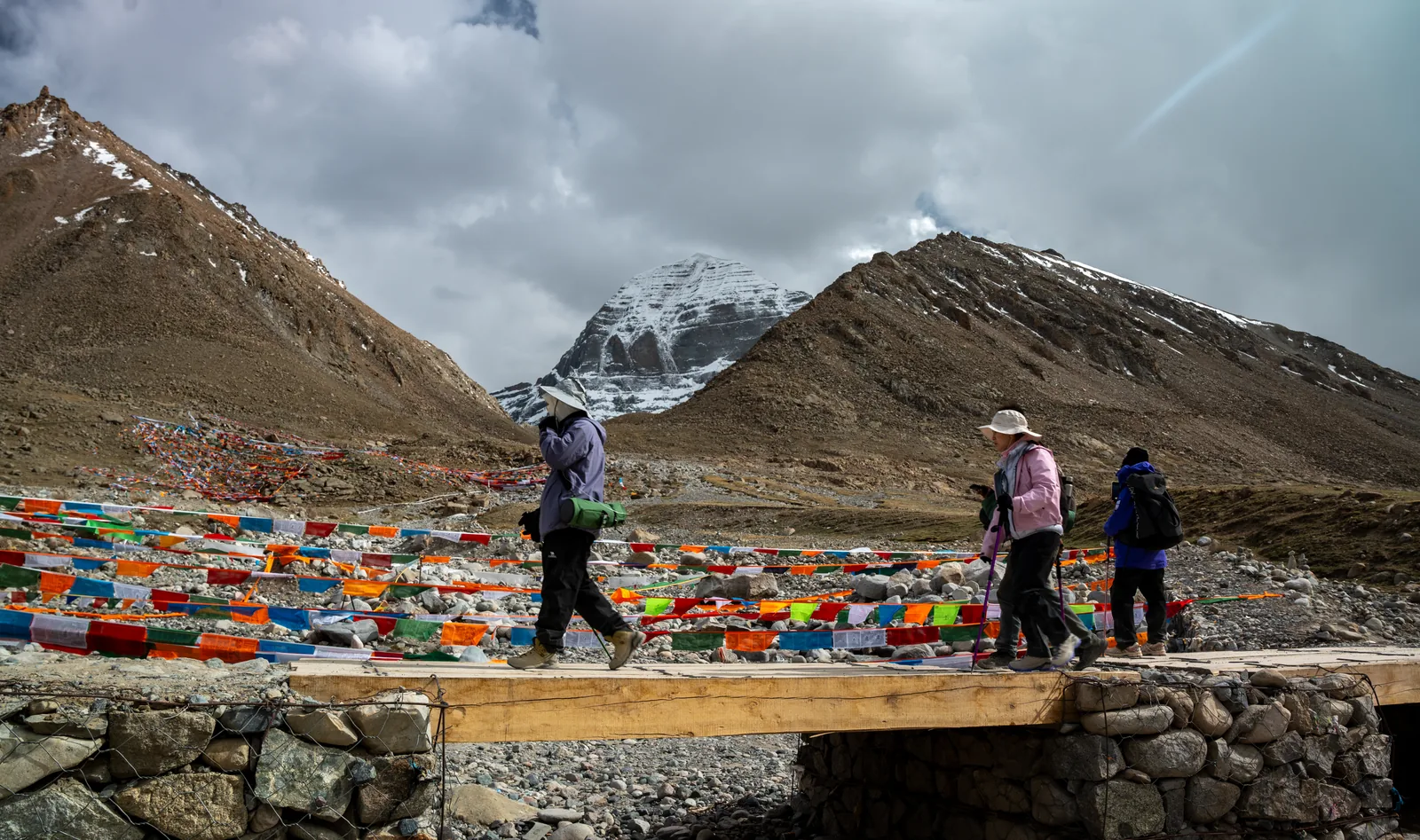
The end of the tour is just around the corner; you will complete the final leg of the Kailash Kora. The day begins with a morning meal at Zuthulpuk. After breakfast, you’ll begin your trek through the area’s stunning landscape, featuring mani walls and prayer flags. Covering a distance of 8km from Zuthulphuk, you’ll reach Drachen, from where you’ll drive to Saga.
However, before driving to Saga, you’ll have lunch at Darchen. After lunch, you’ll board the jeep for a seven-hour journey. The rewarding end of this Jeep drive is once again the peaceful town of Saga. Overnight stay at the guesthouse in Saga.
| Itinerary Fact | Details |
|---|---|
| Meals: | Breakfast, Lunch, Dinner |
| Accomodations: | Guest/Tea House |
Day 09: Drive back from Saga to Kyirung
| Itinerary Fact | Details |
|---|---|
| Time: | 09:00-15:00 |
| Travel Distance: | 230km/143 miles |
| Highest Altitude: | 4,450m/14,600ft | Saga |
- Attraction of the Day: Kyirung Country
The second last day of the tour starts with breakfast at Saga. From Saga, you’ll drive back to Kerung. You will ride through high-altitude areas and enjoy the views around you. Along the way, you’ll reflect on your spiritual journey to Mount Kailasa Charan Sparsha. Your vehicle will stop at certain locations for short breaks, which also allows you to soak in the area’s beauty.
After a 6-hour drive covering a distance of 230 km, you’ll reach today’s destination, Kerung. When you reach Kerung, take time to rest and recharge. Spend the rest of the day getting ready for your return to Kathmandu. We will stay overnight at a local lodge and have a nice dinner in the evening.
| Itinerary Fact | Details |
|---|---|
| Meals: | Breakfast, Lunch, Dinner |
| Accomodations: | Guest/Tea House |
Day 10: Drive back to Kathmandu
| Itinerary Fact | Details |
|---|---|
| Time: | 09:00-16:00 |
| Travel Duration: | 7 hours |
| Travel Distance: | 243km/151 miles |
| Highest Altitude: | 2,700m/8,858ft Kyirung |
- Attraction of the Day: Kyirung, Timmure
Today is the last day of your tour to the base of Kailash. Pack your things and get ready for the ride back to Kathmandu. Enjoy the memories from the trip as you travel through hills, farms, and villages. After the long jeep ride, arrive in Kathmandu, check into your room, and take some time to rest and freshen up.
In the evening, you can continue resting in the hotel or explore the nightlife of Jamal or Thamel before returning to the hotel. This concludes your trip, and we hope you return for more tours and treks in Nepal.
| Itinerary Fact | Details |
|---|---|
| Meals: | Breakfast, Lunch, Dinner |
| Accomodations: | Guest/Tea House |
Explore with Local Experts! Our experienced guides, porters, and staff are locals who know every trail, culture, and hidden gem. Travel with us for an authentic adventure!
Lake Mansarovar Tour
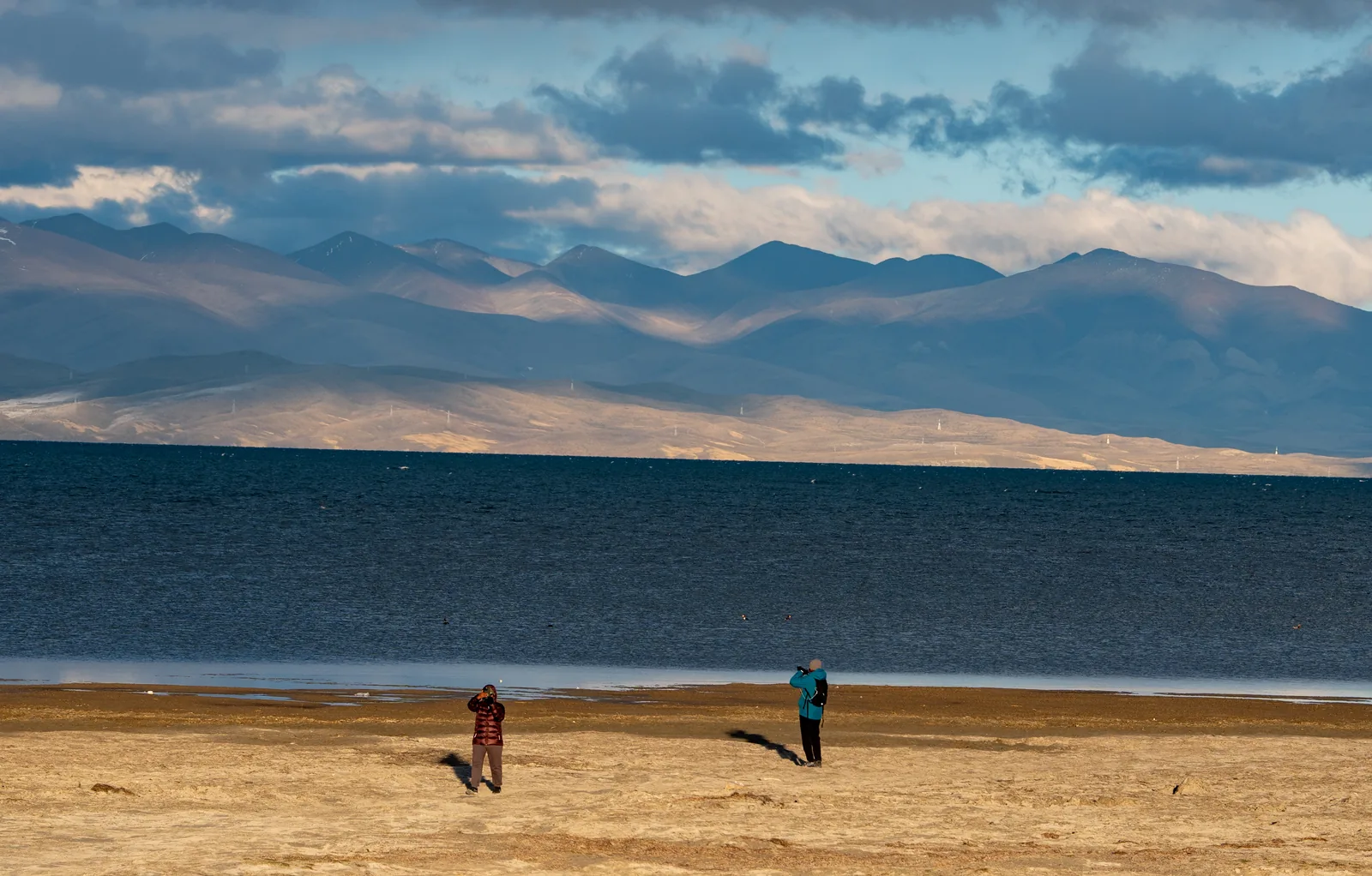
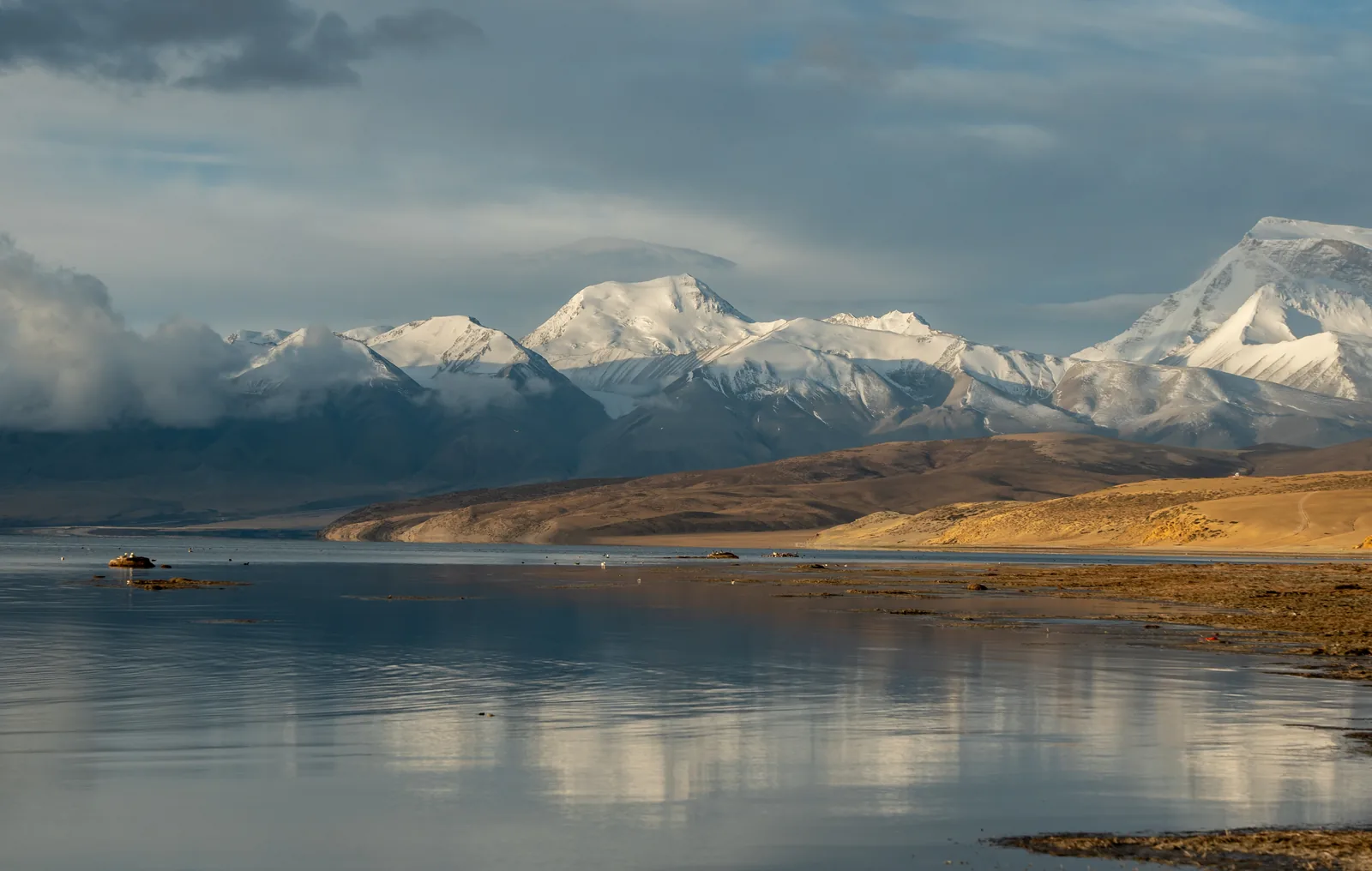
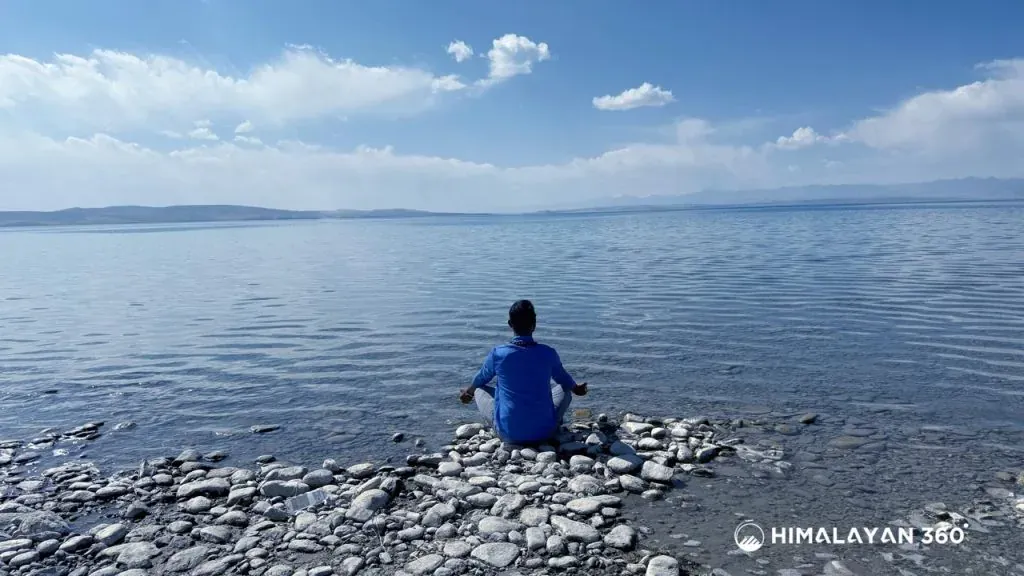
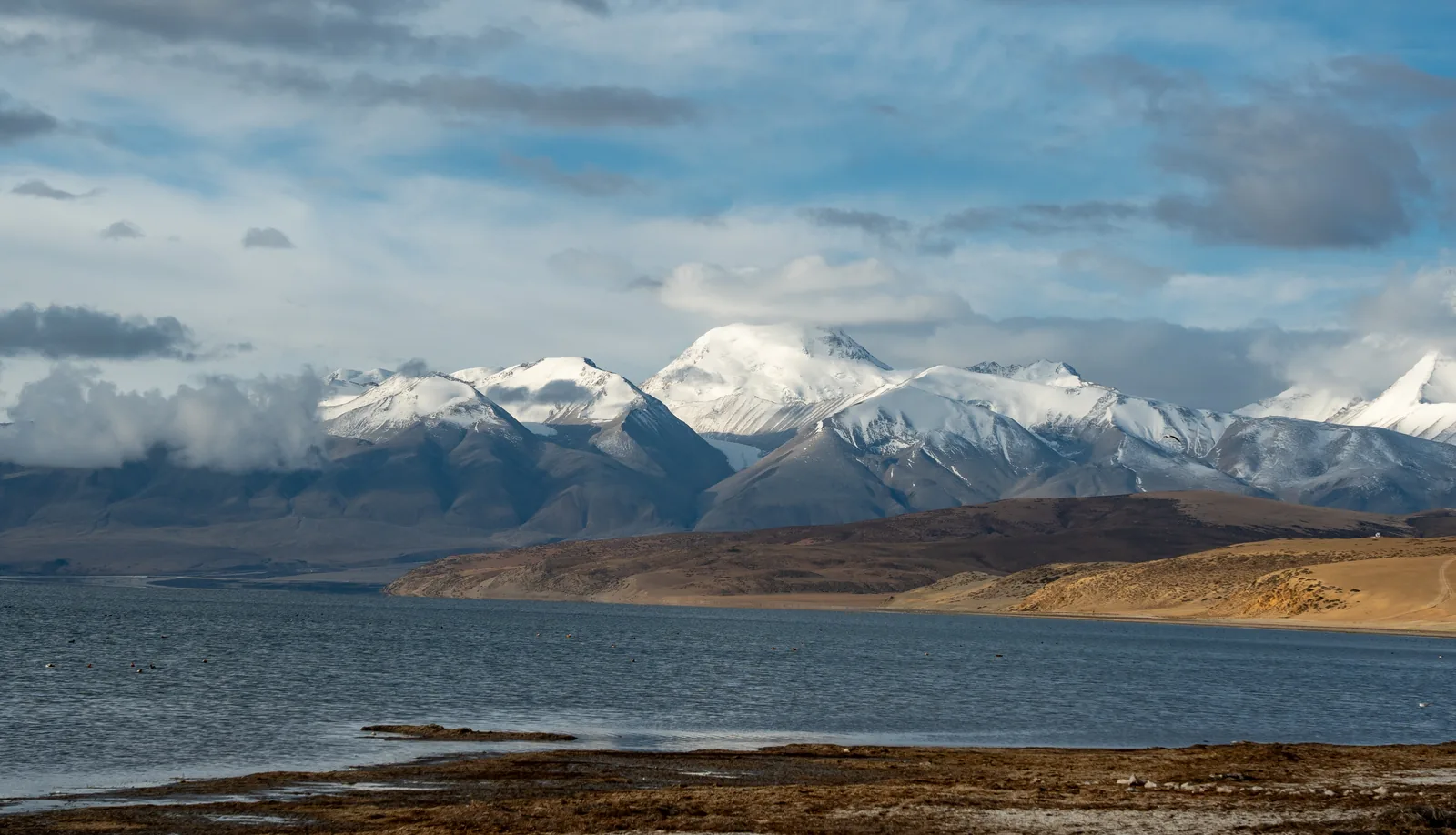
Lake Mansarovar, a high-altitude freshwater lake in the Himalayas at 4,590 meters (15,060 ft), is considered sacred by Hindus, Buddhists, Jains, and followers of Bon. Its crystal-clear waters and serene surroundings attract numerous pilgrims. Hindus believe the lake originated from Lord Brahma’s mind, while Buddhists see it as the birthplace of Padmasambhava. All religions regard it as a place for purification and spiritual growth.
Many pilgrims see visiting Lake Mansarovar as a deeply meaningful spiritual journey. They participate in the Kailash Mansarovar Yatra, which includes a pilgrimage around the lake and the sacred Mount Kailash. Devout followers do this to seek blessings and achieve spiritual liberation. The journey can be tough, involving high altitudes and difficult paths, but many believe the rewards are great. Bathing in the holy waters of the lake, walking around its shores, and meditating on its calm beauty are seen as important acts of spiritual devotion.
Camping and Accommodation options around Lake Mansarovar
Although the Kailash Charan Sparsh Man Sarovar tour is among the easy tours in Nepal, there are some factors that are important for tourists to consider. One of these factors is accommodation, where the tourists rest and rejuvenate after a long day of trek. Tourists can stay in different types of accommodation during the tour, so let’s get into them.
Luxury Hotels
Luxury Hotels are available in a few towns or cities like Darchen, Kathmandu, etc. One of the best hotels for trekkers is the Himalayan Kailash Hotel. It offers clean rooms, private bathrooms, hot showers, and a restaurant known for its tea. Chinese and Western dishes are also available. Another good choice is the Chengdu Grand Hotel. While older and less luxurious than the Himalayan Kailash Hotel, it provides affordable rooms with basic amenities, including simple accommodations and everyday meals. The luxury hotel costs around $500 to $1000 per day.
Lodges
Lodges are another mode of accommodation during this iconic Kailash Tour. The lodges are cheaper than luxury hotels and have limited services, making them ideal for any budget-friendly options. Lodges are the most popular option for accommodation during the Kailash Mansarovar Tour. Often during the Kailash yatra, the tourists are from middle-class families looking to enjoy their time with their children, so most of them prefer to stay in lodges. The cost to stay in lodges is about $150 per day.
Guest Houses
Guest houses are a popular option for staying during the Mount Kailash and Mansarovar Tour. They are smaller than hotels and offer a more personal experience. You can find guest houses in small villages along the trail, providing basic amenities. Key locations like Kerung, Mansarovar, Dirapuk, and Dzuthulpuk have guest houses and lodges for pilgrims and trekkers. Local villagers run these guest houses, which helps you connect with them and experience their culture and traditions. They offer cozy beds, blankets, shared bathrooms, and hot showers. Guest houses usually operate a dormitory system, where multiple trekkers share large rooms. This setup allows you to meet other travelers and share your experiences during the journey.
Camping
There is one more method of accommodation for this tour package, and that is camping. When there was a lack of hotels, lodges, etc, tourists used to carry tents for camping in the barren lands, and this method is still in practice. Camping is one of the fun ways of staying overnight, as tourists often light a bonfire around the camp and make dinner, sing, dance, play games, and tell stories to entertain before going to their respective camp for bed. However, camping is only fun and possible during the summer, spring, and autumn seasons, and it is tough during the monsoon and winter seasons.
Camping and Accommodation options around Lake Mansarovar
Although the Kailash Mountain Charan Sparsh Mansarovar tour is an exciting trip, there are some factors that tourists should consider. One of these factors is accommodation, where you rest and refresh after a long day of trekking. You can stay in different types of accommodation during the tour, including:
Hotels
Hotels are available only in towns or cities like Darchen. The Himalayan Kailash Hotel is one of the best hotels along the route. It offers clean rooms, private bathrooms, hot showers, and a restaurant known for its tea. Chinese and Western dishes are also available. Another good choice is the Chengdu Grand Hotel. While older and less luxurious than the Himalayan Kailash Hotel, it provides affordable rooms with basic amenities, including simple accommodations and everyday meals.
Lodges
Lodges are another common accommodation during this iconic Kailash Tour. Along with lodging, the accommodation point offers meals, Wi-Fi, charging facilities, and a shower. Lodges are generally more affordable than hotels and offer fewer services, making them ideal for budget-conscious travelers. During the Kailash yatra, tourists often stay in a lodge, as it is the most preferred accommodation point. The cost to stay in a lodge is about $10-$30 per day.
Guest Houses
Guest houses are a popular option for staying during the Mount Kailash and Mansarovar Tour. They are smaller than hotels and offer a more personal experience. You can find guesthouses in small villages along the way, offering basic amenities. Key locations, such as Kerung, Mansarovar, Dirapuk, and Dzuthulpuk, offer guest houses and lodges for pilgrims and trekkers.
Local villagers run these guest houses, which helps you connect with them and experience their culture and traditions. The guesthouse offers facilities including beds, blankets, shared bathrooms, and hot showers. Likewise, it usually operates in a dormitory system, where multiple trekkers share large rooms. This setup allows you to meet other travelers and share your experiences during the journey.
Camping
There is one more accommodation option for this tour to Kailash, and that is camping. When there was a lack of hotels and lodges, tourists would carry tents for camping in the barren lands, a practice that is still observed. Camping is one of the fun ways to stay overnight, as travellers often gather around a bonfire, make dinner, sing, dance, play games, and tell stories to entertain themselves before retiring to their respective camps for the night. However, camping is only fun and possible during the summer, spring, and autumn seasons, and it is tough during the monsoon and winter seasons.
Cultural and Religious Practices to be aware of during the tour
During the cultural trek, you must be aware of the religious practices of the country you visit. Places such as Kailash or Manasarovar are inhabited by people who live unique lives as they follow their own culture and religion. These people welcome trekkers and tourists from all over the world, but they also expect the trekkers to respect their culture and religious practices. Here are some of the tips you may need for the Mount Kailash Charan Sparsh tour:
- Learning basic phrases or gestures of greetings, like bowing down, helps.
- Tourists should also be aware of local religious practices, including prayer times, religious festivals, and fasting periods.
- If you want to take pictures or photos, make sure you ask permission first, since, in some places, clicking pictures is disrespectful.
- Maintain silence or speak softly; avoid loud voices in religious places.
- Learn about local practices, such as removing shoes before entering temples or houses, walking clockwise around sacred sites (kora), kneeling down in temples, and dressing modestly.
- Avoid bringing plastic waste, and remember to carry all trash to let nature clean itself.
- Do not step on or walk over prayer flags and mani stones.
Charan Sparsh at Mount Kailash
During the tour around Mt Kailash, people perform a ritual called Charan Sparsh. It involves touching the ground of Mountain Kailash, which can seem a bit strange. But then you see the pilgrims’ devotion in their eyes, the way they practically melt into the ground, and you realize it’s more than just a tour. It’s like tapping into the universe.
People engage in the culture of Charan Sparsa of Kailash Parbat due to their religious beliefs and the hope of something divine. Imagine you’ve been trekking for days, the air is thin, your legs are screaming, and you’re finally there, at the foot of this mythical mountain, said to be Shiva’s home. You feel an incredible energy, as if the ground itself is vibrating. And then, you bow down, forehead to the earth, and connect with that energy, that history, which is admirable. It’s like charging your spiritual batteries.
The devotees feel lighter and more connected as they’ve just met with God themselves. Different tourists or trekkers have different experiences at the Charan Sparsa. Some people cry, some chant, and some sit there in stunned silence. There’s no denying the power of the moment. You will need to experience it firsthand to appreciate the magic truly, so we recommend the Charan Sparsa Tour for everyone at least once.
Tips for planning a successful Kailash Charan Sparsh tour
The Kailash Mountain Charan Sparsha tour is quite popular and rewarding. However, you need proper planning for a successful and cheerful experience of this feet-touching tour, so here are the tips:
- First and foremost, you must plan for acclimatization, as you will gradually climb to higher altitudes.
- Plan for the documents and permits needed to explore the trekking destination. As you enter Tibet via Nepal, you must obtain a Tibet Travel Permit and a China Group Visa for this tour.
- Pay attention to your packing needs. Knowing what to pack and what to leave behind is very important for a high-altitude tour like Mount Kailasa Charan Sparsha.
- Learn about the culture and traditions of the tour you are visiting, and prepare accordingly, such as learning local gestures, movements, dress codes, and other customs.
- During the trek, be sure to pay attention to your hydration and nutrient levels. Drink plenty of water and eat a balanced diet with sufficient protein and carbohydrates.
When should we go on the Kailash Charan Sparsh tour?
The Kailash Tour is a fun and rewarding experience. However, your trip will be less enjoyable if you don’t select the ideal time for the visit. Therefore, choosing the optimal time for the journey is crucial. For this tour, you should consider going in either the Spring or Autumn season.
Spring
One of the best seasons for the Mountain Kailasa Charan Sparsha Tour is Spring, which begins in March and ends in May. During the day, temperatures range from 5°C to 15°C, but they can drop to freezing at night. The weather stays cold until April, but it gets warmer in May, making it a better time for spiritual journeys and trekking. During this season, the skies are usually clear, offering stunning views of the topography, the impressive Mount Kailash, and the sacred Mansarovar Lake.
Autumn
Autumn is another season you should consider going for the Kailash Manasarovar Yatra. During the season, the weather is perfect for trekking and pilgrimage, as it avoids the heavy rains of July and August. From September to October, temperatures range from 5°C to 15°C during the day, similar to spring. This season allows visitors to enjoy the beautiful scenery of the base of Kailash, Manasarovar Lake, and the favorable conditions of the region. It’s perfect for those looking to experience the region’s natural and spiritual beauty in this peak season.
FAQs for Kailash Sparsh Tour
What kind of meals do you get during the Mount Kailash Charan Sparsh Tour?
Why do trekkers touch the base of Kailash during this holy tour?
Where does the Kailash Charan Sparsh Tour take place?
What is the average duration of the Kailash holy tour?
Do I need travel insurance for the Kailash Charan Sparsh Tour?
What is the significance of Mount Kailash?
7. How does the Charan Sparsh experience differ from completing the full Kailash Kora?
What is the altitude of Mount Kailash?
What is the elevation of Lake Mansarovar?
What are the risks associated with the Kailash Charan Sparsh Tour?
Can you complete the Mount Kailash tour without a tour operator?
What is the Kailash Kora in the Kailash Charan Sparsh Tour?
What do the feet of Kailash emphasize for tourists on this tour?
Does the Mount Kailash Charan Sparsh Tour mean climbing Mount Kailash?
Are drones or professional photography equipment allowed at Kailash or Mansarovar?
Travler Reviews
Adventures Await
we’ll make it extraordinary and uniquely yours.
Create a travel experience that reflects your style and preferences.
With expert guidance, every moment of your trip is uniquely tailored to you.