After the recent Gen-Z protest, the country is calm again, with peace and safety restored. Visit: This Vlog by a Fellow Tourist to see the friendly and welcoming side of Nepal, even during hard times.
4 UNESCO Heritage Site Day Tour in Kathmandu
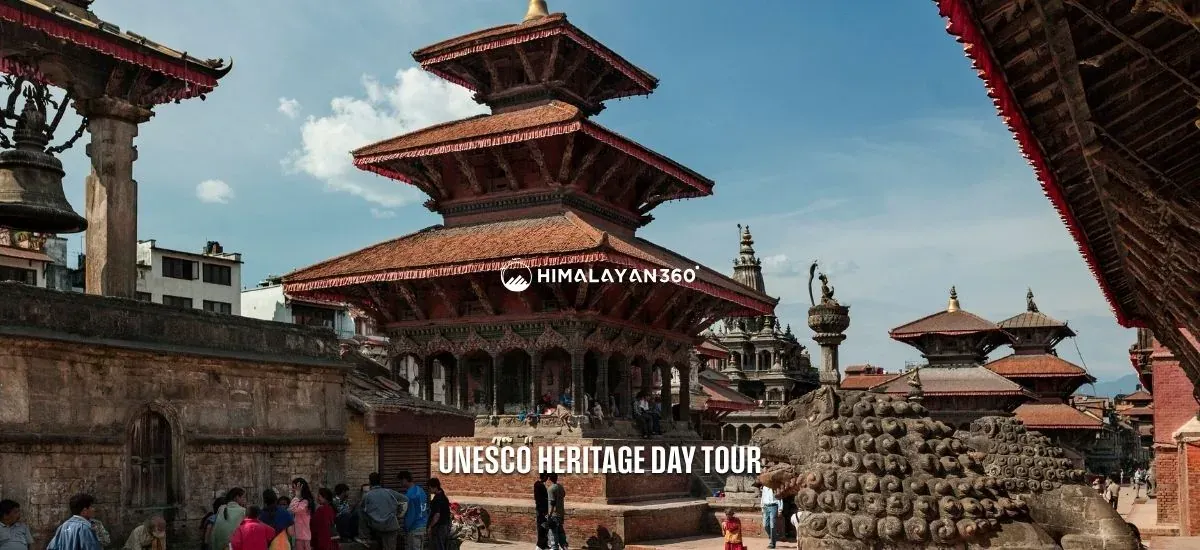
Kathmandu, the heart of Nepal, is home to several UNESCO World Heritage Sites. Each of them reflects the history, art, and culture of the city. A one-day tour covering the top four sites: Swayambhunath Stupa, Kathmandu Durbar Square, Pashupatinath Temple, and Boudhanath Stupa tells its own story from ancient kings to sacred rituals. A single full day is all you need to feel the magic and history of Kathmandu.
Starting from Swayambhunath, your day tour begins with over 2,000 years of history. Legend says the Kathmandu Valley was once a lake, and the hill of Swayambhunath rose at its center. Later, the stupa was renovated and expanded by King Manadeva in the 5th century to promote Buddhism. As you climb its 365 steps, you’ll witness the Buddhist traditions that made this place special for centuries.
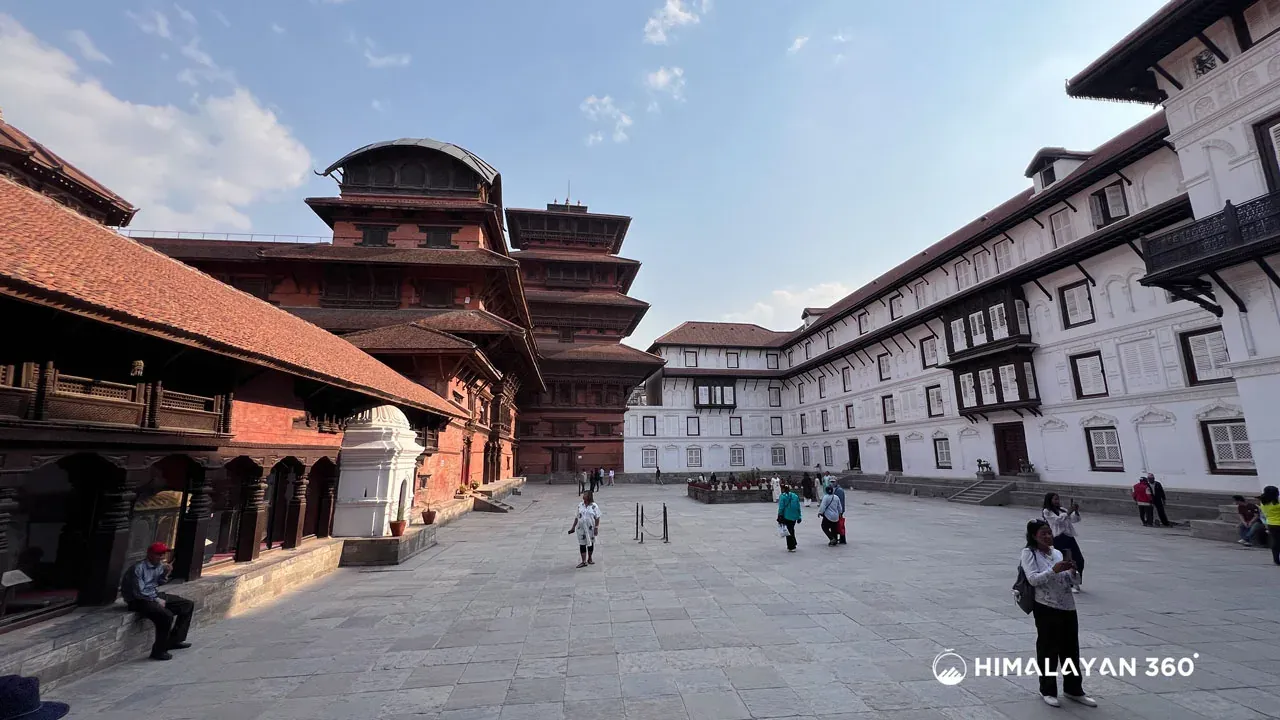
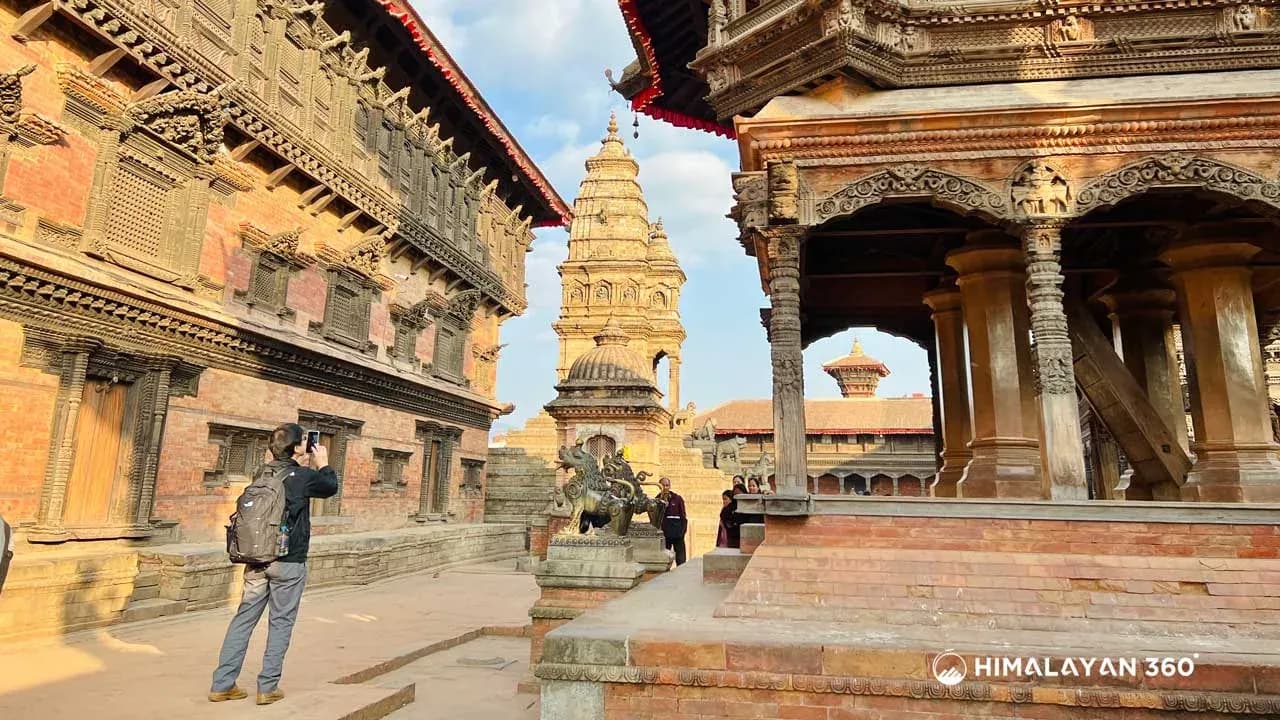
From there, your tour leads to Kathmandu Durbar Square, where the history of the Malla Kings is still alive. Between the 12th and 18th centuries, rulers like King Pratap Malla built palaces, temples, and courtyards with detailed carvings to show both power and faith. This place will really amaze you.
After that, you’ll visit Pashupatinath Temple and Boudhanath Stupa. Pashupatinath, established in the 5th century and rebuilt in the 17th century by King Bhupatendra Malla, honors Lors Shiva and hosts daily rituals on the Bagmati River. Boudhanath, which was built in the 5th to 6th century CE to support Tibetan Buddhism, is one of the largest stupas in the world. These heritage sites will surprise you with their history and culture. To explore these four incredible sites, go through the detailed itinerary below and plan your visit to Kathmandu with us.
Best Season
All Season
Travel Duration
8Hours
Travel Distance
22KM/14Mile
Difficulty
Destination
Kathmandu
Transportation
Private Vehicle
Start / End
Thamel/Thamel
Meals
Major Highlights of Heritage Site Tour in Kathmandu
- Climb 365 stone steps at Swayambhunath.
- See the all-seeing eyes of Buddha on the Swayambhunath Stupa.
- Explore Harati Temple for child goddess worship at Swayambhunath.
- Visit the sacred shrines inside the Pashupatinath Temple.
- Walk around the white dome of Boudhanath.
- Explore the Hanuman Dhoka museum inside Kathmandu Durbar Square.
- See the living goddess Kumari at her residence occasionally, between 9-11 AM and 4-6 PM normally.
- Explore the ancient courtyards of Kathmandu Durbar Square.
- Visit the Arya Ghat cremation ground at Pashupatinath.
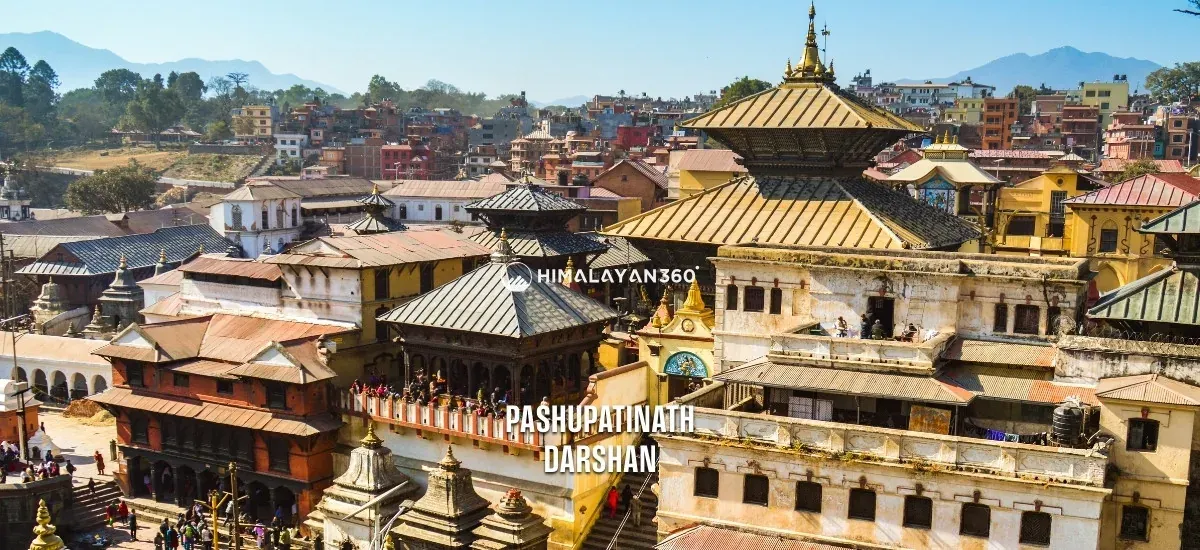
- See the main two-tiered pagoda-style temple with its gold pinnacle and silver-gilded doors at Pashupati.
Why a Package Tour is Better Than Visiting Separately?
A package tour to the four UNESCO World Heritage Sites of Kathmandu is time and cost-efficient. You’ll save hours that might be spent planning routes, arranging transport, and buying tickets separately. With hassle-free transport, there is no need to bargain or worry about getting lost. Combined tickets or permits make your visit to Pashupatinath, Swayambhunath, Boudhanath, and Kathmandu Durbar Square smooth and stress-free.
Experienced guides will share cultural stories, myths, and history you would easily miss on your own. Package tours also focus on safety and comfort. You can do video or audio calls with a guide or your group member if you get lost or mislead the track. Whether exploring temples, stupas, or squares, cultural and historical tours become safer with company and guidance. Plan a heritage day tour of Kathmandu with us and travel smart, and make new friends while exploring heritage sites in Nepal.
4 UNESCO Heritage Site Tour in Kathmandu Outline Itinerary
Brief Itinerary for 4 UNESCO Heritage Site Day Tour
Day 01: Visit Swayambhunath Stupa, Kathmandu Durbar Square, Pashupatinath Temple, and Boudhanath Stupa
| Itinerary Fact | Details |
|---|---|
| Time: | 09:00-17:00 |
| Travel Duration: | 8Hours |
| Travel Distance: | 22KM/14Mile |
Your 4 UNESCO World Heritage Sites tour begins at 9:00 AM and concludes at 5:00 PM. This tour duration is enough to explore without rushing. First, you’ll take a 20-minute drive from a hotel and visit Swayambhunath Stupa (Monkey Temple). Here you can spend about 1.5 hours exploring the ancient shrines and beautiful views of Kathmandu Valley. Next, a 30-minute drive takes you to Kathmandu Durbar Square, where you can witness historic palaces, temples, and Newari architecture.
In the afternoon, a 30-minute drive brings you to Pashupatinath Temple as your third stop. You’ll have about an hour to explore this sacred Hindu site, witnessing daytime rituals such as pujas, cremations, devotees bathing in the Bagmati River, and offerings to Lord Shiva. After spending time here, a 40-minute drive takes you to Boudhanath Stupa, one of the largest Buddhist stupas in the world. Spend around an hour exploring the stupa, observing monks performing daily rituals, and spinning prayer wheels before concluding your tour with a hotel drop-off at 5:00 PM.
This itinerary makes sure you experience the best UNESCO heritage site of Kathmandu in just one day. We also provide 7 UNESCO Heritage Site Tour, which starts at 09:00 AM & ends at 6:00 PM that consists of all places we will visit here and in addition Patan Durbar Square, Bhaktapur Durbar Square, and Changunarayan Temple.
| Itinerary Fact | Details |
|---|---|
| Meals: | N/A |
| Accomodations: | N/A |
Explore with Local Experts! Our experienced guides, porters, and staff are locals who know every trail, culture, and hidden gem. Travel with us for an authentic adventure!
Plan your trip on your own date
Ready to create your perfect adventure? Use our trip planner to customize your itinerary and schedule according to your preferences. We’re here to help you tailor every detail to fit your unique needs.
4 UNESCO Heritage Sites You’ll Visit
The Monkey Temple: Swayambhunath Stupa
Known as the Monkey Temple, Swayambhunath is one of the oldest religious sites in Nepal (around 1,500 years old). It holds great significance in both Buddhism and Hinduism. The stupa has a white dome, a golden spire, and the all-seeing eyes of Buddha, which reflect wisdom and harmony. You’ll walk around the stupa, spin prayer wheels, and chant mantras – “Om Mani Padme Hum”.
Main attractions:
- Opening Hours: 24/7
- Visit the Vajra (thunderbolt) situated in front of the stupa.
- Get panoramic views of Kathmandu city from the hilltop.
- View the ancient stone inscription at Swayambhunath in both Ranjana (Nepal origin) and Tibetan Uchen scripts.
- See the Dipankara Buddha statues at the stupa base.
Kathmandu Durbar Square & the Living Goddess Palace
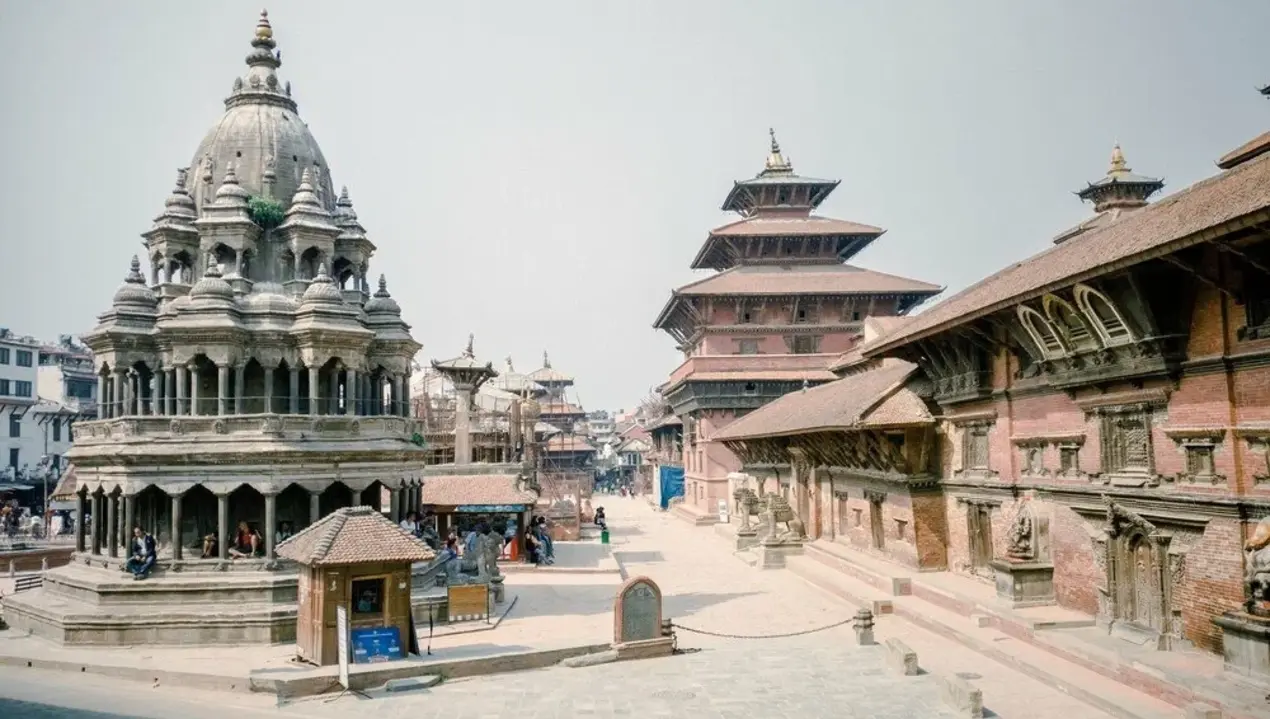
Kathmandu Durbar Square, declared as a UNESCO World Heritage Site in 1979, was once the royal palace of the Malla and Shah kings who ruled over Kathmandu Valley. This historic palace has over 50 temples, courtyards, and monuments built between the 12th and 18th centuries, reflecting Newar artistry. You can also discover the stone inscriptions written in 15 languages.
Main attractions:
- Opening Hours: 24 hours. Museums and historical palace courtyards are open from 10:00 AM to 5:00 PM. Open daily.
- Visit the Kumari Ghar and, if lucky, see the Living Goddess.
- Explore the Hanuman Dhoka, the historic royal palace complex.
- See the Kal Bhairav statue, symbolizing divine justice.
- Roam around Kasthamandap, the wooden pavilion built from a single tree.
Pashupatinath Temple: A Hindu’s Must Go
Pashupatinath Temple, a UNESCO World Heritage Site, is one of the oldest and most sacred Hindu temples dedicated to Lord Shiva. Built in the 5th century and later expanded by the Malla Kings, it stands on the bank of the Bagmati River. The temple is a central site for Hindu pilgrims, especially during Maha Shivaratri, when thousands of pilgrims gather from Nepal and India.
Main attractions:
- Opening Hours: 4:00 AM to 9:00 PM
- Observe the open-air cremation rituals along the Bagmati River.
- Explore centuries-old sculptures, shrines, and inscriptions crafted during the Lichhavi period (4th-9th century).
- Interact with Sadhus (holy men) known for their unique lifestyle and traditions.
- Explore the 500+ Shiva Lingams spread across the complex.
Boudhanath Stupa: The Largest Stupa in Nepal
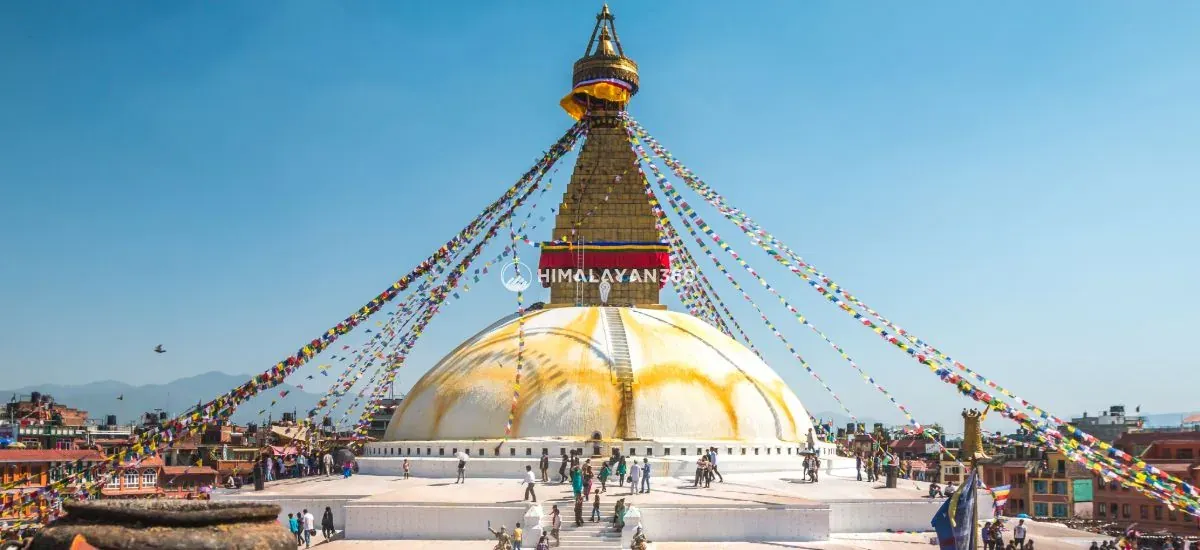
Boudhanath Stupa is one of the largest spherical stupas in Nepal and a central hub of Tibetan Buddhism outside Tibet. Believed to have been built in the 14th century, it holds religious significance as a site for meditation, prayer, and pilgrimage. The white dome of the stupa, topped with a golden tower and the all-seeing eye of Buddha, symbolizes enlightenment over the Kathmandu Valley.
Main attractions:
- Opening hours: 24/7
- See the golden spire with the 13 stages of enlightenment.
- Visit Tibetan monasteries around the stupa and observe rituals.
- Shop for traditional Tibetan Handicrafts like beads, rings, and prayer flags.
- Spin the prayer wheels that have surrounded the Boudhanath Stupa (walk clockwise).
UNESCO World Heritage Sites Tour Cost
The cost for visiting the 4 World Heritage Sites in Kathmandu ranges from USD 75 to USD 32 per person, depending on the size of the group. For a solo traveler, the price is USD 75. For two people, it drops to USD 50 each. Groups of 3-4 pay around USD 38 per person, and groups of six or more pay just USD 32 per person. This price includes professional tour guide fee and transport fees. You can plan according to your budget and group size to enjoy a smooth and affordable visit.
Cultural Etiquettes You Need to Know
Respecting local culture is essential when visiting the UNESCO World Heritage Site in Kathmandu. These sites are not just tourist attractions but a spiritual place for worship and offering. Following cultural etiquette shows respect for the local community, helps to preserve traditions, and provides a perfect travel experience. Here’s a list of general etiquette you need to follow:
Swayambhunath Stupa
- Always walk clockwise around the stupa and spin prayer wheels in the same direction.
- Avoid feeding monkeys near the shrine, as it disturbs the site.
- Respect Buddhist monks and nuns; give way to them on stairways.
- Keep hands away from prayer flags; they are not for touching or stepping over.
Kathmandu Durbar Square
- Many temples here remain active, like the Taleju Temple; remove shoes before entering shrines.
- Do not climb on Hanuman Dhoka, statues, or monuments for photos.
- Respect Kumari Ghar (Living Goddess’s residence); photography of the Kumari inside is strictly prohibited.
- Touching or moving offerings, oil lamps, or statues without permission is considered disrespectful.
Pashupatinath Temple
- Only Hindus are allowed to enter the inner sanctum (main pagoda-style temple), but you can still explore most of the complex.
- Dress modestly; sleeveless tops and short skirts are discouraged.
- Do not cross over offerings, puja items, or sit on temple steps reserved for rituals.
- Cremation ghats along the Bagmati River are sacred. Photography here is considered disrespectful.
Boudhanath Stupa
- Circle the stups clockwise, joining locals in their daily kora.
- Do not climb the stupa or step onto platforms unless permitted.
- Photography is allowed, but avoid blocking paths for pilgrims.
- Avoid loud talking or music around the main white dome of the Stupa.
Street Foods Near the Heritage Site
Exploring the heritage sites of Kathmandu Valley during a tour of Kathmandu is not just about culture; it’s also about tasting the local street foods that surround them. From spicy snacks to traditional Newari and Tibetan flavors, each site offers something unique and affordable.
| UNESCO Site | Popular Street Foods | Price Range (per plate/cup) |
|---|---|---|
| Swayambhunath | Momos, Laphing, Chatpate, Sel Roti, Aloo Chop | NPR 50-150 |
| Kathmandu Durbar Square | Chatmari, Yomari, Bara, Samay Baji sets, Juju Dhau (curd) | NPR 80-200 |
| Pashupatinath | Tea, Samasa, Pakauda, Jalebi (Jeri), Puri-Tarkari | NPR 20-100 |
| Boudhanath | Tibetan Noodles (Thukpa), Butter tea, Sha Phaley, Tingmo bread, Momos | NPR 80-200 |
Note: Street food is delicious, but check for clean stalls and freshly cooked items for better hygiene.
Top Souvenirs to Buy Duuring Tour
Buying souvenirs during a Kathmandu sightseeing tour not only improves your travel experience but also supports local artisans and preserves traditional crafts. From religious items to handmade art, each souvenir tells a story of Nepali culture.
| UNESCO Site | Popular Souvenir | Price Range |
|---|---|---|
| Swayambhunath | Tibetan Prayer Flags, Singing bowls, Mala beads, Incense sticks | NPR 300-2,000 |
| Kathmandu Durbar Square | Traditional Newari maska, Wood carvings, paintings, Miniature temples, Jewelry | NPR 500-3,000 |
| Pashupatinath | Rudraksha beads, Prayer beads, Small Shiva idols, Lingams | NPR 200-1,500 |
| Boudhanath | Thangka paintings, Buddhist statues, Prayer wheels, Tibetan jewelry | NPR 500-4,000 |
Tips: Bargain politely, smile, and ask for a fair price. Check authenticity by inspecting materials, craftsmanship, or consulting with a guide.
FAQs on the 4 UNESCO Heritage Site Day Tour in Kathmandu
Are there entry fees for Kathmandu Durbar Square?
Are there local festivals to experience at these sites?
Can I perform puja at Pashupatinath?
Can I eat food inside the heritage sites?
Can I visit these cultural sites in the monsoon season?
What is the height of Boudhanath Stupa?
How many UNESCO sites are in Kathmandu Valley?
How long does it take to walk around Swayambhunath?
How many stupas are in Kathmandu Valley?
Is Kathmandu Durbar Square earthquake-resistant after 2015?
Travler Reviews
USD 75 per person
Adventures Await
we’ll make it extraordinary and uniquely yours.
Create a travel experience that reflects your style and preferences.
With expert guidance, every moment of your trip is uniquely tailored to you.