Kailash Yatra Fixed Departure Date 2026 Click Here
Tibet Overland Tour with Everest Base Camp
Starting from Lhasa, the Tibet Overland Tour with Everest Base Camp is an incredible journey that offers a blend of spiritual and natural beauty. Tibet is a forbidden land famous for its ancient monasteries and unique religion, which has been practiced for over 1000 years. Now, imagine exploring the base of the world’s highest mountain, Mount Everest, alongside the breathtaking beauty of Tibet. Isn’t it a rewarding experience? Merging a drive and a short hike, the tour will take you 5,364 meters above sea level.
During this tour, you will visit iconic sites like Tashihunpo Monastery, Shigatse, Jokhang Temple, Xigatse, Gyantse, and Lhatse. Along the way, marvel at the turquoise waters of Yamdrok Lake, one of Tibet’s holiest lakes, and see the stunning Karola Glacier up close. As you approach Everest Base Camp, you will visit the renowned Rongbuk Monastery, the world’s highest monastery. You can experience a nomadic culture and spot unique high-altitude wildlife, such as yaks and Tibetan antelopes.
Standing at 5,364 meters at Everest Base Camp, you will not only witness the world’s highest peak up close but also experience the thrill of being at one of the most legendary destinations on Earth. This way, the 8-day Lhasa to Everest base Camp Tour is more than just sightseeing. It’s a mix of cultural discovery, natural beauty, and spiritual insight.
Max. Altitude
5,150m/16,900ft
Best Season
Apr, May, Jun, Jul, Aug, Sept, Oct
Travel Distance
1,330km/826miles
Difficulty
Destination
Tibet
Transportation
Private Vehicle
Start / End
Kathmandu/Kathmandu
Accommodation
Meals
Language
English | Chinese
Route
Lhasa-EBC-KTM
Activities
Tibet Tour
Trip Type
Cultural Tour | Spiritual Tour
Highlights of Tibet With Everest Base Camp Tour
- Witness the panoramic north-face views of the world’s highest peak, Mount Everest, from Tibet’s Everest Base Camp.
- Cross the vast Tibetan Plateau, high mountain passes, and picturesque landscapes.
- Visit the world’s highest monastery, Rongbuk Monastery, and enjoy great views of Everest and spiritual insights.
- Discover iconic landmarks such as the Potala Palace, Jokhang Temple, and Barkhor Street for a cultural exploration.
- Cross thrilling high-altitude passes like Gyatso La, offering stunning Himalayan vistas.
- Experience the rich Buddhist heritage at monasteries such as Tashilhunpo and Sakya.
- Spot yaks, Tibetan antelopes, and rare high-altitude flora along the journey.
- Challenge yourself with high-altitude travel and create unforgettable memories with a sense of achievement.
Outline Itinerary For Tibet Overland Tour With EBC
Tibet overland Tour with Everest Base Camp Itinerary
Day 01: Arrival in Lhasa
| Itinerary Fact | Details |
|---|---|
| Time: | 00:00-00:00 |
| Travel Duration: | 1hr 30min |
| Travel Distance: | 62km/miles |
| Highest Altitude: | 3,656M/11,995ft | Lhasa |
- Attractions of the Day: Lhasa town
You can choose any means of transportation, flight or train, to reach Lhasa. As you reach Lhasa, you will see the crisp mountain air and a spectacular view of the surrounding hills. One of our tour guides will meet you at the airport, and the journey now officially begins.
We will begin with a scenic drive to the city, passing through traditional Tibetan villages and rolling plains dotted with grazing yaks. Strolling through the town, we can see locals spinning prayer wheels, monks in deep conversation, and the vibrant Tibetan culture unfolding before us. We will conclude our first day by arriving at the Yak Hotel.
| Itinerary Fact | Details |
|---|---|
| Meals: | N/A |
| Accomodations: | Yak Hotel or Similar |
Day 02: Lhasa sightseeing
| Itinerary Fact | Details |
|---|---|
| Time: | 10:00-16:00 |
| Travel Duration: | 6 hours |
| Travel Distance: | 35km/22miles |
| Highest Altitude: | 3,656m/11,995ft Lhasa |
- Attractions of the Day: Potala Palace, Jokhang Temple, and Barkhor Market
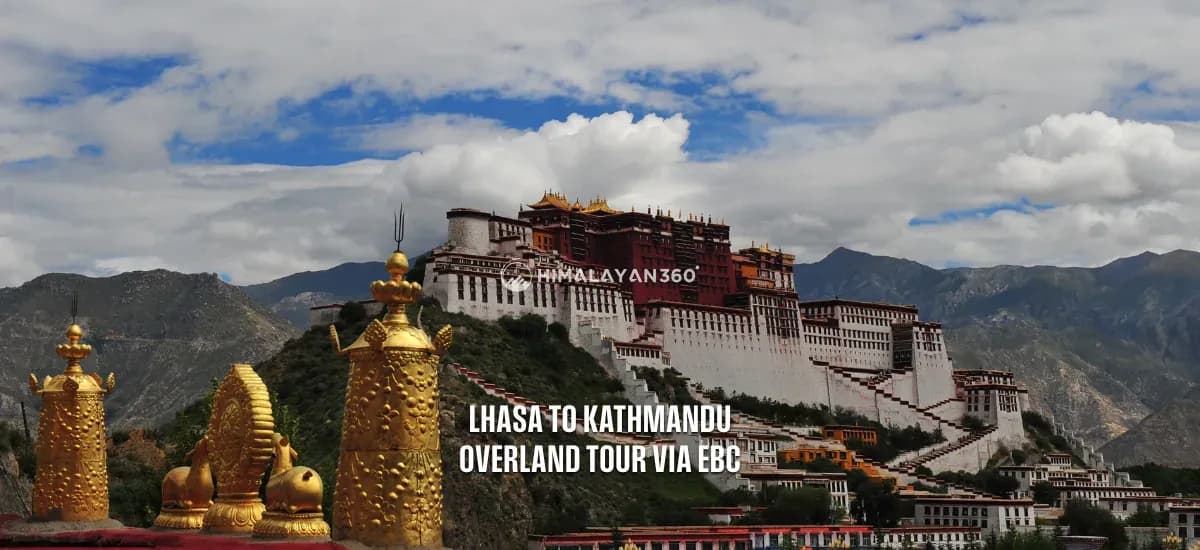
Today, we explore Lhasa’s most famous landmarks. Our first stop is the Potala Palace (3,750m), the former winter home of the Dalai Lama. It sits high on Marpo Ri (Red Hill) and offers a stunning view of Lhasa city. Here, we will see ancient murals, golden stupas, and sacred scriptures. Next, we will visit Jokhang Temple (3,650m), the most sacred temple in Tibet. Inside the place is the Jowo Rinpoche statue, one of the most revered Buddha statues in Tibet.
At the very end of our day, we will explore the lively Barkhor Market. The narrow streets are full of local shops selling Tibetan handicrafts, prayer flags, and incense. Walking along the ancient kora (pilgrimage path), we will see monks, locals, and travelers all moving in the same spiritual rhythm. As the day comes to an end, we will return to our hotel, filled with the sights, sounds, and spirit of Lhasa.
| Itinerary Fact | Details |
|---|---|
| Meals: | Breakfast, Lunch, Dinner |
| Accomodations: | Yak Hotel or Similar |
Day 03: Lhasa sightseeing
| Itinerary Fact | Details |
|---|---|
| Time: | 10:00-16:00 |
| Travel Duration: | 6 hours |
| Travel Distance: | 50km/31miles |
| Highest Altitude: | 3,656m/11,995ft Lhasa |
- Attractions of the Day: Drepung Monastery & Sera Monastery
The third day of the Tibet EBC tour in Lhasa continues with visits to two of the most famous monasteries of Lhasa. Our first stop is Drepung Monastery (3,800m), one of the largest and most significant monasteries in Tibet. It is on the hillside, offering a beautiful view of Lhasa and the surrounding valley. The peaceful surroundings and magnificent architecture take us to the lives of Tibetan monks.
In the afternoon, we will head to Sera Monastery (3,600m), renowned for its famous monk debates, which take place within the monastery’s courtyard as monks discuss various topics related to Buddhism. Like day 2, today will also be a culturally and spiritually rich day. At about 4 p.m., we will conclude our day by getting back to the Yak Hotel.
| Itinerary Fact | Details |
|---|---|
| Meals: | Breakfast, Lunch, Dinner |
| Accomodations: | Yak Hotel or Similar |
Day 04: Drive from Lhasa to Gyantse
| Itinerary Fact | Details |
|---|---|
| Time: | 10:00-15:00 |
| Travel Duration: | 5 hours |
| Travel Distance: | 268km/167miles |
| Highest Altitude: | 4,852m/15,919ft Kamba la pass |
- Attractions of the Day: Yamdrok Lake, Kora LA, and Kamba La pass
On Day 4, after spending 4 days in Lhasa, we will drive from Lhasa to Gyantse, taking in the scenic views along the way. Our first stop will be the stunning Yamdrok Lake, where we will take in the turquoise waters surrounded by snow-capped mountains. We will then cross the Kora La Pass and Kamba La Pass, both offering breathtaking views of the Himalayan range.
Continuing, the route will pass by some of the most remote Tibetan villages where traditional lifestyles can be observed. Finally, we will arrive in Gyantse, where a view of the historic Gyantse Dzong awaits us, followed by check-in at the hotel for the night.
| Itinerary Fact | Details |
|---|---|
| Meals: | Breakfast, Lunch, Dinner |
| Accomodations: | 3-star Hotel or Similar |
Day 05: Drive from Gyantse to Shigatse
| Itinerary Fact | Details |
|---|---|
| Time: | 11:00-13:00 |
| Travel Duration: | 2 hr |
| Travel Distance: | 93 km/58miles |
| Highest Altitude: | 3,977m/13,048ft Gyantse |
- Attractions of the day: Pholkor and Kumbum Monastery
Today, we will continue our journey to Shigatse, Tibet’s second-largest city. Our first stop is the Pelkor Chode Monastery (3,850m), where we explore the stunning Kumbum Stupa, a unique structure with 108 chapels. The artwork here tells the story of Tibet’s religious traditions. As we drive, we will pass through small popular Tibet towns and rural villages, where the local people live harmoniously with nature.
Once in Shigatse, we will visit the Tashilhunpo Monastery (3,845m), one of Tibet’s most important monasteries. Here, we will see the Maitreya Buddha statue and wander through the peaceful courtyards to learn about Tibetan Buddhism. After a day of cultural exploration, we will return to our hotel in Shigatse to rest for the night.
| Itinerary Fact | Details |
|---|---|
| Meals: | Breakfast, Lunch, Dinner |
| Accomodations: | Hotel Tashichodak or Similar |
Day 06: Drive From Shigatse to Rongbuk
| Itinerary Fact | Details |
|---|---|
| Time: | 09:00-15:00 |
| Travel Duration: | 6hr |
| Travel Distance: | 333km/207miles |
| Highest Altitude: | 5,009m/16,434ft Rongbuk Monastery |
- Attractions of the Day: Tashilhumpu Monastery, Ronbuk Monastery
On day 6 of the Tibet trip with EBC, after having our morning breakfast, we will set out for Rongbuk, the highest monastery in the world. The drive is long, but the views make it all worthwhile. We will pass through the Gyatso La Pass (5,248m), where we will stop to take in the awe-inspiring sights of the Himalayan peaks. The road takes us higher into the mountains, and the landscape becomes more rugged and remote.
Upon reaching Rongbuk Monastery (5,009m), we will get a view of Mt Everest, which is nothing short of spectacular. Another major attraction of our today’s journey is Tashilhumpu Monastery, where we will make a short visit. We will spend the night in a basic guesthouse in Rongbuk, surrounded by the stark beauty of the Tibetan plateau.
| Itinerary Fact | Details |
|---|---|
| Meals: | Breakfast, Lunch, Dinner |
| Accomodations: | Rongbuk Guest House (Very basic) |
Day 07: Hike up to EBC and Drive to Gyirong
| Itinerary Fact | Details |
|---|---|
| Time: | 10:00-16:00 |
| Travel Duration: | 6 hour |
| Travel Distance: | 267km/166miles |
| Highest Altitude: | 5,150m/16,900ft Everest BC |
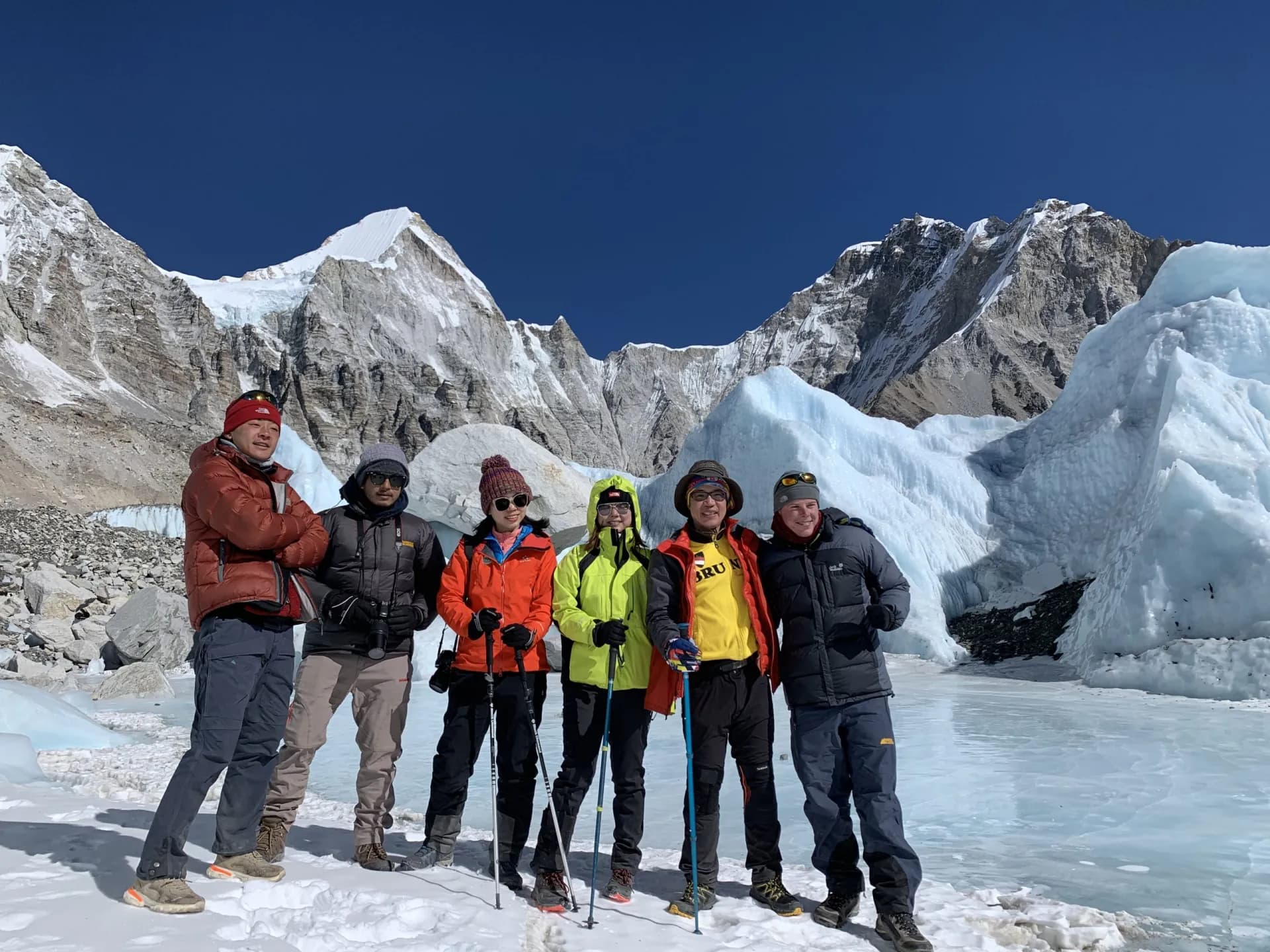
Today is the highlight of the trip as we will hike to Everest Base Camp in Tibet (5,150m). We will get up early and trek for about 2 to 3 hours to reach the EBC. Although it can be quite a challenge, standing at the foot of the world’s highest mountain, Mount Everest, is a rewarding accomplishment. The views of Mount Everest, along with other peaks such as Lhotse and Makalu, are breathtaking from this vantage point.
After spending time at the base camp, we begin our descent and drive toward Gyirong. The tour route changes again as we pass through valleys and small Tibetan and Sherpa villages. We will reach Gyirong by evening and rest in a comfortable hotel in Gyirong, reflecting on our tour to Everest Base Camp.
| Itinerary Fact | Details |
|---|---|
| Meals: | Breakfast, Lunch, Dinner |
| Accomodations: | Gyirong Hotel or Similar |
Day 08: Drive from Gyirong to the border and Kathmandu
| Itinerary Fact | Details |
|---|---|
| Time: | 07:00-15:00 |
| Travel Duration: | 8 hr |
| Travel Distance: | 222km/138miles |
| Highest Altitude: | 2,774m/9,101ft |
- Attractions of the day: Border, Hill, and River
On our final day, we will drive toward the border, passing through stunning landscapes with green hills, flowing rivers, and terraced farms. The landscape becomes more lush and vibrant as we approach the Nepal-Tibet border. After reaching the border, we cross over to Nepal and drive to Kathmandu. Here, our 8 days Lhasa to Everest Base Camp journey ends. Reaching Kathmandu, you will have ample time to see the city and unwind after an extraordinary adventure across Tibet.
| Itinerary Fact | Details |
|---|---|
| Meals: | Breakfast |
| Accomodations: | Kathmandu Business Hotel or similar |
Explore with Local Experts! Our experienced guides, porters, and staff are locals who know every trail, culture, and hidden gem. Travel with us for an authentic adventure!
Why Include Everest Base Camp in the tour?
Including Everest Base Camp (EBC) in your Tibet Overland Tour offers a once-in-a-lifetime opportunity to witness the world’s highest peak up close. From the Tibetan side, you get an unmatched panoramic view of Mount Everest’s towering north face, a sight that is often considered more dramatic than the Nepal side. The journey to EBC takes you through breathtaking landscapes, from the vast Tibetan Plateau to the rugged Himalayan terrain. If you love nature, photography, or simply the thrill of being at one of the most iconic places on Earth, visiting EBC is a must.
Beyond the stunning views, the journey to Mount Everest Base Camp immerses you in the rich Tibetan culture and history. You will pass through ancient monasteries, remote highland villages, and sacred sites, including Rongbuk Monastery, the world’s highest monastery. These cultural experiences enable you to connect with the local way of life, fostering a deeper appreciation of Tibet’s spiritual and traditional heritage. The overland route also lets you travel at a comfortable pace. You can gradually acclimatize to the high altitude while soaking in the region’s unique beauty.
Adding EBC to your Tibet tour is also a personal challenge and achievement. Standing at 5,150 meters (16,900 feet), reaching Everest Base Camp is a test of endurance and resilience. The sense of accomplishment you’ll feel upon arrival is truly rewarding. This journey is both physically and emotionally rewarding for travelers and adventure enthusiasts, offering nearly everything one yearns for. With the right preparation, you can fully enjoy this trip to Tibet with EBC and create memories that will last a lifetime.
However, your comfort and safety is our top priority. If you feel that including Everest Base Camp in Tour can be too challenging, we have the package Tibet Overland Tour with same number of days i.e., 8 days and same price with inclusion of a bit easier routes.
Top Attractions of Tibet Overland Tour with Everest Base Camp
Potala Palace (Lhasa)
Altitude: 3,656 meters (11,995 feet)
The Potala Palace is the most iconic symbol of Tibet, standing tall on Marpo Ri Hill and offering breathtaking views of Lhasa and the distant Himalayan peaks. Originally built in the 7th century and later expanded by the 5th Dalai Lama, the palace features stunning architecture, intricate murals, golden stupas, and over 1,000 rooms filled with sacred Buddhist scriptures.
You will learn about the spiritual and political history of Tibet as you wander through its grand halls and rooms and take in the profundity of the atmosphere that has drawn people, from pilgrims to visitors, for centuries. The panoramic view of Lhasa from the top is a perfect way to capture the beauty of this ancient city.
Yamdrok Lake (En route to Gyantse)
Altitude: 4,441 meters (14,570 feet)
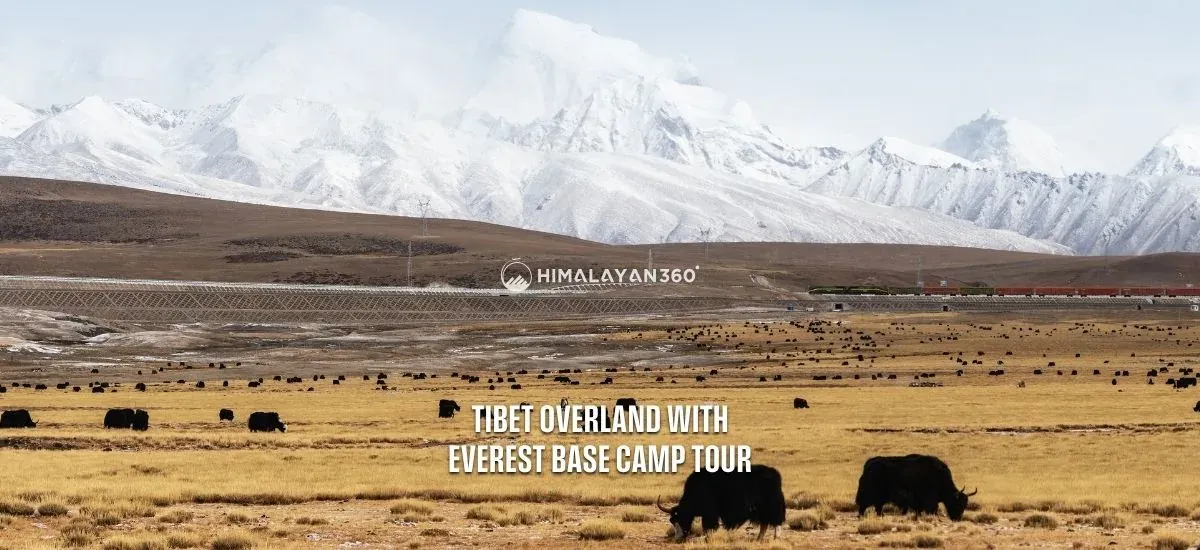
Yamdrok Lake is one of the most picturesque spots in Tibet. This sacred lake is believed to be the abode of the goddess Yamdrok Yumtso. Backdrop of snow-capped peaks surrounds its stunning turquoise waters, giving it an almost mystical quality. As you stand by the lake, you can gaze out over vast meadows where yaks graze peacefully.
This location is also a fantastic spot for photography in the overall adventure. Spend some time in a serene and peaceful atmosphere to reflect and appreciate Tibet’s natural beauty. To witness the lake from above, you can reach Kamba La Pass, which offers the best views from the high point above the lake.
Rongbuk Monastery (Rongbuk)
Altitude: 5,009 meters (16,434 feet)
Rongbuk Monastery is the highest monastery in the world. It lies near the base of Mount Everest and gives amazing views of the mountain’s north side. The area around the monastery is quiet and surrounded by tall, rocky mountains.
At the monastery, you can see small temples and colorful prayer flags. You might meet the monks who live there and learn a bit about their daily life. Close to the monastery is the Rongbuk Glacier, and you may see trekkers and climbers heading to Everest. The combination of peaceful religion, stunning views, and a sense of adventure makes this place truly special.
Everest Base Camp (Everest Region)
Altitude: 5,150 meters (16,900 feet)
Everest Base Camp is the ultimate destination for adventure seekers and nature lovers. Located at the foot of the north face of Mount Everest, you will get unrivaled views of the world’s highest mountain. From this vantage point, you can see Mount Everest majestic, snow-capped peaks towering above the Tibetan Plateau.
The landscape around the base camp is rugged and remote, with expansive views of glaciers, deep valleys, and surrounding Himalayan peaks. As you stand at 5,150m, the sheer scale of Everest and the wild beauty of the region will leave you speechless. Further, you can also enhance your experience by interacting with Tibetan nomads and trekkers, who share stories about their travels to this sacred place.
The Border (Kathmandu)
Altitude: 2,774 meters (9,101 feet)
The Kathmandu-Tibet Border is a key crossing point and an exciting transition between Nepal and Tibet. Located in the town of Rasuwagadhi, Nepal, this border marks the start of the overland journey to Tibet. You will find a dramatic change in landscapes from the lush, green hills of Nepal to the rugged and arid plateau of Tibet as you cross into Tibet.
The border area offers stunning views of the surrounding hills and the Lhasa rivers, and the small town of Kyirong serves as a gateway into Tibetan life. The border crossing itself is quite an adventure: you navigate through Tibetan customs and on a road trip that takes you deeper into the Tibetan Plateau, a significant and memorable part of your journey.
Challenges During the Tibet Everest Base Camp Tour
The tour from Lhasa to Everest Base Camp is a moderately challenging journey that requires both physical and mental preparation. While the adventure presents some challenges along the way, the overall journey is enriching and provides a sense of accomplishment and personal growth. Some challenges involved during this adventure are:
Altitude Sickness
One of the major challenges you will face during the Tibet overland tour with Everest Base Camp is altitude sickness. The higher you go, the thinner the air becomes, and your body may struggle to adapt to this change. As you go above 3,000 meters, symptoms such as headaches, nausea, dizziness, and fatigue start to show. It is crucial to acclimatize properly by taking rest days and staying hydrated for a safe tour. If you start feeling symptoms, inform your guide immediately and descend if necessary.
Harsh Weather Conditions
The weather in the Everest Base Camp tour in Tibet is unpredictable, with temperature fluctuations and harsh conditions. You may experience sudden freezing temperatures, strong winds, or rain at various points during the journey. Hence, you must pack suitable clothing for layering, including thermal wear and waterproof gear, to stay warm and dry. Be prepared for sudden weather changes and ensure you’re mentally ready for the cold conditions.
Rugged Terrain
The route to Everest Base Camp involves traversing rugged terrain with uneven trails, rocky paths, and high-altitude passes. The journey can be physically demanding, especially with long trekking days and elevation gains. To complete the trek with some ease, you should have proper footwear, trekking poles, and a strong level of fitness. This will help you navigate these challenging paths. Take your time and listen to your body, as rushing could increase the risk of injury or exhaustion.
Limited Access to Medical Care
During the Tibet overland trip with EBC, you will be in remote areas with limited access to medical facilities. In case of an emergency or health issue, help may be far away, and transportation can be slow. To cope with this situation, you must carry a first-aid kit, along with necessary medications, and ensure that you have travel insurance that covers emergencies. Being prepared for medical challenges is vital, especially in high-altitude environments.
Cultural Differences
While traveling in Tibet, you will encounter cultural norms and traditions that may differ from those to which you are accustomed. You should respect local customs, especially when visiting monasteries or interacting with Tibetan people. Familiarize yourself with basic etiquette, such as removing your shoes before entering homes or religious sites and offering respect to religious figures. Understanding and embracing the culture will enrich your experience.
Physical Fatigue
The physical demands of the Tibet Everest Base Camp trip, especially at high altitudes, can lead to fatigue. Long trekking days, combined with the need to adjust to thinner air, can make the journey exhausting. You should pace yourself, take regular breaks, and stay hydrated. We further recommend you maintain a positive mindset and focus on your ultimate goal of reaching Everest Base Camp. This can help you push through moments of physical weariness.
How to Prepare for the Tibet overland tour?
You need to be fully prepared if you are taking a tour or trek to any destination. For this, you should incorporate both physical and mental training along with proper acclimatization and other preparations. Physically, focus on building endurance through activities such as hiking, running, and cycling, as these improve cardiovascular strength and stamina for high-altitude travel. Additionally, strength training, especially in the legs and core, is essential, as it will aid in long drives and occasional trekking.
Additionally, mentally, it would be beneficial to practice meditation or mindfulness, which can help one remain calm in challenging situations. For a safer journey, we recommend you research the route, understand the terrain, and prepare for limited modern amenities 1-2 weeks in advance. Acclimatization is crucial to prevent altitude sickness, as Tibet sits at an average elevation of over 4,000 meters. Arriving in Lhasa a few days before the private Tibet Everest Base Camp journey allows your body to adjust gradually. Staying hydrated, avoiding alcohol and smoking, and eating light, carb-rich meals can aid the process.
It is also essential to pack wisely. You should bring warm, layered clothing, sturdy trekking shoes, high-SPF sunscreen, sunglasses, and any necessary medications, including altitude sickness pills, during your trip to Everest Base Camp from Lhasa. Additionally, you should also obtain travel insurance that covers high-altitude travel, be familiar with basic Tibetan customs, and have emergency contacts to ensure a smoother and safer journey.
Is this Tour Suitable for Beginners?
Yes, the 8-day Tibet overland tour with Everest Base Camp is suitable for beginners, but it requires some preparation. If you have a basic level of fitness and are comfortable with long days of travel and trekking at high altitudes, you should be able to handle the tour plan. Acclimatization is essential, as you will be traveling to high-altitude regions, including Everest Base Camp, where the air is thinner, and altitude sickness is a risk. With proper pacing and plenty of rest days, you can minimize the impact of altitude and enjoy the journey.
While the route can be challenging, beginners can successfully complete the tour by maintaining a slow pace, taking regular breaks, and receiving proper guidance. It is important to prepare physically to overcome the obstacles. For this, you can incorporate cardiovascular exercises and strength training, such as running, hiking, squats, and many more.
Mental readiness is just as important as physical strength, as the tour requires resilience to handle the rugged terrain, unpredictable weather, and remote conditions. Additionally, if you are a beginner, we generally recommend choosing a reliable Tibet Vista, as it enhances your safety and overall adventure experience.
Health and Fitness Tips for the Overland Tour
- Engage in regular cardiovascular exercises, such as hiking, running, swimming, or cycling, to improve lung capacity and endurance.
- Focus on leg and core exercises such as squats, lunges, and planks to build stability and stamina for trekking.
- Practice deep breathing techniques or yoga to strengthen lung function and improve oxygen intake at high altitudes.
- Drink at least 3-4 liters of water daily to prevent dehydration and altitude sickness.
- Eat a balanced diet rich in carbohydrates, proteins, and healthy fats to fuel your body for long travel days.
- Spend a few days at a moderate altitude before ascending higher and avoid rapid altitude gains.
- Avoid alcohol and smoking as they dehydrate you and reduce oxygen levels in your blood, increasing the risk of altitude sickness.
- Take it slow when trekking or walking at high altitudes to allow your body to adjust properly.
- Ensure you get enough sleep before and during the tour to keep your energy levels high.
- Incorporate stretching exercises to prevent stiffness and improve flexibility, especially for long drives and hikes.
- Be aware of symptoms like headaches, dizziness, nausea, or shortness of breath, and take necessary precautions.
What to Bring During Tibet Overland Tour with Everest Base Camp?
You may be wondering what is essential to carry with you for the Tibet Overland Tour with Everest Base Camp. We suggest not overpacking, as you will need to keep your load manageable for long journeys and high-altitude trekking. Bring only the items that are absolutely necessary, focusing on comfort, warmth, and practicality. Prioritize lightweight, durable gear and pack in layers to adapt to varying temperatures. Here is a list that can help you:
Clothing
- Thermal base layers
- Insulated jacket
- Windproof and waterproof outerwear
- Fleece sweater
- Comfortable trekking pants
- Warm gloves and socks
- Hat and scarf (for warmth)
- Lightweight clothing for lower altitudes
Footwear
- Sturdy trekking boots
- Comfortable walking shoes
- Flip-flops or sandals (for resting)
Travel Essentials
- Passport and tibet travel permits
- Copies of travel documents
- Travel insurance details
- Cash in Chinese Yuan (CNY)
- Daypack for daily use
Health and First Aid
- Altitude sickness medication
- Personal prescription medicines
- Basic first-aid kit
- Sunscreen and lip balm with SPF
- Hand sanitizer
Gear and Equipment
- Sleeping bag (if required by the tour)
- Headlamp or flashlight with extra batteries
- Reusable water bottle or hydration system
- Trekking poles
- Sunglasses with UV protection
Electronics
- Camera and extra memory cards
- Portable power bank
- Universal travel adapter
- Smartphone or tablet
Personal Items
- Toiletries (toothbrush, toothpaste, wet wipes, etc.)
- Quick-dry towel
- Snacks or energy bars
- Notebook and pen (for journaling)
- Lightweight books or entertainment items
FAQs about Tibet Overland with EBC Trek
What is the best time to go on a Tibet Overland Tour with Everest Base Camp?
Do I need a visa and special permits to visit Tibet and Everest Base Camp?
How long does the Tibet Overland Tour with Everest Base Camp typically take?
What is the altitude of Everest Base Camp, and how can I prepare for it?
Is the road journey to Everest Base Camp safe and comfortable?
What is the food like during the tour, and are dietary preferences accommodated?
Are there any photography restrictions at Everest Base Camp or other locations?
Can I visit Rongbuk Monastery during the Everest Base Camp tour?
Is travel insurance mandatory for this tour, and what should it cover?
How can I travel to Tibet, and what is the best route for this tour?
Are there any age restrictions for the Tibet Overland Tour with Everest Base Camp?
What documents should I carry during the trip?
Can I visit the North Face of Mount Everest during this tour?
Can I extend my tour to include other destinations in Tibet?
What is the cost of the 8-day Tibet overland trip with the base camp of Mount Everest?
Travler Reviews
USD 1,350 per person
Adventures Await
we’ll make it extraordinary and uniquely yours.
Create a travel experience that reflects your style and preferences.
With expert guidance, every moment of your trip is uniquely tailored to you.