Kailash Yatra Fixed Departure Date 2026 Click Here
Permit
The Langtang Valley Trek is a short trek located about 122KM north of Kathmandu. It is famous for its amazing mountain views and for a close look at the local Tamang culture. The name “Langtang” comes from a legend about a monk who followed a lost yak into this valley. “Lang” means yak, and “Tang” means to follow, so combining them makes “Following the Yak”.
This trek is special because you can see how the people have rebuilt their homes and lives after the big earthquake in 2015. It is a journey that shows both the beauty of nature and the strength of the people. As you walk, the sounds of the rushing river and yak bells make you feel like you are part of a special story.
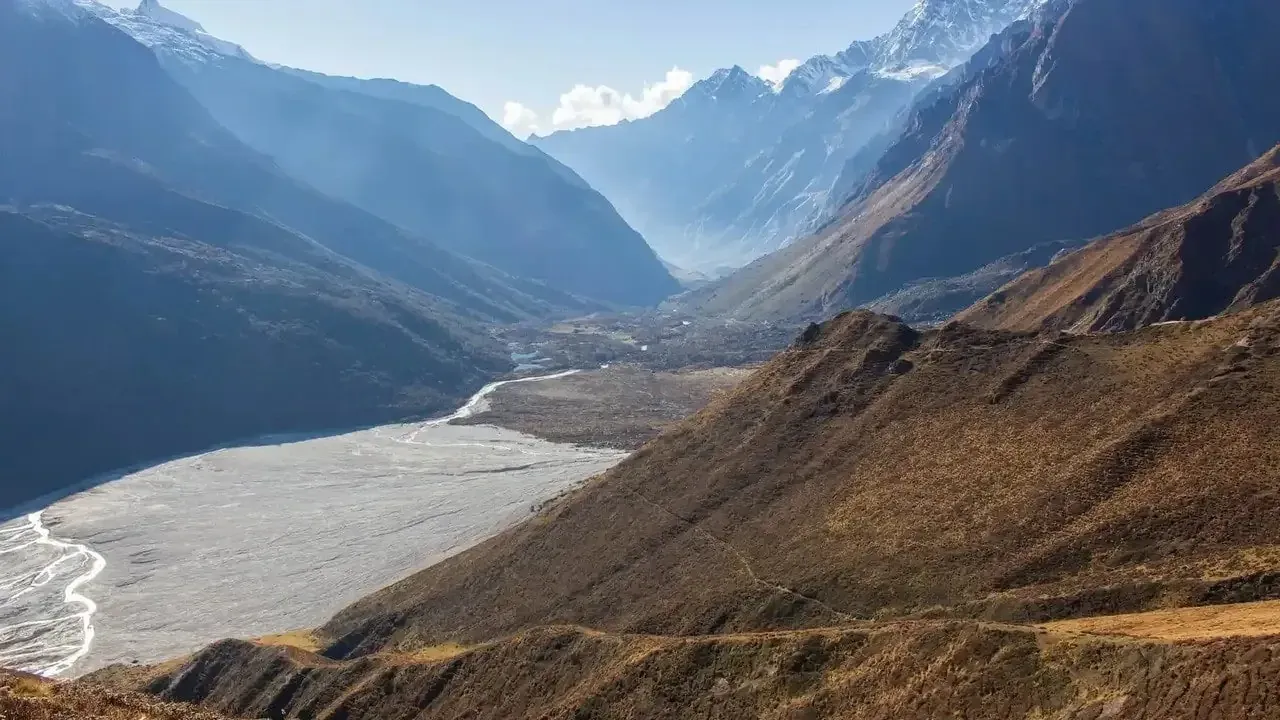
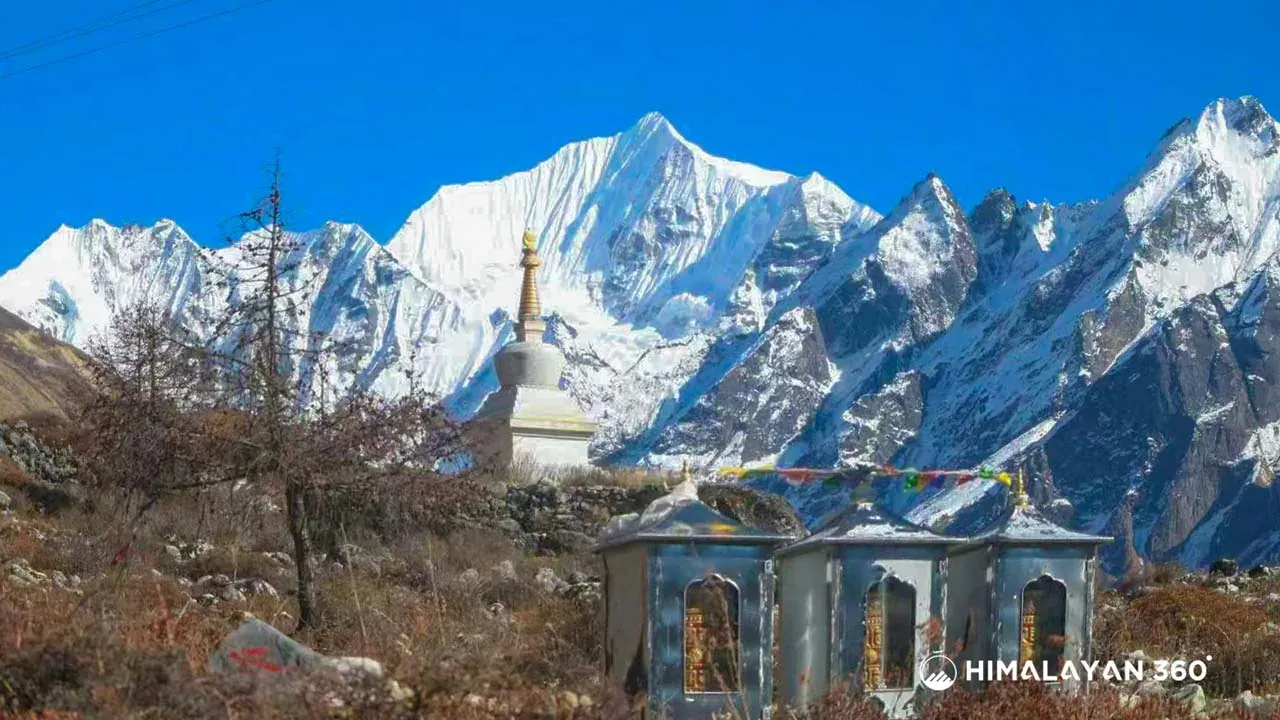
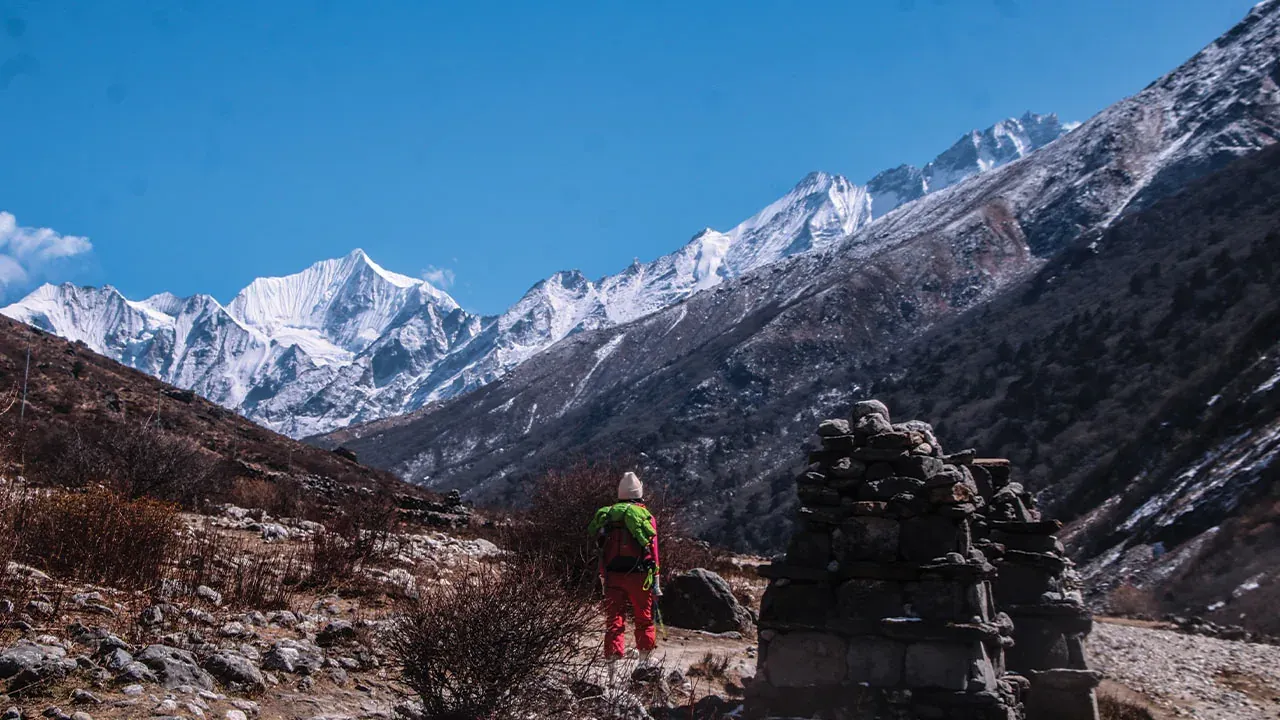
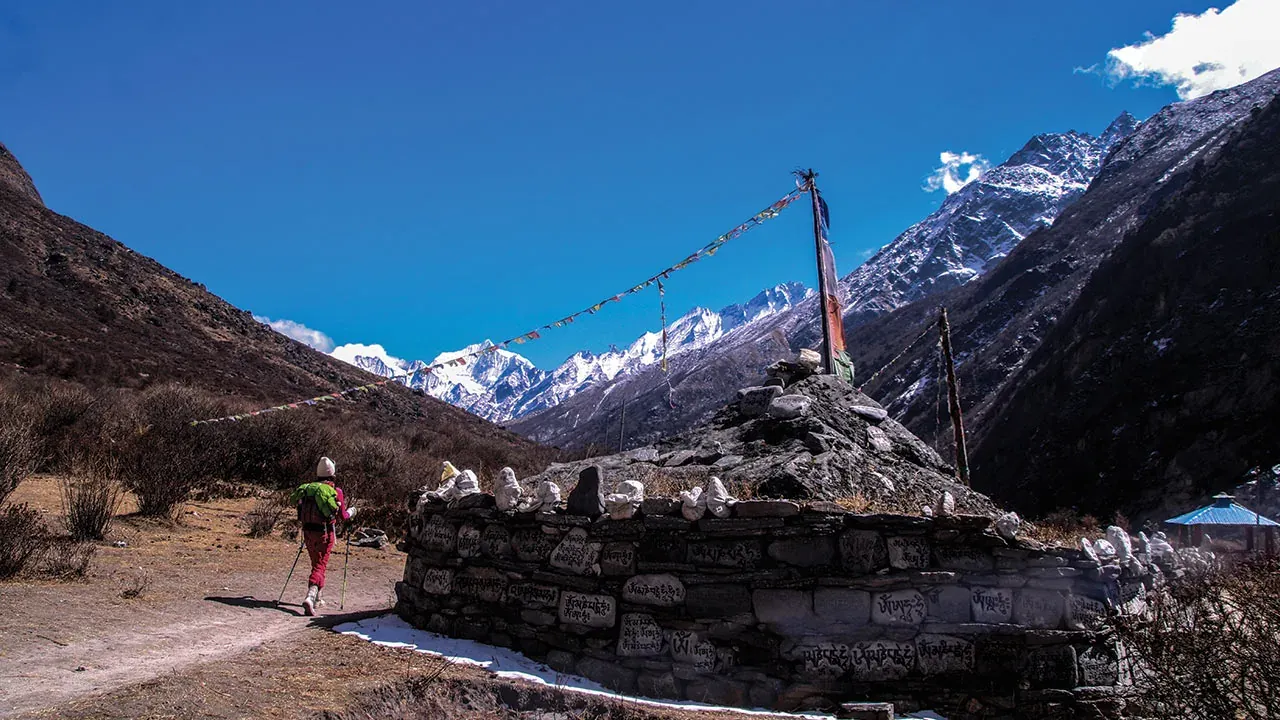
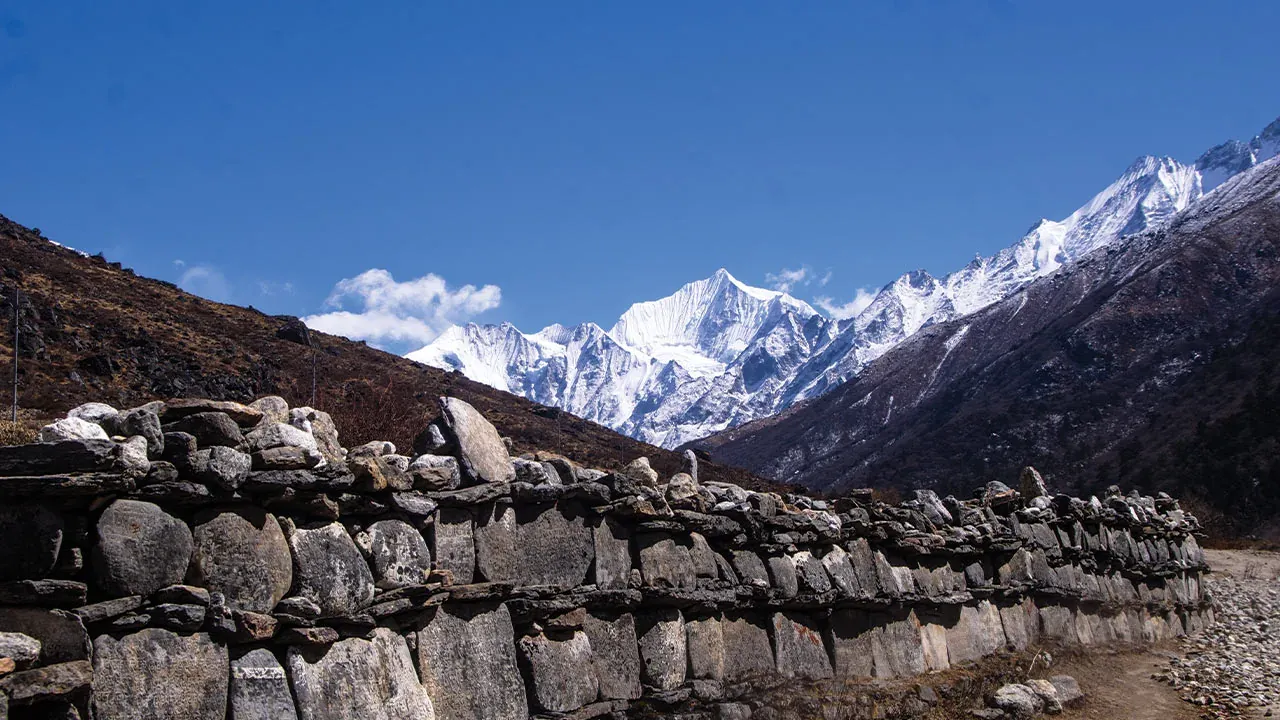
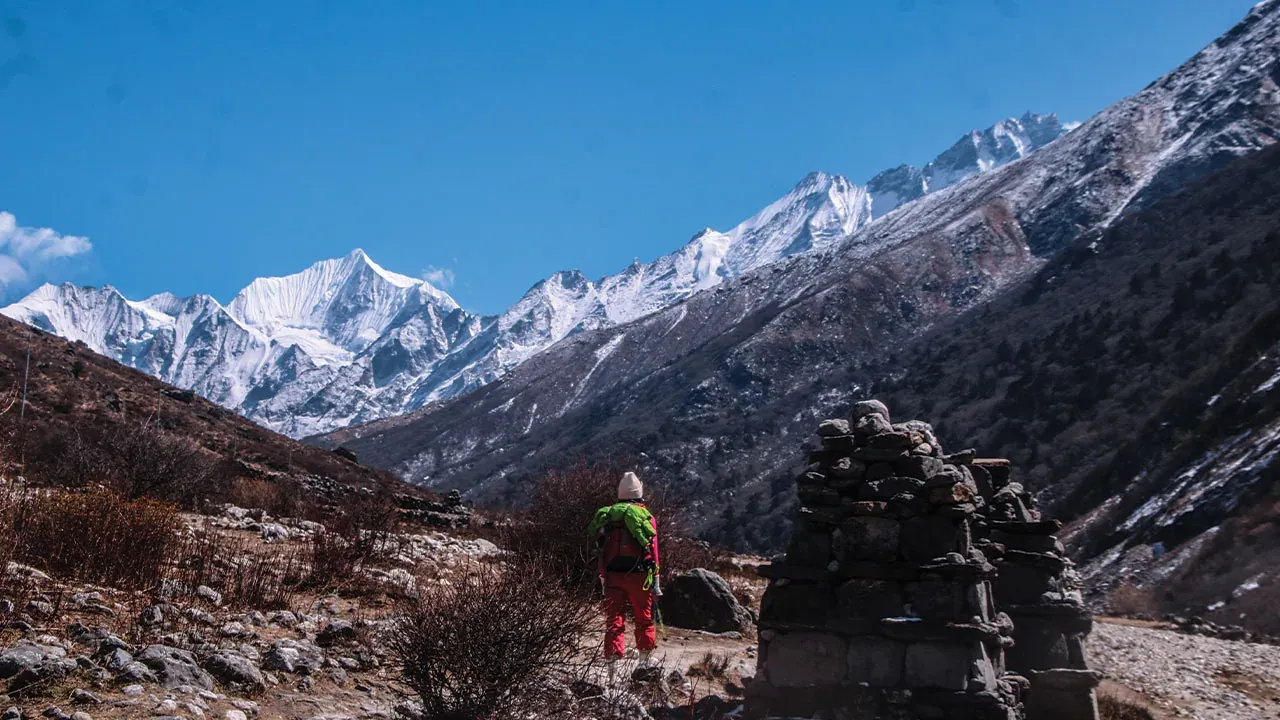
The journey begins in Syabrubesi and takes you deep into Langtang National Park, a protected area established in 1976. At first, you will walk through green forests filled with rhododendrons and bamboo. The trail follows the Langtang River and goes past many prayer flags and stone walls carved with religious words. As you move higher, the Langtang Trek path opens into alpine meadows and wide mountain fields.
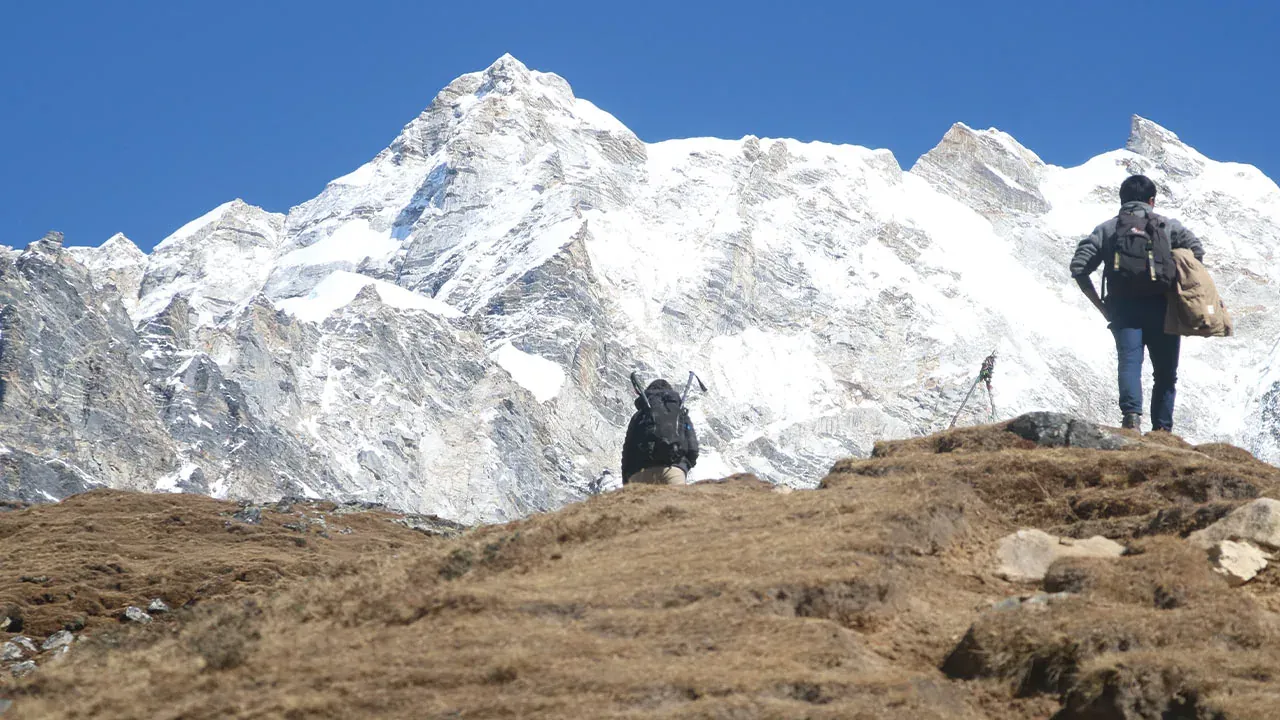
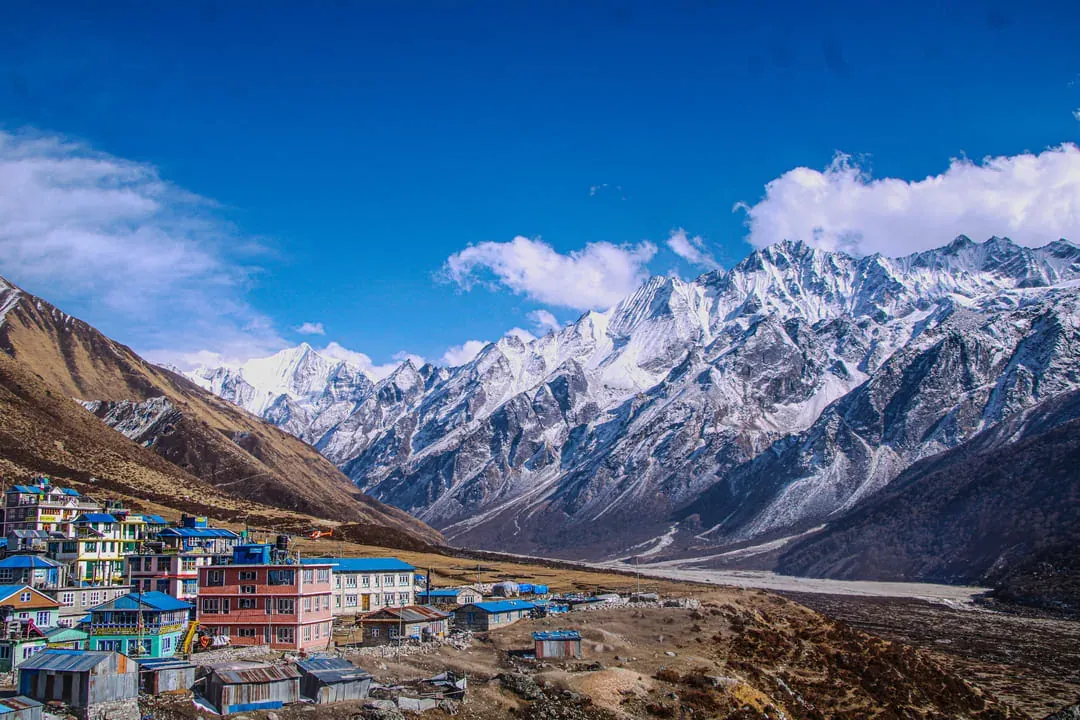
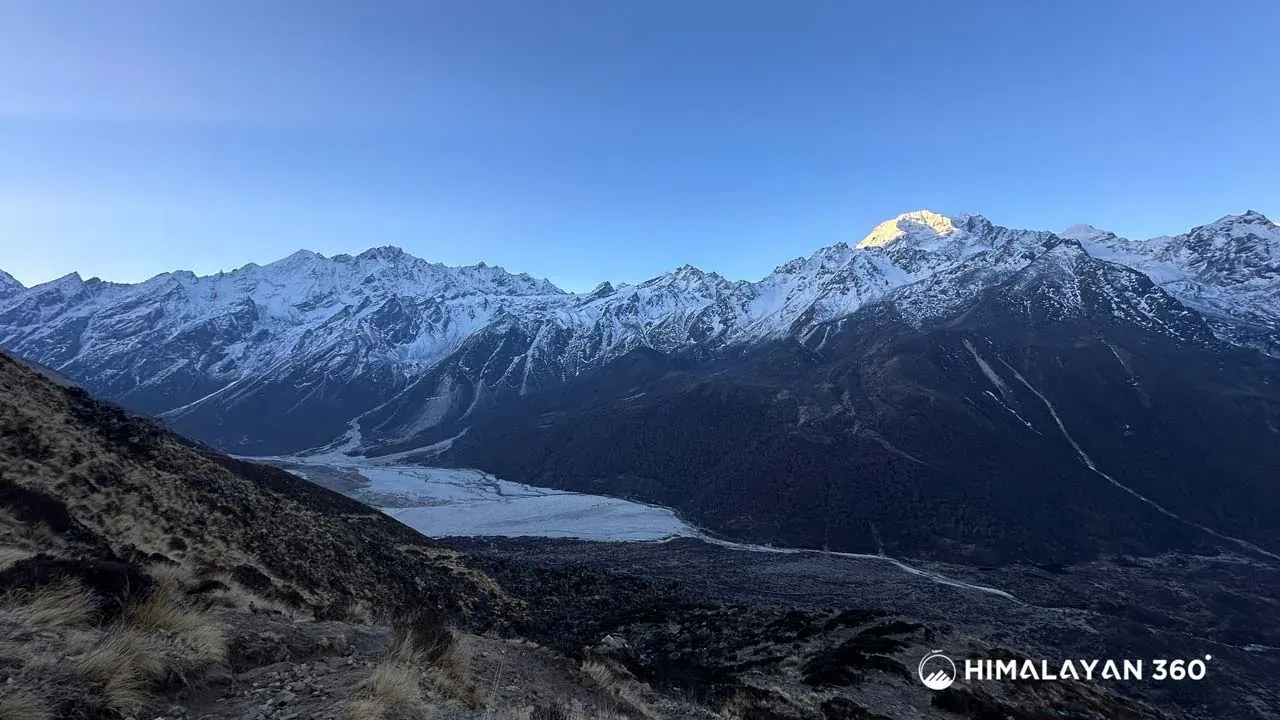
Likewise, the giant peak of Langtang Lirung (7,234M) watches over you the whole time. The best part of the Langtang Valley Trek is reaching Kyanjin Gompa (3,870M). This village sits in a huge valley surrounded by more than 20 tall mountains, including Dorje Lakpa and Gangchenpo. You can visit a 500-year-old monastery or try fresh cheese at the famous yak cheese factory. If you want even better views, you can hike to the top of Kyanjin Ri (4,773M) or Tserko Ri (4,985M) for a full 360-degree look at the glaciers and snowy peaks.
The Langtang Valley Trek is great for beginners as well, as it is not too hard. But there are some steep uphill sections, like the climb from Bamboo to Rimche and from Ghoda Tabela to Thyangsyapu, that will test your energy. Also, the long descent from Kyanjim Gompa to Lama Hotel will be hard on your knees.
This way, the 8-day Langtang journey is full of nature, culture, and emotion. From the sound of the Langtang River to the gentle bells of grazing yaks, every moment immerses you in the peaceful Himalayas. It is perfect for adventure seekers, nature lovers, and cultural explorers who want a short but memorable trek near Kathmandu.
Max. Altitude
4,985M/16,355FT (Tserko Ri)
Best Season
Mar, Apr, May, Sep, Oct, Nov, Dec
Difficulty
Destination
Nepal
Transportation
Bus
Start / End
Kathmandu/Kathmandu
Accommodation
Meals
Language
English | Chinese
Route
Kathmandu-Syabrubesi-Lama Hotel-Langtang Village-Kyanjin Gompa-Lama Hotel-Syabrubesi-Kathmandu
Activities
5-6Hours
Trip Type
Trekking Trip
Trek Distance
84.9KM/52.7Miles
Your concern for choosing us can be understood. But we, Himalayan 360, are a trusted trekking company operated in Kathmandu, Nepal. We provide you with the best service possible for you to help you create an unforgettable and comfortable journey in the Himalayas. The agency is owned and operated by Amrit Nepal. As an authorized and government-registered trekking company, Himalayan 360 follows responsible tourism practices.
Here are some reasons for you to consider us for your Langtang Valley Trek:
| Itinerary Fact | Details |
|---|---|
| Travel Duration: | 6Hours |
| Travel Distance: | 122KM/75.8Miles |
| Highest Altitude: | 1,460M/4,790FT | Syabrubesi |
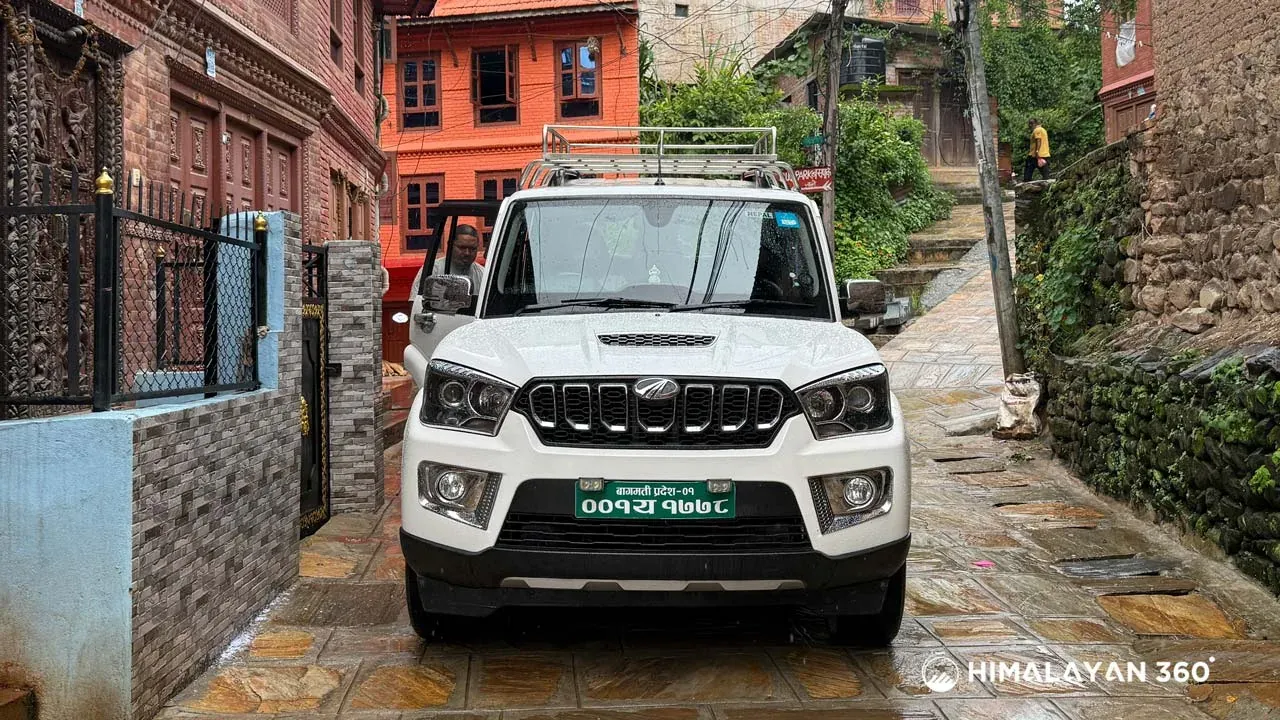
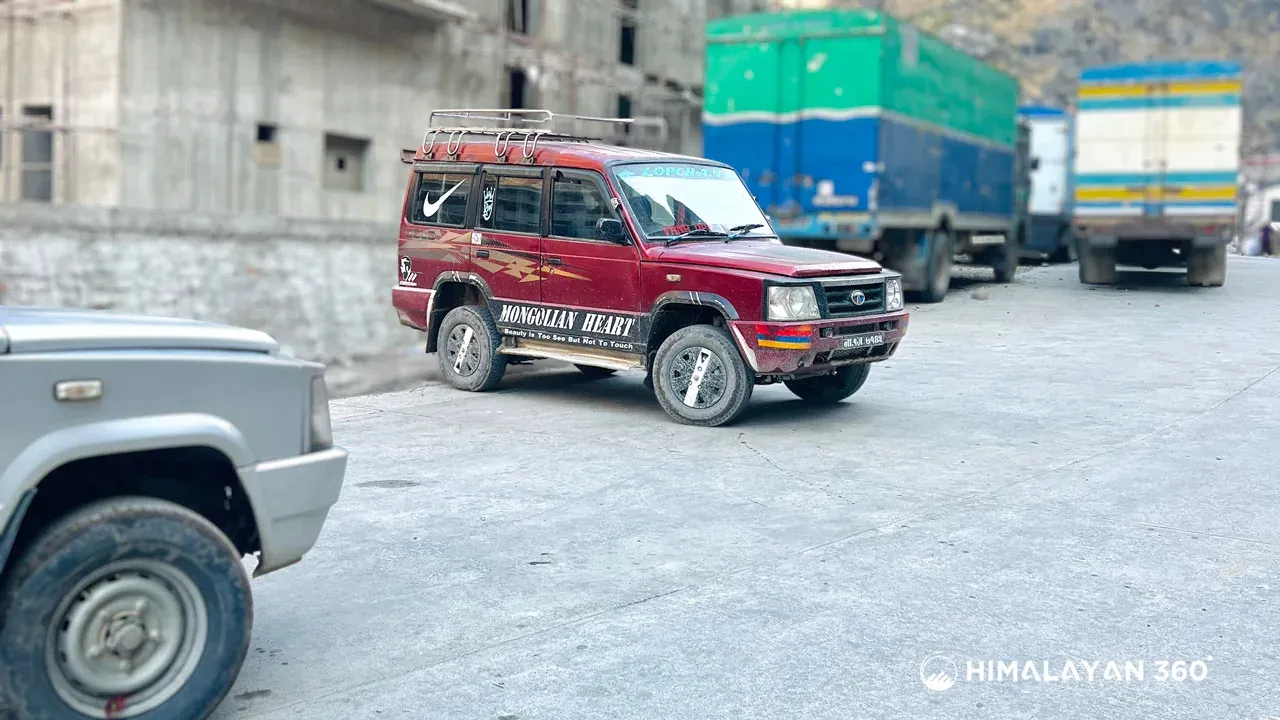
Your Langtang journey starts with an early breakfast at your hotel in Kathmandu. After breakfast, your Himalayan 360 guide will pick you up for a scenic drive toward Syabrubesi in northern Nepal. You will take a local bus and drive along the Pasang Lhamu Highway, passing through the green forests of Shivapuri National Park. The first part of the road is smooth and comfortable. Along the way, you will see terraced farms, small villages, roadside markets, and distant views of the Ganesh Himal range.
Later, the road becomes rough and narrow as you climb higher into the mountain roads. The drive will be slow and winding, but the views from your side will excite you. You will be driving through forest areas. Shortly, you will reach Dhunche, the headquarters of Rasuwa district, where your Langtang National Park permits are checked. From here, the weather feels cooler as you enter the protected area. The bus stops at Kalikasthan or at Dhunche for lunch or a short rest.
From Dhunche, you will drive for about one more hour downhill to reach Syabrubesi, a small village where the trek begins. After checking into your teahouse, you can relax, explore the village, or walk across nearby suspension bridges. In the evening, enjoy dinner, and later your guide will give you a brief about the Langtang Valley trekking route for the next day.
| Itinerary Fact | Details |
|---|---|
| Meals: | Lunch, Dinner |
| Accomodations: | Tea House or Lodge |
| Itinerary Fact | Details |
|---|---|
| Trek Distance: | 11.5KM/7Miles |
| Trek Duration: | 6Hours |
| Highest Altitude: | 2,470M/8,104FT | Lama Hotel |
Today is the first day of walking on the Langtang trek. After breakfast, you will leave Syabrubesi and walk downhill toward the river. At the start, there are two routes. One goes through a local village, and the other follows the river. You will take the riverside trail, which is more commonly used. Soon, you will pass a hydropower construction area and enter Langtang National Park. From here, the trail slowly starts to go uphill, and the real trekking experience begins.
The Langtang trek trail passes through thick green forests of oak, maple, bamboo, and alder. If you are trekking in Spring (March to May), you may see colorful rhododendron flowers along the path. The sound of the river flowing and birds singing makes the walk peaceful and relaxing. After about an hour, you will reach Domen. From here, there is a short but steep climb to a landslide area called Pahiro. This part feels wild, with loud river sounds and waterfalls hidden in the forest.
As you continue walking, the Langtang River stays beside you. You will cross this river several times using suspension bridges, enjoying beautiful views of the river, forest, and distant mountains. By midday, you will reach Bamboo (1,970M), where you will stop for lunch. This is a good place to rest, eat well, and put on warm clothes if needed. After lunch, you will cross a metal bridge over a deep gorge, where the river rushes loudly below. From here, the trail becomes steep and challenging.
The climb from Bamboo to Rimche is the hardest part of the day, with stone steps going uphill. After reaching the ridge, the trail becomes easier. Then a gentle 20-minute walk through pine and fir trees brings you to Lama Hotel (2,470M). Lama Hotel is not one hotel, but a small group of cozy lodges surrounded by forest. In the evening, you can relax and enjoy the quiet mountain atmosphere in Lama Hotel. Also, today there is a chance to see Red Pandas, though they are rare.
| Itinerary Fact | Details |
|---|---|
| Meals: | Breakfast, Lunch, Dinner |
| Accomodations: | Tea House or Lodge |
| Itinerary Fact | Details |
|---|---|
| Trek Distance: | 15.2KM/9.4Miles |
| Trek Duration: | 6Hours |
| Highest Altitude: | 3,430M/11,253FT | Langtang Village |
After breakfast at Lama Hotel, you will start trekking. The Langtang Valley Trek route from Lama Hotel goes through thick pine and rhododendron forests along the Langtang River. The path is made of stone steps. Along the way, you can see beautiful waterfalls flowing down the cliffs. After about one hour, you will reach Riverside Lodge, where you can see Langtang Lirung (7,234M) mountain rising high above the valley.
From Riverside, the trail becomes steeper as you climb toward Ghoda Tabela (3,030M). Here, the forest slowly disappears, and the valley opens into wide grasslands and open space. There is an army checkpoint where trekking permits are checked. As you walk higher, you may see yaks, horses, and mountain goats grazing in the fields. This area feels calm and wide. Many trekkers stop for Seabuckthorn juice, a local drink that helps with energy and altitude. The final part of the trek passes through Gumba Danda, where the old Langtang Village once stood.
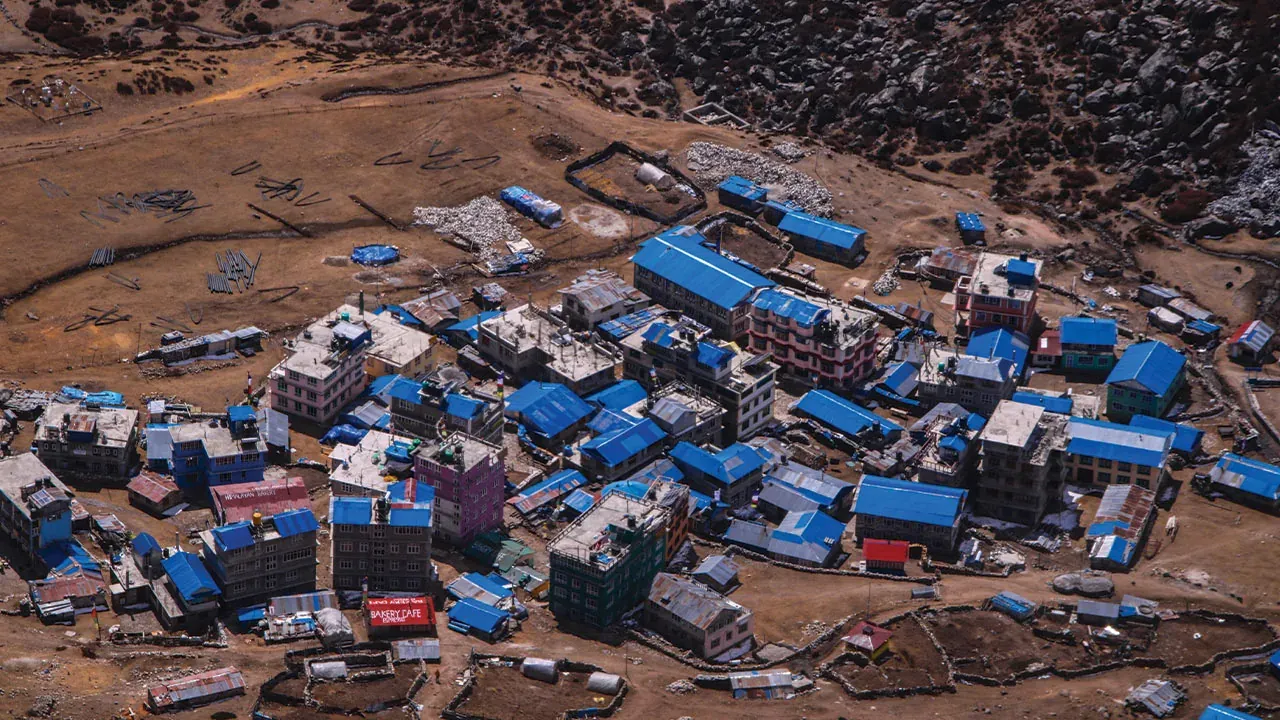
This village was completely destroyed during the 2015 earthquake. Walking through this area is quiet and emotional, reminding us of the strength of nature. After about 30 minutes, you will arrive at New Langtang Village (3,430M). The village has been rebuilt with stone houses and is now lively again. You will see monasteries, a school, and a health post, showing how the local Tamang community has recovered and moved forward. Once you check in at the teahouse, you can relax, walk around the village, or enjoy yak milk and yak cheese, which the area is famous for.
| Itinerary Fact | Details |
|---|---|
| Meals: | Breakfast, Lunch, Dinner |
| Accomodations: | Tea house or lodge |
| Itinerary Fact | Details |
|---|---|
| Trek Distance: | 7.8KM/4.8Miles |
| Trek Duration: | 4Hours |
| Highest Altitude: | 3,870M/12,697FT | Kyanjin Gompa |
After a long walk (15KM) the previous day, Day 4 of the Langtang Valley Trek is short, gentle, and relaxing. You will have a late breakfast and start trekking at a relaxed pace. The trail climbs out of Langtang Village and moves through wide alpine meadows and yak pastures. This section of the Langtang Valley trekking route is rich in culture. You will see mani walls, prayer flags, and chortens along the trail, showing the deep Buddhist traditions of the region. The walk feels peaceful and spiritual.
After about 30 minutes, you will reach Mundu (3,543M). Mundu offers the best views of the Langtang mountain range. This is a great place to rest, take photos, and enjoy tea. Walking another 40 minutes from Mundu, you will arrive at Sindum, home to the famous Langtang Hard Rock Cafe. This teahouse is built next to a huge rock and is one of the landmarks of the Langtang Valley Trek. From here, the trail becomes wide and flat, passing through a glacial valley. Walk carefully, as small rockfalls can occur in some sections.
As you approach Kyanjin Gompa (3,870M), the scenery becomes dramatic. You will pass a newly built monastery and walk across glacial moraines with ice flowing down from the surrounding peaks. Langtang Lirung dominates the skyline and feels very close. You will reach Kyanjin Gompa before lunch. That means you have enough time to relax and explore. Kyanjin Gompa is the spiritual and cultural center of the Langtang Valley.
Here, you can visit the ancient monastery, interact with local monks, and stop by the cheese factory, where fresh yak cheese is made locally. The afternoon is free to rest, enjoy the mountain views, and prepare for acclimatization walks on the next day of your Langtang Valley Trek itinerary.
| Itinerary Fact | Details |
|---|---|
| Meals: | Breakfast, Lunch, Dinner |
| Accomodations: | Tea house or lodge |
| Itinerary Fact | Details |
|---|---|
| Trek Distance: | 6–10KM/3.7-6.2Miles (depending on peak) |
| Trek Duration: | 4-7Hours |
| Highest Altitude: | 4,985M/16,355FT | Tserko Ri or 4,773M/15,655FT | Kyanjin Ri |
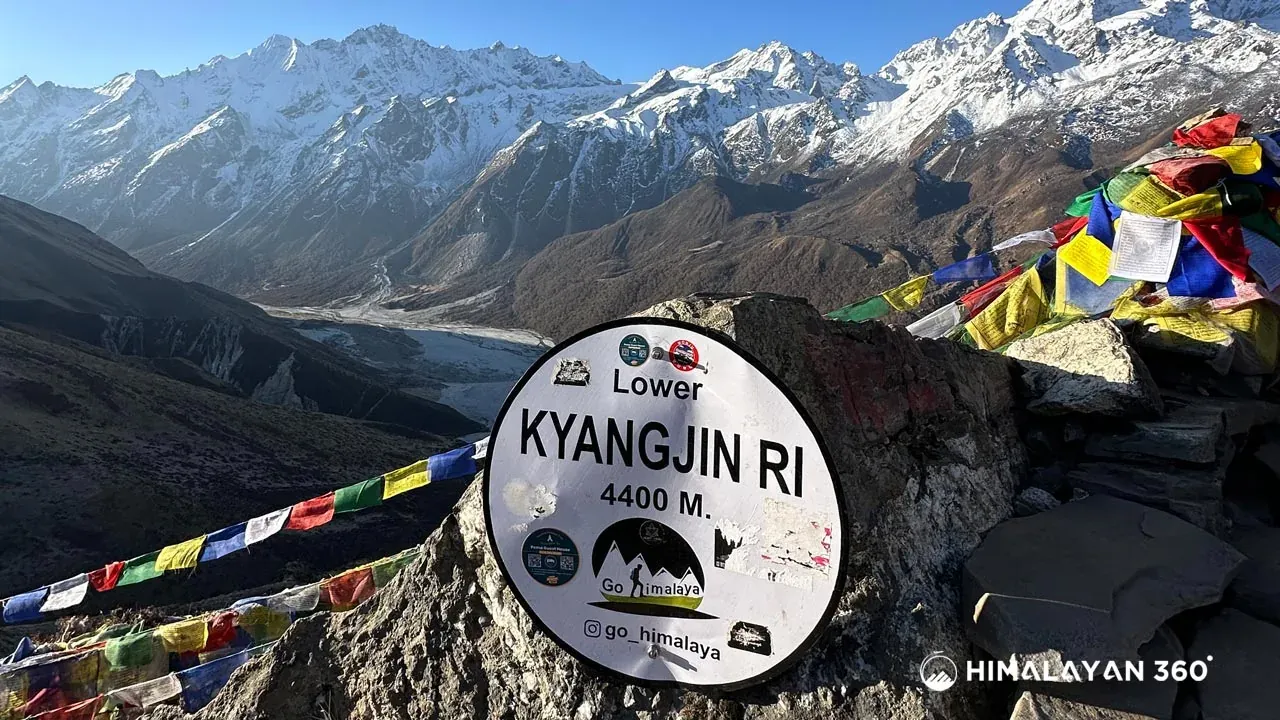
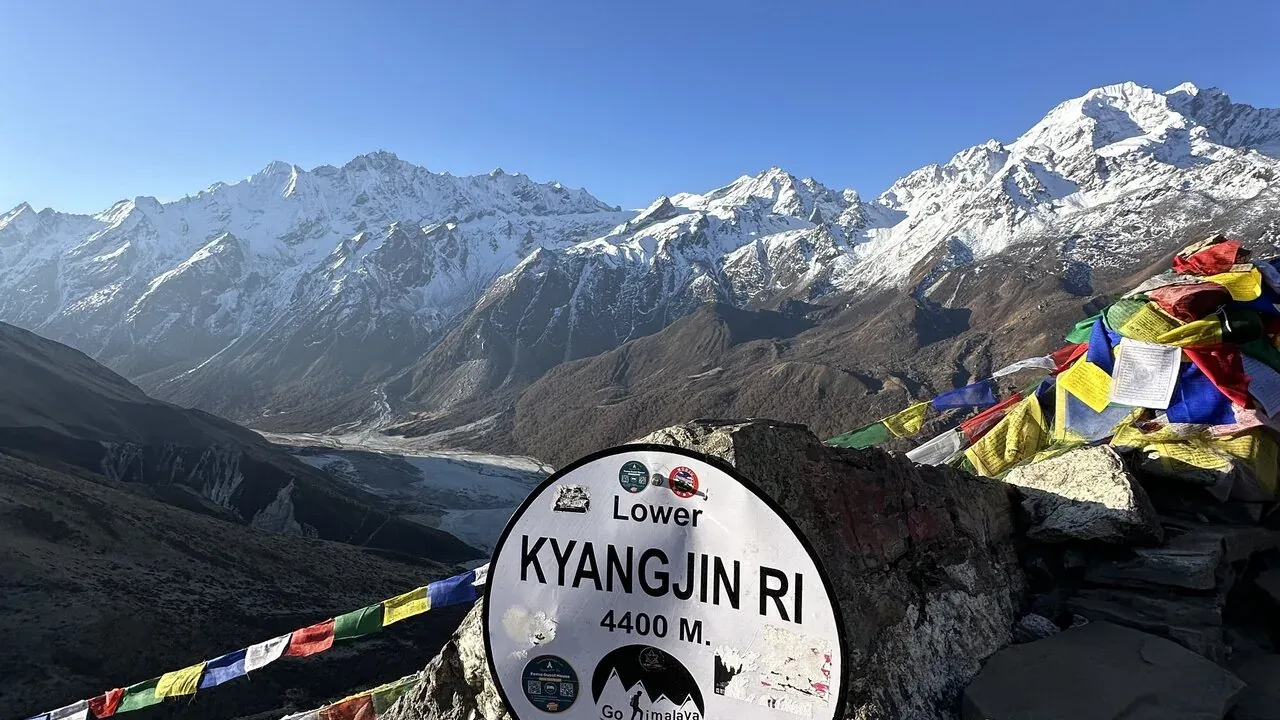
Today is your exploration day at Kyanjin Gompa on the 8-day Langtang Valley Trek Itinerary. On this day, you will do an acclimatization hike to either Kyanjin Ri or Tserko Ri. Kyanjin Ri is Ideal for a shorter or later-start hike. The trail to Kyanjin Ri climbs steep, rocky slopes where yaks graze on high cliffs. After about 1.5Hours, you will reach Lower Kyanjin Ri (4,400M), where you can enjoy views of the Langtang Lirung glacier and Chhonak Lake. Continue another hour to Upper Kyanjin Ri (4,773M), where the surrounding peaks feel close enough to touch. The sunset here turns the sky fiery orange, reflecting on the Yubra Himal Glacier.
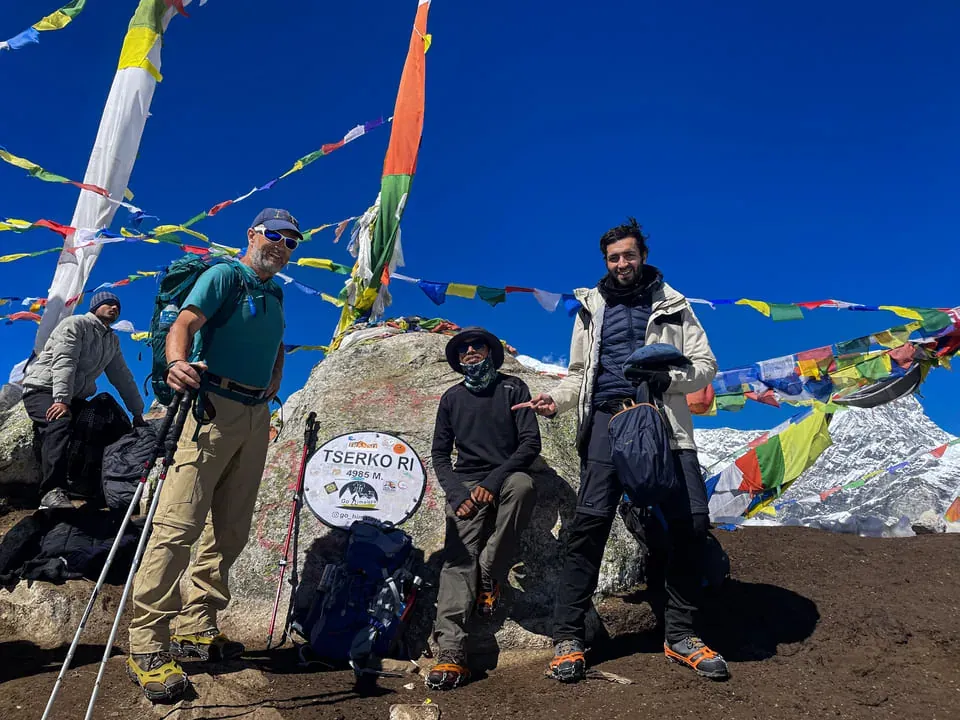
Likewise, the Tserko Ri hike is suitable for seasoned trekkers seeking a challenge. This is the high-altitude hike. You will start early at 6:00 AM to beat the strong afternoon winds. The trail is a steady 5-hour climb through rugged alpine terrain. From the summit (4,985M), you will see a 360-degree view of more than 20 peaks, including Langtang Lirung, Gangchenpo, and even Shishapangma, Tibet’s only 8,000M peak. The sight of prayer flags fluttering above frozen lakes makes it a true “top of the world” experience.
After the hike, you will return to Kyanjin Gompa by mid-to-late afternoon. Later, you can relax at your teahouse, enjoy a warm meal, and enjoy the alpine views of Langtang Valley before preparing for tomorrow’s descent.
Extra:
| Itinerary Fact | Details |
|---|---|
| Meals: | Breakfast, Lunch, Dinner |
| Accomodations: | Tea house or lodge |
| Itinerary Fact | Details |
|---|---|
| Trek Distance: | 23KM/14.2Miles |
| Trek Duration: | 7Hours |
| Highest Altitude: | 3,870M/12,697FT | Kyanjin Gompa |
After a hearty breakfast at Kyanjin Gompa, you will begin your descent along the Langtang Valley trail. The journey retraces your steps through Mundu and the resilient Langtang Village. Hidden waterfalls, snow-capped peaks, and prayer flags greet you as you descend. The trail down is easy at first. You can walk at a steady pace while passing the stone walls and colorful flags that feel like they are saying goodbye to you. After around 4Hours of trekking, you will arrive at Ghoda Tabela (3,030M) for a traditional Dal Bhat lunch at one of the two local teahouses.
Look back at Langtang Lirung as it gets smaller in the distance and think about the amazing Langtang trip you just finished in the Langtang region. The officials will once check your permits here as you leave the high mountain area. After lunch, the path goes back into the green forests. You will notice that it is much easier to breathe here.
You will cross several wooden bridges over the Langtang River, which has been with you since the start. Enjoy the quiet forest and the sound of the water as you walk toward Riverside Lodge. The last part of the walk takes you back to Lama Hotel. Tonight, the warm teahouse, a hot meal, and talking with others by the fire make the simple room feel like a luxury.
Expert tips for descending:
| Itinerary Fact | Details |
|---|---|
| Meals: | Breakfast, Lunch, Dinner |
| Accomodations: | Tea house or lodge |
| Itinerary Fact | Details |
|---|---|
| Trek Distance: | 11.5KM/7Miles |
| Trek Duration: | 5Hours |
| Highest Altitude: | ,470M/8,104FT | Lama Hotel |
Today is your last day of walking. After breakfast at Lama Hotel, you will head toward Rimche. From there, your guide will pick the best path. We usually go through Bamboo and Domen because it is the quickest way back. Be careful as you walk down, because some areas have falling rocks. Always listen to your guide. After 45 minutes, you will stop at Bamboo for tea. Keep an eye on the “Nigalo” (Himalayan bamboo) trees; if you are lucky, you might spot a Red Panda. You may also see deer, monkeys, or colorful mountain birds.
Next, you will walk for one hour through the forest to Pahiro for your last lunch in the mountains. From there, it is an easy 1.5Hour walk to Syabrubesi. You should arrive by 2:00 or 3:00 PM. Once you are back, the hard work of the Langtang Valley Trekking is done. You can rest at the lodge and enjoy a big dinner to celebrate the success of your trip.
Extra:
| Itinerary Fact | Details |
|---|---|
| Meals: | Breakfast, Lunch, Dinner |
| Accomodations: | Tea House or Lodge |
| Itinerary Fact | Details |
|---|---|
| Travel Duration: | 122KM/75.8Miles |
| Travel Distance: | 6Hours |
| Highest Altitude: | 1,460M/4,790FT | Syabrubesi |
Ending your journey, you will drive back to Kathmandu. The journey will again offer beautiful views of the surrounding hills and rivers. You will stop at some stops along the way for refreshments and lunch. At such a time, you may catch a last glimpse of the snow-covered mountains in the distance. When you arrive in Kathmandu, we will drop you off at your hotel. You can check into a hotel and relax, remembering the amazing experiences of the trek to Langtang Valley.
If you have extra time, you can explore the Kathmandu Valley or get a relaxing massage to rest your tired muscles. You can also take a walk around Kathmandu Durbar Square or the Thamel area. These places are very nice to visit in the evening.
| Itinerary Fact | Details |
|---|---|
| Meals: | Breakfast |
| Accomodations: | Hotel |
Explore with Local Experts! Our experienced guides, porters, and staff are locals who know every trail, culture, and hidden gem. Travel with us for an authentic adventure!
The story of Langtang Valley after the 2015 earthquake is one of the most powerful examples of hope and strength in the Himalayas. It is a story about a community that lost almost everything but refused to give up.
On April 25, 2015, Nepal was hit by a powerful 7.8 magnitude earthquake. The Langtang Valley, located inside Langtang National Park, was one of the hardest-hit areas. During the earthquake, a large part of the Langtang Lirung glacier broke apart. This caused a massive avalanche of ice, rocks, and mud. The avalanche weighed nearly 40 million tons and rushed down into the valley.
Within seconds, the avalanche completely buried the old Langtang Village. More than 300 people (local villagers, trekking guides, porters, and foreign trekkers) lost their lives. Almost every house was destroyed. Only one home survived, protected by a large rock wall above it (This house still stands tall in the old Langtang Village). After the disaster, the valley became quiet and empty.
Survivors moved to Kathmandu for safety. But the Langtangpa people (the local residents) never forgot their homeland. A few months later, they began to return. They then began building their homes. And since rebuilding in the same place was not safe, the community decided to build a new Langtang Village on nearby stable ground. With support from the Nepal government and international groups such as the Langtang Relief Fund, rebuilding slowly began.
Today, the Langtang Valley Trek is once again open and safe for trekkers. As you walk through the valley, you can clearly see signs of recovery and strength. You will visit the Memorial Mani Wall, built near the old village site. It is a long stone wall carved with the names of those who lost their lives. This place is treated with deep respect and silence.
You will also see a living community. Teahouses are open. The cheese factory is working again. Children are back in school. Daily life has returned to the mountains. The people of Langtang often say that the best way to support them is simple: “Visit the Langtang Valley, stay in local teahouses, and travel with respect”. This way, Langtang is not a valley of ruins. It is a valley of hope, resilience, and rebirth.
To help you see why this journey is so special, here are the top reasons why the Langtang Valley Trek should be at the top of your Himalayan bucket list:
One of the biggest perks of this trek is that you don’t need to take any small planes or worry about flights being canceled, which often happens on other treks like Everest Base Camp Trek. Instead, you take a 6Hours drive from Kathmandu to Syabrubesi, where the walk begins. The drive is scenic and follows the Trishuli River, passing by green farms and waterfalls. One thing to consider is that the road can be a bit bumpy in some places. Once you start walking from Syabrubesi, it only takes two days to reach the famous Kyanjin Gompa.
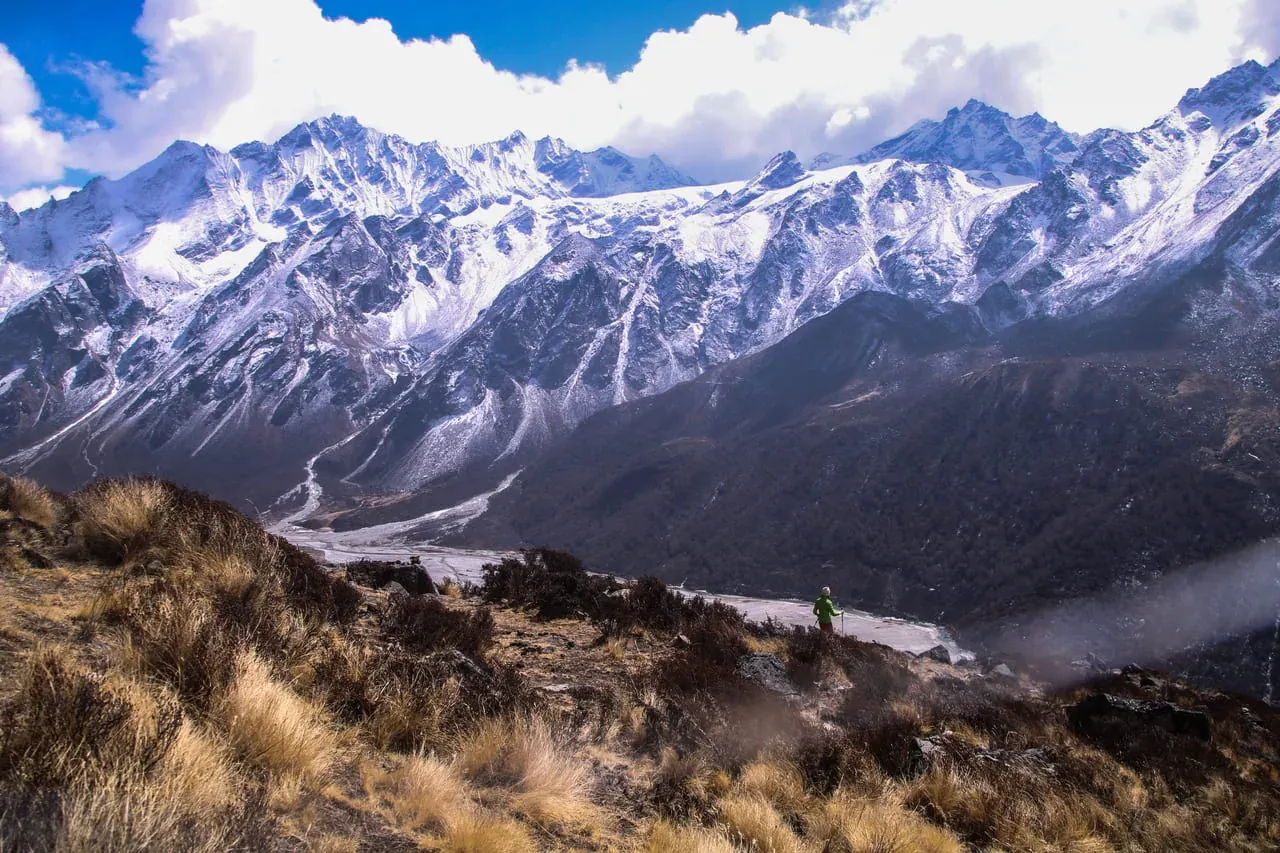
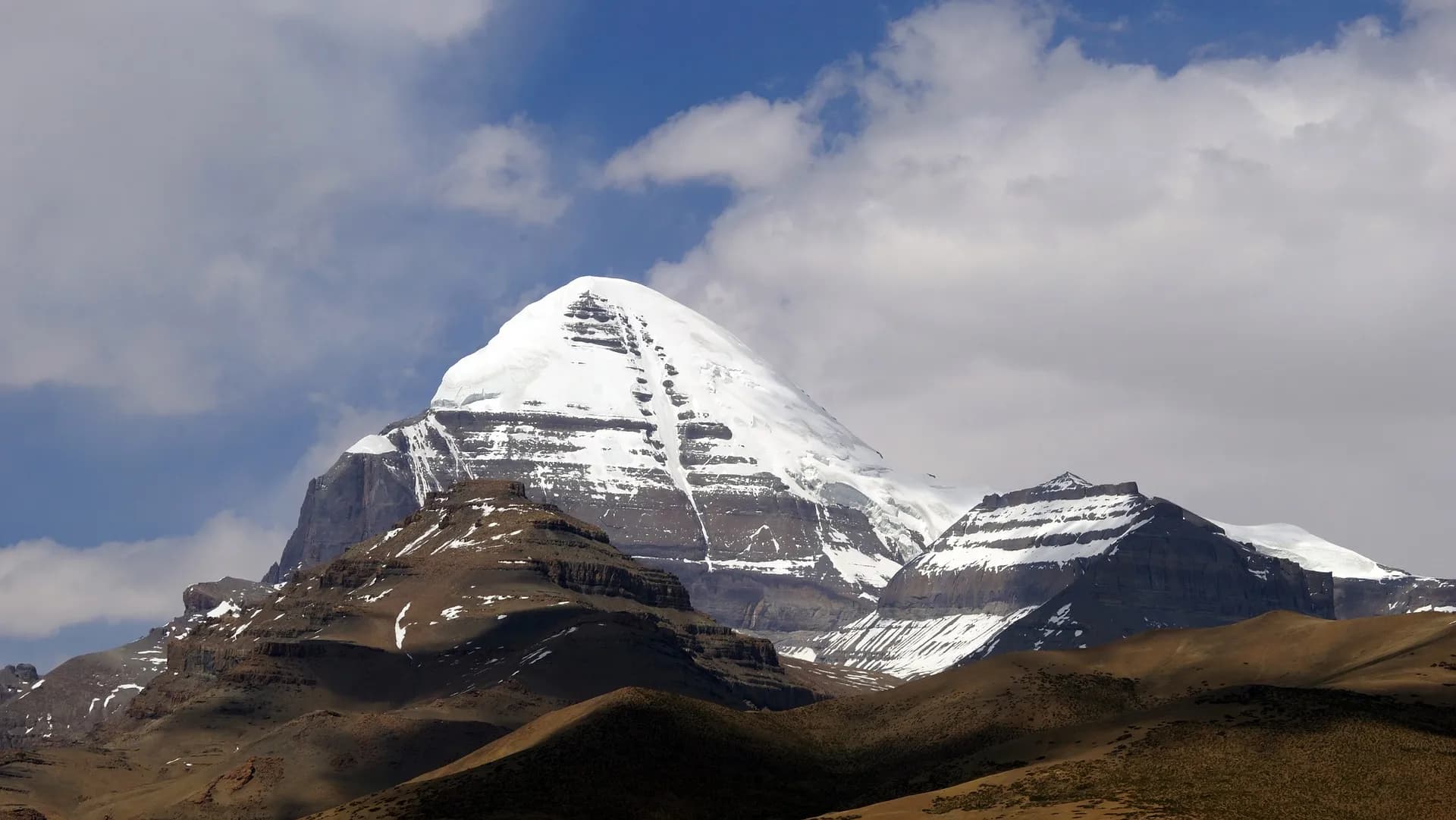
On the trek to Langtang Valley, you will stand face-to-face with Langtang Lirung (7,234M), which is the tallest mountain in the region. Local Tamang people believe this mountain is the protector of the whole valley. As you walk, the skyline is dominated by the “Seven Sisters” (the peaks of the Langtang range) and the distinct top of Dorje Lakpa (6,966M). Starting the journey, you will start to witness the beautiful Himalayas in the distance. As soon as you break through the forest at Ghoda Tabela, the mountains start to become more magnificent.
Langtang Valley is called the “Valley of Glaciers” because it is a natural basin carved by ice. From Kyanjin Gompa, you can see the massive Langtang Lirung Glacier and the Yala Glacier. These glaciers originate from the melted snow of the Langtang ranges. The best part is that you can actually walk to the edge of the Lirung Glacier in just an hour from your lodge. Moreover, famous vantage points like Tserko Ri and Kyanjin Ri offer some of the best views of glaciers. You will feel amazed at the size and beauty of the glaciers.
Many trekkers want to stand on top of Tserko Ri (4,984M) or Kyanjin Ri (4,773M). Fortunately, you can reach these nearly 5,000-meter peaks as day hikes and come back down on the same day. This follows the famous rule: “climb high, sleep low.” It is the safest way to help your body get used to the thin air and avoid altitude sickness. From these viewpoints, you get to see incredible 360-degree views of Langtang Lirung and Dorje Lakpa. Later, you still get to return to your cozy lodge for a warm meal and a good night’s sleep.
Since you don’t have to pay for expensive plane tickets and the trip only takes 8 days, it is very affordable. You get to see amazing snowy peaks, stay in friendly local lodges, and enjoy beautiful nature for a much lower price than other famous routes. It is the best way to get a world-class adventure without spending too much.
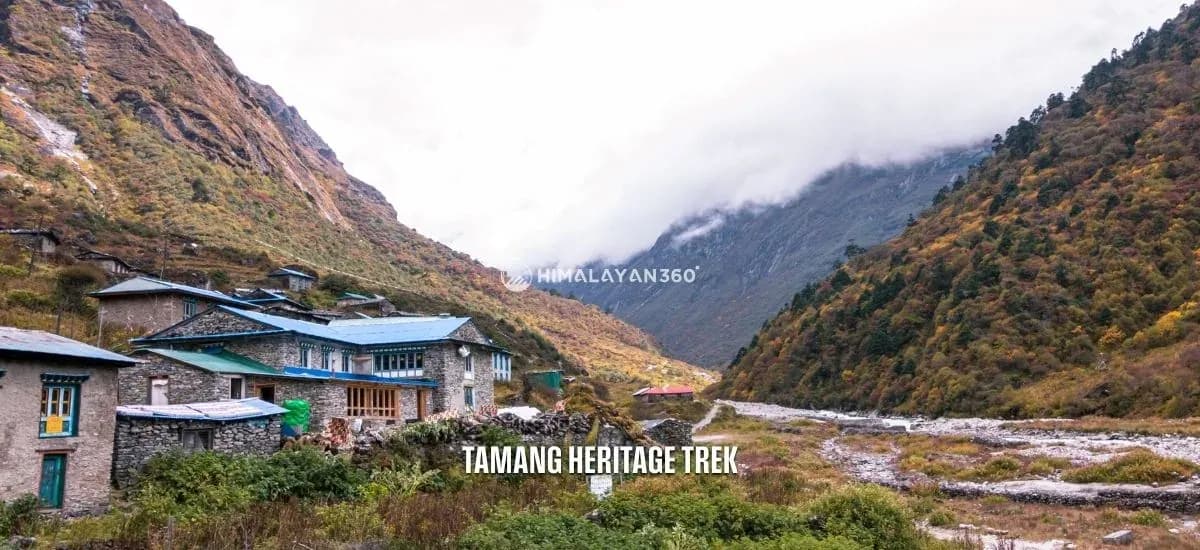
On the Langtang trek, you get to meet the Tamang people. While other areas like Everest are known for the Sherpa people, this region is the best place to learn about the Tamang culture. The name Tamang comes from ancient words: “Ta” means horse, and “Mang” means warrior. These people have their own special language and bright, colorful clothes. You will get to see their daily life and learn about their culture when you stay in their homestay. Seeing their happy smiles and how hard they work to welcome visitors is one of the most moving parts of the whole trip.
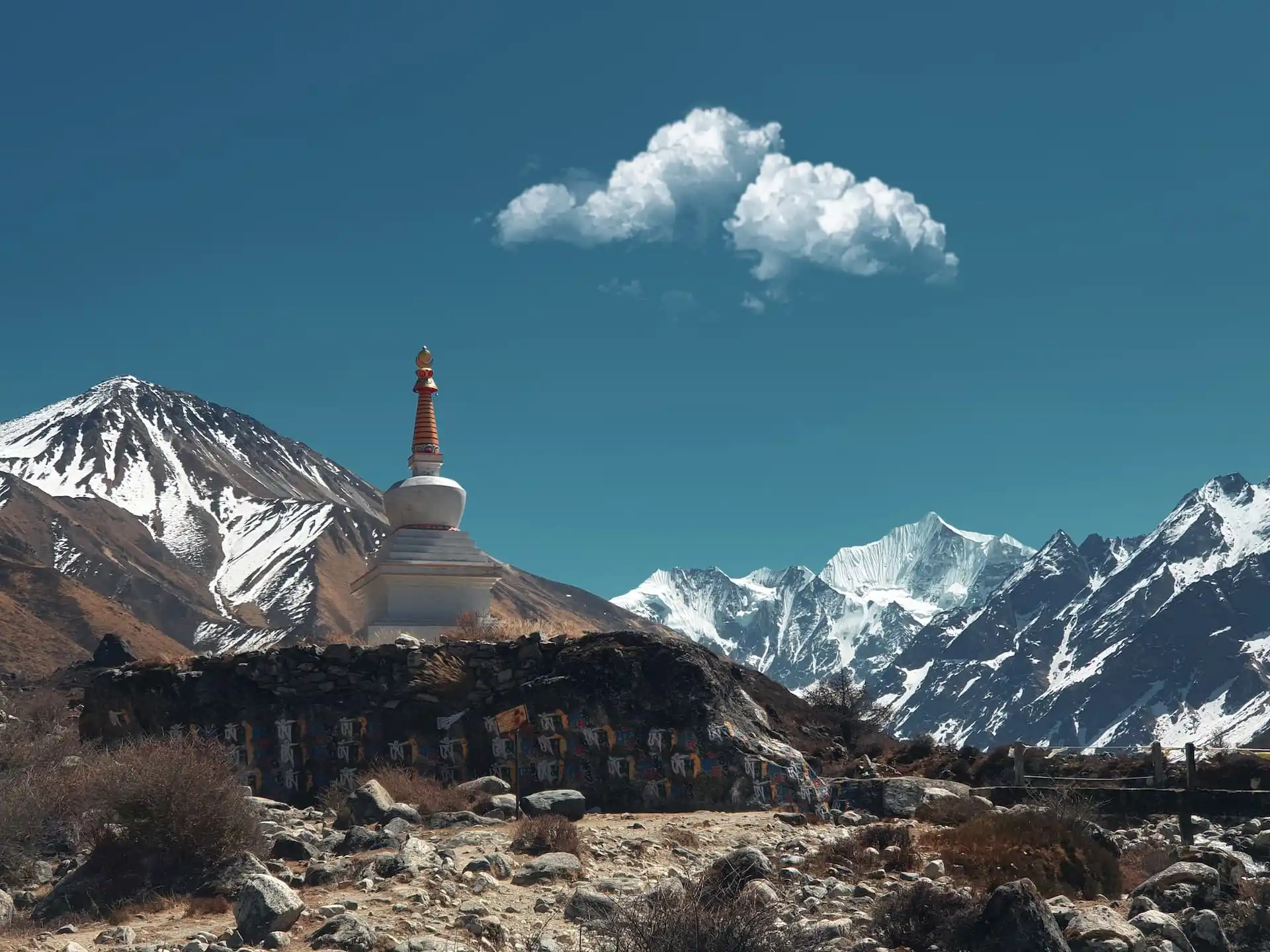
You will stay in teahouses run by local families. These are simple wooden or stone lodges with twin beds, blankets, and shared bathrooms. In the lower village, like Syabrubesi, things are a bit more modern and provide more modern comforts, but as you go higher, the lodges become simpler, especially in Kyanjin Gompa. Most places have hot showers and Wi-Fi that you can use freely.
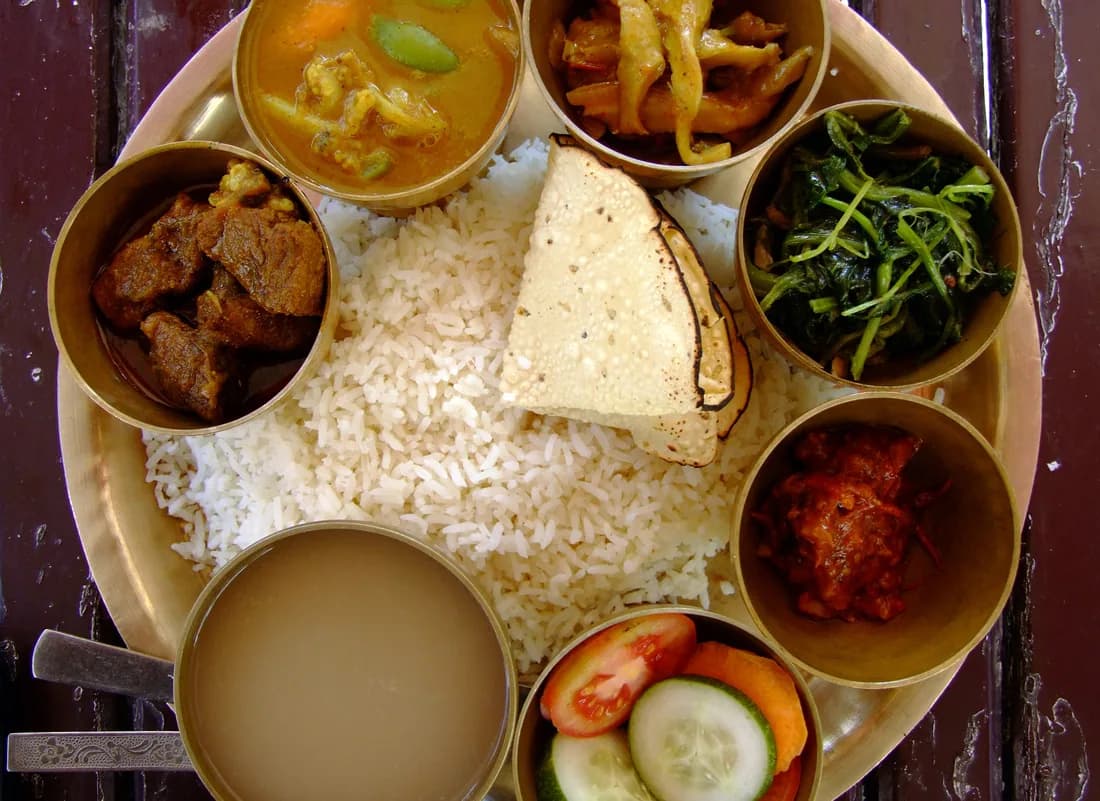
While talking about what you will eat, you will have hot, freshly cooked meals every day. The best food for trekking is Dal Bhat (rice and lentil soup), which gives you lots of energy. You can also find Western delicacies like pancakes, pasta, and noodles. Don’t forget to try the local yak cheese and herbal tea. If you are vegan or gluten-free, just let your guide know. So, the cooks can make a special meal for you.
Likewise, most villages have electricity from the national line, so it is easy to charge your phone. Some higher places use solar power, which might not work well on cloudy days, so it is smart to bring a power bank. Also, you will have a good mobile signal (NTC or Ncell) in the lower villages. As you climb higher, the connection gets weaker or disappears. The Wi-Fi can be slow and unstable, so it’s a good idea to tell your family you might be offline for a day or two.
The Langtang trek in Nepal is an easy-to-moderate adventure. In this trek, you will walk through beautiful forests and wide fields where yaks graze, following a rushing Langtang River coming from the glaciers. The paths are a mix of soft forest floor and stone stairs built by the local Tamang people. While you will walk for 5 to 6Hours a day, it is not as steep or difficult as the Everest region, making it much easier for the average traveler to enjoy.
The hardest part of the trek is the final hike to high viewpoints like Tserko Ri, which is 4,985M high. The air is thin there, and there is rocky ground. However, since the valley is sheltered, you won’t have to face the freezing, heavy winds found on other treks. It is also safer for your body because you can stay in a cozy lodge at Kyanjin Gompa and take short day hikes to get used to the height before coming back down to sleep.
So, who is this trek actually suitable for? This trek is great for almost everyone, including active children, families, solo hikers, first-time trekkers, and older travelers. Here’s what travellers to the Langtang Valley Trek have to say about the trek: “You don’t need to be an athlete, but a healthy heart and a basic level of fitness (like being able to walk a few hours on a weekend) will make the trip much more enjoyable.” This way, as long as you drink plenty of water and follow your guide’s advice, this is a safe and exciting way to see the giant mountains up close.
Undoubtedly, the best times to visit Langtang Valley are Spring (March to May) and Autumn (September to November). During these months, the weather is steady, the trails are safe, and the scenery is at its best.
Spring is a favorite for nature lovers. As the winter snow melts, the lower Langtang region transforms into a colorful paradise. You’ll walk through forests of blooming rhododendrons (Nepal’s national flower) that paint the hillsides in shades of red and pink. Also, since the forests are lively and lush, your chances of seeing rare birds and animals like Red Pandas around Bamboo and Rimche are much higher. The days are warm and comfortable for walking 5-6Hours. But you will still need a warm jacket because the nights at the Kyanjin Gompa are cold.
Likewise, Autumn offers the clearest views of the giant mountains. The peaks like Langtang Lirung feel so close you could touch them. Also, the summer rains would have washed away all the dust, so the sky will be deep blue, and the air will be fresh. This is the most reliable time to trek because it rarely rains or snows, and the trails are dry. If you are coming for the photos, this is your season. Plus, many people visit during this time, so it is a fun season to meet travelers from all over the world and share stories in the lodges.
Altitude sickness, also known as acute mountain sickness (AMS), occurs when you ascend to high elevations too quickly, causing your body to struggle with lower oxygen levels. The common symptoms include headaches, nausea, dizziness, and shortness of breath. It happens because the body needs time to adjust to the reduced air pressure and oxygen availability.
During the Langtang Valley Trek, there is a slight chance that you may experience altitude sickness as the trek takes you above 3,500 meters, where oxygen levels drop significantly. Rapid altitude gain, insufficient acclimatization, and dehydration can increase the risk. Hence, it is crucial to be aware of the symptoms and take proper precautions.
Here are some tips on how you can prevent or cure altitude sickness during the Langtang Valley Trek:
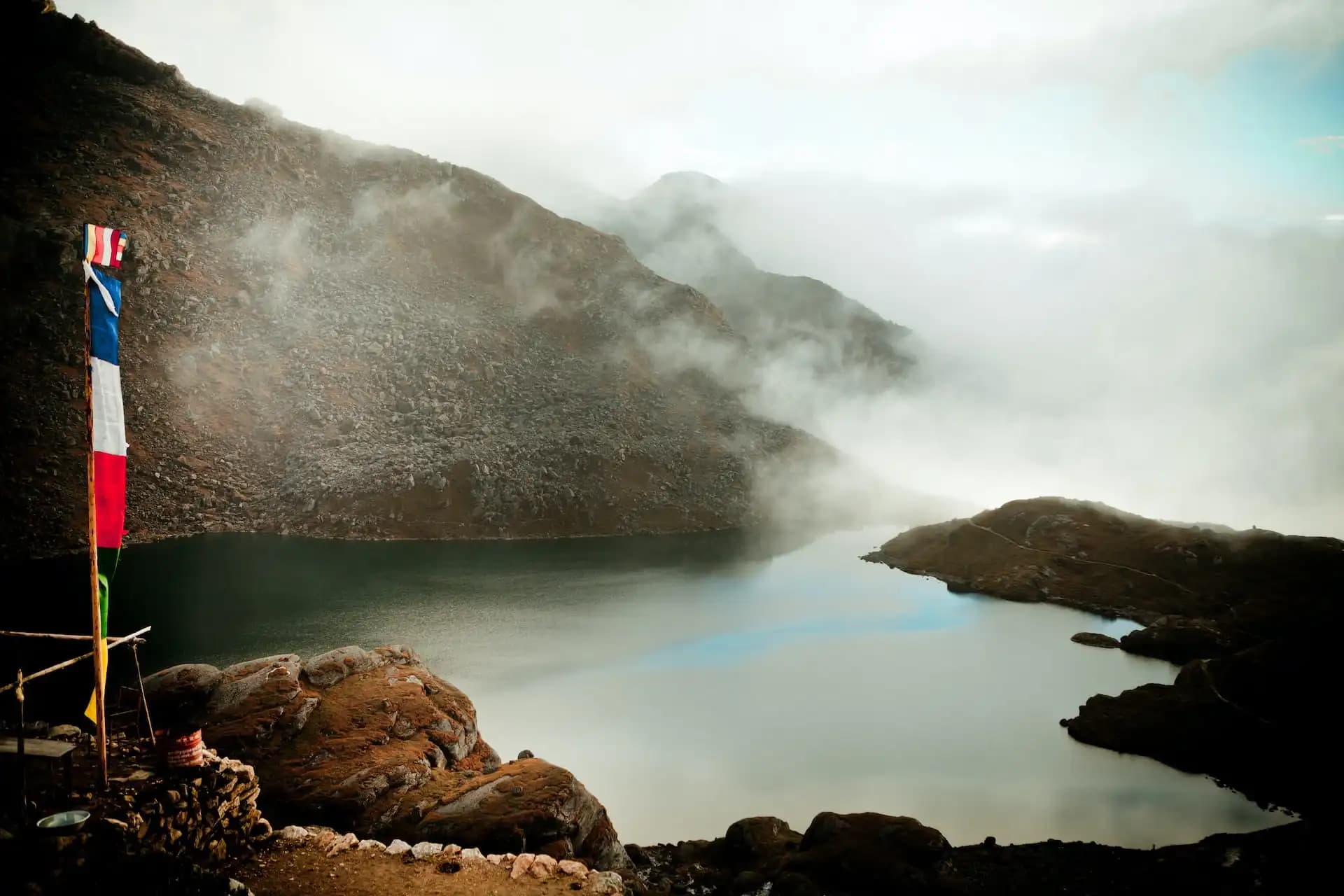
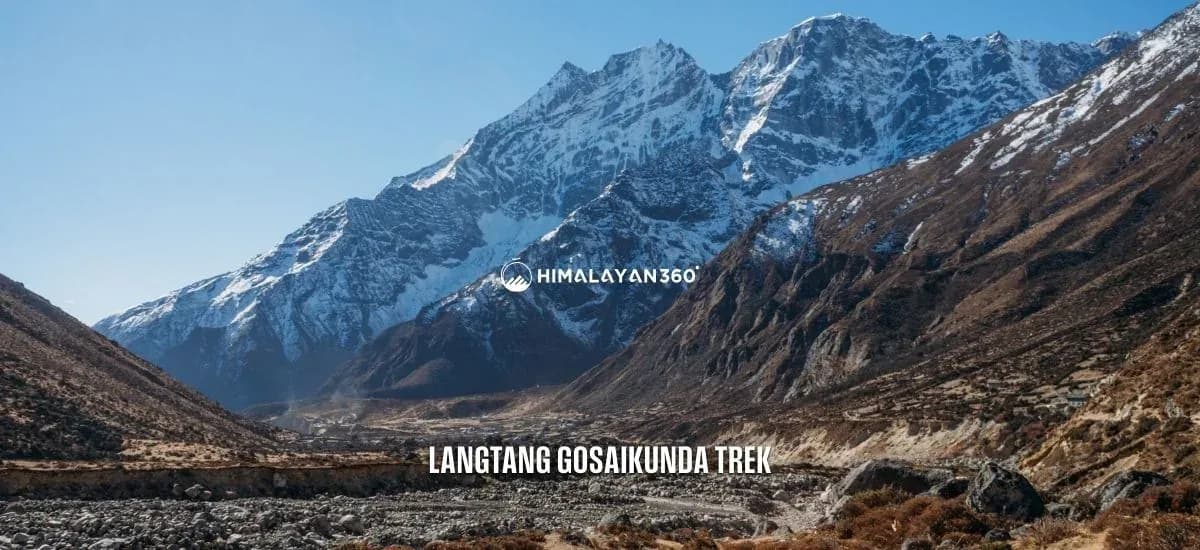
If you want more of the Langtang region and to heighten the adventure level, you must not miss the Langtang Gosaikunda Trek. The trek masterfully combines the Langtang Valley Trekking package with a hike to the sacred Gosaikunda Lake located at 4,380M. The 13-day journey takes you through the pristine Langtang National Park. En route, you will also pass beautiful Tamang settlements and diverse landscapes to get to the high-altitude lake.
You will get to explore iconic villages like the valley of glaciers, Lama Hotel, Kyanjin Gompa, Shin Gumba, and more. Similarly, the mountain views that you can witness during the trek are something that you should not miss. It is an opportunity to immerse oneself in the enriching Himalayan culture and spirituality. The Langtang Gosaikunda Trek is a moderate venture suitable for all trekkers looking to explore the region further.
13 Days
6 Days
9 Days
Permit
Travel Guide
USD 449 per person
Create a travel experience that reflects your style and preferences.
With expert guidance, every moment of your trip is uniquely tailored to you.