Kailash Yatra Fixed Departure Date 2026 Click Here
Patan and Bhaktapur Tour
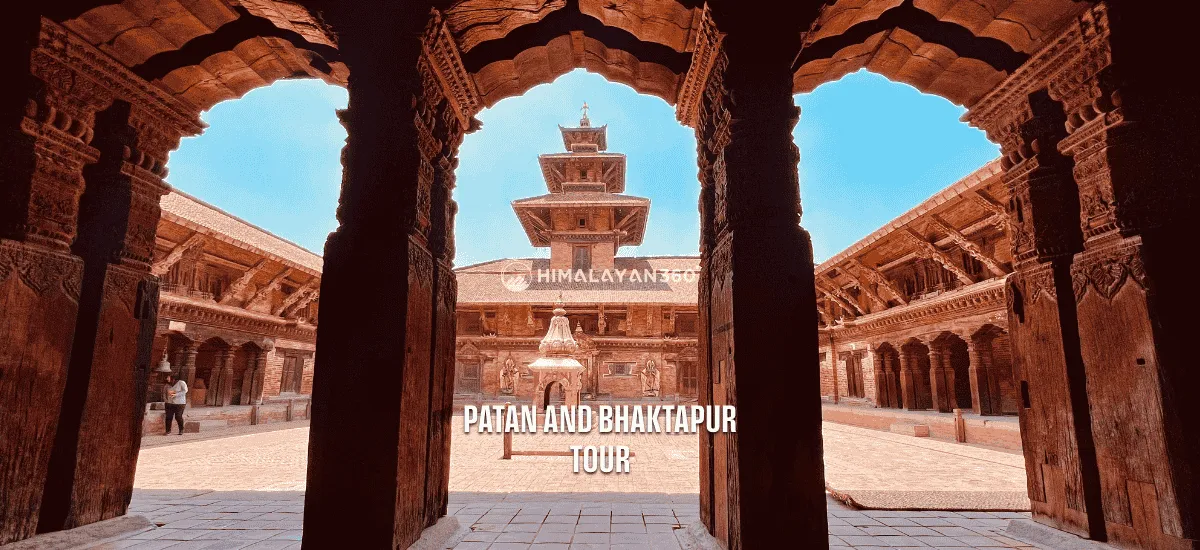
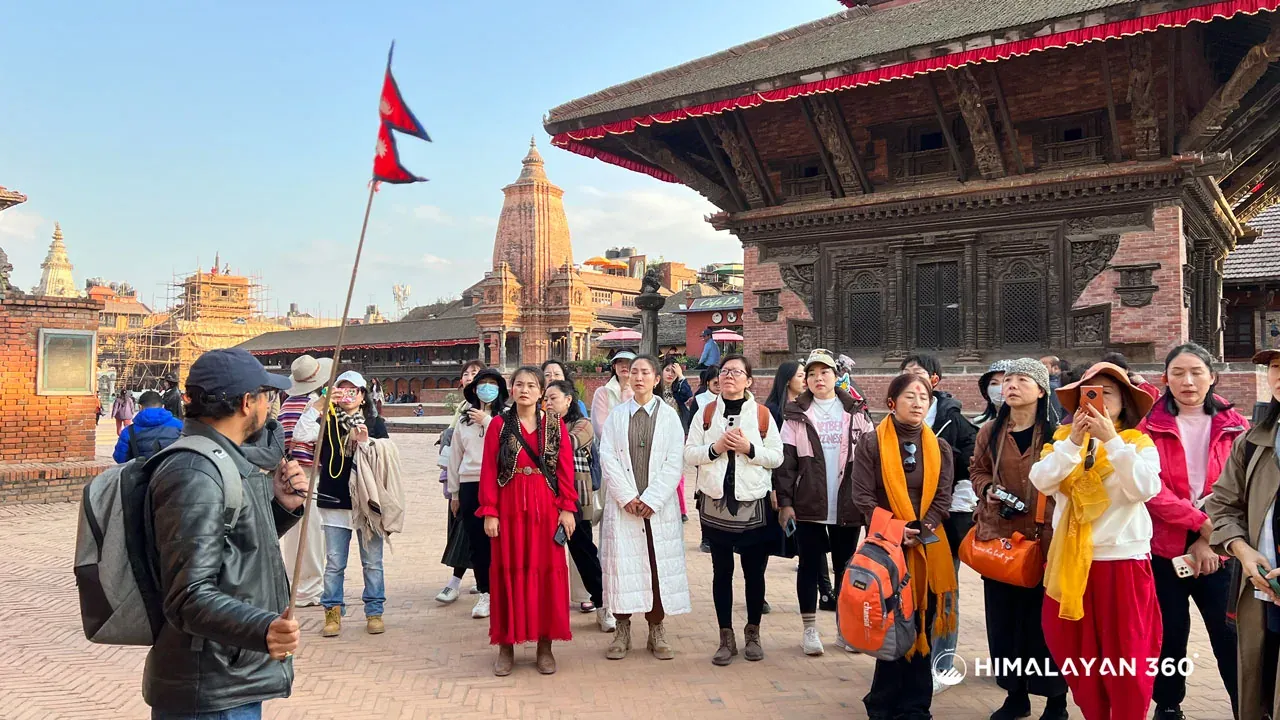
The Patan and Bhaktapur tour is an 8Hours full day trip offered by Himalayan 360, where a knowledgeable local guide will show you the main sights and cultural highlights of the two historic cities of Nepal – Patan and Bhaktapur. The tour starts at 9:00 AM and finishes around 5:00 PM. You will spend half a day in Patan and half a day in Bhaktapur, exploring the best cultural and historical sights. The tour to Patan and Bhaktapur is a perfect way to explore the ancient cities of Nepal, learn about local traditions, and enjoy the stunning art and architecture that has lasted for centuries.
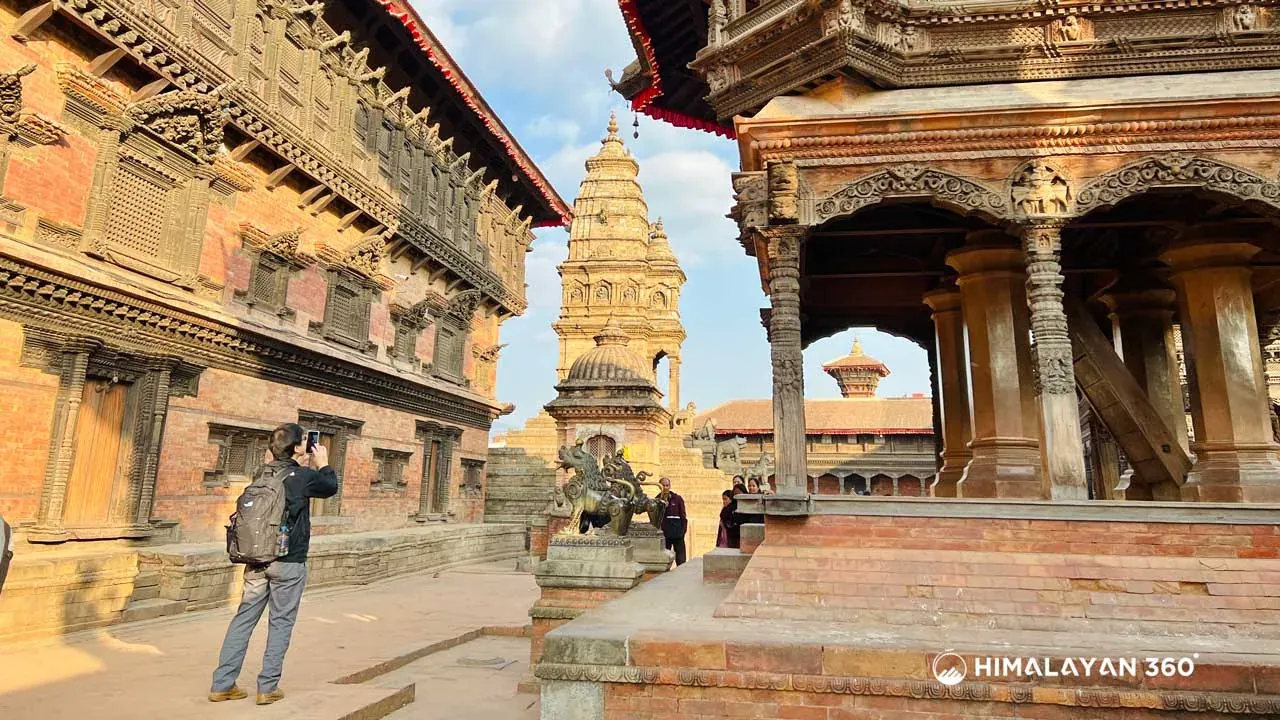
Bhaktapur is an ancient city full of history and culture. You can see old temples, beautiful ponds, traditional pottery, weaving, and unique wooden windows. Walking through Bhaktapur feels like stepping back in time, as the city still preserves its old customs, architecture, and way of life. Bhaktapur Durbar Square is the main attraction of Bhaktapur.

Patan, also called Lalitpur or Yala, is known as the “City of Beauty.” It is famous for its exquisite art, temples, palaces, and intricate craftsmanship in wood and metal. Patan is also the heart of Newari culture. Patan Durbar Square is one of the major highlights of Patan, which features historic palaces and temples that showcase the city’s rich cultural heritage.
Best Season
All Season
Travel Duration
8Hours
Difficulty
Transportation
Private Vehicle
Start / End
Thamel/Thamel
Meals
Language
English | Chinese
Route
Patan - Bhaktapur
Trip Type
Day Tour
Major Sights of Patan and Bhaktapur Tour
- Explore the Royal Palaces in Patan Durbar Square, built in the 17th century.
- Visit 3 main courtyards – Keshav Narayan Chowk, Sundari Chowk, and Mul Chowk in Patan Durbar Square.
- Admire the famous Krishna Temple and Jagat Narayan Temple.
- Discover historic art at the Patan Museum.
- Visit the sacred Golden Temple (Hiranyavarna Mahavihar).
- See the ancient water spout Tusha Hiti, still in use today.
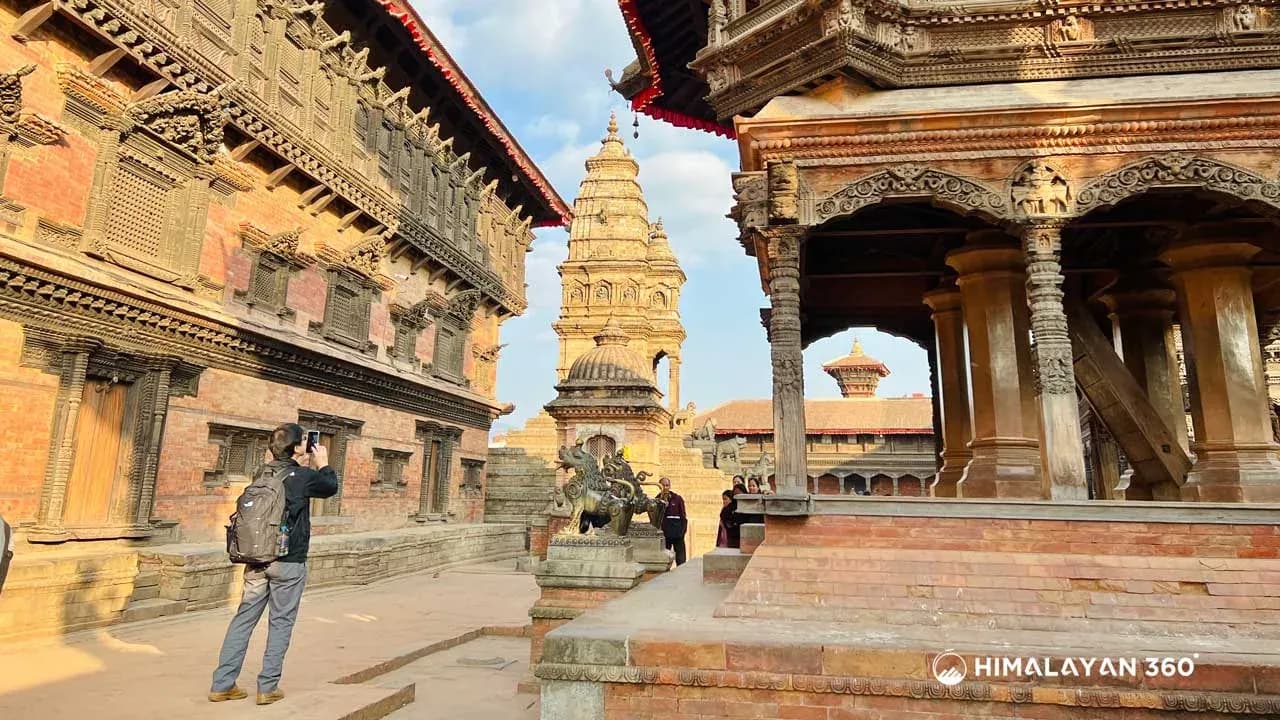
- Visit the iconic 55 Windows Palace in Bhaktapur Durbar Square.
- See the beautifully crafted Golden Gate, the entrance to the Bhaktapur Durbar.
- Explore temples like Nyatapola, Bhairavnath, and Vatsala Temple.
- Walk through local markets filled with handicrafts and jewelry.
- Watch traditional pottery making at Pottery Square.
Patan and Bhaktapur Day Tour Outline Itinerary
Patan and Bhaktapur Day Tour Itinerary
Day 01: Drive To Patan Then, To Bhaktapur
| Itinerary Fact | Details |
|---|---|
| Time: | 09:00-17:00 |
| Travel Duration: | 8Hours Approx. |
| Travel Distance: | 35KM/22Mile |
Our representative will pick you up from your hotel at 9:00 AM. After that, you will head towards Patan with your tour guide. The drive can take 25 minutes if there is no traffic, and will extend depending on the traffic. Once you arrive at Patan Durbar Square, you will buy your entry ticket and start exploring. The square has several ancient temples, royal palaces, and courtyards that display the best of Newari architecture. Must-visit sites include the Krishna Mandir and the Golden Temple (Hiranya Varna Mahavihar). Walking through the narrow lanes of Patan, you can also see traditional Newari houses, local workshops, and small hidden shrines.
You will also visit the Patan Museum, which is a short walk from the square. It has a wonderful collection of artifacts, sculptures, and religious art from different periods of Nepal’s history. After Patan, you will drive towards Bhaktapur, an ancient Newari city about 13KM east of Kathmandu. This heritage town is famous for its temples, squares, traditional houses, and local crafts. The core heritage zone of Bhaktapur, including Durbar Square, is a pedestrian-only area, making it a peaceful place to walk around. You can see artisans making pottery, wood carvings, and handmade souvenirs using centuries-old techniques.
The highlight of Bhaktapur is the Durbar Square, home to the historic 55-Window Palace. The palace’s Golden Gate leads to the Taleju Temple, one of the city’s most sacred sites. Before leaving, don’t miss tasting Bhaktapur’s specialty dessert, Ju Ju Dhau (King of Yogurt), a creamy curd loved by locals and visitors alike. At around 5:00 PM, you will drive back to Kathmandu city, completing a full-day tour of Bhaktapur and Patan Durbar Square.
| Itinerary Fact | Details |
|---|---|
| Meals: | N/A |
| Accomodations: | N/A |
Explore with Local Experts! Our experienced guides, porters, and staff are locals who know every trail, culture, and hidden gem. Travel with us for an authentic adventure!
Patan Durbar Square as UNESCO World Heritage Site
Patan Durbar Square, in the heart of the city of Lalitpur (Patan), is one of the most beautiful UNESCO World Heritage Sites in the Kathmandu Valley. It is famous for its mix of Hindu and Buddhist monuments, Newar architecture, and lively courtyards. The square is full of temples, shrines, ancient royal palaces, and museums that show the art and culture of medieval Nepal. Some major attractions around Patan Durbar Square area include:
- Krishna Mandir: The Krishna Mandir is a stone temple built in the Shikhara style by King Siddhi Narasingha Malla. It has 21 golden pinnacles and is dedicated to Lord Krishna. The temple shows carvings of Vishnu’s ten avatars and stories from the Mahabharata and Ramayana. A statue of Garuda, Vishnu’s mount, stands in front of the temple. Every year, during Krishnasthami (Bhadra month), many devotees gather here.
- Patan Museum: The Patan Museum is part of the old royal palace and is one of the best museums in South Asia. It has Hindu and Buddhist statues, stone carvings, paintings, and inscriptions from as early as the Lichhavi period (4th–9th century). The museum also shows the 17th-century throne of King Shree Niwas Malla and old photographs of Lalitpur and Kathmandu.
- Mul Chowk: Mul Chowk is the main courtyard of the palace and was used for royal ceremonies. It is surrounded by smaller temples and shrines, including the Taleju Temple, dedicated to the royal goddess Taleju Bhawani. It is still an important place for Hindu rituals.
- Sundari Chowk & Tusha Hiti: Sundari Chowk is famous for its wood and stone carvings. At its center is Tusha Hiti, a sunken royal bath built in 1647 AD by King Siddhi Narsingha Malla. The bath has beautiful images of gods and goddesses and was used for purification and religious ceremonies.
- Keshav Narayan Chowk: Located north of Mul Chowk, Keshav Narayan Chowk now houses the Patan Museum. Its main attraction is the Keshav Narayan Temple, decorated with a golden gateway (torana) and surrounded by royal Newar architecture.
- Golden Temple (Hiranya Varna Mahavihar): It is a 12th-century Buddhist monastery located just 200 meters north of the square. It has a copper-plated facade and a peaceful courtyard guarded by stone elephants. Inside, there is a statue of Shakyamuni Buddha and a smaller shrine with a replica of the Swayambhunath Stupa. The temple complex also includes Lokeshwor Gumba, dedicated to Avalokiteshvara, the Bodhisattva of Compassion. This temple shows the blend of Buddhist and Hindu traditions that makes Patan special.
Bhaktapur Durbar Square as UNESCO World Heritage Site
Long ago, Bhaktapur Durbar Square was the palace of the Malla kings, but today it is like a living museum showing Nepalese culture, art, and architecture. The square is famous for its temples, palaces, and courtyards, as well as its busy markets, where you can buy handicrafts, pottery, jewelry, and traditional clothes. During festivals like Bisket Jatra, Indra Jatra, Gai Jatra, and other Newar celebrations, the square becomes lively with ancient rituals and local traditions. Some of the notable places inside Bhaktapur Durbar Square include:
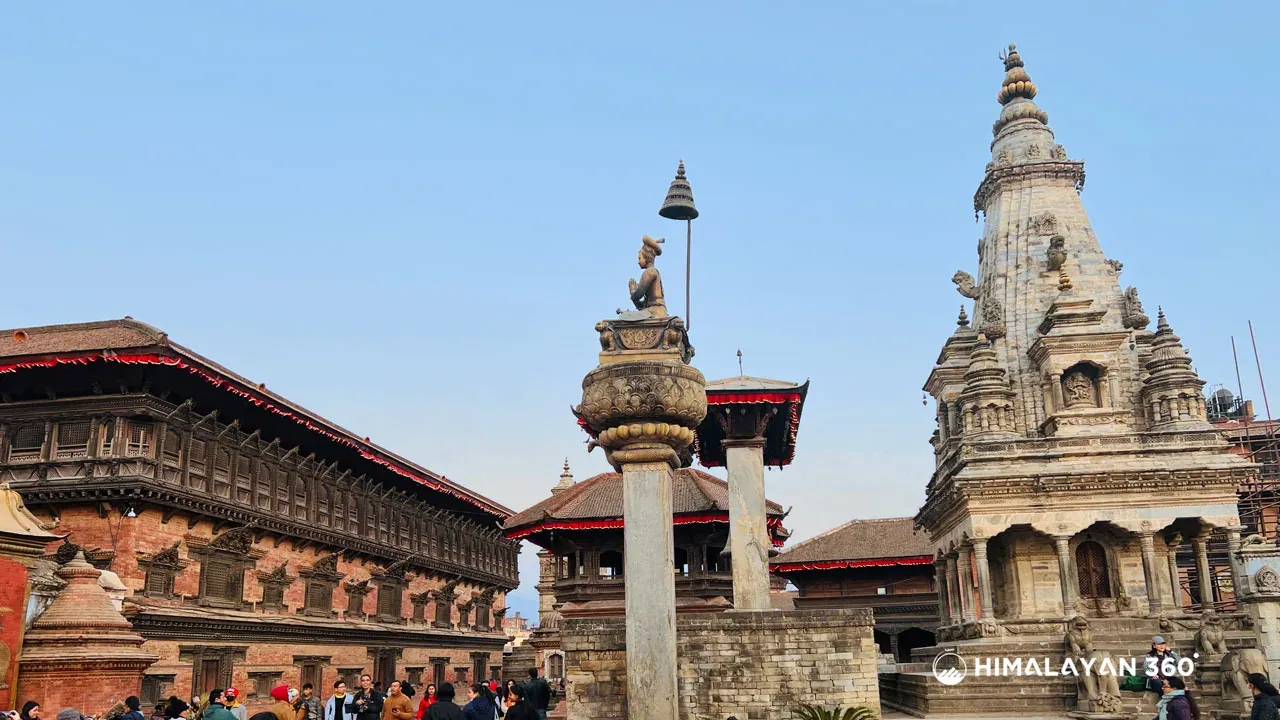
- 55 Windows Palace: The 55 Windows Palace was initially built by King Bhupatindra Malla and completed by Jaya Ranjit Malla. The palace is known for its 55 intricately carved windows, which show amazing Newar craftsmanship. It is not allowed to enter inside after the 1934 earthquake, but visitors can see the courtyards, the Golden Gate (Sun Dhoka), and the Naga Pokhari, a pond surrounded by stone snakes. The palace also has the Taleju Temple, which is open only to Hindus.
- Nyatapola Temple: The Nyatapola Temple is the tallest temple in Nepal, about 30 meters high. Built by King Bhupatindra Malla, it is dedicated to Goddess Siddhi Lakshmi. The stairs leading up to the temple have large stone statues of wrestlers, elephants, lions, griffins, and gods. Only priests can enter the main temple. Visitors can climb the terraces to admire the carvings and enjoy the views of the square.
- Lion Gate: The Lion Gate is the main entrance to the palace. The gate has two big stone lions. A legend says that King Bhupatindra Malla liked it so much that he had the artist’s hands cut off so it could never be copied. The gate is now a symbol of royal power and protection for Bhaktapur.
- Bhairavnath Temple: The Bhairavnath Temple is a three-story temple dedicated to Bhairava, a fierce form of Lord Shiva. The first one-storey small shrine was built in the 15th century, and later King Bhupatindra Malla added two more storeys in 1717. Inside is a huge 12-foot-long statue of Bhairava. Many people visit during Bhairav Ashtami and Bhairav Jayanthi to pray for protection from evil and bad luck.
- Vatsala Temple and Big Bell: The Vatsala Temple is a beautiful stone temple in Shikhara style, dedicated to Goddess Vatsala Devi. It is famous for its fine stone carvings and detailed craftsmanship. Next to it is the “Dog Barking Bell” or Big Bell, built in 1737 AD by King Ranjit Malla. People believed that ringing the bell could silence dogs and evil spirits. The temple was damaged in the 2015 earthquake, but restoration work is bringing back its original beauty.
- Taleju Bhawani: The Taleju Temple is dedicated to Devi Taleju Bhawani, the clan goddess of the Malla kings. In the past, only kings could enter, but now it is open to Hindus. The temple is believed to be built in the shape of a Tantric mandala (Yantra), a sacred Mandala pattern. It is located in the courtyard to the left when you enter through the Golden Gate. Visitors can see the temple from the outside, and on the ninth day of Dashain, devotees are allowed to go inside to offer prayers.
Permits and Entrance Fees for Patan and Bhaktapur Tour
Visitors need to pay entrance fees when visiting Bhaktapur Durbar Square and Patan Durbar Square. These fees help maintain, preserve, and restore these important UNESCO World Heritage Sites.
Here is a breakdown of the fees:
| Site | SAARC Nationals | Foreign Visitors | Chinese Visitors |
|---|---|---|---|
| Patan Durbar Square & Patan Museum | NPR 250 | NPR 1,000 | NPR 1,000 |
| Golden Temple (Patan) | NPR 50 | NPR 100 | NPR 100 |
| Bhaktapur Durbar Square | NPR 500 | USD 18 / NPR 1,800 | NPR 500 |
| National Art Museum, Bhaktapur | NPR 50 | NPR 150 | NPR 150 |
Important Note: Children below 10 years can enter Bhaktapur Durbar Square for free. The Golden Temple (Patan) is closed on Buddha Jayanti, and the National Art Museum is closed on Tuesdays.
FAQs for Patan and Bhaktapur Day Tour
Are the entrance fees included in the tour price?
What kind of transportation is used for the tour?
Is a tour guide provided, and what languages do they speak?
Is this tour suitable for all ages and fitness levels?
What is the proper etiquette for visiting temples and religious sites?
Where can I buy local crafts as souvenirs during the tour?
Travler Reviews
USD 32 per person
Adventures Await
we’ll make it extraordinary and uniquely yours.
Create a travel experience that reflects your style and preferences.
With expert guidance, every moment of your trip is uniquely tailored to you.