Stunning Mountain Views
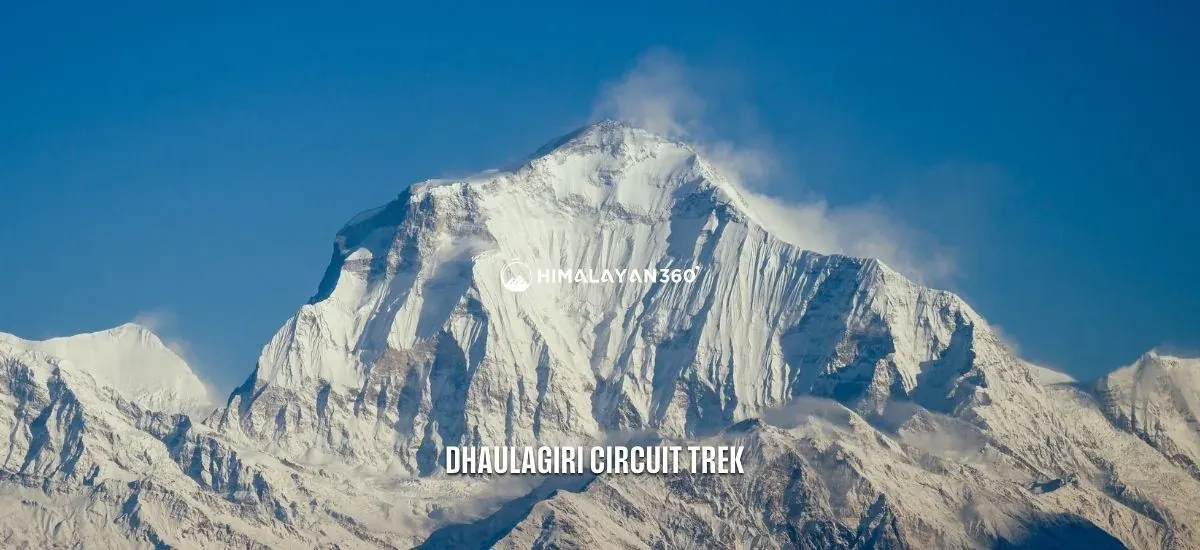
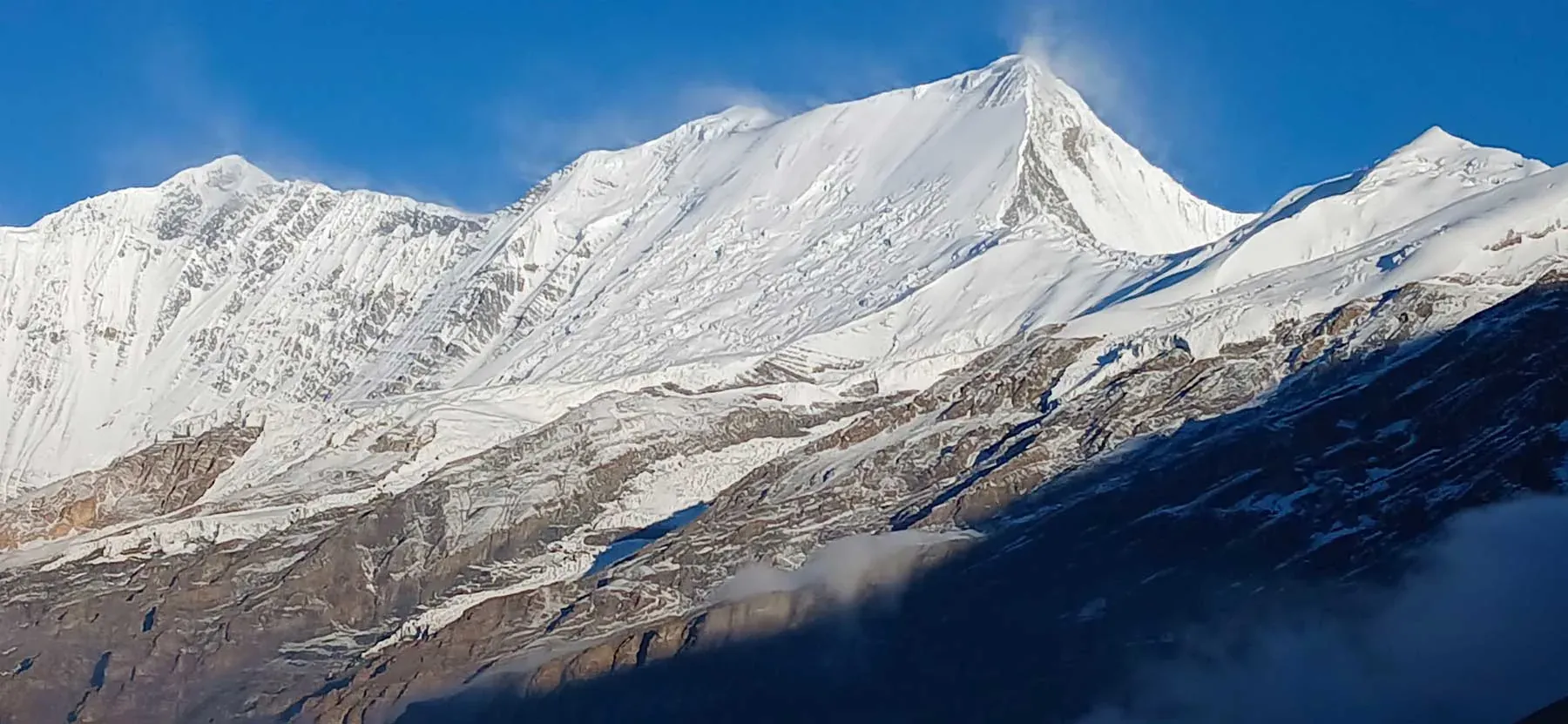
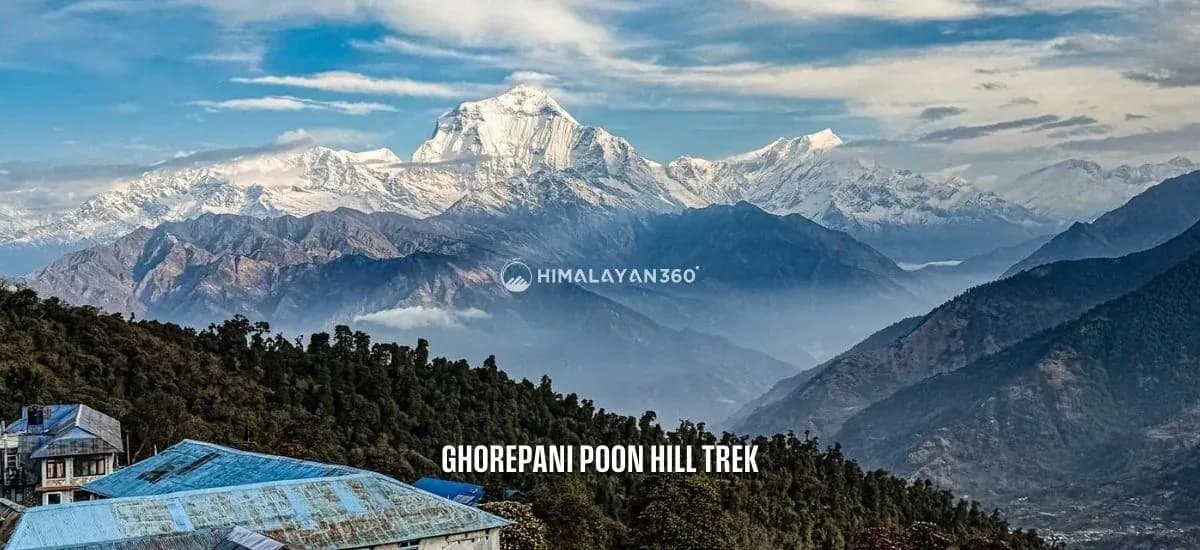
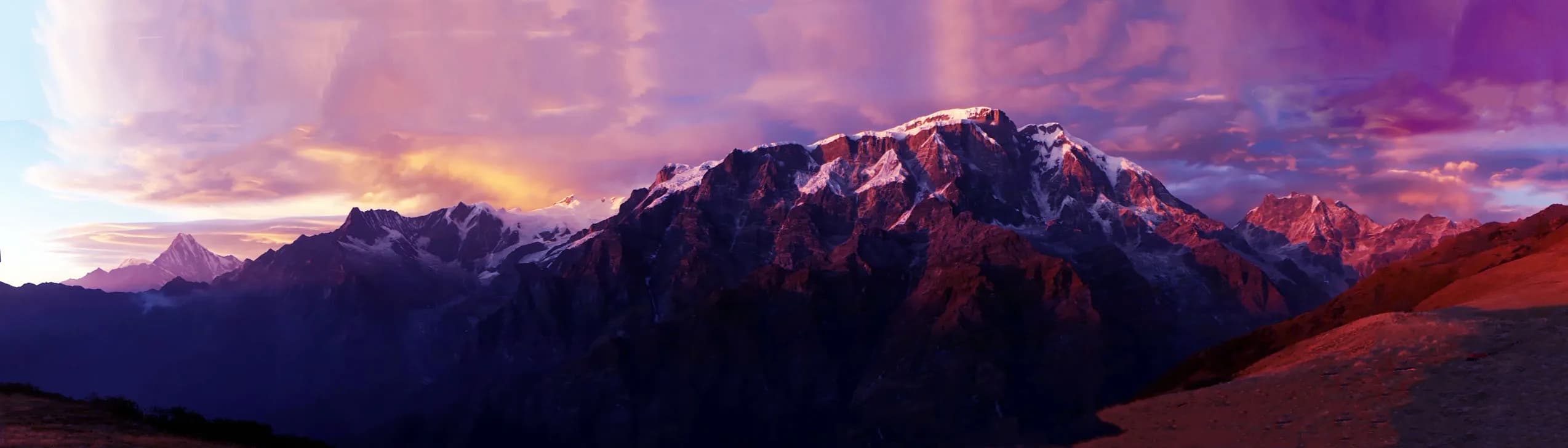
You will see breathtaking views of snow-covered peaks, including Dhaulagiri (8,167m), the world’s seventh-highest mountain. Other towering peaks, such as Annapurna (8,091m), Tukuche Peak (6,920m), Nilgiri (7,061m), and Gurja Himal (7,193m), surround the region, creating a stunning panorama. Further, being able to witness sunrise and sunset over the Himalayas from different rest point will further add more beauty to your overall journey.
Traditional Villages
People living in the Dhaulagiri region are simple and follow traditional life. Magar, Gurung, and Thakali are the inhabitants of the area. In this traditional village, you will see beautifully built stone houses, terraced fields growing rice and barley, and yak herds grazing in the highlands. Villages such as Muri, Marpha, and Dharapani are renowned for their warm hospitality. Passing by these villages, you can also try the delicious apple orchards, where you can try fresh apple juice and brandy.
Glaciers and Two High Passes
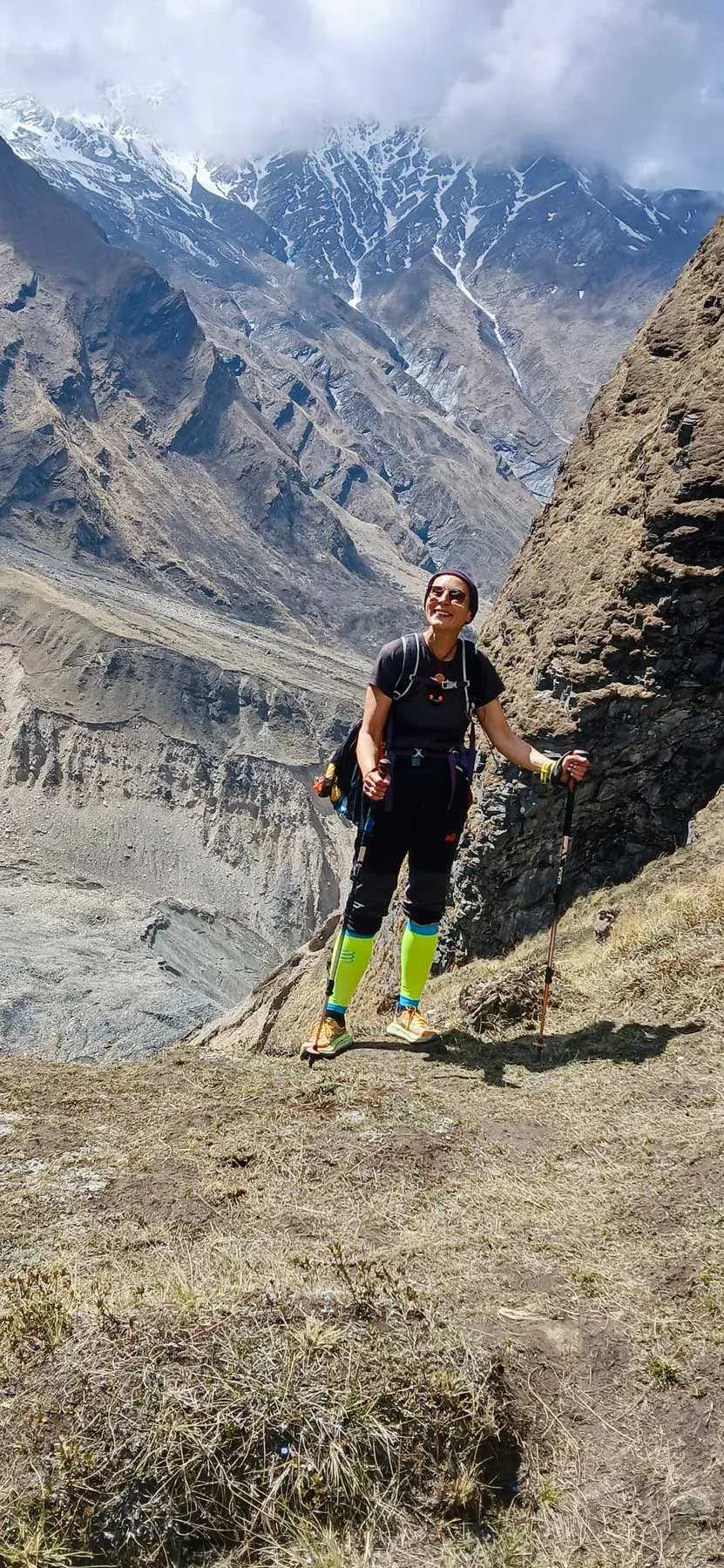
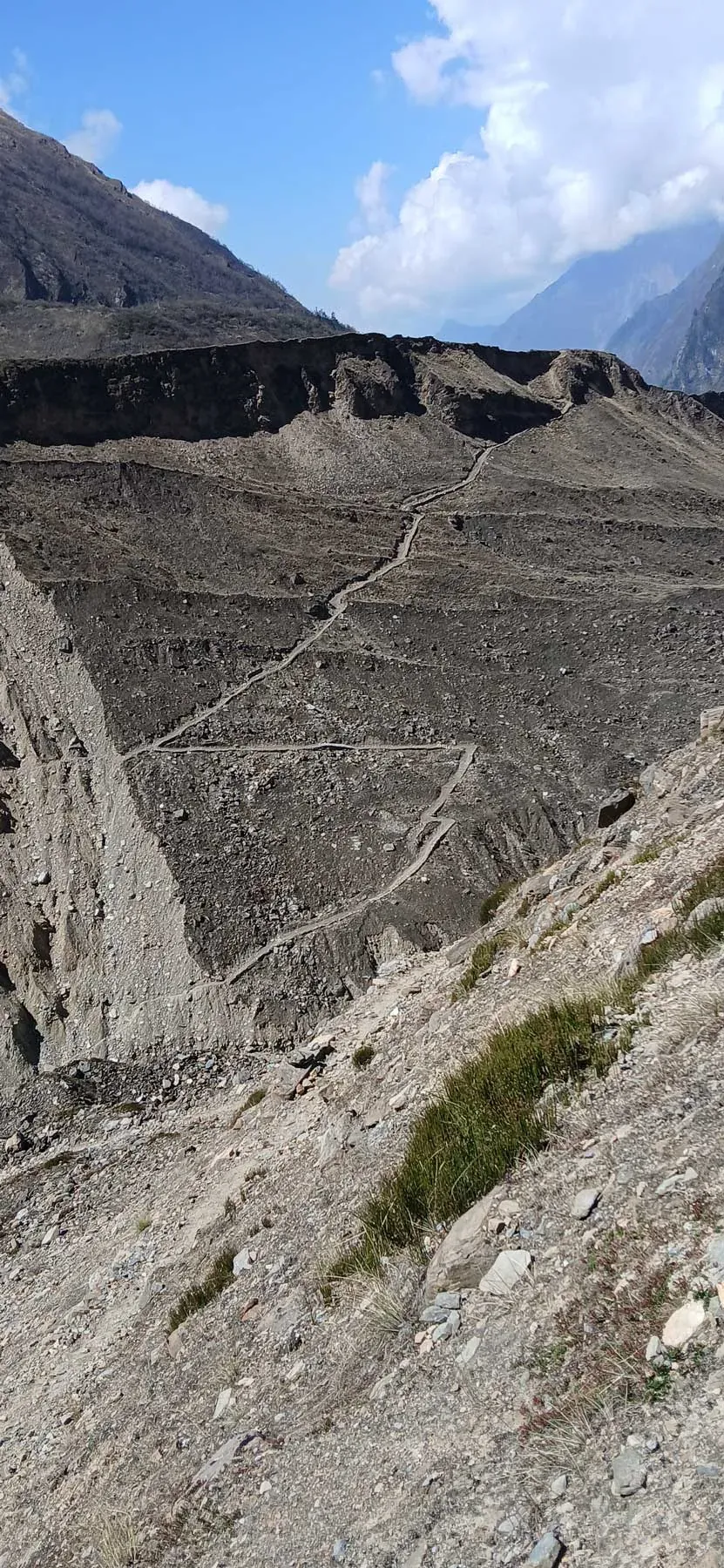
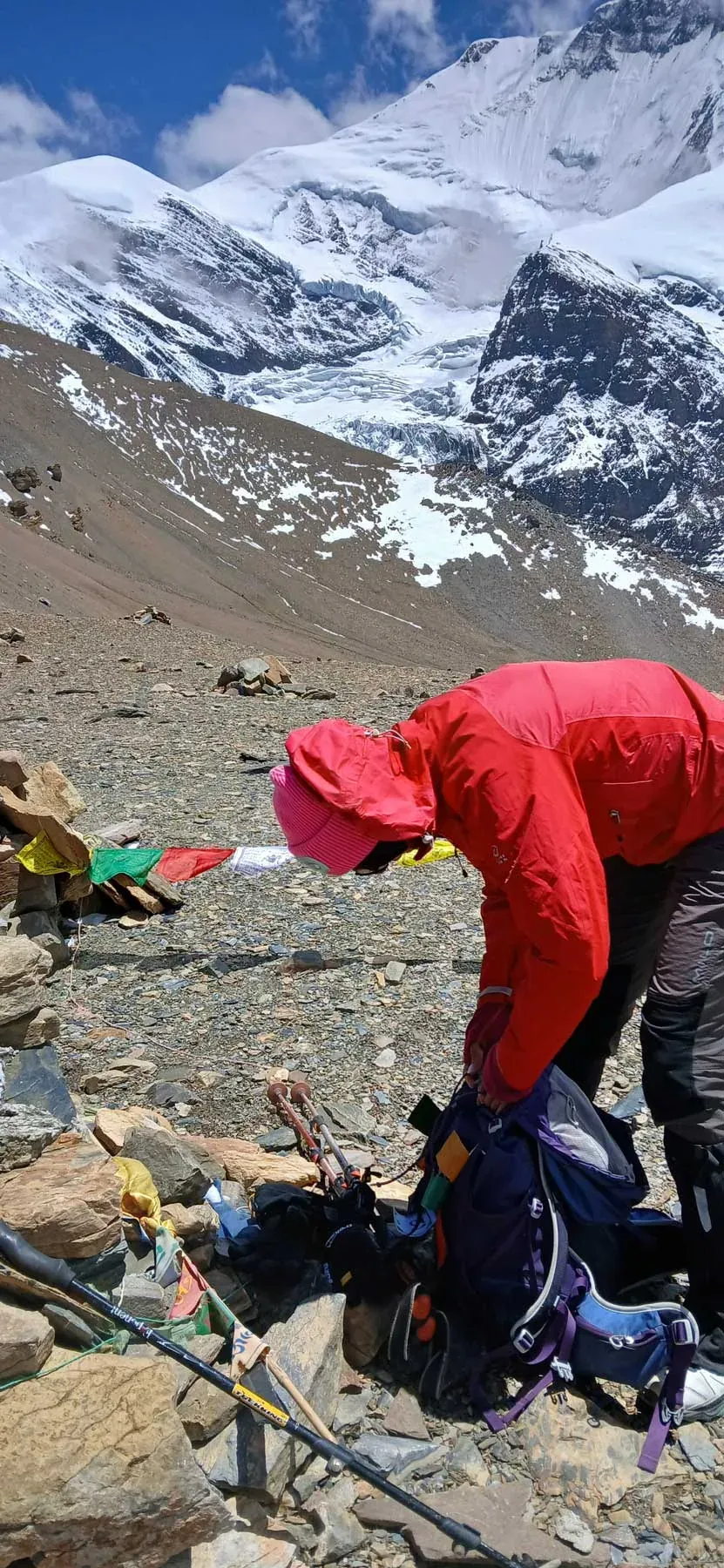
The trek passes through Chhonbardan Glacier and other icy landscapes, giving you a real adventure feel. You will cross two high passes, French Pass (5,360m) and Dhampus Pass (5,244m), which offer breathtaking views of the Dhaulagiri and Annapurna ranges. These passes are steep and challenging, but the incredible scenery makes the effort worthwhile.
Dhaulagiri Base Camp
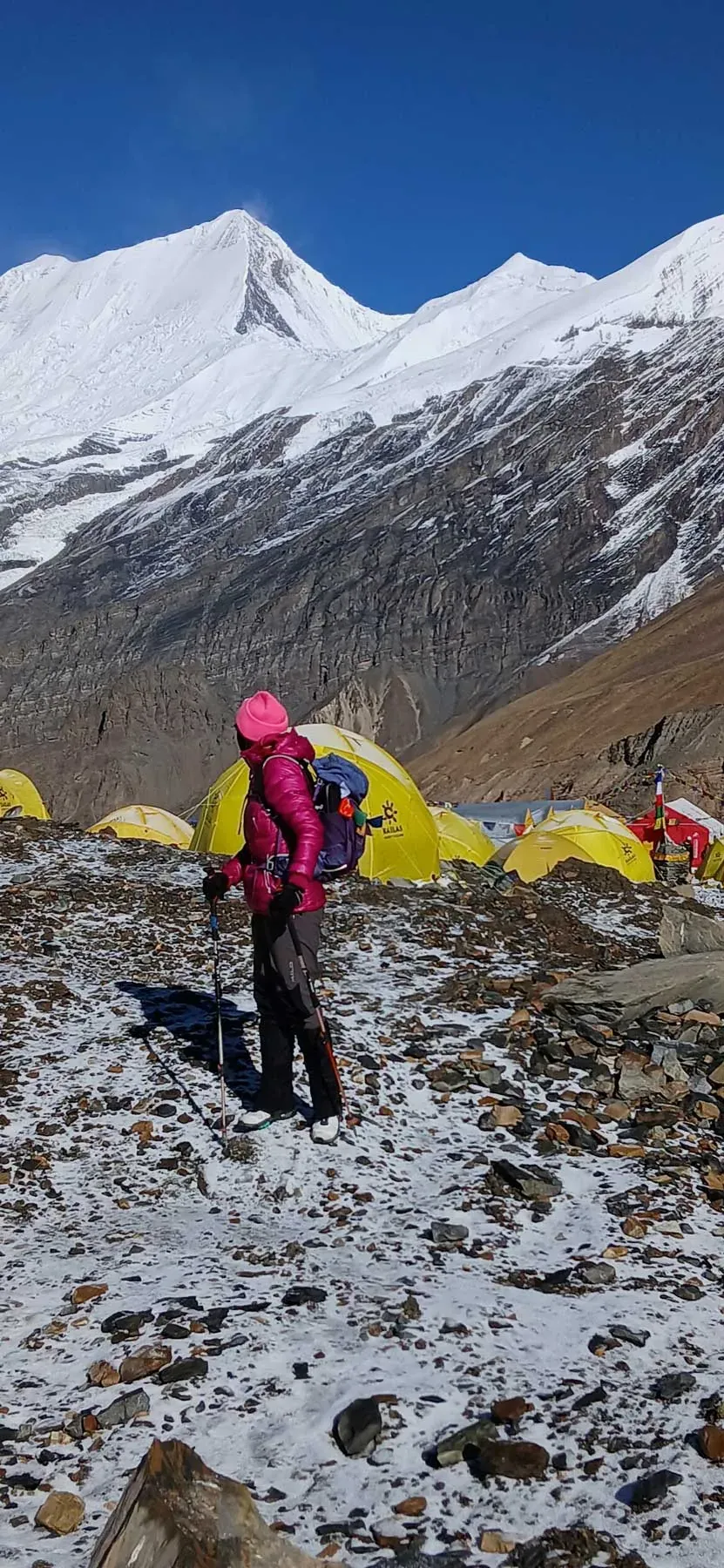
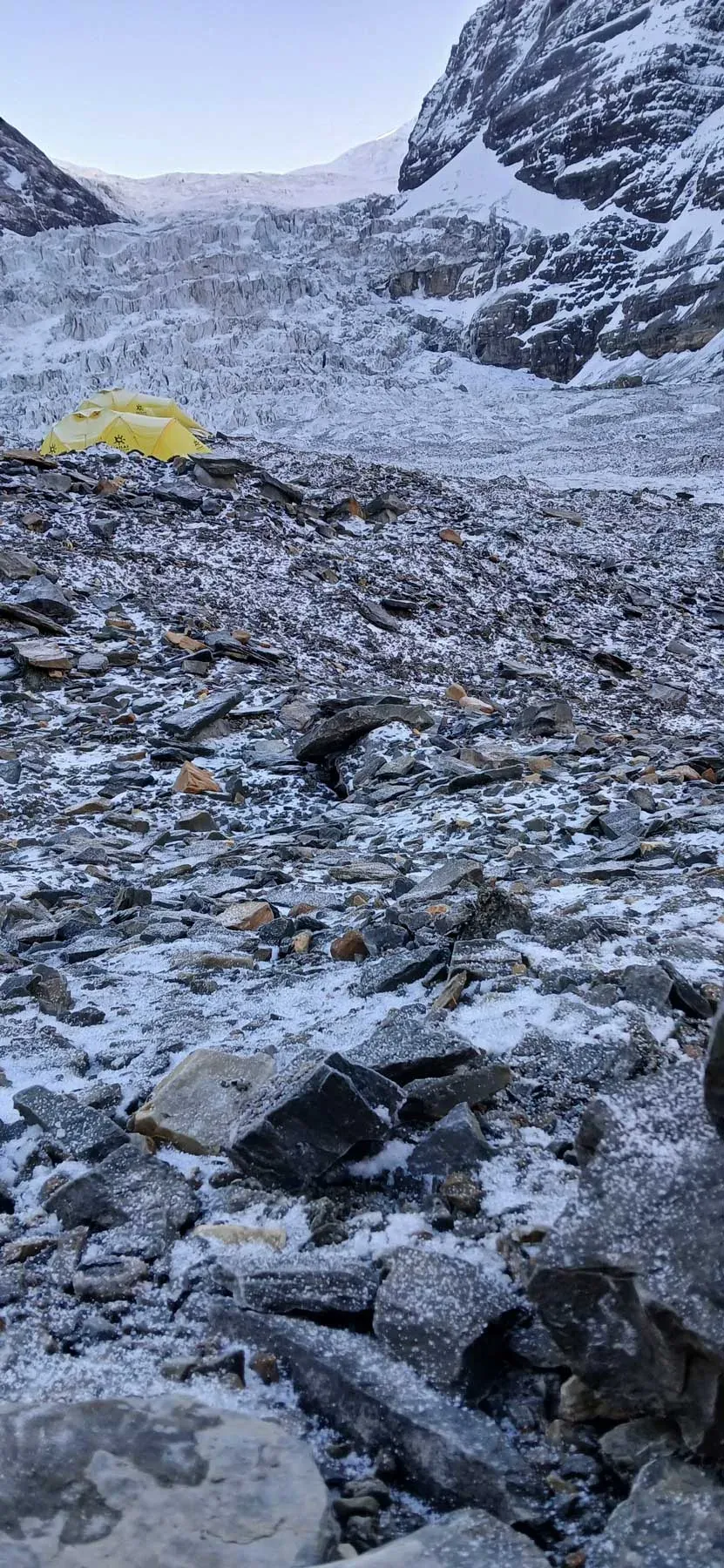
Located at 4,748m, Dhaulagiri Base Camp is a highlight of the trek. Upon reaching this point and overcoming challenges, you can see beautiful views of Dhaulagiri I, Dhaulagiri II, and Tsaurabong Peak. From here, you can see the massive icefall that flows down from the mountains. The base camp is a peaceful place where you can rest and admire the beauty of the Himalayas.
Japanese Base Camp
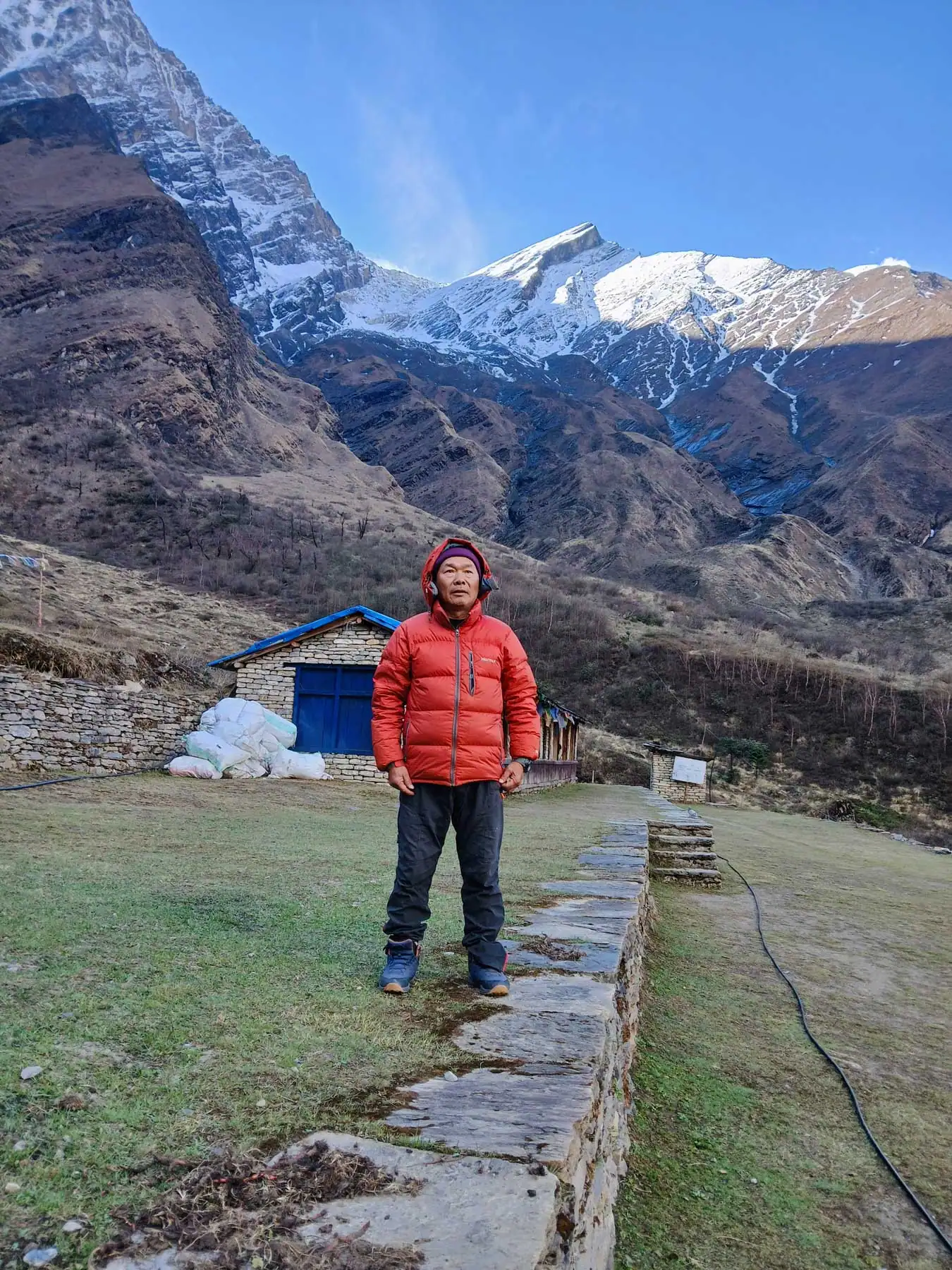
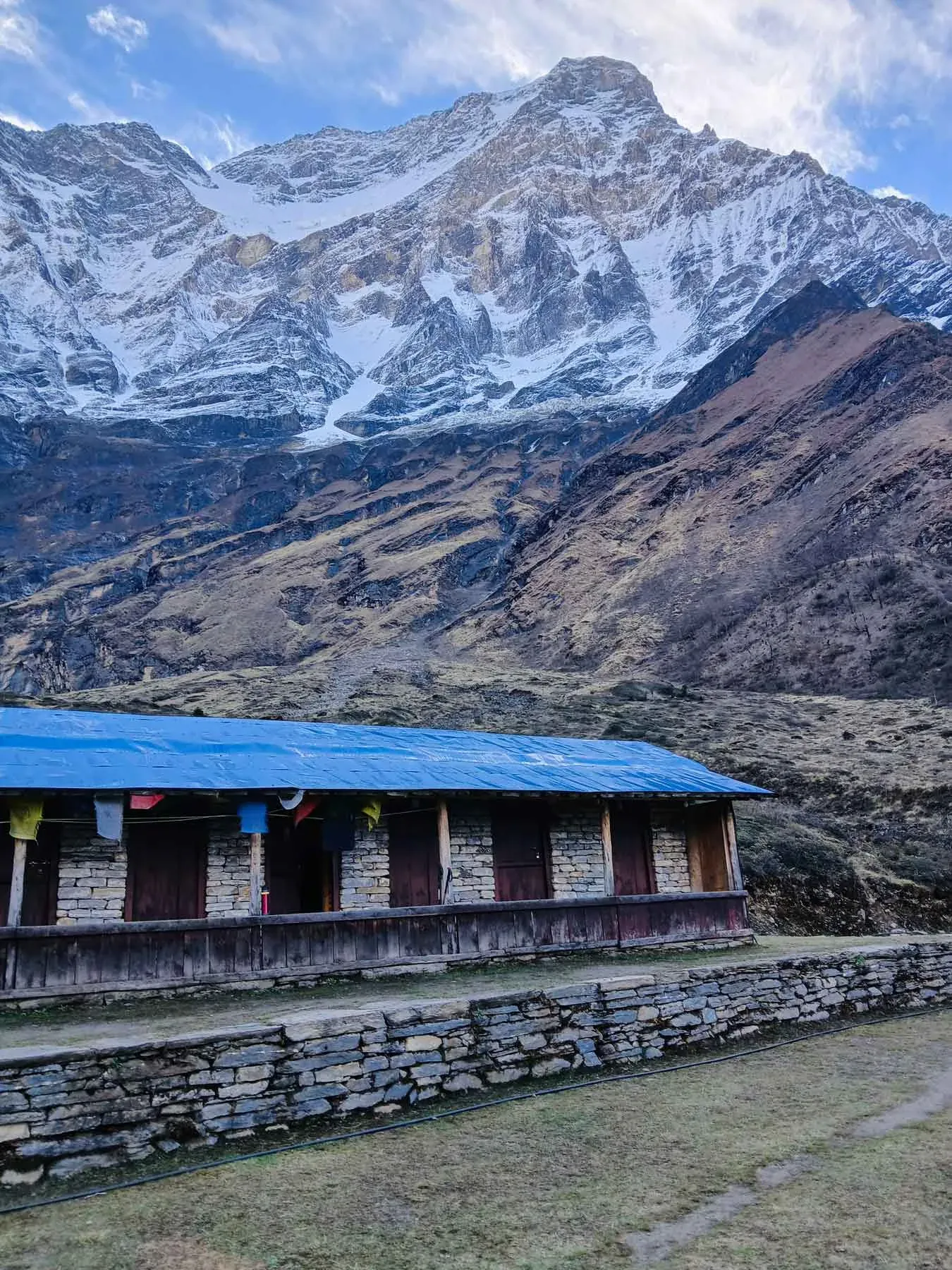
Japanese Base Camp is an important stop before heading towards the higher altitudes of Dhaulagiri Base Camp. From here, trekkers can see incredible views of Dhaulagiri I, Manapathi Peak, and the Tsaurabong Glacier. Trekkers primarily use this camp to acclimatize effectively before moving towards the main Dhaulagiri Base Camp. The place is named after a Japanese expedition team that set up camp here during their historic climbs of Dhaulagiri.
Unique Culture and Traditions
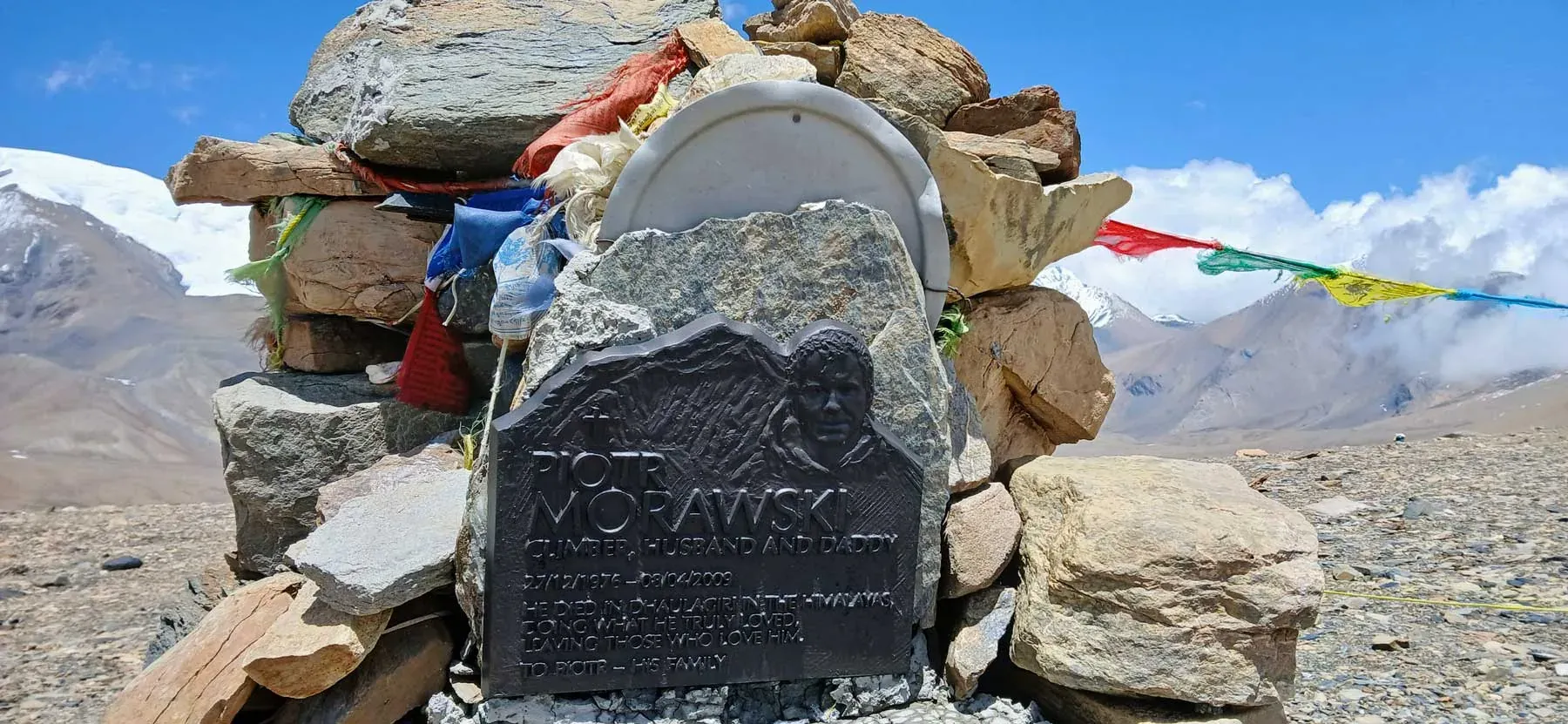
Throughout the trek, you will see Hindu as well as Buddhist monasteries, colorful prayer flags, and stone-carved Mani walls with sacred inscriptions. The Thakali and Magar people celebrate festivals like Tihar, Dashain, and Lhosar with traditional music, dance, and rituals. The local culture and hospitality make this trek not just about nature but also about experiencing the traditions of the Himalayan people.



 9 Days
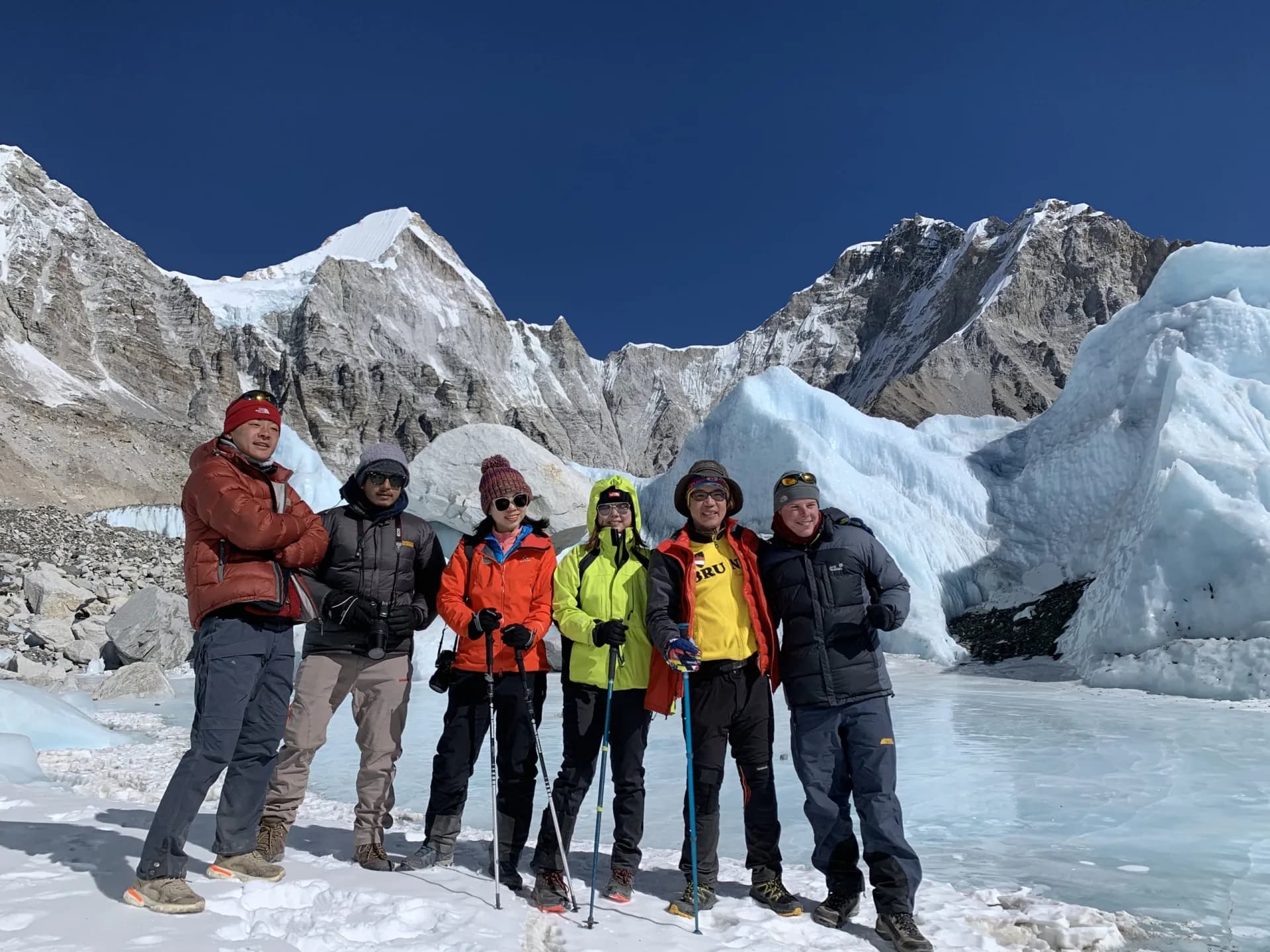 Trek
 By air
 Pilgrimage
 Festivals
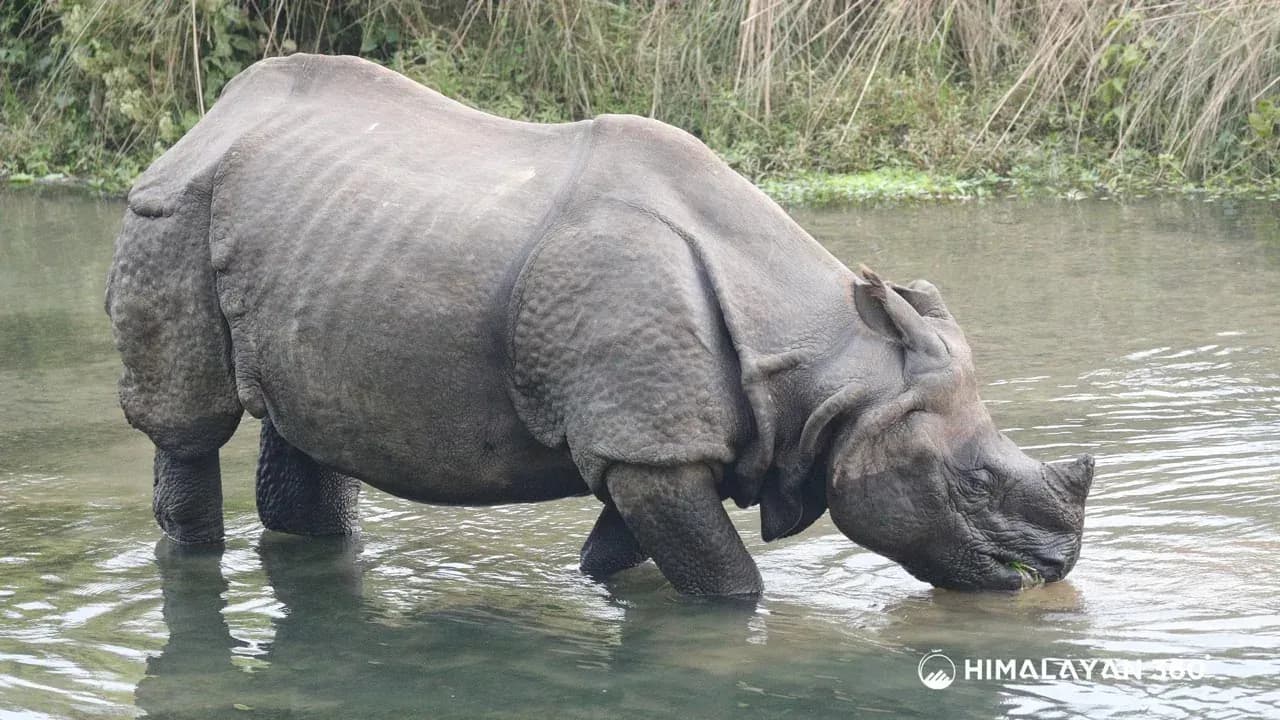 Wildlife
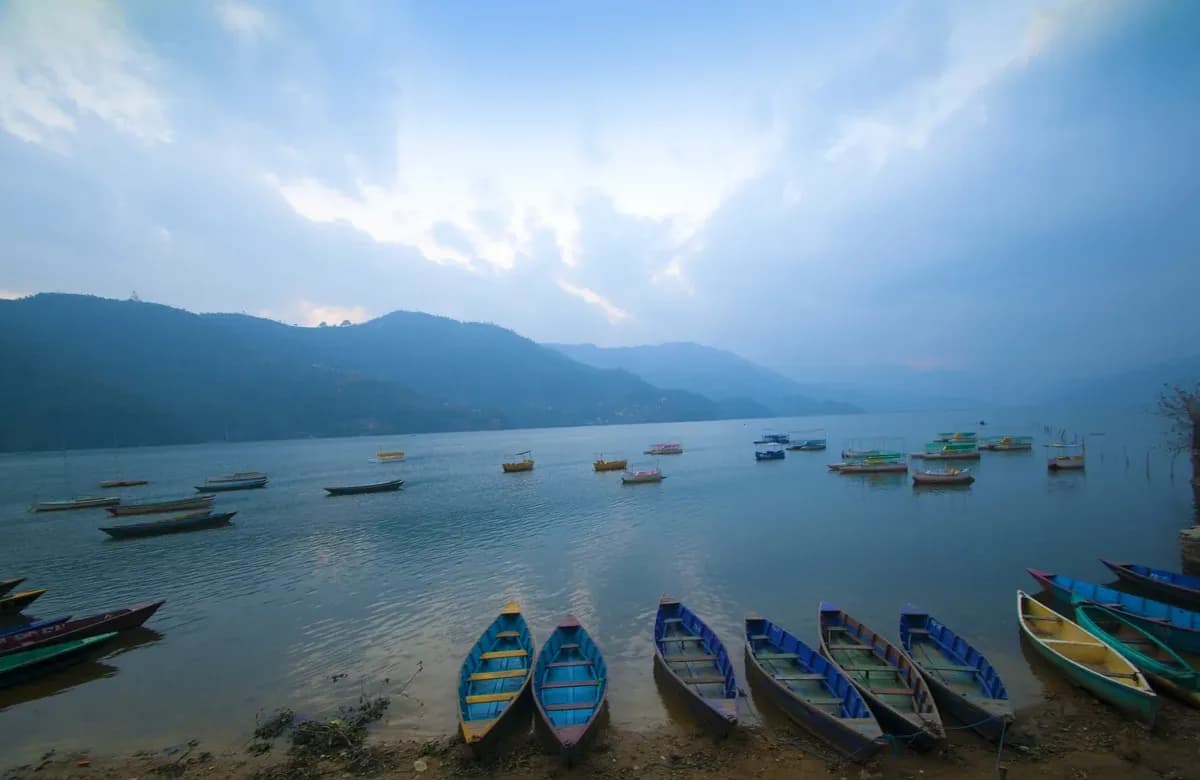 Luxury
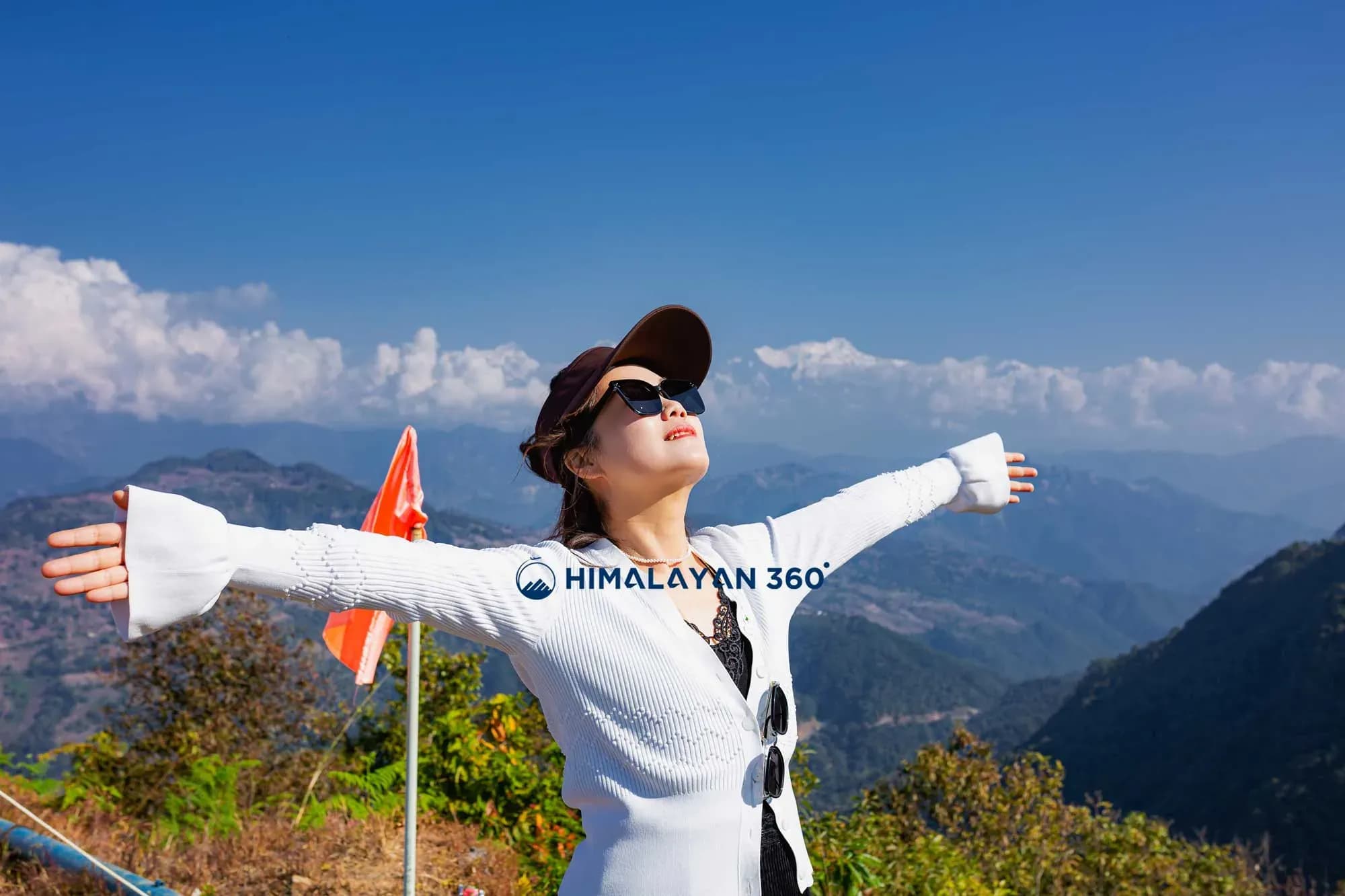 Yoga
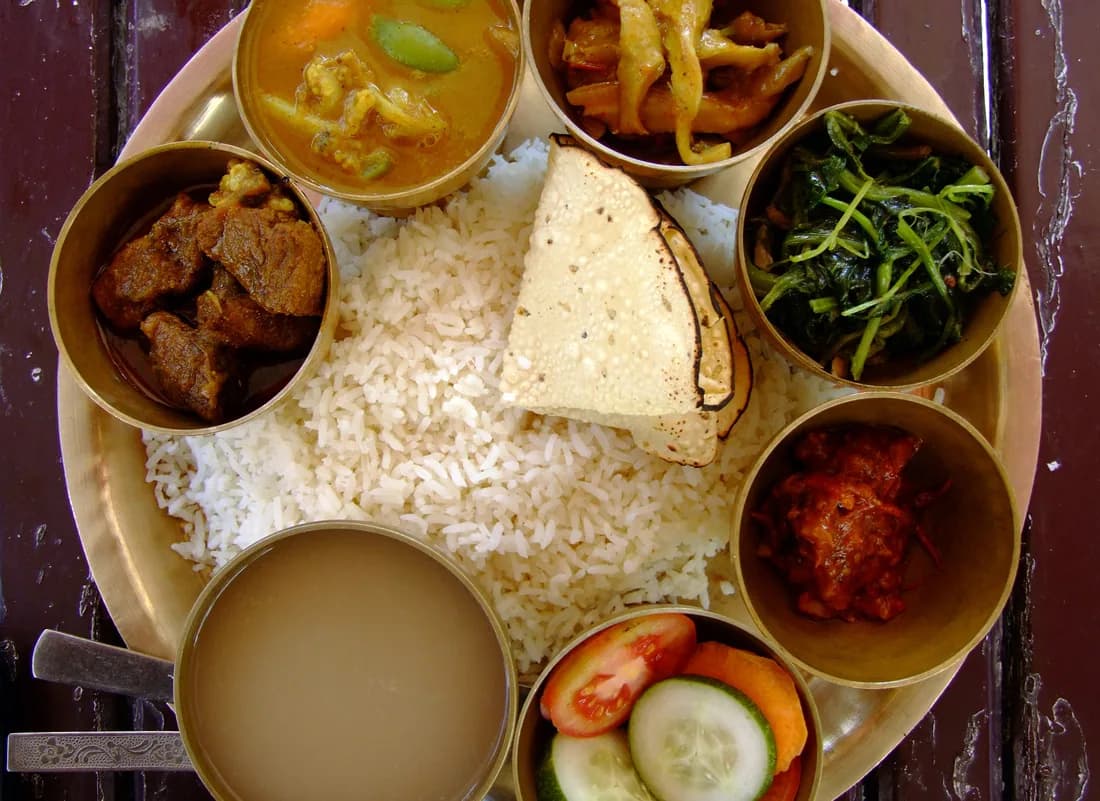 Food
 Heritage
