


The Gosaikunda Short Trek is a captivating Himalayan adventure that takes trekkers through the stunning landscapes of Nepal’s Langtang region. This trek is renowned for its mix of natural beauty, cultural exploration, and spiritual significance. At the heart of the journey lies Gosaikunda Lake, a holy site revered by both Hindus and Buddhists. The trek’s path winds through lush forests, quaint villages, and alpine meadows, providing a blend of diverse experiences. It is easily accessible from the capital city and offers a relatively shorter trek compared to some other popular routes. The trek’s duration can vary based on your starting point and the specific itinerary you choose. Generally, it takes about 6-7 days to complete the trek, but it can be extended or shortened depending on your preferences and the trails you take.
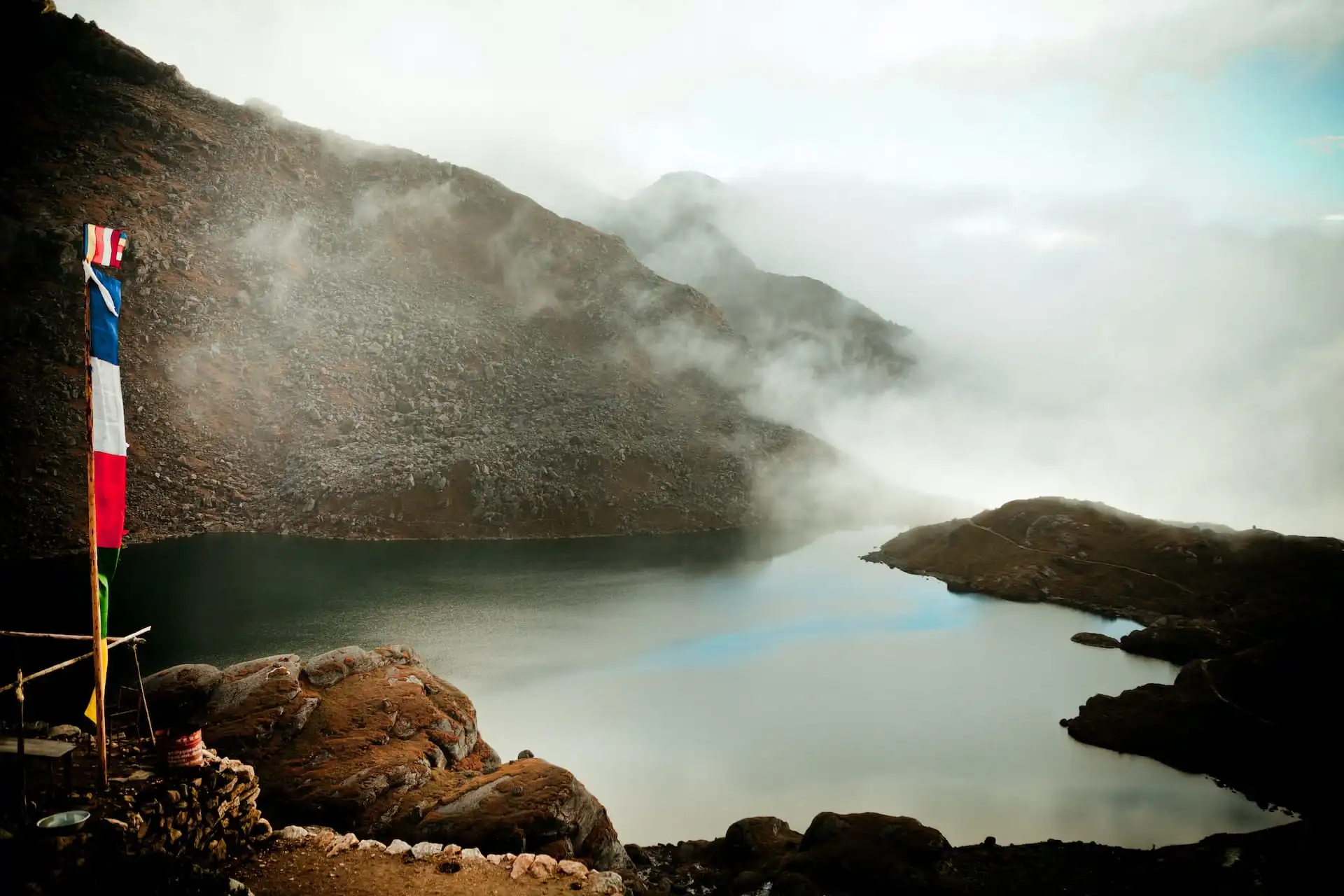
Gosaikunda Short Trek
Destination
Nepal
Max. Altitude
4380M/14,370FT | Gosaikunda
Difficulty
Easy
Best Season
March, April, May, Sept, Oct, Nov
Transportation
Local Bus
Start / End
Kathmandu / Kathmandu
Accommodation
Tea house or lodge
Meals
All Meals (Breakfast, Lunch & Dinner) during the trek
Trek Distance
30.8KM/19.1Miles
Route
KTM-Dhunche-Gosaikunda-KTM

Per Person From$2005 Days
Major Highlights of Gosaikunda Short Trek
- Explore Gosaikunda Lake along with Saraswatikunda and Bhairabkunda
- Visit the Sing Gompa (Chandanbari) monastery and the Sakyamuni temple near the lake
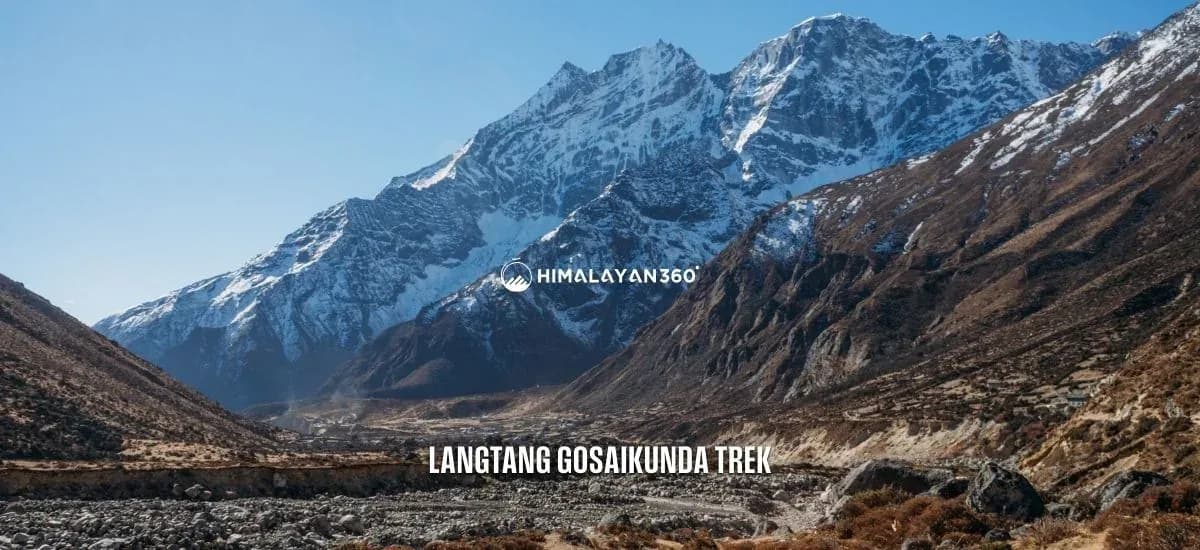
- Be surrounded by Himalayan peaks such as Langtang Lirung (7,227M), Ganesh Himal (7,422M), Manaslu (8,163M), Dorje Lakpa (6,966M), and Hiunchuli (6,441M).
- Visit the high altitude Yak Cheese Factory in Chandanwari
- Observe the local Tamang and Sherpa cultures
- Trek through the sub-tropical forest of Langtang National Park
- Visit during the Janai Purnima festival to witness thousands of Hindu and Buddhist pilgrims offering prayers
Gosaikunda Short Trek at a Glance
| Day | Itinerary | Distance / Time | Altitude |
|---|---|---|---|
| 01 | Kathmandu to Dhunche (2,023M/6,637FT)road transfer | 98 km6 hrs | 2,023 m| Dhunche |
| 02 | Dhunche to Sing Gompa /Chandanwari (3,311M/10,862FT) | 7.3 km5 hrs | 3,311 m| Sing Gompa |
| 03 | Chandanwari to Gosaikunda (4,380M/14,370FT) | 8.1 km7 hrs | 4,380 m| Gosaikunda |
| 04 | Trek back to Dhunche (2,023M/6,637FT) | 15.4 km6 hrs | 4,380 m| Dhunche |
| 05 | Drive Back to Kathmandu (1,400M/4,593FT)road transfer | 98 km6 hrs | 2,023 m| Dhunche |
| On foot, across 3 trekking days | 30.8 km18 hrs | 4,380 m | |
Reviews from our Guests
From travellers who walked this exact itinerary.
Short does not mean easy. You gain a lot of height quickly and I felt it above Sing Gompa. Prakash kept slowing us down which was annoying at the time and obviously correct in hindsight. The lake itself is startling, deep blue against grey rock with snow around the edges. We had it almost to ourselves outside the August pilgrimage.
No flights, no long drives, just a bus to Dhunche and you are walking. The forest above Dhunche is full of birds and the lodges at Sing Gompa make their own cheese. Gosaikunda on the third day was cold and windy and one of the most striking places I have been in Nepal. Perfect for anyone short on time.
You can leave Kathmandu in the morning and be at Dhunche by afternoon, then be standing at Gosaikunda two days later. For a lake at 4,380 metres surrounded by prayer flags that is remarkable access. The climb from Chandanwari is relentless and the altitude is real, so do not treat it as an easy weekend. Clear October skies made it perfect.
We arrived at Gosaikunda early in the morning. I didn’t expect the sunrise to make the lake glow like gold and pink. It was quiet, and only a few other trekkers were there. The reflection of the mountains in the water was perfect. Sitting on a rock and breathing the fresh air felt like pure peace. It felt like the lake washed away all the evil eye that was attached to me.
Verified purchase
The trail to the lake was harder than I thought. I didn’t expect the rocky paths and steep sections to be so tiring. But when we reached the top and saw Gosaikunda, all the pain vanished. The whole area felt magical, and I kept looking around, not believing it was real. Me and my friends just stood there for a moment until our guide asked us to move.
Verified purchase
Gosaikunda Short Trek Itinerary, Day by Day
Download this itineraryDay 01: Drive from Kathmandu to Dhunche (2,023M/6,637FT)
| Fact | Details |
|---|---|
| Trek Duration: | 5-6 hours |
| Travel Duration: | 5 hours |
| Travel Distance: | 98KM/60.8Miles |
| Highest Altitude: | 2,023M/6,637FT | Dhunche |
Your journey to the short Gosaikunda lake trek starts as soon as you leave Kathmandu early in the morning and drive to Dhunche, the main gateway to Langtang National Park. The journey takes around 6 to 7 hours, depending on traffic conditions and the time spent on breaks at highway lodges along the way.
During the drive, you will pass through places like Trishuli, Bidur, and Ramche. You will see busy roadside markets, local tea shops, and small trading areas where locals sell fresh vegetables, fruits, and daily goods. The drive follows the Trishuli River for much of the journey, so you’ll spend the day enjoying the changing scenery and relaxing during the ride.
After reaching Dhunche, you’ll check into a local lodge and have a warm meal before resting for the night. The next morning, the trekking route toward Gosaikunda begins inside Langtang National Park.
| Fact | Details |
|---|---|
| Accommodation: | Teahouse or Lodge |
Day 02: Trek from Dhunche to Sing Gompa /Chandanwari (3,311M/10,862FT)
| Fact | Details |
|---|---|
| Trek Distance: | 7.3KM/4.5Miles |
| Trek Duration: | 5 hours |
| Highest Altitude: | 3,311M/10,862FT | Sing Gompa |
After breakfast in Dhunche, you will cross a few suspension bridges and pass small streams to enter a forest zone of hemlock, oak, and pine. If you are trekking in Spring (March/April), the trail is covered with blooming red and pink rhododendrons. Also, keep your eyes peeled for the Red Panda, Serow, or the Himalayan Tahr because this area of Langtang National Park is one of the best places in Nepal to spot these shy creatures.
About halfway through, you’ll reach Deurali (2,625M). This is the perfect spot for a tea break or a light lunch before the final push to the top. By the time you reach Chandanbari (3,300M), it is normal to feel a bit tired and slightly short of breath after the full day hike.
A Yak cheese factory and a monastery are the major attractions of Chandanwari. We will try the delicious Yak cheese and visit the Sing Gompa.
| Fact | Details |
|---|---|
| Meals: | Breakfast, Lunch, Dinner |
| Accommodation: | Teahouse or Lodge |
Day 03: Trek from Chandanwari to Gosaikunda (4,380M/14,370FT)
| Fact | Details |
|---|---|
| Trek Distance: | 8.1KM/5Miles |
| Trek Duration: | 5–7 hours |
| Highest Altitude: | 4,380M/14,370FT | Gosaikunda |
You will leave Chandanbari early in the morning and continue climbing toward Gosaikunda. The trail gains altitude throughout the day as it passes through higher sections of Langtang National Park. After a few hours, the dense forest starts to thin out, and the landscape changes into open hills, rugged paths, and alpine terrain.
After hiking for nearly 1 and a half hours, you’ll get to Cholangpati (3500M). Another 2 hours of the walk will take us to Lauribinayak (3900M). From Lauri Binayak, a panoramic view of Langtang Lirung, Ganesh Himal, Manaslu, Langtang Ri, and even Annapurna can be observed.
After Lauribina, the trail levels out slightly and follows the side of a mountain ridge. You will first visit Saraswati Kunda, followed by the larger Bhairav Kunda, before Gosaikunda comes into view. We will visit other sacred lakes and spend the night in a tea house.
| Fact | Details |
|---|---|
| Meals: | Breakfast, Lunch, Dinner |
| Accommodation: | Teahouse or Lodge |
Day 04: Trek back to Dhunche (2,023M/6,637FT)
| Fact | Details |
|---|---|
| Trek Distance: | 15.4KM/9.5Miles |
| Trek Duration: | 6 hours |
| Highest Altitude: | 4,380M/14,370FT | Dhunche |
After a final sunrise and breakfast by the holy waters, you begin the hike back. First, you’ll cross Lauribina Pass, then drop down to Sing Gompa (Chandanbari) or Cholangpati for lunch, where you can try fresh yak cheese one last time if you’re interested.
Since you will be descending, hiking will be a bit easier and fun. You can also spot different protected species of birds such as Wood Snipe, Snow Partridge, Tibetan Snow Cock, and Himalayan Monal, along with beautiful Manaslu and Ganesh Himal views. The day concludes with a final drop to the riverside before a short walk into the town of Dhunche.
| Fact | Details |
|---|---|
| Meals: | Breakfast, Lunch, Dinner |
| Accommodation: | Teahouse or Lodge |
Day 05: Drive Back to Kathmandu (1,400M/4,593FT)
| Fact | Details |
|---|---|
| Trek Duration: | 5-6 hours |
| Travel Duration: | 5 hours |
| Travel Distance: | 98KM/60.8Miles |
| Highest Altitude: | 2,023M/6,637FT | Dhunche |
Today is the last day of your trip. After a wonderful sleep in one of the tea houses in Dhunche, you will feel refreshed and enjoy your morning meal. Once breakfast is finished, you will pack your belongings and head to the local bus terminal, where you will board a shared vehicle for the journey toward Kathmandu.
As the trip concludes, you will arrive in Kathmandu. There, you will meet the company proprietor and share details about your travel experience. Afterward, you will return to your accommodation to relax and rest. In the evening, you will attend a farewell dinner at a restaurant in Kathmandu.
Following dinner, you will go back to the hotel and spend the night in Kathmandu.
Note: An extra night in Kathmandu is available at an additional cost of USD 50 per night, including booking of a local 3-star hotel in Thamel for your extended stay.
Gosaikunda Short Trek Information
Everything to check before you book.
- Grade
- Easy
- Max altitude
- 4380M/14,370FT | Gosaikunda
- Best months
- March, April, May, Sept, Oct, Nov
- Distance
- 30.8KM/19.1Miles
- Sleeps in
- Tea house or lodge
- Daily activity
- 5-6Hours
Plan your trek
Cost & permits
From $200 per person
Included
- Langtang National permit fees
Not included
- Travel insurance
Permits required for Gosaikunda Short Trek
There are mainly two permits required for the Gosaikunda Trek. Langtang National Park Entry Permit and Local Area Permit.
Trekkers’ Information Management System (TIMS) card
TIMS is a paper card that carries all the information about the trekkers. It is a very important document you need before going on a trek. However, you may not require TIMS card in cases like:
Since October 2018, the TIMS card is no longer required for the Gosaikunda trek. It has been replaced by the Local Area Permit, which is issued by the local government in Dhunche. Your trekking agency will arrange this permit for you as part of the package.
Likewise, from October 2018, TIMS has also become invalid for Gosainkunda trek. You now need to get a Local Area Permit to trek in this region.
Langtang National Park Permit
Gosaikunda lies in the Langtang National Park region of Nepal. So in order to trek to Gosaikunda, you need to obtain Langtang National Park Permit. You can get these permits at the Nepal Tourism Board office, Kathmandu or at Dhunche. For foreign nationals, this entry permit costs $30 whereas for SAARC citizens it costs $15. If you are trekking with children under the age of 10, you will not need to pay for their entry permit. Both of these costs do not include 13% VAT (Value Added Tax).
What Happens If I Don’t Have a Permit?
Permit is required for trekking in any part of Nepal. It is illegal to trek without a permit so you must get a permit for your trek as soon as possible. You can buy a permit in Kathmandu as well as the starting point of the trek i.e. Dhunche. If you don’t you may even have to pay a fine and get a permit on the spot.
Gosaikunda Short Trek Cost
The cost of the Gosaikunda Short Trek ranges from USD 155–280 per person. It depends on the group size, with larger groups receiving lower per-person pricing. The package cost is USD 280 for a solo trekker, while groups of 2–3 trekkers pay USD 210 per person. For groups of 4–7 people, the price decreases to USD 175 per person, and larger groups of 8–20 trekkers can join the trek at USD 155 per person.
The trek cost covers essential trekking services such as transportation, guide support, accommodation during the trek, and required permits. Traveling in a group is one of the most cost-effective options for families, friends, and organized travel groups to complete a short Gosaikunda lake trek. Despite the lower group rates, trekkers still receive the same trekking route, mountain experience, and basic services throughout the journey.
How hard is it?
Grade: Easy
The Gosaikunda 5 days trek is moderately difficult and is suitable for travelers with a good fitness level. Although the trek lasts only 5 days, the route climbs quickly after leaving Dhunche at around 2,030M to Gosaikunda Lake at 4,380M in just two days. This quick rise in altitude can make the trek physically demanding and may increase the chance of altitude sickness if you do not walk at a balanced speed.
The most challenging part of the route is the uphill climb between Deurali and Lauribina, where trekkers climb very long stone steps. The descent back to Dhunche can also be exhausting because of the terrain. Weather conditions in the high Himalayas can change quickly, even during the popular spring and autumn trekking seasons. Night temperatures near the lake fall below freezing, and strong winds, rain, or sudden snowfall can make the trek more difficult.
How to prepare for the Gosaikunda Short Trek?
Since the trek reaches an altitude of 4,380 m in a short time, good physical preparation and proper packing are important. Here are some tips for preparation:
- Engage in activities like jogging, cycling, or swimming to improve lung capacity.
- Aim to drink 3–4 liters of water daily because dehydration worsens altitude symptoms.
- Stick to high-carbohydrate meals like Dal Bhat for long-lasting energy, and avoid alcohol or smoking above 3,000M.
- Consult a doctor about carrying Diamox (Acetazolamide) as a preventive measure
- Bring a sleeping bag for extra warmth near Gosaikunda Lake.
- Pack good trekking shoes with a strong grip for rocky trails.
- Start trekking early each day to avoid afternoon winds and fast-changing Himalayan conditions.
- Travel with a guide or trekking group if you are unfamiliar with high-altitude trekking in Nepal.
Best season to trek to Gosaikunda
The best seasons for the Gosaikunda 5 days trek are spring (Mar–May) and autumn (Sept–Nov), with autumn being the best season overall due to the clearest skies, calm weather, and best mountain views. The table below gives you clear insights:
| Season | Trail Condition | Views | Recommendation |
|---|---|---|---|
| Spring (Mar – May) | Good, slightly muddy at lower elevations | Good mountain views, blooming forests | Very good |
| Summer/Monsoon (Jun – Aug) | Slippery trails, possible landslides, leeches | Poor visibility | Not recommended |
| Autumn (Sept– Nov) | Dry and safe trails | Best Himalayan views | Best season |
| Winter (Dec – Feb) | Difficult due to snow and ice | Clear but harsh climate | Only for experienced trekkers |
On the trail
Accommodation and Food on Gosaikunda Short Trek
Accommodation during the Short Gosaikunda Trek itinerary is provided by teahouses. These mountain lodges offer normal but comfortable rooms with twin beds, foam mattresses, pillows, and blankets. Most rooms are small and made with wooden interiors that keeps the room warm during cold nights. Bathrooms are shared, with both western-style and traditional squat toilets available in different villages. In lower stops such as Chandanbari (Sing Gompa), some lodges may also provide attached bathrooms for an extra cost.
Food on the trek is simple, fresh, and prepared to give trekkers enough energy for long walking days. The most common meal is dal bhat, a traditional Nepali dish served with rice, lentil soup, vegetables, and pickles. Teahouses also serve popular foods such as momo dumplings, fried rice, noodle soup, pasta, pancakes, and local pizza in lower villages. Hot drinks such as ginger honey tea, masala tea, lemon tea, and coffee are also available.
Overview
You want to see the beauty of the high Himalayas, but do not have enough time for long treks? Don’t worry, we have the perfect option for you. Langtang Gosaikunda Short Trek is a 5-day journey from Kathmandu to the glacial lakes inside Langtang National Park, reaching an altitude of 4,380M.
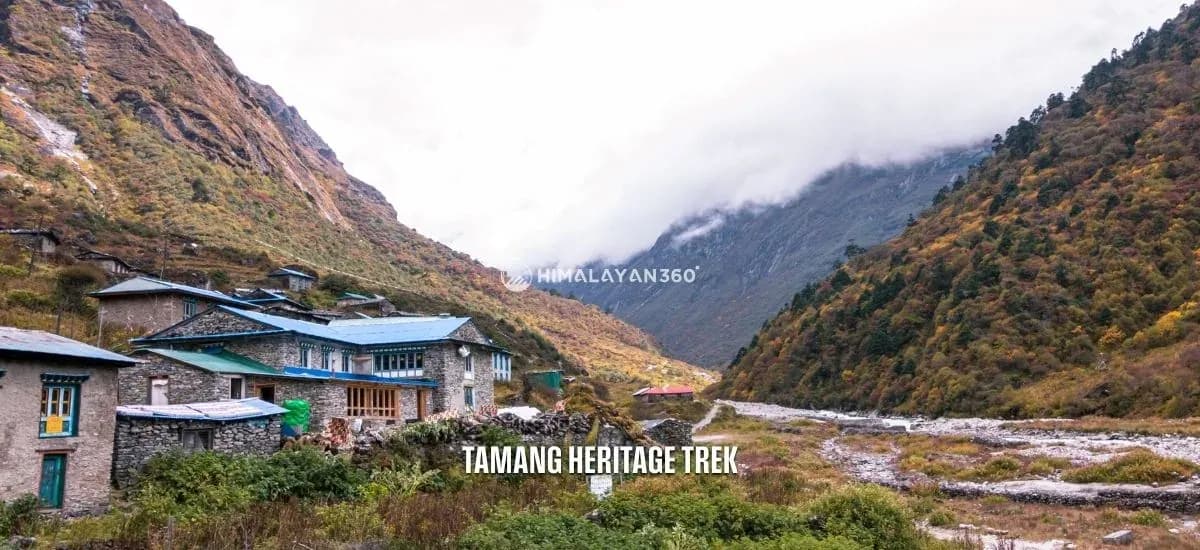
This trek takes you through Tamang villages, pine and rhododendron forests, to high mountain ridges facing the Langtang Himal range. You will also see some of the tallest peaks such as Langtang Lirung, Ganesh Himal, and Dorje Lakpa from open viewpoints near Laurebina and Gosaikunda. The trail also follows glacial streams and alpine lakes formed by ancient Himalayan ice movement thousands of years ago.
The route holds high spiritual value for both Hindus and Buddhists. Local Tamang people still follow old Himalayan traditions, mountain rituals, and monastery cultures. During the Janai Purnima festival, thousands of pilgrims walk to Gosaikunda for bathing in the icy lake. Prayer flags, stone shrines, mani walls, and chanting monks are part of daily life in this region.
The trek enters Langtang National Park, which is the first Himalayan national park established in 1976. The protected area covers around 1,710 sq km and supports wildlife such as the red panda, Himalayan black bear, musk deer, snow leopard and Himalayan monal.
The forest zone also protects medicinal herbs such as yarsagumba (caterpillar fungus), jatamansi, kutki, and chiraito, along with bamboo and pine forests, alpine vegetation, and aquatic ecosystems that connect to the higher Himalayas.
You want to see the beauty of the high Himalayas, but do not have enough time for long treks? Don’t worry, we have the perfect option for you. Langtang Gosaikunda Short Trek is a 5-day journey from Kathmandu to the glacial lakes inside Langtang National Park, reaching an altitude of 4,380M.
This trek takes you through Tamang villages, pine and rhododendron forests, to high mountain ridges facing the Langtang Himal range. You will also see some of the tallest peaks such as Langtang Lirung, Ganesh Himal, and Dorje Lakpa from open viewpoints near Laurebina and Gosaikunda. The trail also follows glacial streams and alpine lakes formed by ancient Himalayan ice movement thousands of years ago.
The route holds high spiritual value for both Hindus and Buddhists. Local Tamang people still follow old Himalayan traditions, mountain rituals, and monastery cultures. During the Janai Purnima festival, thousands of pilgrims walk to Gosaikunda for bathing in the icy lake. Prayer flags, stone shrines, mani walls, and chanting monks are part of daily life in this region.
The trek enters Langtang National Park, which is the first Himalayan national park established in 1976. The protected area covers around 1,710 sq km and supports wildlife such as the red panda, Himalayan black bear, musk deer, snow leopard and Himalayan monal.
The forest zone also protects medicinal herbs such as yarsagumba (caterpillar fungus), jatamansi, kutki, and chiraito, along with bamboo and pine forests, alpine vegetation, and aquatic ecosystems that connect to the higher Himalayas.
How Far Is Gosaikunda from Kathmandu?
Gosaikunda is about 110 to 125KM from Kathmandu once you add the road and the trail together. In a straight aerial line it is only around 67.5KM, but nothing runs that way. The journey splits into two clear parts: a long drive north to the trailhead, then two to three days of walking.
The drive to Dhunche
The road leg is roughly 100 to 120KM depending on the route your vehicle takes, and it runs 6 to 7 hours by bus or jeep. Public buses leave Machhapokhari Bus Park in Kathmandu early in the morning. The road follows the Trishuli River through Trishuli, Bidur and Ramche, then climbs into Langtang National Park, narrowing and roughening well before it reaches Dhunche at 2,023M. That is where the road stops. There is no jeep track and no helipad at the lake itself, so everything above Dhunche is walked.
The walk to the lake
From Dhunche the trail to Gosaikunda is 15.4KM on our route: 7.3KM to Sing Gompa on day 2, then 8.1KM to the lake on day 3. Other approaches, including coming in from Syabrubesi, stretch the walk out to 25KM, which is why you see the trail quoted as a range.
What matters more than the distance is the climb. You start at 2,023M in Dhunche and finish at 4,380M at the lake, so the trek gains about 2,350M in two walking days. That is quick, and altitude sickness is a real risk if you push it, which is why the itinerary breaks the ascent with a night at Sing Gompa at 3,311M.
Why Choose Himalaya 360 for Gosaikunda Short Trek?
Choosing Himalayan 360 for the Gosaikunda Short Trek means you’ll travel with experienced local guides who care about your comfort, safety, and the Himalayan environment. Here are some reasons to choose us:
- Experienced local guides with deep knowledge of the Langtang and Gosaikunda region
- Government-registered and trusted trekking company in Nepal
- Friendly support team available before and during the trek
- We offer 100% personalized trips so you can customize the Gosaikunda itinerary to your preferred pace and preferences.
- All guides are government-certified, physically strong, and have medical backgrounds
- Strong focus on safety, eco-friendly travel, and responsible tourism
- Excellent value for money with quality service and transparent pricing
Why is Gosaikunda Lake Sacred?
Gosaikunda is one of the most sacred alpine lakes because of its importance in Hindu and Buddhist traditions. According to Hindu belief, the lake was created by Lord Shiva during the cosmic ocean churning. After drinking a deadly poison called Halahala to save the world, Shiva searched for cold water to cool his burning throat. It is believed that he struck the mountains with his trident, creating Gosaikunda Lake.
For Buddhists, Gosaikunda represents peace and purity. Many people connect the lake with Avalokiteshvara, the Bodhisattva of compassion, and visit the area for prayer and meditation. The lake also holds religious importance for the Tamang and Sherpa communities, where local shamans perform drumming and spiritual rituals to honor mountain spirits. Located at an altitude of about 4,380M, Gosaikunda is not only a natural wonder but also an important spiritual site in the Himalayas.
Porter Service for Gosaikunda Short Trek
Hiring a porter for the short trek to Gosaikunda Lake is a practical option for trekkers who want a more comfortable journey. Porter service for the Gosaikunda Short Trek costs USD 140 per porter for the entire trek. One porter can carry up to 18 kg of luggage, and the service can be shared between two trekkers.
Porter services make the trek much easier on the steep stone staircases and high-altitude areas near Laurebina and Gosaikunda Lake. With lighter backpacks, you can walk more conveniently by saving energy and reducing physical pressure on extended trekking days. Porters are familiar with mountain trails, and they help trekkers enjoy the journey more safely while supporting the local mountain economy and jobs in the Langtang region.
Why Separate Gosaikunda Trek Instead of Combining with Langtang Trek?
Many travelers choose the Gosaikunda trek separately because it is shorter and easier to fit into a limited travel schedule. The Gosaikunda Short Trek can be completed in 4 to 5 days from Kathmandu, while combining it with the Langtang Valley route takes 9 to 12 days.
The two treks also offer very different experiences. The Gosaikunda route is known for its spiritual importance, glacial lakes, and beautiful mountain range views. In comparison, the Langtang Valley trek focuses more on local Tamang culture, traditional villages, forests, yak pastures, and glacier scenery. Travelers who want a spiritual mountain journey with open landscapes prefer the separate Gosaikunda trek.
Weigh it up
How Gosaikunda Short Trek compares with the trips people most often weigh it against.
| Trip | Days / Distance | Difficulty | From |
|---|---|---|---|
| Gosaikunda Short Trekthis trip | 5 days30.8 km | Easy | $200 |
| 5 Days Mardi Himal Trek | 5 days | Medium | $294 |
| Chisapani Nagarkot Hike | 5 days | Easy | On request |
| Ghorepani Poon Hill Trek | 5 days31 km | Easy | $488 |
| Poon Hill Ghandruk Yoga Trek | 6 days34 km | Easy | $570 |
FAQs for Gosaikunda Short Trek
Is there Wi-Fi or electricity on the trail?
Where is the start point of Gosaikunda trek?
Are there really 108 lakes in the area?
What is Gosaikunda famous for?
Does the lake ever change color?
What permits do I need?
What is the must-eat food on this specific route?
Can I actually swim in Gosaikunda Lake?
More trips like Gosaikunda Short Trek
Other trips in this region
 13 Days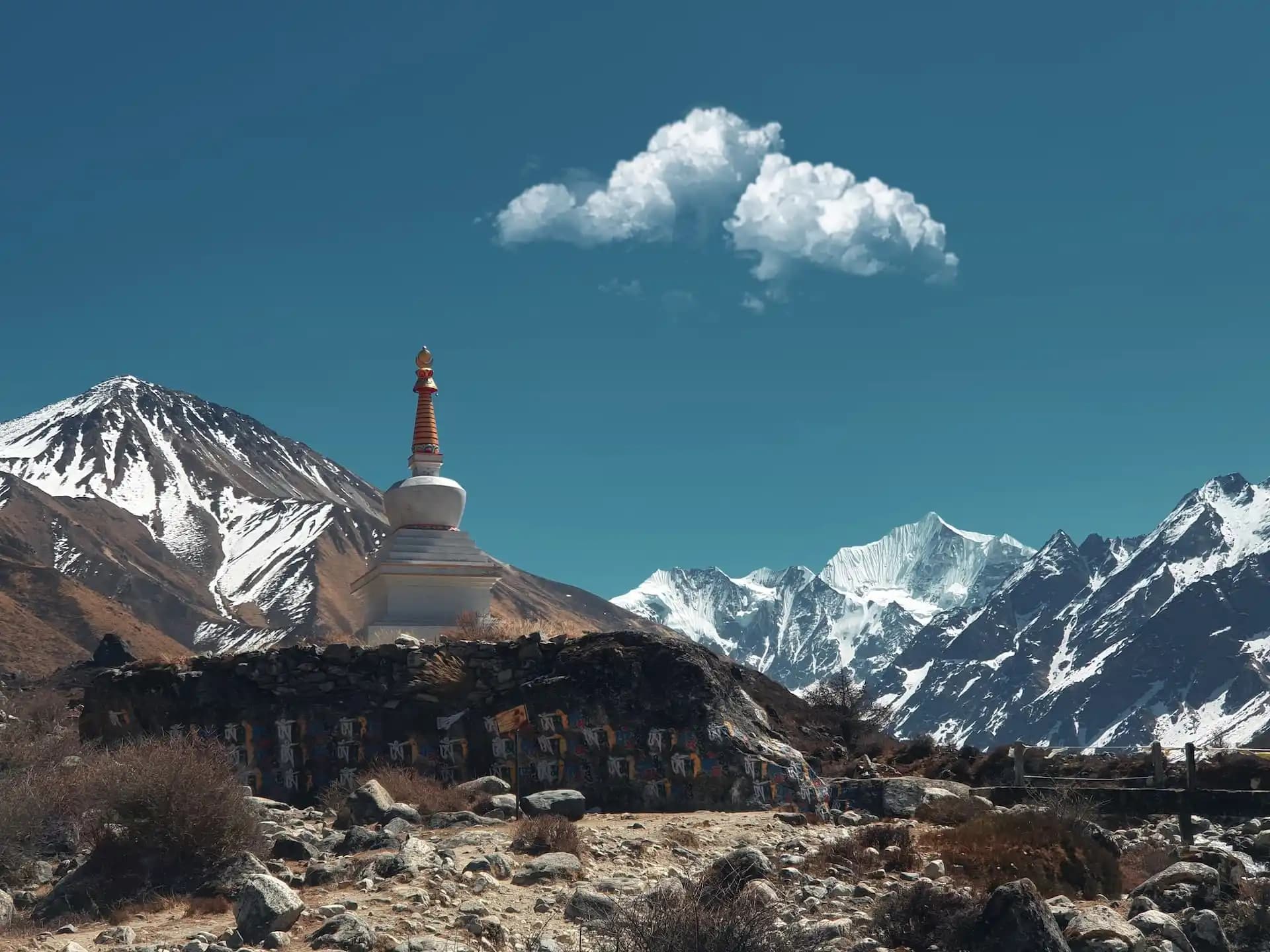
$200 per person
Himalayan360Everything there is to do in the Himalayas
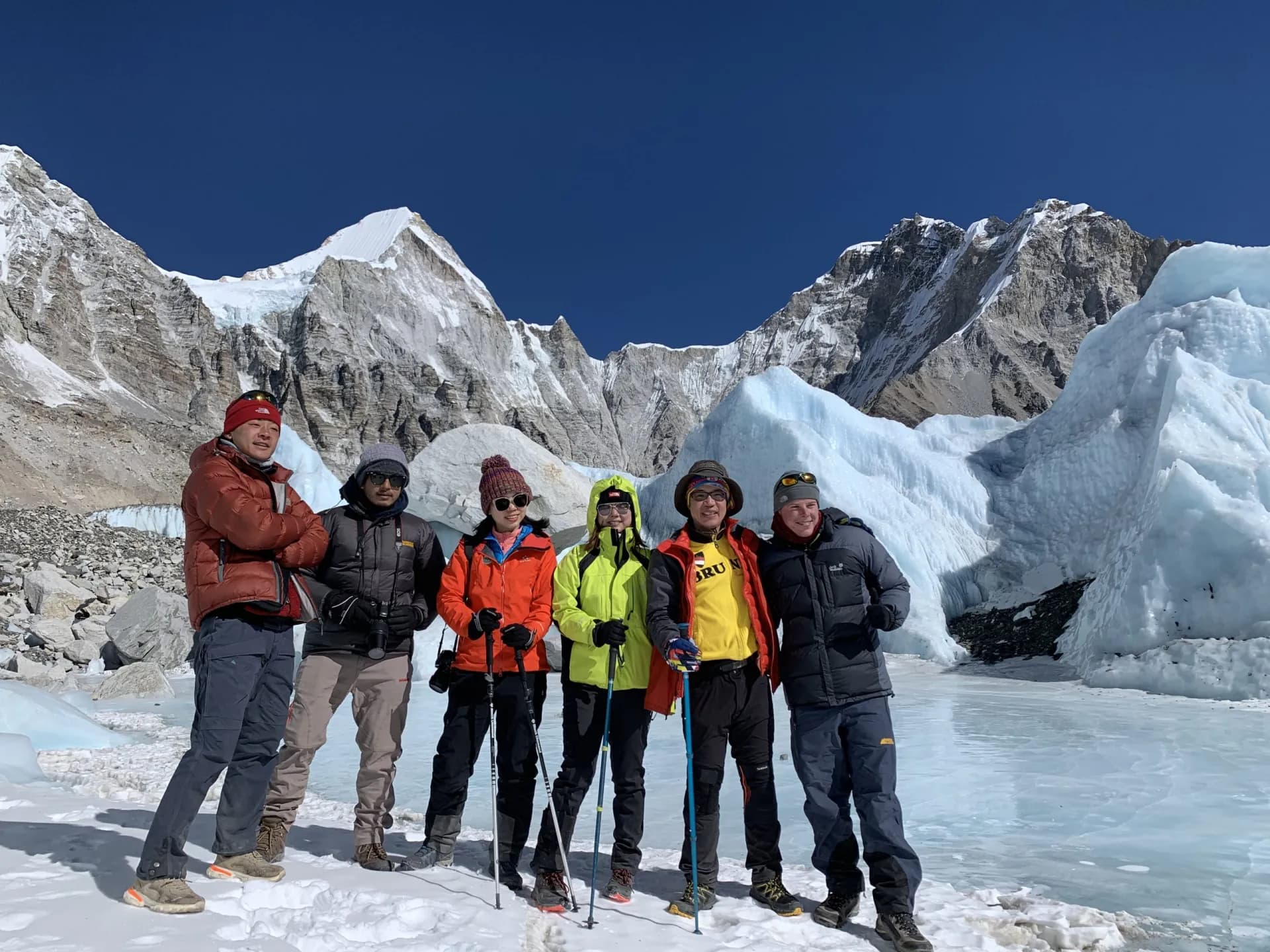
- AdventureTrek the Himalayas, fly over them at sunrise, land at base camp, drift across the lake at Pokhara
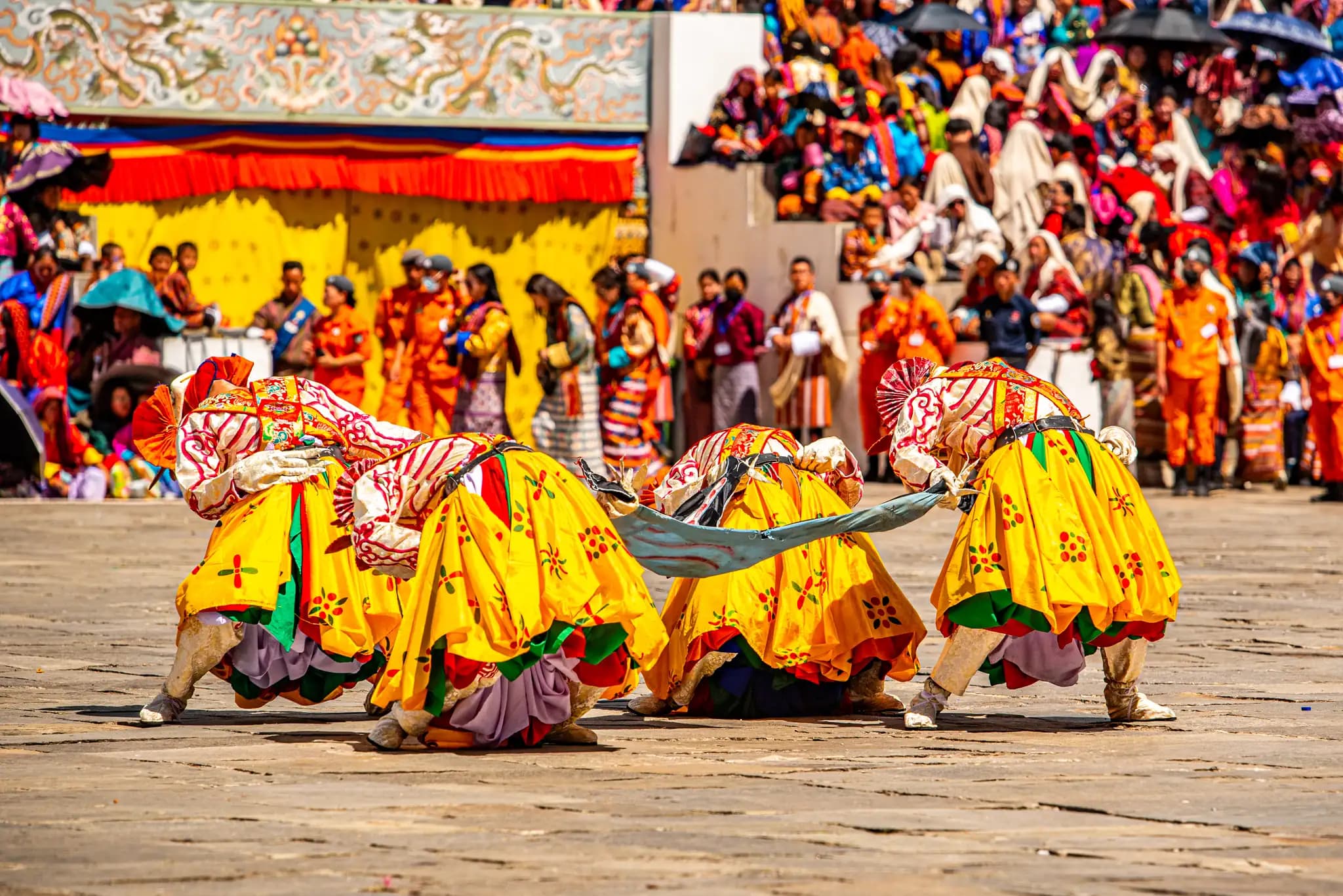
- CulturalLearn Kathmandu’s temples, eat your way through the city, sit at a festival in Bhutan
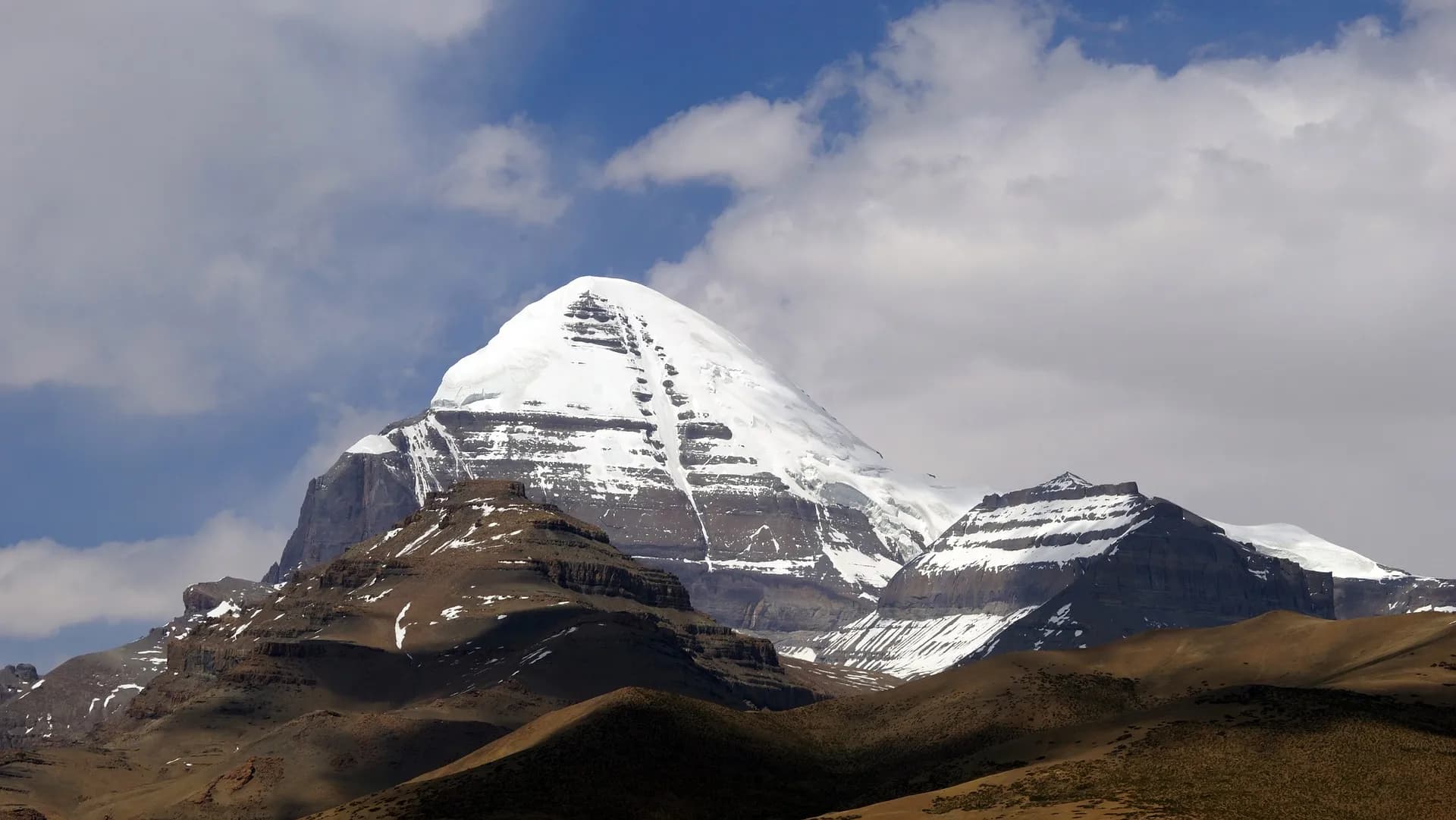
- SpiritualRoll out a yoga mat on the trail, walk to Muktinath, cross Tibet to Kailash
Every path, Himalayan360 has you covered.
 Trek
Trek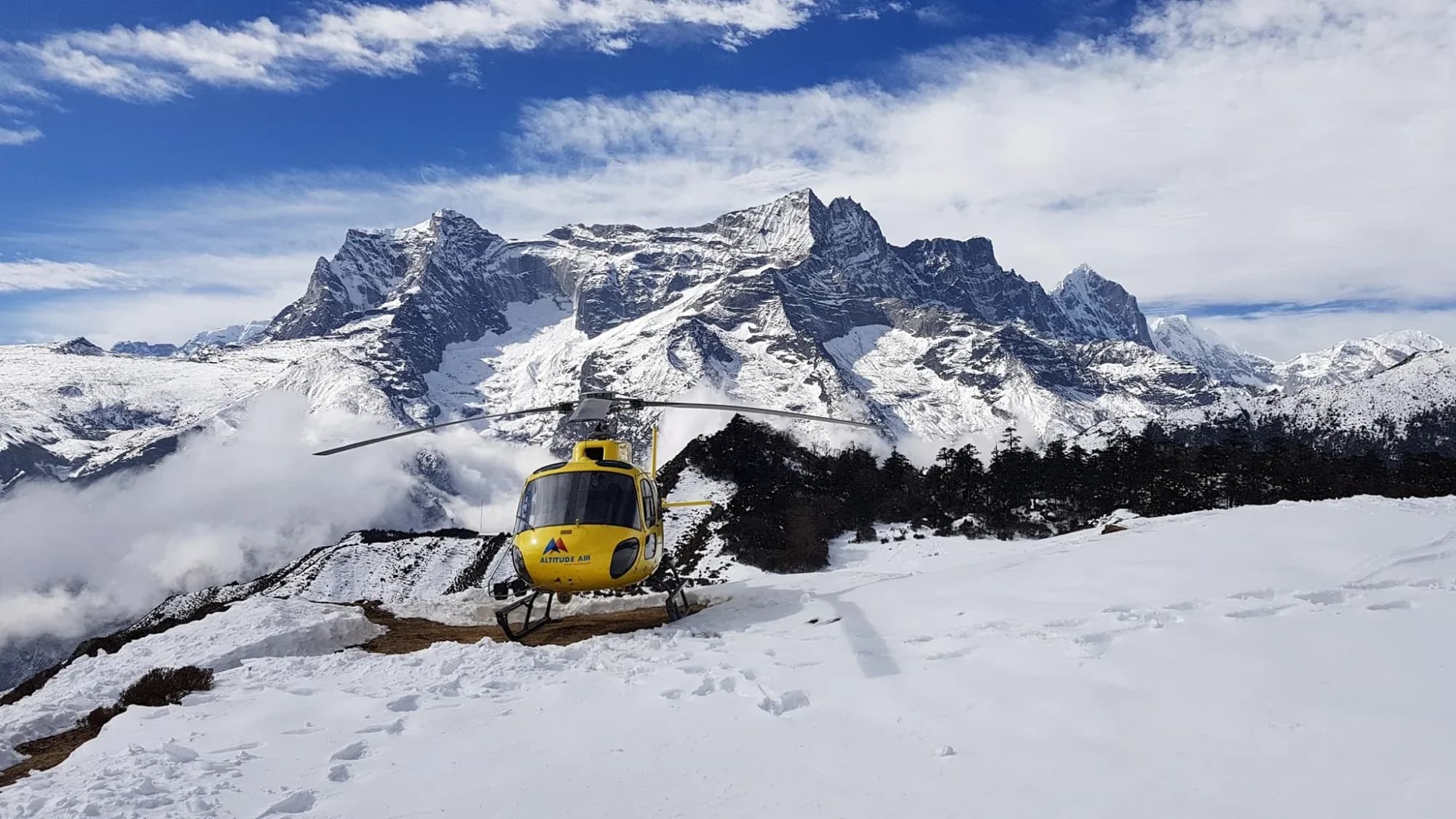 By air
 Pilgrimage
 Festivals
 Wildlife
 Luxury
 Yoga
Yoga Food
Food Heritage