Kailash Yatra Fixed Departure Date 2026 Click Here
Kailash Mansarovar Yatra Tour Package 2026
The Kailash Mansarovar Yatra is a sacred journey to Mount Kailash and the sacred Lake Mansarovar located in Tibet, China.It is one of Asia’s holiest pilgrimages to Tibet, the Chinese autonomous region. It is a rare journey where pilgrimage, high‑altitude trekking, and Himalayan landscapes come together in one powerful experience.
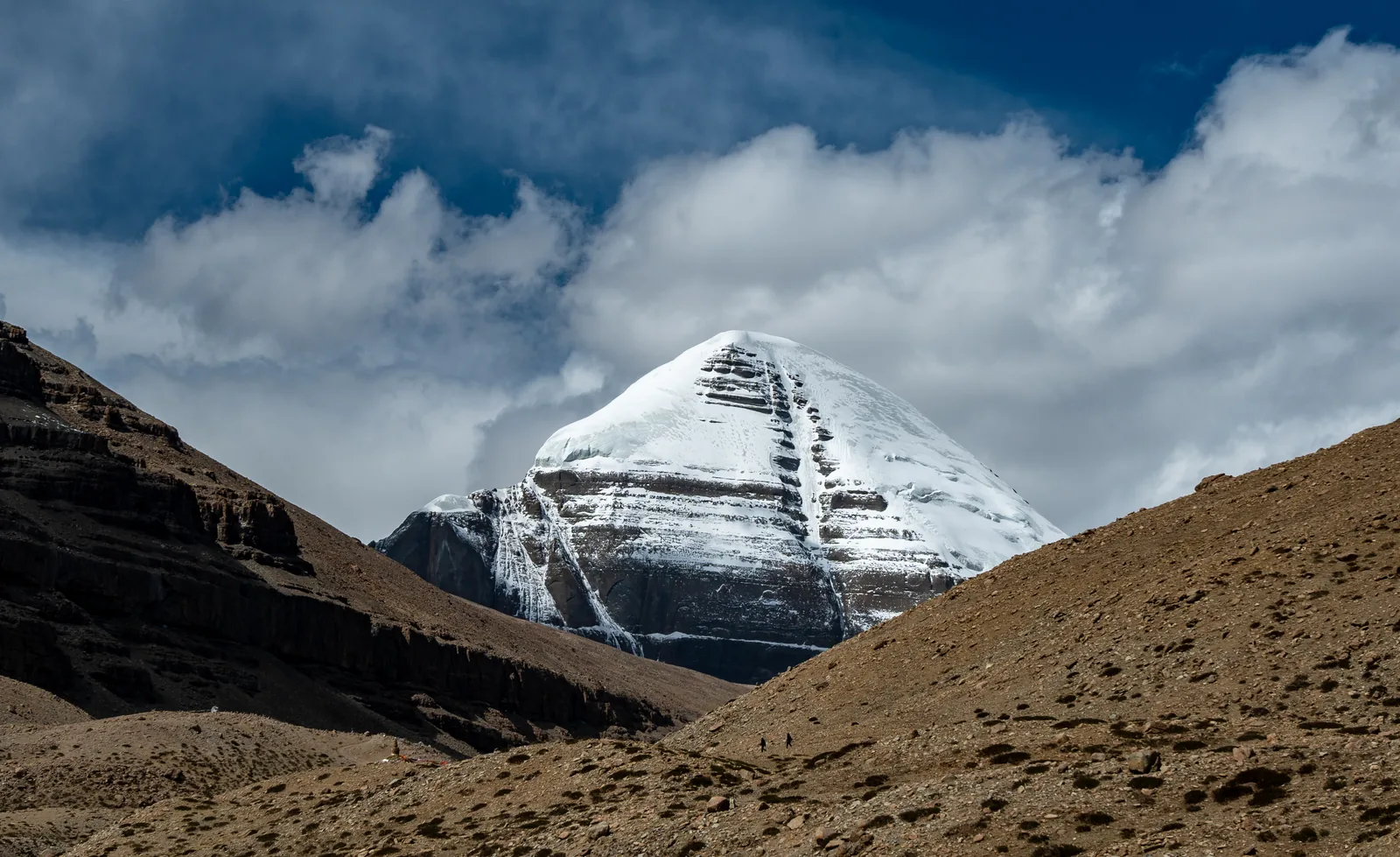
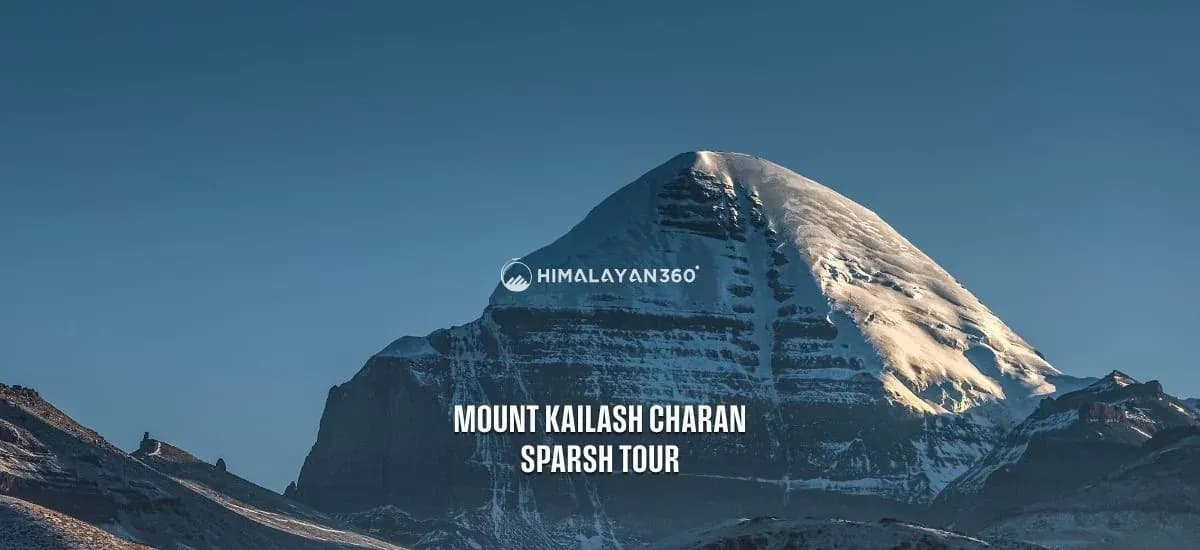
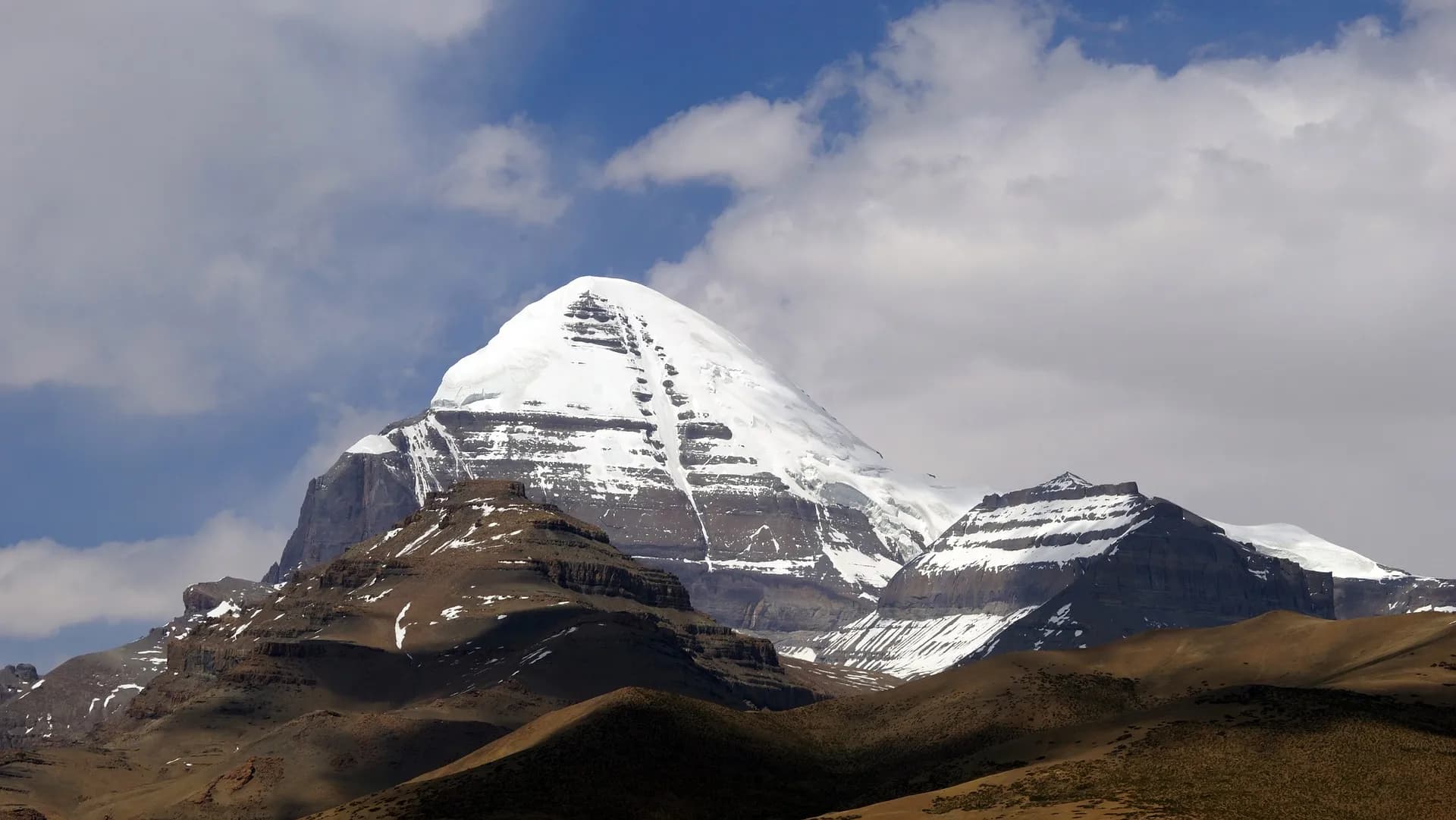
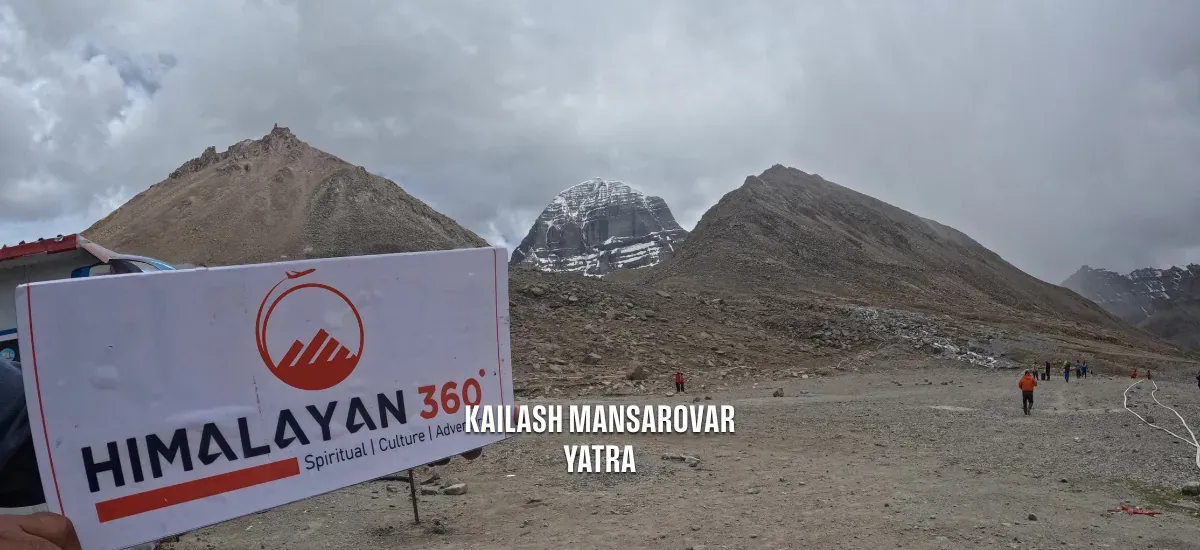
Mount Kailash (6,638M) is considered the abode of Lord Shiva and the spiritual center of the universe. Likewise, holy Lake Mansarovar is believed to have been created by Lord Brahma and symbolizes purity and divine creation. For Hindus, Buddhists, Jains, and Bon followers, traveling here is a deliberate step toward moksha, self-purification, and profound spiritual rejuvenation.
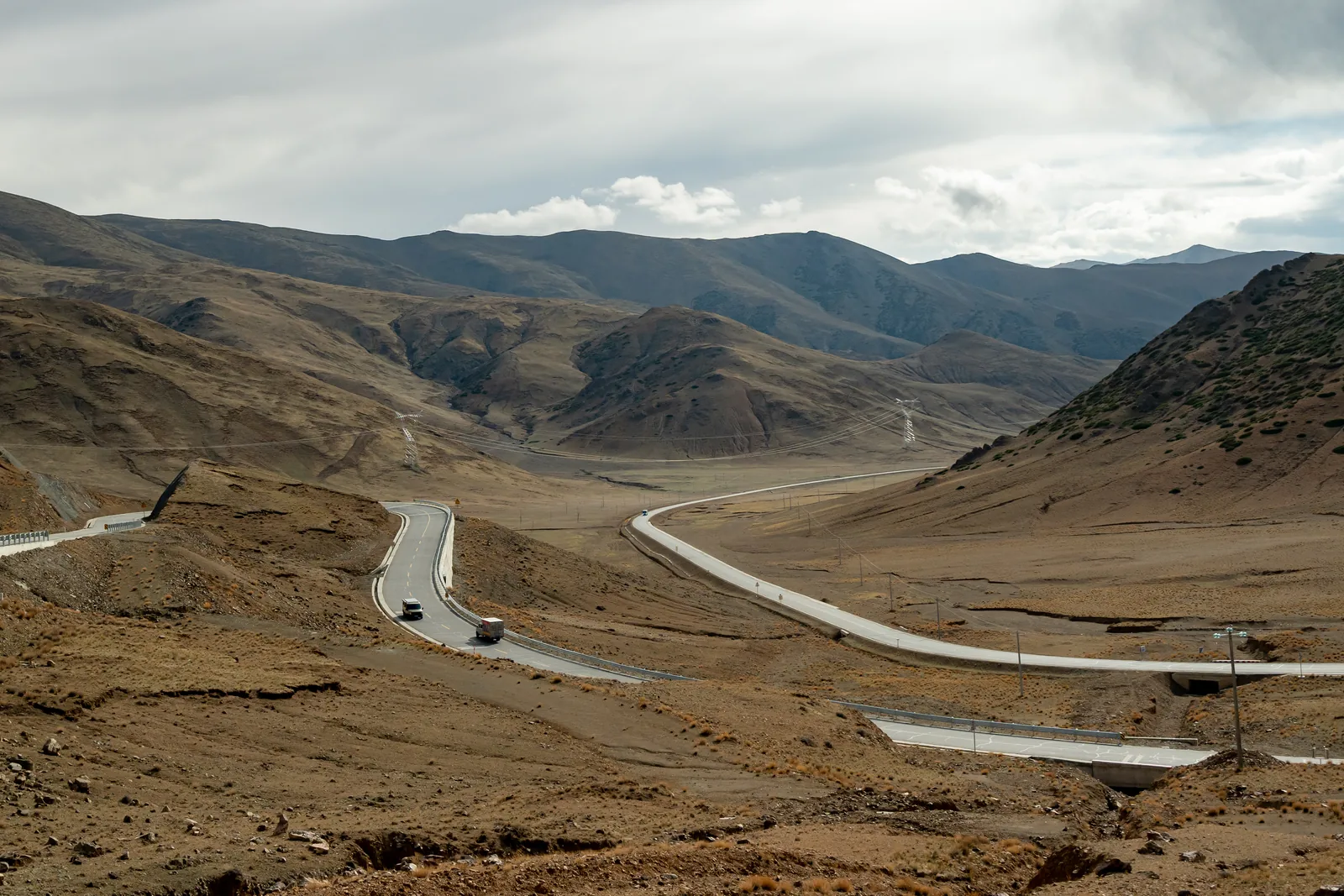
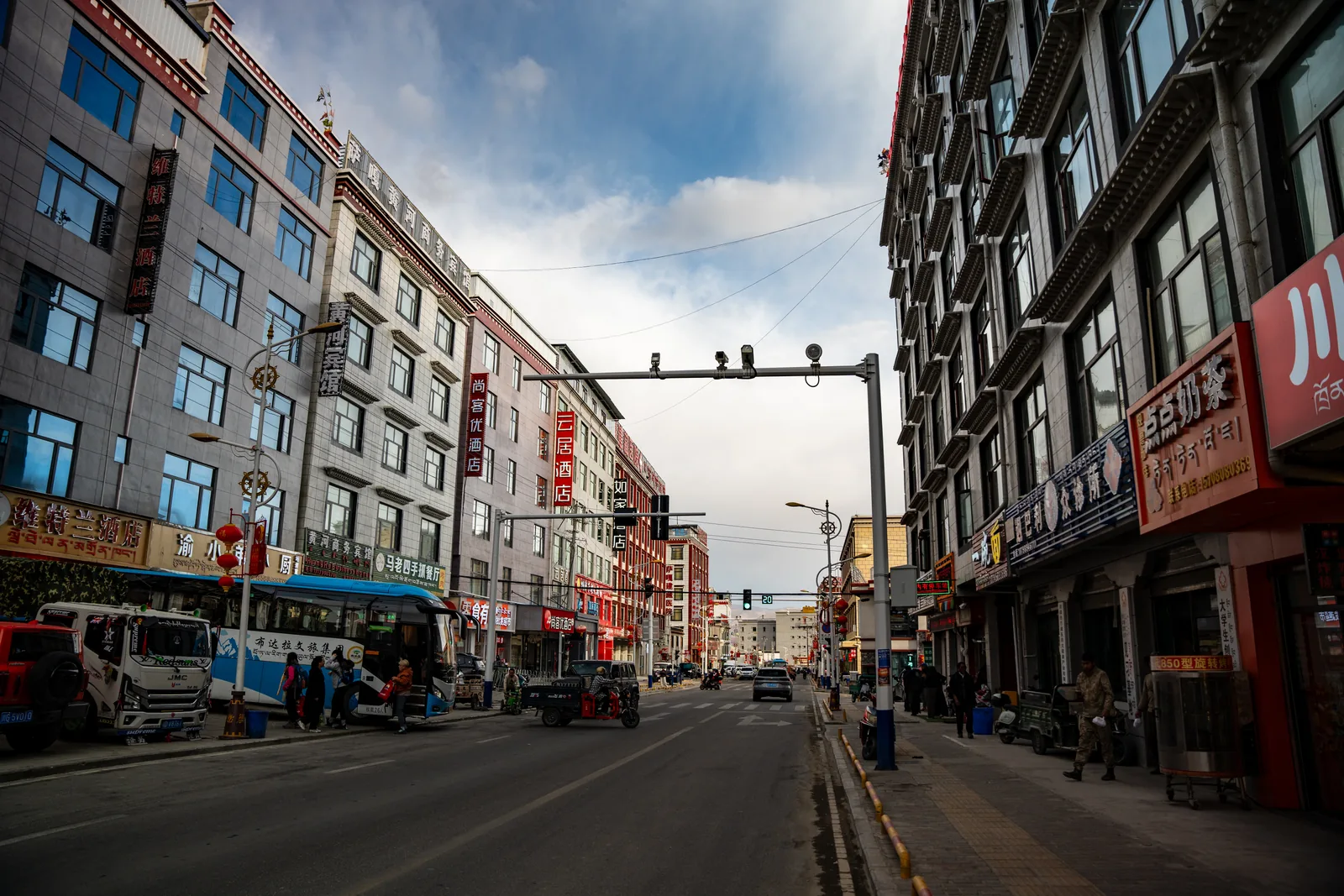
The Mount Kailash and Lake Mansarovar tour starts in Kathmandu and follows a path that crosses the Nepal-Tibet border at Kyirong (also called Gyirong). Later, the drive to Kailash and Mansarovar Lake continues by road over the vast Tibetan plateau to Lake Mansarovar and the base town of Darchen. The development of black top and asphalt roads and improved infrastructure has made this formerly remote area accessible these days. This means what used to be an extremely severe approach is now a manageable overland pilgrimage, which is generally done in about 15 days.
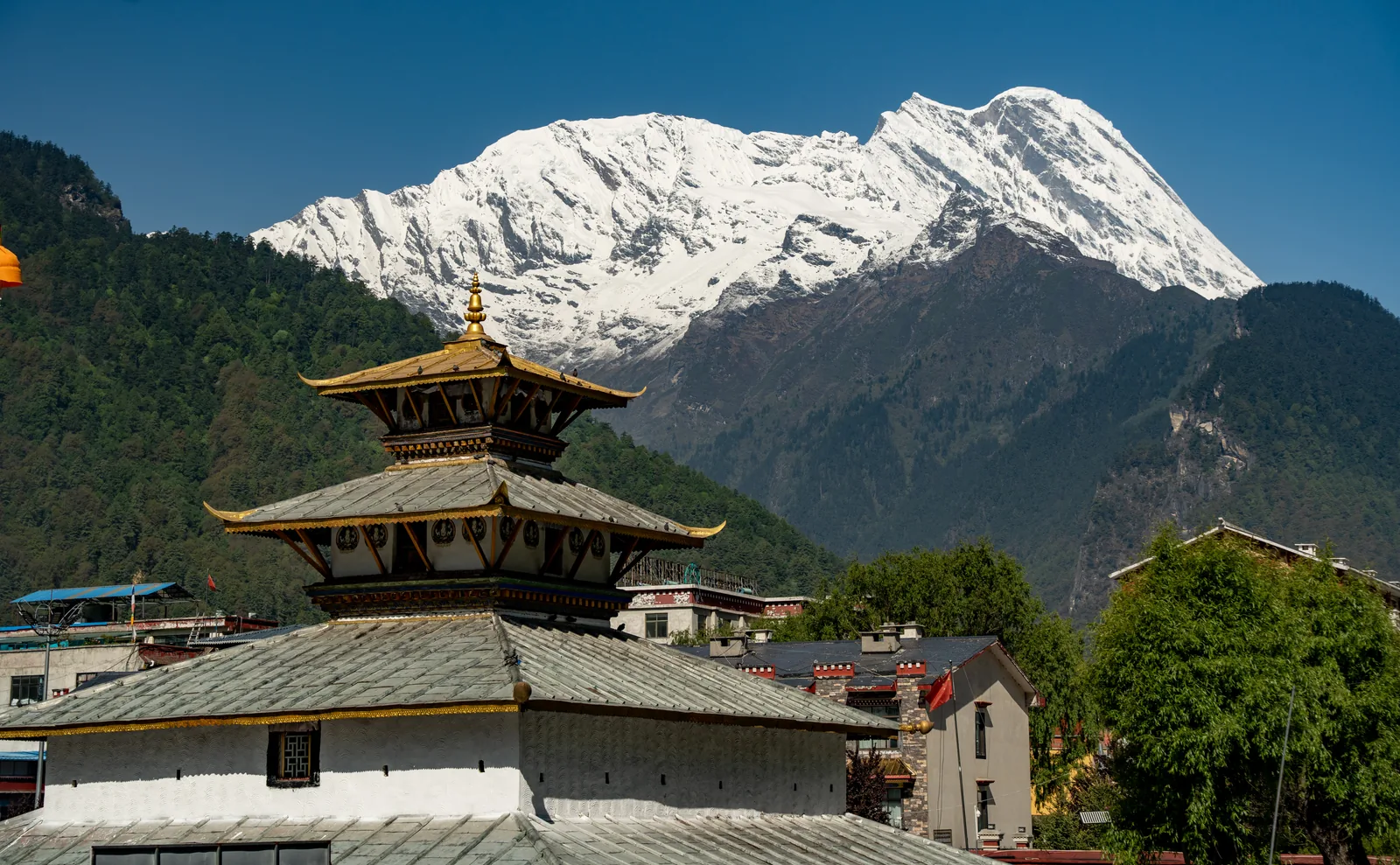
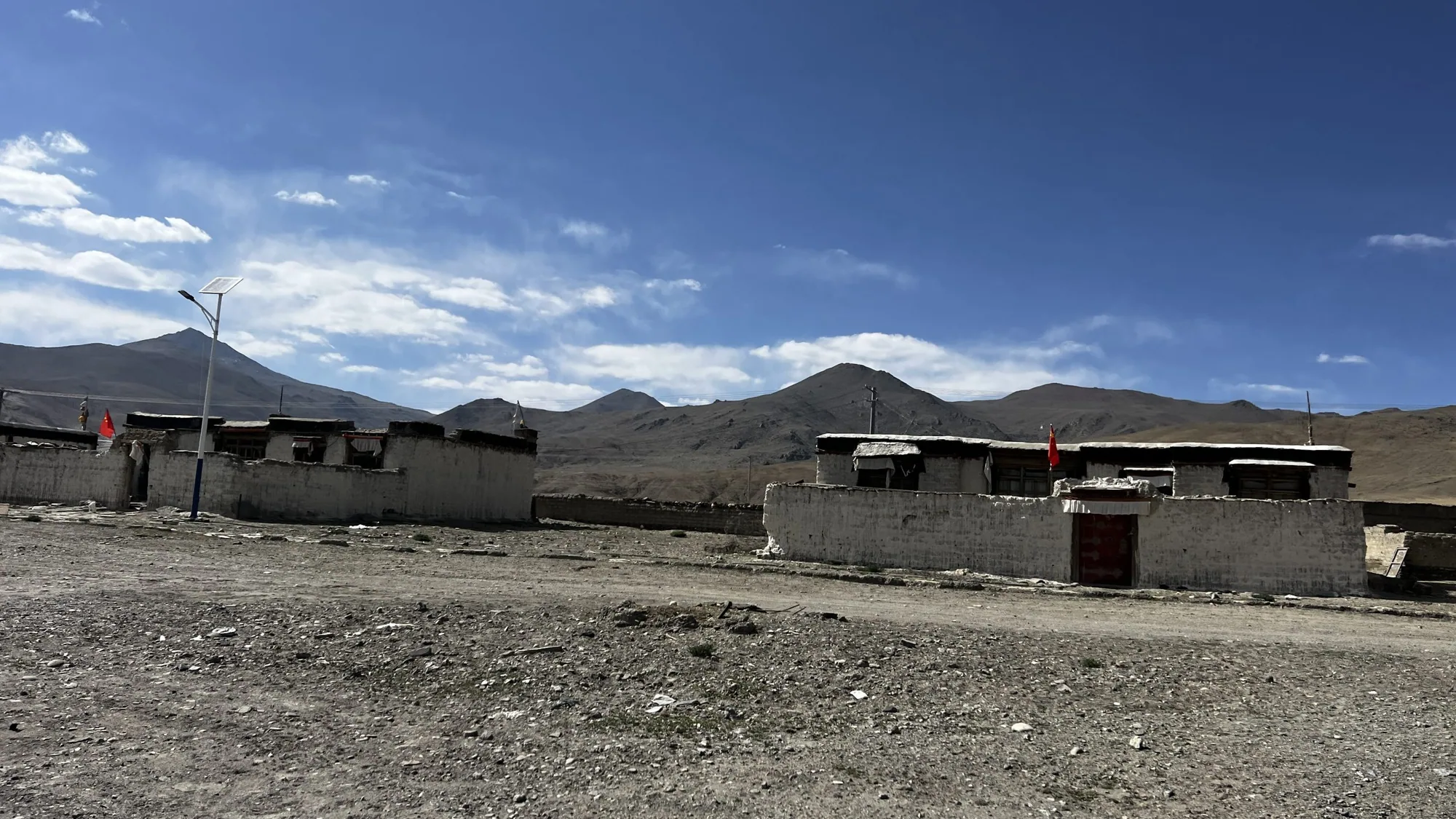
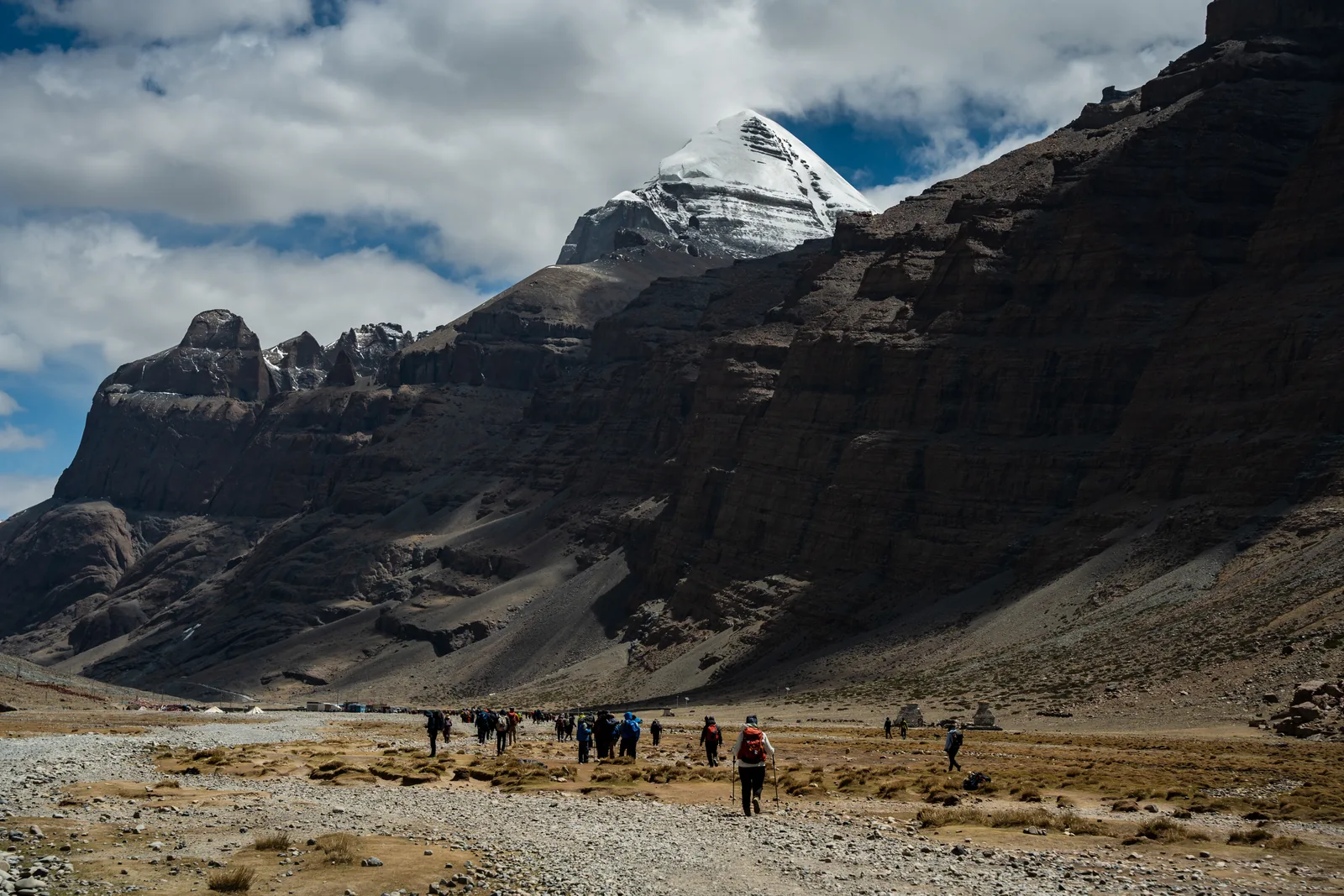
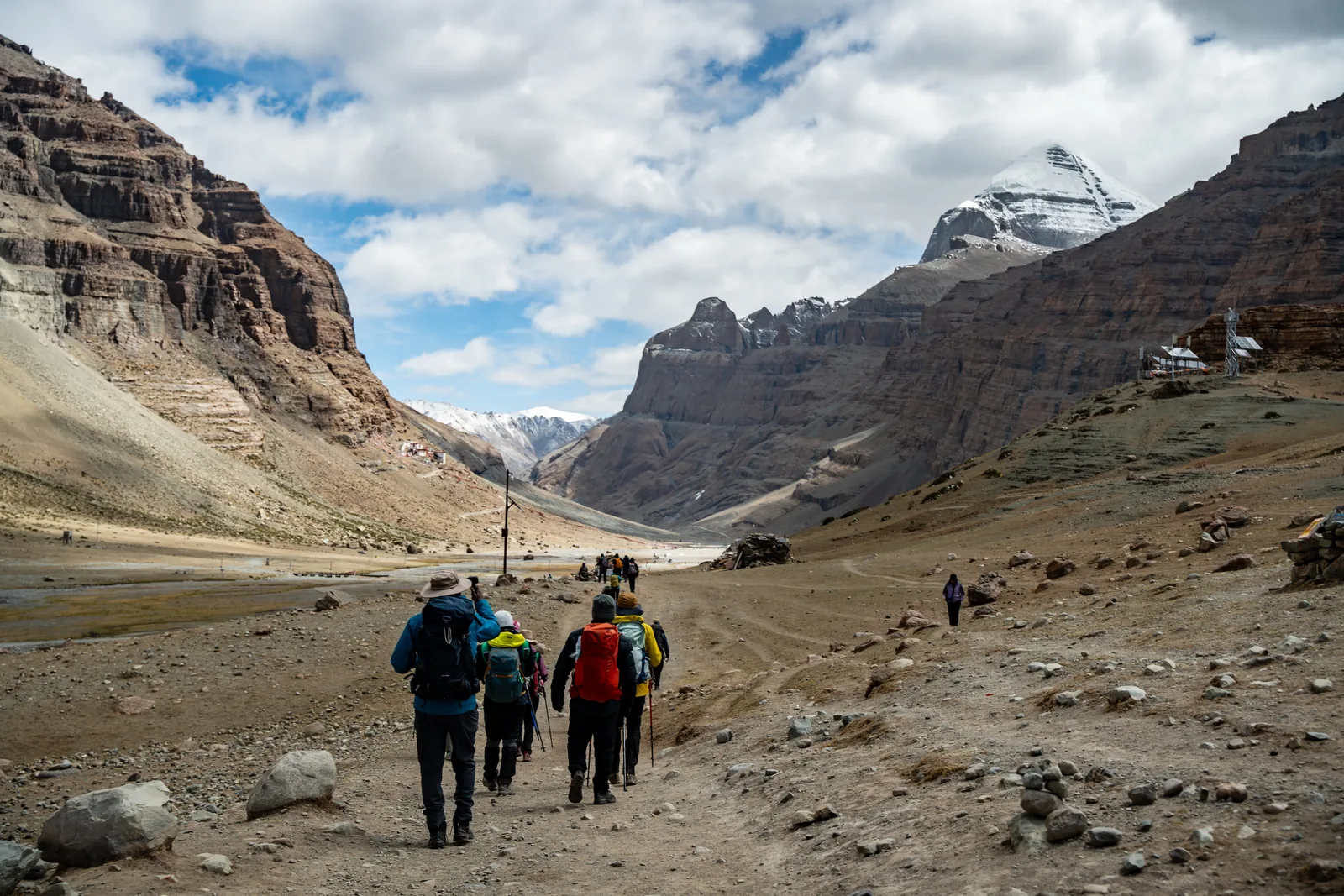
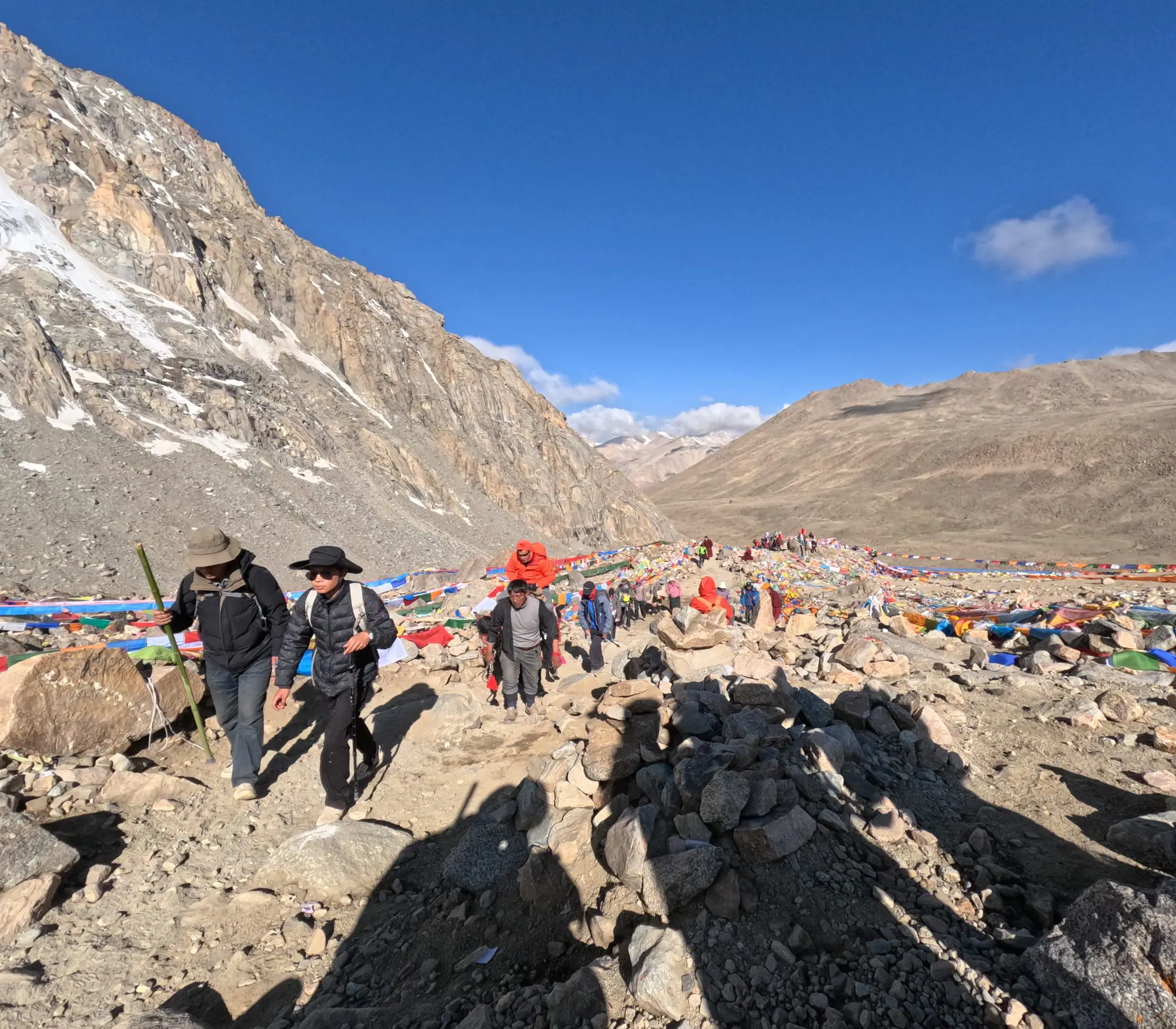
Along the Kailash Mansarovar route, you will see high passes, wide grassy plains, snow-capped Himalayan ranges, and quiet Tibetan villages. You will also get time to acclimatize before the start of the 52KM Kailash Parikrama (Kora) around the mountain. The Kora takes 3 days and involves the climb of Dolma La Pass (5,630M). Crossing it is quite tough, and a good physical condition is necessary. The top of the pass gives you the sight of deep valleys, sacred Rakshas Tal, as well as monasteries that have stood as spiritual sites for centuries.
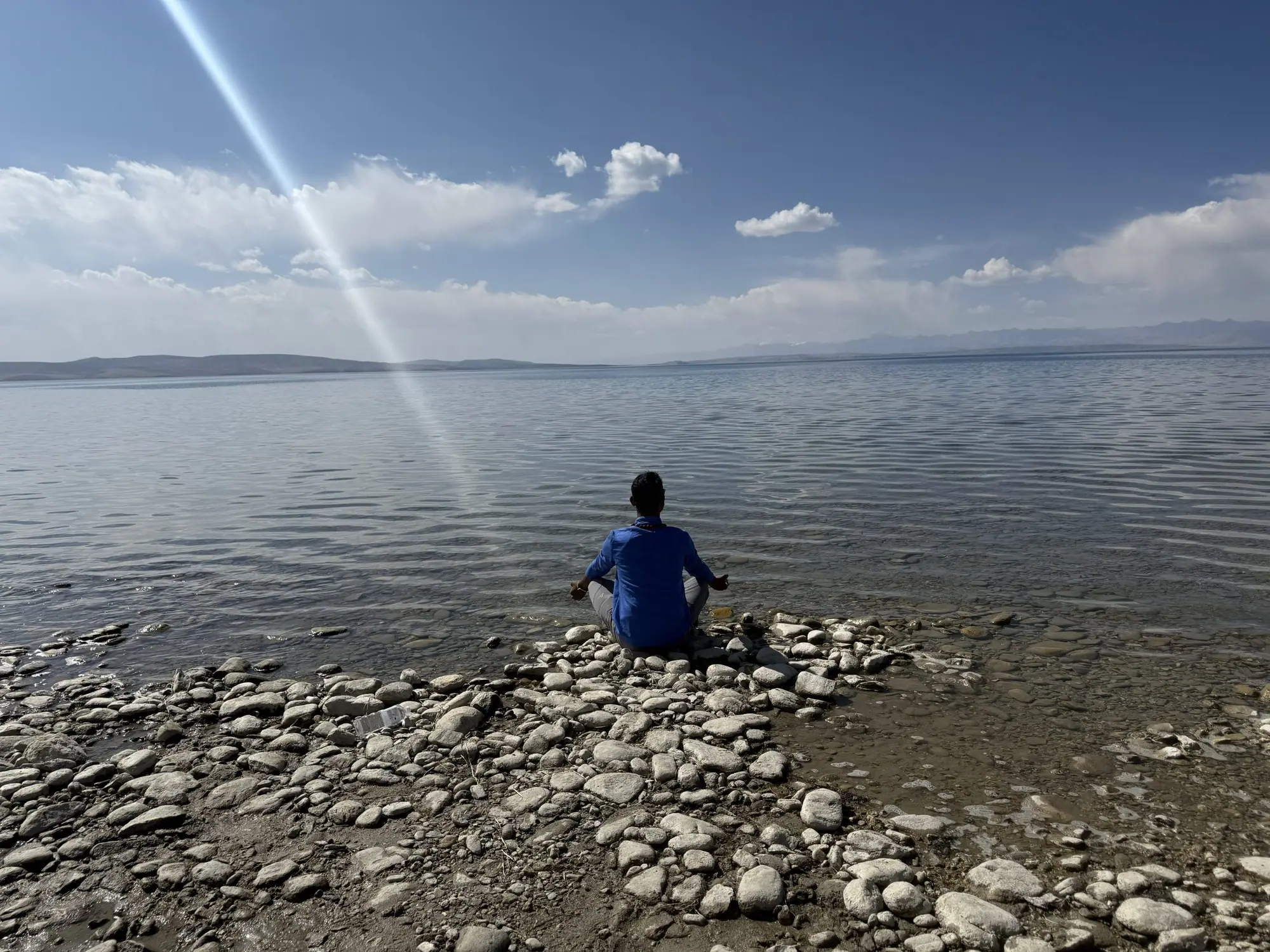
Likewise, every element of the Kailash yatra carries meaning. Devotees take a dip or sprinkle water from Lake Mansarovar on themselves in order to cleanse their past deeds. They perform the Kailash Kora to get rid of old karma, and spend quiet time in monasteries and meditation caves associated with saints like Milarepa. Many people report feeling a strong sense of connection with those they walked alongside, as they shared prayers, stories, and rituals, even though they spoke different languages and had different traditions.
Ready to begin your Kailash Mansarovar Yatra from Kathmandu?
Contact us today to check availability, dates, and detailed itineraries for the upcoming season.We at Himalayan 360 offer safe and comfortable Kailash Mansarovar tours. We handle permits, accommodations, and transport so you can focus on your spiritual journey.
Max. Altitude
5,630M/18,471FT
Best Season
May, Jun, Jul, Aug & Sept
Travel Distance
2,005KM/1,246Miles (Kathmandu to Kathmandu Drive)
Difficulty
Destination
Nepal
Transportation
Jeep | Bus
Start / End
Kathmandu/Kathmandu
Accommodation
Meals
Language
English | Chinese
Route
KTM-Saga-Mansasovar-Darchen-Zutulpuk-KTM
Trip Type
Religious Trip
Trek Distance
52KM/32Miles
Major Highlights of Kailash Circumambulation
- Walk around Mount Kailash, known as the abode of Lord Shiva and Goddess Parvati.
- Enjoy the peaceful beauty of Lake Mansarovar, believed to have been created by Lord Brahma from his consciousness. (according to Hindu Mythology).
- Complete the 42KM Kailash circumambulation (Parikrama/Kora) starting from the Tarboche Flagpole, which is believed to cleanse sins.
- Cross the highest point on the Kailash Kora, Dolma La Pass at 5,630M.
- Visit Gauri Kund, also called the Lake of Compassion, where Goddess Parvati is said to have created Lord Ganesha.
- Observe views of snow-covered peaks, turquoise lakes, open plains, and the Tibetan plateau along the route.
- Experience different cultures, languages, and religions influenced by three nations: India, Nepal, and Tibet (China).
- Take part in a journey respected by four religions – Hinduism, Buddhism, Jainism, and Bon.
Kailash Mansarovar Yatra in the Horse Year, 2026
Doing the Kailash Mansarovar Yatra in 2026 is very special because it is the Horse Year. It is a rare event that happens only once every 60 years. In the Chinese and Tibetan zodiac, each year has an animal, and the horse comes every 12 years. The last Tibetan year of the horse was in 2014, and now the next begins on February 17, 2026.
Many believe that during the Horse Year, the spiritual power of Mount Kailash and Lake Mansarovar is stronger than usual. This makes completing the Kailash Kora very lucky. Pilgrims say that strength and determinationparikrama in the Horse Year is equal to 12 parikramas in other years. So they will receive many times more blessings.
Moreover, since the horse represents progress and courage, it is believed to give pilgrims the strength and determination to complete this sacred journey. Also, this year is linked to important spiritual events. The famous Buddhist poet Milarepa climbed Mount Kailash in a Horse Year, and the birth of Buddha Sakyamuni is also connected to the Horse Year.
This way, the Horse Year is one of the best times for the Kailash Mansarovar Yatra. It brings good luck, prosperity, and spiritual growth. For anyone planning the Kailash Mansarovar Yatra, 2026 is a rare and very special chance.
Kailash Mansarovar Yatra Outline Itinerary
15 Days Kailash Mansarovar Yatra Itinerary
Day 01: Arrival In Kathmandu
| Itinerary Fact | Details |
|---|---|
| Time: | 11:00-14:00 |
| Trek Distance: | N/A |
| Travel Duration: | 25Minutes |
| Travel Distance: | 5KM/3Miles |
| Highest Altitude: | 1,400M/4,593FT | Kathmandu |
On the first day of the Kailash Mansarovar Yatra, you will arrive in Kathmandu. Upon your arrival, we will take you to the Chinese Embassy (open Monday to Friday) located in Baluwatar to get a Chinese Group Visa. Here, you will have to submit original passports, photos, and fingerprints for the visa processing. After submission, we will wait for the visa to be issued.
But if you are eligible for a visa on arrival, our team will take you directly to the hotel. In the evening, enjoy dinner at the hotel and relax after your journey. An exciting Kathmandu tour awaits you tomorrow.
| Itinerary Fact | Details |
|---|---|
| Meals: | Dinner |
| Accomodations: | 3/4 Star Hotel |
Day 02: Explore Temple In Kathmandu
| Itinerary Fact | Details |
|---|---|
| Time: | 09:00-17:00 |
| Trek Distance: | N/A |
| Travel Duration: | 7Hours |
| Travel Distance: | 30KM/18Miles |
| Highest Altitude: | 1,400M/4,593FT | Kathmandu |
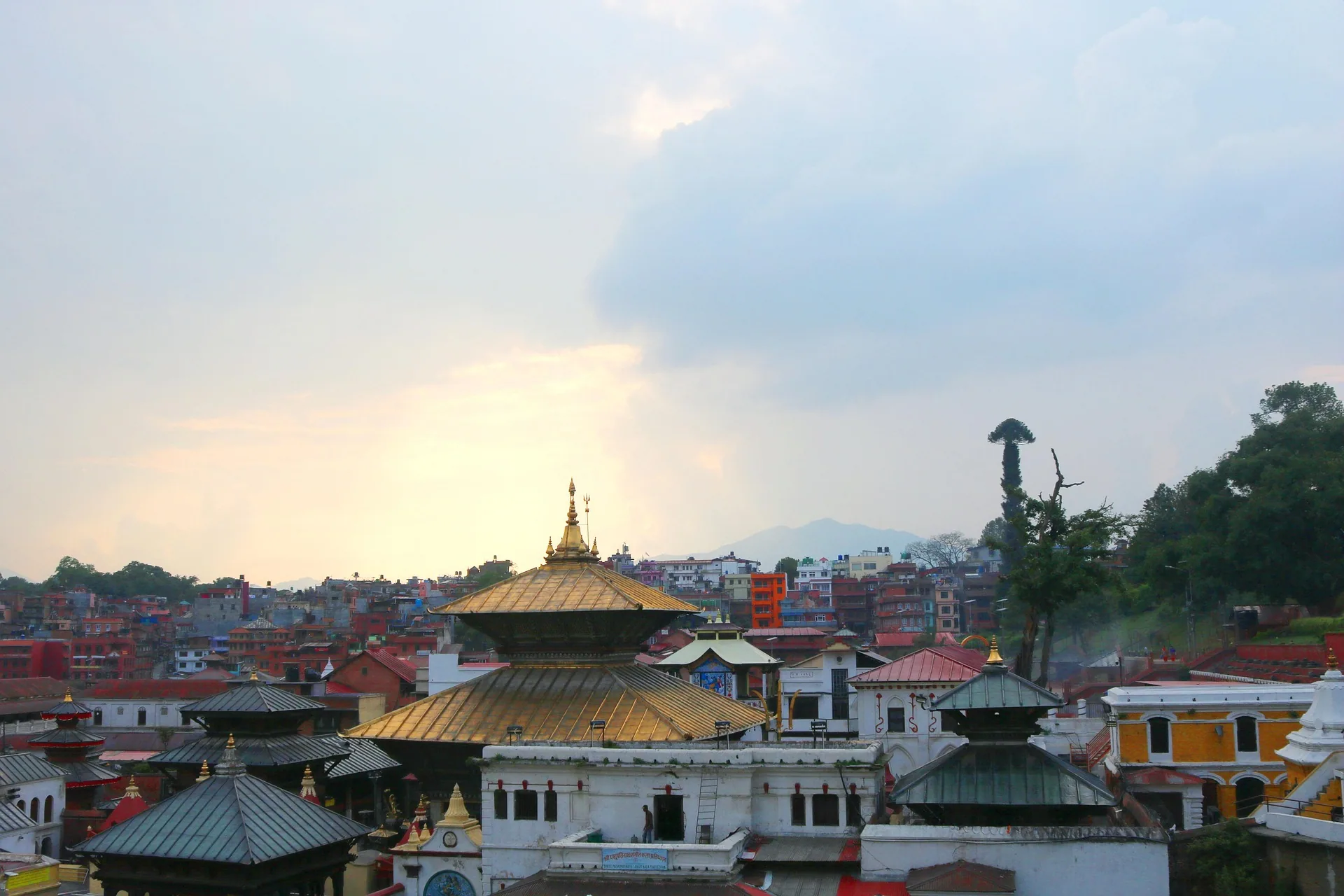
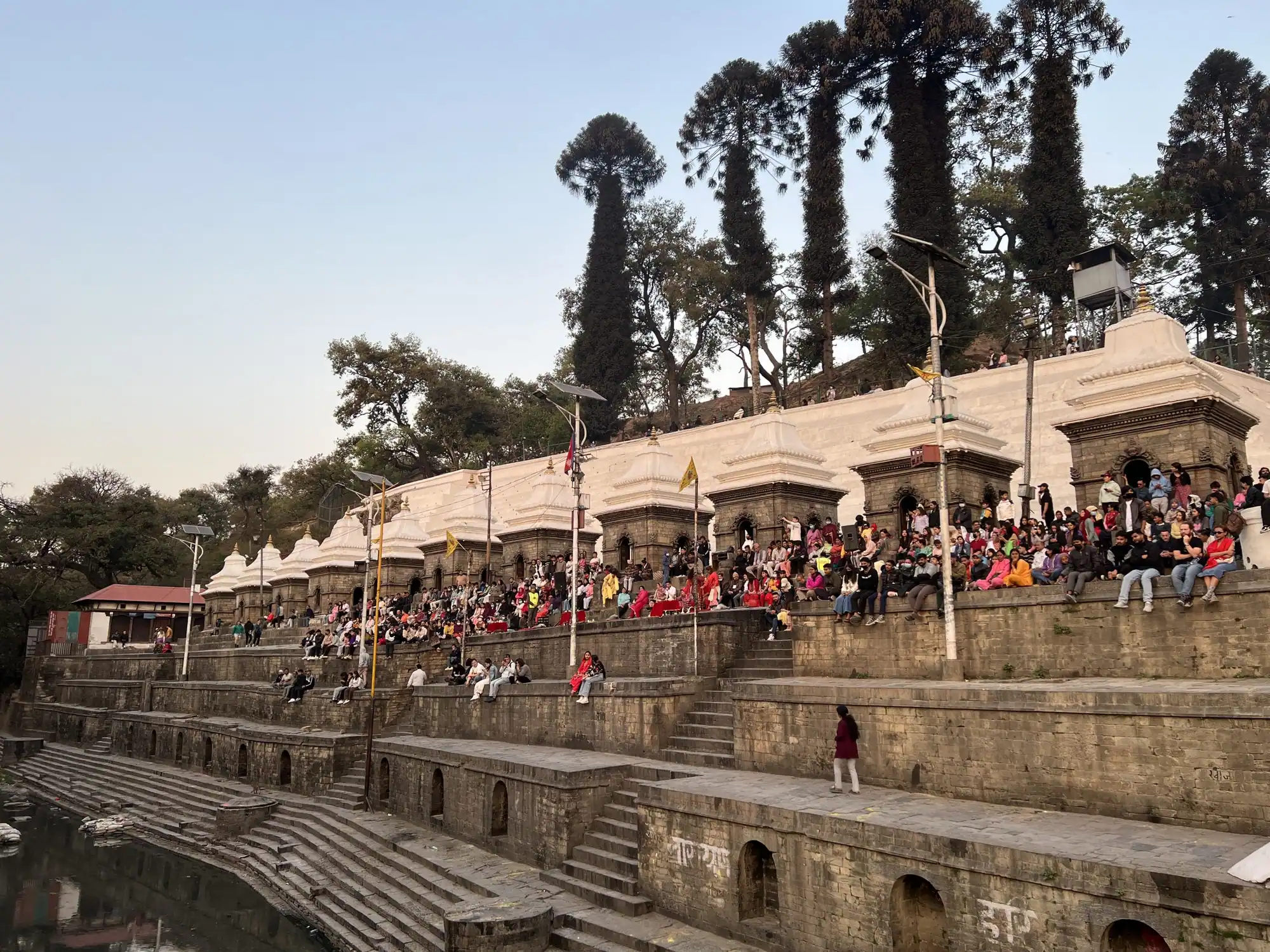
You will start the day with a delicious breakfast at your hotel. Then you will head out to explore some of the main temples in Kathmandu. Your first stop is Pashupatinath Temple. It is one of the most revered Hindu temples in Nepal. Here, you can watch sacred rituals like the Rudra Abhishek (ceremonial bathing of the Shiva lingam), funeral rites on the cremation ghats, take part in a puja ceremony, and experience the spiritual atmosphere along the Bagmati River.
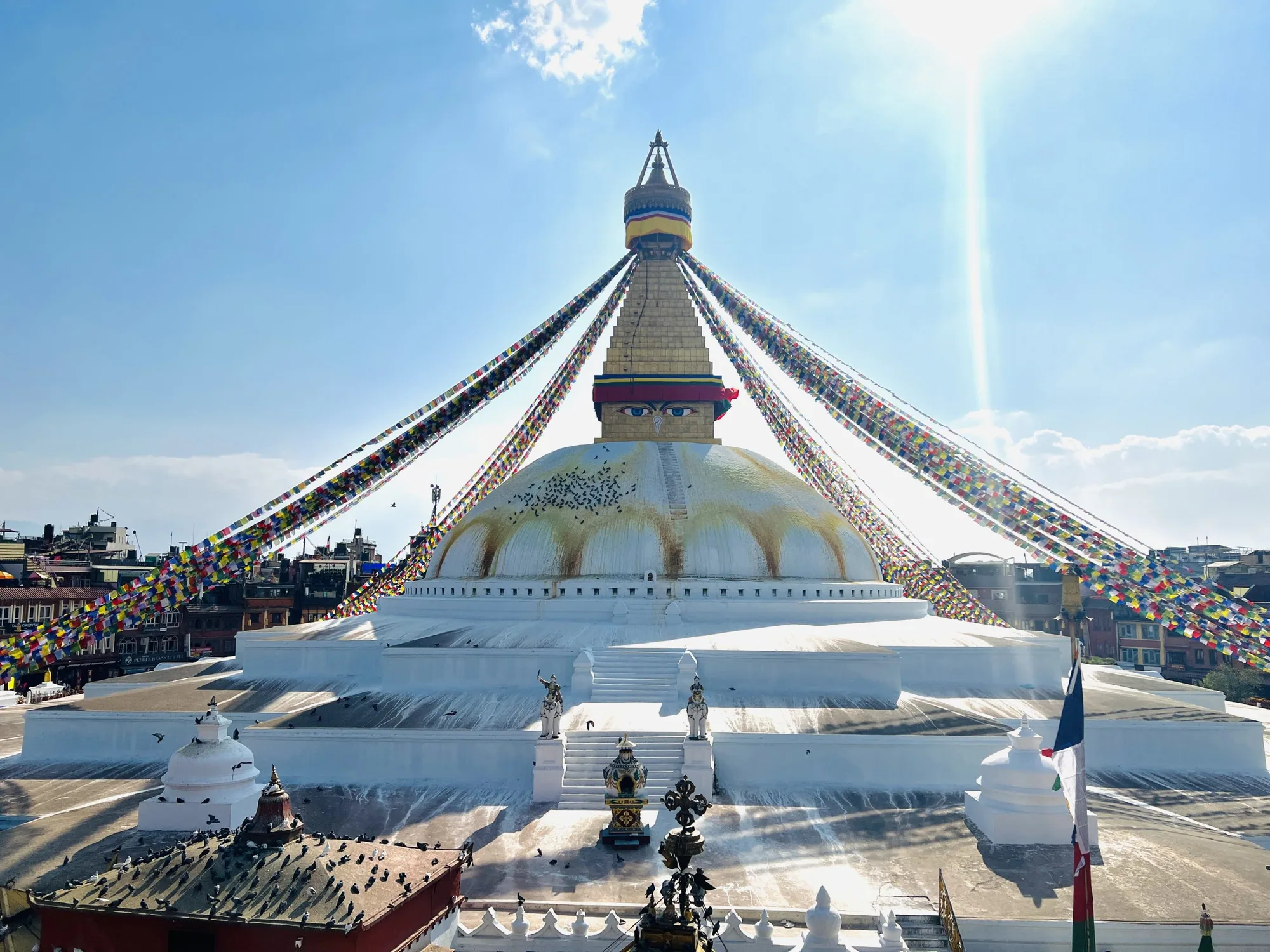
Next, you will continue to the Boudhanath Stupa, one of the largest stupas in Nepal. Here, you can walk clockwise around the stupa, spin the prayer wheels, and feel the peaceful energy of this important Buddhist site as the Buddha Mantra “Om Mani Padme Hum” plays around the stupa.
Afterward, you will visit Jal Narayan Temple (also known as Budhanilkantha temple), home to the giant reclining Vishnu statue. Then, you will make your way to Swayambhunath Stupa, also known as the Monkey Temple, for panoramic views of the Kathmandu Valley. You will conclude your day with a delicious dinner back at your hotel.
| Itinerary Fact | Details |
|---|---|
| Meals: | Breakfast,Lunch,Dinner |
| Accomodations: | 3/4 Star Hotel |
Day 03: Trip Preparation And Briefing Day
| Itinerary Fact | Details |
|---|---|
| Time: | 11:00-14:00 |
| Trek Distance: | N/A |
| Travel Duration: | 25Minutes |
| Travel Distance: | 5KM/3Miles |
| Highest Altitude: | 1,400M/4,593FT | Kathmandu |
Today is dedicated to final preparations for the Kailash Mansarovar journey. You will collect the Chinese Group Visa and pack all travel documents. Following this, get ready for the trip briefing session led by your experienced tour guide. This session will cover the detailed Kailash Manasarovar Yatra itinerary, essential tips for the journey, safety instructions, and cultural insights to make your tour memorable and smooth.
For the remainder of the day, you can organize your gear, double-check essentials, and mentally prepare for the exciting adventure ahead. In the evening, enjoy a relaxed dinner at the hotel and rest early.
| Itinerary Fact | Details |
|---|---|
| Meals: | Breakfast,Lunch,Dinner |
| Accomodations: | 3/4 Star Hotel |
Day 04: Drive Towards Nepal Tibet Border
| Itinerary Fact | Details |
|---|---|
| Time: | 11:00-18:00 |
| Trek Distance: | N/A |
| Travel Duration: | 7Hours |
| Travel Distance: | 145KM/90Miles |
| Highest Altitude: | 1,762M/5.780FT | Timmure |
After breakfast, you will be on your overland trip from Kathmandu to the Nepal–Tibet border (Rasuwagadhi). It marks the start of your spiritual journey to Kailash Mansarovar Yatra from Kathmandu. The drive follows the Pasang Lhamu Highway. The route passes through green hills and forest valleys along the Trishuli River. The road from Kathmandu to Timure is rough, especially the 9KM section between Syabrubesi and Timmure, which was damaged during the July 2025 monsoon floods. Also, some areas are narrow and bumpy, but road repair work is in progress.
On the way, you will stop for lunch at Dhunche, a friendly mountain town at 2,030M known for its warm hospitality and tasty Nepali meals. After lunch, you will continue your drive to Kailash Mansarovar Lake through twisting mountain roads. As you get closer to the Nepal–Tibet border, the scenery becomes more dramatic, with tall cliffs and misty landscapes on both sides.
By late afternoon, you will reach Timmure. You will check into your hotel and relax. In the evening, you can explore the village or walk to a nearby viewpoint for stunning views of the Trishuli River and surrounding mountains. Enjoy dinner and rest overnight in Timmure.
| Itinerary Fact | Details |
|---|---|
| Meals: | Breakfast,Lunch,Dinner |
| Accomodations: | 3/4 Star Hotel |
Day 05: Drive To Kyirung
| Itinerary Fact | Details |
|---|---|
| Time: | 09:00-11:00 |
| Trek Distance: | N/A |
| Travel Duration: | 2Hours |
| Travel Distance: | 98KM/67Miles |
| Highest Altitude: | 2,700M/8,858FT | Kyirung |
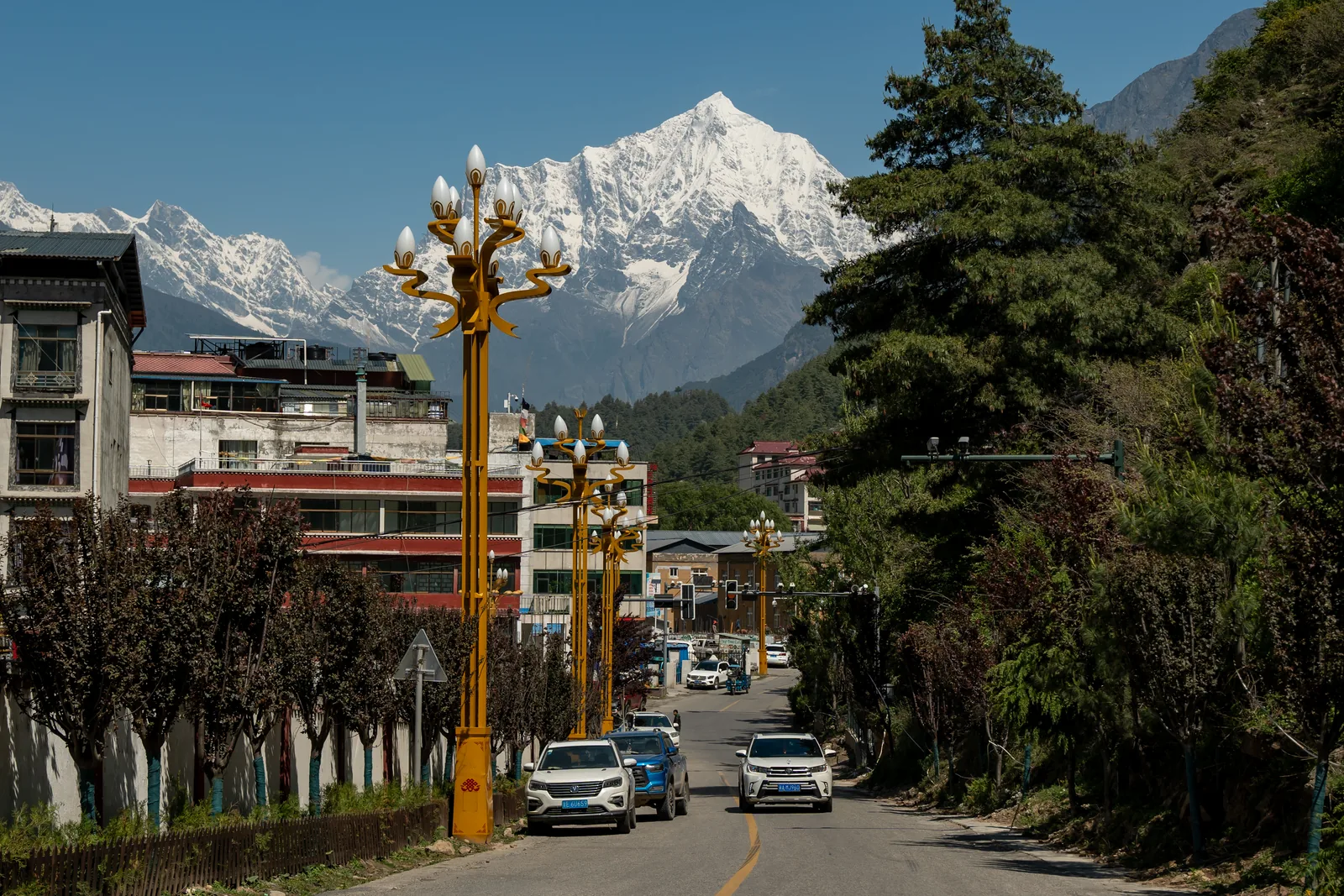
On day 5 of the Kailash and Mansarovar Lake Itinerary, your peaceful morning begins with a view of the Trishuli River. You will have breakfast and then drive a short distance to the Rasuwagadhi border. At the border, you will complete immigration and customs procedures at the immigration office. Then you will cross the Friendship Bridge, which connects Nepal to Kyirung County in Tibet. By this time, you will officially enter Tibet, China.
Upon arrival in Kyirung, you will check into your hotel and rest for a while. Later, enjoy lunch and utilize free time to explore Kyirung town or relax as you acclimatize to the higher altitude. Dinner and overnight stay in Kyirung.
| Itinerary Fact | Details |
|---|---|
| Meals: | Breakfast,Lunch,Dinner |
| Accomodations: | 3/4 Star Hotel |
Day 06: Acclimatization Day At Kyirung
| Itinerary Fact | Details |
|---|---|
| Time: | N/A |
| Trek Distance: | N/A |
| Highest Altitude: | 2,700M/8,858FT | Kyirung |
Today is your first acclimatization on the Kailash Mansarovar Darshan. Acclimatizing helps your body adjust to the higher altitude and avoid altitude sickness. You can spend the day either resting or exploring the nearby attractions. Surrounded by tall mountains and a lush green valley, Kyirung offers beautiful Himalayan views that make you feel calm and refreshed.
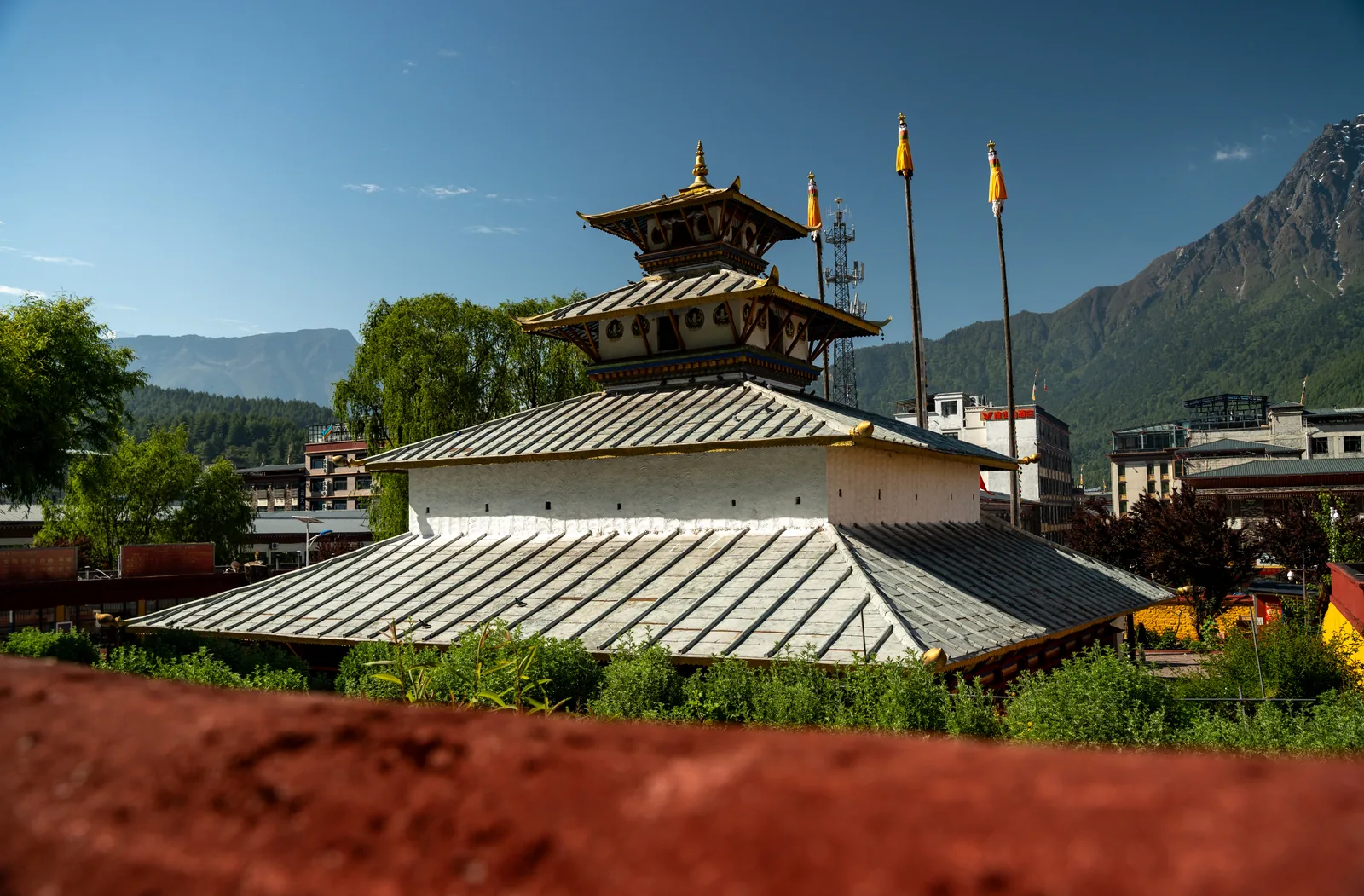
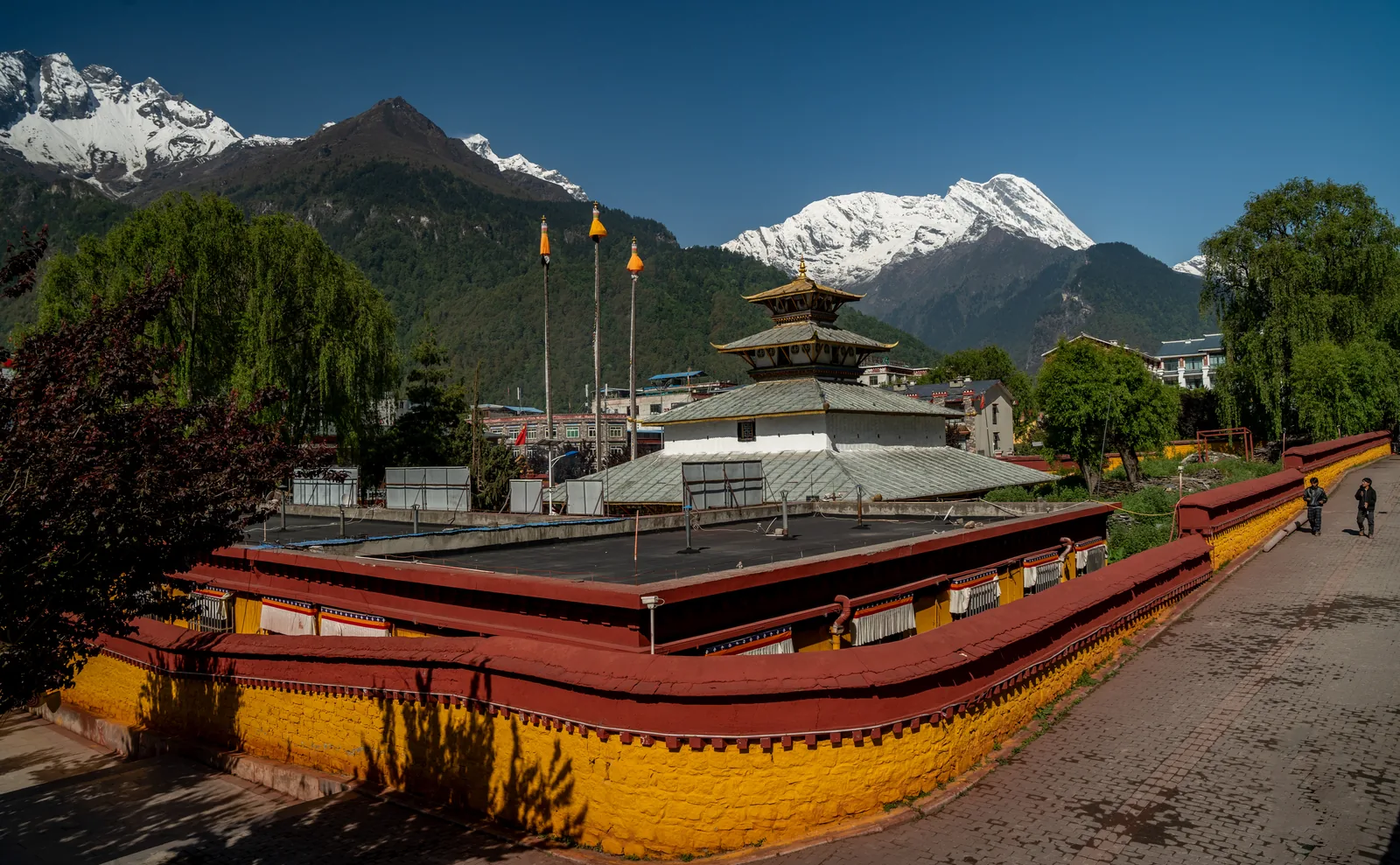
One good place to visit is the beautiful Pakba Monastery. It is a Nepali-style pagoda temple built about 1,000 years ago by Shen Gumo. The monastery has a statue of Avalokiteshvara, the Buddha of Compassion, and offers a peaceful spiritual atmosphere. You can also visit viewpoints that provide views of mountains and panoramic views of the Kyirung valley.
| Itinerary Fact | Details |
|---|---|
| Meals: | Breakfast,Lunch,Dinner |
| Accomodations: | Guest/Tea House |
Day 07: Drive From Kyirung To Saga
| Itinerary Fact | Details |
|---|---|
| Time: | 09:00-15:00 |
| Trek Distance: | N/A |
| Travel Duration: | 6Hours |
| Travel Distance: | 230KM/143Miles |
| Highest Altitude: | 4,450M/14,600FT | Saga |
Day 7 involves driving from Kyirung to Saga, covering 230KM. It is a beautiful and gradual climb with a gain of 1,750M in altitude. From Kyirung, the road winds along the mountain slopes. Along the way, you will also see materfalls that drop down the cliffs.
As the drive continues, you will notice the landscape change dramatically, from lush forest areas to dry, open plains. This shows that you are entering the Tibetan plateau, also known as the “Roof of the World“. You will continue the driving journey via a newly built tunnel. This tunnel helps avoid a high mountain pass of over 5,000M and leads straight to the stunning Lake Peiku, a turquoise blue lake surrounded by snow-capped peaks. Stop briefly to enjoy the view and take photos.
After the break, you will continue driving across the vast, high-altitude plateau, passing through wide-open grasslands and mountain shadows. By late afternoon, you’ll arrive in Saga County. It is a lively town at 4,450M that serves as an important stop on the Mount Kailash Yatra route. Lastly, you will check into your hotel, relax, and enjoy dinner.
| Itinerary Fact | Details |
|---|---|
| Meals: | Breakfast,Lunch,Dinner |
| Accomodations: | 3/4 Star Hotel |
Day 08: Drive From Saga To Mansarovar/Darchen Via Lake Mansarovar
| Itinerary Fact | Details |
|---|---|
| Time: | 09:00-18:00 |
| Trek Distance: | N/A |
| Travel Duration: | 9Hours |
| Travel Distance: | 547KM/340Miles |
| Highest Altitude: | 4,650M/15,256FT | Darchen |
This day is another driving day from Saga to Darchen. Darchen is the gateway to Mount Kailash Parvat. The drive route from Darchen to Lake Mansarovar follows the upper Yarlung Tsangpo River (Brahmaputra) and passes through alpine pastures where you might see yak herds and Tibetan nomads. As the drive continues, you will enter Zhongba. Zhongba is a high-altitude desert. Here, the rolling Paryong sands contrast beautifully with distant snow-capped mountains. If you get lucky, you may spot wild Tibetan donkeys (Kiang) running across the sand dunes.
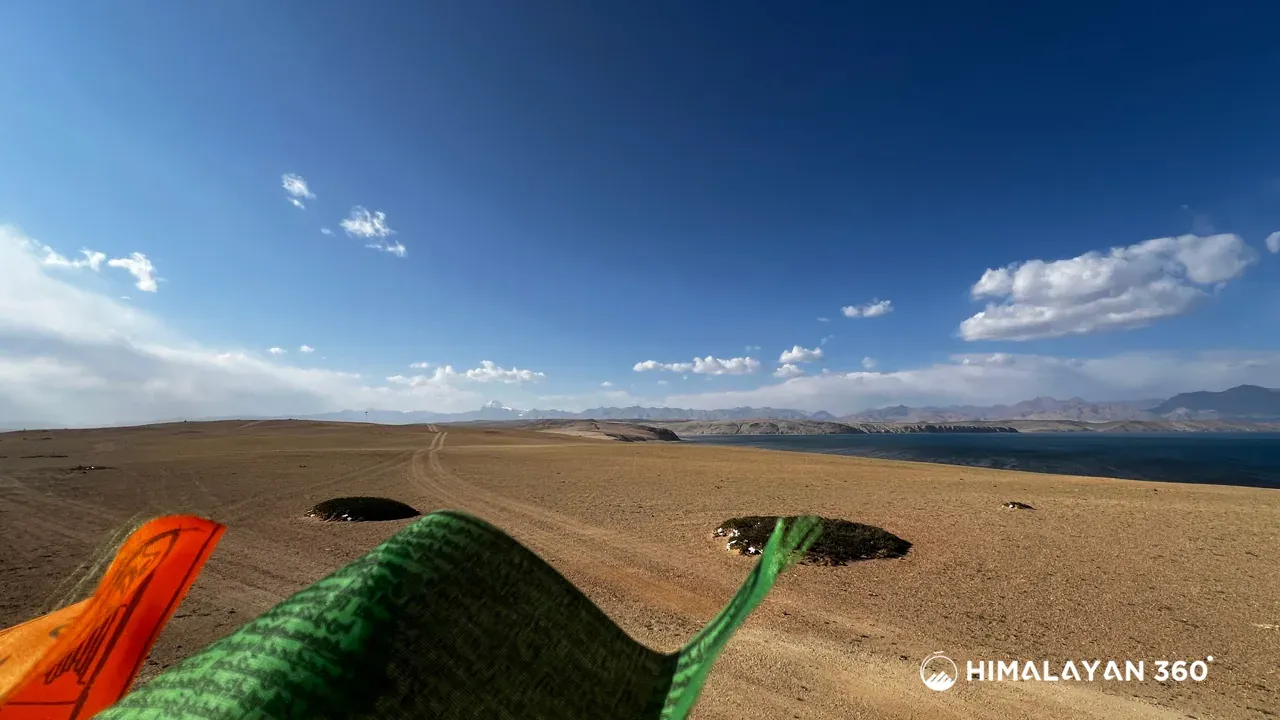
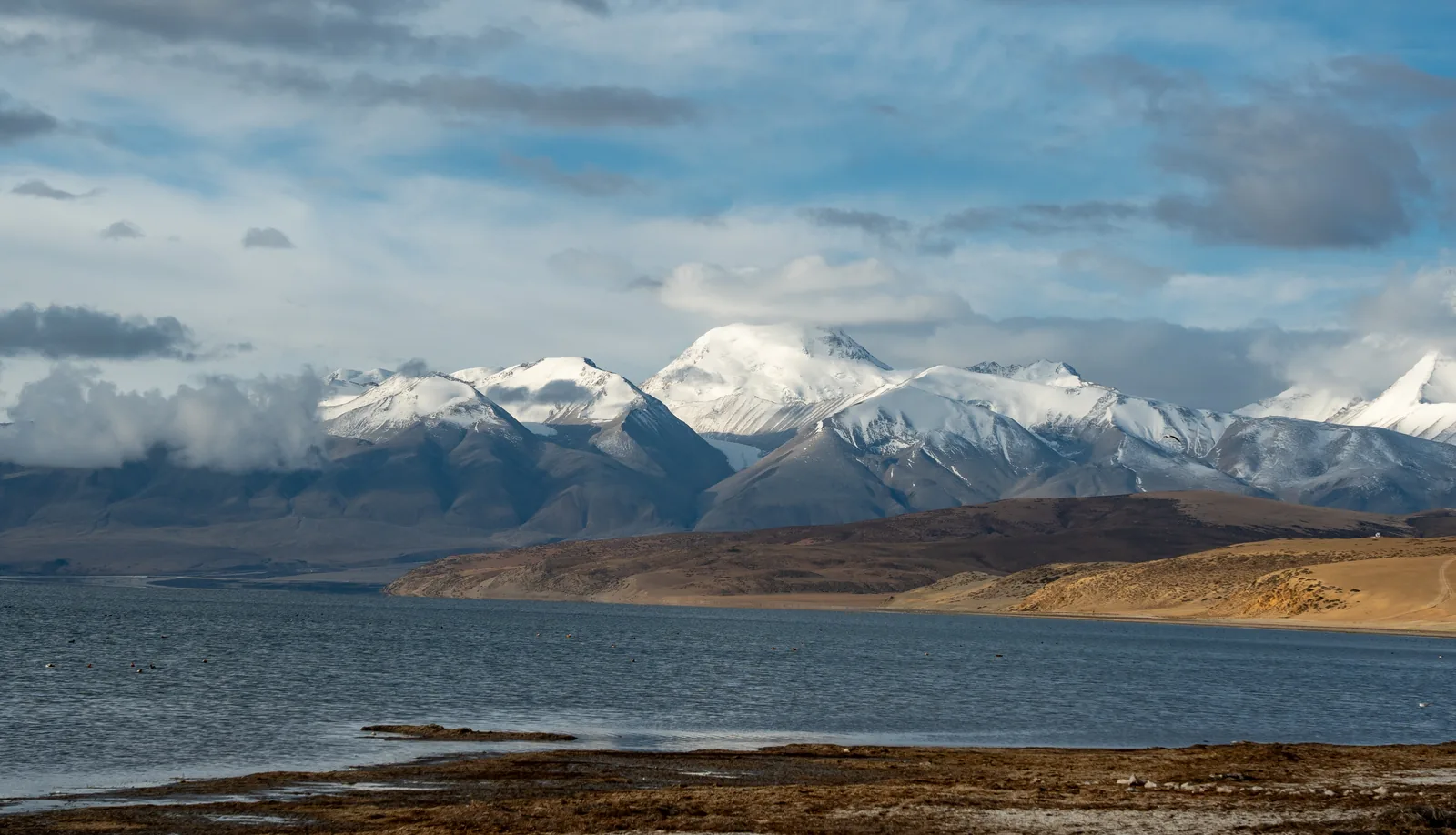
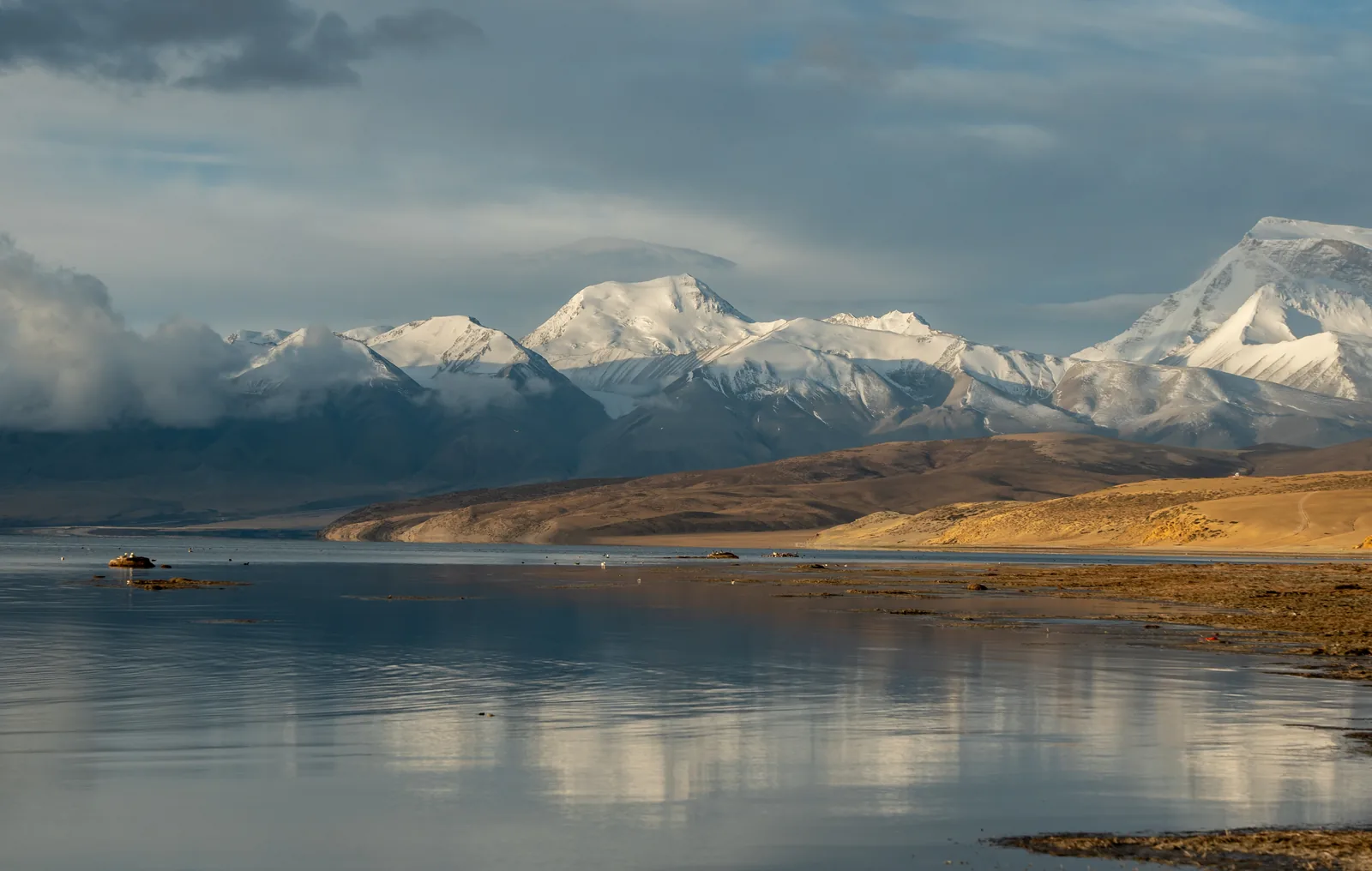
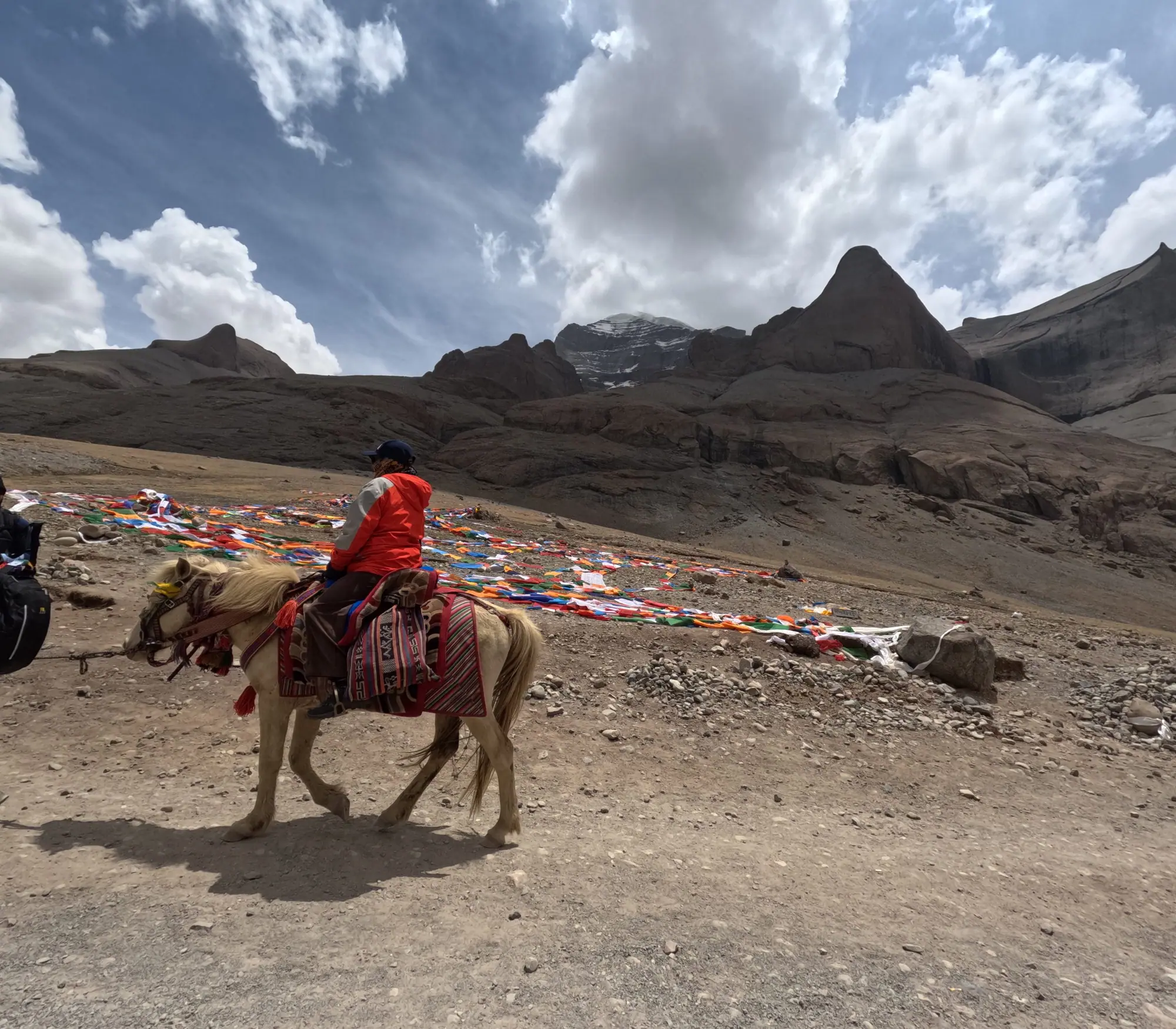
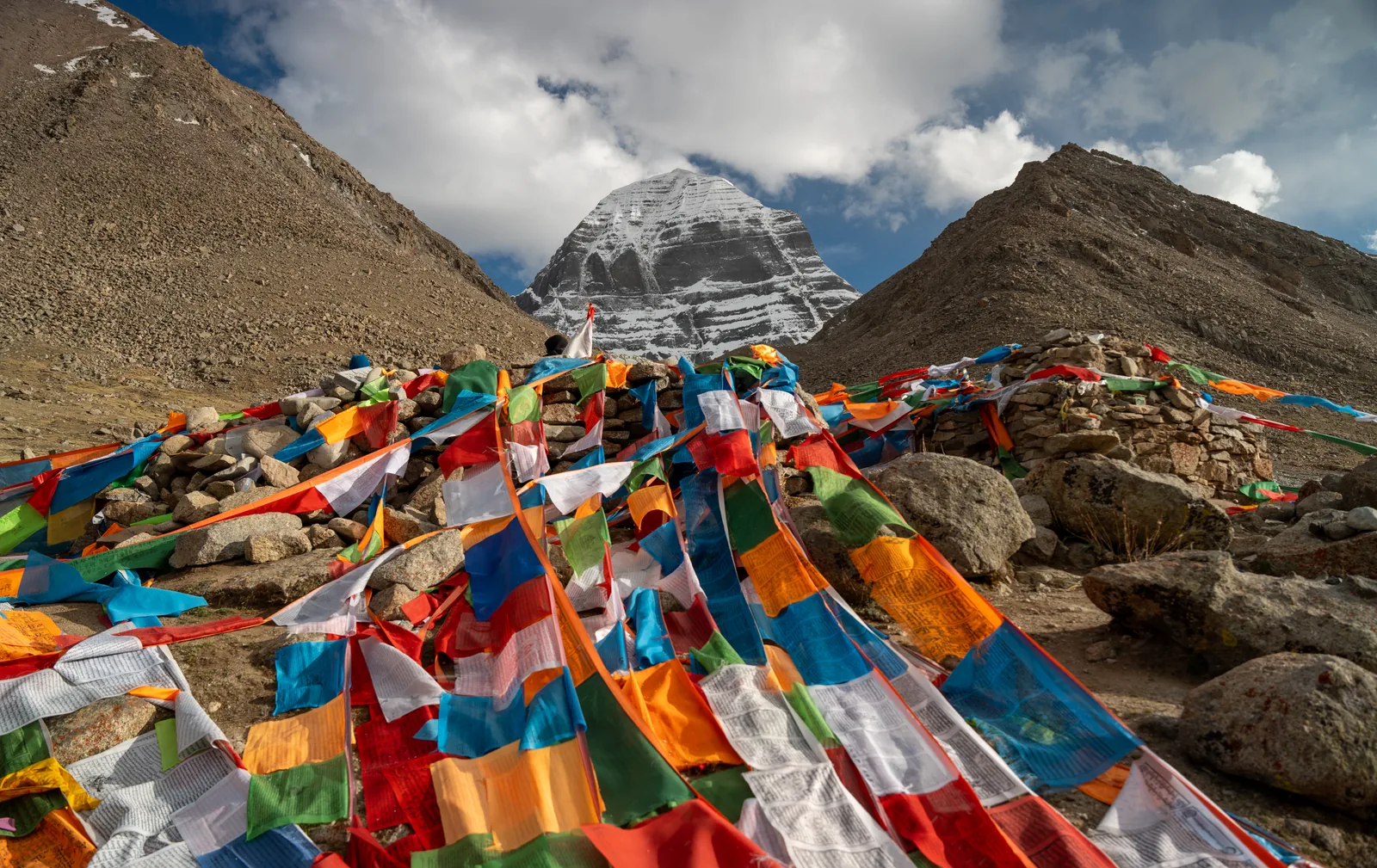
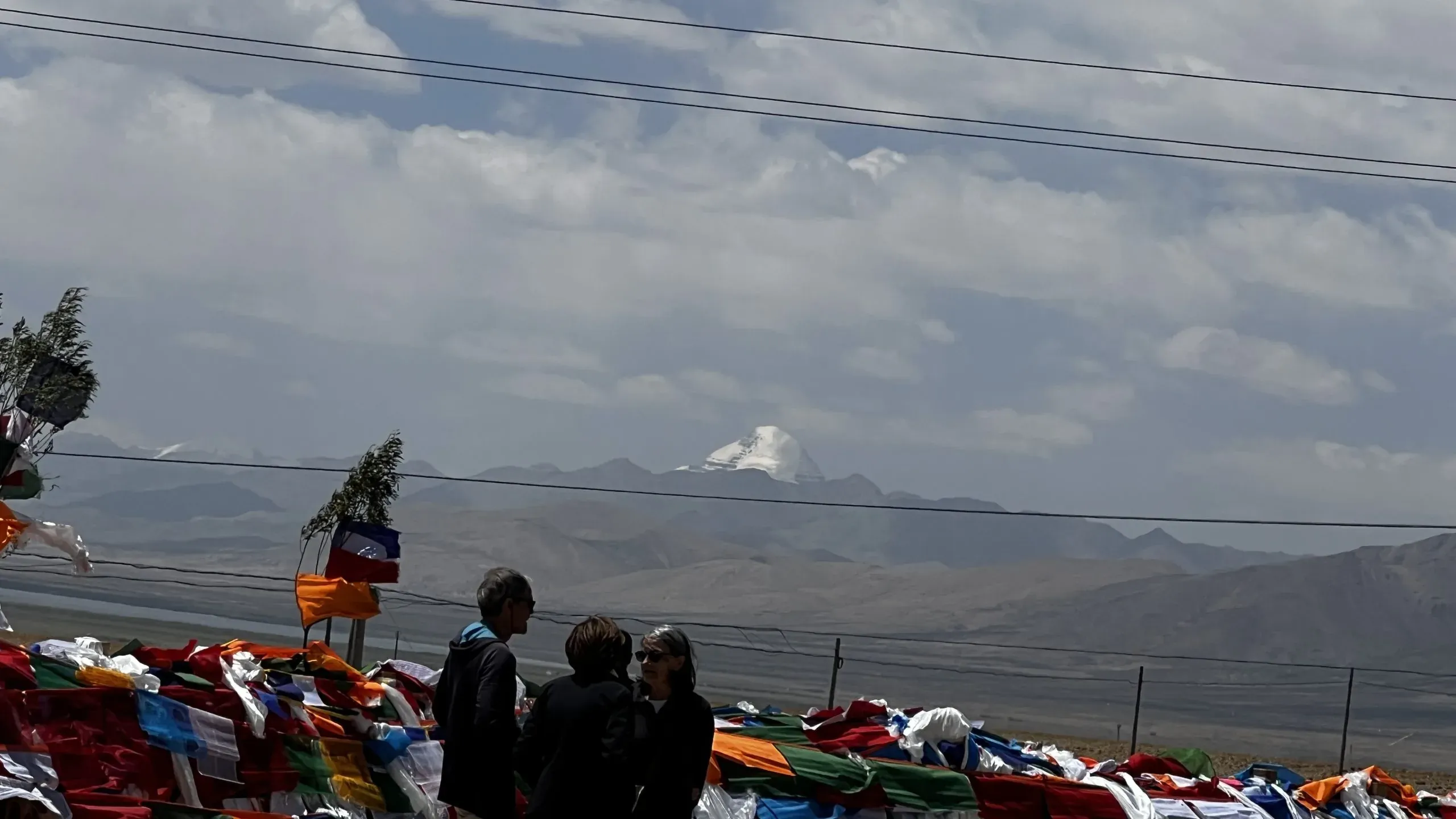
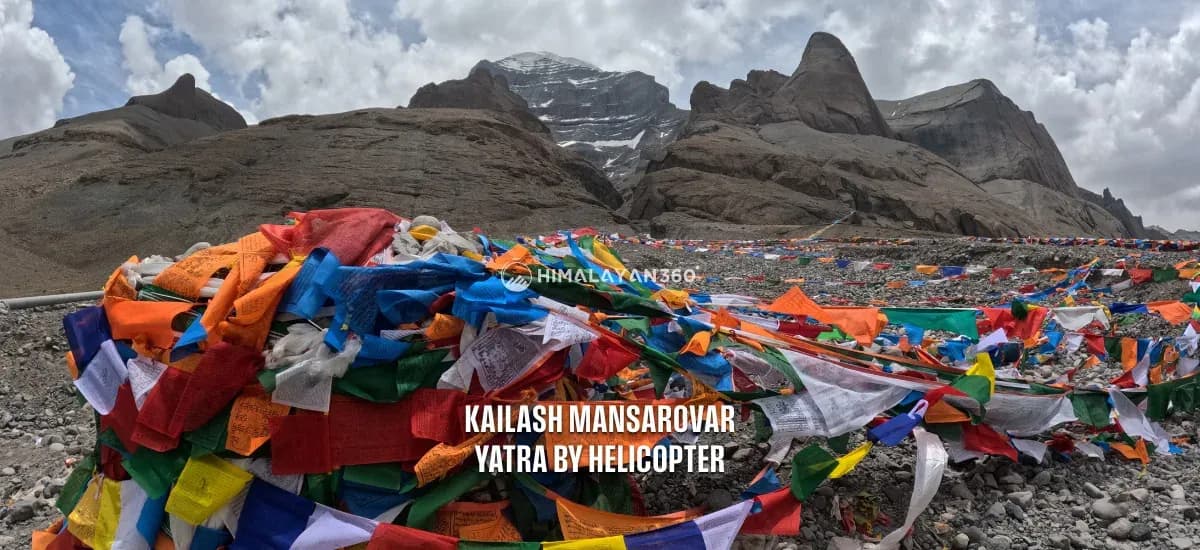
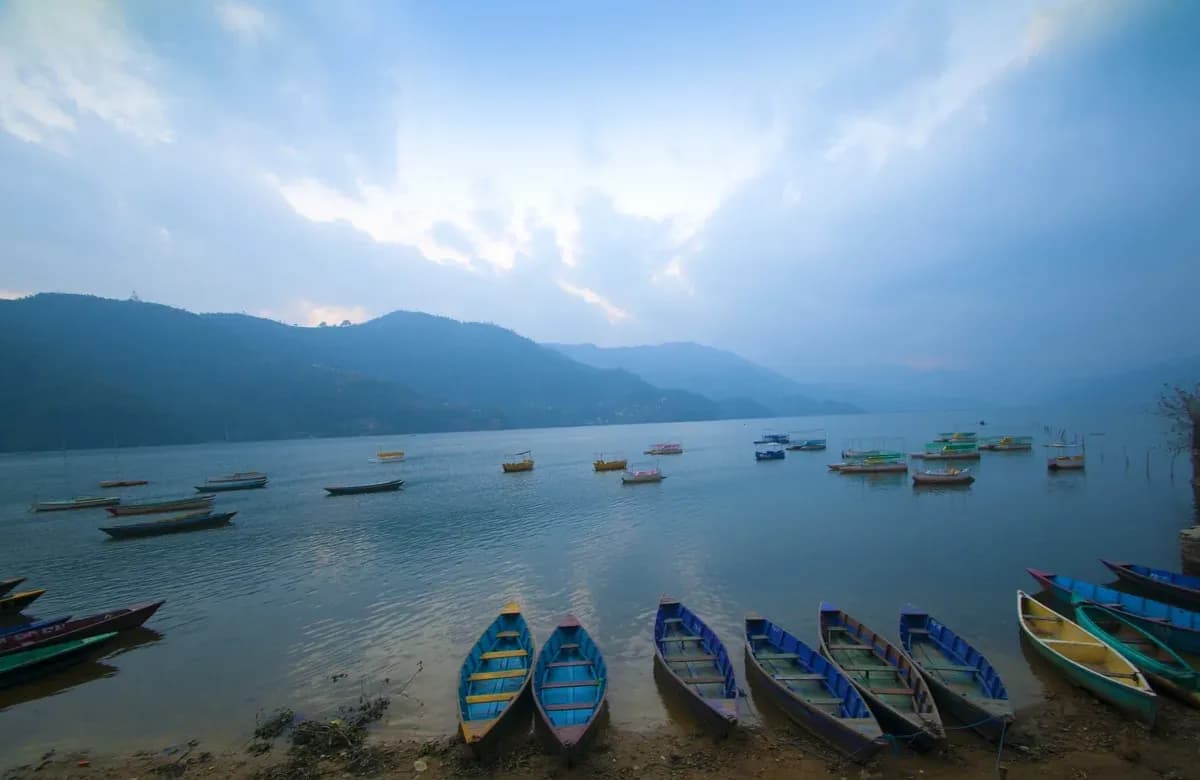
Likewise, before reaching Lake Manasarovar, you will pass Gongzhucuo Lake. It is a small green freshwater lake at 4,680M. You will also cross Mayum La Pass at 5,211M to reach the holy Lake Manasarovar. Lake Mansarovar’s clear waters reflect the surrounding mountains, including Mount Namunani, and the distant Mount Kailash range. On its shore, colorful prayer flags flutter in the wind, and nearby is Lake Rakshastal, also called the ‘Ghost Lake’ for its deep blue water and desolate surroundings.
After spending some time at the lake, you will continue your drive to Darchen. You will arrive at Darchen in the evening. This small town at 4,650M is the starting point for the Mount Kailash Kora. Overnight at Darchen.
| Itinerary Fact | Details |
|---|---|
| Meals: | Breakfast,Lunch,Dinner |
| Accomodations: | 3/4 Star Hotel |
Day 09: Drive To Lake Mansarovar And Back To Darchen
| Itinerary Fact | Details |
|---|---|
| Time: | N/A |
| Trek Distance: | N/A |
| Travel Duration: | 6Hours |
| Travel Distance: | 80KM/50Miles |
| Highest Altitude: | 4,650M/15,256FT | Darchen |
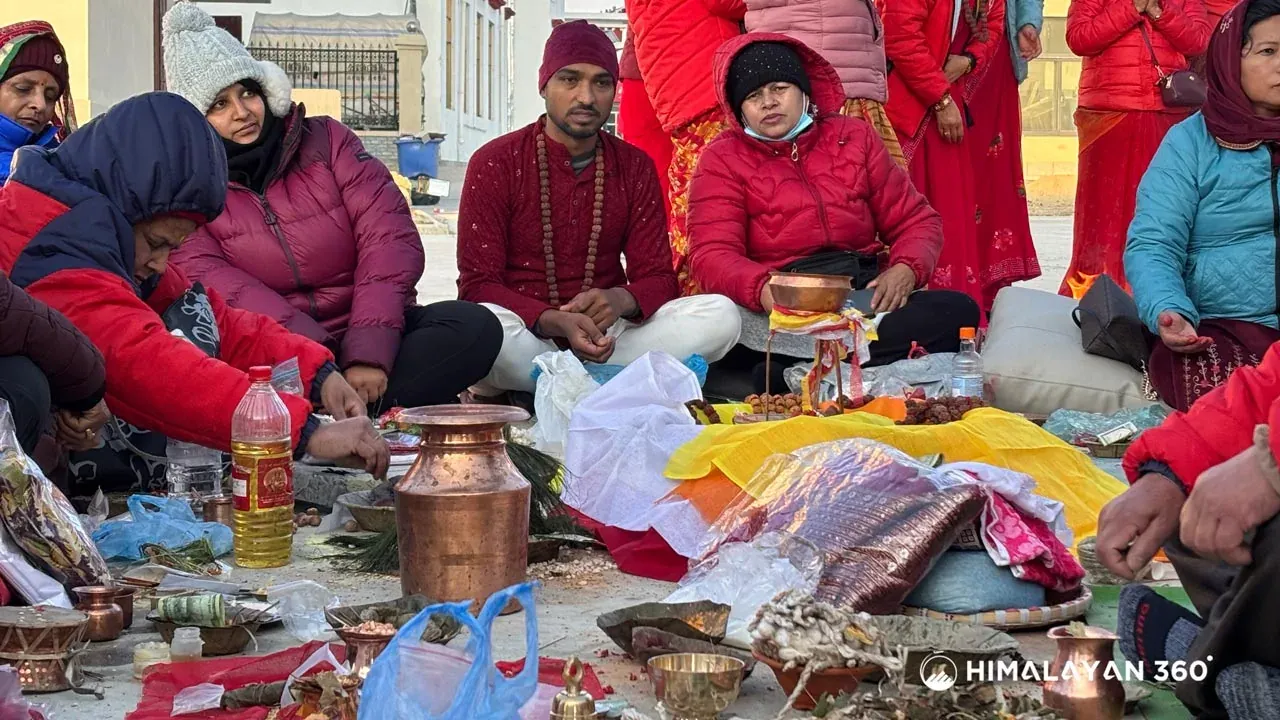
You will take a short drive to the sacred Lake Manasarovar. Today is a spiritual day, focused on performing puja (prayer rituals) at the lake. You will also take part in Parikrama, walking along the shores of the lake to offer prayers. This means you will spend most of the morning and early afternoon around Lake Manasarovar.
Then, around 4:00 PM, you drive back to Darchen. Arrive at your hotel, relax, and enjoy dinner. This evening is perfect for resting and preparing for the Kora trek around Mount Kailash, which starts tomorrow.
| Itinerary Fact | Details |
|---|---|
| Meals: | Breakfast,Lunch,Dinner |
| Accomodations: | 3/4 Star Hotel |
Day 10: First Day Of Kailash Outer Kora - Trek To Dirapuk
| Itinerary Fact | Details |
|---|---|
| Time: | 08:00-15:00 |
| Trek Distance: | 12KM/7.5Miles |
| Trek Duration: | 7Hours |
| Travel Duration: | 30Minutes |
| Travel Distance: | 5KM/3Miles |
| Highest Altitude: | 4,860m/15,945FT | Dirapuk |
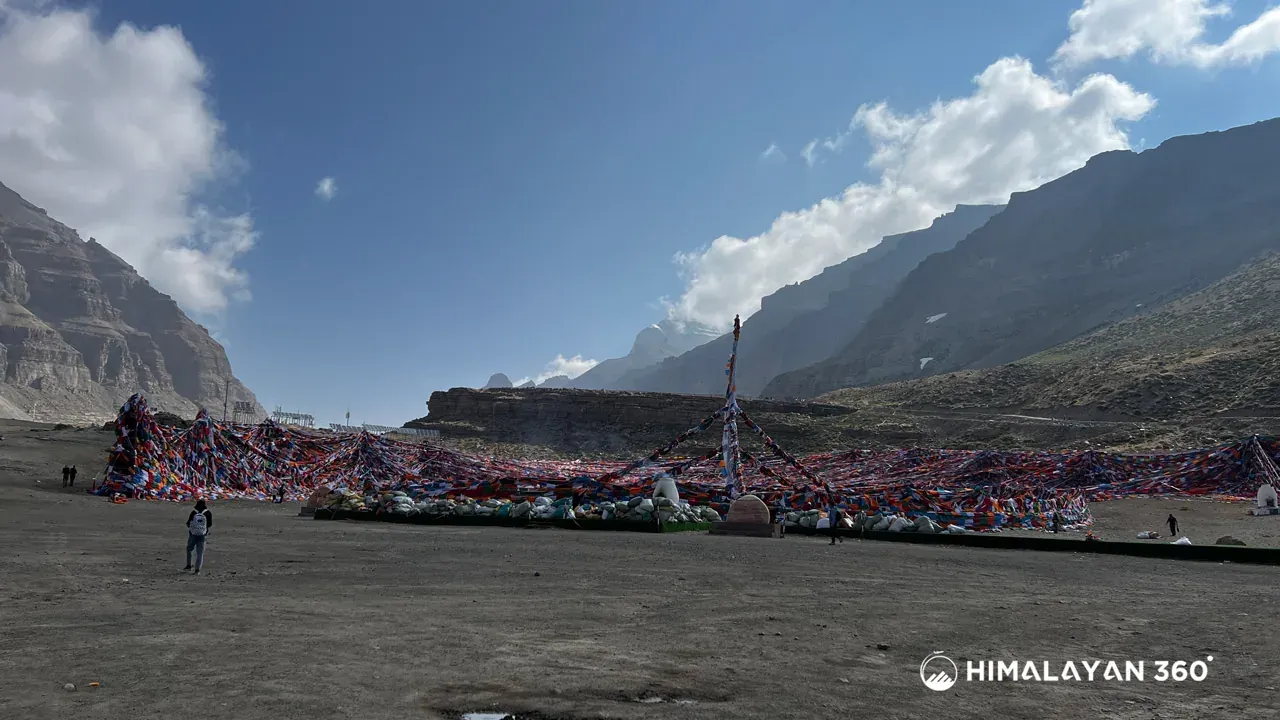
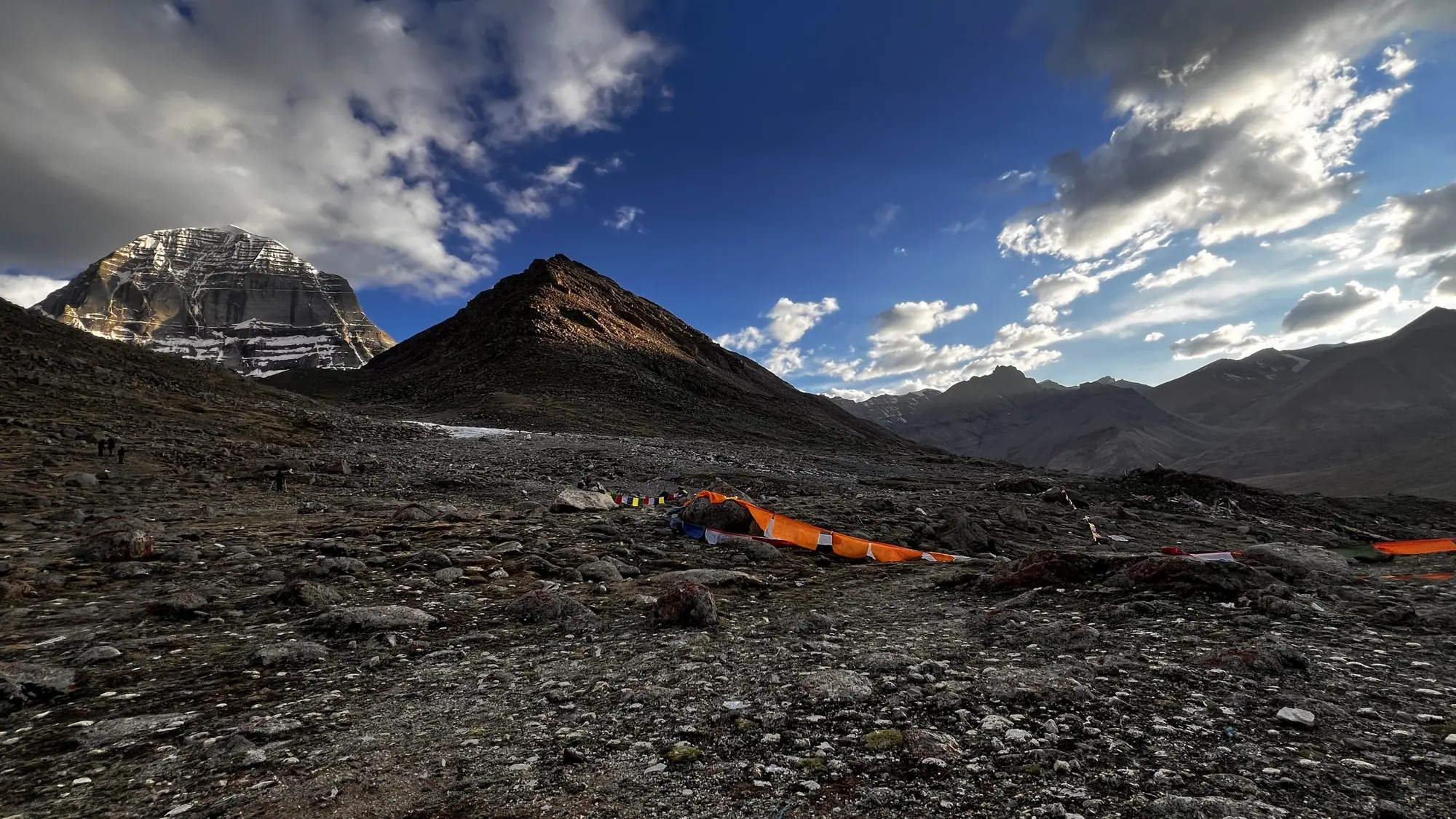
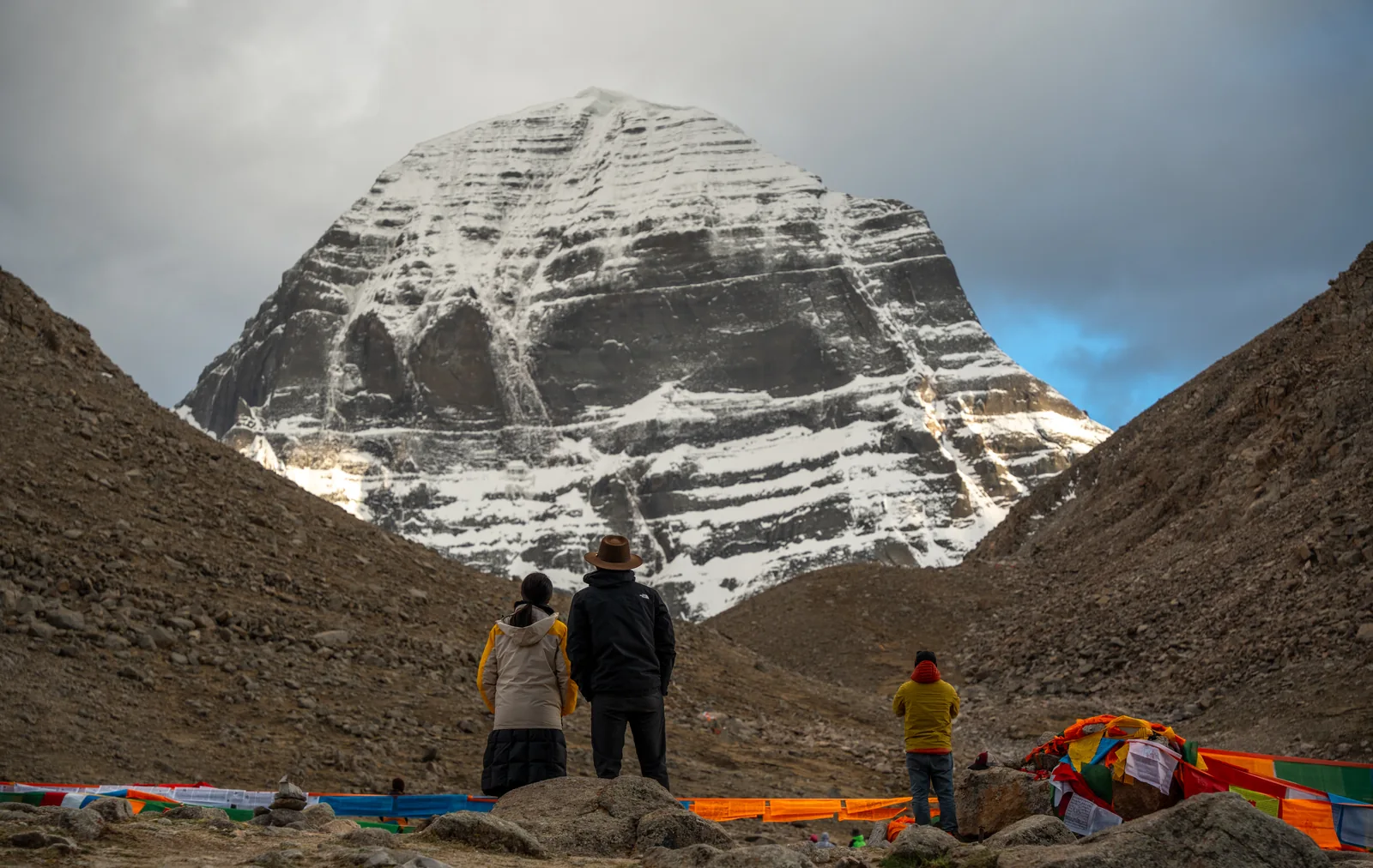
Start the day with breakfast in Darchen. Then you will take a short drive of 5KM to Tarboche Flagpole, also called Yam Dwar, “Gateway of the God of Death” in Hindu and Buddhist tradition. From Yam Dwar, you get a spectacular view of the North Face of Mount Kailash. Then, from Tarboche, you will begin your first day of Mount Kailash Parikrama.
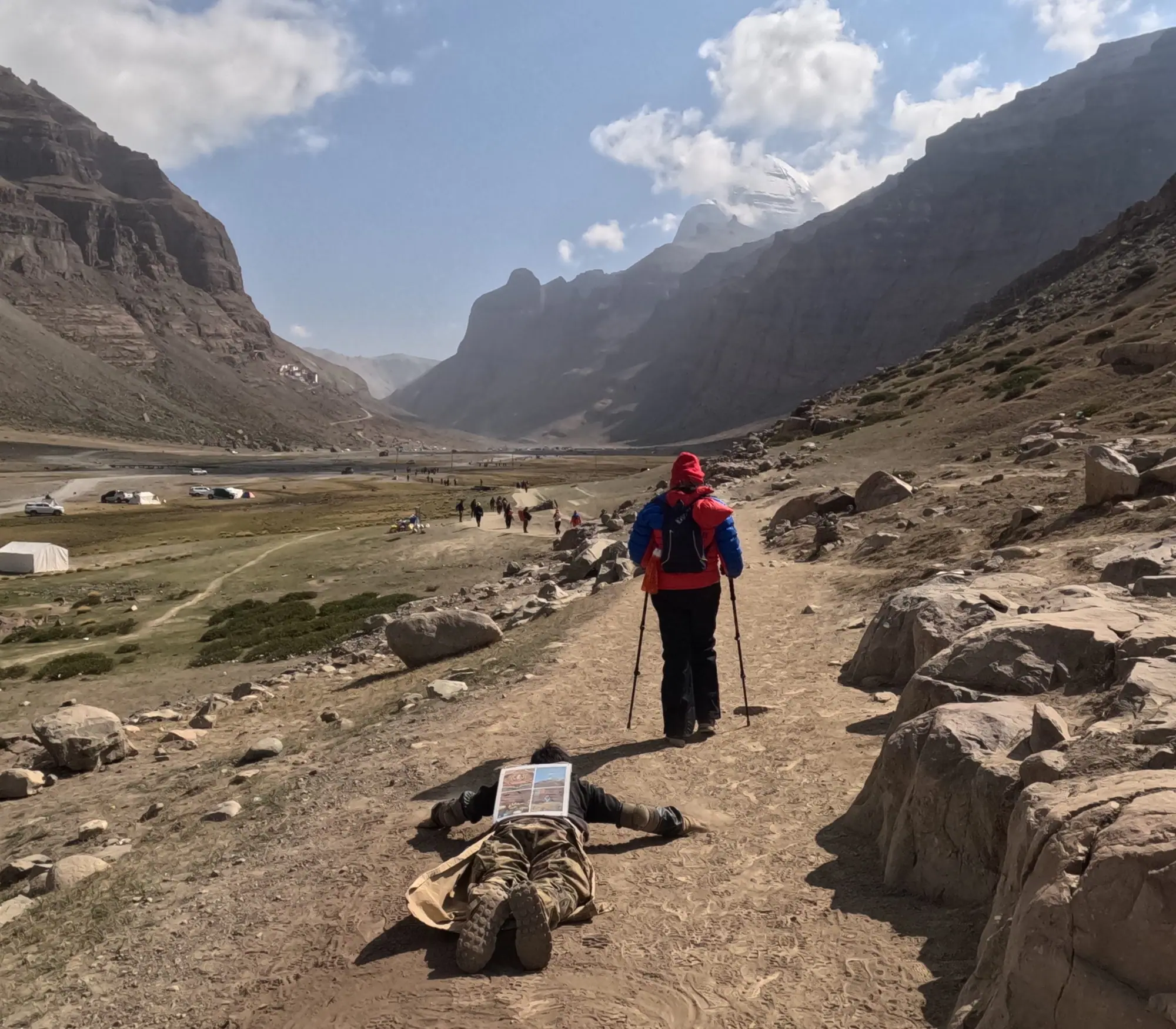
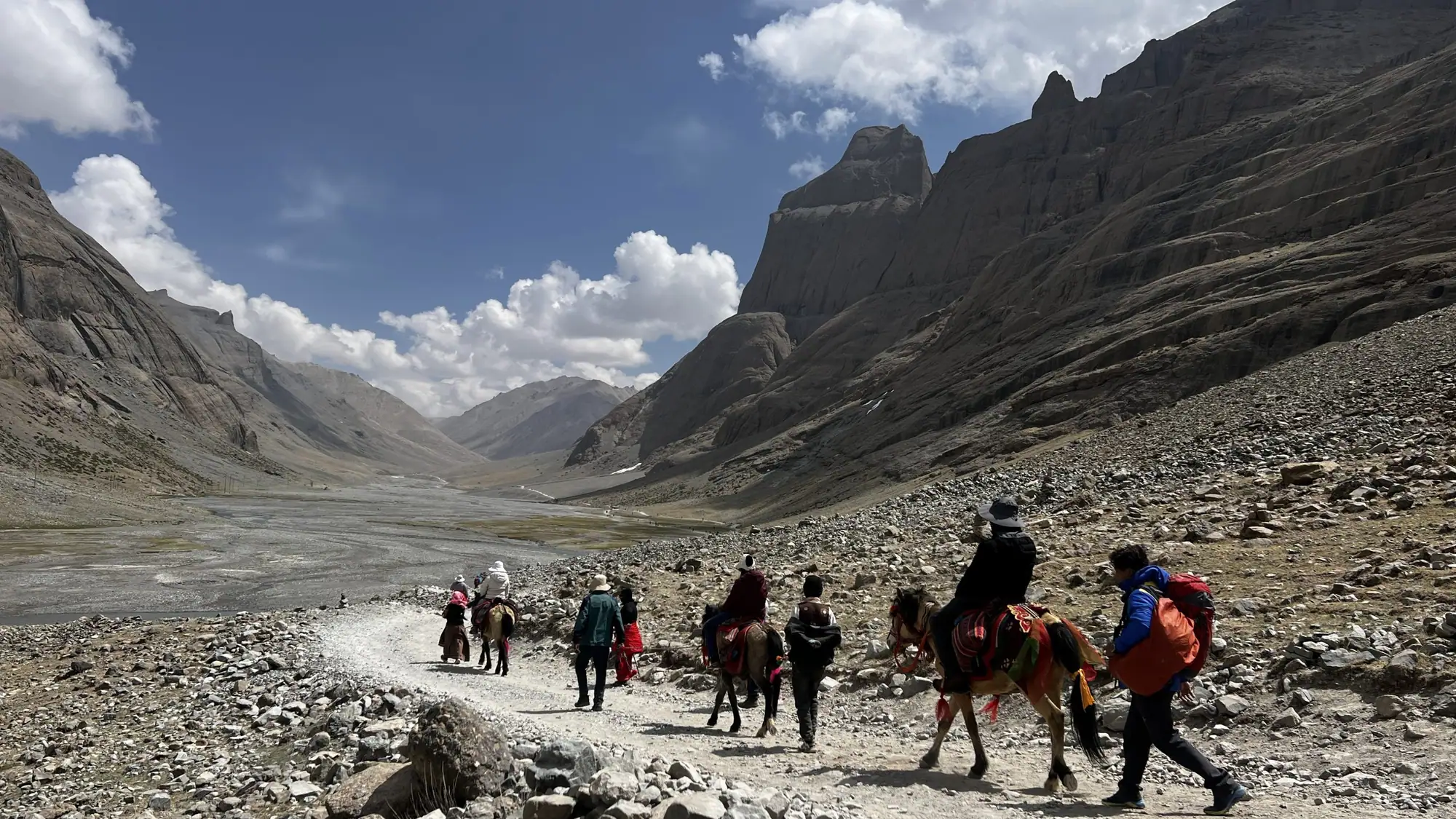
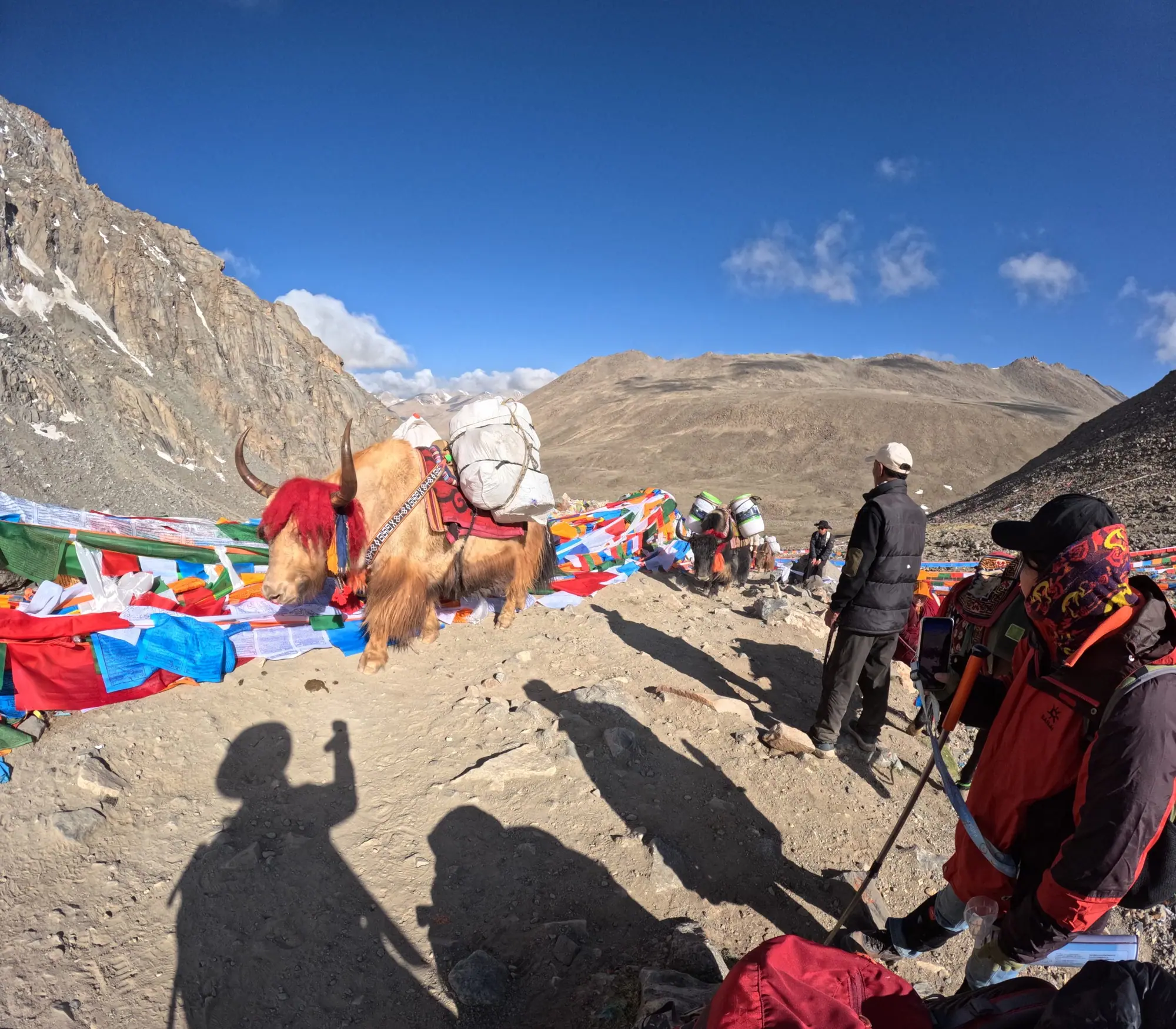
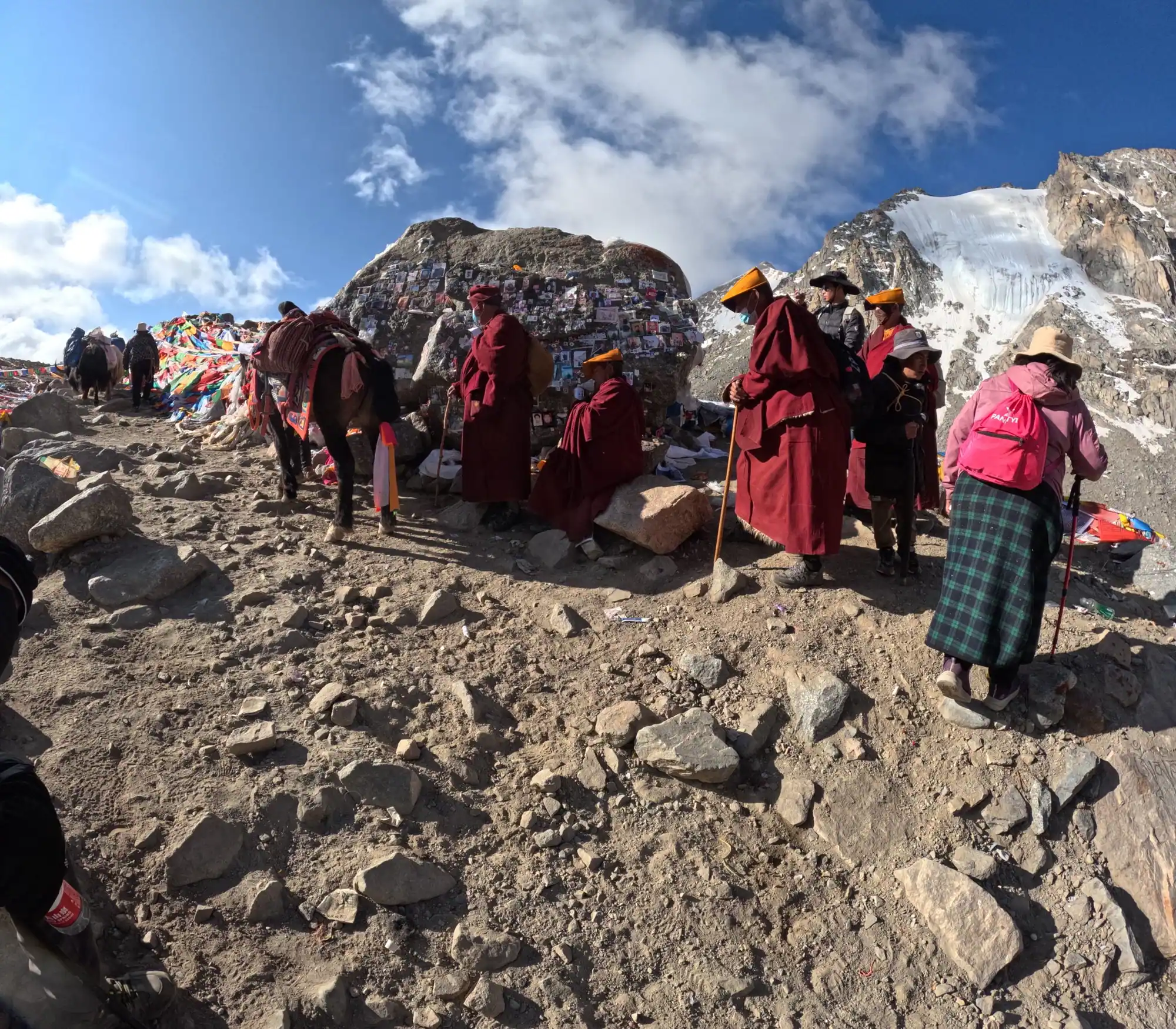
The Kailash Kora trek is mostly uphill through a beautiful valley. Streams from Mount Kailash are considered sacred, flowing into the holy Lake Mansarovar. Along the way, you may see Tibetan pilgrims performing Kora, including some practicing prostration, lying full-length on the ground while walking around the holy mountain. There is also a famous healing stone near the West Face of Mount Kailash that is said to cure back pain if you lie on it.
After a short lunch, you will continue the trek to Dirapuk Monastery. You will also cross a high pass near the Dirapuk Monastery. The monastery guesthouse sits at around 4,860M and offers a stunning view of Mount Kailash North Face. Evening is free to rest, enjoy the surroundings, and watch the sunset over the holy mountain.
Note: During the busy Kailash Kora season, monastery guesthouses may be fully occupied. In this case, the Himalayan 360 team will set up tents on monastery grounds to ensure a comfortable overnight stay.
| Itinerary Fact | Details |
|---|---|
| Meals: | Breakfast,Lunch,Dinner |
| Accomodations: | Tented Camp/Monastery Camp |
Day 11: Second Day Of Kailash Outer Kora – Trek To Zuthulpuk Via Dolma La Pass
| Itinerary Fact | Details |
|---|---|
| Time: | 08:00-16:00 |
| Trek Distance: | 22KM/13.7Miles |
| Trek Duration: | 9Hours |
| Highest Altitude: | 5,630M/18,471FT | Dolma La Pass |
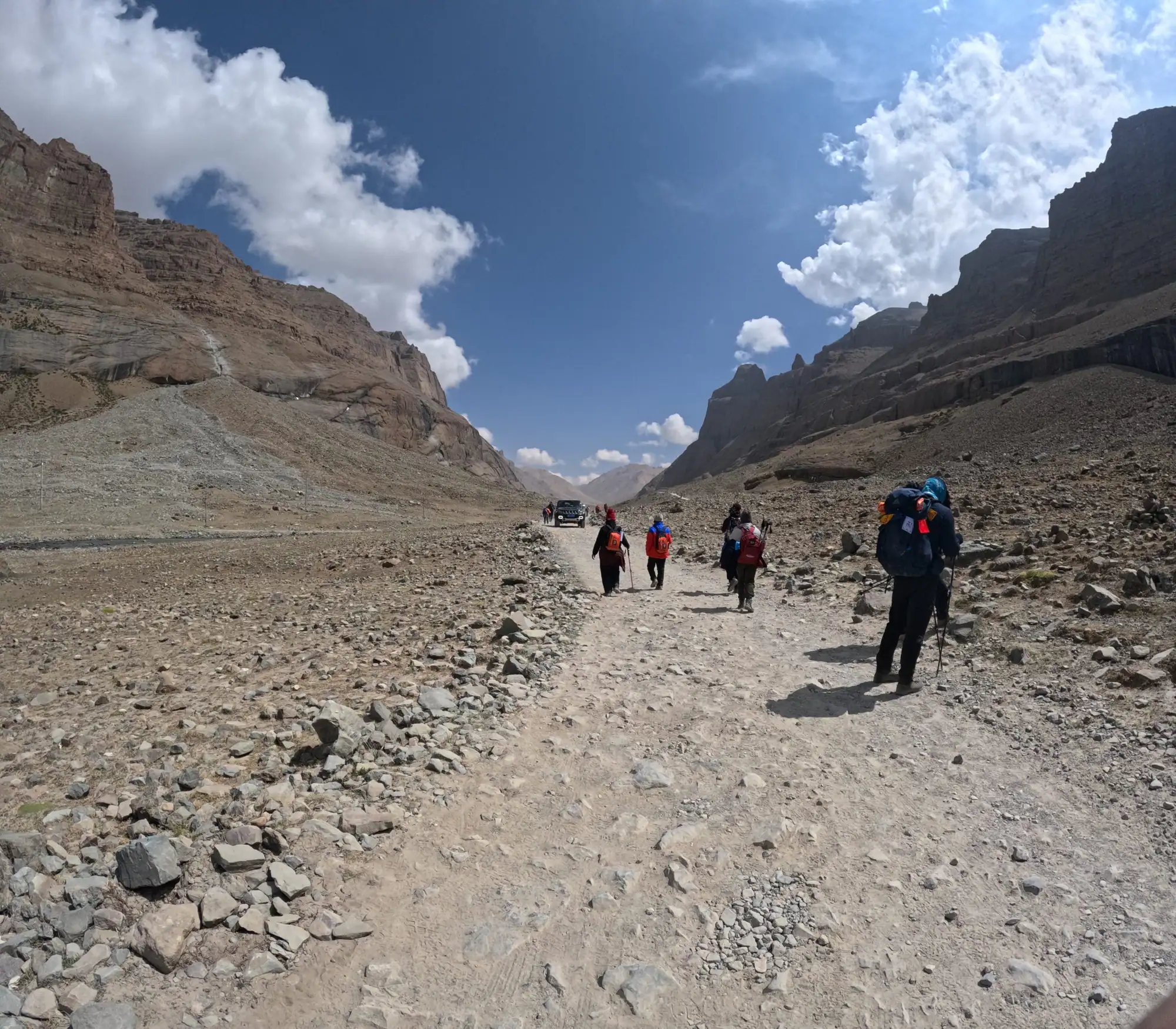
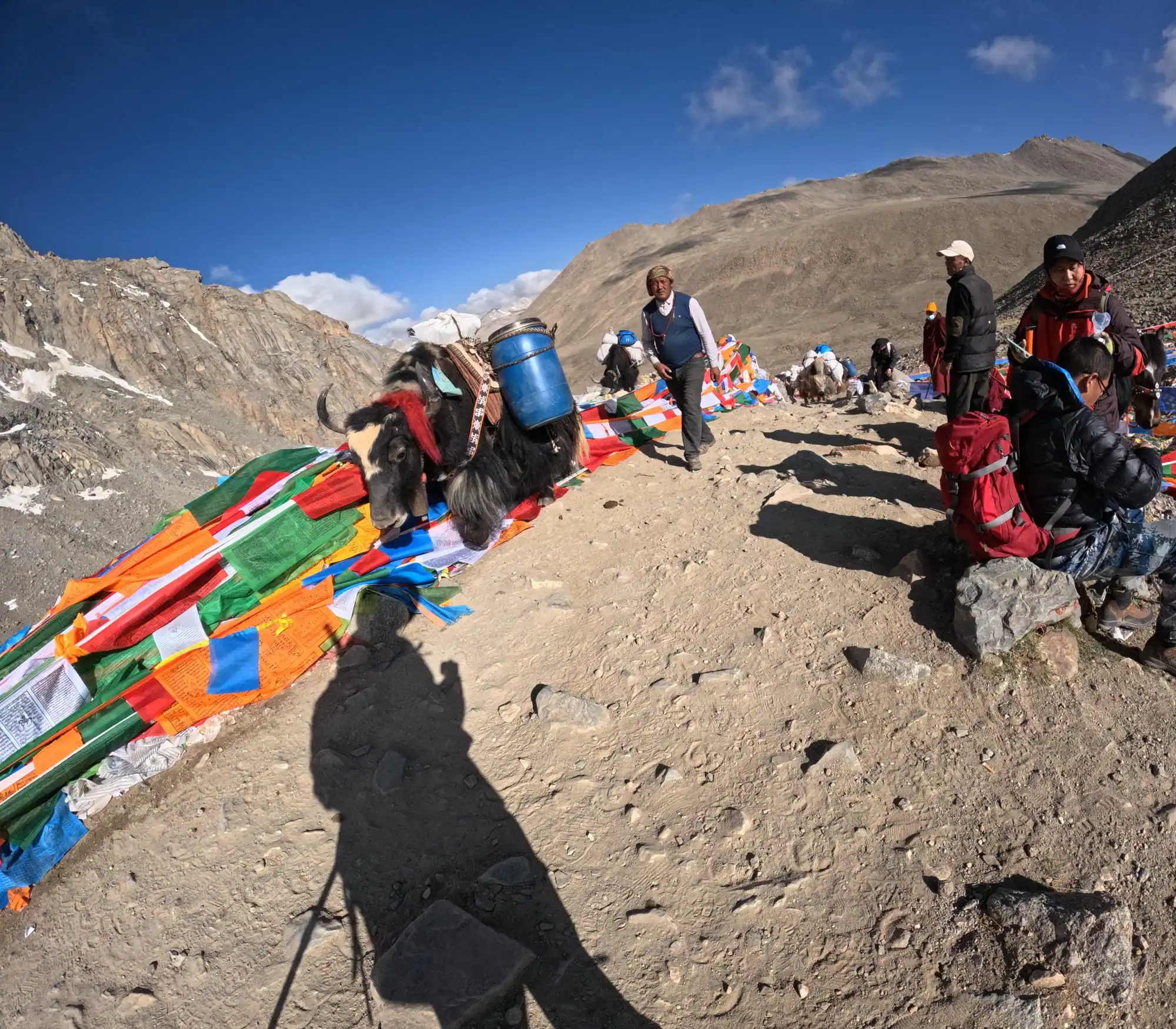
The second day of the Kailash Outer Kora today is the longest and toughest day of the Kailash Kora. You will start by hiking past the Eastern face of Mount Kailash. The Kailash Kora trail climbs steadily, passing smaller hills before reaching the high Dolma La Pass, at 5,630M. This final ascent to Dolma La Pass is challenging because of the thin air. But the sight of fellow pilgrims to Kailash Mansarovar and colorful prayer flags motivates you to keep going.
After reaching the summit of Dolma La, take a moment to admire the scenery and offer prayers for peace and well-being. Then again, begin your descent, where you’ll see Gauri Kund, a holy lake at 5,608M, considered a sacred site of compassion and bliss. Continue trekking down a gentle valley alongside a clear river.
You may spot Himalayan marmots along the way. Finally, you will arrive at Zuthulpuk Monastery guesthouse in the late afternoon. Here, you can rest, enjoy the views of Mount Kailash, and prepare for the next day of your spiritual pilgrimage.
| Itinerary Fact | Details |
|---|---|
| Meals: | Breakfast,Lunch,Dinner |
| Accomodations: | Tented Camp/Monastery Camp |
Day 12: End Of Kailash Parikrama - Drive To Saga
| Itinerary Fact | Details |
|---|---|
| Time: | 08:00-17:00 |
| Trek Distance: | 8KM/5Miles |
| Trek Duration: | 2Hours |
| Travel Duration: | 7Hours |
| Travel Distance: | 470KM/292Miles |
| Highest Altitude: | 4,670M/15,322FT | Zuthulpuk Monastery |
It is the last day of the circumambulation of Mount Kailash. You will trek the last 8KM from Zuthulpuk Monastery to Darchen. The trek is easier today, with gentle ups and downs, giving you time to enjoy the sacred scenery and observe pilgrims performing final prostrations along the way. After completing the Kora around Kailash, you will board your vehicle for the drive to Saga.
The 470KM journey passes through the scenic Ngari Plateau. The route offers views of Himalayan peaks, grassy meadows, and serene lakes. There will be stops at some spots and viewpoints for photos and short breaks. You will arrive in Saga in the evening and check in at your comfortable 3/4 star hotel. Enjoy a warm dinner and relax after a spiritually and physically fulfilling day.
| Itinerary Fact | Details |
|---|---|
| Meals: | Breakfast,Lunch,Dinner |
| Accomodations: | 3/4 Star Hotel |
Day 13: Drive Back From Saga To Kyirung
| Itinerary Fact | Details |
|---|---|
| Time: | 09:00-15:00 |
| Trek Distance: | N/A |
| Travel Duration: | 6Hours |
| Travel Distance: | 230KM/143Miles |
| Highest Altitude: | 4,450M/14,600FT | Saga |
Following the Kailash Mansarovar Yatra Package itinerary, on the 13th day, you will return from Saga to Kyirung. Kyirung is the border town between Tibet and Nepal. The drive is approximately 230KM and takes about 6Hours, depending on road conditions. You will drive on the same route you took from Kyirung to Saga, crossing the Tibetan Plateau again.
You will see desert-like landscapes, rolling grasslands, and high mountain passes. The Brahmaputra River (also called Yarlung Tsangpo) flows alongside parts of the road, offering beautiful views. On the way, you may also see Peiku Lake, and distant Himalayan peaks like Shishapangma and Langtang Himal.
As you drive, the altitude gradually decreases. This makes the journey easier on the body. Stop as needed to enjoy the views, take photos, or stretch. In the late afternoon, you will arrive at Kyirung, check into your hotel, and relax after a long day of driving. Dinner and overnight stay in Kyirung.
| Itinerary Fact | Details |
|---|---|
| Meals: | Breakfast,Lunch,Dinner |
| Accomodations: | 3/4 Star Hotel |
Day 14: Drive Back To Kathmandu
| Itinerary Fact | Details |
|---|---|
| Time: | 09:00-16:00 |
| Trek Distance: | N/A |
| Travel Duration: | 7Hours |
| Travel Distance: | 243KM/151Miles |
| Highest Altitude: | 2,700M/8,858FT | Kyirung |
After breakfast in Kyirung, you will start your journey back to Kathmandu. You will cross the Nepal–China border at Kyirung (Rasuwagadhi) and continue along the Pasang Lhamu Highway. The route passes through lush valleys, forested hills, and the Trishuli River.
You may stop at small towns along the way for refreshments or photos of the beautiful mountain scenery. Once you arrive at Kathmandu, you will check into your hotel and relax after a long journey. Dinner is served at the hotel, and the evening is free to rest or explore the city. Overnight stay in Kathmandu.
| Itinerary Fact | Details |
|---|---|
| Meals: | Breakfast,Lunch,Dinner |
| Accomodations: | 3/4 Star Hotel |
Day 15: Final Departure
| Itinerary Fact | Details |
|---|---|
| Time: | 3Hours advance of your flight time |
| Trek Distance: | N/A |
| Travel Duration: | 25Minutes |
| Travel Distance: | 5KM/3Miles |
| Highest Altitude: | N/A |
Today is your last day with us. On this day, you will prepare for your departure. Our guide and driver will take you to Tribhuvan International Airport in Kathmandu, 3 hours before your flight, to complete check-in and security procedures. This marks the end of your holy Mount Kailash Mansarovar Yatra and Nepal-Tibet journey.
| Itinerary Fact | Details |
|---|---|
| Meals: | Breakfast |
| Accomodations: | N/A |
Explore with Local Experts! Our experienced guides, porters, and staff are locals who know every trail, culture, and hidden gem. Travel with us for an authentic adventure!
Join our Fixed Departure Group Trips
Our fixed group tours are thoughtfully scheduled and offer specific departure dates, providing a fantastic opportunity for both solo traveler and groups to come together. Join other guests on a memorable journey and share in the adventure of a lifetime!
Kailash Mansarovar Yatra Departure Date
15 Days
Filling Fast
24 Apr
Start Friday
8 May
End Friday
18
Pax Left
USD 2,770
Per Person
Plan your trip on your own date
Ready to create your perfect adventure? Use our trip planner to customize your itinerary and schedule according to your preferences. We’re here to help you tailor every detail to fit your unique needs.
Unique Location Of Kailash Mansarovar
Mount Kailash and Mansarovar Lake lie in the tripoint between India, Nepal, and Tibet. Mount Kailash rises high in the Trans-Himalayan range, within the Ngari Prefecture of Tibet (China), close to where the borders of India and Nepal come together. To the south lies the Lipulekh Pass region of India’s Uttarakhand, while to the west and southwest is Nepal’s Humla District.
This area forms a tri-junction zone, where the boundaries of the three regions come very close. And because of its unique position, pilgrims can reach it through routes from both India (Lipulekh Pass, Uttarakhand) and Nepal (via Rasuwagadhi route). At the base of Mount Kailash, there is Lake Mansarovar, one of the highest freshwater lakes in the world.tripoint between India, Nepal, and Tibet
Must Visit Attractions Near Kailash Mansarovar
Besides Mount Kailash and Mansarovar Lake, there are several other attractions that you can visit during your Mount Kailash and Mansarovar Trip. They are:
Yam Dwar: Gateway to Death’s God
To reach Mount Kailash, one must pass through Yam Dwar. The word “Yam” refers to the Hindu god of death, who judges the deeds of every soul, while “Dwar” means gate or passage. Together, it means “Gateway to the God of Death”. Yam Dwar is located near Darchen in the Ngari region of Tibet, at an altitude of about 4,724M above sea level. It sits among snow peaks and vast plateaus.
It is another one of the most sacred sites to Hindus, Buddhists, Jains, and Bon followers. Pilgrims see passing through the Yam Dwar as a moment of surrender, where they let go of worldly attachments and begin their inner journey towards enlightenment.
Gauri Kunda: Birthplace of Lord Ganesha
Gauri Kund, also known as the Lake of Compassion, is a sacred water body located along the trail when descending from Dolma La Pass during the 2nd day of the Kailash Kora. This holy lake is also called Parvati Sarovar because it is deeply connected to Goddess Parvati and her devotion.
According to Hindu mythology, this is the place where Goddess Parvati created her son, Lord Ganesha. It is believed that while bathing at Gauri Kund, she used the turmeric paste from her body to form the image of a boy and then breathed life into him, making him her son. Later, Lord Shiva, unaware of who the boy was, severed Ganesha’s head during a misunderstanding. Lord Shiva then restored his life by placing the head of a wandering elephant on his body, fulfilling Goddess Parvati’s wish.
Because of this divine story, Gauri Kund is seen as a symbol of love, creation, and compassion. Many pilgrims stop here to offer prayers and reflect on the sacred bond between mother and child, as well as on the values of purity, forgiveness, and devotion.
Ashtapad: Sacred Site to Jain Society
Ashtapad is a holy place for the Jain community near Mount Kailash in Tibet, at about 4,900M above sea level. To reach it, pilgrims must complete the inner parikrama (Kora), out of all other different types of Mount Kailash Koras. According to Jain beliefs, this is where the first Jain Tirthankara, Rishabadeva, attained Salvation (Nirvana). Later, his son, King Bharat, built a palace of crystals and gems at the site to honor his father.
Ashtapad Darshan was open to pilgrims until 2013. After an accident where several people died, it is no longer open. Visiting Ashtapad is not included in our tour packages, but it is still a very important and sacred site for the Jain community.
Freshwater Gongzhucuo Lake
Gongzhucuo Lake is a small, green freshwater lake in Burang County of Ngari Prefecture in Tibet. It lies on the route from Saga to Lake Manasarovar, along the Xinjiang-Tibet Highway. This lake is one of the few freshwater lakes on the mostly salty Tibetan plateau.
Surrounded by a vast, mostly desert-like landscape, it stands out as a peaceful and scenic landmark. After visiting Gongzhucuo, travelers cross Mayum La Pass to enter the Ngari region. From here, they get their first view of Lake Manasarovar and the distant Mount Kailash.
Best Time to Visit Kailash Mansarovar
Based on the latest travel data for 2025 and 2026, the best time to visit Kailash Mansarovar is during May and June, and again September and October. These months offer clear skies, good visibility, and stable weather, and make the 3-day Kora trek safer and more enjoyable. Daytime temperatures range from 7°C to 11°C, and nights can drop well below freezing. Thus, one should bring warm clothing.
For pilgrims seeking a spiritual experience, the Saga Dawa Festival (in May or June) is the most auspicious time. Thousands of devotees gather and create an incomparable religious atmosphere. Likewise, the monsoon months of July and August offer a misty, mystical experience, with rain and clouds often hiding the peaks. Trekking is still possible, but professional rain gear is necessary for slippery trails.
Check out the table below for average daytime maximum and nighttime minimum temperatures in Tibet by month.
| Month | Approx. Daytime Max | Approx. Nighttime Min | Notes / Comments |
|---|---|---|---|
| January | 0°C to 8°C | -10°C to -20°C | Coldest month. Very dry. Remote areas are harsh |
| February | 2°C to 10°C | -8°C to -15°C | Slightly warmer. Still very cold |
| March | 5°C to 12°C | -5°C to -10°C | Early spring. Nights still cold |
| April | 10°C to 15°C | 0°C to -5°C | Warming up. Days are comfortable, and nights are chilly |
| May | 15°C to 18°C | 0°C to 3°C | Spring peak, better for travel. Nights still cold in high areas |
| June | 18°C to 22°C | 5°C to 8°C | Summer begins, warmer days. Some rain possible |
| July | 20°C to 23°C | 7°C to 10°C | Warmest month. Monsoon in some areas. Nights still cold |
| August | 20°C to 22°C | 6°C to 9°C | End of summer. Good travel weather |
| September | 15°C to 20°C | 0°C to 5°C | Early autumn, dry and clear. Ideal for trekking |
| October | 10°C to 17°C | -5°C to -2°C | Cooling. Nights drop below freezing |
| November | 5°C to 12°C | -12°C to -8°C | Dry, clear days. Harsh nights |
| December | 0°C to 8°C | -18°C to -10°C | Deep winter |
How to Reach Kailash Mansarovar from Kathmandu?
You can reach Mount Kailash and Lake Mansarovar from Kathmandu in two ways: by helicopter and by overland drive. Both option offers a different travel style based on time, comfort, and experience. You can choose the option, taking into account your available time, Kailash Mansarovar Yatra cost, and how slowly or quickly you want to experience the journey.
Kailash Mansarovar Yatra by Helicopter
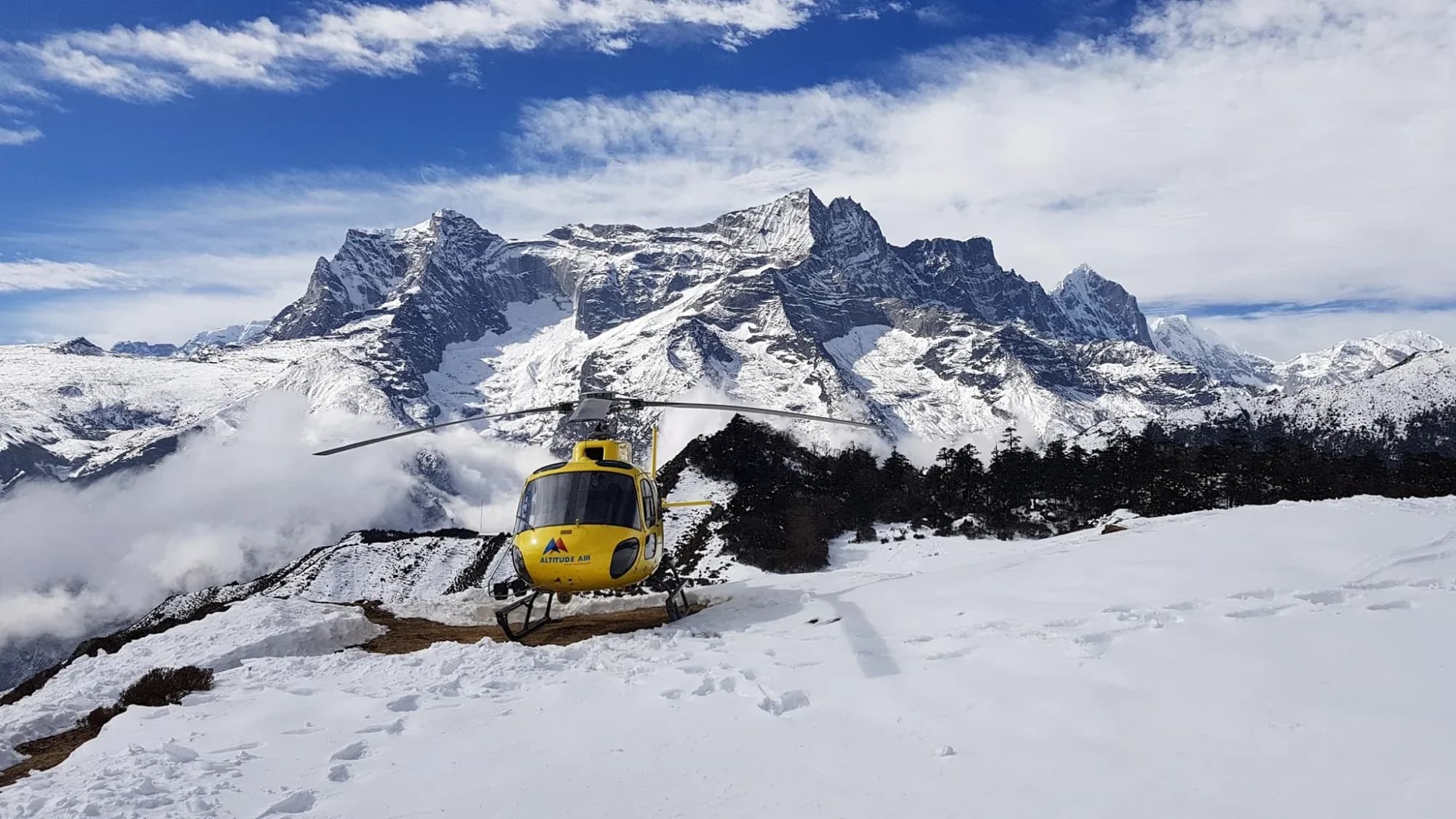
The Kailash Mansarovar Yatra by helicopter route is the fastest and most comfortable way to reach Kailash and Mansarovar Lake. It is ideal for travelers with limited time and those who want to avoid long road travel and reduce physical strain. It takes about 9 to 11 days. In this journey, you will fly from Kathmandu to Nepalgunj and then to Simikot. From Simikot, you will take a helicopter flight to Hilsa, followed by a short drive to enter Tibet.
You can still complete the full Kailash Kora and take a holy dip in Lake Mansarovar. The cost is higher, but the journey is quicker and easier. Packages usually include flights, permits, transport, accommodation, and meals. When returning, you will fly from Simikot to Nepalgunj to Kathmandu.
Kailash Mansarovar Yatra by Overland Drive
The Kailash Mansarovar Yatra by overland drive is the traditional way to reach Kailash Mansarovar. The drive follows the route through Rasuwagadhi–Gyirong border from Kathmandu, and then continues by bus or jeep to Saga, Paryang, Mansarovar, and Darchen.
This option takes a few extra days. But it allows natural acclimatization and a deeper travel experience.
You slowly move from Nepal’s green hills to the wide Tibetan plateau, with gradual altitude gain. It is more budget-friendly and gives more time to see monasteries, landscapes, and local life. The package still covers permits, transport, lodging, meals, and support during the Kailash Kora. The return journey is in drive as well.
Chinese Visa, Tibetan Passes, And Permits For Indians And Nepalese
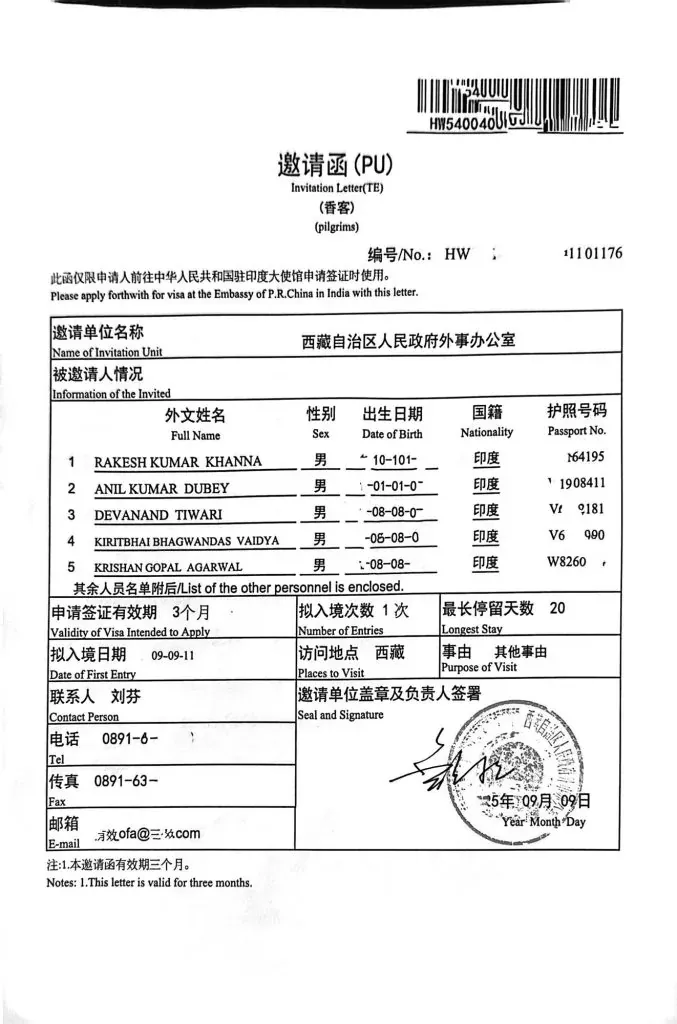
For a pilgrimage to Mount Kailash and Lake Mansarovar, the main documents that an Indian and Nepali citizen needs to acquire are a Chinese Group Visa, Tibet Travel Permit (TTP), Alien’s Travel Permit (ATP), Military Area Entry Permit, and Restricted Area Permit for Nepal (Simikot/Hilsa or Rasuwagidhi, depending on the route). An ordinary tourist Chinese visa won’t work here; you need to obtain a Chinese Group Visa strictly, and that too from a registered travel agent.
There are certain rules that an Indian pilgrim should consider here. An Indian pilgrim should obtain these permits and a Chinese visa before leaving India. Also, Indian citizens doing the Kailash and Mansarovar yatra via Nepal must obtain a Chinese Visa from the Embassy of China in New Delhi, not from the Embassy of China in Kathmandu. The visa processing time can take anywhere between 4-5 days. The duration is a bit short for Nepali citizens.
The process to get a visa and permits for both Indian and Nepalese citizens is as follows:
- Choose a licensed tour operator (India or Nepal) experienced in the Kailash Yatra.
- Make sure your passport is valid for at least 6 months from the start of your travel, and it has enough blank pages.
- Submit a recent passport-size photo and a group application form.
- Your tour agency will now apply for the Chinese Group Visa.
- Once the visa is confirmed, the tour agency applies for the Tibet Travel Permit (TTP) through the Tibet Autonomous Region (TAR) authorities or the Pilgrim Centre.
- The agency also takes care of the Alien’s Travel Permit, Military Area Entry Permit, and Restricted Area Permit.
Good to know: The Chinese Government banned the Kailash Mansarovar Yatra from India in 2020 due to the COVID-19 pandemic and rising tensions between India and China following border clashes that year. Now, after five years, both countries have agreed to restart the pilgrimage for Indian travelers to Tibet in 2025. The Indian government organizes the Yatra through two main routes: Lipulekh Pass in Uttarakhand (near the India–Nepal–China border) and Nathu La Pass in Sikkim.
Experience Culture And Language Shaped By 3 Nations
The Kailash region lies in the tripoint between India, Nepal, and Tibet (China). Thus, you will find the culture, tradition, and languages influenced by these three countries. People here live simple lives filled with faith and spirituality, and the cultures mix beautifully across the borders. They speak different languages, like Tibetan, Chinese, and Nepali. Tibetan is the main language spoken in Western Tibet, where Mount Kailash is located. Chinese is used for official work and by the local government. Likewise, Nepali is common among traders, pilgrims, and guides coming through the Nepal border area. Guides, travelers, and some locals also speak English to communicate with foreign pilgrims.
Local people also follow different religions like Hindu, Buddhist, Jain, and Bon. Though their beliefs differ, everyone sees this place as a symbol of purity, peace, and divine power. Further, out of deep respect, no one is allowed to climb Mount Kailash. Locals believe it would disturb the sacred balance of the mountain. There are no permanent buildings nearby as well. Instead of climbing, pilgrims walk around the Kailash in a 42KM journey from Tarboche called the parikrama, which represents faith and spiritual cleansing. In this holy region, the borders of India, Nepal, and Tibet disappear, and the same devotion and peace unite all who travel to Kailash Mansarovar.
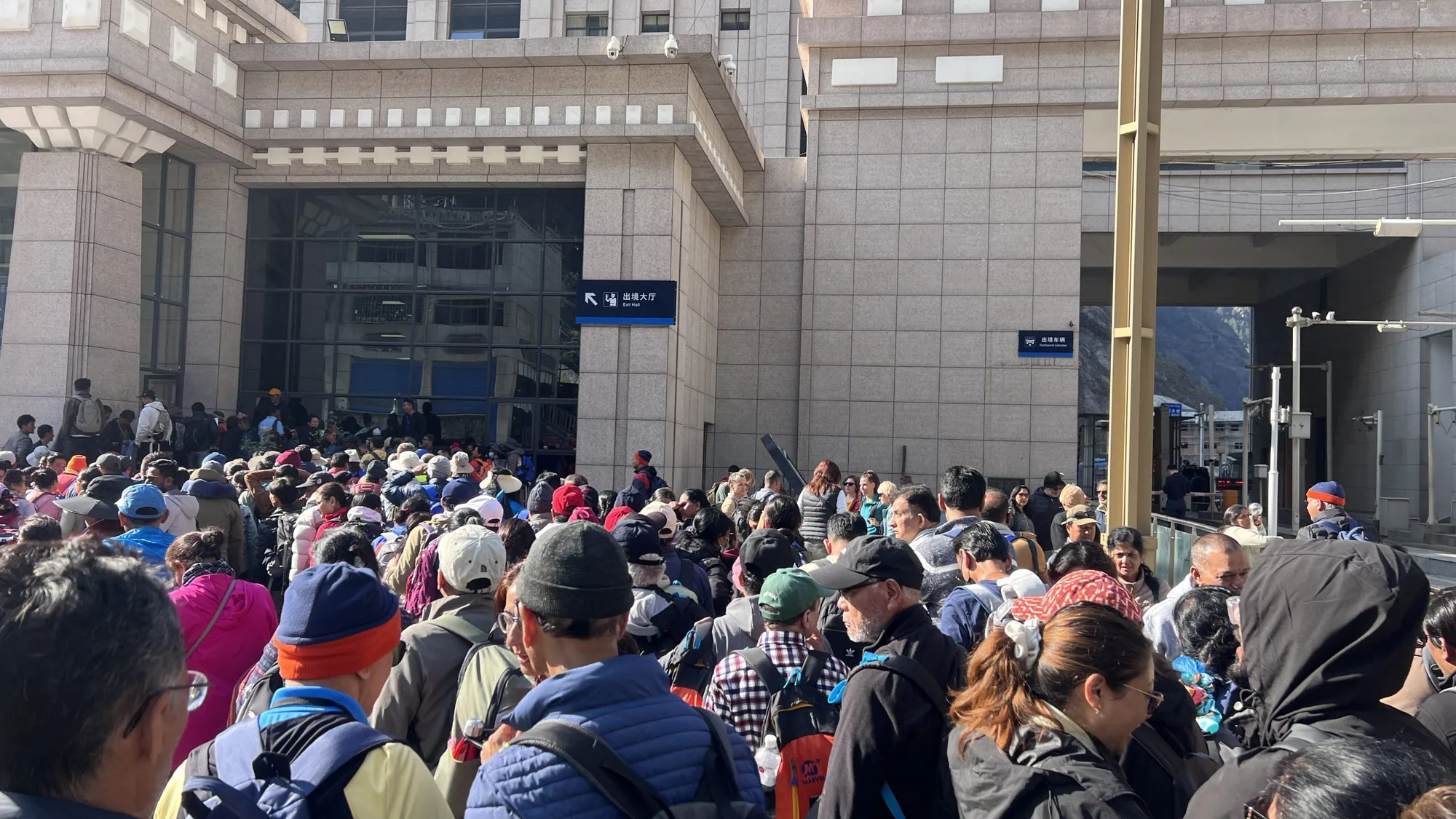
Do's And Don'ts During Kailash Mansarovar Yatra
Do’s
- Carry your permits, passport, and ID.
- Stay with your group and follow your guide.
- Take enough acclimatization time to adjust to high altitude.
- Drink lots of water to stay hydrated.
- Wear warm clothes in layers.
- Respect local customs, temples, and religious sites,
- Keep your trash with you.
- Pray quietly and respectfully.
- Keep your emergency contacts and travel insurance ready.
- Follow the rules during the Kora.
- Walk clockwise during the parikrama.
- Dress modestly.
- Take off your shoes in temples and holy places.
- Tell your guide if you feel sick.
Don’ts
- Don’t try to climb Mount Kailash.
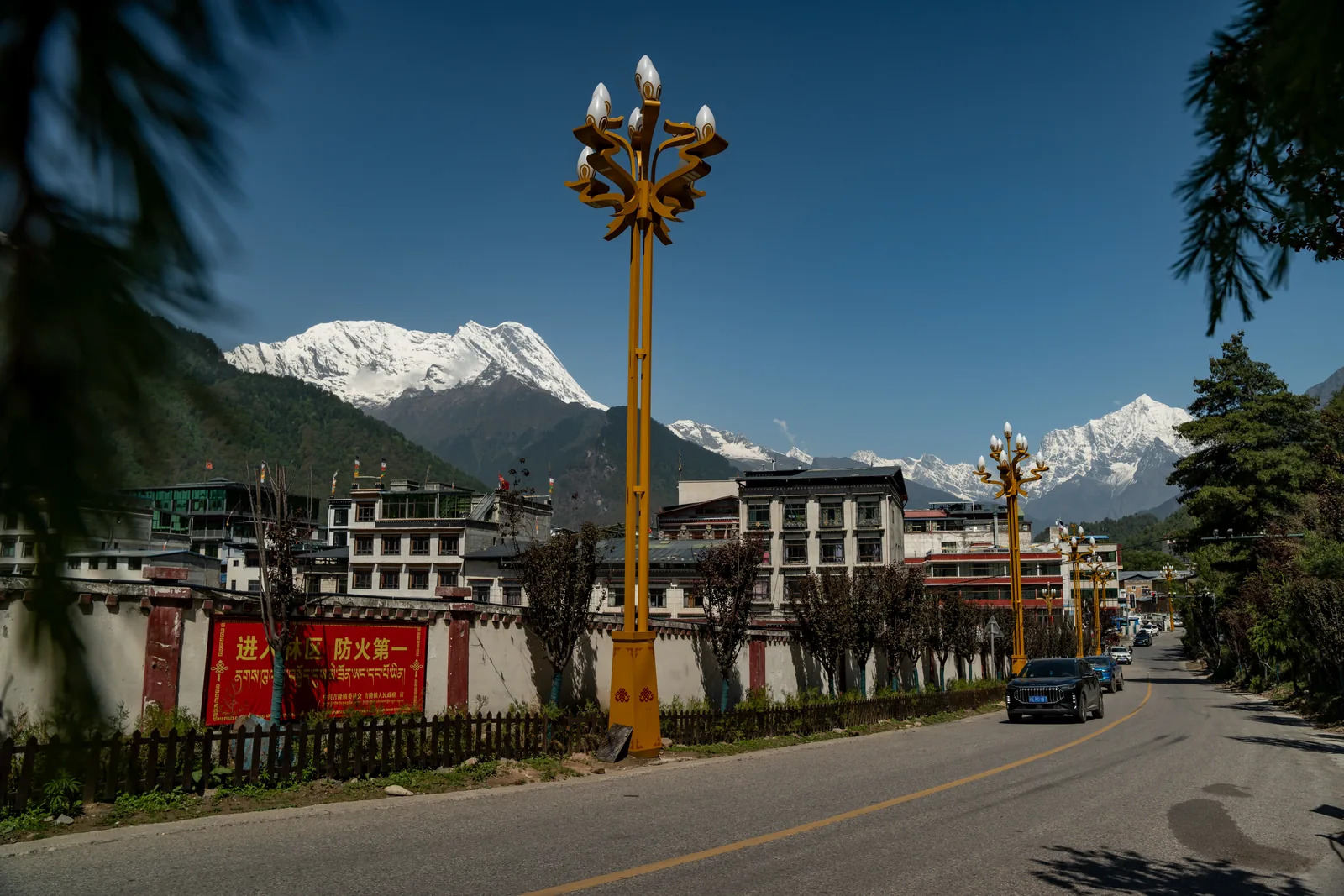
- Don’t take stones from holy places.
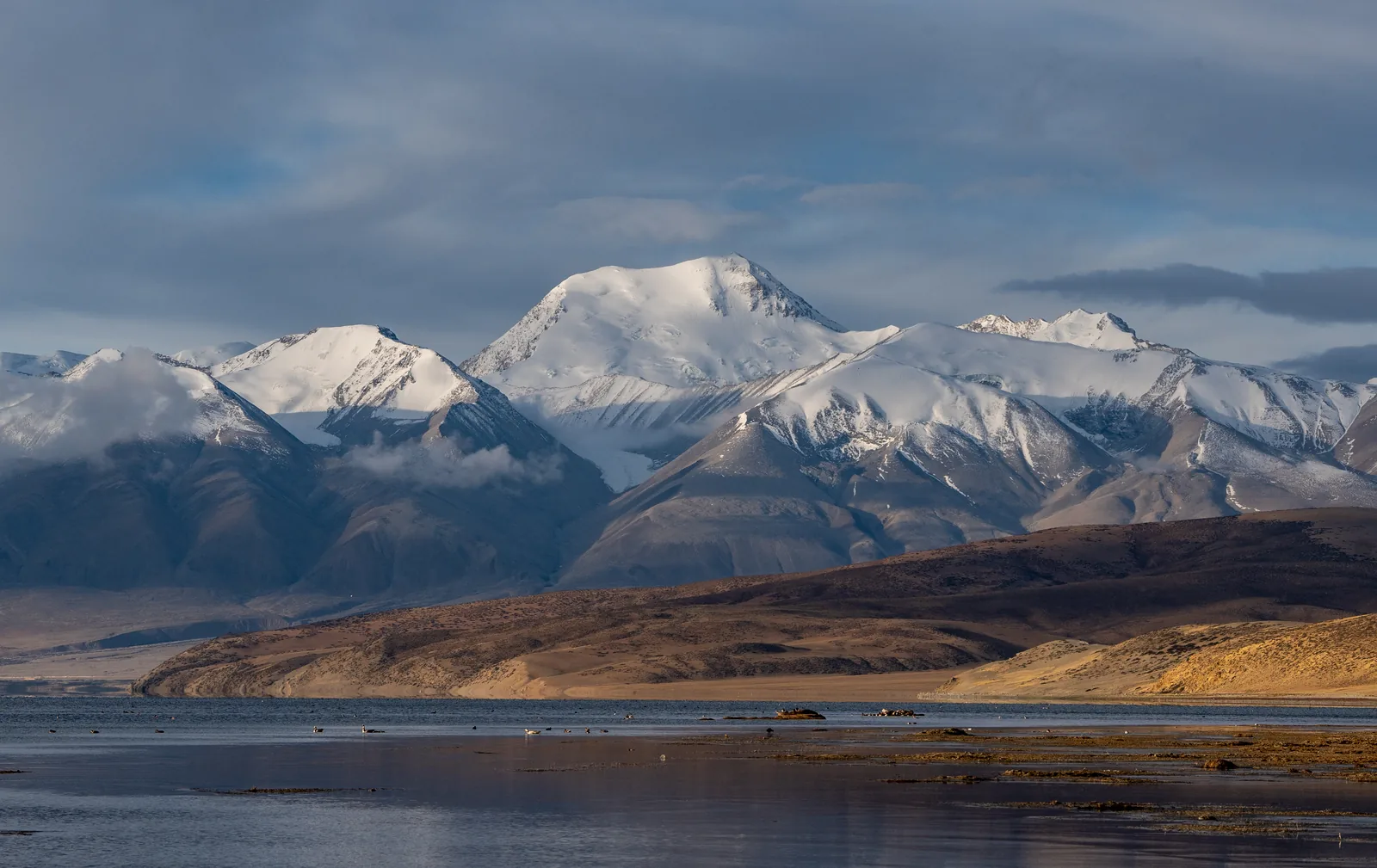
- Don’t throw trash or pollute Lake Mansarovar.
- Don’t shout, play loud music, or be noisy near sacred sites.
- Don’t disrespect symbols or signs at religious places.
- Avoid alcohol, smoking, and non-vegetarian food.
- Don’t take pictures of monks or local people without permission.
- Avoid arguments about religion or politics.
FAQs for Kailash Mansarovar Yatra 2026
Is the Kailash Mansarovar Yatra hard?
How much does the Kailash Mansarovar Yatra cost?
What types of food are served during the journey?
Do pilgrims need travel or medical insurance for the Yatra?
What are the differences between the outer and inner Kora of Mount Kailash?
Why do many pilgrims reach Kailash during the full moon?
Can we choose our own departure date and travel in a private group?
Why do nails and hair grow faster near Mount Kailash?
Who can take part in this journey?
Can we bathe in Lake Mansarovar?
Can we use horses or ponies during the Kora?
Travler Reviews
USD 2,770 per person
Others Options for Kailash Yatra
11 Days
Kailash Mansarovar Yatra by Helicopter
14 Days
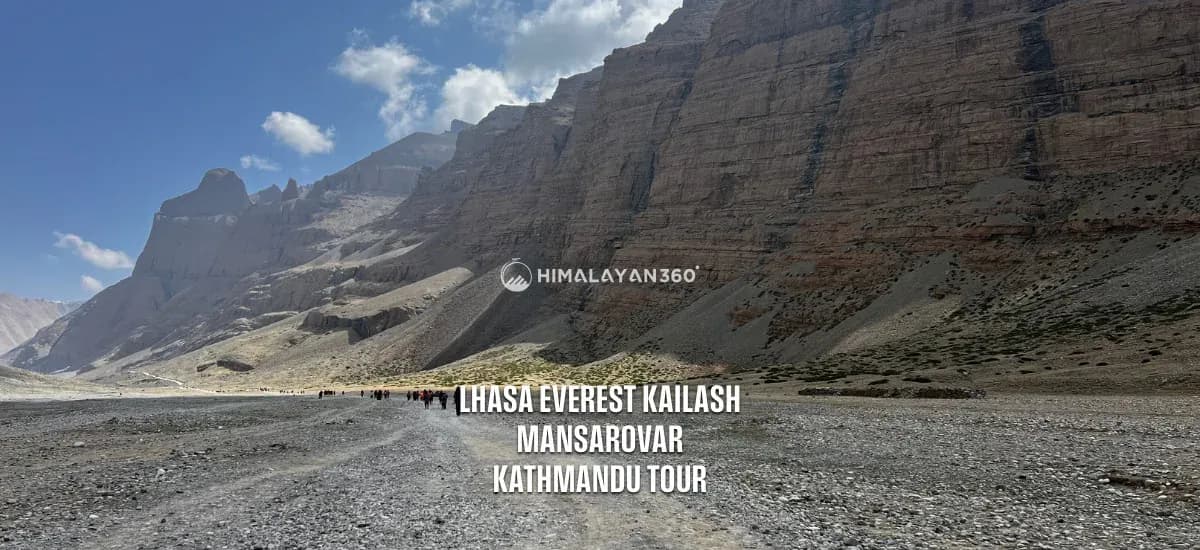
Lhasa Everest Kailash Mansarovar Kathmandu Tour
10 Days
Mount Kailash and Lake Mansarovar Yatra
Adventures Await
we’ll make it extraordinary and uniquely yours.
Create a travel experience that reflects your style and preferences.
With expert guidance, every moment of your trip is uniquely tailored to you.