After the recent Gen-Z protest, the country is calm again, with peace and safety restored. Visit: This Vlog by a Fellow Tourist to see the friendly and welcoming side of Nepal, even during hard times.
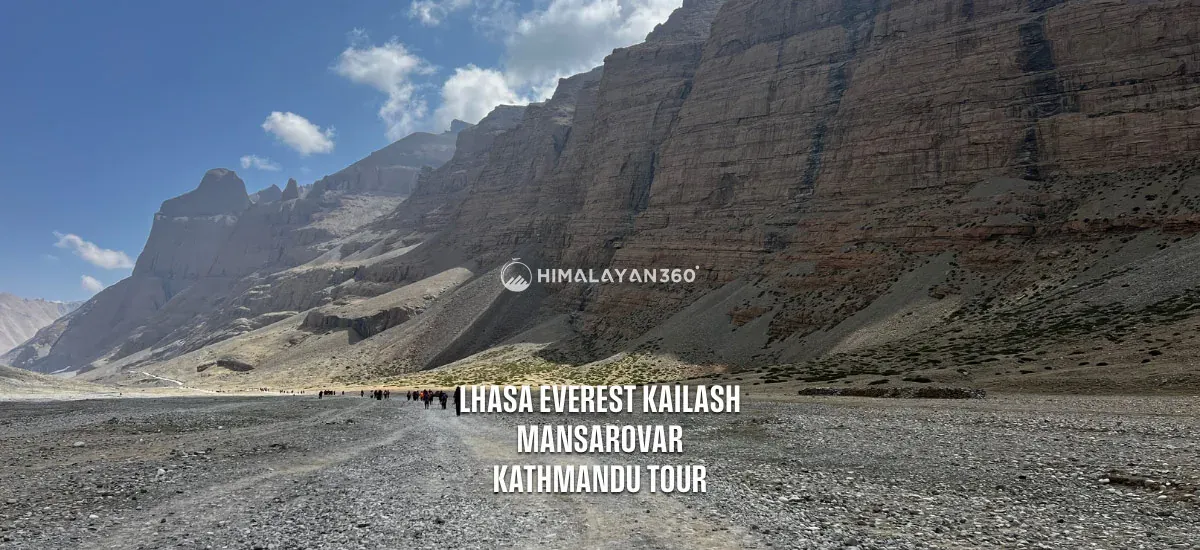
Lhasa Everest Kailash Mansarovar Kathmandu Tour
The Lhasa Everest Kailash Mansarovar Kathmandu Tour is a 14 days overland trip that takes you from Lhasa to Mount Everest Base Camp (EBC), then to the sacred Mount Kailash and Lake Mansarovar, and finally to Kathmandu. It is one of the most complete Tibet to Nepal tours.
Your journey begins in Lhasa. While in Lhasa, you will explore famous landmarks like the Potala Palace, Jokhang Temple, Barkhor Market, and the ancient Sera and Drepung Monasteries. Then from Lhasa, you will drive across Yamdrok Lake and Karola Glacier to Gyantse and Shigatse. From Shigatse, you will drive to the Tibet-side Everest Base Camp, where you will get to see views of Mount Everest up close.
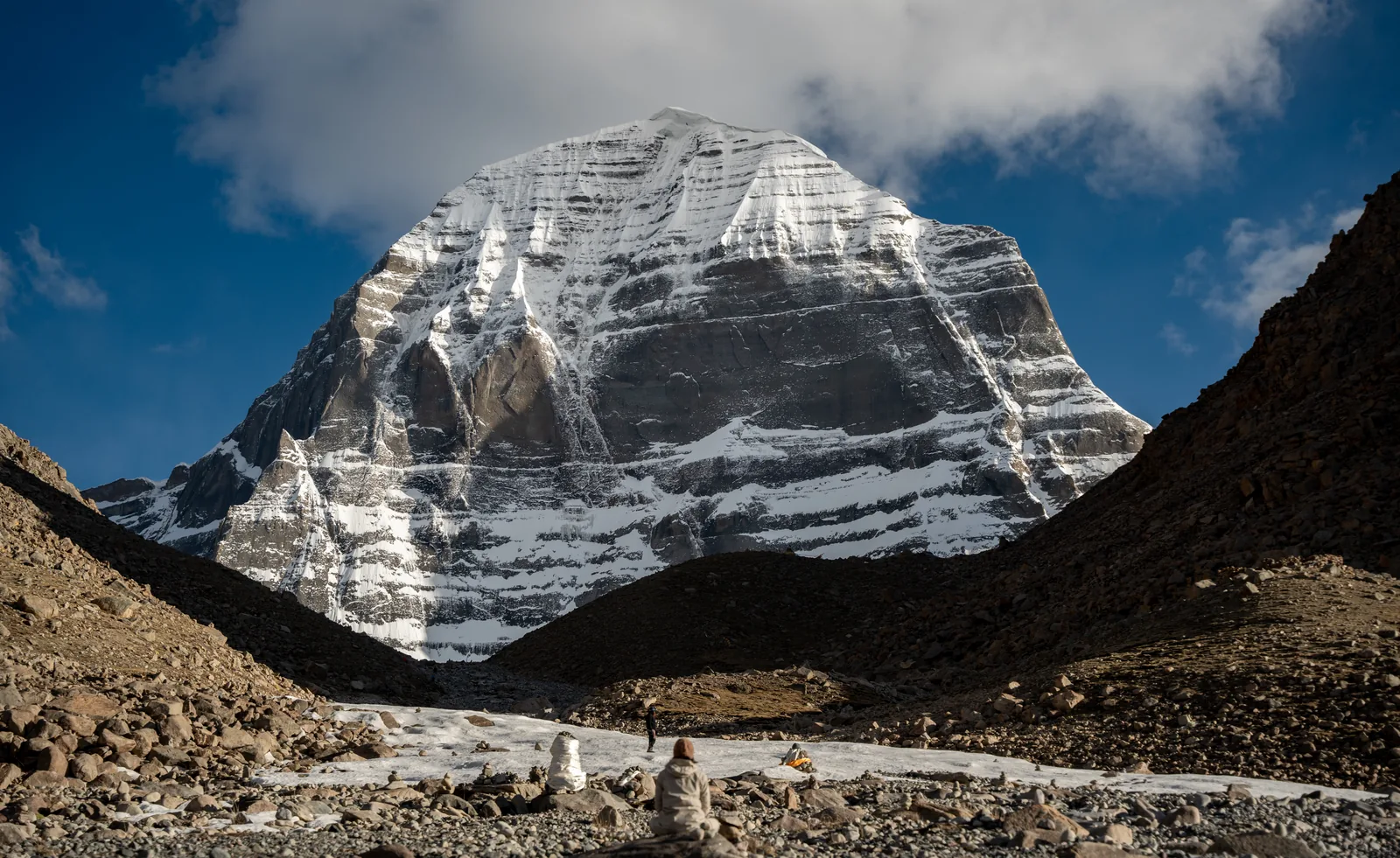
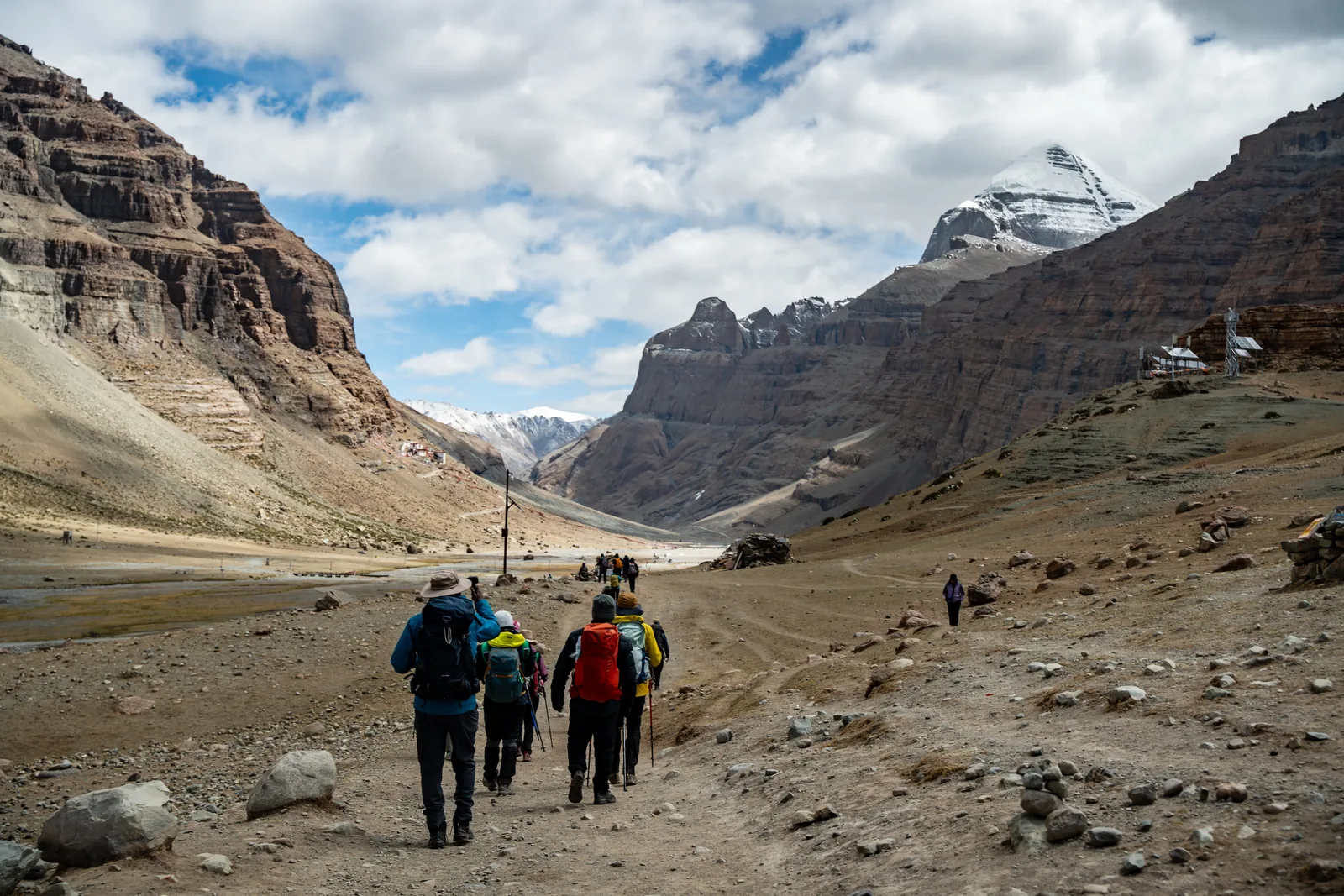
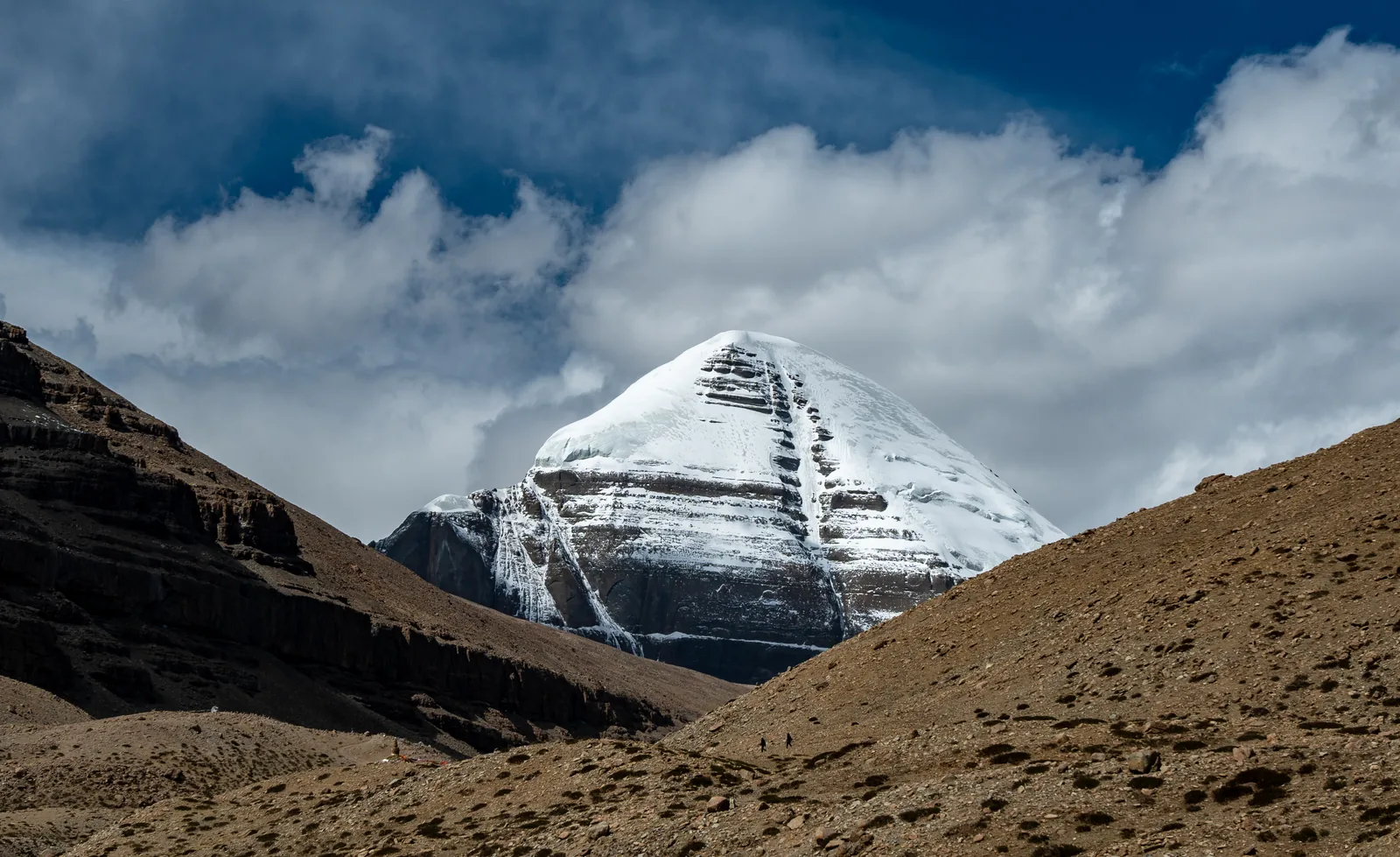
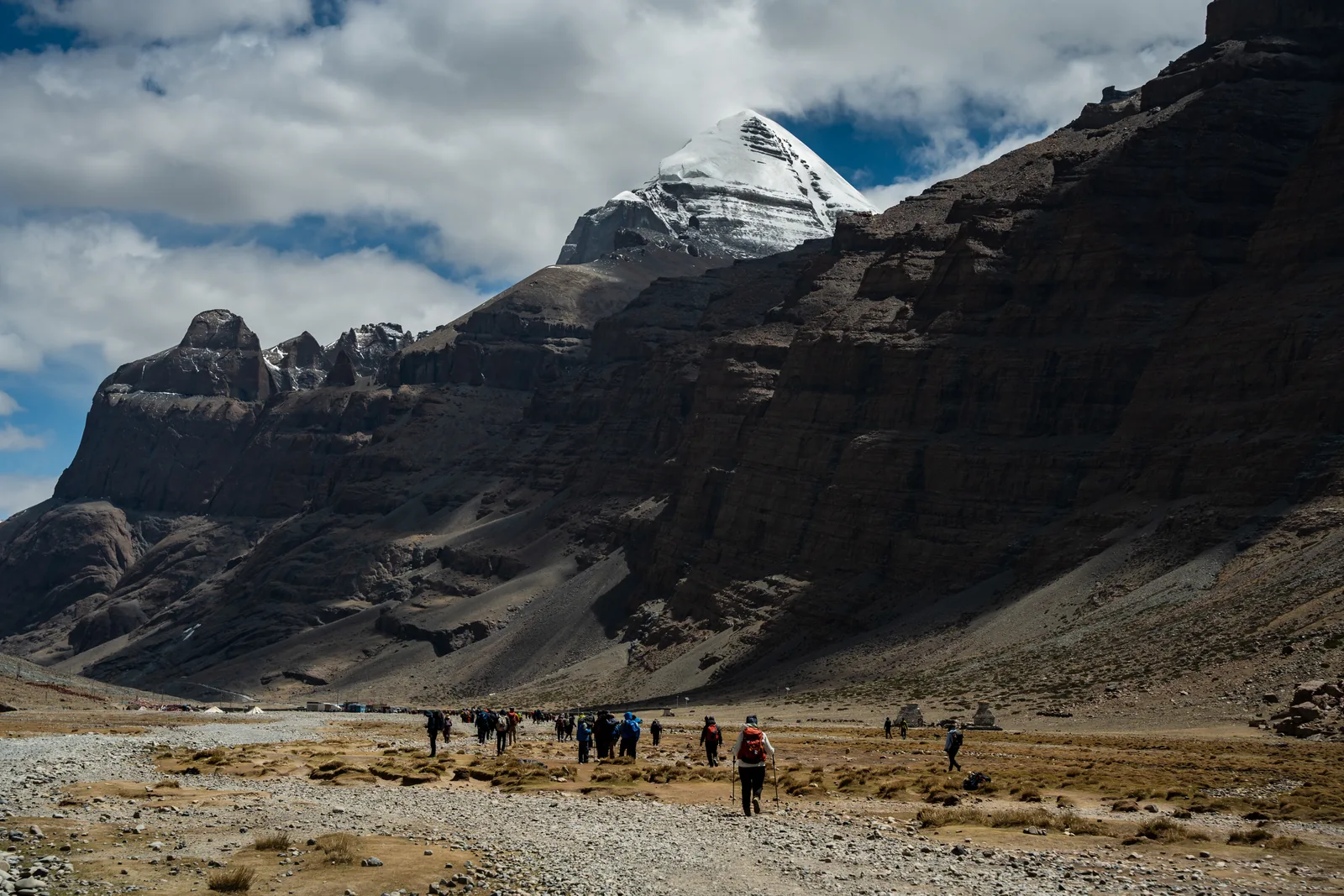
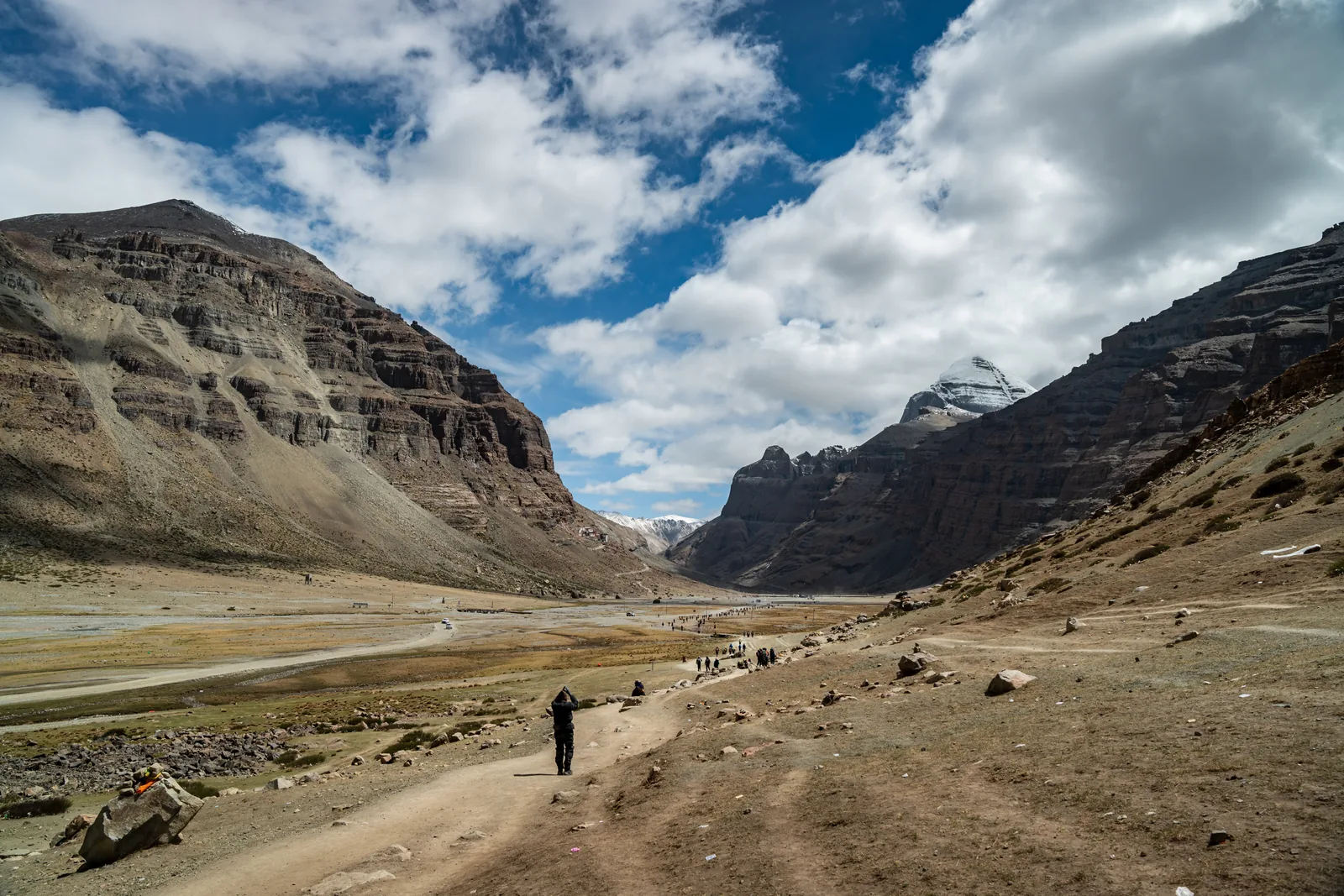
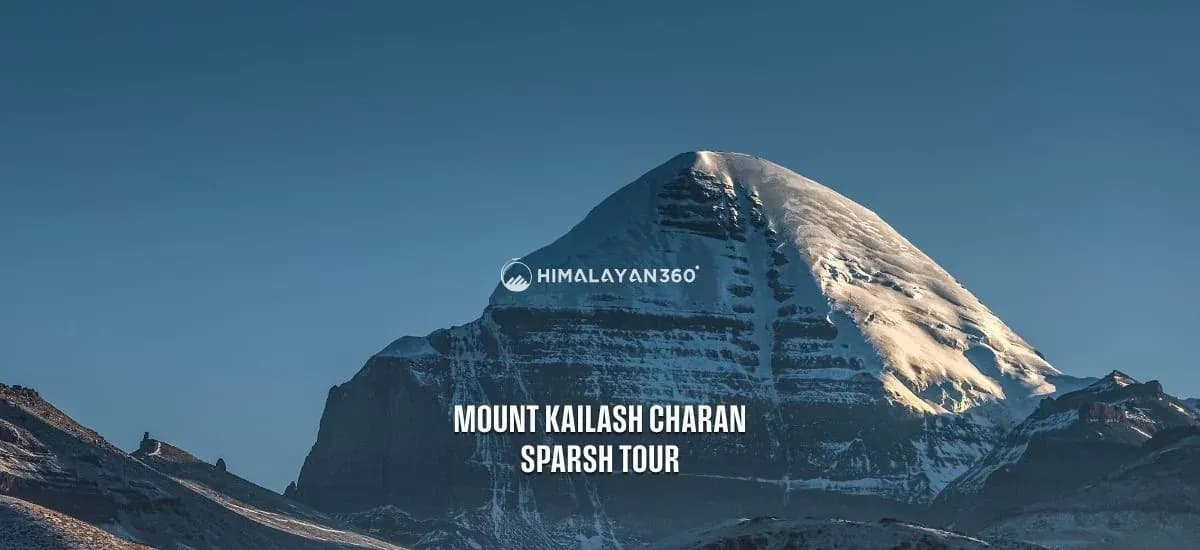
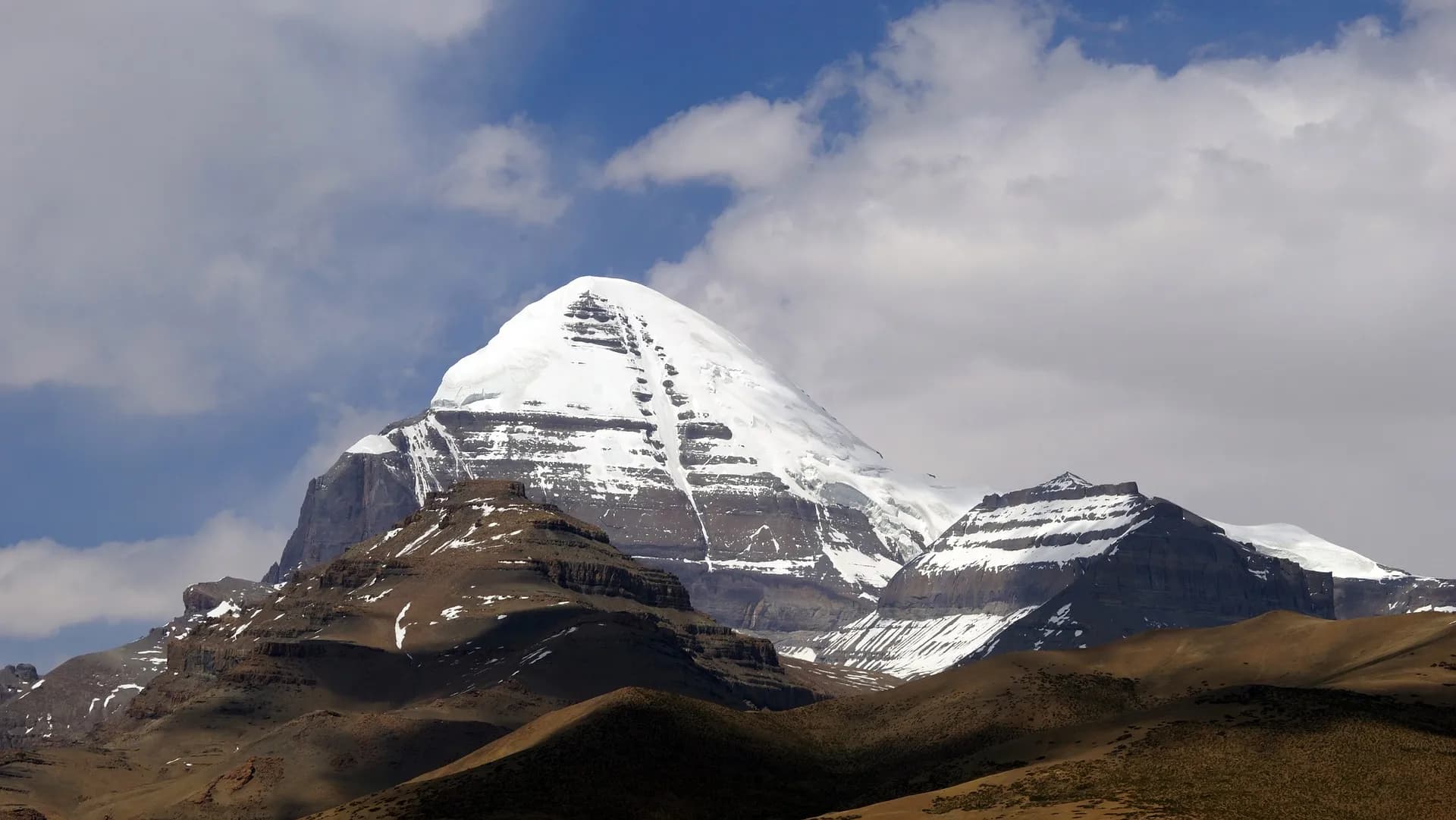
From EBC, the road leads west toward Mount Kailash and Lake Mansarovar. This region is sacred to Hindus, Buddhists, Jains, and Bon followers. Pilgrims believe that walking around Mount Kailash (Kora) cleanses one’s sins and brings spiritual peace. During the 3-day Kailash Kora trek, you’ll cross the high Dolma La Pass and witness the stunning beauty of Tibet’s remote landscape.
After completing the spiritual Kora, you’ll continue to Gyirong Valley, near the Nepal border. The scenery changes dramatically here, from dry plateaus to green forests and waterfalls. Our guide will help you travel safely to Kathmandu. Your journey ends in Kathmandu, where you experience the warmth of Nepali hospitality and vibrant local culture. This tour is perfect for those who want to experience both the spiritual side of Tibet and the natural beauty of the Himalayas.
Max. Altitude
5,630M/18,471FT
Best Season
May,Jun,Jul,Aug,Sep
Travel Distance
2,375KM/1,475Miles (Lhasa to Kathmandu Drive)
Difficulty
Destination
Tibet
Transportation
Shared Vehicle
Start / End
Lhasa/Kathmandu
Accommodation
Meals
Route
Lhasa-Shigatse-EBC-Saga-Mansarovar-Darchen-Zutulpuk-Gyirung-KTM
Activities
6Hours/Day Drive
Trip Type
Religious Tour
Trek Distance
42KM/26Miles
Highlights of Lhasa Everest Kailash Mansarovar Kathmandu Tour
- Drive through well-paved roads along the Tibetan plateau, high passes, and Himalayan landscapes.
- Witness the Karola Glacier stretching on both sides of the narrow road from Lhasa to Shigatse.
- Spend a night at Everest Base Camp, and watch the golden sunrise over the highest peak on Earth.
- Take a holy bath in Lake Mansarovar.
- Complete the 3-day Parikrama of Mount Kailash.
- Cross several mountain passes like Mayum La Pass, Kamba La Pass, Dolma La Pass, Gyatsola Pass, and Gawu La Pass.
- Learn Tibetan culture and tradition by visiting Sera and Drepung Monasteries in Lhasa.
- Experience a change in landscape from dry plateau to lush landscapes of Langtang National Park from Gyirung to Kathmandu.
Lhasa to Kathmandu Drive Distance and Road Status
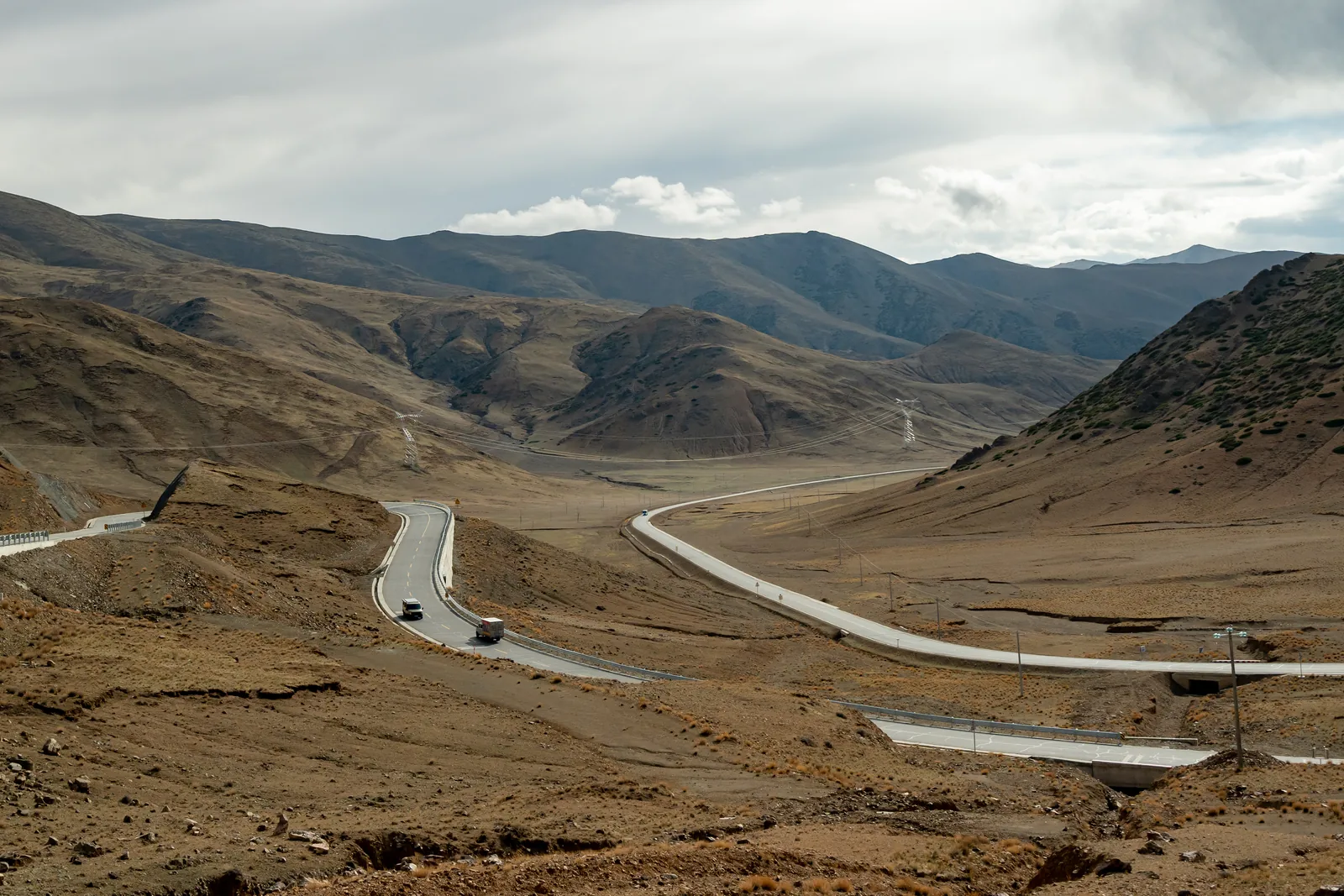
Traveling overland from Lhasa to Kathmandu is the most scenic and adventurous journey in the Himalayas. The route follows the Sino-Nepal Friendship Highway (G318) and covers approximately 2,375KM/1,475Miles. The road conditions have significantly improved over the past decade with the continuous development and tourism promotion efforts by the local government. Here’s an overview of the drive distance and road status:
| Segment | Drive Distance | Drive Duration | Road Status |
|---|---|---|---|
| Drive from Lhasa to Shigatse | 323KM / 200Miles | 7Hours | Well-paved asphalt road with good infrastructure along the G318 Friendship Highway. |
| Drive from Shigatse to Everest Base Camp | 342KM / 212Miles | 7Hours | Upgraded in 2015; the route is now smooth and well-paved, suitable even for buses. However, snow and ice can affect travel during winter. |
| Drive from EBC to Peiku Tso Lake to Saga | 305KM / 190Miles | 6Hours | The route runs through remote high plateau terrain. Roads are mostly good, but expect some unpaved or less-maintained sections. |
| Drive from Saga to Lake Mansarovar | 452KM / 280Miles | 8Hours | Mostly paved asphalt road with occasional gravel sections. Around the lake, expect rocky or unpaved tracks. |
| Drive from Lake Mansarovar to Darchen | 40KM / 25Miles | 1Hour | Local access road around the lake, paved and in good condition. |
| Drive from Darchen to Saga | 470KM / 292Miles | 7Hours | Gravel surface with occasional debris. Vehicle reliability and weather conditions play a key role. |
| Drive from Saga to Gyirung | 230 KM / 143 Miles | 6Hours | Mountain highway with good infrastructure on the Tibet side, but the terrain is challenging near the border. |
| Drive from Gyirung to Kathmandu | 243KM /151 Miles | 7Hours | Paved road on the Tibet side; however, the Nepal side is rugged, narrow, and prone to landslides or mudflows, especially during the rainy season. |
Lhasa Everest Kailash Mansarovar Kathmandu Tour Outline Itinerary
Lhasa Everest Kailash Mansarovar Kathmandu Tour Itinerary
Day 01: Arrival In Lhasa
| Itinerary Fact | Details |
|---|---|
| Time: | 00:00-00:00 |
| Trek Distance: | N/A |
| Travel Duration: | 1.5Hours |
| Travel Distance: | 62KM/Miles |
| Highest Altitude: | 3,656M/11,995FT | Lhasa |
To start the Lhasa Everest Kailash Mansarovar Kathmandu tour, first of all, you will have to arrive in Lhasa. Once you are at Lhasa, our friendly tour guide will meet you and greet you with a khada (traditional ceremonial scarf in Tibetan Buddhism).
After that, our guide and the driver will take you to the hotel in Lhasa in a private vehicle. Once you complete the check-in formalities at the hotel, settle in, take a rest for a while, and if you want, you can explore the hotel area or nearby attractions in Lhasa town. Overnight in Lhasa.
| Itinerary Fact | Details |
|---|---|
| Meals: | N/A |
| Accomodations: | 3/4 Star Hotel |
Day 02: Lhasa Sightseeing
| Itinerary Fact | Details |
|---|---|
| Time: | 10:00-16:00 |
| Trek Distance: | N/A |
| Travel Duration: | 6Hours |
| Travel Distance: | 35KM/22Miles |
| Highest Altitude: | 3,656M/11,995FT | Lhasa |
We have specifically separated day 2 and day 3 for the Lhasa tour, so you won’t miss out on a chance to take a detour at the Lhasa attraction and learn about its sacred charm and rich history. Taking into account this thing, today you will visit Potala Palace, Jokhang Temple, and Barkhor Market.
After breakfast at the hotel, first, you will visit the Potala Palace. Potala Palace is the number 1 attraction for anyone taking a Tibet tour. It is listed as a UNESCO World Heritage Site and is one of Tibet’s most iconic landmarks. It was once the winter residence of the Dalai Lama (an advocate for non-violence and world peace). It stands tall above the city and offers stunning views of old Lhasa. Inside the palace, you will find ancient murals, prayer halls, and the golden stupas of former Dalai Lamas. The palace reflects the deep spiritual heritage of Tibet.
Next up, after exploring the palace, you will visit the Jokhang Temple. The temple is the spiritual center of Tibetan Buddhism and is located at the heart of Lhasa’s old town. Pilgrims from all over Tibet come here to worship the 12 years old statue of Buddha Sakyamuni (the holiest image in Tibet). You will see devotees prostrating and chanting prayers around the temple premises.
You will end the day with a stroll around the Barkhor Street. It is a lively marketplace that circles Jokhang Temple. As you stroll through Barkhor Street, you’ll see pilgrims walking clockwise around the Jokhang Temple, spinning prayer wheels or prostrating on the ground while softly chanting mantras. There are also shops selling colorful Tibetan clothing, prayer flags, and handmade crafts from Tibet, Nepal, Bhutan, and India. You can also find some of Lhasa’s best restaurants and tea houses tucked along this sacred route.
| Itinerary Fact | Details |
|---|---|
| Meals: | Breakfast |
| Accomodations: | 3/4 Star Hotel |
Day 03: Lhasa Sightseeing
| Itinerary Fact | Details |
|---|---|
| Time: | 10:00-16:00 |
| Trek Distance: | N/A |
| Travel Duration: | 6Hours |
| Travel Distance: | 50KM/31Miles |
| Highest Altitude: | 3,656M/11,995FT | Lhasa |
Continuing our Lhasa tour, today you will spend the day exploring two of the famous monasteries, Drepung and Sera Monastery. With this, you get a chance to learn about Tibetan Buddhism up close. You will first visit Drepung Monastery after breakfast. Drepung Monastery is one of the largest monasteries in Tibet. It was once home to over 10,000 monks. It also used to be the residence of the Dalai Lamas before they moved to the Potala Palace. As you walk through its grand hall and temples, your guide will explain the rich history, beliefs, and traditions that form the heart of Tibetan Buddhism, so listen closely to him/her.
Next, you will head to Sera Monastery. It is another one of the “Great Three” Geluk monasteries of Tibet. The highlight here is the monks’ debate session, which occurs from 3:00 PM to 5:00 PM on weekdays. It is a lively practice where monks challenge each other’s understanding of Buddhist scriptures using expressive gestures and sharp reasoning. It is a key part of monastic education. You will hear rhythmic claps, see bold hand movements, and feel the vibrant energy as they engage in spirited discussions. It will be a truly unique cultural experience for you.
After a meaningful day of exploration, you’ll return to the hotel and enjoy a welcome dinner with the group.
| Itinerary Fact | Details |
|---|---|
| Meals: | Breakfast |
| Accomodations: | 3/4 Star Hotel |
Day 04: Drive From Lhasa To Shigatse
| Itinerary Fact | Details |
|---|---|
| Time: | 10:00-17:00 |
| Trek Distance: | N/A |
| Travel Duration: | 7Hours |
| Travel Distance: | 323KM/200Miles |
| Highest Altitude: | 4,852M/15,919FT | Kamba La Pass |
Following the Lhasa Everest Lake Mansarovar Kathmandu Tour itinerary, on day 3, you will take the overland journey from Lhasa to Shigatse. Good to know: Shigatse, also known as Xigatse, is the second-largest city in Tibet. It serves as the gateway to the Everest Base Camp in Tibet and the Chomolungma Nature Park. During the drive, you will pass through beautiful landscapes of Tibet, including turquoise lakes, snow-capped mountains, and ancient monasteries.
First, you will drive over the Kamba La Pass to see the stunning Yamdrok Lake (4,441M). It is one of Tibet’s three holy lakes. Green Nyenchen Tanglha Mountain and high snow-covered peaks like Mount Nojin Kangtsang surround the lake. From here, you can also catch a distant view of Mount Nyenchen Khangsar (7,191M), the highest mountain near Lhasa. Its turquoise waters create a magical contrast against the mountains.
Next, the road takes you to the spectacular Karola Glacier. It is one of Tibet’s largest glaciers, with its shimmering ice tongue stretching down close to the roadside. It is a mesmerizing sight that reflects the power of nature. Afterwards, you will stop in Gyantse to explore the Pelkor Chode Monastery and its iconic Kumbum Stupa, known for its exquisite murals and numerous chapels.
After exploring, you will continue your drive journey from Gyatse to Shigatse. The drive from Gyantse to Shigatse passes through beautiful Tibetan farmlands, lush green in summer and golden in autumn. Upon arrival in Shigatse, you will check into your hotel and rest for the night in preparation for the next day’s journey toward Mount Everest Base Camp.
| Itinerary Fact | Details |
|---|---|
| Meals: | Breakfast |
| Accomodations: | 3/4 Star Hotel |
Day 05: Drive From Shigatse To Everest Base Camp
| Itinerary Fact | Details |
|---|---|
| Time: | 09:00-16:00 |
| Trek Distance: | N/A |
| Travel Duration: | 7Hours |
| Travel Distance: | 342KM/212Miles |
| Highest Altitude: | 5,200M/17,060FT | EBC |
On day 5, after breakfast, you will start the day with a visit to Tashilunpo Monastery. It is a historic seat of the Panchen Lama and an important cultural site in Shigatse. After exploring, you will drive through the beautiful Tibetan farmlands to reach Tibet side Everest Base Camp.
At first, the drive takes place along the smooth G318 National Highway (Sino-Nepal Friendship Highway) road from Shigatse to Tingri. From Tingri to Everest Base Camp, the road has been upgraded to tarmac roads now, so it makes the journey comfortable. The route also enters Chomolungma Nature Reserve, where the scenery becomes dramatic with towering Himalayan peaks.
Before reaching the Everest Base Camp in Tibet, you will pass through Gyatsola Pass (5,280M) and Gawu La Pass (5,198M).
Gyatsola Pass offers the first glimpse of Mount Everest, hidden behind nearby mountains. Likewise, Gawu La Pass is a spectacular viewpoint decorated with colorful Tibetan prayer flags. From here, you can enjoy views of majestic Everest and four other 8,000-meter peaks: Makalu, Lhotse, Cho Oyu, and Shishapangma.
As you approach Everest Base Camp, you will see the iconic peaks of Mount Everest up close. During sunset, the northern face glows golden. And at night, the Milky Way lights up the sky above the snow-capped peak. These sights will definitely make your day. Stay overnight at Everest Base Camp in a basic tent house.
Note that the visibility of Everest depends on weather conditions and may vary.
| Itinerary Fact | Details |
|---|---|
| Meals: | Breakfast |
| Accomodations: | Tent house (Very basic) |
Day 06: EBC To Peiku Tso Lake To Saga
| Itinerary Fact | Details |
|---|---|
| Time: | 09:00-15:00 |
| Trek Distance: | N/A |
| Travel Duration: | 6Hours |
| Travel Distance: | 305KM/190Miles |
| Highest Altitude: | 5,200M/17,060FT | EBC |
Wake up early at Everest Base Camp to watch the sunrise over Mount Everest. Later on, you will drive a few kilometers to go to Rongbuk Monastery. It is one of the world’s highest monasteries, located at 5,154M. You can explore its ancient meditation caves and soak in the peaceful atmosphere high in the Himalayas.
Then, from Rongbuk, you will hop on a vehicle to Peiku Tso Lake. You will drive across the wide grasslands, scattered villages, and snow-covered peaks. This route also provides stunning views of Mount Shishapangma and its surrounding peaks. Peiku Tso Lake’s turquoise waters glow in the sunlight beneath the towering mountains.
Next, you will continue driving westward towards Saga County. Saga marks the gateway to the sacred Mount Kailash trek. You can stroll around the nearby market to buy any essentials needed for your Mount Kailash Circumambulation (Kora). Overnight stay is in a comfortable 3/4 star hotel in Saga.
| Itinerary Fact | Details |
|---|---|
| Meals: | Breakfast |
| Accomodations: | 3/4 Star Hotel |
Day 07: Drive From Saga To Lake Mansarovar
| Itinerary Fact | Details |
|---|---|
| Time: | 09:00-17:00 |
| Trek Distance: | N/A |
| Travel Duration: | 8Hours |
| Travel Distance: | 452KM/280Miles |
| Highest Altitude: | 4,600M/15,092FT | Mansarovar |
On day 7, you will again start the overland drive from Saga to Lake Mansarovar. It’s going to be a full day drive, so prepare yourself. The road is mostly paved along the G219 National Highway. So, it will be a smoother journey.
As you drive west across the Ngari Plateau, you will see a mix of landscapes. Rolling grasslands, high mountain passes, and snowy peaks frame the horizon. You’ll pass through Zhongba and Paryang, and cross the Mayum La Pass. En route, you will also see Gongzhucuo Lake, a small green freshwater lake at 4,686M, before arriving at Lake Manasarovar.
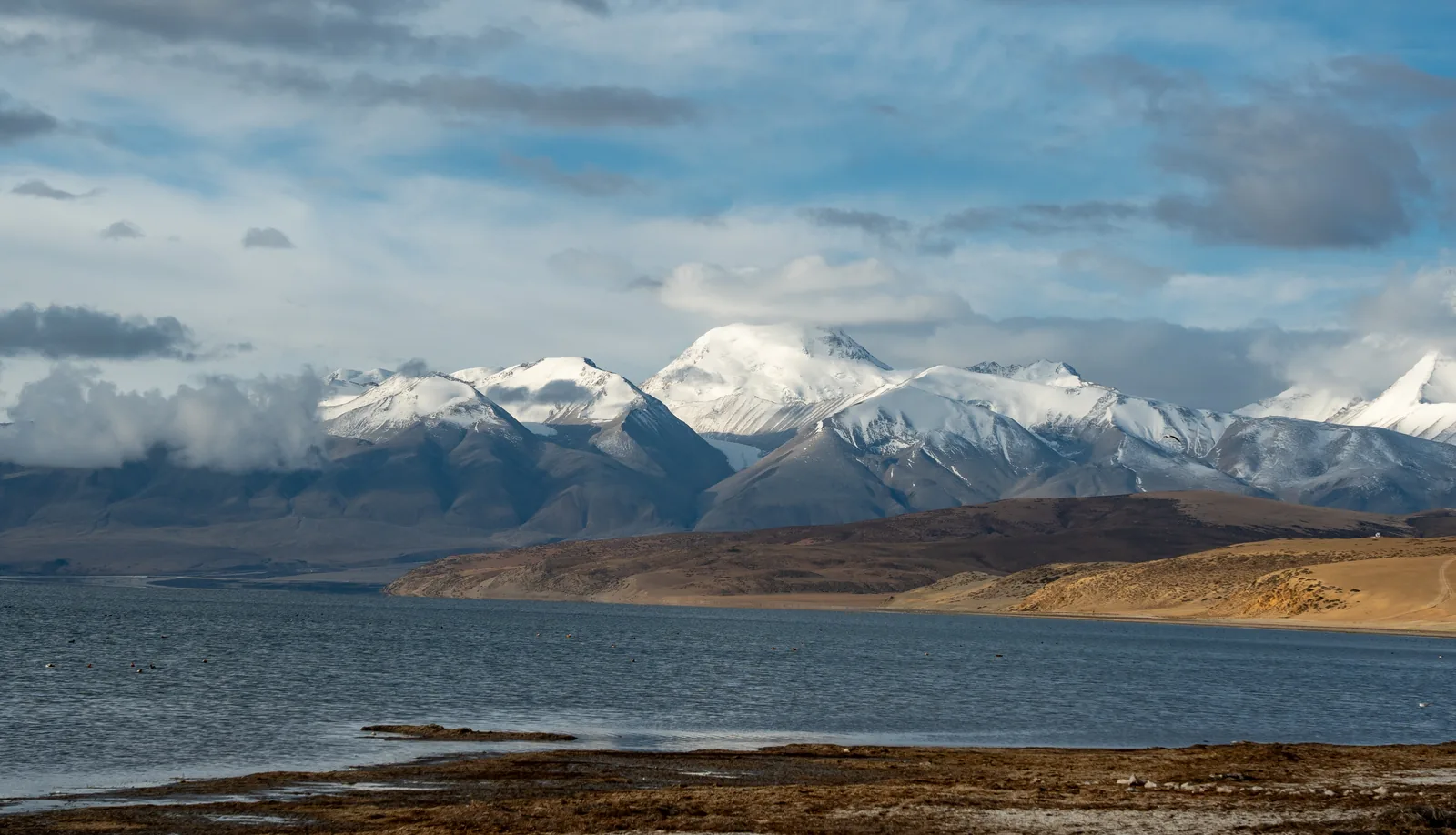
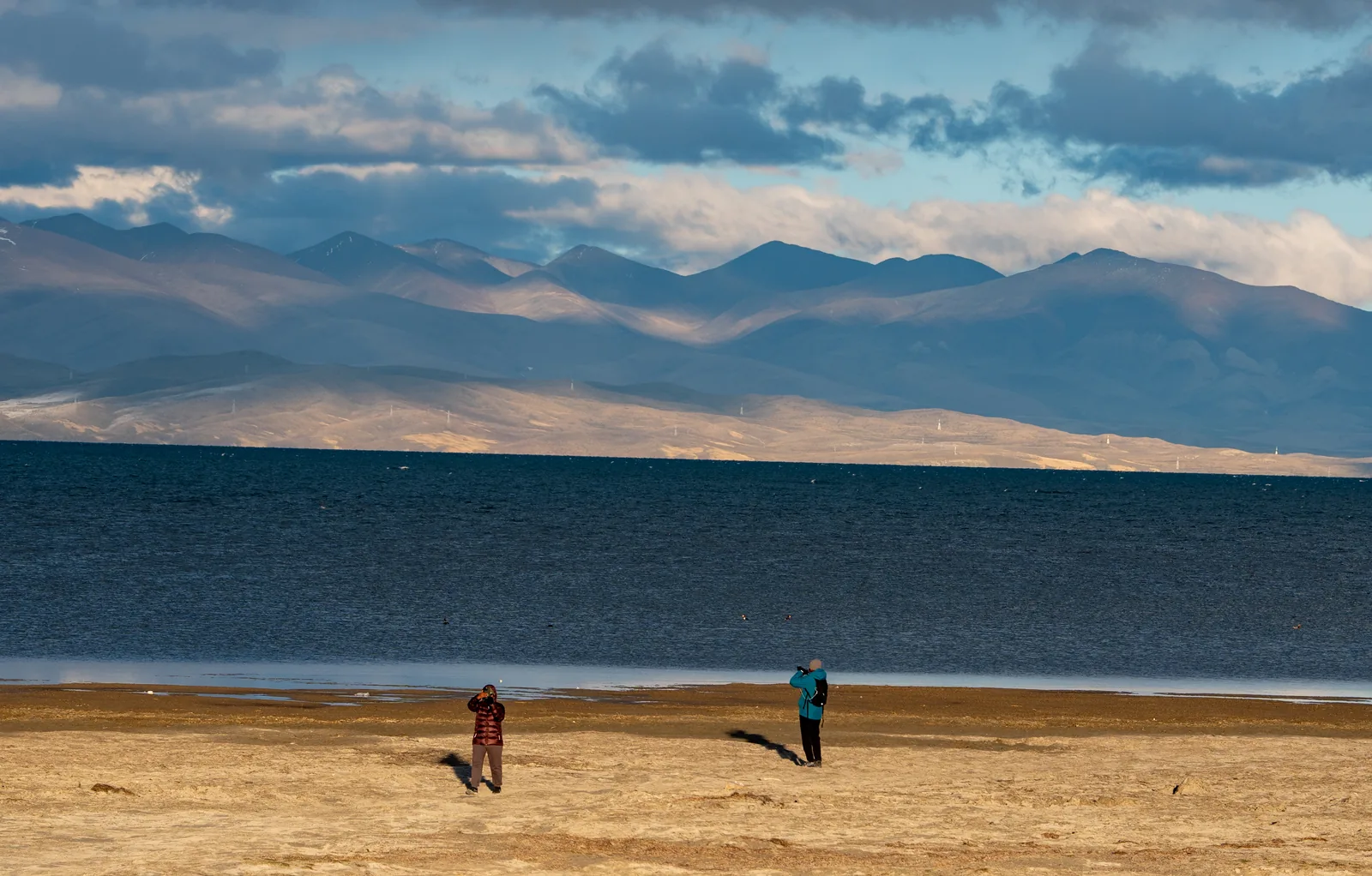
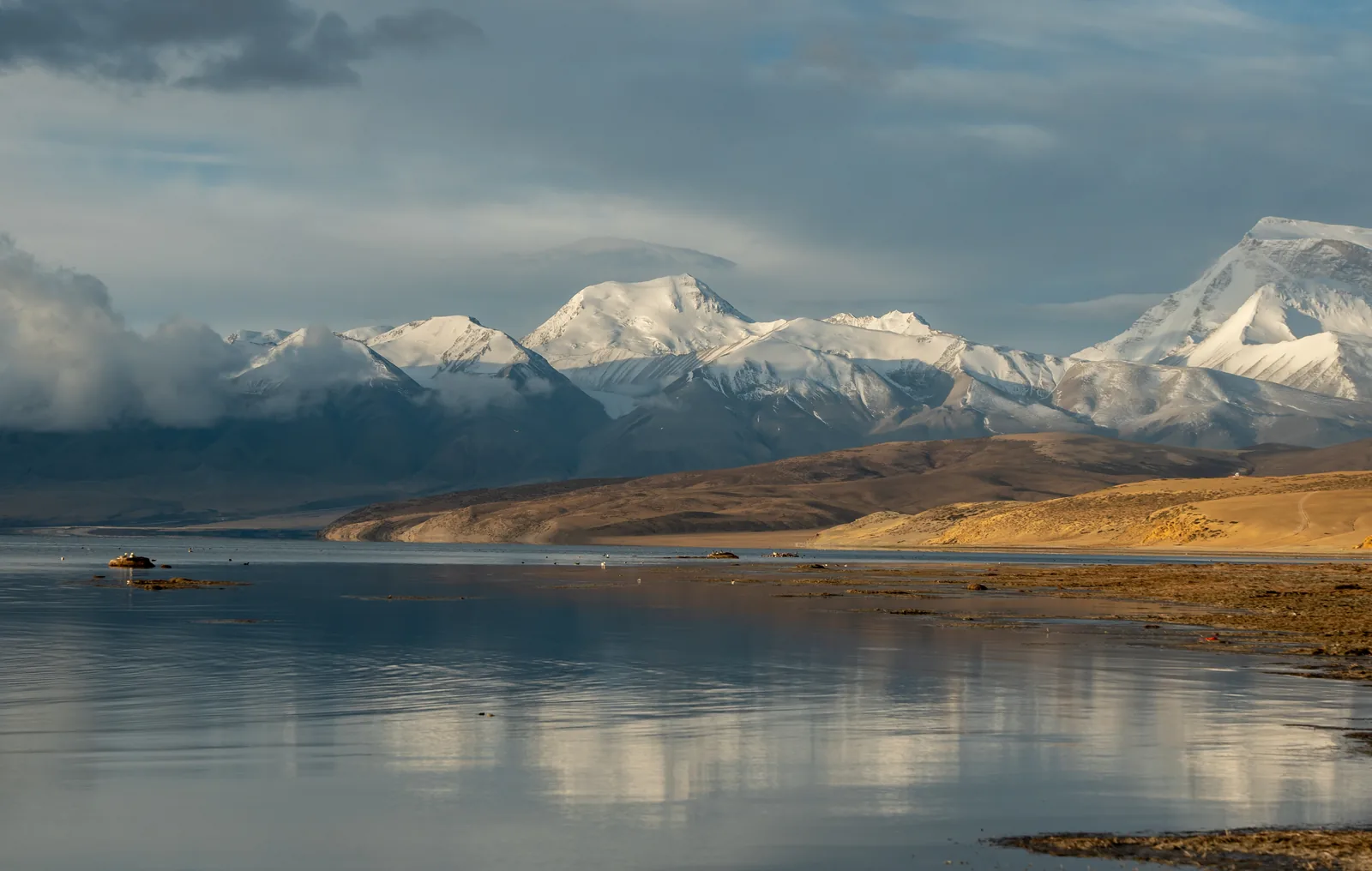
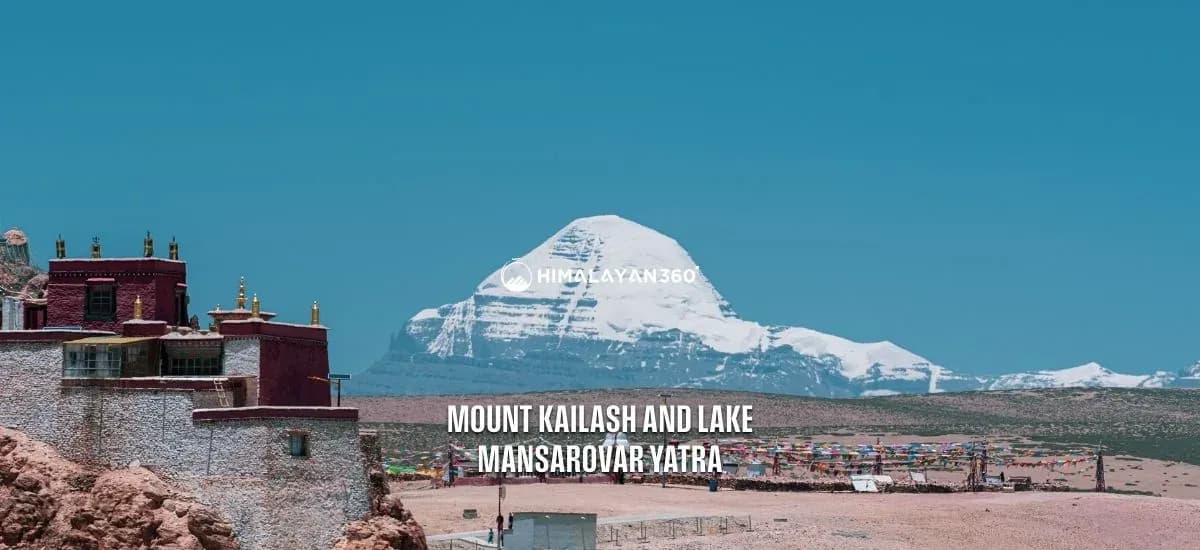
From Mansarovar Lake, you will see majestic Mount Namunani rise nearby to the south, and the distant Mount Kailash adds to the scenery. On the shores, colorful prayer flags flutter in the wind. You will spend the night in a hotel near Lake Manasarovar.
| Itinerary Fact | Details |
|---|---|
| Meals: | Breakfast |
| Accomodations: | 3/4 Star Hotel |
Day 08: Drive From Lake Mansarovar To Darchen
| Itinerary Fact | Details |
|---|---|
| Time: | 16:00-17:00 |
| Trek Distance: | N/A |
| Travel Duration: | 1Hour |
| Travel Distance: | 40KM/25Miles |
| Highest Altitude: | 4,650M/15,256FT | Darchen |
Today, you will spend most of the day at Mansarovar Lake, which lies at the foot of Mount Kailash. You will take part in traditional Puja (prayer rituals) and offer prayers at the holy waters. You will also perform a parikrama (circumambulation) around the lake. It is a spiritual journey that has been followed by pilgrims for centuries. During the parikrama, stay hydrated and take your time, as the altitude is high.
Later, in the late afternoon, around 4:00 PM, you will drive about 40KM to Darchen. Darchen is the base camp for Mount Kailash Kora. Along the short drive, you will enjoy the views of the surrounding peaks and vast Tibetan landscapes. Once in Darchen, you will check into your hotel and rest for the night. From tomorrow, you will begin a sacred trek around Mount Kailash for the next two days.
| Itinerary Fact | Details |
|---|---|
| Meals: | Breakfast |
| Accomodations: | 3/4 Star Hotel |
Day 09: First Day Of Kailash Outer Kora - Trek To Dirapuk
| Itinerary Fact | Details |
|---|---|
| Time: | 08:00-15:00 |
| Trek Distance: | 12KM/7.5Miles |
| Trek Duration: | 7Hours |
| Travel Duration: | 30Minutes |
| Travel Distance: | 5KM/3Miles |
| Highest Altitude: | 4,860M/15,945FT | Dirapuk |
After breakfast, you will take a short drive (30 minutes) from Darchen to Tarboche Flagpole, which marks the official start of the Kailash Outer Kora. This sacred flagpole is adorned with thousands of prayer flags and is a spiritual highlight for pilgrims, especially during the Saga Dawa festival, when a new flagpole is erected. From Tarboche, you will follow the Lha Chu River valley to Dirapuk Monastery.
The trek covers approximately 12KM along a relatively easy trail at the base of Mount Kailash. The trail has a moderate incline and offers stunning views of the southern, southwestern, and western slopes of the holy mountain. Along the way, you’ll notice piles of mani stones and other small spiritual shrines that enrich the pilgrimage experience.
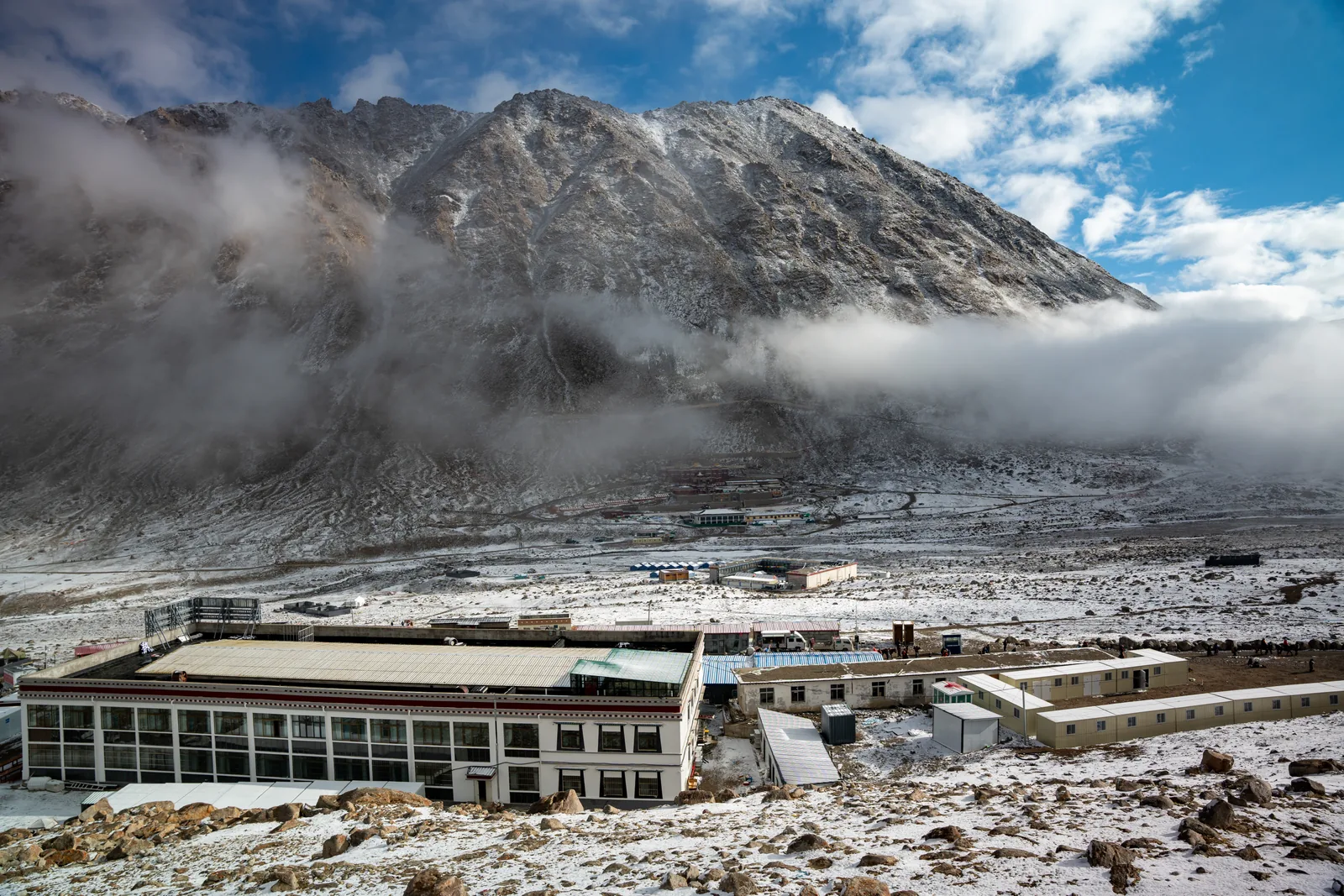
By late afternoon, you will arrive at Dirapuk Monastery (also known as Zhire Temple). Upon arrival, you will check in at the monastery guesthouse. Spend the remainder of the day exploring the ancient monastery, taking photos of sacred stupas, and enjoying the dramatic sunset over Mount Kailash.
Extra note: If the accommodation is full during the high season, the Himalayan 360 team will arrange a tented camp on the monastery grounds.
| Itinerary Fact | Details |
|---|---|
| Meals: | Breakfast |
| Accomodations: | Tented Camp/Monastery Camp |
Day 10: Second Day Of Kailash Outer Kora – Trek To Zutulpuk Via Dolma La Pass
| Itinerary Fact | Details |
|---|---|
| Time: | 08:00-16:00 |
| Trek Distance: | 22KM/13.7Miles |
| Trek Duration: | 9Hours |
| Highest Altitude: | 5,630M/18,471FT | Dolma La Pass |
Today is the most challenging day of the Kailash Outer Kora. It will test you both physically and spiritually. After an early breakfast, you will start trekking from Dirapuk Monastery, ascending rapidly for 4KM to reach 5,430M. This initial climb offers beautiful views of the northwest slope of Mount Kailash.
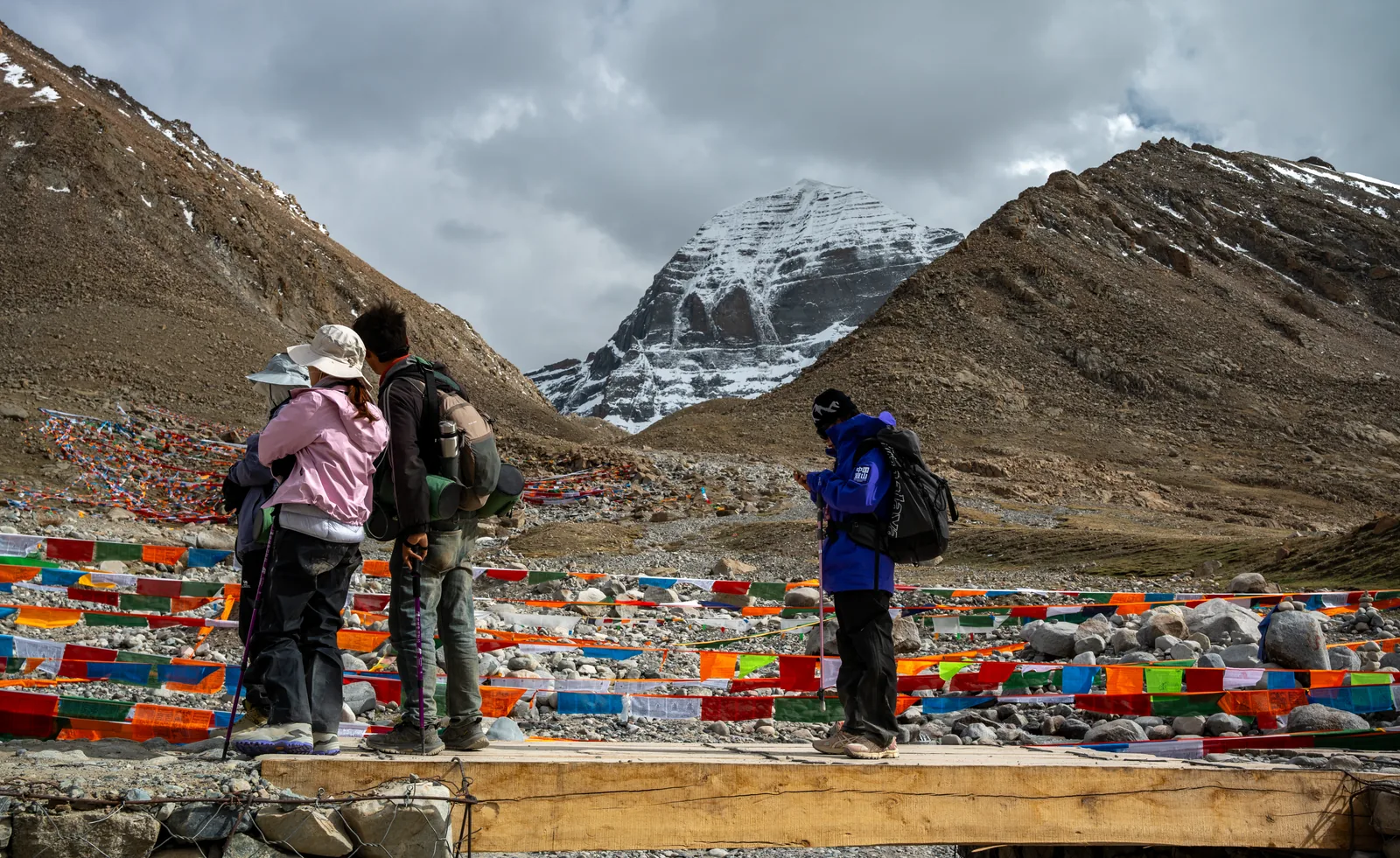
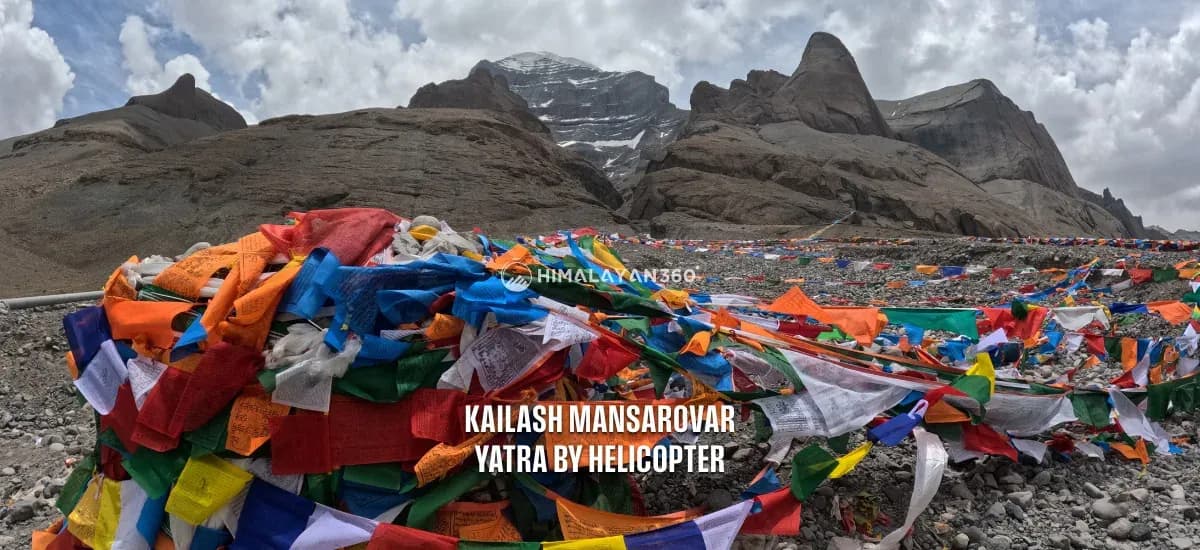
From here, you will continue the 2KM ascent to Dolma La Pass, the highest point of the Kora at 5,630M. The pass is named after the goddess Dolma (Tara in Buddhism, the goddess of compassion). The trail at this altitude is icy and rocky year-round, so walk carefully during the steep sections. Along the pass, thousands of prayer flags flutter in the wind. It adds a spiritual and colorful backdrop to this sacred site. Pilgrims believe that crossing the Dolma La Pass cleanses one’s sins and brings blessings.
Likewise, when descending from the pass, you will see Gauri Kunda (Lake of Compassion). Here, pilgrims often take a ritual dip or perform prayers to wash away their sins. Continuing down, the trail leads into a serene valley at the southeast foot of Mount Kailash, where Zutulpuk Monastery (also known as Dzutripuk Monastery) awaits. This monastery is historically associated with the tantric yogi Milarepa, who meditated in a nearby cave. Overnight at Zutulpuk.
| Itinerary Fact | Details |
|---|---|
| Meals: | Breakfast |
| Accomodations: | Tented Camp/Monastery Camp |
Day 11: End Of Kailash Parikrama - Drive To Saga
| Itinerary Fact | Details |
|---|---|
| Time: | 08:00-17:00 |
| Trek Distance: | 8KM/5Miles |
| Trek Duration: | 2Hours |
| Travel Duration: | 7Hours |
| Travel Distance: | 470KM/292Miles |
| Highest Altitude: | 4,670M/15,322FT |
This day you will complete the Kailash kora. You will trek the final 8KM from Zutulpuk Monastery to Darchen while retracing some of the paths from the earlier days. The trekking trail of Kailash Kora on the third day is moderate with ascents and descents. But the good thing is it is not as long as the last two days.
When you arrive in Darchen, you will begin your return journey to Saga. The drive of approximately 470KM takes you through the Ngari Plateau, with opportunities to stop at grassy pastures, lakes, and scenic viewpoints. Along the way, enjoy views of the Himalayas and the Gangdise Mountains as well. Overnight at the 3/4 star hotel in Saga.
| Itinerary Fact | Details |
|---|---|
| Meals: | Breakfast |
| Accomodations: | 3/4 Star Hotel |
Day 12: Drive Back From Saga To Gyirung
| Itinerary Fact | Details |
|---|---|
| Time: | 09:00-15:00 |
| Trek Distance: | N/A |
| Travel Duration: | 6Hours |
| Travel Distance: | 230KM/143Miles |
| Highest Altitude: | 4,450M/14,600FT | Saga |
As you have completed your Lhasa Everest Kailash Mansarovar tour, you will now drive towards Gyirung, located near the Nepal border, to begin your Kathmandu tour. This day’s drive transitions from the vast, arid landscapes of the Tibetan plateau to the lush greenery of the Gyirung valley. You will descend in altitude, too.
Upon reaching Gyirung Town in the afternoon, you can explore the Gyirung Valley. This region holds deep spiritual significance. It was once visited by revered masters such as Padmasambhava and Milarepa. In the evening, enjoy a dinner with your group. Celebrate the completion of your incredible journey across the sacred landscapes of Tibet and Mount Kailash. You will stay overnight in a comfortable 3/4-star hotel in Gyirung.
| Itinerary Fact | Details |
|---|---|
| Meals: | Breakfast |
| Accomodations: | 3/4 Star Hotel |
Day 13: Drive Back To Kathmandu
| Itinerary Fact | Details |
|---|---|
| Time: | 09:00-16:00 |
| Trek Distance: | N/A |
| Travel Duration: | 7Hours |
| Travel Distance: | 243KM/151Miles |
| Highest Altitude: | 2,700M/8,858FT | Gyirung |
This is the second last day of the Lhasa Everest Kailash Mansarovar Kathmandu tour. On this day, you will drive to Kathmandu via Rasuwa Gadhi border from Gyirung. You will stop at the Rasuwa Gadhi border to complete the immigration formalities before crossing back into Nepal.
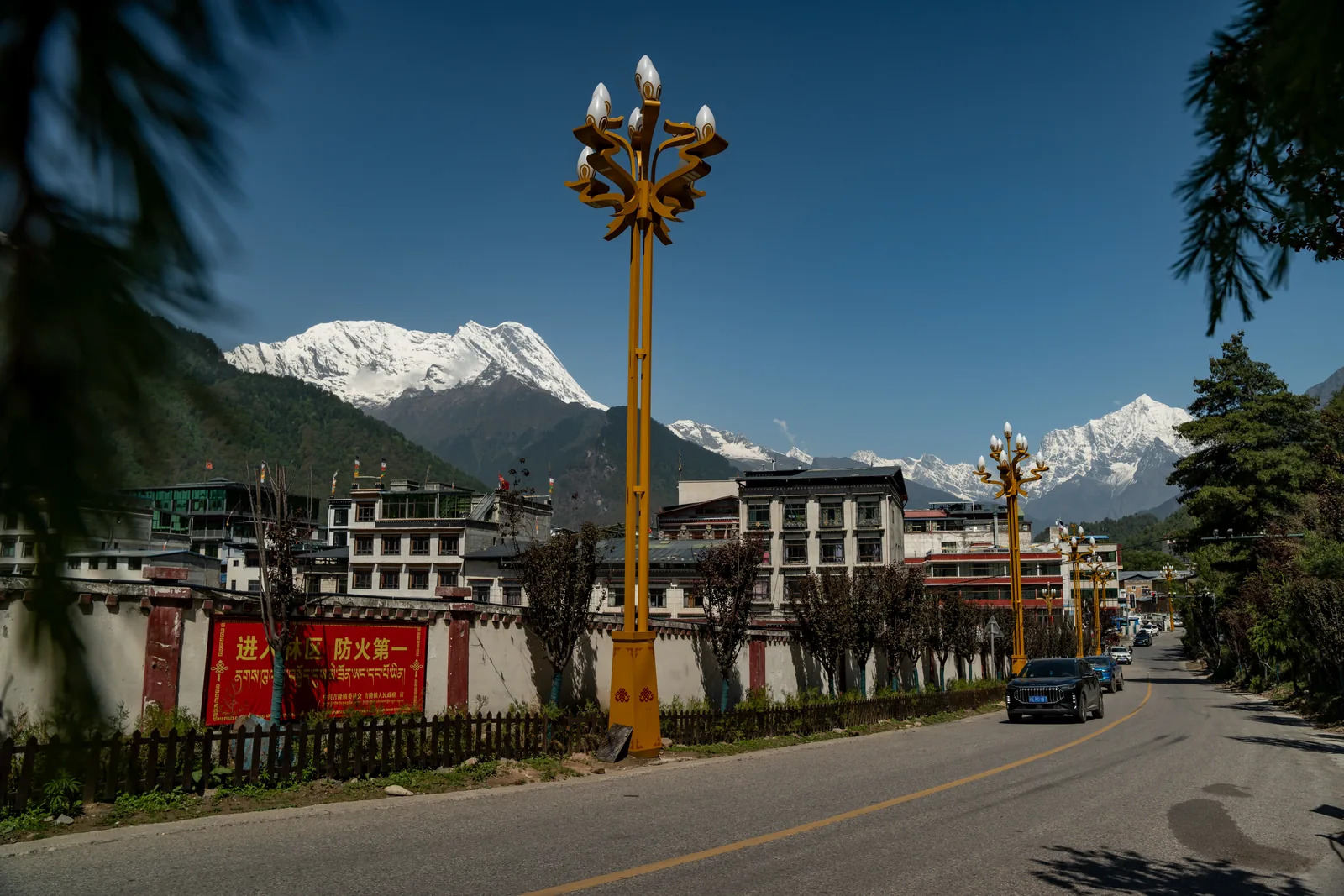
Once across, the scenic drive continues through the lush landscapes of Langtang National Park. The road winds along steep cliffs and follows the rushing Trishuli River. You will also pass by charming hill villages like Timmure and Syabrubesi. By evening, you will reach Kathmandu. Upon arrival, you will check in at a comfortable hotel in Thamel. Later, you can explore the vibrant streets of Thamel.
| Itinerary Fact | Details |
|---|---|
| Meals: | Breakfast |
| Accomodations: | 3/4 Star Hotel |
Day 14: Kathmandu Sightseeing and Final Departure
| Itinerary Fact | Details |
|---|---|
| Time: | 09:00-16:00 |
| Trek Distance: | N/A |
| Travel Duration: | 7Hours |
| Highest Altitude: | 1,400M/4,593FT | Kathmandu |
This is the last day of your Lhasa Everest Kailash Mansarovar Kathmandu Tour. On this day, you will spend the whole day touring around Kathmandu’s major attractions. You will visit the historic Kathmandu Durbar Square, once the royal palace of the Malla kings; the iconic Swayambhunath Stupa (Monkey Temple), offering panoramic city views; and the sacred Pashupatinath Temple, Nepal’s most revered Hindu shrine on the banks of the Bagmati River.
After a fulfilling day of sightseeing, you’ll return to your hotel in Thamel, where you can relax, shop for souvenirs, or enjoy a final evening in Nepal’s vibrant capital.
| Itinerary Fact | Details |
|---|---|
| Meals: | Breakfast | Dinner |
| Accomodations: | 3/4 Star Hotel |
Explore with Local Experts! Our experienced guides, porters, and staff are locals who know every trail, culture, and hidden gem. Travel with us for an authentic adventure!
Major Attractions during the Tour
In Kathmandu
- Kathmandu Durbar Square: It is a historic royal palace complex showcasing traditional Newari architecture, temples, and bustling local life.
- Swoyambhunath Stupa: Also called the Monkey Temple, it offers panoramic views of Kathmandu Valley and is an important Buddhist pilgrimage site.
- Pashupatinath Temple: One of the holiest Hindu temples dedicated to Lord Shiva, located on the banks of the Bagmati River.
In Lhasa
- Tibetan Monasteries: (Drepung, Sera, Ganden, etc): Ancient monasteries with rich religious traditions and impressive Tibetan architecture.
- Golden Roof of Jokhang Temple: The spiritual heart of Lhasa, with a gilded roof, attracting both pilgrims and tourists.
- Tibet Museum: Offers deep insights into Tibetan history, culture, and art through well-curated exhibits.
In Kailash Mansarovar
- Mount Kailash: A sacred peak revered in Hinduism, Buddhism, Jainism, and Bon, known for its distinctive pyramid shape.
- Mansarovar Lake: A high-altitude lake considered holy for purification rituals and spiritual reflection
- Yam Dwar: The “Gateway of the God of Death,” which marks the traditional start point of the Kailash Kora.
- Gauri Kunda: A sacred emerald-green lake encountered when descending from Dolma La Pass, believed to cleanse sins and grant spiritual merit.
In Everest Base Camp
- Rongbuk Monastery: One of the highest monasteries, serving as a spiritual base for Everest expeditions.
- Rongbuk Glacier: Offers views of the north face of Mount Everest and surrounding peaks.
- Famous Monasteries (Tashilhunpo, Shalu, Nartang, Sakya): Historic Tibetan monasteries renowned for their architecture, murals, and Buddhist teaching.
Chinese Visa Provisions for Indian and Nepalese Citizens
Both Indian and Nepalese citizens need a Chinese visa to visit mainland China. Indian travelers usually get a tourist (L) visa, which lets them stay about 30 days for a single entry. The visa fees for Indian citizens cost INR 2,900 for a single-entry visa and INR 8,800 for a one-year multiple-entry visa. Nepalese citizens also need a visa. The regular visa fee is free for Nepalese citizens, but they do they to pay for the express service fees that cost NPR 2,700 to NPR 4,000.
Likewise, for travel to the Tibet Autonomous Region, both Indian and Nepalese travelers need a Tibet Travel Permit (TTP) in addition to a Chinese visa. It’s also prohibited to travel independently here, so one must join a guided tour. It’s best to apply for a visa at least 2–3 weeks before the trip. Indian citizens can apply at China Visa Application Centres in cities like Delhi and Mumbai, and Nepalese travelers can apply at the Chinese Visa Application Service Center (CVASC) in Kathmandu.
While applying for the visa, make sure your visa allows entry via Tibet and exit into Nepal if you are doing the Kailash-Mansarovar route. Short-term visa-free transit options in China do not apply to India or Nepal, so getting the correct visa before traveling is very important. Common reasons visas are refused include passports not valid for at least 6 months, not enough blank pages, or missing travel documents like hotel bookings or flight tickets.
Language, Culture, and Currency during Tour
During the Lhasa Everest Kailash Mansarovar Kathmandu Tour, you will find that on the Tibet side (Lhasa, Shigatse, and the Tibet-side Everest Base Camp), people mainly speak Tibetan (Lhasa dialect) and Mandarin Chinese. Some people, especially in hotels, can also speak English, so you can communicate easily there. However, at the Everest Base Camp, local people may not understand English, but your guide will help you translate. Culturally, the Tibetan side is deeply connected to Tibetan Buddhism. You’ll see many monasteries, colorful prayer flags, mani stones (carved stones with prayers), and pilgrims walking around holy sites. The currency used in Tibet is the Chinese Yuan (Renminbi).
Likewise, in the Mount Kailash and Lake Mansarovar region, the culture becomes even more spiritual. People speak Tibetan and some Mandarin, and a few can speak English near monasteries or tourist areas. This region is very holy for Hindus, Buddhists, Jains, and Bon followers. Pilgrims come here to perform Kora around Mount Kailash, take a bath, and perform puja at the sacred lakes. You’ll also see nomadic families, yaks, and small villages on the high plateau. The currency is Chinese Yuan (CNY), and travelers should carry cash because ATMs are very rare.
When you cross into Nepal through Gyirong, the main language changes to Nepali, though some people near the border still speak Tibetan. The culture also changes. You’ll notice more Hindu and Buddhist traditions mixed together. In Kathmandu, most people understand English, and you’ll find all modern facilities. The currency used is the Nepalese Rupee (NPR), though some hotels also accept U.S. Dollars or Indian Rupees. When in Kathmandu, you can explore the rich Newari culture, old temples, and friendly local traditions.
FAQs for Lhasa Everest Kailash Mansarovar Kathmandu Overland Tour
When is the best time to take the Lhasa Everest Kailash Mansarovar Kathmandu Overland Tour?
Are there any age limits or health requirements for joining this tour?
Do I need previous trekking experience for the Kailash Mansarovar and Everest Base Camp Lhasa trip?
How much does the Lhasa Everest Kailash Mansarovar Kathmandu Tour cost?
Can I customize the trip?
Are medical services or emergency facilities available along the travel route?
What kind of transportation is used during the Kailash Mansarovar Yatra with Lhasa and Everest Base Camp?
What types of accommodation are offered throughout the tour?
Are vegetarian or special dietary meal options available during the trip?
What is the weather like at Mount Kailash, Everest Base Camp, and other parts of the route?
Travler Reviews
USD 3,577 per person
Adventures Await
we’ll make it extraordinary and uniquely yours.
Create a travel experience that reflects your style and preferences.
With expert guidance, every moment of your trip is uniquely tailored to you.