After the recent Gen-Z protest, the country is calm again, with peace and safety restored. Visit: This Vlog by a Fellow Tourist to see the friendly and welcoming side of Nepal, even during hard times.
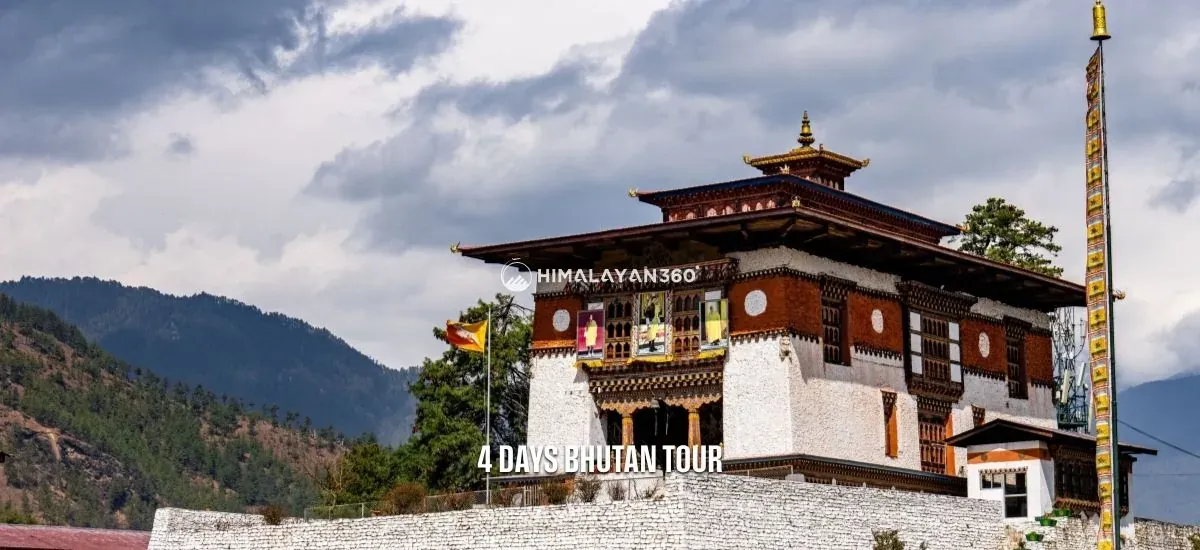
4 Days Bhutan Tour
Get a chance to explore the world’s happiest country and South Asia’s “Last Shangri-La” with our 4 Days Bhutan Tour. Also famous as the Land of the Thunder Dragon, Bhutan is a small, landlocked country neighboring China and India. The country lies in the Eastern Himalayas and was relatively isolated until the 1970s. Its long separation from the world has made Bhutan a mysterious country to travel to. Bhutan attracts travelers to experience its peaceful Buddhist country yearly. Similarly, it attracts travelers to experience its natural beauty.
With the 4 Days Bhutan Tour, you will get an opportunity to see the beauty and culture of the country. The country has perfectly maintained its modernization and traditional culture, making it the perfect destination to experience its cultural charm with modern facilities. From old monasteries to caves to traditional markets, museums, and preservation sites, the tour takes you close to the preserved culture of Bhutan within 4 days. You will also get to try various traditional dishes in Bhutan. Join our 4-Day Bhutan Tour and learn about the mystery of the Land of the Thunder Dragon. We assure you that it will be one of the most memorable experiences that will surprise you.
Best Season
Mar, Apr, May, Sept, Oct, Nov, Dec
Travel Distance
141KM/88Mile
Difficulty
Destination
Bhutan
Transportation
Private Vehicle
Start / End
Paro/Paro
Accommodation
Meals
Breakfast
Lunch
Dinner
Language
English | Chinese
Route
Paro-Thimphu-Paro
Trip Type
Cultural Tour
Highlights of the 4 days Bhutan Tour
- You’ll visit the Land of Thunder Dragons and the “Last Shangri-La” of South Asia.
- You’ll explore two major cities of Bhutan, Thimphu and Paro.
- Take a tour of Tashichho Dzong or a fortress-monastery in the capital city.
- Go sightseeing to the National Institute of Zorig Chusum, Royal Takin Preserve, Craft Bazaar, and weekend market.
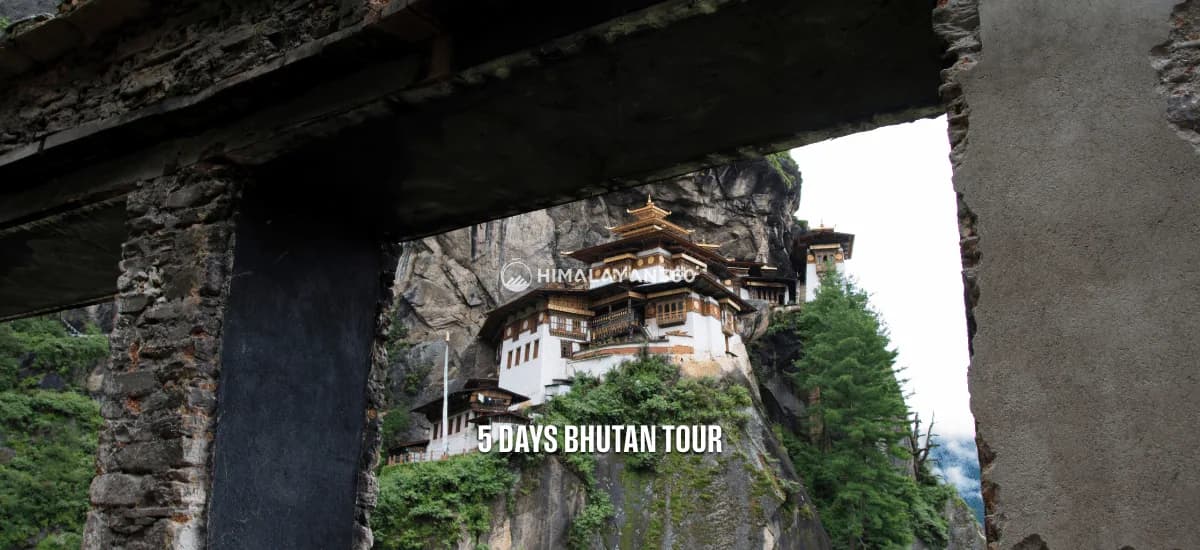
- You’ll hike to the sacred Taktsang Monastery or Tiger’s Nest, at a cliff’s edge.
- Witness and immerse yourself in the Bhutanese people’s rich culture and peaceful lifestyle.
- Taste the local cuisine, including Bhutan’s national dish, Ema Datshi, made with chili and cheese.
- Shop around busy markets and bazaars for traditional Bhutanese handicrafts and souvenirs to take back home.
Benefits of Booking a Bhutan Tour Package With Us
There is no shortage of travel agencies offering Bhutan Tour packages. So, what makes Himalayan 360 unique, and why should you book with us? Well, here are the reasons why:
- We collaborate with licensed Bhutanese tour operators approved by the Tourism Council of Bhutan (TCB) to ensure a smooth trip to Bhutan.
- Our staff have years of experience in travel and tourism. We provide a licensed Bhutanese guide with proper training and extensive knowledge about Bhutan’s culture and destinations.
- Himalayan 360 is a responsible organisation. We fully know the importance of preserving the environment and following eco-tourism policy.
- You can easily customize your tour and itinerary to fit your requirements. Similarly, we can customize your itinerary to coincide with Bhutan’s festivals or festival-based plans.
- You won’t have to worry about hidden charges when booking with us. We’re transparent about our trip policies and costs.
- We prioritize our clients’ safety and satisfaction. Our guides will take the necessary action in emergencies to ensure your safety.
Outline Itinerary of the 4 Days Bhutan Tour
4 Days Bhutan Tour Itinerary
Day 01: Arrival in Paro and Drive to Thimphu
| Itinerary Fact | Details |
|---|---|
| Time: | 11:00 am - 14:00 pm |
| Travel Duration: | 1.15 Hours |
- Attraction of the day: Thimphu City, Tashichho Dzong
You will land at the Paro International Airport, surrounded by Himalayan views. Landing at Paro marks the beginning of your Bhutan Trip.The airport lies at an elevation of 2,235 meters. As you land at Paro, you will get your first view of Bhutan’s forested hills and the valley of Paro with stunning mountains. Your local guide will be at the airport to welcome and greet you. Then, you will drive to Thimphu, the capital city of Bhutan.
The drive to Thimphu takes slightly more than an hour. After you get to your hotel, your guide will help you check in. After some refreshments, you will explore Thimphu. On the day, you’ll visit Tashichho Dzong, a Buddhist monastery on the northern side of the city. Similarly, you will taste traditional Bhutanese cuisine for lunch and dinner.
| Itinerary Fact | Details |
|---|---|
| Meals: | Lunch and Dinner |
| Accomodations: | Jambayang Resort or similar |
Day 02: Drive from Thimphu to Paro for Major Site Visit
| Itinerary Fact | Details |
|---|---|
| Time: | 09:00 am - 17:00 pm |
| Trek Distance: | 54km/33.5miles |
| Trek Duration: | 1 Hour |
| Travel Duration: | 1 Hour |
- Attraction of the day: Zorig Chusum, Takin Preserve, Weekend Market, Craft Bazaar, Paro city
It’s your first morning in Bhutan. Have breakfast and begin your tour with a drive to the main sights of Thimphu, including:
Zorig Chusum: The Government of Bhutan established the National Institute for Zorig Chusum in 1971. It preserves and promotes Bhutan’s traditional art. Zorig Chusum translates to “Thirteen traditional arts and Crafts,” representing thirteen traditional painting art forms. We get to see and gather insight into these unique art and craft forms during our visit.
Takin Preserve: Another site we will tour is the Takin Preserve in Thimphu, a wildlife reserve for Bhutan’s national animal, the Takin. Originally, it was a mini-zoo that was later turned into a reserve. The preserve has a large area with pine forests. You can see the Takins move freely and leisurely grazing.
Weekend market: We will also visit a weekend market in Thimphu (if your visit falls on a weekend). The market is in a permanent space on the Western bank of the Wang Chu River. The vendors from around the area gather here to sell various commodities. You can find local goods, products, handicrafts, and even imported products in the market. It is a great place to buy local souvenirs. The market is divided into small sections, depending on the commodity type.
Craft Bazaar: The next place we will visit is the craft bazaar, located between the Taj Tashi Hotel and the Royal Textile Academy along the Norzin Lam. The market has 80 shops made of bamboo huts. Initially, the craft bazaar was established to promote talented rural-based artists who had mastered ancient Bhutanese arts. Now, young entrepreneurs from across the country gather here to show their arts and crafts. You can visit the market and shop for souvenirs.
After exploring Thimphu for the entire day, we will drive to Paro for our overnight stay.
| Itinerary Fact | Details |
|---|---|
| Meals: | Breakfast, Lunch and Dinner |
| Accomodations: | Hotel Olathang or similar |
Day 03: Explore the Taktsang Monastery & Hike
| Itinerary Fact | Details |
|---|---|
| Time: | 09:00 am - 17:00 pm |
| Trek Distance: | 6.4km/4miles |
| Ascent: | 540m/1,772ft |
| Descend: | 540m/1,772ft |
| Trek Duration: | 4 Hours |
- Attraction of the day: Tiger Nest
We will enjoy our breakfast at the hotel and set off for a remarkable hike to Tiger’s Nest Monastery or Taktsang Monastery. First, we will drive from our hotel to the base of the hiking trail. The hiking trail has several steep uphill and downhill climb sections. Additionally, the fresh mountain air, incredible scenery, and gorgeous view of the surrounding mountain heighten the excitement of the journey. There are also a few tea and coffee shops halfway on the trail where you can take a breather. We will cross a waterfall and ascend the stairs to the monastery.
Taktshang Monastery sits at the edge of a cliff at an altitude of 3,120 meters. The monastery is a vantage point and offers breathtaking views. According to the local legend, Guru Rinpoche flew to a tigress’s back to meditate there. There are various temples and meditation caves in the monastery premises. You will get to immerse in the serene and spiritual atmosphere. The main Lhakhang, or monastery of the monastic complex, was built in 1692. However, a fire in 1998 destroyed the original monastery, which was later renovated. After the beautiful hike, we will descend and head back to Paro. In your spare time, you can explore the city.
| Itinerary Fact | Details |
|---|---|
| Meals: | Breakfast, Lunch and Dinner |
| Accomodations: | Hotel Olathang or similar |
Day 04: Departure
The remarkable tour of the Land of Druk has come to an end. Your guide will help you transfer to Paro International Airport. They will also assist you with the luggage and check-in. You will get one last glimpse of Bhutan and its spectacular landscapes from the flight. We hope you had an unforgettable and enriching experience. Thank you for choosing us!
| Itinerary Fact | Details |
|---|---|
| Meals: | Breakfast |
Explore with Local Experts! Our experienced guides, porters, and staff are locals who know every trail, culture, and hidden gem. Travel with us for an authentic adventure!
What to Expect During a 3-Night & 4-Day Bhutan Tour
Spiritual Sites and Scenic Beauty
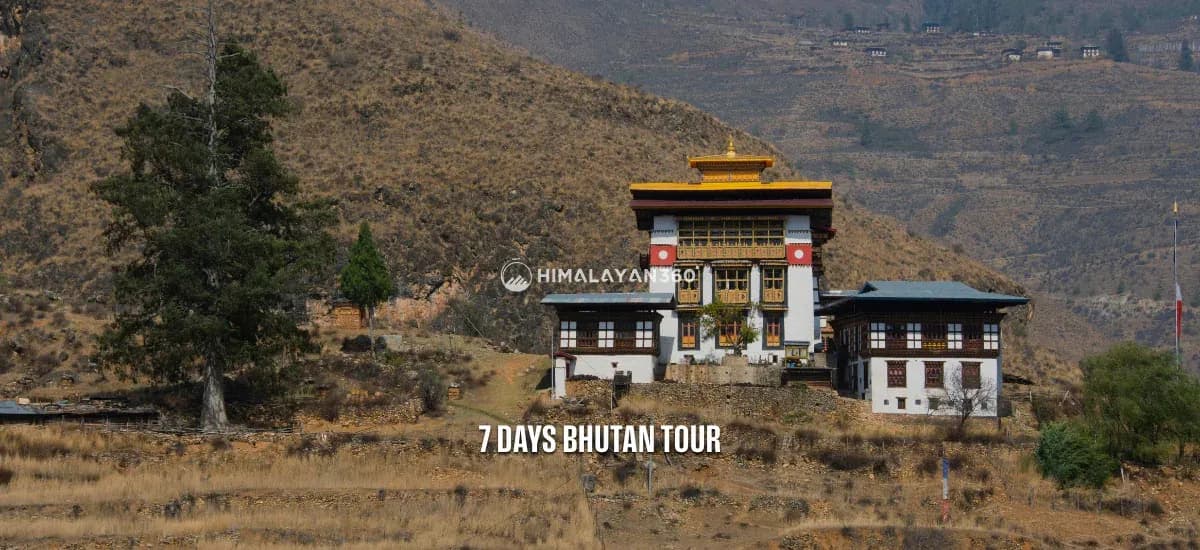
Bhutan is a Buddhist country, and during your tour, you’ll visit several important religious sites. Expect to explore stunning dzongs (traditional fortresses) and centuries-old monasteries that are still active today. These places are where locals come to pray, meditate, and celebrate their traditions.If you have a few more days to spare, the 7 Days Bhutan Tour offers a deeper dive into Bhutan’s cultural gems and countryside, including Punakha and Dochula Pass.
One highlight is Tashichho Dzong in Thimphu, a grand fortress that serves both as a monastery and the seat of the Bhutanese government. Another unforgettable visit is to Taktsang Monastery (Tiger’s Nest), perched dramatically on a cliff. The short hike through pine forests adds to the magic, and the views from the top, featuring snow-capped peaks along with the lush landscapes, make the effort worthwhile.
Paro & Thimphu City
Paro and Thimphu are two major cities in Bhutan that you can expect to visit during your tour. You will enter the country from the Paro International Airport. The Paro Valley is home to numerous monasteries, dzongs, and traditional farmhouses, all set amidst lush paddy fields, so be prepared to explore most of them. Some major attractions in Paro City include the Tiger’s Nest Monastery, Rinpung Dzong, Kyichu Lhakhang, and the National Museum of Bhutan (Ta Dzong).
Likewise, Thimphu is the capital city of Bhutan. You can witness the tradition meets modernization example in this city. You can see modern infrastructure here, but the tradition is still mixed into the architecture and people’s lifestyle. The major attractions in Thimphu City are Buddha Dordenma (a giant Buddha statue), Tashichho Dzong, National Memorial Chorten, National Institute for Zorig Chusum, Folk Heritage Museum, Takin Preserve, Weekend Market, and Thimphu Craft Market. You can also visit along the Wang Chhu River while enjoying the peaceful atmosphere of the city.
Ecotourism
Bhutan is a global leader in sustainable travel. It’s the only carbon-negative country in the world, meaning it absorbs more carbon than it emits. To keep its nature and culture safe, Bhutan has some special travel rules.
Tourists (except Indians) must pay a Sustainable Development Fee (SDF) of about USD 100 per day. Indian travelers pay INR 1200 per night. Children aged 6 to 12 pay half, and kids under 5 years don’t have to pay at all. These fees go directly toward preserving Bhutan’s environment, infrastructure, and culture.
Bhutan follows a principle called “High Value, Low Impact.” This means it welcomes travelers who respect nature and culture. All trips are conducted with local guides who know the country well. As a visitor, you need to follow the rules, respect local customs, and support local businesses by buying handmade items or local food.
A Blend of Cultural & Natural Splendor
During the 3 Nights & 4 Days Bhutan Tour, you will experience the country’s culture and pristine nature. From ancient monasteries and dzongs to rhododendrons and pine forests, the scenery and experience are impeccable. Religion and culture are deeply ingrained in the Bhutanese people and are reflected in their daily lifestyles. If Bhutan’s monasteries intrigue you, the Tibet Overland Tour offers another angle into Himalayan Buddhism, with visits to Lhasa, Shigatse, and ancient high-altitude temples which may be suitable for explorers.
Staying in traditional accommodations and visiting heritage sites and museums will give you a fresh experience. Likewise, you will try the country’s culinary tastes during the tour. The stunning landscapes of Bhutan and gorgeous mountain views will further make the tour an extraordinary experience.
Best Season For Bhutan Tour
Bhutan experiences four seasons: spring (March to May), summer (June to August), autumn (September to November), and winter (December to February). These seasons influence the country’s weather and climatic conditions. Every season has its own charm and offers a unique touring experience. Here is a brief on all four seasons in Bhutan so you can decide which one is right for your tour:
Spring (March to May)
Spring is, without a doubt, one of the best times for the Bhutan Tour. The season has the best weather and climate conditions for traveling to the Land of Druk. During spring, the weather is favorable, with moderate temperatures. The days are bright and sunny with longer daylight. Similarly, the average temperature in Bhutan at this time is around 44 to 23 degrees Celsius. The temperature in the southern part of the country is around 20 degrees Celsius. Meanwhile, the temperature in the northern part is between 8 to 10 degrees Celsius.
The spring season is also an active time for flora and fauna. Bhutan is home to diverse Himalayan plants and wildlife species. So you can see the vegetation lush and green, with blooming rhododendrons at these times. These color the entire landscape of the country. Additionally, travelers can get the opportunity to observe and be part of a five-day festival, Paro Tsechu. The festival usually falls during late March/ early April month. Therefore, spring is an ideal time for 4 Days Bhutan Tour.
Summer (June to August)
The monsoon season enters Bhutan during summer. As a result, there is heavy rainfall all across the country. The weather is hot and humid at this time of the year, with average temperatures between 15 and 25 degrees Celsius. Due to heavy rain, the roads are blocked by landslides and mudslides. Additionally, the skies are cloudy, with heavy rain clouds blocking the view.
Guru Rinpoche’s birth anniversary falls in summer, marked by the Nimalung Tschechu festival. Due to bad weather conditions and poor visibility, summer is not recommended for the 4 Days Bhutan Tour. It is best to avoid this season.
Autumn (September to November)
The next best season for the 4 Days Bhutan Tour is in autumn. It has the most stable and favorable weather conditions for traveling to this beautiful country. With the beginning of the autumn season, monsoons also leave Bhutan. As a result, the precipitation level is low, and the days are clear and crisp. The average temperature in Bhutan ranges from 5 to 23 degrees Celsius. But Bhutan’s southern region temperature ranges around 22 degrees Celsius, while the temperature in the northern region is between 4 to 12 degrees Celsius.
In autumn, rain leaves the green vegetation and stunning landscapes lush and vibrant. Similarly, due to the clear weather, visibility is excellent at this time of the year. It is also the best time to witness the stunning beauty of Bhutan and its gorgeous Himalayas without obstruction. Moreover, various festivals such as Thimphu Tsechu, Thangbi Mani, Tamzhing Phala Choepa, and more fall during this time of the year. You can observe and be part of the festive celebration while touring Bhutan in autumn.
Winter (December to February)
Many consider winter as an off-season for trekking and touring. However, It is the best time to take the 4 Days Bhutan Tour and glimpse the country’s beautiful snow-covered landscapes and panoramic vistas. The weather is usually sunny in the daytime, but the temperature plunges at night. It can be pretty chilly during nights and mornings. In higher regions, the temperature drops below the freezing zone. The average temperature of Bhutan is between 3 to 15 degrees Celsius, but it can get colder.
If you are a wildlife enthusiast or bird watcher, you will get a chance to observe the rare black-necked crane. These birds migrate to Bhutan during winter to breed. Likewise winter is also the time for the famous annual three-day festival of Trongsa Tshechu. This festival is celebrated at Trongsa Dzong. You will need to pack a lot of warm clothing to travel to Bhutan in winter. But it is worth it. There are usually fewer tourists at popular sites, and you can enjoy the tour more peacefully. So, contrary to many people’s belief, winter is a good time for the Bhutan Tour.
Festivals in Bhutan
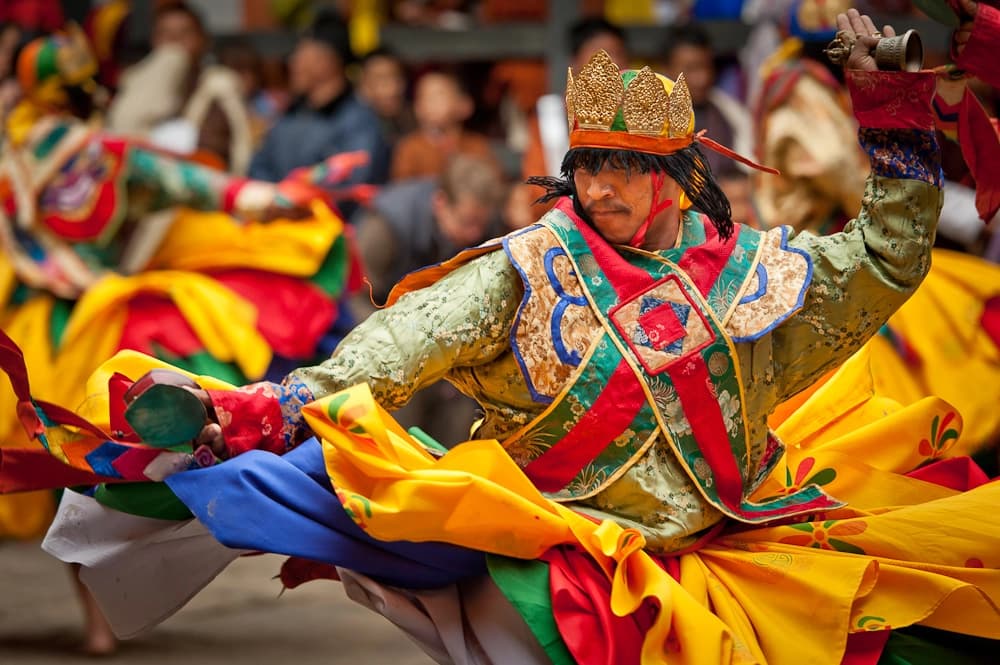
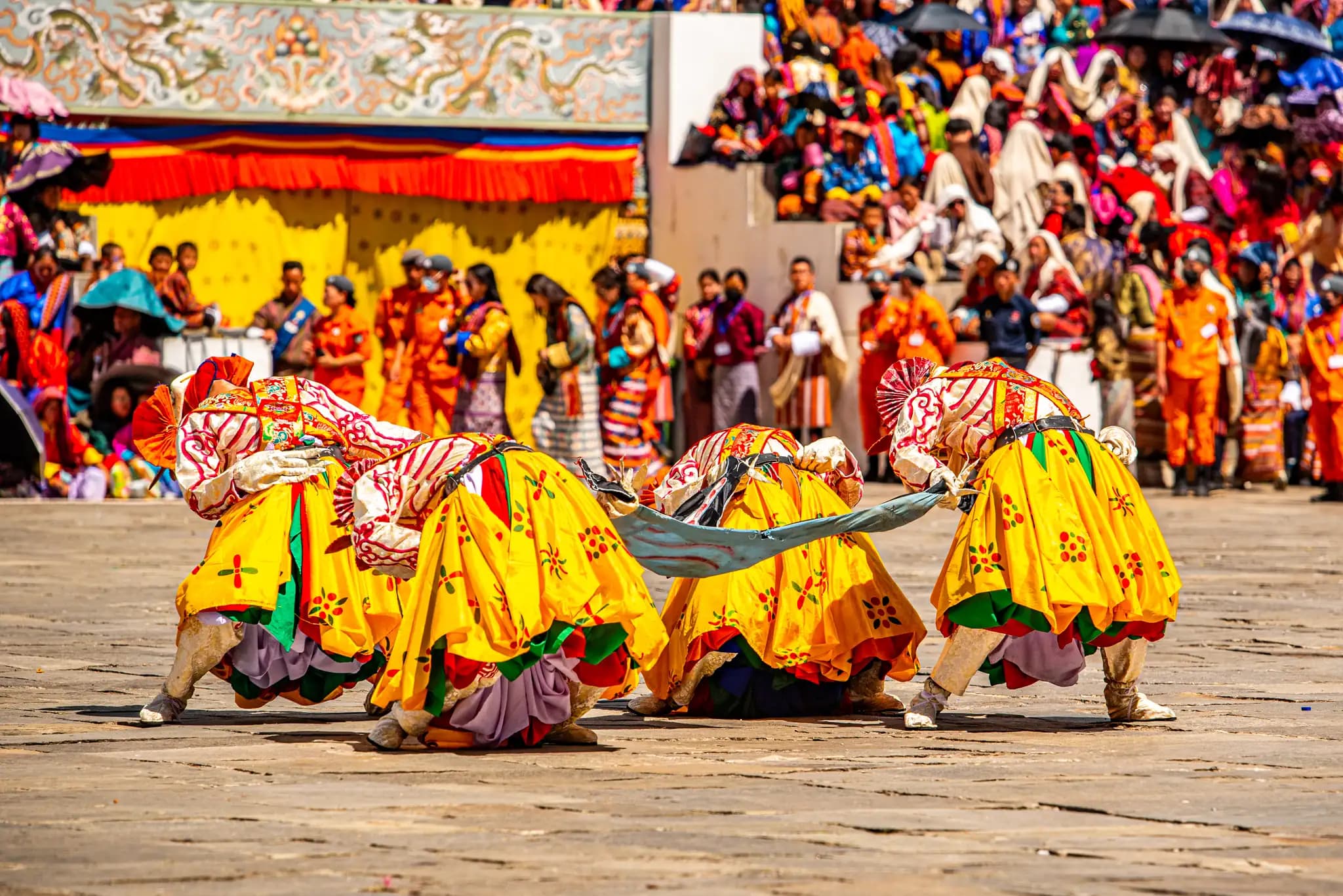
Bhutan’s deep-rooted religion and spirituality are reflected in its festivals. The country celebrates at least one festival each month, and many annual festivals are held in monasteries and dzongs. Bhutanese people celebrate their festivals with colorful mask dances, traditional singing, music, communal prayer, and gatherings. During some festivals, sacred rituals and ceremonies are held. Travelers are welcome to participate in the festive atmosphere and immerse themselves in the unique cultural experience that Bhutan has to offer.
Some major festivals of Bhutan are Paro Tshechu (March or April), Thimphu Tshechu (September or October), Punakha Drubchen and Tshechu (February or March), the Black-Necked Crane Festival (November), the Haa Summer Festival (July), Jambay Lhakang Drup (October or November), and the Dochula Druk Wangyel Festival (December), among others.
Note: The festivals follow the lunar calendar, so that dates may vary each year.
Do we need travel insurance?
Travel insurance is mandatory for 4 Days Bhutan Tour. Unforeseen events can happen during the journey despite following proper precautions and guidelines. As a result, travel insurance helps to provide financial safety and peace of mind. Travel insurance covers medical bills for injuries, sickness, medical evacuation, and emergencies. It also includes doctor fees during hospitalization. Some insurances cover loss, damage, and theft of personal baggage and belongings. Similarly, look for travel insurance that also covers tour postponement and cancelation.
Always select a reputable insurance company when purchasing travel insurance. Before getting travel insurance, check whether it covers the above-mentioned requirements. It is also crucial to check if the policy for Bhutan has any specific requirements or restrictions. The travel insurance must cover the duration of your Bhutan stay. Read all the terms and conditions of the insurance and clarify if you have any queries.
Equipment Essential for 4 Days Bhutan Tour
To make the most of your Bhutan trip, packing smart is essential. You need to pack comfortable clothes according to the season, along with other personal and useful items. Here’s a handy list of what to pack for your 4 days Bhutan Tour:
Equipments
To make the most of your Bhutan trip, packing smart is essential. You need to pack comfortable clothes according to the season, along with other personal and useful items. Here’s a handy list of what to pack for your 4 days Bhutan Tour:
Clothing and Footwear
- T-shirt and shirts
- Windproof/ waterproof jackets
- Fleece or warm jacket
- Comfortable pants or trousers
- Warm layers (top and bottom)
- Inner wears
- A few pairs of blister-proof socks and warm socks
- Sun hats and warm beanies
- Scarves and gloves
- Comfortable and sturdy hiking shoes
- Sports shoes and sandals
Others
- Backpack (15 to 20 liters)
- Raincoat and raingear
- Water bottle
- Toiletries
- Sunscreen and sunglasses
- Smartphone, camera, and binoculars
- Adapters, chargers, and power banks
- Extra batteries
- First aid and personal medications
- A passport with valid travel documents
- Travel Insurance
- Bhutanese currency
Why Choose 4 Days Bhutan Tour?
Bhutan’s deep-rooted religion and spirituality are reflected in its festivals. The country celebrates at least one festival each month, and many annual festivals are held in monasteries and dzongs. Bhutanese people celebrate their festivals with colorful mask dances, traditional singing, music, communal prayer, and gatherings. During some festivals, sacred rituals and ceremonies are held. Travelers are welcome to participate in the festive atmosphere and immerse themselves in the unique cultural experience that Bhutan has to offer.
Some major festivals of Bhutan are Paro Tshechu (March or April), Thimphu Tshechu (September or October), Punakha Drubchen and Tshechu (February or March), the Black-Necked Crane Festival (November), the Haa Summer Festival (July), Jambay Lhakang Drup (October or November), and the Dochula Druk Wangyel Festival (December), among others.
Note: The festivals follow the lunar calendar, so that dates may vary each year.
Common Question About 4 Days Bhutan Tour
Are 4 days enough for Bhutan?
Why is Bhutan so expensive?
How much is a SIM card in Bhutan?
Is food cheap in Bhutan?
How to get internet in Bhutan?
Will I have enough time to explore both Thimphu and Paro properly in just 4 days?
Will I experience altitude sickness on a 4 days Bhutan tour?
Will I miss out on important Bhutanese experiences by doing only 4 days?
USD 1,235 per person
Adventures Await
we’ll make it extraordinary and uniquely yours.
Create a travel experience that reflects your style and preferences.
With expert guidance, every moment of your trip is uniquely tailored to you.