Kailash Yatra Fixed Departure Date 2026 Click Here
Pashupatinath Aarati Tour
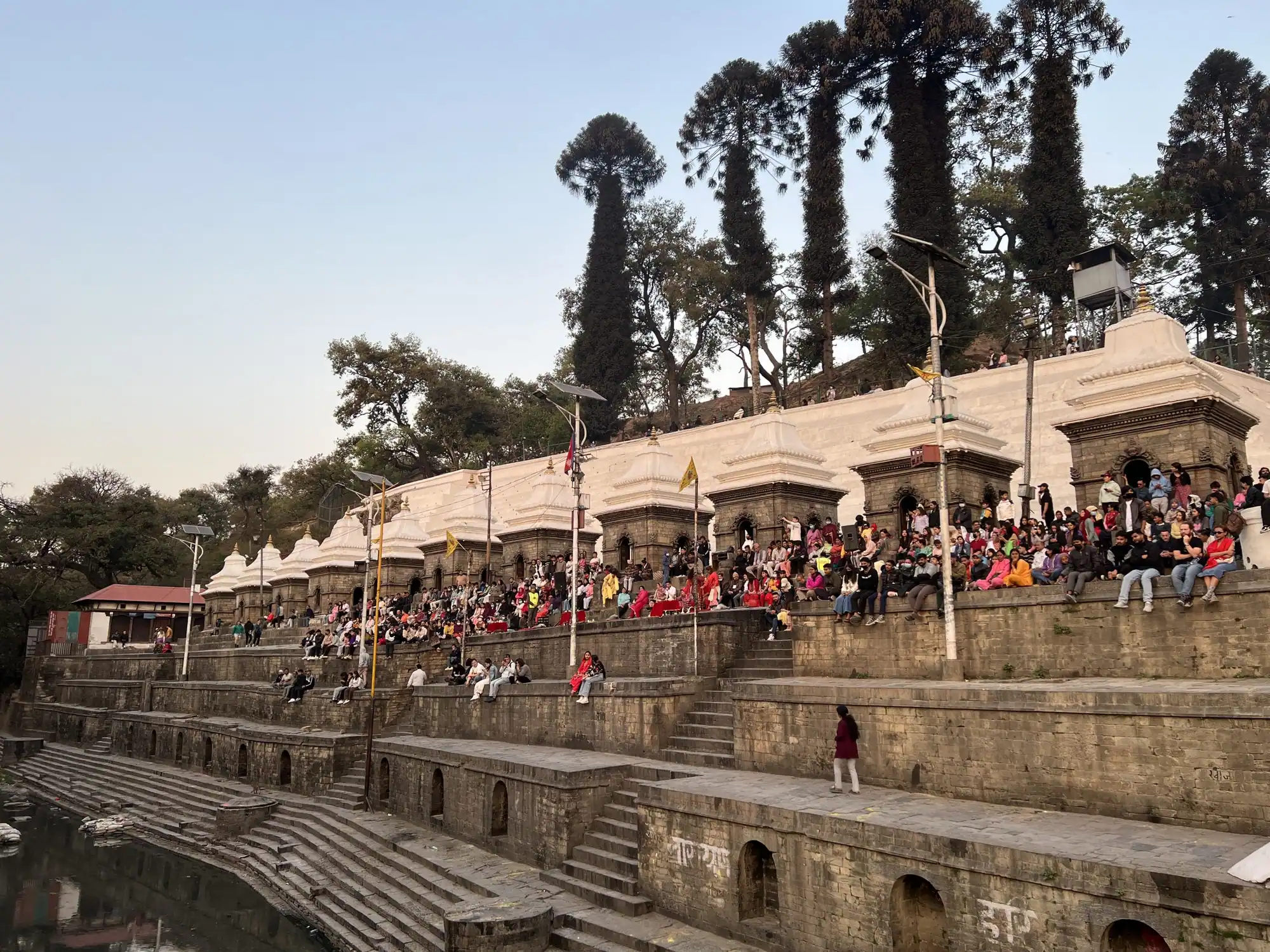
What could be a better way to end your day than taking part in Pashupatinath Sandhya Aarati when in Kathmandu? It’s such a peaceful evening ritual on the banks of the Bagmati River that connects you to Lord Shiva and makes you forget about all the chaos that’s happening in your life. Hundreds of devotees gather at the riverbank to experience this divine moment after 6:00 PM.
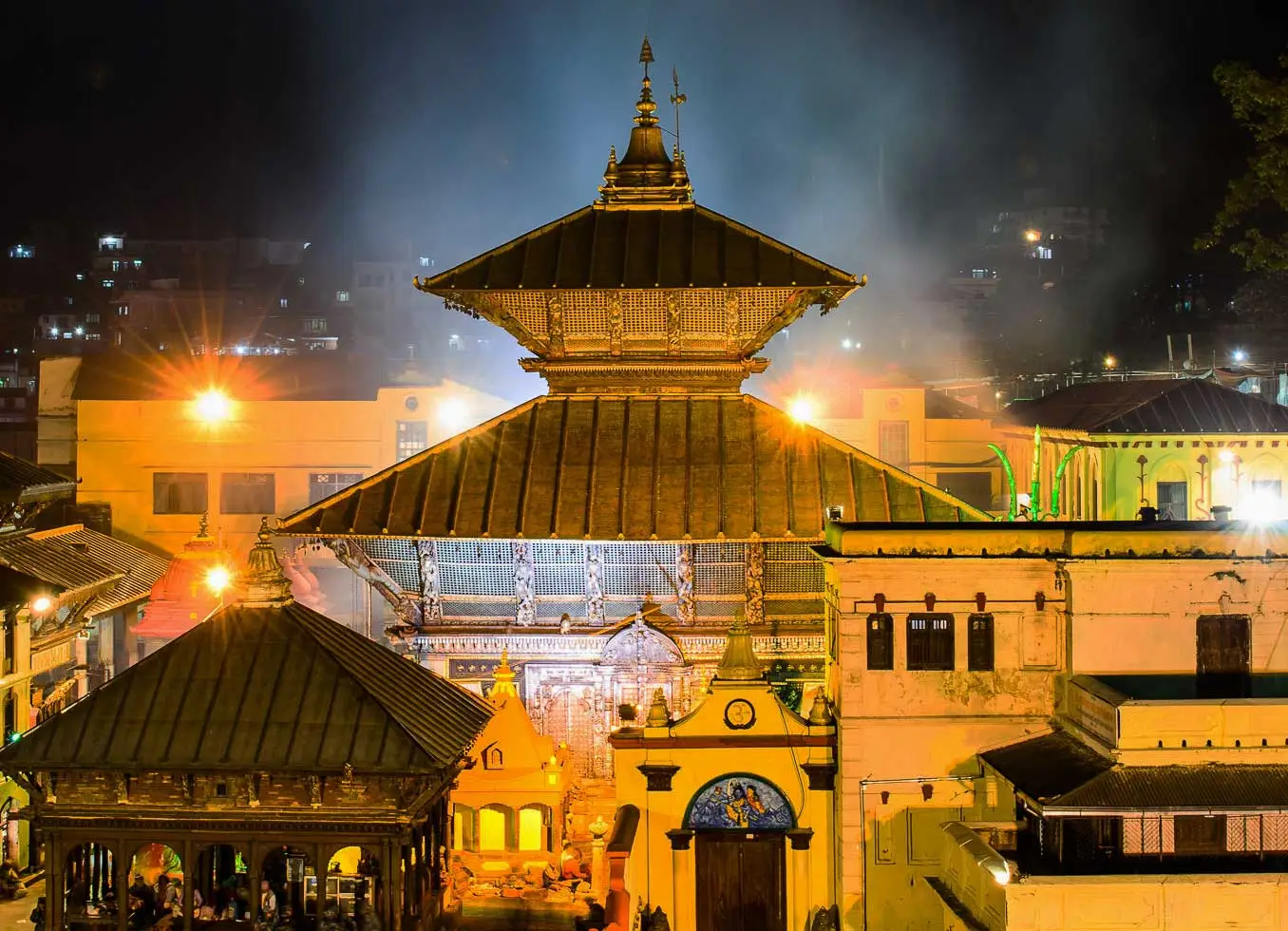
As dusk falls, the only things that fill the air around the temple are the chants of priests, the fragrant smoke of incense, and the glow of hundreds of flickering oil lamps. The evening Aarati is such a magical spectacle where fire, sound, and faith blend into one mesmerizing experience. Even if you don’t know the words of the bhajans, you’ll feel the vibrations in your heart. You might find yourself swaying, clapping, and joining the chorus of “Har Har Mahadev!” as the music and chanting flow through you. Each rotation of the flaming lamps lights up the river, the faces of devotees, and your own spirit. You feel deeply connected to God, to the moment, and to every soul around you. The energy is so intense, yet so peaceful, that it gives you goosebumps.
So, what are you waiting for? Join our evening Aarati Tour at Pashupatinath to experience this moment. Our knowledgeable local guide will share stories of the temple’s history, explain Hindu traditions, and make sure you witness the Aarati up close, respectfully, and comfortably.
Best Season
All seasons
Travel Duration
3 Hours
Difficulty
Destination
Nepal
Transportation
Private Vehicle
Start / End
Thamel to Thamel
Meals
Activities
Day tour
Trip Type
Private/Group tour
Pashupatinath Evening Aarati Tour Highlights
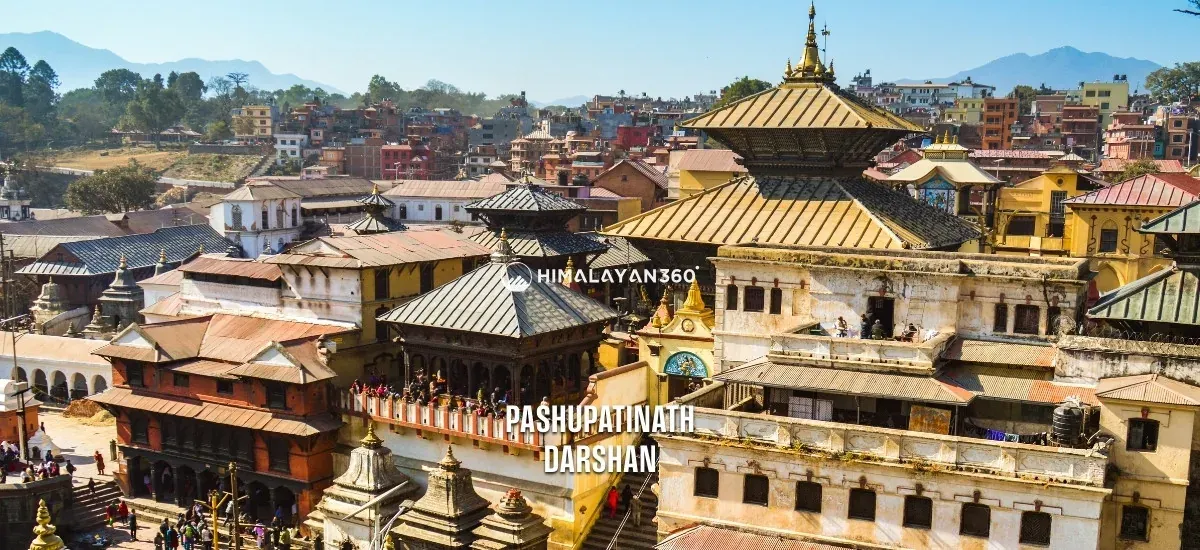
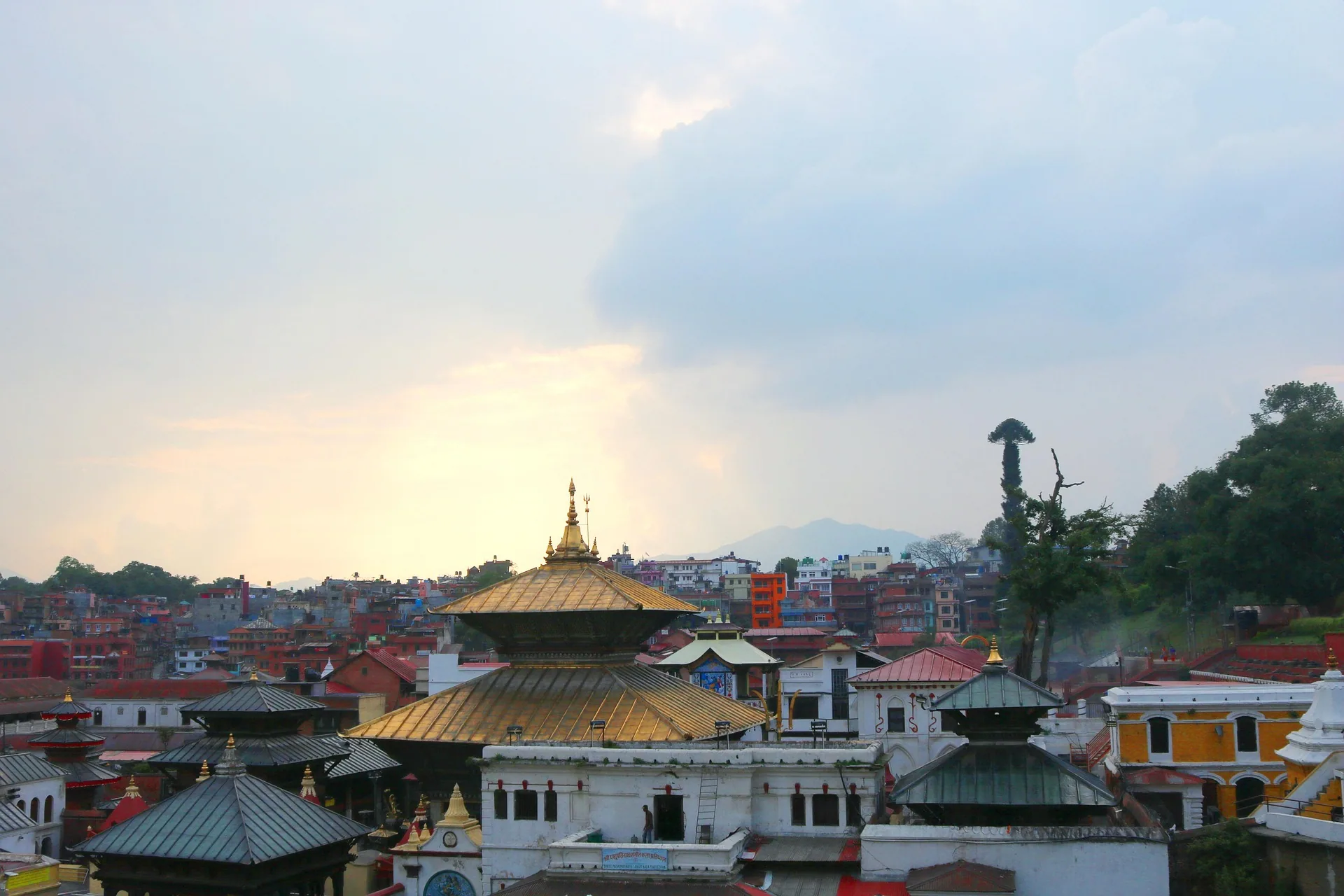
- Explore Pashupatinath temple, a UNESCO World Heritage Site and a major spiritual center of Kathmandu.
- Watch Evening Aarati on the bank of the Bagmati River.
- See the open cremation ghats and understand how Hindus view life, death, and liberation.
- Visit important spots inside the temple, including Mukhalinga, Guhyeshwari Temple, and Aaryaghat.
- Meet sadhus, gurus, and babas, learn about their way of life, and receive blessings if you wish.
- Take part in the evening Aarati dedicated to Lord Shiva, filled with chanting, music, and a calming spiritual atmosphere.
Sample Outline for your Pashupati Aarati Tour Itinerary
Detailed Itinerary of the Pashupati Aarati Darshan Day Tour
Day 1: Pashupati Sandhya Aarati
| Itinerary Fact | Details |
|---|---|
| Time: | 5 PM–7 PM |
| Travel Duration: | 3 Hours |
| Travel Distance: | 12KM/ 7.5Miles |
Your Pashupatinath Sandhya (Evening) Aarati Tour begins at 5:00 PM. Our guide will meet you in Thamel and then drive you to Pashupatinath Temple in a private vehicle. The drive takes 20 to 30 minutes, depending on traffic. Once you reach the temple area, you will have some time to walk around the Pashupati temple premises and explore the temple before the Aarati begins. Then, you will join the Evening Aarati, the main highlight of our Pashupatinath Aarati Tour. You will arrive early at the spot to find a good viewing spot near the Bagmati River, as the area fills quickly with hundreds of devotees. People gather on the steps along the riverbank to watch this spiritual and colorful ritual.
Soon, the Aarati starts beside the Bagmati River. It starts with the loud sound of a conch shell (Sankha) and the ringing bells. It is done to invite the divine presence. Priests light large copper lamps filled with ghee and burn incense. Before the formal ceremony starts, the sankalpa (a ritual vow) is performed to seek blessings for good intentions and proper actions. After that, the priests follow a series of traditional steps. They blow the conch shell, wave incense to purify the surroundings, and offer Gokul Dhoop. They move the lamps in circular motions.
Furthermore, throughout the ceremony, musicians play traditional instruments like drums, cymbals, and flutes. They sing hymns praising Lord Shiva. Also, you will see devotees performing Shiv Tandav and chanting “Har Har Mahadev”. The Sandhya Aarati usually lasts for about one hour. When it finishes, you will walk back to the parking area. From there, our driver will take you back to Thamel. Once you reach your destination, your Pashupatinath Aarati Tour with Himalayan 360 formally ends. We hope to serve you again on your next journey. Safe travels and best wishes!
Extra: Aarati timings slightly shift with the season, around 7:00 PM in summer and 6:00 PM in winter. After sunset, all the temple doors are opened for the Aarati and closed again once the ceremony ends.
Explore with Local Experts! Our experienced guides, porters, and staff are locals who know every trail, culture, and hidden gem. Travel with us for an authentic adventure!
Pashupatinath Temple as a Living World Heritage Site
Pashupatinath Temple in Kathmandu is one of the seven UNESCO World Heritage sites in Kathmandu, listed in 1979 due to its profound spiritual value and vibrant cultural life. There are several reasons that justify why Pashupatinath Temple is called the “Living World Heritage Site”.
One of the strongest reasons is the daily cycle of life and death you can see along the Bagmati River. At Aaryaghat, open-air cremations happen every day. Families come to perform the last rites for their loved ones, believing that being cremated at Pashupatinath helps the soul reach moksha. On the other side of the river, the Sandhya Aarati takes place every evening with fire, chants, and devotion. One side shows the end of life, and the other side celebrates light, hope, and devotion. This contrast makes the temple feel deeply real and alive.
Furthermore, Pashupatinath is one of the holiest Hindu temples. It is always busy with Hindu rituals, prayers, and pilgrims. Devotees come from Nepal, India, and around the world to worship Lord Shiva as Pashupati. Priests perform numerous rituals every day, and the temple becomes more crowded during festivals such as Maha Shivaratri. You will also find sadhus and yogis who live and meditate around the temple. Nothing here is paused or inactive.
The temple complex itself is huge and active. It spans approximately 246 hectares and comprises over 500 smaller temples, shrines, and ghats. The architecture reflects traditional Newari craftsmanship in wood, stone, and metal. Even after the 2015 earthquake, worship continued, showing how strongly people are connected to this sacred place. This way, Pashupatinath lives on because it is sustained by people, their beliefs, rituals, and faith.
Want to explore the seven UNESCO World Heritage Sites in Kathmandu? Then join our guided 7 UNESCO Heritage Sites Day Tour and get to know about their profound significance in Nepali community.
Inside the Pashupati Complex: Shrines, Ritual Sites & Hidden Spots
Inside the Pashupatinath temple complex, there are several temples and shrines that are as important as the main temple. Each one reflects a unique aspect of Hindu faith and culture, from worship to final rites. Below is the brief description of some of those important temples:
Mukhalinga
Mukhalinga is the main icon or deity of the Pashupatinath Temple. It is a Shiva Lingam with five faces, known as Sadashiva. These five faces reveal a different aspect of Lord Shiva’s divine power and represent one of the five elements of life: earth, air, fire, space, and water.
- East Face (Tatpurusha): It is associated with earth. It symbolizes creation and happiness.
- East Face (Tatpurusha): It is connected to water. It represents preservation, healing, and the protective side of the Lord.
- East Face (Tatpurusha): It represents air and symbolizes consciousness and awareness within every soul.
- South Face (Aghora): Linked with fire. It stands for destruction and changes that lead to a new beginning.
- Upward Face (Ishana): Connected to space. It means peace, wisdom, and union with the divine.
Together, these faces show that Shiva controls creation, life, and destruction, which is the full circle of existence
Guhyeshwari Temple
Guhyeshwari Temple lies just a short walk from the main Pashupatinath Temple, on the opposite bank of the Bagmati River. The name Guhyeshwari means “Goddess of the Secret,” and the temple is dedicated to Goddess Parvati, the wife of Lord Shiva. According to Hindu mythology, this is the place where Sati Devi’s yoni (a part of her body) fell when Lord Shiva carried her burnt body around the world in grief after her death. This event makes this place a sacred Shakti Peeth and a symbol of power. Because of this, Guhyeshwari is seen as a powerful center of feminine energy and divine creation.
The temple is small but very peaceful. Inside, devotees worship a flat stone that represents the goddess’s creative energy. Married women come here to pray for the longevity and well-being of their husbands. It is also believed that if a couple gets married in the Guhyeshwari Temple, then their relationship will last for six births. Furthermore, every year, during Dashain, Teej, and Maha Shivaratri, we can see thousands of pilgrims here.
Gorakhnath Temple
Gorakhnath Temple lies on the western side of the main Pashupatinath Temple. The temple is dedicated to Yogi Gorakhnath. He is the founder of the Nath tradition, which focuses on meditation and discipline. The area around the Gorakhnath temple is usually calm. You will often see yogis and ascetics sitting quietly, practicing yoga, meditating deeply, or chanting mantras silently.
Bagmati River and Aarya Ghat
The holy Bagmati River flows beside the temple. The river is sacred to the Hindu community in Nepal. People take a dip in the Bagmati River, thinking that it will purify their souls and wash away their sins. Also, it is the central site for performing funeral ceremonies. Before cremation, the body is washed three times with Bagmati water. People believe this helps purify the soul and prepares it for its journey toward peace. The main mourner, usually the eldest son, also touches or dips in the river after lighting the funeral pyre as a sign of cleansing. Furthermore, on the Bala Chaturdashi festival, hundreds of families hold ceremonies on the riverbanks for the salvation of their deceased family members.
Along the riverbank is Aaryaghat, which is the main cremation area. Here, Hindu families perform last rites for their loved ones. They believe that if a person is cremated at Pashupatinath, their soul will be freed from the cycle of rebirth. The sight of the burning pyres, priests chanting mantras, and the crying of the deceased’s family is emotional. But it also shows the truth of life and death in Hindu belief. When watching this event, one should stay quiet and observe from a distance. Also, there is an interesting belief about cremation at Aaryaghat. It is said that funeral pyres at Pashupatinath should never stop burning. The smoke must always rise from the ghat. Thus, if there is no body for cremation, the priests burn a small figure made of dried Darbha grass (kush) and burn it. This grass represents the human body and keeps the sacred fire and the tradition alive.
Ritual Meanings, Timing, and Lesser-Known Details About Pashupatinath Aarati
Every event or rituals that take place at Pashupatinath carries deep meaning. And Sandhya Aarati is no exception. Let’s get to know why Sandhya Aarati is important, when it happens, and the significance of the tools used during Aarati.
The Sacred Meaning Behind Aarati
Aarati means praying to God with deep love. It is a way of saying, “We are here, and we offer our devotion to you.” It is a simple act of devotion where you open your heart to God. People believe that when you do Aarati with true bhakti, God takes away your pain, stress, anxiety, and fear and listens to your wishes. Further, during Aarati, God is believed to be “alive” for the devotees ready to hear their prayers. Many people compare it to a king who listens to his people. Just like a king solves problems and gives justice, God hears the prayers of his devotees during Aarati.
Time, Location, and Duration of the Aarati
The Sandhya Aarati at Pashupatinath starts at around 6:00 PM in winter and 7:00 PM in summer every evening. The whole ceremony lasts about 45 minutes to 1 hour. During this time, people sit or stand along the steps and watch the praying ceremony.
Aarati’s Holy Flame
The flame in the Aarati is very special. Fire stands for purity and truth. While light represents knowledge. This way, the flame is believed to carry God’s light. When priests wave the fire, there is a belief that this light removes darkness from life and brings blessings. Watching the flame reminds us to stay kind, honest, and peaceful. It is a simple light, but it gives strong comfort to the heart.
Sacred Sound of Conch, Ringing Bells, and Drum in Aarati
The Aarati starts with the sound of a conch shell. Then, bells and drums are played. These sounds call everyone to join the prayer, and that the Aarati has started. It is also believed that the sound of the conch and bells calls down devas, or celestial beings, from heaven to join the Aarati. Furthermore, these sounds also fill the air with a clean and holy feeling. People believe these sounds chase away negative energy and bring peace. The rhythm also helps the mind relax. Even if you don’t understand the words, the music makes you feel calm, happy, and connected.
Passing The Palms Over The Aarati
At the end of the Aarati, people pass their palms over the flame to receive blessings. They touch their head, eyes, and heart. They believe this helps them receive God’s blessing directly from the sacred fire. Passing on the head means good thoughts. Passing in the eyes means clarity, and passing in the heart means kindness and peace.
Why Guides Can Be Helpful: Avoid Common Tourist Pitfalls
The temple and river area can get very crowded during the Sandhya Aarati. A guide helps you find a good spot to see the ceremony. He/She will also explain the rituals, the significance of the lamps, chants, and the meaning of mantras. This way, you will truly understand what you are witnessing. Additionally, a tour guide helps manage safety and prevent common problems, like pushy sellers. Popular sites can attract scammers and pushy sellers. They may try to sell you things or services, which can be annoying and ruin your experience. A guide stays with you and helps handle these situations.
Morning and Noon Tour for you to pair with this Evening Tour
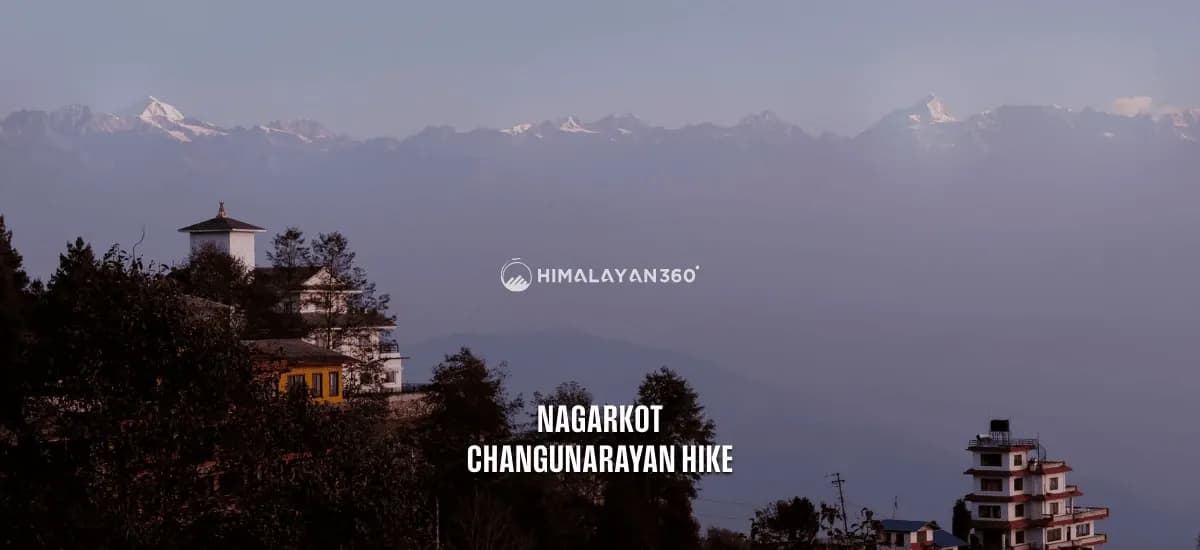
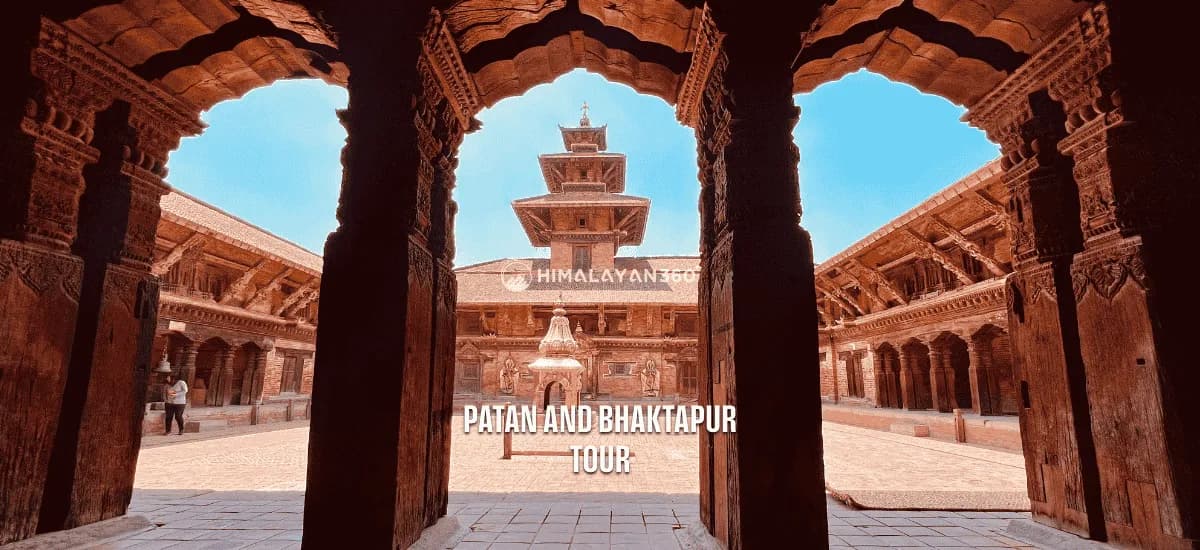
The Pashupatinath Temple Aarati Tour starts around 5:00 PM, so it’s mainly an evening activity. This means you still have your morning and afternoon free to explore other places in the Kathmandu Valley. You can pair this evening Pashupatinath Aarati tour with Kathmandu Day Tour, Patan & Bhaktapur Tour, Nagarkot–Changunarayan Hike, or a Buddhist Pilgrimage Tour. This allows you to enjoy the cultural side of the valley during the day and conclude your evening with a peaceful aarati tour at Pashupatinath temple. Likewise, if you are back in Kathmandu after long treks like Annapurna Base Camp Trek, Mardi Himal Trek, Everest Three Passes Trek, Upper Mustang Trek, and any other, this Aarati Tour is also a simple and relaxing way to wind down and end your day.
Religious Etiquettes Inside the Temple
- Remove your shoes and sandals before entering the temple.
- Follow the signs and respect restricted zones. Some areas are for Hindus only.
- Ask before taking photos. It is prohibited to take a picture in several inner temple sections.
- Do not touch idols, sacred objects, or objects involved in ongoing rituals.
- Keep your voice low. Don’t talk loudly and laugh.
- Walk calmly and follow the flow of the crowd.
- Do not point your feet toward shrines or priests.
- Avoid smoking, eating, or drinking inside the temple grounds.
- Respect mourners at the Aaryaghat and do not take photos of the funeral rites.
FAQs for Pashupatinath Aarati Tour
Is there an entrance fee to attend the Aarati?
Can non-Hindus attend the evening Aarati?
What is the spiritual significance of the Pashupatinath Aarati?
What exactly happens during the Aarati ritual?
What is the significance of the Bagmati River at Pashupatinath?
Is there a specific dress code for attending the Aarati?
Is photography allowed during the Aarati?
Are there any customs or rituals visitors can participate in?
Is it safe to visit the Pashupatinath temple area in the evening?
What is the best day of the week to attend the Aarati?
1 Days
4 UNESCO Heritage Site Day Tour in Kathmandu
5 Days
5 Days Nepal Tour
6 Days
6 days Nepal tour package
1 Days
UNESCO Heritage Day Tour
USD 20 per person
Adventures Await
we’ll make it extraordinary and uniquely yours.
Create a travel experience that reflects your style and preferences.
With expert guidance, every moment of your trip is uniquely tailored to you.