The Manaslu Circuit is one of the most challenging trekking spots in Nepal. It is known to be a killer mountain in Nepal. It is mainly difficult due to the off-the-beaten trekking conditions. Trekking on rough terrain in remote areas can be challenging. Hiking at higher altitudes increases the risk of altitude sickness.
Additionally, the long hours of walking can make you tired. To handle these challenges, you need to take safety measures and even prepare months before the trek. Good physical fitness, stamina, and mental strength are best to complete this trek comfortably. Several factors of difficulty make the Manaslu Trek challenging, so let’s get into them.
Altitude Sickness
One of the significant factors of difficulty is the high altitude at which the trekkers are. Sickness, also known as acute mountain sickness (AMS), is common for people who climb high places. This usually becomes a concern when you’re above 3,000 meters (about 9,800 feet) above sea level.While trekking the Manaslu circuit, you will be at altitudes above this level, which increases your chances of experiencing mild symptoms of AMS. These symptoms can include:
– Nausea (feeling sick to your stomach)
– Fatigue (extreme tiredness)
– Headache
– Shortness of breath
– Insomnia (trouble sleeping)
As you go higher, the air becomes thinner, meaning less oxygen is available. Your body needs time to adapt to this change. If you climb too quickly without allowing your body to adjust, you may experience altitude sickness. To prevent AMS, it’s essential to acclimatize properly. This means gradually getting used to higher altitudes, which helps your body adjust to lower oxygen levels.
Long Duration
Our itinerary takes 14 days, ten of them on the trail. Since this trek is quite challenging, trekking for so long is strenuous. Every day, the trekkers hike for about six to seven hours. However, the long duration helps with acclimatization. It is still hard for the trekkers, especially beginners.
Difficult Terrains
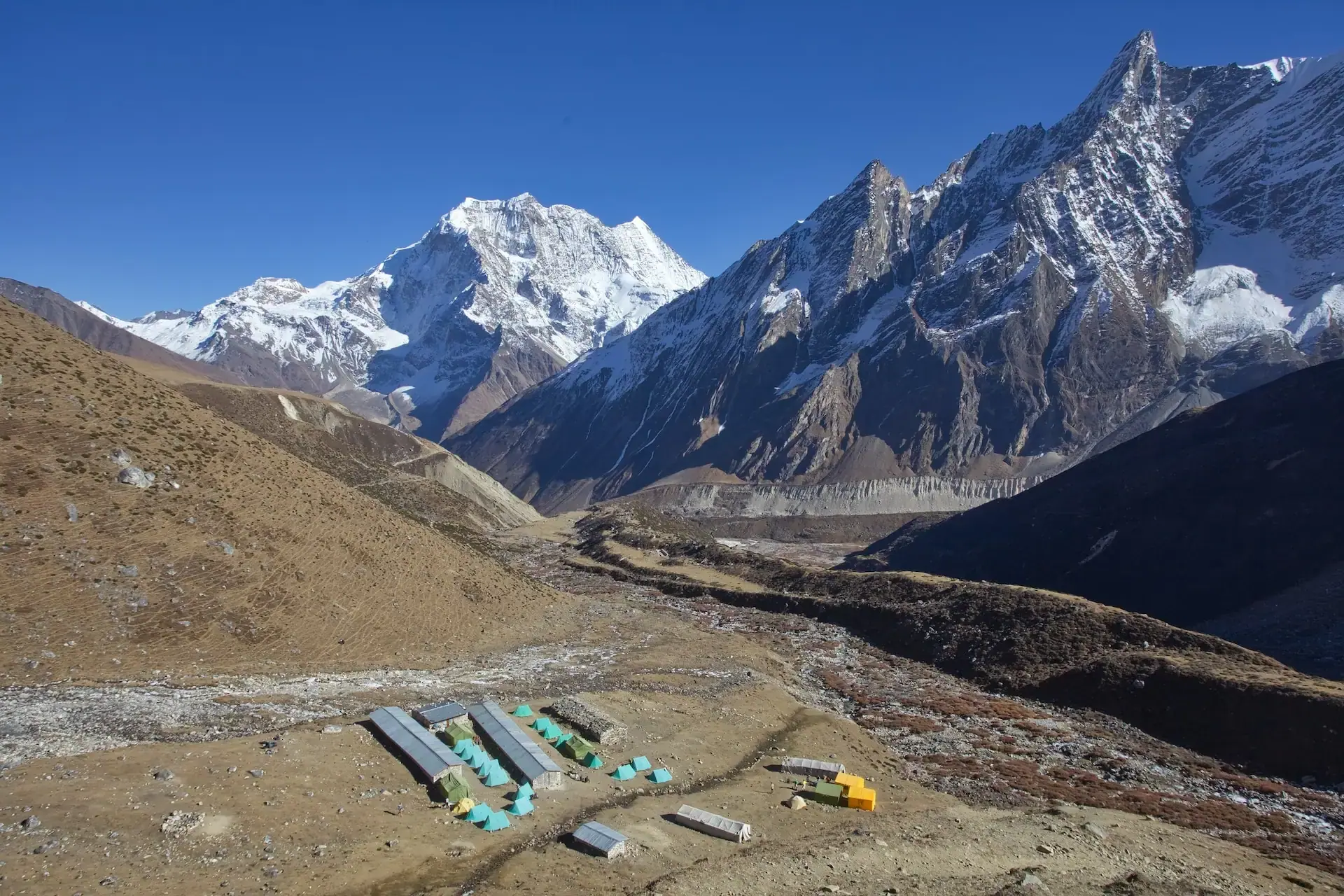
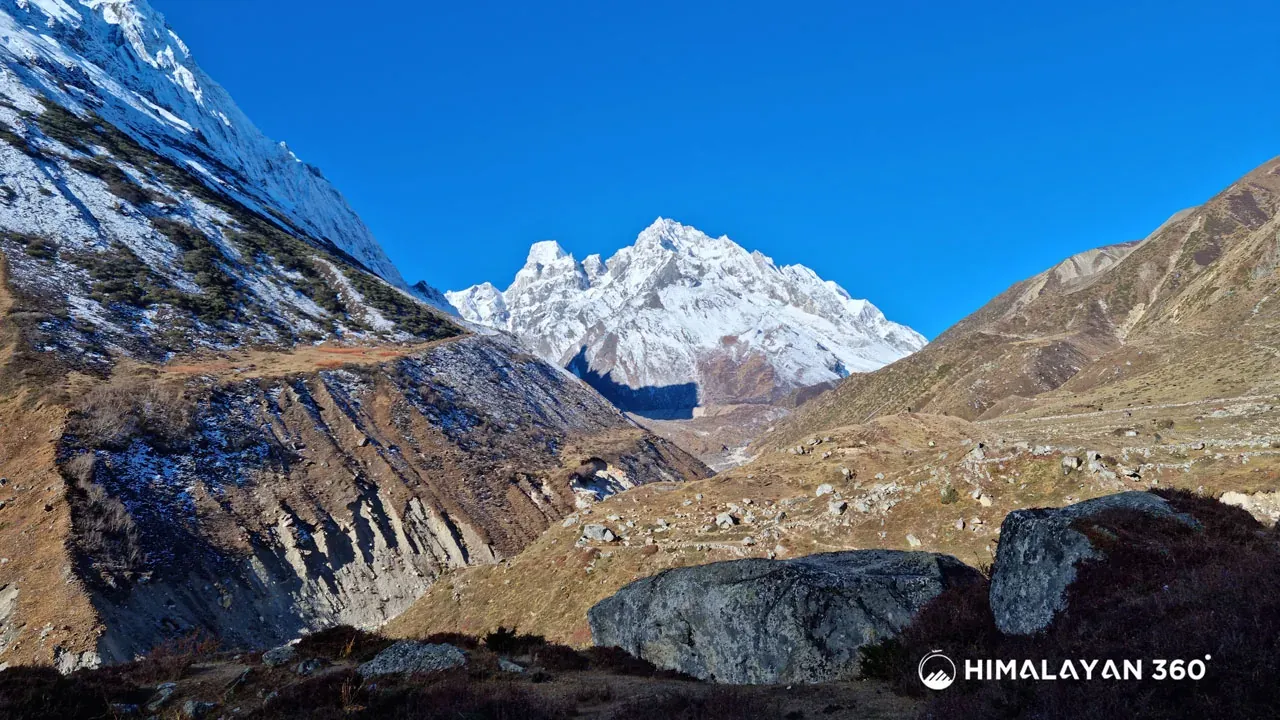
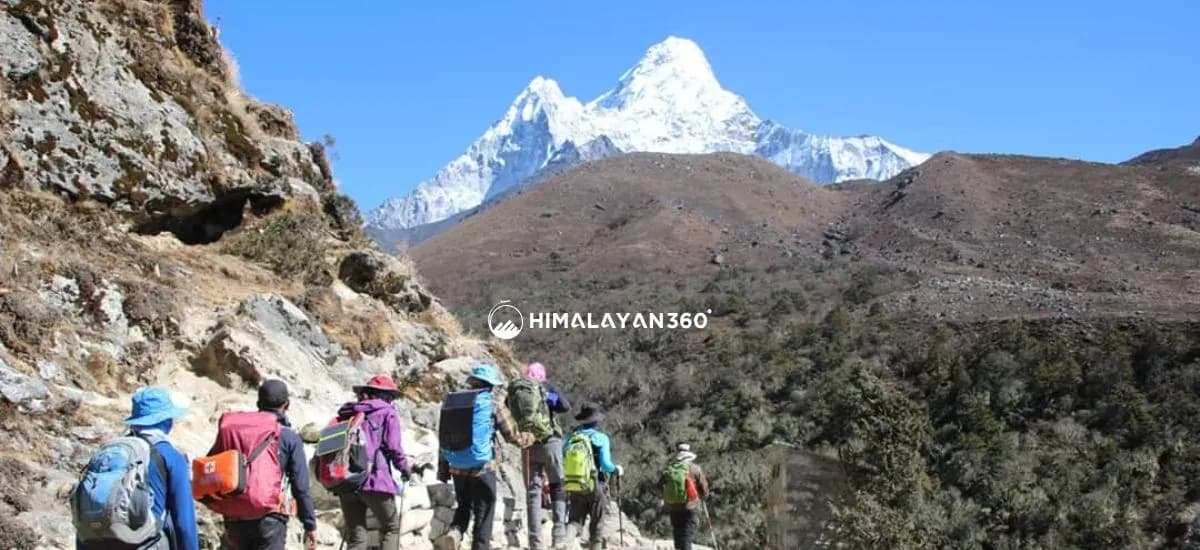
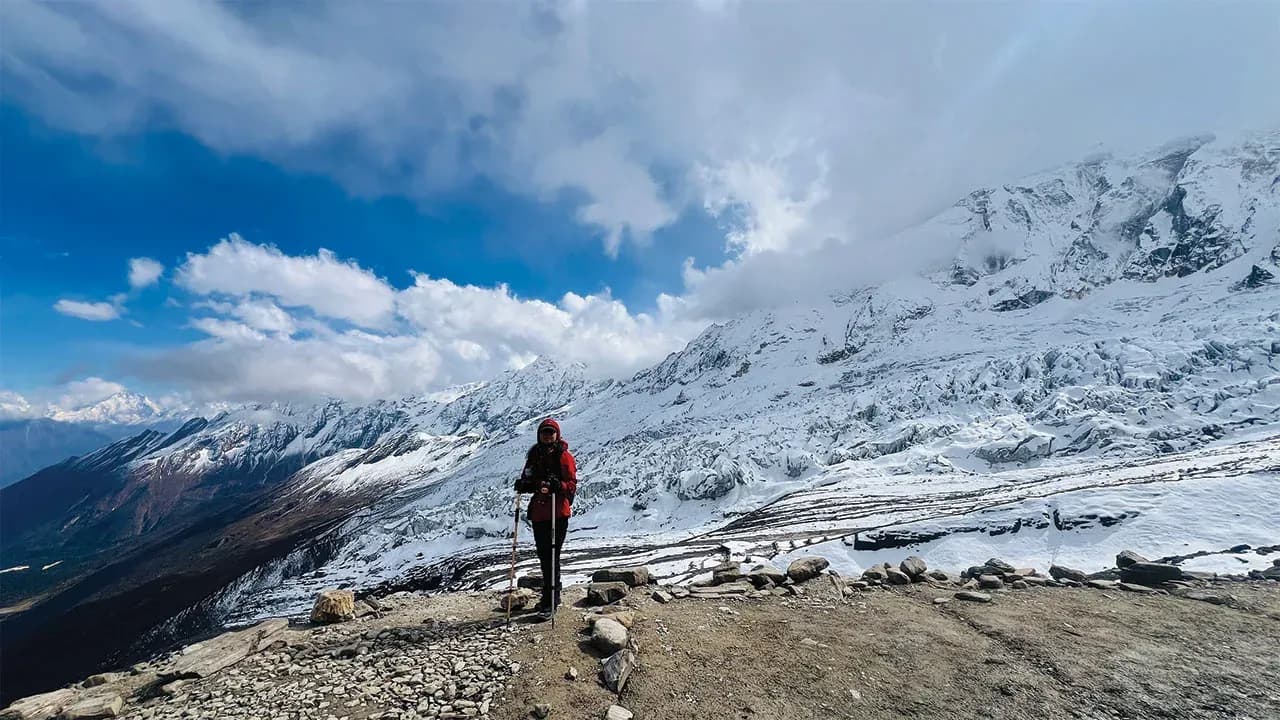
The trail is located in a remote area at the base of the mountains. It features winding paths and stone stairs. The landscape of the Manaslu region is very tough due to loose soil, slippery steps, and snowy ridges, which are challenging to climb or descend. Hence, the trekkers need to build their stamina and be physically strong if they don’t want to feel tired all the time.
How can we Prepare for the Manaslu Circuit Trek?
Unsurprisingly, the trek is complex, and trekkers will face many challenges. Some challenges are natural and can’t be avoided; others can be minimized by preparing for the trek beforehand. There are natural ways to prepare for the trek, like trekking in the ideal season. So, let’s get into this.
Physical Preparation
Physical preparation is essential for this trek. Since the trek is challenging and the trekkers must pass through stressful terrains for at least two weeks, they must be physically strong and raise their stamina. Trekkers also need to increase their cardio level and strength if they don’t want to feel fatigued continuously.
Mental Preparation
Just like physical preparation, mental preparation is also essential. I know and admit that the trek will be arduous, and some days will be more challenging. If the trekkers prepare for the toughness of the trek, then they won’t be demoralized and will expect the difficulty. It is also essential to learn how to breathe at a high altitude. You can practice breathing in a challenging atmosphere using Yoga and Meditation.
Medical Consideration
Preparation for the trek begins before the trek is booked. During the Manaslu Trek, the trekkers will climb an altitude of over 4000m, which means they are susceptible to altitude sickness. So, trekkers with previous medical conditions must consult their doctor to determine whether they are healthy enough for these long and challenging treks. Also, if they are healthy enough to trek, they must take their medical prescription.
Manaslu Circuit Trek Distance and Walking Hours
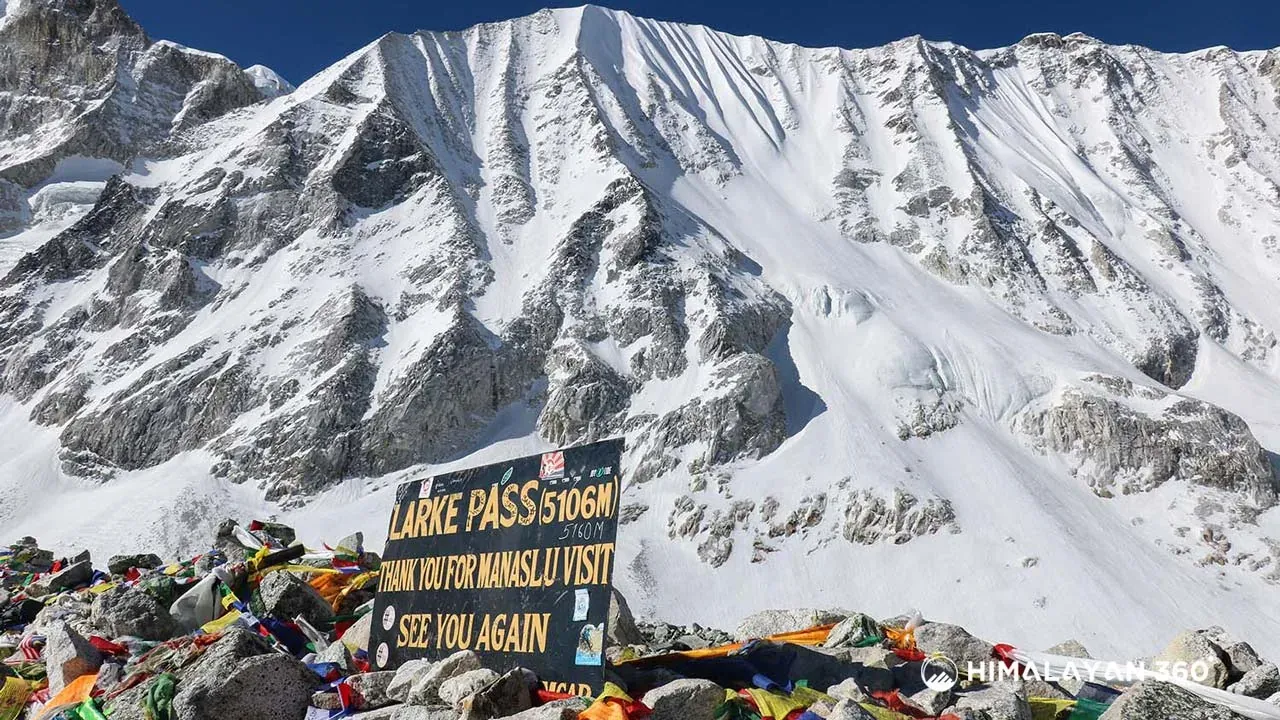
On foot the Manaslu Circuit covers about 143.7KM from Machha Khola to Dharapani, and the road transfers at each end add about 370KM. Most walking days are 6 to 8 hours. The longest is the crossing from Larkya Phedi over Larkya La to Bimthang, about 24.8KM and 9 hours, and the shortest, Lho to Samagaon, Samagaon to Samdo and Samdo to Larkya Phedi, take about 4 hours each. Plan your pace around hours rather than kilometres, because the trail above Samdo is slow at any fitness level.



 13 Days
 Trek
Trek By air
 Pilgrimage
 Festivals
 Wildlife
 Luxury
 Yoga
Yoga Food
Food Heritage