Kailash Yatra Fixed Departure Date 2026 Click Here
How to Get from Kathmandu to Besisahar
Kathmandu may welcome visitors with noise, but Besisahar welcomes them with rivers, hills, and fresh air. The easiest way to get from Kathmandu to Besisahar is by road, either by local bus, tourist bus, or private jeep. Kathmandu is located at 1,400M, while Besisahar is at 760 m, so the journey actually descends about 640M. The total distance is 175KM, and it usually takes 6-7Hours, depending on traffic and road conditions.
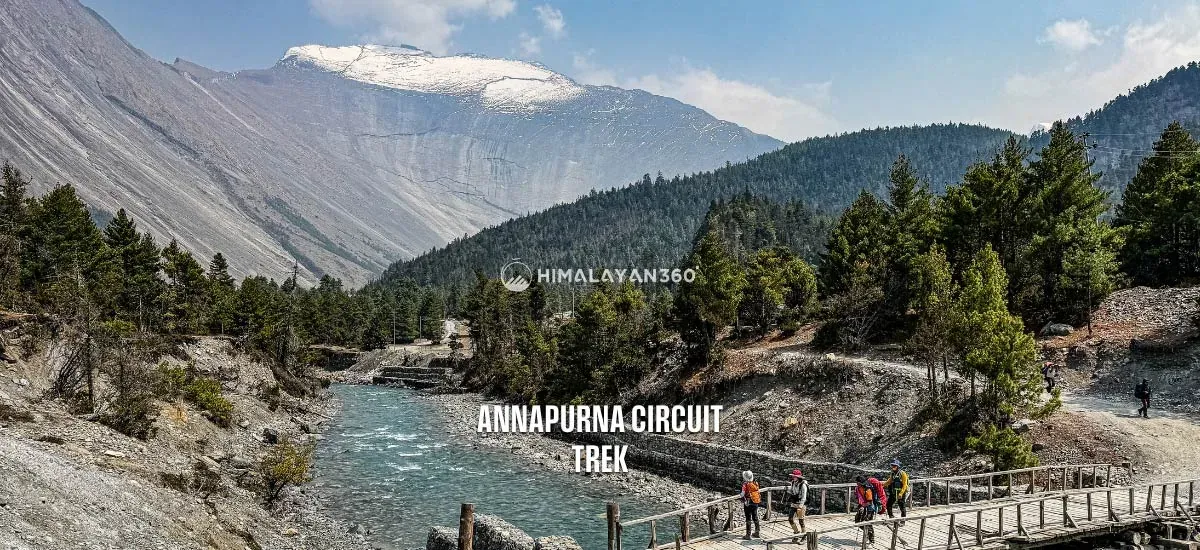
The drive follows beautiful valleys and famous rivers like the Trishuli and Marshyangdi. You’ll pass busy highway points such as Naubise, Mugling, and Dumre. The scenery slowly changes from city clusters to open terraces and green hills with the views of Lamjung Himal (6,983M)on the right side of the vehicle. As you get closer to Besisahar, the gateway to treks like the Annapurna Circuit and the exit points for treks like the Manaslu Circuit Trek come into view.
Roads & Routes for Kathmandu to Besisahar Travel
The drive from Kathmandu to Besisahar follows a simple two-part route that covers 175KM. The first section uses the Prithvi Highway, a paved two-lane road that runs beside the Trishuli River. This section is smoother and wider, but traffic can slow you down when leaving Kathmandu. The Nagdhunga tunnel is currently under construction, so there may be occasional traffic near its entry point. Otherwise, the drive is comfortable.
At Dumre, the route turns north onto the Dumre-Besisahar-Chame Highway, a 42KM road that follows the Marsyangdi River. The section is now fully pitched as of 2025, with smoother surfaces and no major bumpy areas. Travel can still be slower during the monsoon due to landslide risks, but in normal seasons, the ride is steady.
Is the Road Fully Paved around Dumre, Paundi, and Siudibar on the way to Besisahar
Yes, the road around Dumre, Paundi, and Siudibar is now fully paved and consistently blacktopped. It has made travel much smoother than in the previous year. As of late 2025, this section of the Dumre-Besisahar Highway is not an active construction zone, and no major widening work is ongoing. Small surface damages may appear after heavy rain, but these are normally repaired quickly. Drivers report a steady ride with no long stretches of bumpy or gravel roads, but the roads are narrow.
The overall condition remains good, but the route still passes through a river valley, so landslides can occur during the monsoon. Even though the pavement is complete, debris may fall on the road in heavy rain, which can cause short delays. Travelers in Oct 2025 described the road as fully constructed and smooth, though many still prefer a jeep over a bus for better comfort.
Kathmandu to Besisahar Transportation
Travelling from Kathmandu to Besisahar is easy with several transportation options. Whether you are going for the Annapurna region treks or doing the Upper Mustang trek from Besisahar. You can choose between local buses, tourist buses, minivans, or private jeeps.
Public/Tourist Bus for Authentic Nepal Experience
From Kathmandu to Besisahar, both public and tourist buses are available. Public buses are cheaper, around NPR 700–1,000, but crowded with frequent stops, which can take 7–10 hours. Tourist or deluxe buses cost NPR 1,200–2,000, offer reclining seats, more legroom, and AC, and take 6-7Hours with only a few breaks. Both start from New Bus Park, while deluxe buses sometimes pick up near Kalanki. Luggage space is better on tourist buses, and advance booking is recommended during peak season.
Comfortable Rented or Hired Jeep
Hiring a private jeep from Kathmandu to Besisahar is the fastest and most flexible option. A typical jeep, like a Mahindra Scorpio or Toyota, carries 10-12 passengers with luggage and costs around NPR 16,000–22,000 one way. The journey takes 5-7Hours by jeep, depending on traffic and stops. Jeeps handle rough as well as narrow roads (around the Dumre to Besisahar stretch), and offer hotel pickup, custom schedules, and photo or meal breaks.
Prioritize your Privacy with Private Vehicles
Using your own car or motorcycle is the most flexible way to travel from Kathmandu to Besisahar. It offers full control over timing and stops. Foreign drivers need a valid license and an International Driving Permit, along with proper vehicle registration and insurance. Non-Nepalese vehicles require a temporary customs permit at the border. Drive on the left side, give way to larger vehicles, and avoid night driving for safety. This option suits those ready for adventure and independent travel.
Fast and Luxury Flight Option
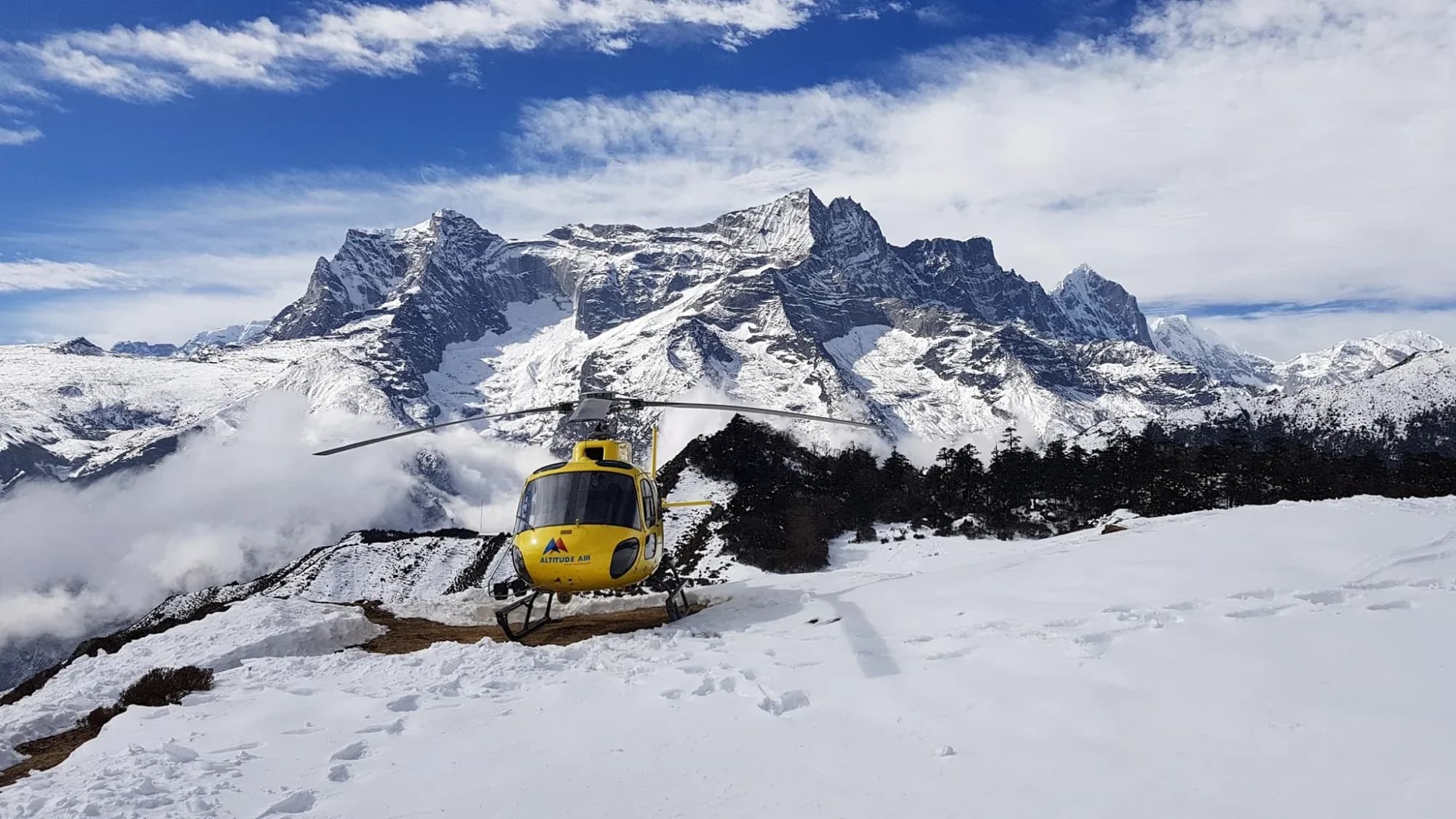
There are no direct flights to Besisahar, so air travel involves reaching a nearby airport first. The most common option is to fly from Kathmandu (KTM) to Pokhara (PKR), a 25-minute domestic flight costing around USD 100–120. From Pokhara, it takes 3–4Hours by road to reach Besisahar. For a faster but costly alternative, you can charter a helicopter, which takes about 1 hour and offers beautiful Himalayan views, though prices start at USD 1,200 per trip.
Tabular Summary of Kathmandu to Besisahar Journey
| Mode of Transport | Distance | Duration | Capacity | Cost Estimation |
| Public/Local Bus | 175KM | 7-10Hours | 30-50 passengers | NPR 700-1,000 per person. |
| Tourist/Deluxe Bus | 175KM | 6-8Hours | 20-40 passengers | NPR 1,200-2,000 per person. |
| Rented/Hired Jeep | 175KM | 5-7Hours | 10-12 passengers | NPR 16,000-22,00 per jeep |
| Private Vehicle | 175KM | 5-7Hours | – | – |
| Flight + Road (via Pokhara) | 162KM air + 87KM road | flight 25 min + 3-4Hours by road | Depends on the bus/vehicle from Pokhara | Flight USD 100-120 + road transport cost according to the vehicle |
| Helicopter Charter | – | ~1Hours | 4-5 passengers | From USD 1,200 per flight |
Accommodation Facilities in Besisahar
Besisahar, the gateway to the Annapurna Circuit trek, offers a wide range of accommodation options that are more developed than the teahouses found higher on the trail. The most common and budget-friendly options are guesthouses and lodges, which provide clean, simple rooms, often with two separate beds and basic furnishings. For slightly more comfort, several small hotels in the main town offer larger rooms, private bathrooms, and extended dining options.
Most accommodations in Besisahar include essential facilities for a comfortable stay. Nearly all have restaurants serving Nepali staples like dal bhat, along with some international dishes. Hot showers are available, often solar or gas-heated, and Wi-Fi and mobile networks are reliable compared to high-altitude areas. Electricity is available for lighting and device charging. Many lodges also assist trekkers with permits, guides, porters, and onward transportation.
Tips for Kathmandu to Besisahar Travel
- Book in advance: Secure bus or jeep tickets early during peak trekking seasons (Mar-May, Sept-Nov).
- Carry Cash (NPR): Many local operators, restaurants, and shops only accept Nepali Rupees.
- Start Early: Depart in the morning to avoid traffic and make full use of daylight.
- Check Road Conditions: Confirm current conditions near Nagdhunga Tunnel and the Dumre area during rain or construction.
- Sit on the Right: For better river valley and mountain views.
- Keep Documents Secure: Store passport, visa, and valuables safely; use waterproof bags if needed.
- Use a 4WD Vehicle: Recommended for rougher sections of the Dumre-Besisahar road.
Conclusion
Traveling from Kathmandu to Besisahar is smooth and scenic with the right preparation. Book early tickets during the best seasons, carry cash, and start your journey in the morning. Check road conditions, pack essentials, and dress in layers. Choose a 4WD vehicle for rough roads and avoid night driving. Stay patient, enjoy the views, and keep your documents safe for a comfortable and safe trip.
10 Days
14 Days