Kailash Yatra Fixed Departure Date 2026 Click Here


Altitude Sickness During Kailash Mansarovar Yatra
Altitude sickness during Kailash Mansarovar Yatra is common because the pilgrimage takes place between 4,600M at Lake Mansarovar and 5,630M at Dolma La Pass. At these elevations, the air has less available oxygen than at sea level, increasing the risk of Acute Mountain Sickness (AMS) among travelers who ascend too quickly without proper acclimatization.
Most pilgrims experience mild symptoms such as headache, fatigue, shortness of breath, dizziness, loss of appetite, or difficulty sleeping. While many cases improve with rest and hydration, severe forms of altitude illness can become dangerous if ignored. Proper acclimatization, slow ascent, sufficient fluid intake, and early recognition of symptoms are the most effective ways to reduce the risk of altitude sickness during Kailash Yatra.
Table of Contents
At What Altitude Does Altitude Sickness Start During Kailash Mansarovar Yatra?
For most of the pilgrims, altitude sickness starts to show up from 2,800M at Gyirong during the Kailash Mansarovar Yatra. As the journey progresses above 4,500M at Lake Mansarovar and Darchen, the chances of developing symptoms increase considerably. The greatest challenge comes at Dolma La Pass (5,630M), the highest point of the yatra, where altitude sickness is most commonly experienced.
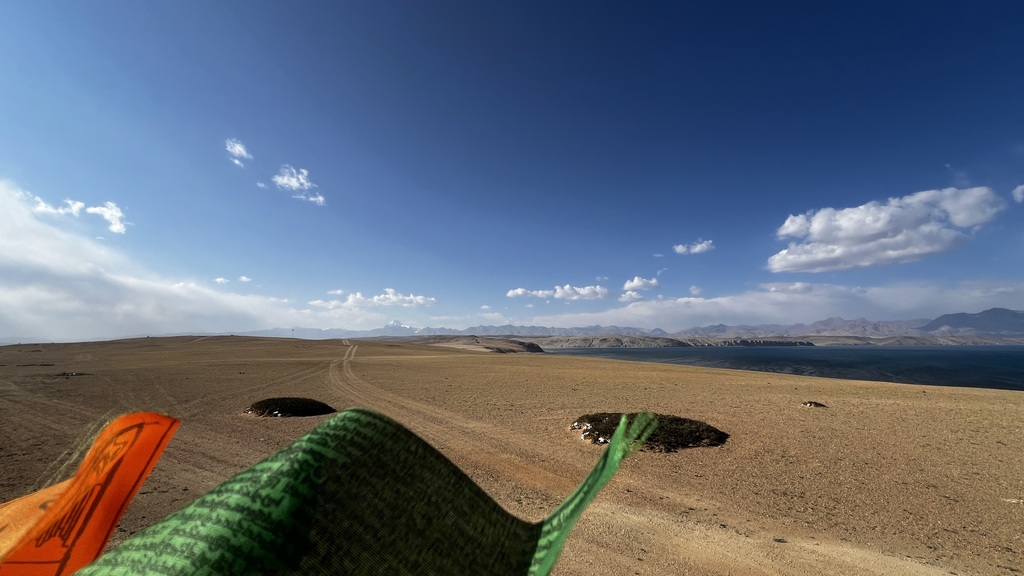
These elevations make the Kailash Mansarovar Yatra one of the highest pilgrimage journeys in the world. When travelers move from Saga and other intermediate stops toward Mansarovar and the Kailash Parikrama route, oxygen availability slowly decreases. Pilgrims who skip acclimatization days or ascend too quickly may find the Dolma La Pass crossing extremely difficult and, in some cases, may be forced to turn back before completing the yatra.
Common Symptoms of Altitude Sickness During Kailash Mansarovar Yatra
The most common sign of Kailash Mansarovar altitude sickness is a headache, which worsens at night or when lying down. Here are some very common symptoms of Acute Mountain Sickness (AMS).
- Throbbing headache: Felt behind the eyes or temples.
- Nausea and vomiting: Accompanied by a complete loss of appetite.
- Dizziness: Lightheadedness when standing up quickly.
- Severe fatigue: Feeling exhausted even after less physical effort.
- Insomnia: Disturbed sleep, waking up often, or a feeling of suffocation while lying down.
Who is Most at Risk of Altitude Sickness?
People who ascend too quickly are at the highest risk of altitude sickness. This includes pilgrims using fast travel itineraries that spend little time acclimatizing. Travelers who have previously experienced altitude sickness are also prone to developing similar symptoms again. In addition, carrying heavy bags, walking too fast, ignoring fatigue, or pushing through headaches can increase the chances of becoming sick at high altitude.
People with chronic lung conditions, heart disease, severe asthma, or high blood pressure can also be victims of AMS easily. However, altitude sickness does not only affect those with health problems. Even young, healthy, and physically fit pilgrims can develop symptoms because fitness does not improve the body ability to adapt to lower oxygen levels.
How Long Does Altitude Sickness Last During Kailash Mansarovar Yatra?
Altitude sickness in Kailash Yatra lasts 24 to 48 hours if symptoms are mild and the traveler rests at the same altitude without ascending further. Symptoms such as headache, nausea, fatigue, dizziness, and poor sleep improve when the body adjusts to lower oxygen levels. However, continuing to climb before symptoms disappear causes the illness to last longer.

Severe forms of altitude sickness, like High Altitude Pulmonary Edema (HAPE) or High Altitude Cerebral Edema (HACE), do not have a predictable recovery timeline. Pilgrims must descend to a lower altitude as quickly as possible to cure them. Many severe cases begin to improve within a few hours after descending 300 to 500M (or more) and receiving oxygen or medical care. Depending on the severity, full recovery may take several days, which is why early recognition is essential during the yatra.
Does Altitude Sickness Affect Spiritual Experiences During Kailash Yatra?
Yes, altitude sickness can affect spiritual experiences because physical discomfort makes it harder to focus on prayer, meditation, chanting, and personal reflection. When symptoms develop, many pilgrims concentrate more on their physical condition than on the spiritual purpose of the journey.
However, mild altitude-related symptoms do not prevent everyone from having a good experience. Many pilgrims say that they feel peace, devotion, and connected emotionally while circling Mount Kailash and visiting Lake Mansarovar. Problems arise when altitude sickness becomes severe, as confusion, poor concentration, and memory problems can affect judgment and awareness. Therefore, proper acclimatization and rest are extremely essential for the Kailash Yatra.
Warning Signs That Need Immediate Medical Attention
If you face any of the following symptoms, do not wait. They indicate life-threatening conditions (HAPE or HACE) that need immediate supplemental oxygen and urgent descent to a lower altitude.
- Staggering: Inability to walk in a straight line or balance as if intoxicated.
- Confusion: Slurred speech, short-term memory loss, or disorientation regarding time and place
- Extreme Lethargy: Very strong tiredness, difficulty waking up, or unresponsive behavior
- Hallucinations: Seeing or hearing things that are not there
- Resting Breathlessness: Gasping for air or panting while sitting completely still.
- Wet Cough: A persistent cough that produces pink, frothy, or bubbly phlegm.
Preventing Altitude Sickness During Kailash Mansarovar Yatra
Follow these tips to reduce the risk of altitude sickness during the Kailash Yatra:
- Visit a physician 3 to 6 months before traveling to assess your heart and lung health.
- Confirm that the tour operator carries oxygen cylinders and a Gamow bag for altitude-related emergencies.
- Choose an overland itinerary that takes at least 5 to 7 days to reach Mansarovar Lake instead of a quick helicopter tour.
- When possible during acclimatization days, hike to a higher elevation during the day and return to a lower altitude to sleep.
- Avoid alcohol, tobacco, excessive caffeine, and heavy meats and fats.
- If you cannot speak a full sentence without stopping for breath, slow down and maintain a comfortable walking speed
- If you experience a mild headache or nausea, stay at your current altitude and don’t ascend further.
Best Foods and Drinks to Consume at High Altitude
The best diet for the Kailash Mansarovar Yatra is carbohydrate-rich foods and electrolyte drinks. Meals based on rice, potatoes, porridge, oatmeal, noodles, pasta, and bread provide continuous energy needed for long days at high altitude. Hot soups such as vegetable soup, garlic soup, and noodle soup replace lost salts while keeping the body warm. For quick energy on the trail, dates, raisins, dried apricots, chocolates, glucose biscuits, and energy bars are excellent choices.
Staying hydrated is equally important because high-altitude air is cold and dry, causing the body to lose water quickly. Most pilgrims should aim to drink around 3 to 4 liters of fluids daily, unless advised otherwise by a doctor. Warm water is the best option, while ginger tea can settle the stomach and reduce feelings of nausea.
Oral rehydration solutions (ORS) and electrolyte drinks replace important minerals lost through breathing and physical activity. Herbal teas such as peppermint or chamomile may improve sleep and comfort at high camps.
What Doctors Recommend about Altitude Sickness Before Traveling to Kailash Mansarovar?
Doctors recommend completing a full medical check-up before joining the Kailash Mansarovar Yatra because the body faces high altitude pressure above 4,500M. Common pre-travel tests include blood pressure checks, blood sugar tests, kidney function tests, hemoglobin measurement, heart examinations such as an ECG, and, when necessary, lung function assessments.
Doctors also advise discussing altitude sickness prevention well before departure. Many travelers are prescribed Acetazolamide (Diamox) to better cope with low oxygen levels, although it should only be taken under medical guidance. In addition, health experts recommend building fitness through regular walking, stair climbing, and cardiovascular exercise several weeks before the trip.
Common Myths About Altitude Sickness During Kailash Mansarovar Yatra
Many travelers believe misconceptions that can increase their risk of altitude sickness during the Kailash Yatra. Let’s debunk some of the most common myths:
| Myth | Debunk |
| If I am physically fit and athletic, I will not get altitude sickness. | Genetic factors and your speed dictate how well your body reacts, not your lung capacity or muscle mass |
| Older pilgrims are at a higher risk of developing altitude sickness. | Age is not a primary risk factor. Studies show that older adults get AMS at similar or slightly lower rates than younger people |
| Drinking alcohol or smoking will keep my body warm in the freezing cold | Alcohol and tobacco lower blood oxygen levels and accelerate dehydration. They don’t keep you warm |
| If I take Diamox, I am completely immune to altitude sickness and can climb fast | Diamox is an aid that speeds up natural acclimatization, not a cure or a medicine. |
| Drinking copious amounts of water will cure altitude sickness | Hydration is essential to prevent dehydration (which mimics AMS), but drinking excessive water will not cure altitude sickness or prevent brain and lung swelling |
| I can easily push through a mild headache or dizziness to complete the trek | Pushing minor symptoms can escalate into HAPE or brain swelling (HACE) within a matter of hours if you continue to ascend. |
Is the Kathmandu Route or Lhasa Route Better for Acclimatization?
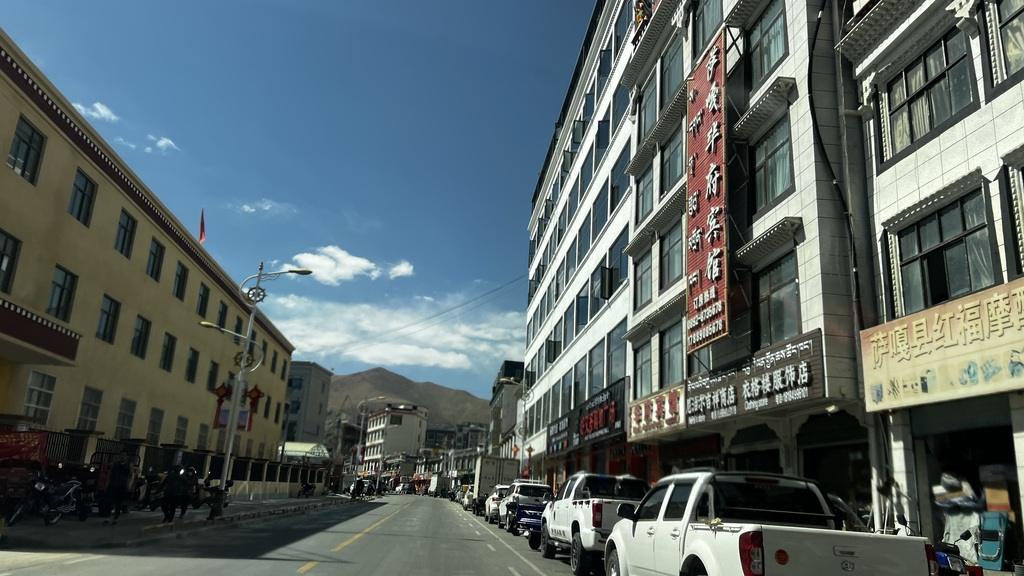
The Lhasa route is better for acclimatization than the direct Kathmandu overland route. Pilgrims arriving in Lhasa spend 24 to 48 hours at 3,656M before traveling into the Tibetan Plateau. This slower gain in elevation adjusts the body to lower oxygen levels before reaching Lake Mansarovar (4,560M). As a result, many travelers experience fewer altitude-related problems compared to routes that involve a much faster ascent.
The Kathmandu route is shorter and less expensive, but it takes pilgrims from lower elevations to areas above 4,000M, within a short period. After crossing the Kerung border, travelers quickly ascend Saga, leaving less time for natural acclimatization. For travelers concerned about altitude-related issues, the Lhasa Everest Kailash Mansarovar Kathmandu Tour offers a safer approach.
Essential Packing List for Managing High Altitude Conditions
| Category | Essential Item | Purpose |
| Prescription Medications | Acetazolamide (Diamox)Dexamethasone | Prevents Acute Mountain Sickness (AMS)Powerful steroid used as an emergency backup to treat brain swelling (HACE). |
| Monitoring & Diagnostics | Finger Pulse Oximeter | For tracking blood oxygen saturation (SpO₂) and heart rate daily. |
| Oxygen & Respiratory Support | Portable oxygen cylindersN95 or Buff Face Masks | Provides immediate supplemental oxygen in case of breathlessness.Protects lungs from freezing, dry Tibetan air, and dust |
| Hydration & Nutrition | Electrolyte PowdersInsulated ThermosGlucose Packets / Energy Gels | Speeds up fluid absorption and restores essential mineralsKeeps water boiling hotProvides carbohydrate calories that need less oxygen for your body to metabolize |
FAQs for Altitude Sickness During Kailash Mansarovar Yatra
Does the high-altitude “Khumbu cough” happen on the Kailash trail?
Will dental fillings, implants, or crowns fail or cause pain due to pressure changes?
Can extreme altitude cause temporary vision changes or affect LASIK results?
Can women experience changes in their menstrual cycle during Mount Kailash trek due to altitude?
Why is it hard to sleep at high altitudes like Darchen or Mansarovar Lake?
Can high altitude cause a metallic taste in the mouth?


