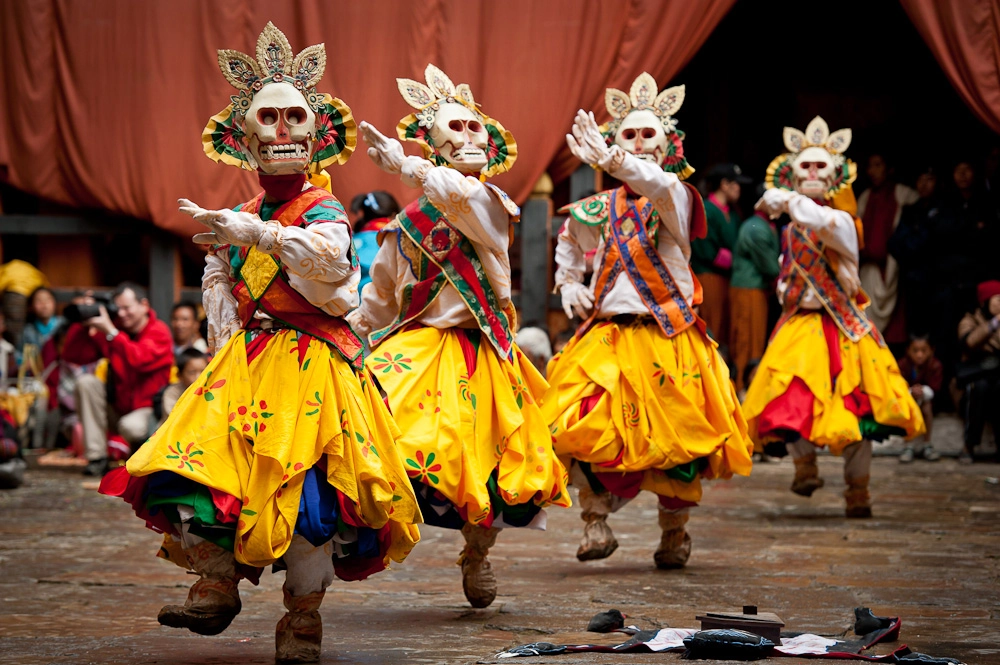
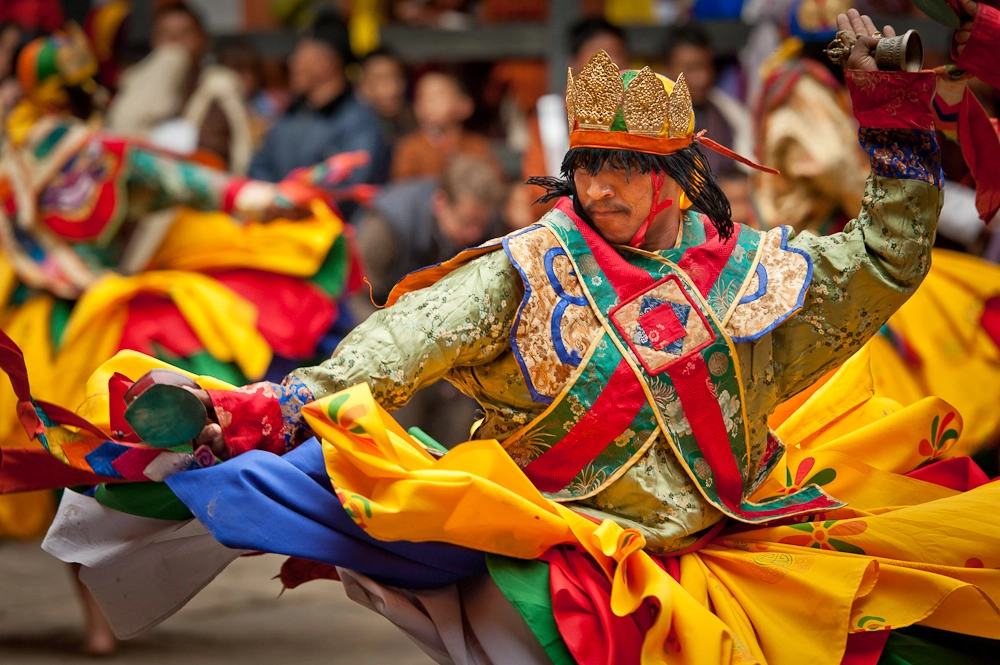
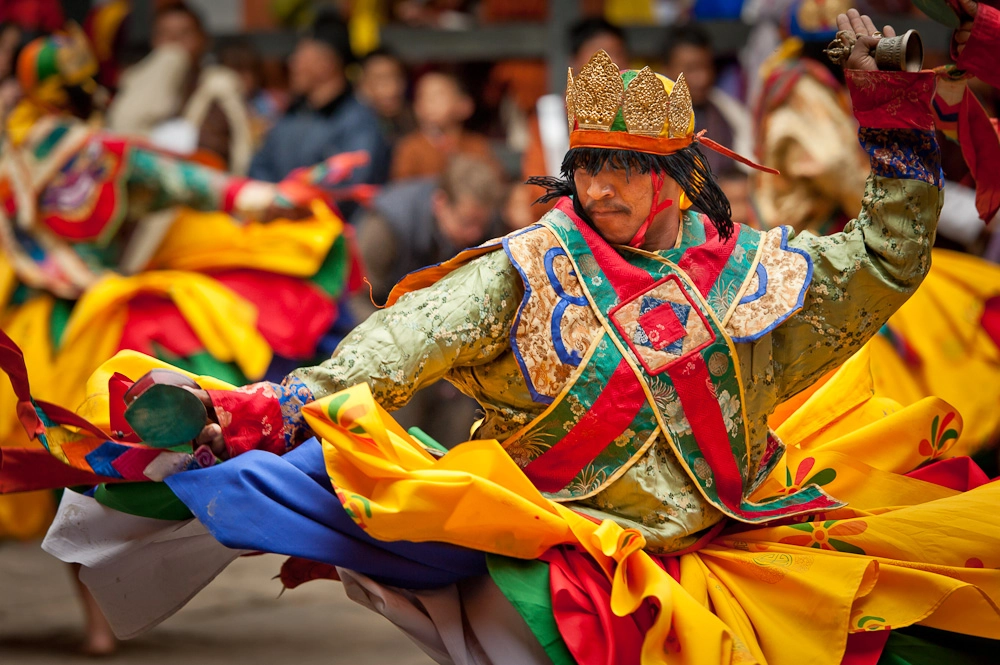
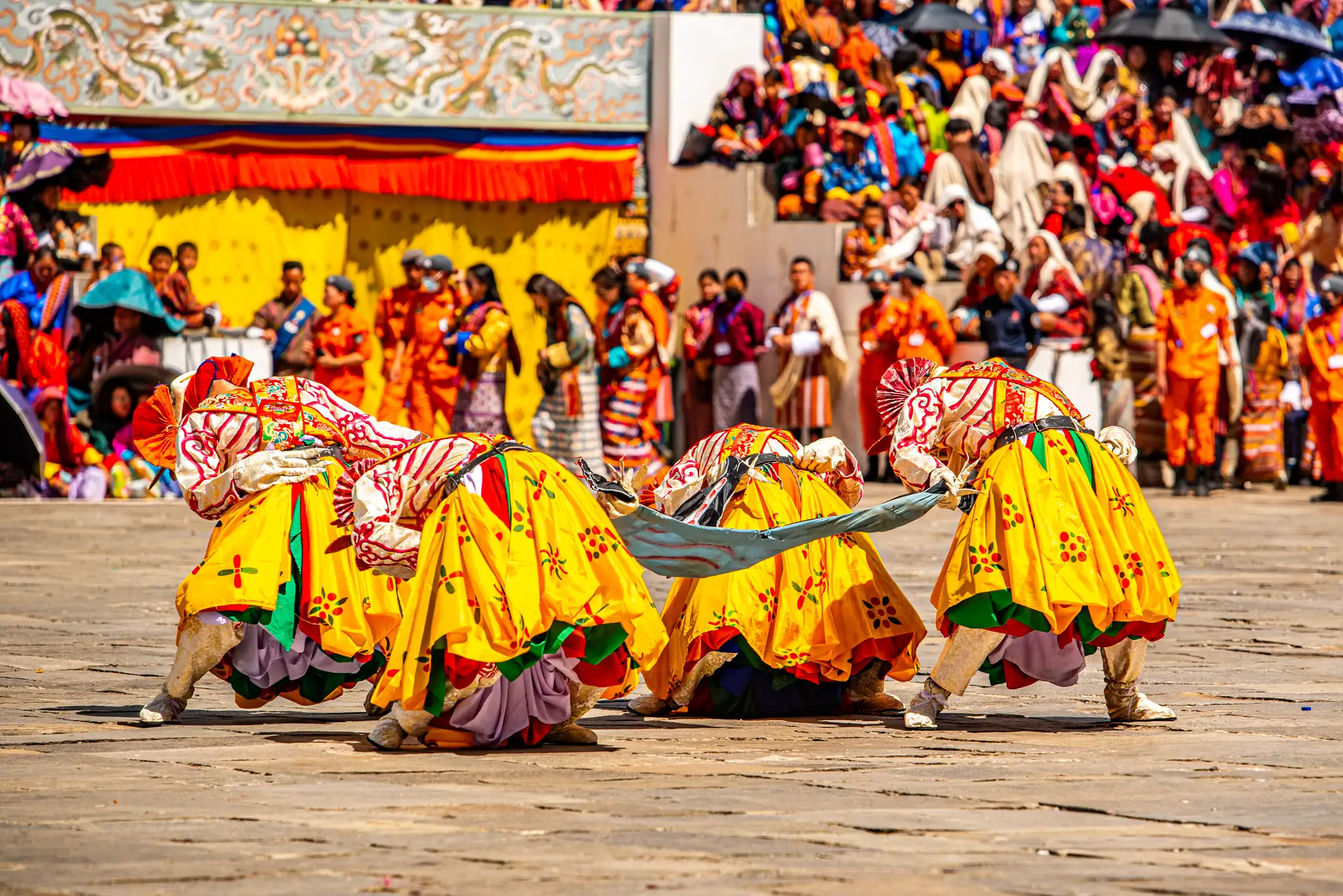
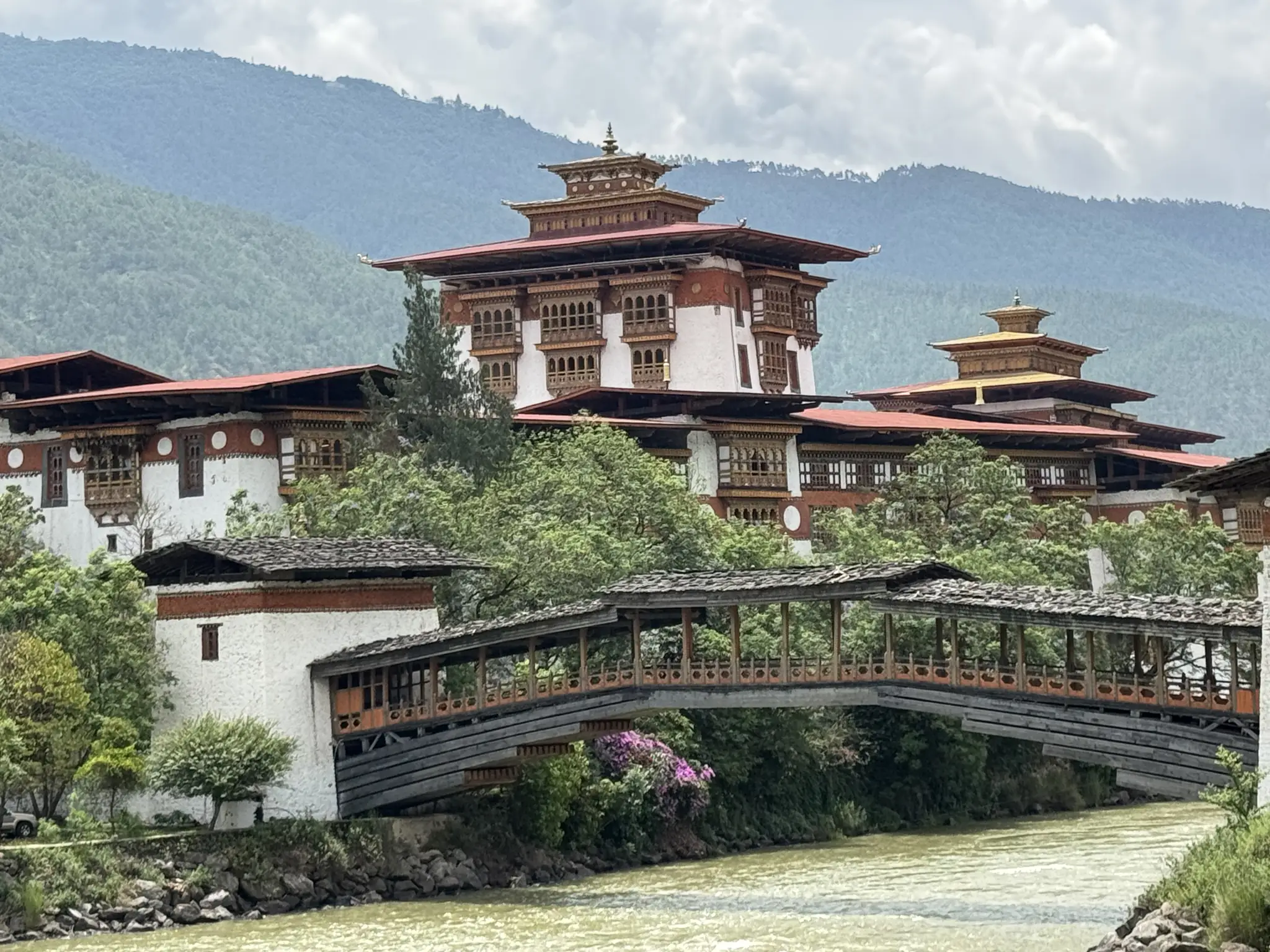
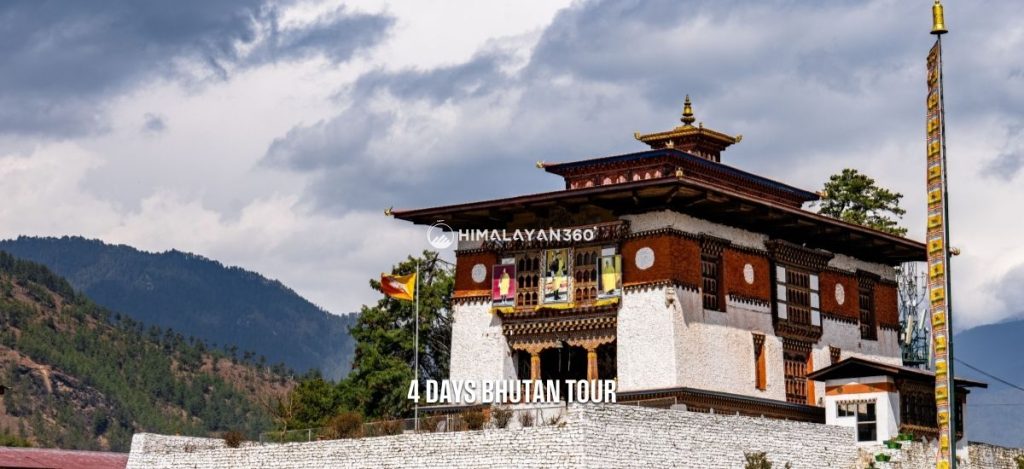
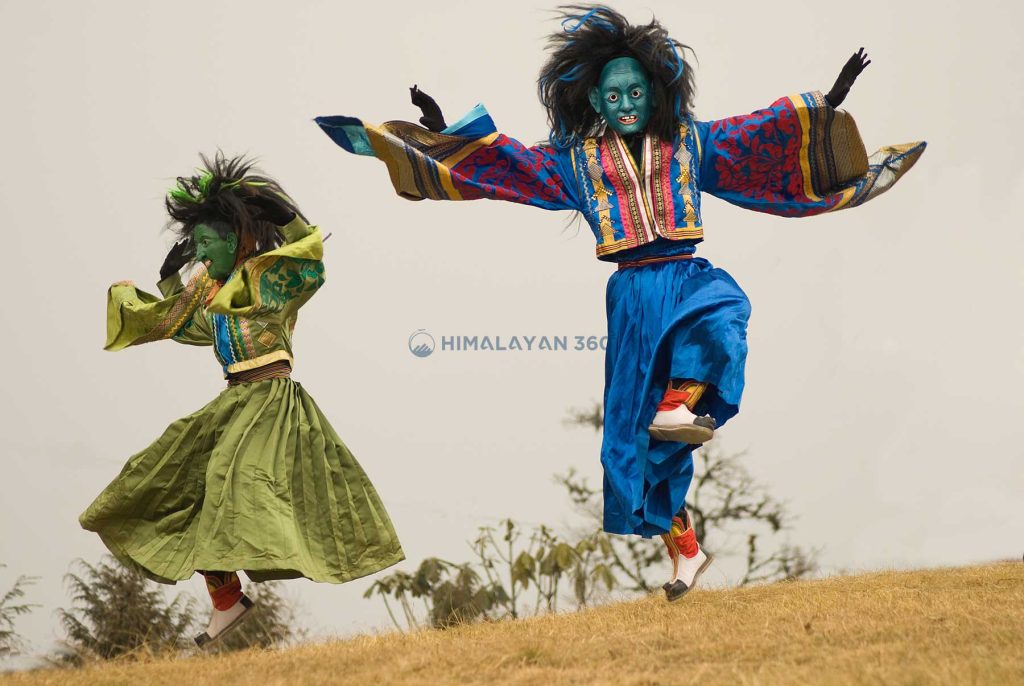
Of all Bhutan’s festivals, the Paro Tshechu is the one most travellers plan their whole trip around. It is Bhutan’s best-loved spring festival, held in the courtyard of Rinpung Dzong in the Paro valley. For a few days each year, monks and laymen in carved masks perform the sacred cham dances, and the whole valley turns up in its finest gho and kira to watch. For the Bhutanese it is part pilgrimage, part family reunion; for visitors it is the clearest window there is into the living culture of the country.
Paro Tshechu Festival 8-day Tour is built around those festival days and then keeps going, west across Bhutan to Thimphu, Punakha, the crane valley of Phobjikha and the climb to Tiger’s Nest. We handle the entry permit, the Sustainable Development Fee, hotels, every meal, a licensed Bhutanese guide and private transport, so none of the planning lands on you. You just arrive and take it in.
Dates follow the Bhutanese lunar calendar and shift each year. In 2026 the Tshechu ran from 29 March to 2 April, with the Thongdrel unveiled on the final morning. In 2027 the Tshechu is expected to run from 18 to 22 March, with the Thongdrel unveiled on the final morning.
Paro has one small airport and a limited number of hotels, and festival week sells out, so book four to six months ahead, sooner if you want a room close to the dzong.
Per Person From
$1,850
8 Days
No. of Persons
Price per Person
1 - 1
USD 2,550
2 - 2
USD 2,200
3 - 6
USD 2,110
6 - 20
USD 1,850
Group discount will be auto applied in checkout & booking
page.
Watch the Paro Tshechu cham dances in the courtyard of Rinpung Dzong, the grandest festival ground in Bhutan.
See the giant Thongdrel scroll unveiled at dawn on the final day of the Tshechu.
Tour the National Museum of Bhutan, set in the round Ta Dzong above the fortress.
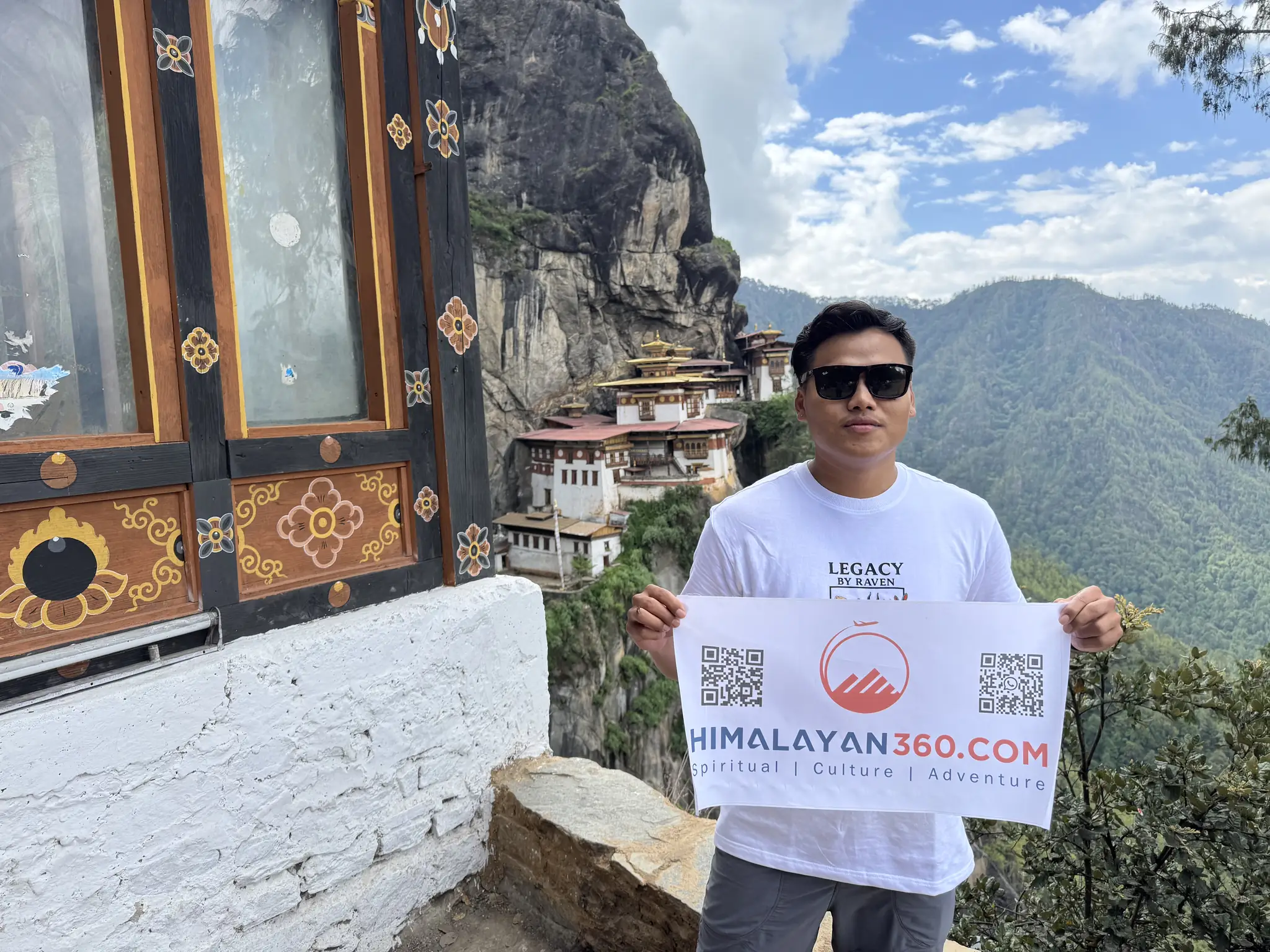
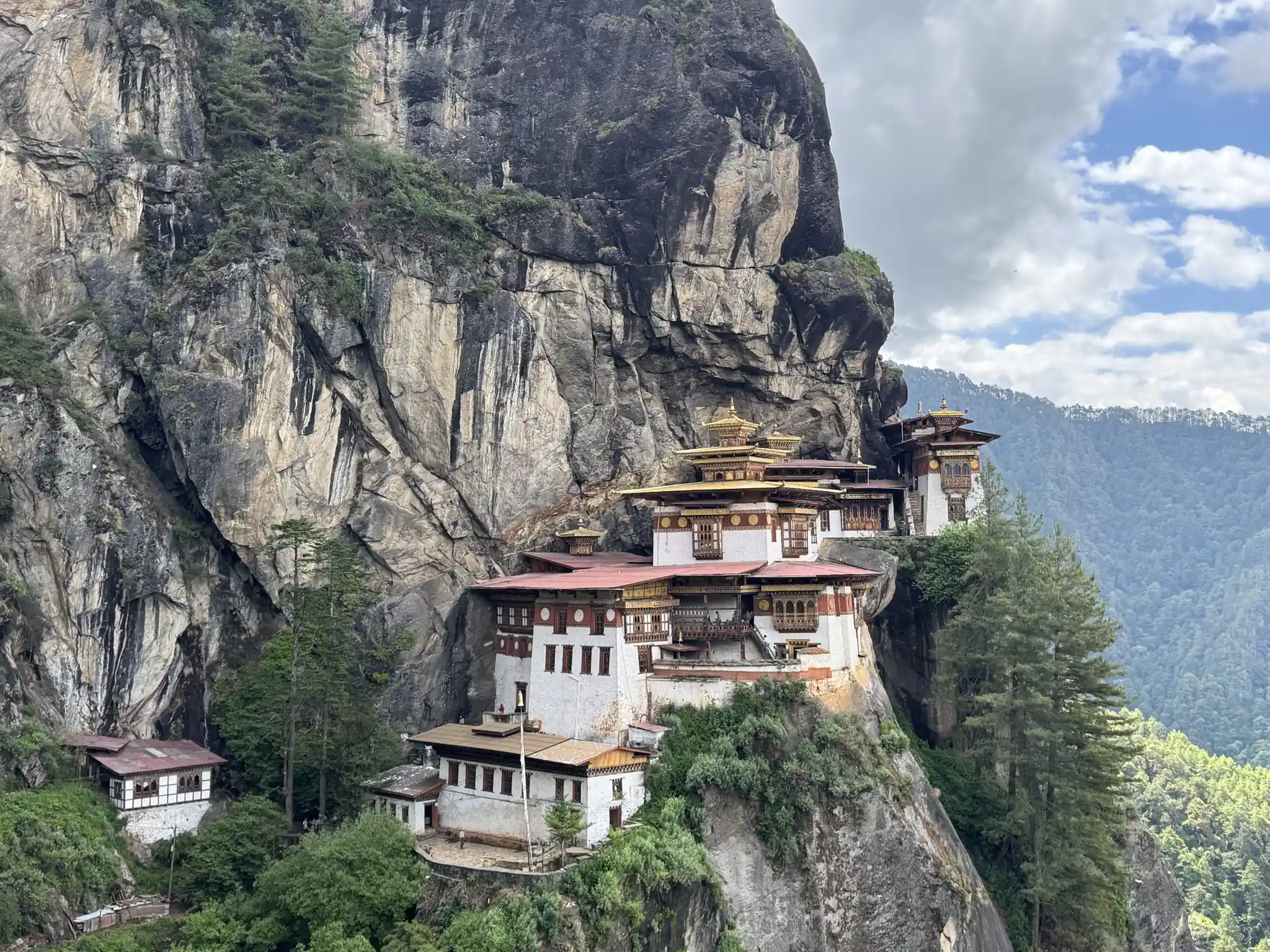
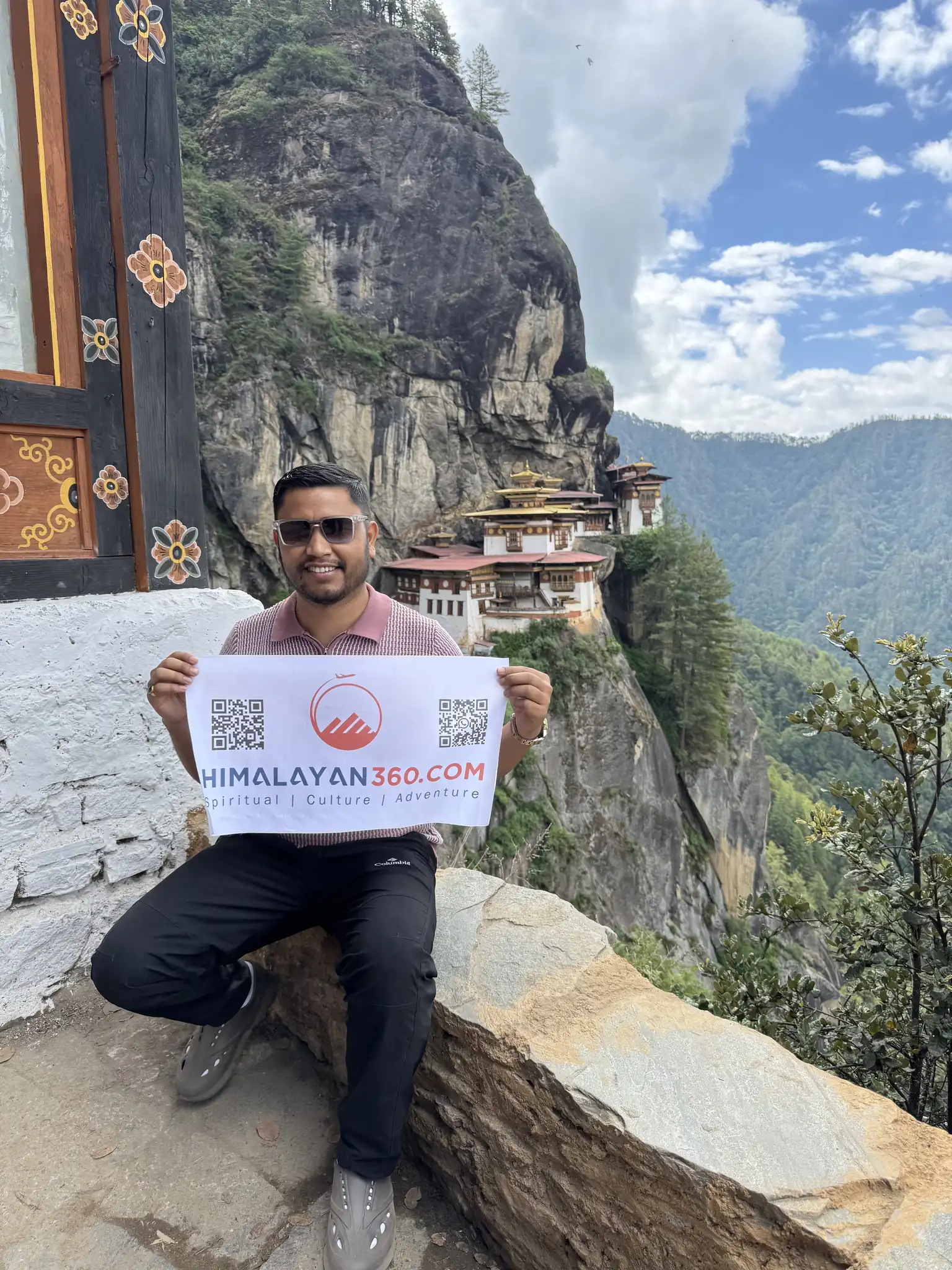
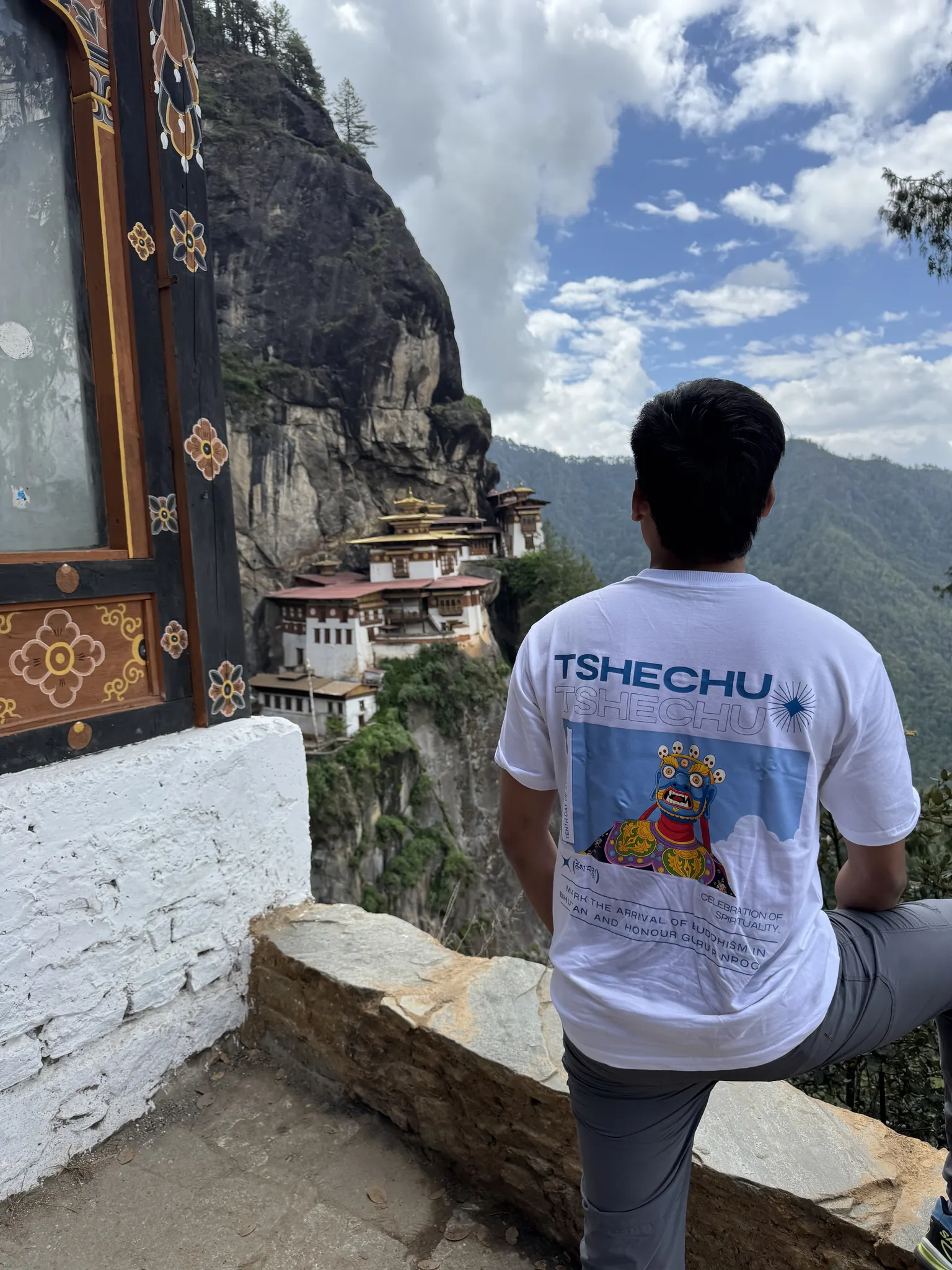
Hike to Paro Taktsang (Tiger’s Nest), the cliff monastery at 3,120 m.
Cross Dochula Pass with its 108 chortens and the eastern Himalayas on the skyline.
Walk through the rice fields to Chimi Lhakhang, the fertility temple of the Divine Madman.
Visit Punakha Dzong, the former seat of Bhutan’s government, set where two rivers meet.
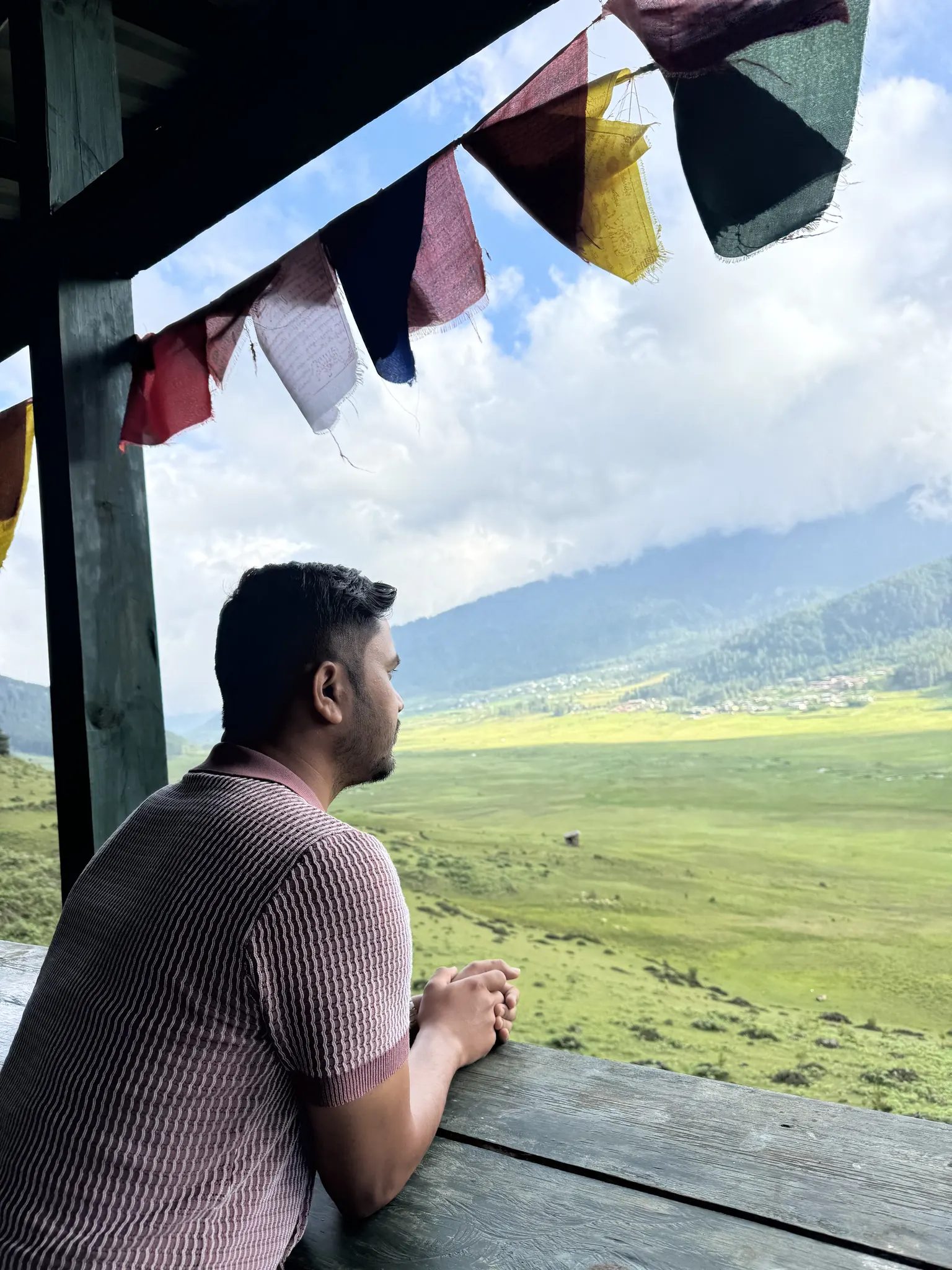
Walk the Gangtey Nature Trail in the glacial Phobjikha Valley, winter home of the black-necked cranes.
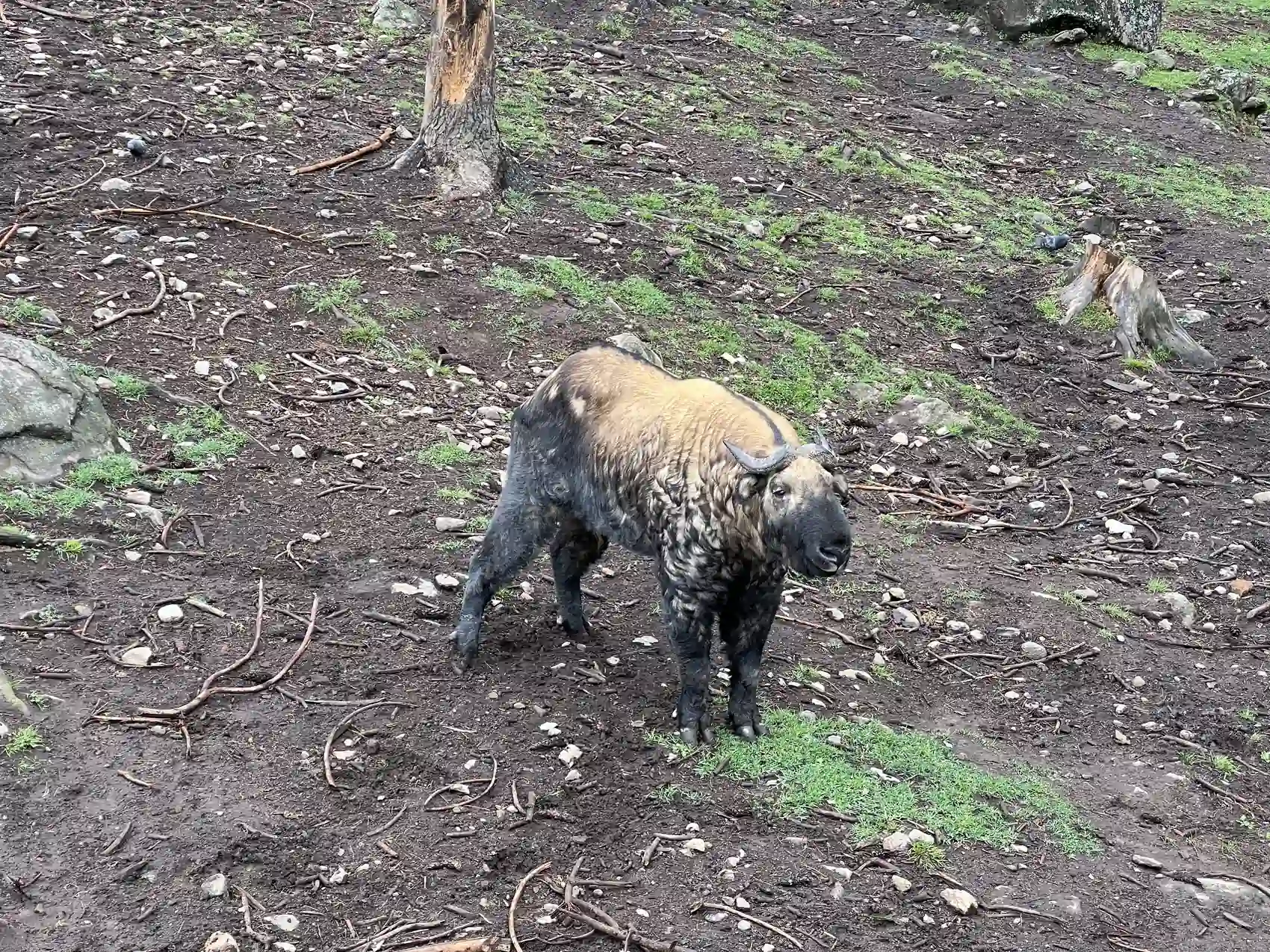
Meet the takin, Bhutan’s national animal, and try a traditional hot stone bath in Paro.
What is the Paro Tshechu festival?
A Tshechu is a religious festival held to honour Guru Rinpoche (Guru Padmasambhava), the saint who brought Buddhism to Bhutan in the 8th century. The word “tshechu” means “tenth day,” because these festivals fall on the tenth day of a month in the Bhutanese lunar calendar, the day associated with Guru Rinpoche. The Paro Tshechu falls in the second lunar month, which lands in spring. The Paro Tshechu is one of the most popular festivals in Bhutan and one of the largest Tshechu festivals in the country. It is also spelled Paro Tsechu.
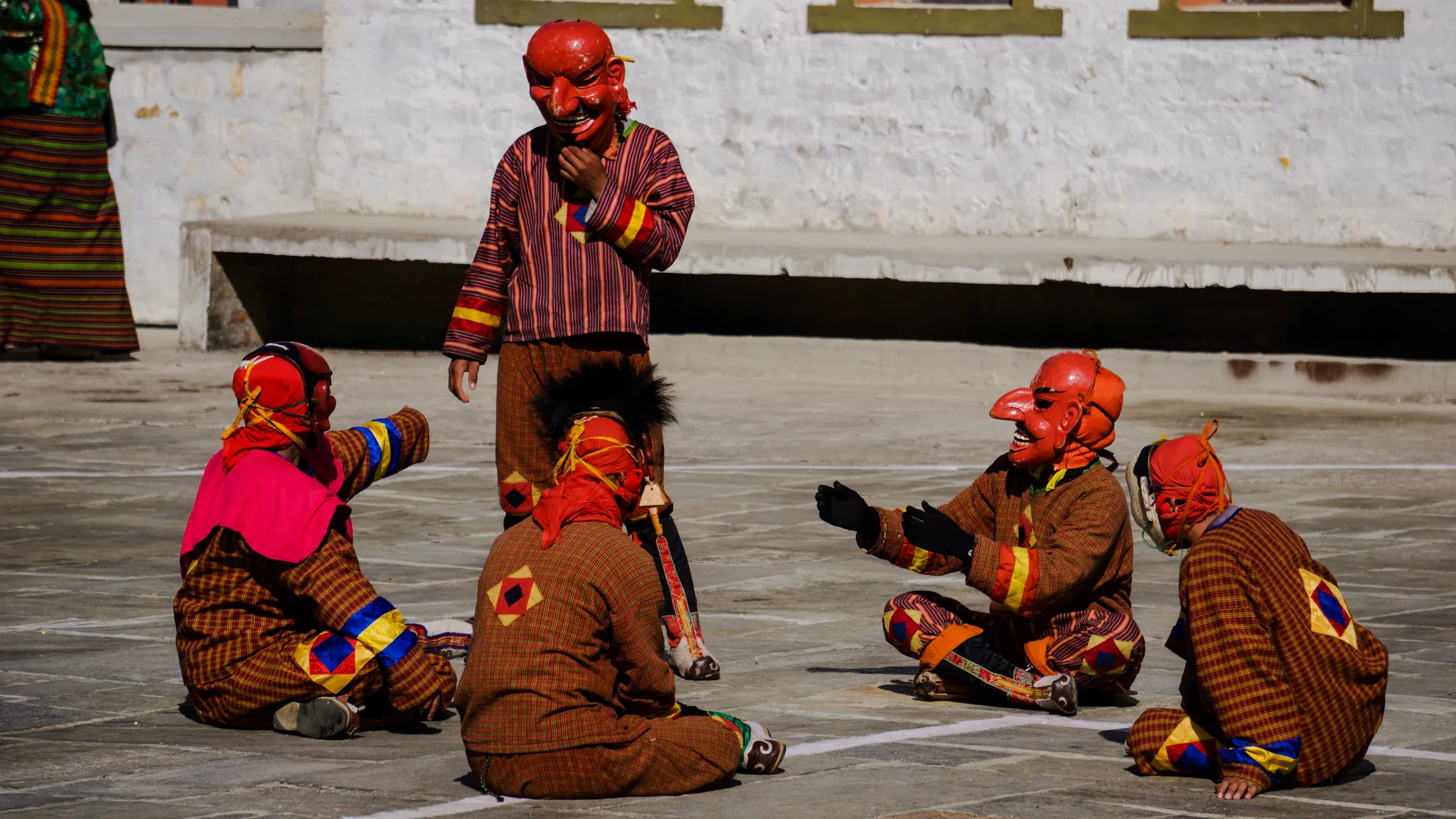
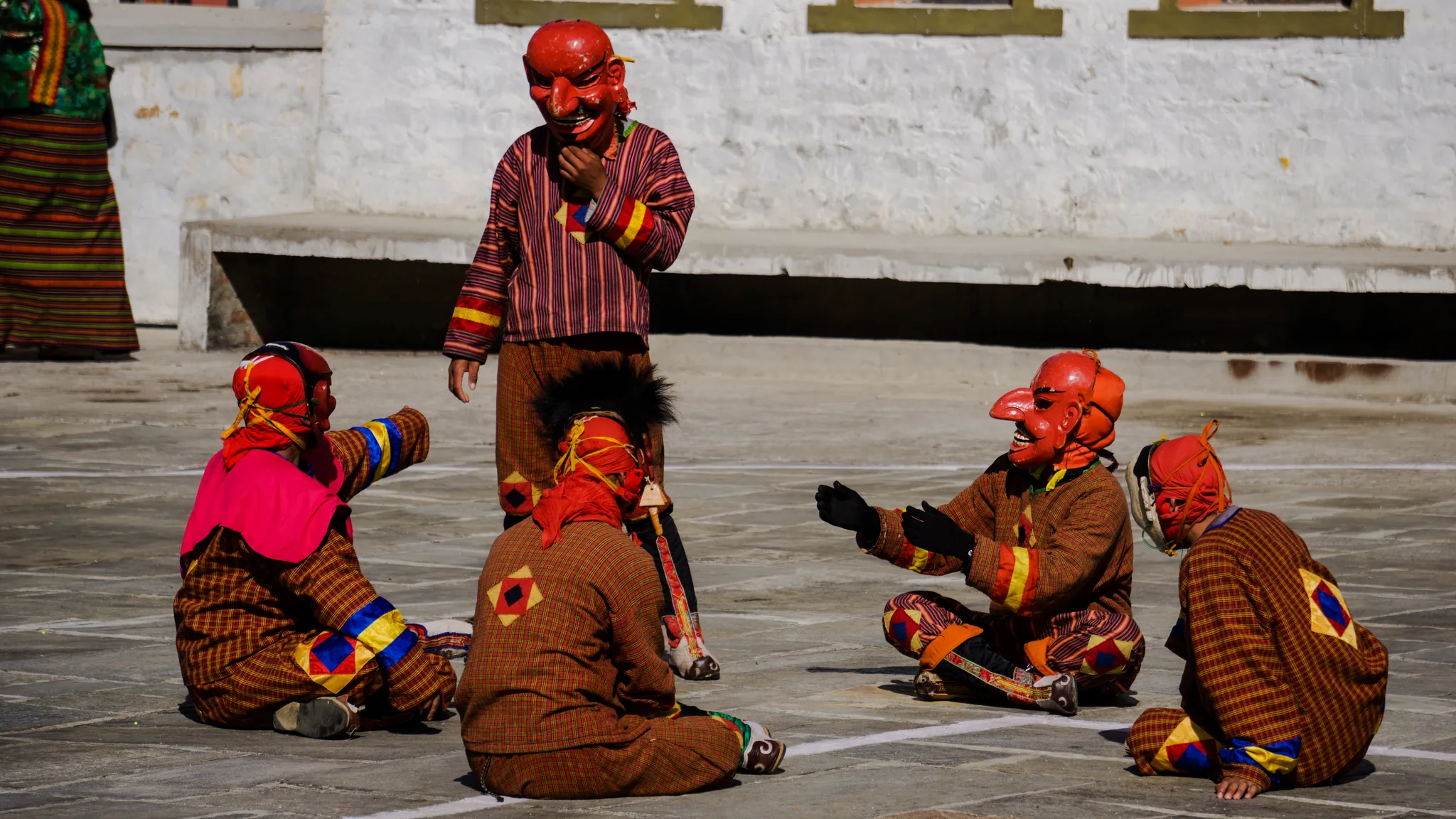
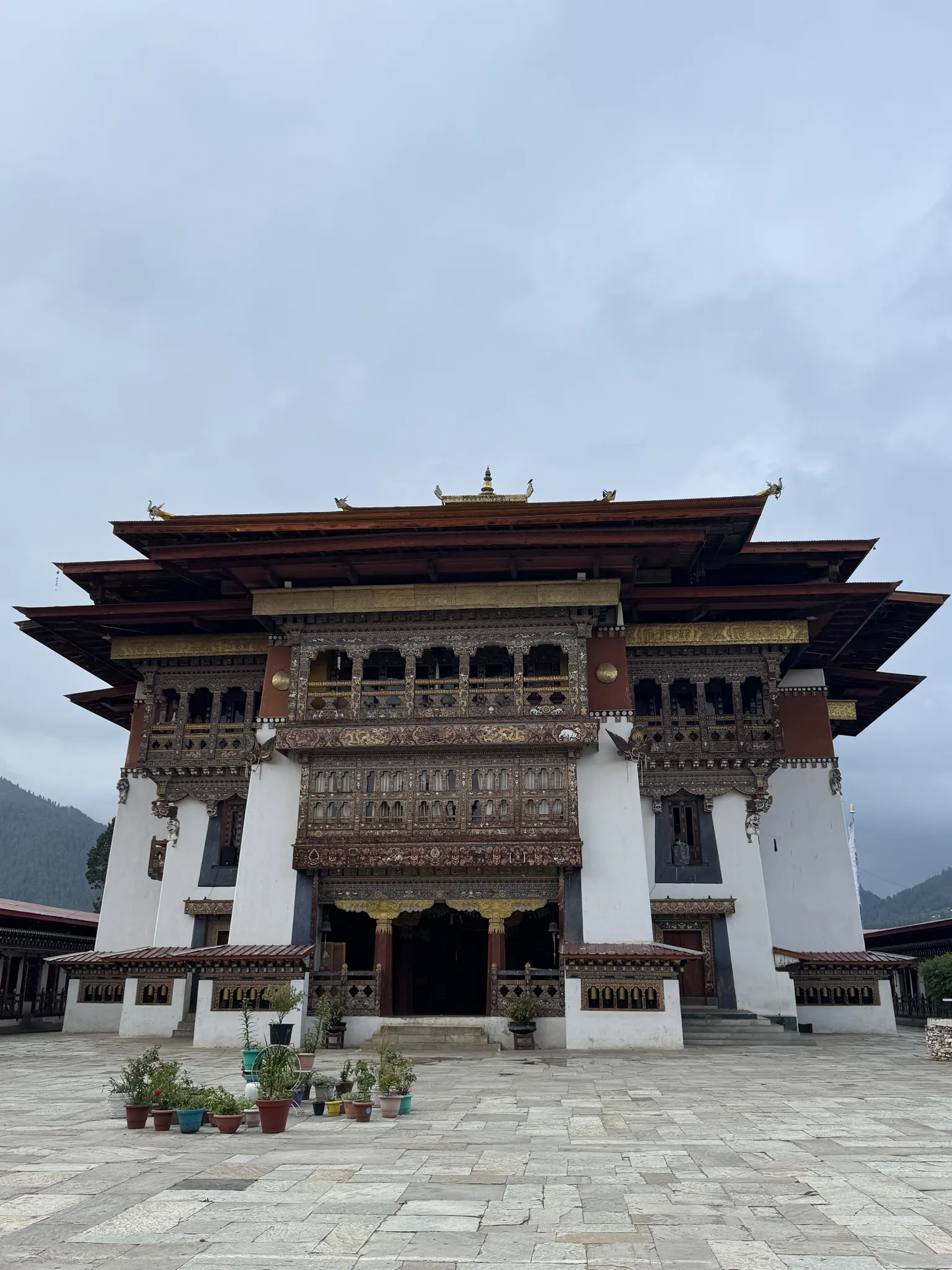
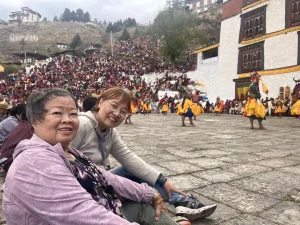
Over several days, monks and laymen perform cham, the sacred mask dances that act out Buddhist legends in the courtyard of Paro Rinpung Dzong. The dancers wear carved masks and heavy brocade robes, and each dance has its own meaning: some retell the life of Guru Rinpoche, others show wrathful deities subduing demons and evil spirits. Watching them is not treated as entertainment but as an act of faith, and each dance is believed to carry a blessing for everyone present. Between the sacred dances, masked clowns called Atsara move through the crowd, teasing children and visitors and keeping the long days light.
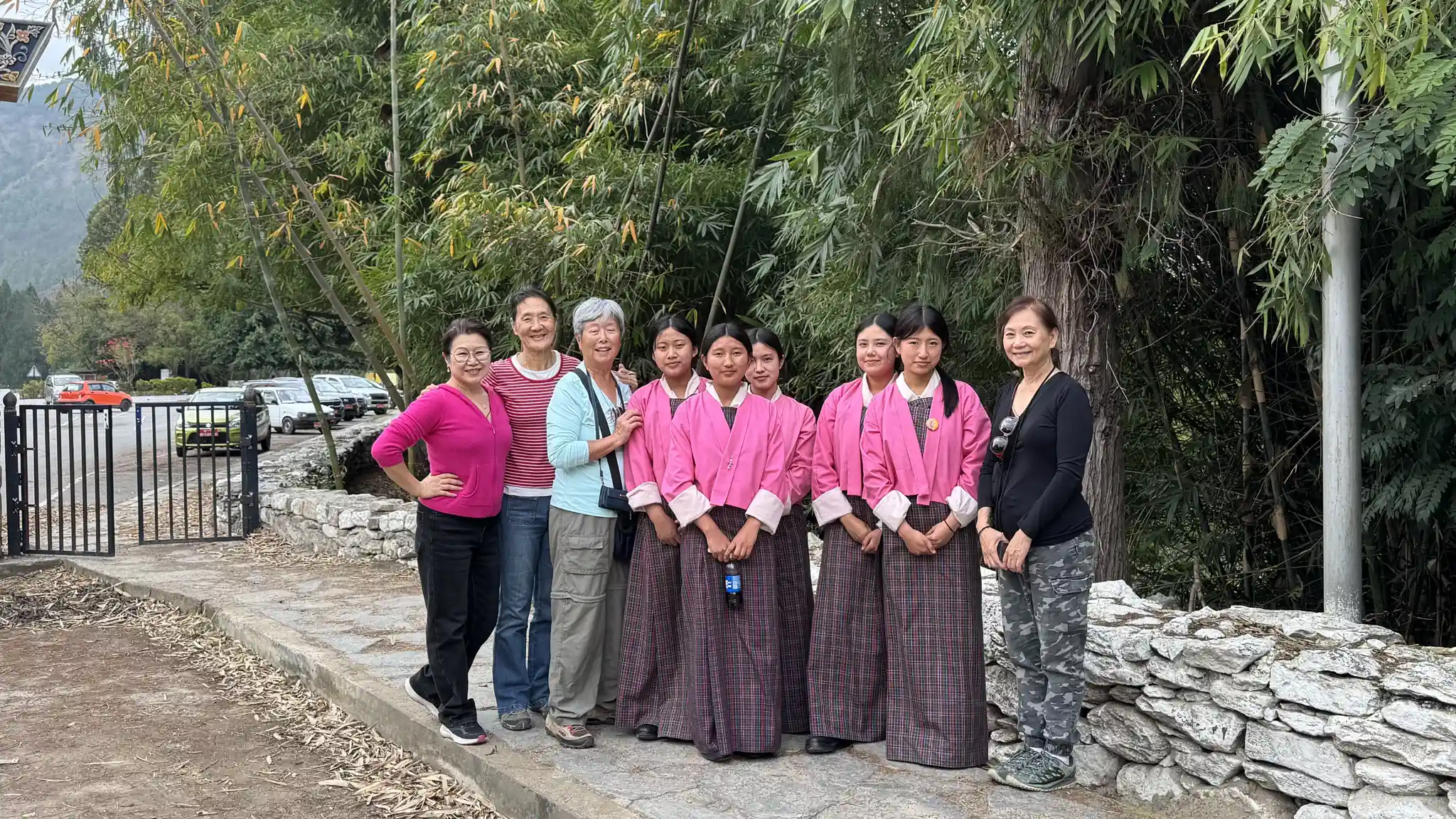
Bhutanese families travel from across the Paro district to attend, dressed in their finest gho and kira and heirloom jewellery. For many it is the social event of the year as much as a religious one, a reunion held over shared picnics, butter tea and stalls selling ema Datshi, momos and handicrafts. Some Bhutanese try to attend at least once in their lives simply to receive the blessing.
The highlight of the festival comes on the final morning. Before dawn, a giant Thongdrel, a huge embroidered religious scroll, is unveiled on the wall of the fortress. The name means roughly “liberation on sight,” the belief being that simply looking at it washes away sin. It is shown for only a few hours and rolled away before the sun can touch it, and people queue quietly to press their foreheads to its base. Attending this annual festival is still the best way to understand the living culture of Bhutan.
Per Person From
$1,850
8 Days
No. of Persons
Price per Person
1 - 1
USD 2,550
2 - 2
USD 2,200
3 - 6
USD 2,110
6 - 20
USD 1,850
Group discount will be auto applied in checkout & booking
page.
Best Price Guaranteed
No Booking Fees
Professional Local Guide
100% Local Operators
Day-by-day Bhutan festival tour itinerary
Day 01:
Arrival in Paro (2,250M / 7,382FT)
Itinerary Details
Itinerary Fact
Details
Time:
09:00–17:00
Travel Duration:
1 Hour
Travel Distance:
23.8KM / 14.8Mile
Highest Altitude:
2,250M / 7,382FT | Paro
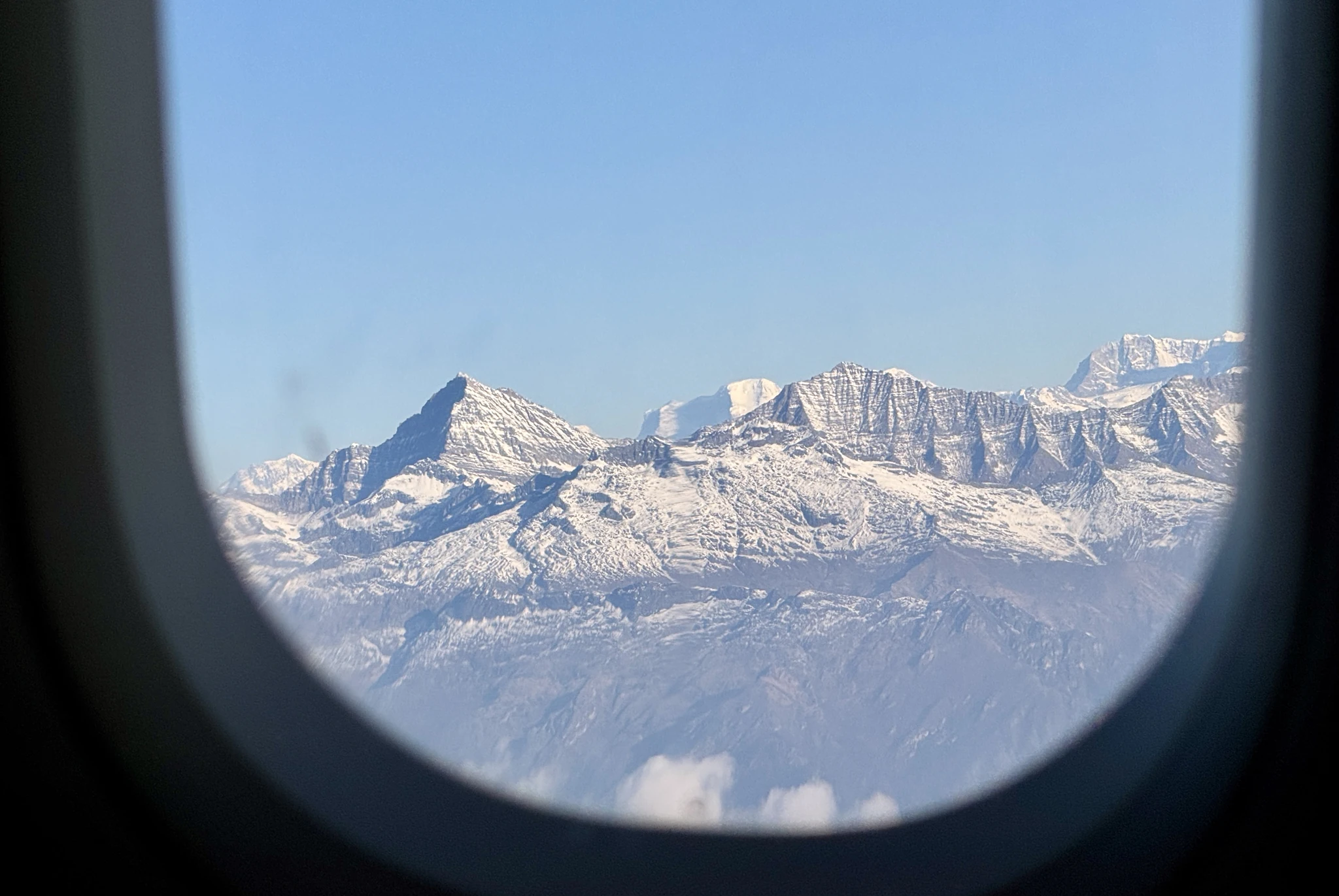
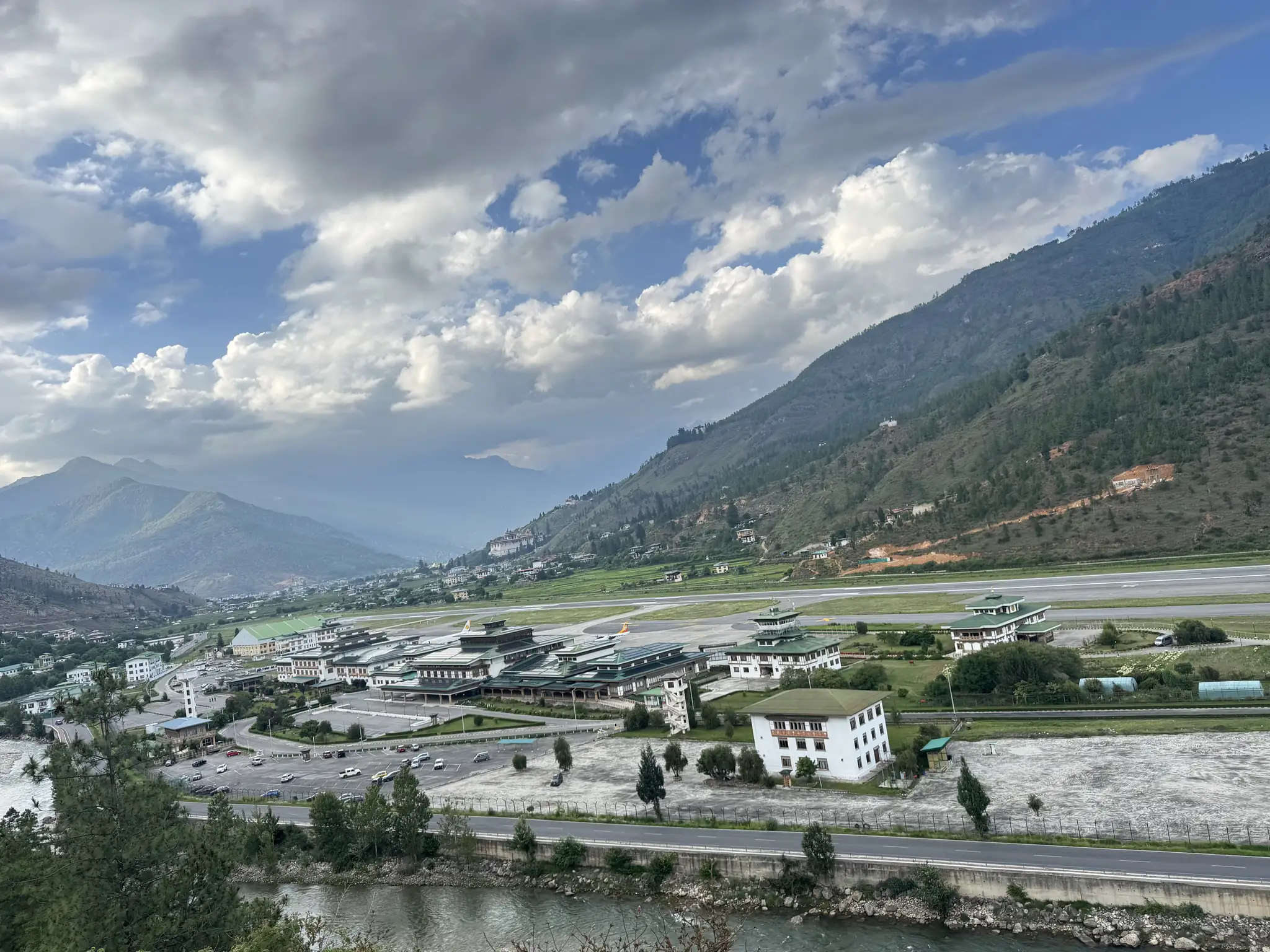
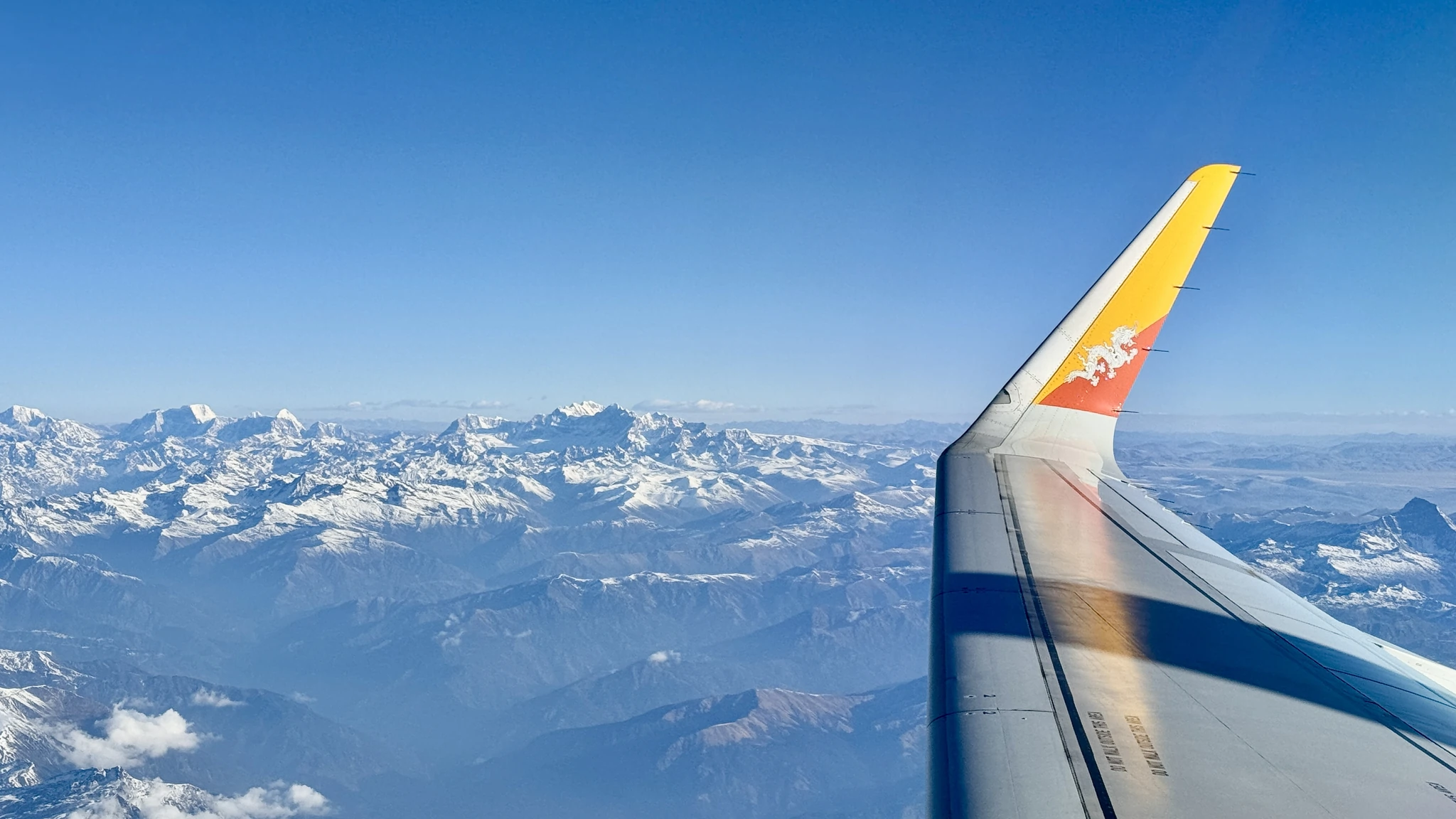
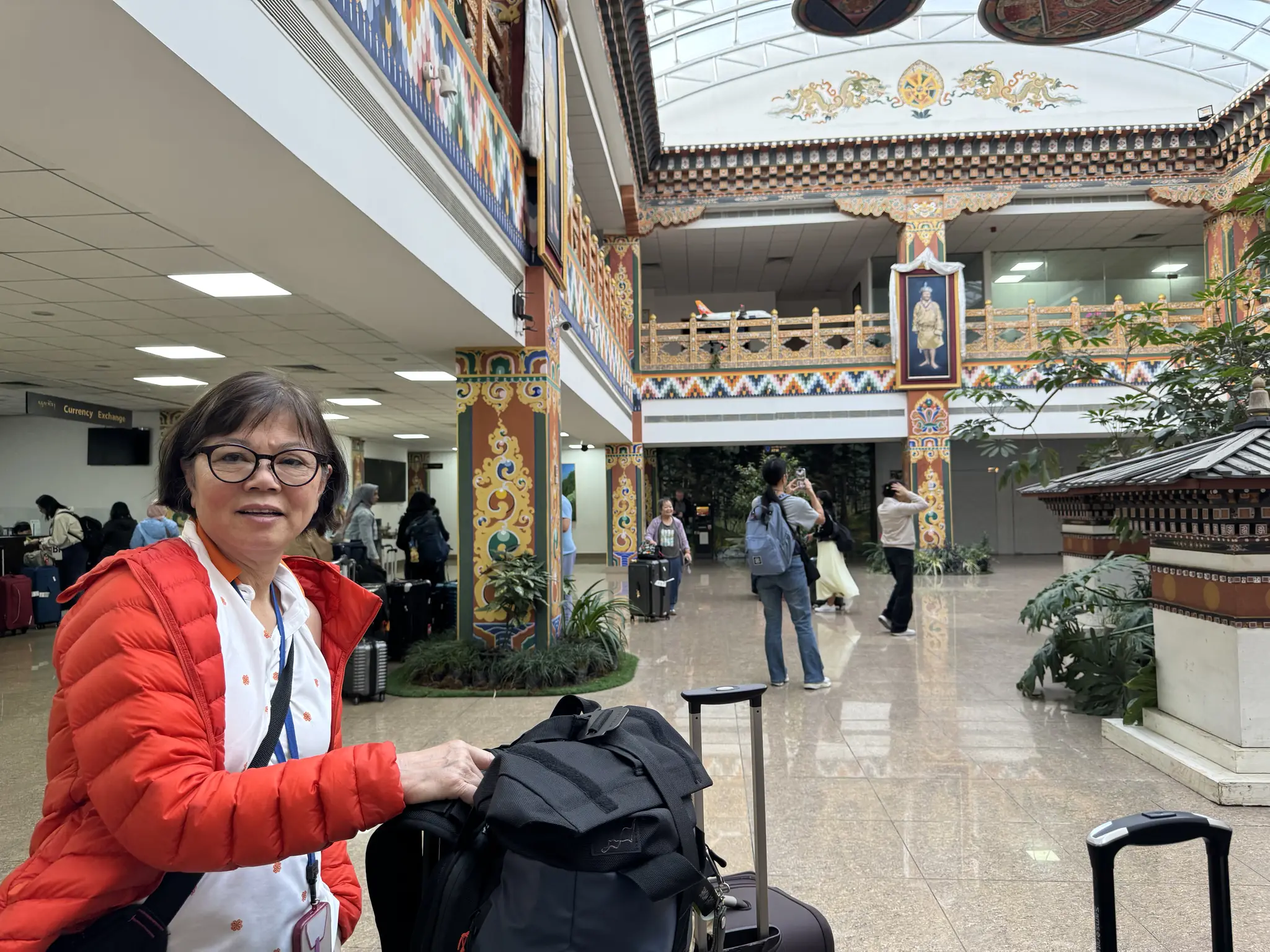
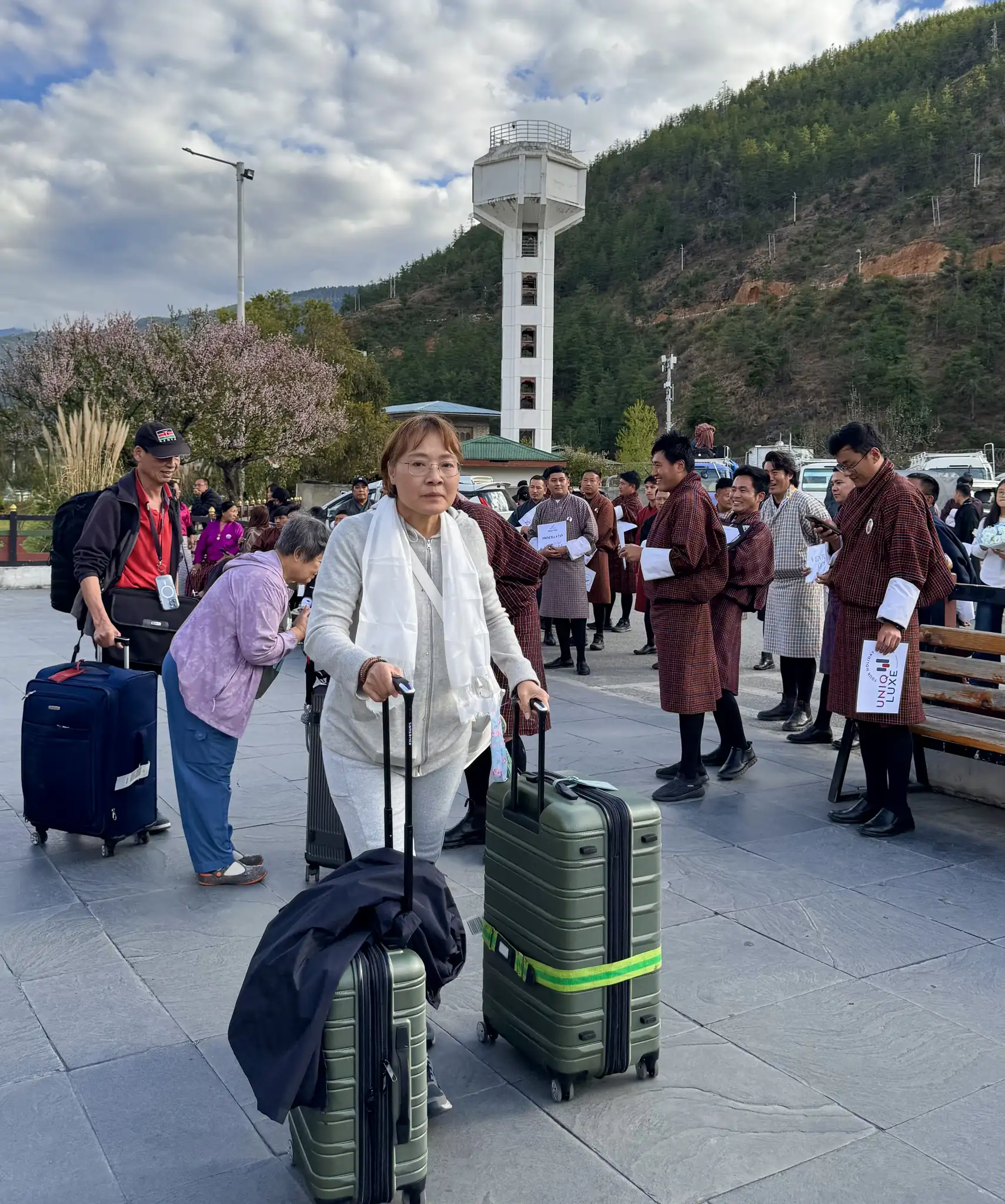
Land at Paro International Airport. The flight is one of the most scenic in the world, banking between green hills into the Paro valley. Your guide meets you and you stop for a welcome tea at the Paro Neyphug Heritage Cafe.
Check in to your hotel and have lunch. In the afternoon, visit Kyichu Lhakhang, one of the oldest temples in Bhutan, said to date from the 7th century. Dinner is at the hotel. Overnight in Paro.
Flight note: Drukair and Bhutan Airlines operate flight to Paro from Delhi, Kolkata, Bagdogra, Guwahati, Bangkok, Singapore and Kathmandu. If you fly in from Kathmandu, we can arrange your Kathmandu to Paro ticket, your hotel and a short tour in Kathmandu as well.
Itinerary Details
Itinerary Fact
Details
Meals:
Lunch,Dinner
Day 02:
Attend the Paro Tshechu Festival (2,250M / 7,382FT)
Itinerary Details
Itinerary Fact
Details
Time:
08:00–17:00
Travel Duration:
40Minutes
Travel Distance:
10.6KM / 6.6Mile
Highest Altitude:
2,250M / 7,382FT | Paro
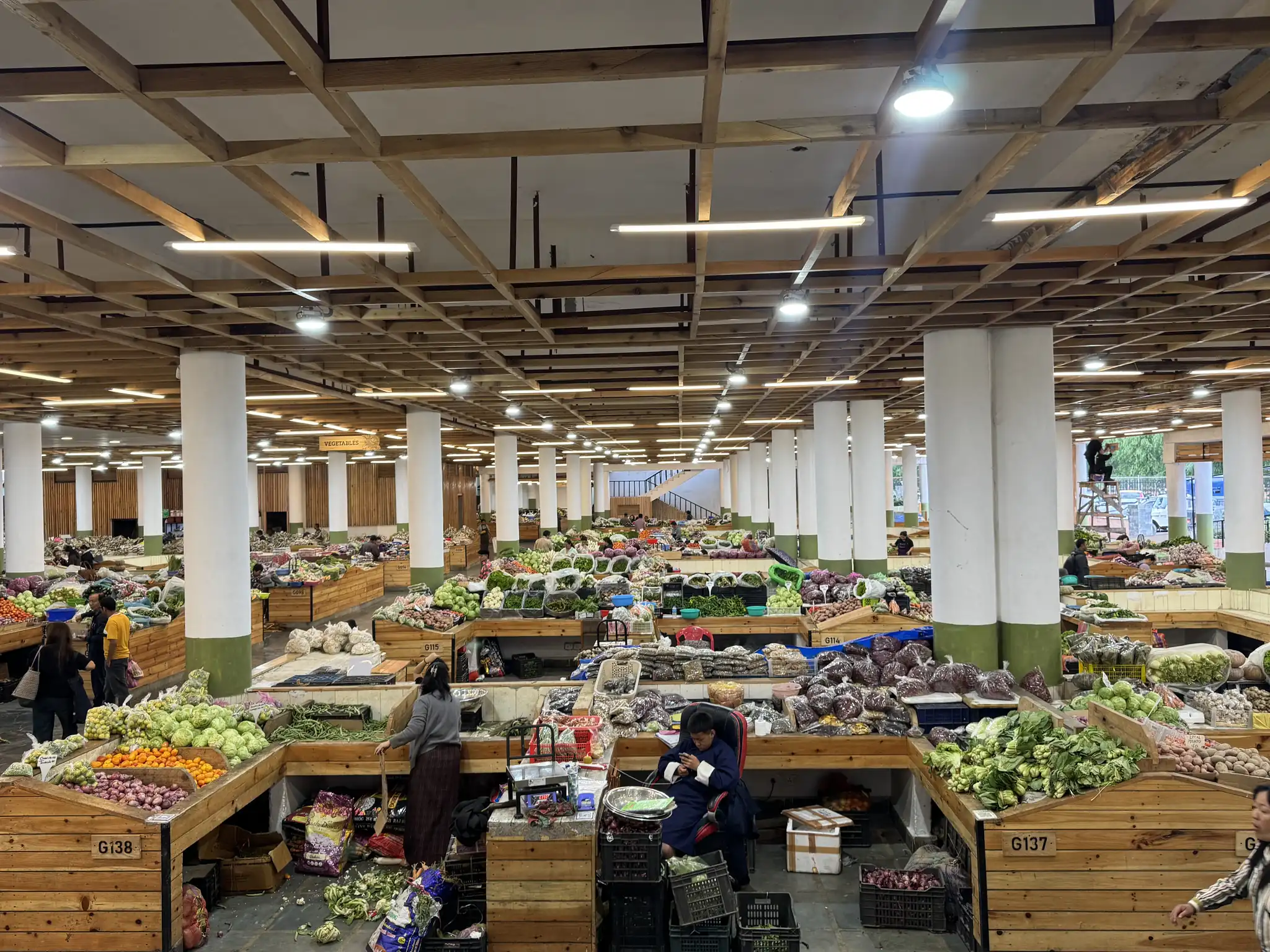
After breakfast, spend the morning at the Paro Tshechu. The masked cham dances fill the courtyard, each one a blessing for those who watch. Next, tour Rinpung Dzong (Paro Dzong), the fortress that hosts the festival, and the National Museum of Bhutan housed in the round Ta Dzong above it. Lunch is at Leksho Restaurant or similar. In the afternoon, browse Paro’s traditional town and the Kaja Throm farmers market for textiles and handicrafts. Dinner is at the hotel. Overnight in Paro.
Itinerary Details
Itinerary Fact
Details
Meals:
Breakfast,Lunch,Dinner
Day 03:
Drive to Thimphu and Sightseeing (2,334M / 7,657FT)
Itinerary Details
Itinerary Fact
Details
Time:
08:00–17:00
Travel Duration:
1 Hour 30Min
Travel Distance:
77.1KM / 47.9Mile
Highest Altitude:
2,334M / 7,657FT | Thimphu
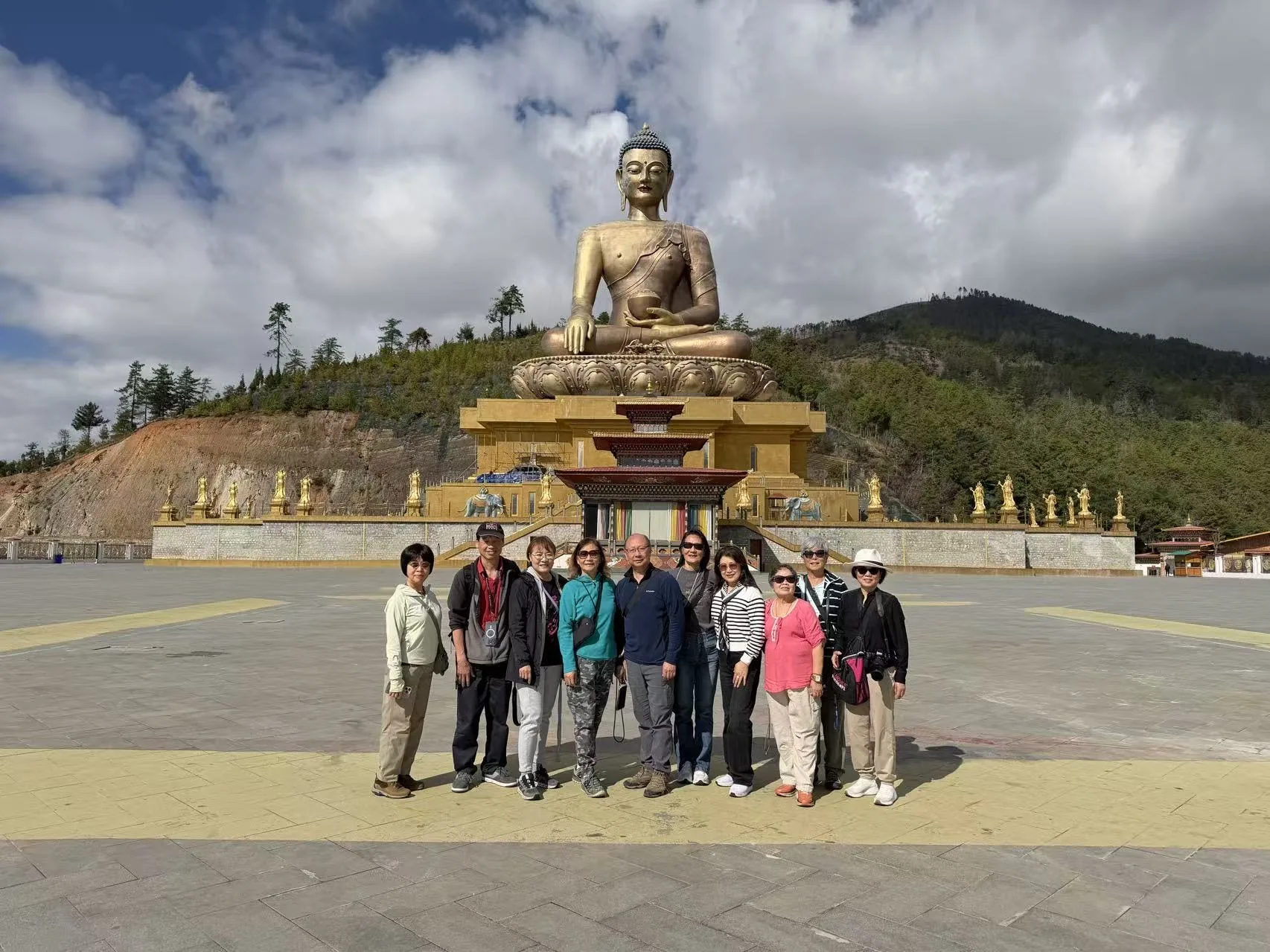
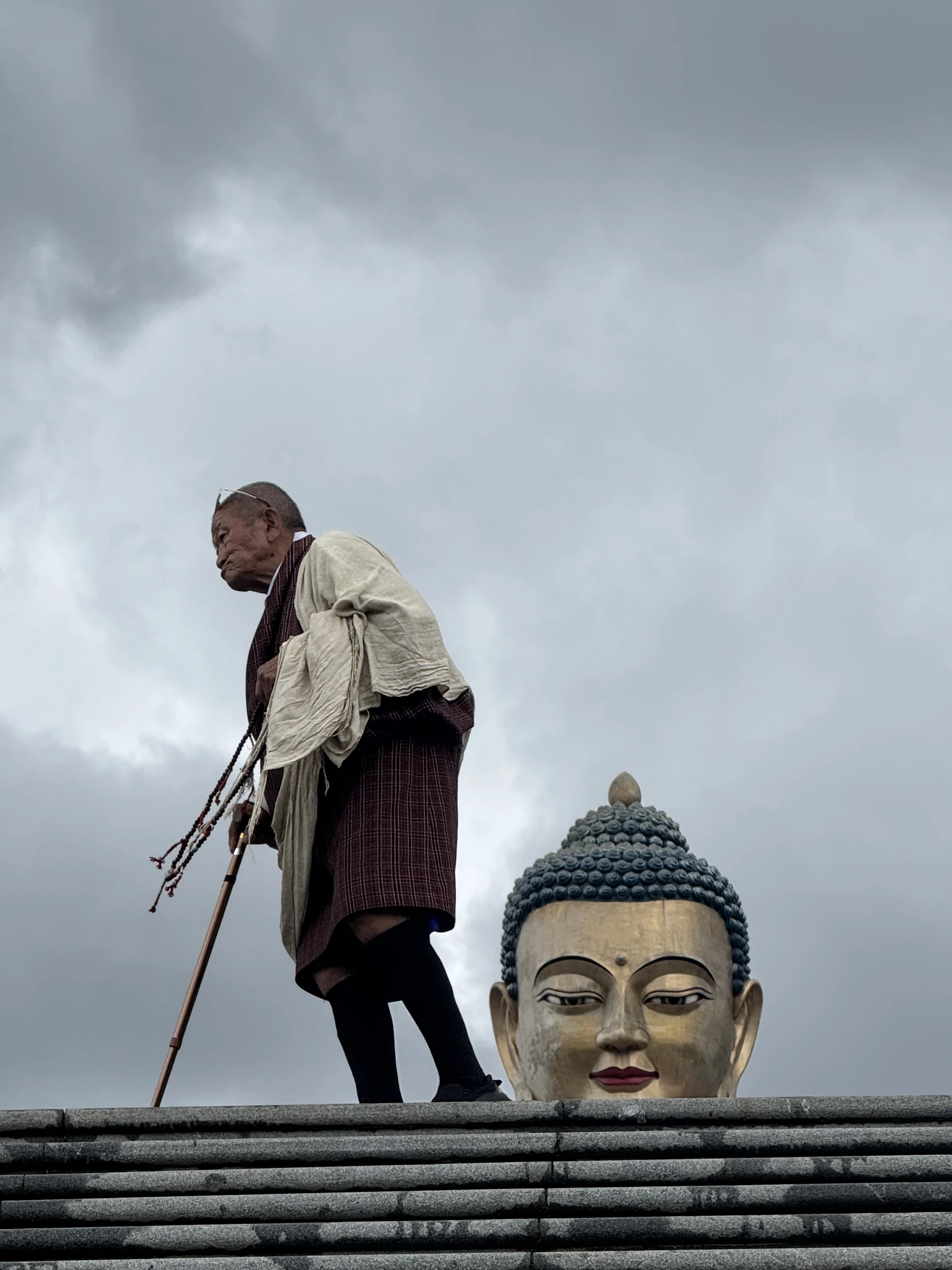
After breakfast, drive to Thimphu, the capital of Bhutan and its only city. First, head up to Buddha Point to see Buddha Dordenma, a 51 m gilded statue that watches over the Thimphu valley. Then visit the National Memorial Chorten, built in memory of the Third King and always busy with pilgrims spinning prayer wheels. Lunch is at the Babesa Village Restaurant or similar. In the afternoon, visit the School of 13 Traditional Arts and Crafts of Bhutan (Zorig Chusum), where students learn painting, carving and weaving. Explore the Thimphu Kaja Throm market, then check in and have dinner.
Itinerary Details
Itinerary Fact
Details
Meals:
Breakfast,Lunch,Dinner
Day 04:
Drive to Punakha and Sightseeing (1,200M / 3,937FT)
Itinerary Details
Itinerary Fact
Details
Time:
08:00–17:30
Travel Duration:
2 Hour 35Min
Travel Distance:
82.5KM / 51.3Mile
Highest Altitude:
3,100M / 10,171FT | Dochula Pass
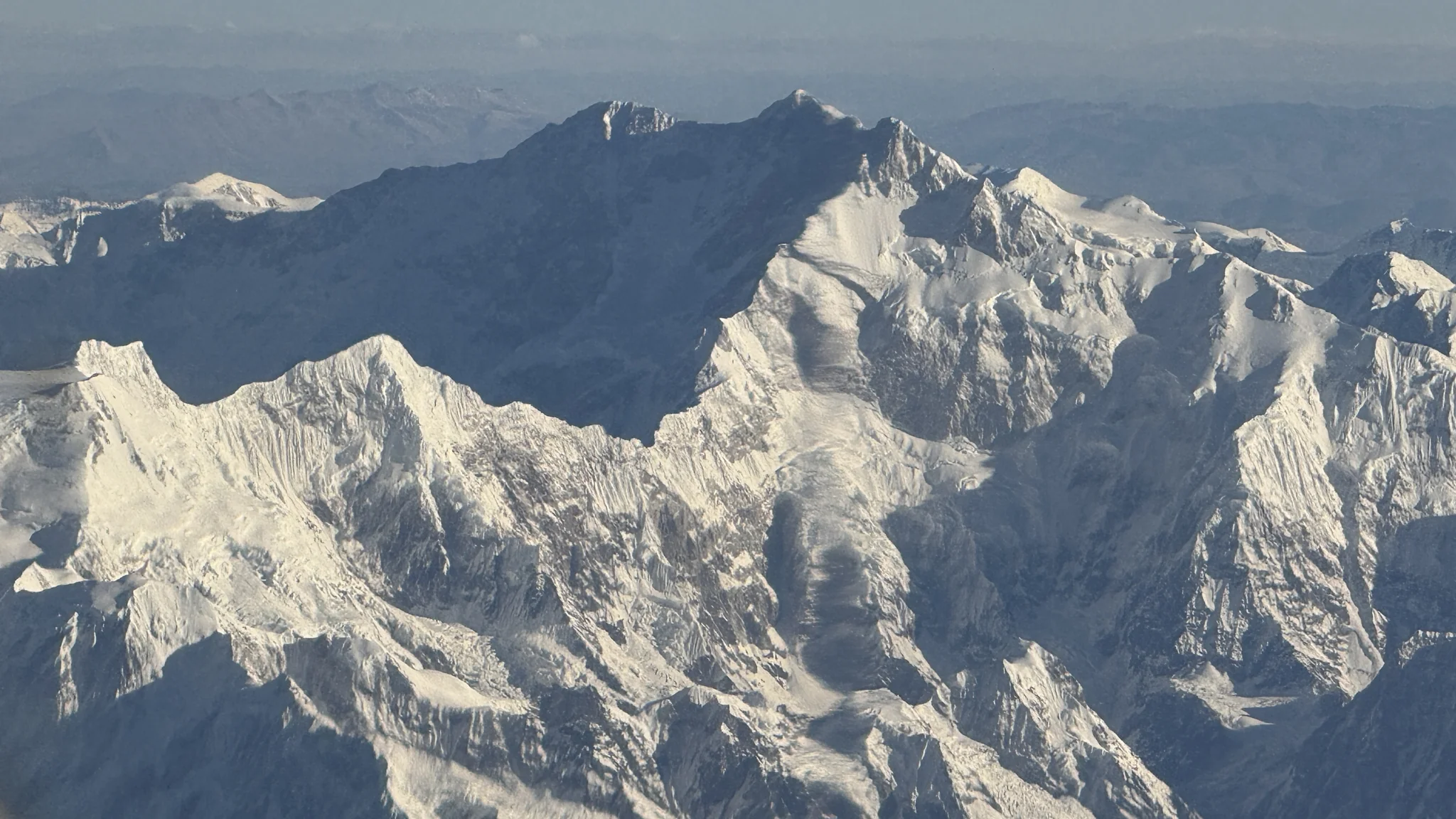
After breakfast, pause at the Lungtenphu viewpoint for a last look over Thimphu, then climb to Dochula Pass at 3,100 m for tea or coffee among its 108 chortens, with the eastern Himalayas on the skyline on a clear day.
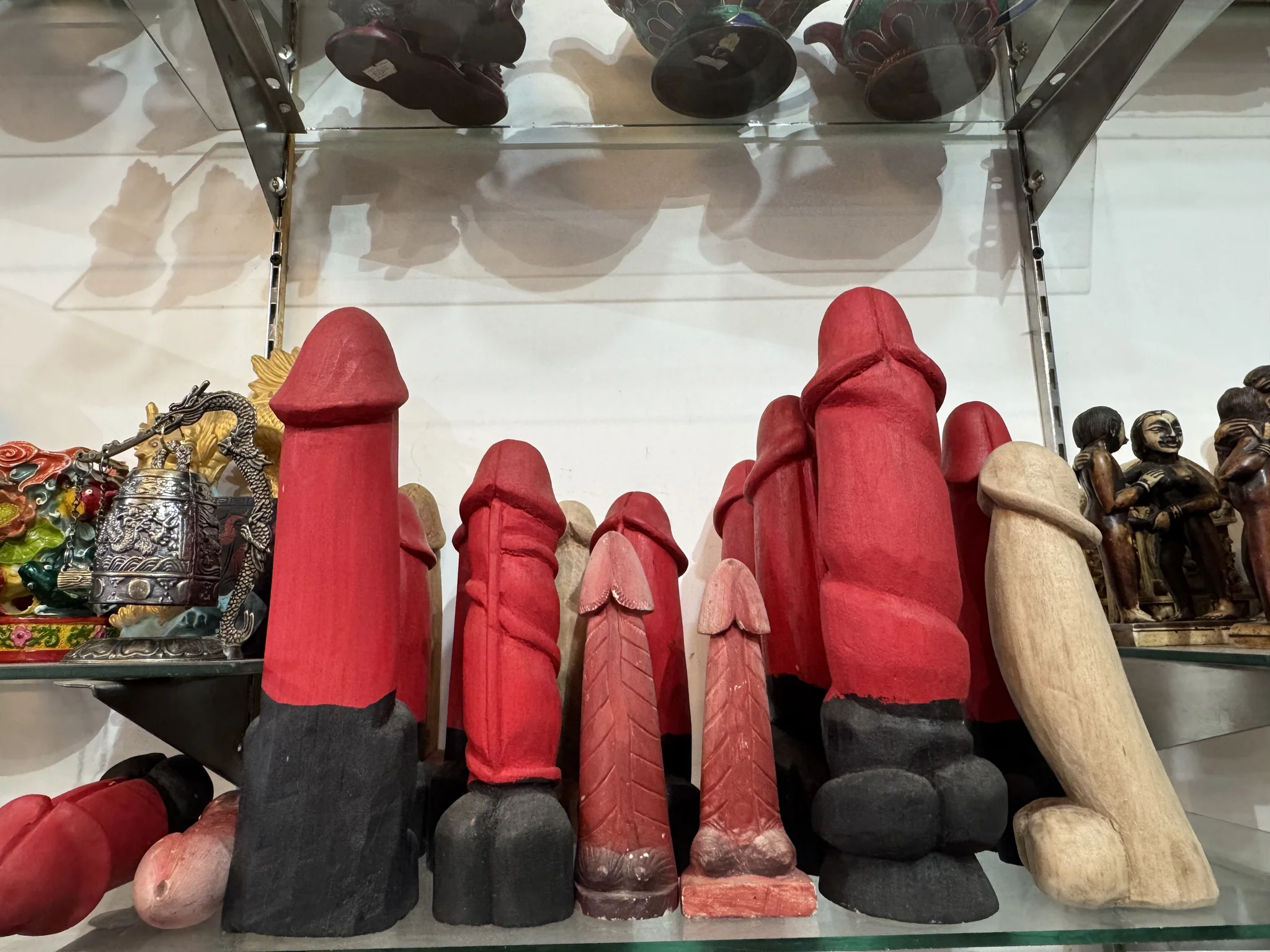
Descend into the warm Punakha valley to Chimi Lhakhang, the fertility temple of the Divine Madman, reached by an easy walk through rice fields. Have a farmhouse lunch in Chimi Lhakhang village. Dress in Bhutanese national costume for photos by the dzong, then tour Punakha Dzong, the second largest dzong in Bhutan and the former capital’s grand fortress, set where the Pho Chhu and Mo Chhu rivers meet. Check in and have dinner.
Itinerary Details
Itinerary Fact
Details
Meals:
Breakfast,Lunch,Dinner
Day 05:
Drive to Phobjikha, Hiking and Sightseeing (2,900M / 9,514FT)
Itinerary Details
Itinerary Fact
Details
Time:
08:00–17:00
Trek Distance:
6.4 KM / 4.0 Mile
Trek Duration:
1 Hour 45 Min
Travel Duration:
2 Hour 40Min
Travel Distance:
78.3KM / 48.7Mile
Highest Altitude:
3,000M / 9,843FT | Gangtey
After breakfast, drive to the Phobjikha Valley, also called Gangtey, in central Bhutan. Stop at the Khelakha waterfall and again at Nobding for tea and coffee. Visit Gangtey Monastery, the largest Nyingma monastery in Bhutan, perched above the valley.
Have lunch at the Dechenling farmhouse near the monastery. In the afternoon, walk the Gangtey Nature Trail, an easy and beautiful loop through the glacial valley that is the winter home of the rare black-necked cranes. Check in and have dinner.
Itinerary Details
Itinerary Fact
Details
Meals:
Breakfast,Lunch,Dinner
Day 06:
Drive Back to Paro with Stops (2,250M / 7,382FT)
Itinerary Details
Itinerary Fact
Details
Time:
07:30–16:00
Travel Duration:
5 Hour 50Min
Travel Distance:
195KM / 121.2Mile
Highest Altitude:
3,100M / 10,171FT | Dochula Pass
This is the longest driving day, so start after breakfast. Drive from Phobjikha back toward Paro, with lunch at the Menchuna Restaurant in Punakha.
Stop once more at Dochula Pass (3,100 m) for the view. In Thimphu, visit the Takin Reserve to see the takin, Bhutan’s unusual national animal. Reach Paro in the evening, check in and have dinner. Overnight in Paro.
Itinerary Details
Itinerary Fact
Details
Meals:
Breakfast,Lunch,Dinner
Accommodation:
Hotel Olathang Or Similar
Day 07:
Taktsang (Tiger's Nest) Monastery Hike (2,250M / 7,382FT)
Itinerary Details
Itinerary Fact
Details
Time:
07:00–15:00
Trek Distance:
8.5 KM / 5.3 Mile
Ascent:
540M / 1,772FT
Descend:
540M / 1,772FT
Trek Duration:
5 Hour
Travel Duration:
1 Hour
Travel Distance:
20.8KM / 12.9Mile
Highest Altitude:
3,120M / 10,240FT | Tiger's Nest
After breakfast, set off for the full-day hike to Paro Taktsang, the Tiger’s Nest. The trail climbs steadily through blue-pine forest to the cliffside monastery at 3,120 m, with the famous first view of the white temple clinging to the rock.
Lunch is at the Taktsang cafeteria on the way. The hike is moderate and most reasonably fit travellers manage it with breaks. After you return, we recommend a traditional Bhutanese hot stone bath in Paro to relax tired legs (extra charge). Dinner is at the hotel. Overnight in Paro.
Itinerary Details
Itinerary Fact
Details
Meals:
Breakfast
Day 08:
Final Departure (2,250M / 7,382FT)
Itinerary Details
Itinerary Fact
Details
Time:
07:00–08:00
Travel Duration:
15 Min
Travel Distance:
5.4 KM / 3.4 Mile
Highest Altitude:
2,250M / 7,382FT | Paro
After breakfast, and depending on your flight time, there may be a little space for last-minute shopping or a final look over the Paro valley before your guide drives you to Paro International Airport and sees you off for your onward flight from the Land of the Thunder Dragon.
We can extend your stay with extra nights in Paro or Thimphu, carry on into the central valleys of Trongsa and Bumthang, extending your Bhutan Tour.
Explore with Local Experts! Our experienced guides, porters, and staff are locals who know every trail, culture, and hidden gem. Travel with us for an authentic adventure!
We believe that our programs are just the beginning of what’s possible! We’re here to work with you to make your dream trip a reality. Simply send us an email with your personal desires and we’ll be glad to help you plan the perfect itinerary.
Experts for help
Reach out to travel experts for any trip customizations you want to do on your trip, we are here to help.
Any extra transfers not mentioned in the itinerary.
Accommodation
4 nights Paro in a 3-star hotel (twin-sharing basis).
1 night Thimphu in a 3-star hotel (twin-sharing basis).
1 night Punakha in a 3-star hotel (twin-sharing basis).
1 night Phobjikha in a 3-star hotel (twin-sharing basis).
Extra nights in Bhutan due to early arrival or late departure.
Single room supplement.
Meals and Drinks
Three meals per day (breakfast, lunch and dinner) during the Bhutan tour.
Drinking water during day tours.
Alcohol and cold drinks.
Personally ordered food.
Support & Insurance
One licensed, English-speaking Bhutanese tour guide.
Travel insurance covering emergency rescue and evacuation (recommended).
Other Services
Agency service charges.
All sightseeing entrance fees.
Sustainable Development Fee of US$100 per person per night.
Bhutan tourist visa (US$40 per person, where applicable).
Free consulting before and after you book.
Comprehensive medical kit.
5% GST on services (shown separately on your quote).
Rescue and evacuation service fees.
Tips for staff (expected).
Additional costs from causes beyond our control, such as visa cancellation, weather, landslides, itinerary changes, illness, government policy changes or strikes.
All other costs and expenses not listed under “Include”.
Difficulty: easy overall, with one moderate half-day hike to the Tiger’s Nest monastery. No trekking experience is needed.
Altitude: the highest points are Dochula Pass and Tiger’s Nest, both close to 3,100 to 3,120 m. We build in valley nights first so you are well rested before the hike.
What to wear at the festival: dress modestly and cover your shoulders and knees. Long trousers or a long skirt and a layer with sleeves are ideal for the dzong courtyard.
Spring weather: March and April bring mild days and blooming rhododendrons in the hills, with cool mornings. Pack layers and sun protection.
Photography: photos are welcome of the mask dances and the festival ground, but not inside shrines. Follow your guide.
Make your Paro Tshechu festival even more Memorable
The Paro Tshechu is a sacred religious event, not a staged show, and a little preparation makes the difference between watching from the back in a rain jacket and being part of the day. The courtyard fills fast, the weather swings from near-freezing to hot within hours, and the most important moment of all happens before dawn.
Knowing what to expect, and what is expected of you, means you catch the dances that matter, stay comfortable through long days, and show the respect the occasion deserves. These tips cover the practical and the cultural so you get the most out of your time at the festival.
Come early, and know “early” means two things. On the main days the dances start around 9 AM, so be seated by 8:30 for a shaded edge spot. The final Thongdrel morning starts in the dark, around 3 to 4 AM, so your guide will have you there by about 4:30. Bring a headlamp and dress for the cold.
Dress for a temple. Cover your shoulders and knees, no shorts, no hats inside the dzong walls. Renting a gho or kira for the day is worth it; locals appreciate the effort and you blend into the colour.
Layer up and settle in for a long day. Mornings bite, then the courtyard turns hot with little shade. Bring a flask, snacks, water, sunscreen and a hat so you last the full programme.
Watch the Atsara. The masked clowns work the crowd between sacred dances, teasing visitors and keeping the long hours light. Let them tease you; it is considered good luck.
Ask before you photograph, and know when to stop. The dances and courtyard are fine to shoot, but not the inner shrines or a monk’s face up close. Follow your guide on when to lower the camera.
Stay for the last morning. The Thongdrel is unrolled before dawn on the final day and rolled away within hours. It is the heart of the whole festival, so keep that morning free and do not book an early flight out.
Book far ahead. Festival week fills Paro’s limited hotels and flight seats months in advance. The earlier you confirm, the better placed you are for a room near the dzong and a Paro flight at all.
Carry small cash. The stalls sell textiles, prayer flags, momos and trinkets, and few take cards. Small notes in ngultrum or Indian rupees are all you need
Extend your Bhutan adventure into central Bhutan
This 8-day festival tour covers western Bhutan and the edge of central Bhutan at Phobjikha. If you have more time, you can push deeper into central Bhutan to Trongsa and the sacred Bumthang valleys, with temples such as Jambay Lhakhang and Kurjey Lhakhang. This adds two to three days and more road time. Many travellers also pair the Paro Tshechu with the Thimphu Tshechu later in the year.
Why book this Bhutan festival tour with Himalayan360
Himalayan 360 runs trips on the ground in both Bhutan and Nepal, so your permits, hotels and guides all connect smoothly. For this festival tour, we book your festival-week hotels and the limited Paro flight seats early, arrange your entry permit and Sustainable Development Fee well in advance, and pair you with a licensed Bhutanese guide who knows the dances and what each one means. We quote the SDF and Bhutan visa openly, with no hidden fees. As a Kathmandu-based company with our own licensed operations desk in Thimphu, we can add a Nepal leg to your Bhutan trip on a single booking.
For Indian travellers
Indian, Bangladeshi and Maldivian nationals do not need a visa for Bhutan. Indian travellers pay the SDF at the lower rate of ₹1,200 per person per night and need only an entry permit, which we arrange. Many fly into Paro from Delhi, Kolkata, Bagdogra or Guwahati, while others come overland, crossing at Phuentsholing after reaching Bagdogra or Jaigaon. Because festival weeks overlap Indian holidays and fill quickly, confirm your permit and hotels early.
One recent change to the budget for: from 1 January 2026, Bhutan applies a 5% GST to in-country tourism services such as hotels, guides, transport and meals. The SDF and the entry permit are exempt. Because this replaced an older 10% sales tax on hotels and restaurants, the real effect on your total is small, usually around 2 to 4%. We show the GST as a separate line on your quote, so you always see exactly what you are paying.
The ₹1,200 SDF rate holds until 31 August 2027, so trips before then lock in the current rate.
Contact us and we will work out a clear, itemised price for your group.
Per Person From
$1,850
8 Days
No. of Persons
Price per Person
1 - 1
USD 2,550
2 - 2
USD 2,200
3 - 6
USD 2,110
6 - 20
USD 1,850
Group discount will be auto applied in checkout & booking
page.
Best Price Guaranteed
No Booking Fees
Professional Local Guide
100% Local Operators
Paro Tshechu festival tour FAQ
When was the Paro Tshechu festival in 2026?
The Paro Tshechu festival ran from 29 March to 2 April 2026 at Rinpung Dzong in Paro. If you missed it, you can book the trip for 2027.
When is Paro Tshechu in 2027?
The Paro Tshechu is expected to run from 18 to 22 March 2027 at Rinpung Dzong in Paro, with the Thongdrel opened on the final morning. Dates follow the Bhutanese lunar calendar and are confirmed closer to the time, so reserve your seats and hotels early and confirm with us before booking international flights.
Can I travel in Bhutan without a guide?
No. Since 2023, Bhutan requires all international tourists to travel with a licensed Bhutanese guide and a registered operator. You cannot explore independently or book unapproved hotels, which is exactly what this tour arranges for you from arrival to departure.
What is the weather like during the festival?
Spring in Paro brings mild, sunny days and cool mornings, with rhododendrons blooming in the hills. Expect near-freezing dawns and pleasant afternoons, so pack layers, sun protection and a warm jacket for the early Thongdrel morning.
What is a Tshechu?
A Tshechu is a religious festival held in a dzong or monastery courtyard to honour Guru Rinpoche. Monks and laymen perform masked cham dances that tell Buddhist stories. Major Tshechu festivals end with the dawn unveiling of a giant Thongdrel scroll.
What is the difference between Paro Tshechu and Thimphu Tshechu?
Both are major Tshechu festivals in Bhutan. Paro Tshechu falls in spring (late March to early April) at Rinpung Dzong and is famous for its dawn Thongdrel. The Thimphu Tshechu falls in autumn (late September) in the capital and draws the largest crowds.
Do I need travel insurance?
It is not compulsory, but we strongly recommend insurance that covers medical care, emergency rescue and evacuation, since Bhutan’s terrain is remote and hospital options are limited. Trip-cancellation cover is also wise given how far ahead festival trips are booked.
How much does the Paro Tshechu festival tour cost?
From US$1,850 per person on a group basis, including the Sustainable Development Fee and the Bhutan visa. Smaller groups and solo travellers pay more per person. International flights are extra.
Do I need a visa for this festival tour?
Most nationalities need a Bhutan tourist visa (US$40), which we include and arrange for you. Indian, Bangladeshi and Maldivian travellers do not need a visa; they require only an entry permit, which we also arrange.
Can I combine the Paro Tshechu with Nepal?
Yes, and it is one of the easiest add-ons we do. A short flight on Drukair or Bhutan Airlines links Kathmandu and Paro in well under an hour, and because we operate on the ground in both countries, we arrange everything on one booking, the flight, your Kathmandu hotels, sightseeing and transfers.
Get a chance to explore the world’s happiest country and South Asia’s “Last Shangri-La” with our 4 Days Bhutan Tour. Also famous as the Land of the Thunder Dragon, Bhutan is a small, landlocked country neighboring China and India. The country lies in the Eastern Himalayas and was relatively isolated until the 1970s. Its long separation from the world has made Bhutan a mysterious country to travel to. Bhutan attracts travelers to experience its peaceful Buddhist country yearly. Similarly, it attracts travelers to experience its natural beauty.
With the 4 Days Bhutan Tour, you will get an opportunity to see the beauty and culture of the country. The country has perfectly maintained its modernization and traditional culture, making it the perfect destination to experience its cultural charm with modern facilities. From old monasteries to caves to traditional markets, museums, and preservation sites, the tour takes you close to the preserved culture of Bhutan within 4 days. You will also get to try various traditional dishes in Bhutan. Join our 4-Day Bhutan Tour and learn about the mystery of the Land of the Thunder Dragon. We assure you that it will be one of the most memorable experiences that will surprise you.
If you're looking for a peaceful and relaxing time in the Himalayas, then a 5 days Bhutan tour might be exactly what you need. It's a small landlocked country between India and China, but it is one of the world's happiest and peaceful country. It is also known as Druk Yul or the Land of the Thunder Dragon due to frequent thunderstorms, which are believed to be the roars of dragons. Yes, Bhutan strongly values myths and traditions. It had been isolated from the world until the 1970s, so its culture, traditions, and beliefs are well preserved. Moreover, it is currently the only carbon negative country.
This Bhutan tour is neither too short nor too long. You get the perfect chance to explore its two most popular locations Paro and Thimphu, with enough relaxation. Plus, it's affordable. You can visit ancient monasteries, fortresses, museums, archery grounds, and farmhouses. And of course, you can watch the majestic Himalayas stretch across the skyline and these traditional towns. You'll also get to try the local dishes like Emi Datshi (chilli and cheese), butter tea, Puta (buckwheat noodles), momo and many more.
Still not sure about the tour? Here's a guide below to help you decide!
The 6 days Bhutan tour helps you explore the country's natural, historical, and cultural beauty. It offers amazing landscape views and the spiritual side of the Buddhist people. Likewise, it allows you to visit many centuries-old monasteries, which provide fabulous architectural designs. Bhutan is also popular for bird watching and Himalayan views. The journey begins with a flight to Paro Airport of Bhutan and takes you to a most sought-after destination that you'll keep in your mind and heart for a lifetime.
Some popular cities we will explore during our visits are Thimphu, Paro, Phunakha, and Wangdue. These places have major attractions like Tiger's Nest Monastery (Paro Taktsang), the National Museum of Bhutan (Paro), and Zorig Chusum (Thimphu). Throughout our journey, we will be staying at a luxurious 3-star hotel. You can also choose a farmhouse with a typical Buddhist experience and try traditional Bhutanese cuisine.
The 6-day tour to Bhutan is all about learning about the culture, nature, and people of Bhutan. Besides places to visit and find peace, the country also offers chance for adventure junkies from jungle safaris, boating, bungee jumping, paragliding, rafting, and many more. Looking for a trustworthy companion for your Bhutan adventure? We are here for you.
USD 1,850 per person
Tailor-Made Adventures Await
Wherever you want to go,
we’ll make it extraordinary and uniquely yours.
Create a travel experience that reflects your style and preferences.
With expert guidance, every moment of your trip is uniquely tailored to you.
This site uses cookies to optimize your user experience. By using this site, you are consenting to our use of these cookies. Check out our Privacy Policy.