Search

Kailash Yatra Fixed Departure Date 2026 Click Here

Lhasa to Everest Base Camp Tour

When we talk about Everest Base Camp, the first thing that comes to almost everyone’s mind is: “Okay, so we have to fly to Lukla and then start trekking from Phakding to Namche, Tengboche, and finally reach Everest Base Camp.” But that’s not the only way. You can actually reach the base of the world’s highest mountain by driving. Yes, you heard that right. The overland tour from Lhasa to Everest Base Camp in Tibet makes it possible.

Our 8 days Lhasa to Everest Base Camp tour package is one of the easiest and most comfortable ways to get there after the EBC helicopter tour. You don’t need to walk for days. Just sit in the vehicle and watch the landscape change dramatically before your eyes as you pass through small Tibetan villages, high mountain passes, and wide valleys. And the best part is you can reach Everest Base Camp (Tibet side) from Lhasa in just two days. First, you will travel from Lhasa to Shigatse, and then drive from Shigatse to EBC.

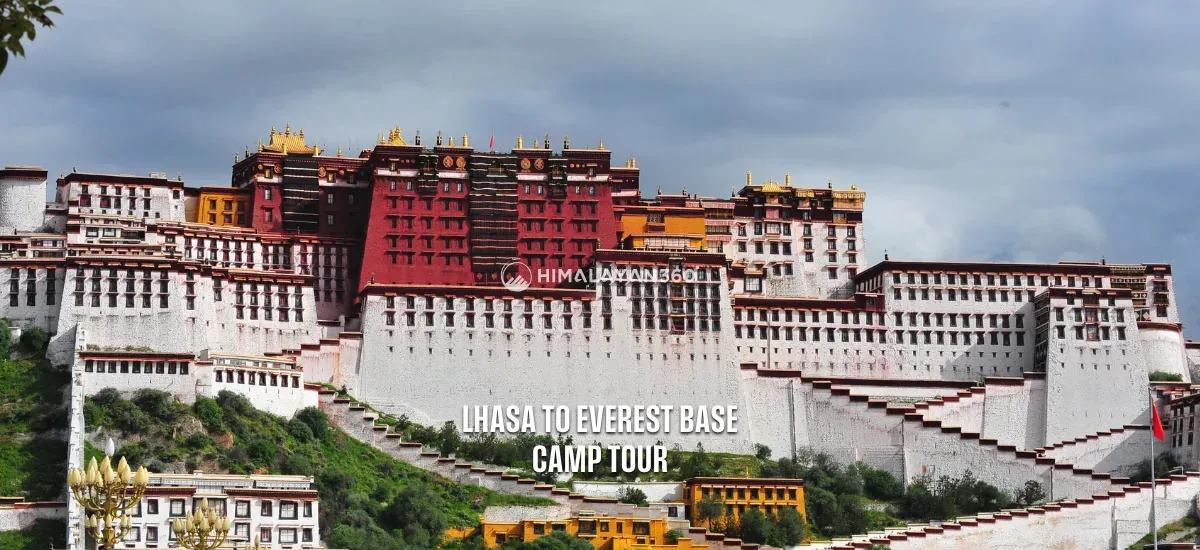
The drive itself is an unforgettable journey full of amazing sights. You’ll see snow-covered mountains, turquoise lakes, and colorful prayer flags fluttering in the wind. You’ll also visit famous places in Tibet like Potala Palace, Jokhang Temple, Sera Monastery, and Tashilhunpo Monastery, where you can learn about Tibetan culture and religion.

Along the way, you’ll cross the high Gyatso La Pass, Gawu La Pass, and drive through the Mount Everest National Nature Reserve. Each stop, Lhasa, Gyantse, Shigatse, and finally Everest Base Camp, shows a new side of Tibet’s natural beauty. When you finally reach Everest Base Camp, you’ll see the north face of Mount Everest right in front of you. If you wish to travel to the EBC from Lhasa, please contact us today to book your seat. We promise to make your journey amazing.

Per Person From

$1,170

8 Days
  • Best Price Guaranteed
  • No Booking Fees
  • Professional Local Guide
  • 100% Local Operators
best season icon

Best Season

Apr,May,Jun,Jul,Aug,Sep,Oct

travel distance icon

Travel Distance

1,420KM/882Miles (Lhasa to Lhasa)

difficulty icon

Difficulty

Hard
destination icon

Destination

Tibet | Nepal

transportation icon

Transportation

Private Vehicle

start/end icon

Start / End

Lhasa/Lhasa

accommodation icon

Accommodation

3/4 Star Hotel
meals icon

Meals

Breakfast
route icon

Route

Lhasa-Shigatse-EBC-Shigatse-Lhasa

trip type icon

Trip Type

Overland Tour

Major Highlights of Lhasa to Everest Base Camp Tour

  • See the north side of Mount Everest without trekking for days.
  • Drive along the well-maintained and smooth asphalt road from Lhasa to EBC (Tibet side).
  • Climb Gawu La Pass for an amazing view of five giant mountains: Makalu, Lhotse, Everest, Cho Oyu, and Shishapangma.
  • Walk the Barkhor kora with pilgrims around Barkhor Street and experience Tibetan spiritual life.
  • Watch live monks debate at Sera Monastery.
  • Explore Potala Palace and Jokhang Temple with a licensed Tibetan guide.
  • Follow a scenic route: Yamdrok Lake’s turquoise waters → Karola Glacier → Gyantse’s Pelkor Chode. The stops are chosen for the best photos and fewer crowds.
  • The trip is designed for comfort, traveling from Lhasa to Shigatse to EBC, so you sleep at a high altitude for only one night.

Chinese Visa and Tibetan Permit Requirements

Now comes the documents required. For your classic Lhasa to Everest Base Camp trip, you must obtain a Chinese Visa and a Tibetan Travel Permit.

  • Chinese Visa: This is a standard visa for entering China. It is issued by the Chinese Embassy in your country. You must get this before traveling to Tibet if you are coming through China.
  • Tibet Travel Permit: It is a permit required to enter the Tibet Autonomous Region, issued by the Tibet Tourism Bureau. You can get it through a registered Tibet tour operator, as independent travel is not allowed.

Extra: A Frontier Pass is also usually required for visiting EBC or Rongbuk. It is issued by the local Public Security Bureau (PSB), and your travel agency will arrange it.

Outline Itinerary for Lhasa to Everest Base Camp Tour

Day 01: Arrival In Lhasa
Day 02: Lhasa Sightseeing
Day 03: Lhasa Sightseeing
Day 04: Drive From Lhasa To Shigatse Via Yamdrok Lake
Day 05: Drive From Shigatse To Everest Base Camp
Day 06: Drive From Everest Base Camp To Shigatse
Day 07: Drive From Shigatse To Lhasa
Day 08: Final Departure

8 Days Itinerary for Lhasa to Everest Base Camp Tour

Day 01: Arrival In Lhasa

Itinerary Details
Itinerary Fact Details
Time: 00:00-00:00
Travel Duration: 1.5Hours
Travel Distance: 62KM/Miles
Highest Altitude: 3,656M/11,995FT | Lhasa

This is the first day of your Lhasa to Everest Base Camp tour. On this day, you will arrive in Lhasa by airplane or by train, the heart and soul of Tibet. Depending on your arrival destination, our local tour guide will greet you at the Lhasa Gonggar International Airport or Lhasa Railway Station and transfer you to your hotel in the city.

Then, you will check into the hotel. Spend the rest of the day relaxing and letting your body adjust to the high altitude. Or if you want, you may walk around Lhasa town and explore nearby markets. Overnight stay is in a comfortable 3 or 4-star hotel in Lhasa.

Itinerary Details
Itinerary Fact Details
Meals: N/A
Accomodations: 3/4 Star Hotel

Day 02: Lhasa Sightseeing

Itinerary Details
Itinerary Fact Details
Time: 10:00-16:00
Travel Duration: 6Hours
Travel Distance: 35KM/22Miles
Highest Altitude: 3,656M/11,995FT | Lhasa

Today is all about Lhasa sightseeing, which you will start after breakfast. You will visit the most famous landmarks of Lhasa, which are the Potala Palace, Jokhang Temple, and Barkhor Street. First, you will explore the Potala Palace. It is the most iconic building in Tibet. It was once the winter home of the Dalai Lama. Now, it stands as a museum where you will find ancient art, statues, and religious treasures. The grand white and red palace also offers amazing views of Lhasa city lying below.

Next, you will visit the Jokhang Temple. It is the most sacred site in Tibetan Buddhism. It lies in the heart of old Lhasa, and many pilgrims from Lhasa and other countries come to pray and spin prayer wheels. It is said that the city’s name, “Lhasa,” comes from this temple. “Lha” means Buddha, and “Sa” means land. Together, it means the “Land of Buddha”. Similarly, while exploring near the temple, you’ll notice that no building is taller than the Jokhang Temple. It shows Tibetans’ respect for this holy site.

Walking clockwise around the temple, you’ll see pilgrims spinning prayer wheels, chanting mantras, and performing rituals. Stop at the front gate to watch the devotion of local pilgrims. Inside the temple, watch its rich history, Tubo-era architecture, murals, wood carvings, and a life-sized statue of Shakyamuni Buddha. After the temple visit, you will stroll along Barkhor Street. It is a lively market around the Jokhang Temple where you can shop for souvenirs, prayer flags, and handmade crafts while watching locals perform the kora. Afterward, you will return to your hotel and end the day.

Itinerary Details
Itinerary Fact Details
Meals: Breakfast
Accomodations: 3/4 Star Hotel

Day 03: Lhasa Sightseeing

Itinerary Details
Itinerary Fact Details
Time: 10:00-16:00
Travel Duration: 6Hours
Travel Distance: 50KM/31Miles
Highest Altitude: 3,656M/11,995FT | Lhasa

Another day, another Lhasa sightseeing day. After breakfast, you will continue your Lhasa city tour by visiting two main attractions in Tibet, which are Drepung Monastery and Sera Monastery. These are the famous monasteries in Tibet. You will start the tour from Drepung Monastery. It was once the largest monastery in the world, housing over 10,000 monks. It was also the government center before the Potala Palace was built. By walking through its whitewashed buildings, you can learn about Tibetan culture, religion, and traditional education.

In the afternoon, you will explore Sera Monastery, one of the great Gelugpa university monasteries in Tibet. The best thing to see here is the lively monk debate session held from 3:00 PM to 5:00 PM (except Sundays). At the time of debate, monks gather in the courtyard to discuss Buddhist teachings to deepen their understanding of Buddhism. In the evening, enjoy dinner with your small travel group and share stories from your first few days in Tibet. Overnight stay at a comfortable hotel in Lhasa.

Day 04: Drive From Lhasa To Shigatse Via Yamdrok

Itinerary Details
Itinerary Fact Details
Meals: Breakfast
Accomodations: 3/4 Star Hotel

Day 04: Drive From Lhasa To Shigatse Via Yamdrok Lake

Itinerary Details
Itinerary Fact Details
Time: 10:00-17:00
Travel Duration: 7Hours
Travel Distance: 323KM/200Miles
Highest Altitude: 4,852M/15,919FT | Kamba La Pass

On day 4, the Lhasa to Everest Base Camp tour route takes you to Shigatse. You will leave Lhasa and drive towards Shigatse. And from Shigatse, you will drive to Everest Base Camp the next day. The journey from Lhasa to Shigatse passes through several scenic spots. Along the way, you will visit Yamdrok Lake, Karola Glacier, and the historic Gyantse city. First, you will stop at Yamdrok Lake. It is one of the three holiest lakes in Tibet, the other two are Namtso Lake and Lake Manasarovar. You can walk along the lakeshore, touch the blue waters, and take photos.

Later on, as you continue driving, you will reach Karola Glacier with an elevation of 5,100M. The glacier lies within a mountain range whose highest peak is Mount Nojin Kangsang, standing 7,191M tall. Afterward, you will stop at Gyantse, also called the “Hero City.” This historic town is famous for its ancient architecture and Tibetan culture. Here, you will visit Pelkor Chode Monastery.

After exploration, you will continue your drive through fields of barley and Tibetan farmland, and soon you will reach Shigatse. Shigatse is the second-largest city in Tibet. Check into your 3- or 4-star hotel and rest for the night.

Itinerary Details
Itinerary Fact Details
Meals: Breakfast
Accomodations: 3/4 Star Hotel

Day 05: Drive From Shigatse To Everest Base Camp

Itinerary Details
Itinerary Fact Details
Time: 09:00-16:00
Travel Duration: 7Hours
Travel Distance: 342KM/212Miles
Highest Altitude: 5,200M/17,060FT | EBC

Finally, the day is here when you will set your footsteps at the Tibet Everest Base Camp. It’s going to be a long day’s drive, but the fact that you will be at EBC and the mostly paved road throughout the journey will keep you motivated. Along the way, you will stop at Gyatso La Pass for your first view of Everest. However, if the weather is unclear, you won’t be able to see this view. You will also pass through Mount Everest National Nature Reserve.

Before reaching the foot of Mount Everest, aka EBC, the road passes through the famous 108 turns and climbs to Gawu La Pass. It is a spectacular viewpoint to enjoy the panoramic view of the five highest Himalayan peaks: Makalu, Lhotse, Everest, Cho Oyu, and Shishapangma. Also, colorful prayer flags flutter in the wind, and the winding mountain road below adds to the scenery.

You will arrive at Everest Base Camp in the late afternoon. You will get to watch a sunset over Mount Everest, if the weather permits. You will stay overnight in a basic tent house here.

Itinerary Details
Itinerary Fact Details
Meals: Breakfast
Accomodations: Tent house (Very basic)

Day 06: Drive From Everest Base Camp To Shigatse

Itinerary Details
Itinerary Fact Details
Time: 09:00-16:00
Travel Duration: 7Hours
Travel Distance: 342KM/212Miles
Highest Altitude: 5,200M/17,060FT | EBC

After breakfast at Everest Base Camp in Tibet, you will start your journey back to Shigatse. Before returning, you will visit the famous Rongbuk Monastery, located near the north side of Mount Everest. This historic monastery offers stunning views of the northern side of Everest and is a peaceful place to learn about Tibetan Buddhist traditions.

Later, you will hop on the vehicle. Enjoy the scenic drive through the Himalayan mountains, passing high-altitude passes, small villages, and dry Tibetan landscapes. You will arrive in Shigatse in the late afternoon. Check into your comfortable 3- or 4-star hotel. Rest and relax after a journey to the world’s highest peak.

Itinerary Details
Itinerary Fact Details
Meals: Breakfast
Accomodations: 3/4 Star Hotel

Day 07: Drive From Shigatse To Lhasa

Itinerary Details
Itinerary Fact Details
Time: 10:00-16:00
Travel Duration: 6Hours
Travel Distance: 266KM/165Miles
Highest Altitude: 3,840M/12,600FT

You will start your day in Shigatse with a visit to Tashilhunpo Monastery. The monastery was founded in 1447 by the 1st Dalai Lama. It is the traditional seat of the Panchen Lamas and is famous for its golden roofs, large statues, and beautiful architecture. You can also see the tombs of the Panchen Lamas here. After that, you will return to Lhasa.

During the drive from Shigatse to Lhasa, enjoy the scenic road trip through Tibetan landscapes, passing small villages, farmland, and rolling mountains. You will arrive in Lhasa in the afternoon. Once you are back to Lhasa, spend the rest of the day relaxing or taking a short walk in the city before concluding your Lhasa to EBC tour.

Itinerary Details
Itinerary Fact Details
Meals: Breakfast
Accomodations: 3/4 Star Hotel

Day 08: Final Departure

Itinerary Details
Itinerary Fact Details
Time: 3Hours Advance
Travel Duration: N/A
Travel Distance: N/A
Highest Altitude: N/A

On this day, we will transfer you to the airport or train station for your onward journey. This marks the end of your Tibet tour. Take with you wonderful memories of the Himalayan mountains, Everest Base Camp, and the rich Tibetan culture you experienced during your trip.

Itinerary Details
Itinerary Fact Details
Meals: Breakfast
Accomodations: N/A

Explore with Local Experts! Our experienced guides, porters, and staff are locals who know every trail, culture, and hidden gem. Travel with us for an authentic adventure!

Plan a Bespoke Trip

Build your Custom Trip

We believe that our programs are just the beginning of what’s possible! We’re here to work with you to make your dream trip a reality. Simply send us an email with your personal desires and we’ll be glad to help you plan the perfect itinerary.

team image

Experts for help

Reach out to travel experts for any trip customizations you want to do on your trip, we are here to help.
Ask Questions

Ask Questions

"*" indicates required fields

Untitled

Build Your Custom Trip

Trip Include And Exclude

Included Services

Excluded Services

Transfer

  • Lhasa tour by private vehicle
  • Transfer in Tibet side by Coach as per group size
  • International flight
  • Extra transfer which is not mentioned in itinerary

Meals & Accommodation

  • 6 nights Accommodation with a 3-star hotel (sharing basis)
  • 1 night Tented camp (sharing basis)
  • Food: 7 Breakfast
  • Extra night accommodation in Kathmandu/Lhasa due to early arrival, Visa problem, or late departure
  • Single room during the tour

Extra Support

  • One local English-speaking guide
  • Tibet Permit delivery services
  • Delivery Charge of the permit to your hotel in mainland of China.
  • Personal porter to carry for your stuffs

Visa & Permit

  • Tibet Travel Permit
  • Entrance fees as per mentioned places in itinerary
  • Nepal entry visa fees (Visa on arrival)
  • China visa (please contact us for Visa details

Other Services

  • Agency service charges
  • China visa Consulting service
  • Free consulting services before & after tour book
  • Oxygen cylinder in the Vehicle
  • MEDICAL KIT: Comprehensive Medical kit
  • Additional costs incurred due to causes beyond our control, such as visa cancellations, itinerary modifications, illness, or government policy changes
  • Rescue and Evacuation Service fees
  • Tips for staff (it is expected)

Major Landmarks during the Lhasa to EBC Tour

While reaching Everest Base Camp and Lhasa are the major highlights of the Lhasa to EBC tour. There are several other landmarks you will reach and pass by. Some of them are described below:

Potala Palace

One of the must-visit places when at Lhasa is the Potala Palace. It is over 1,300 years old and has been rebuilt many times. It was first built in the 7th century by King Songtsen Gampo. After many wars, the palace was damaged, then in the 17th century, the Fifth Dalai Lama rebuilt it and made it the main center of Tibetan religion and government. Later, Dalai Lamas made small repairs, and the palace still looks much the same today.

The name “Potala Palace” comes from the Sanskrit word Potalaka, believed to be the home of Chenresig, the Buddha of Compassion. Tibetans think that King Songtsen Gampo and the Dalai Lamas are the human form of Chenresig. This is why the Potala Palace is not only a royal palace but also a holy place full of blessings. The palace is 13 stories high and built with stone and wood. It has two main parts: the White Palace, where the Dalai Lama lived and worked, and the Red Palace, which has temples, chapels, and libraries. Inside, you can see beautiful 698 murals, Thangkas (religious paintings), statues of Buddha and past Dalai Lamas, and many other treasures that show the history and culture of Tibet.

Jokhang Temple

Jokhang Temple is the holiest temple in Tibet. Its history dates back about 1,300 years, and features a special life-size statue of Buddha Jowo Shakyamuni, which shows Buddha when he was 12 years old. The temple was built by King Songtsen Gampo. Many Buddhist teachers like Atisha and Tsongkhapa taught here, so it is very holy for all Tibetan Buddhists. Its design mixes Tibetan, Chinese, Nepalese, and Indian architecture and is designed like a mandala.

Jokhang Temple has a main hall, many chapels, and a golden roof. Inside, there are murals, statues, and religious treasures, including Buddha statues, chapels for famous masters, and a small white pagoda. The Temple is at the center of Barkhor Street in old Lhasa, and is very close to the Potala Palace and Ramoche Temple. Every year, thousands of pilgrims come here to pray and honor Buddha.

Barkhor Street

Barkhor Street is the oldest street in Lhasa and was once a holy path for Tibetan pilgrims. Today, it is also a busy market with many shops and traditional Tibetan houses. The street is paved with stones and keeps its old, colorful look.

You can find all kinds of Tibetan items here, like thangkas, prayer wheels, butter lamps, prayer flags, beads, traditional clothes, shoes, and local food like butter tea and dried meat. Pilgrims still walk the street, some doing full-body kowtows, and you will also see monks and people from different parts of Tibet. Barkhor Street is a great place to see Tibetan life, culture, and traditions up close.

Drepung Monastery

Drepung Monastery is the largest monastery in Tibet. It was built in 1416 by Jamyang Chojey, a student of Tsongkhapa, the founder of the Gelugpa School. Long ago, it housed 10,000 monks and was called the “Nalanda of Tibet” because of its high-quality Buddhist education. Today, only a few hundred monks live there, but it still teaches many students in its colleges, including one for Tantric Buddhism.

Inside the monastery, there are many treasures like statues of Manjushri, Amitayus, and Tsongkhapa, as well as ancient murals and rare sutras. Drepung is also famous for the Shoton Festival, also known as the Yogurt Festival, which takes place in August. During this festival, monks display a giant thangka (Buddhist painting), and pilgrims come to pray and celebrate. It is a lively and exciting event. Visitors can also see the monk’s daily life, the large monastery kitchens, and special hidden areas if they know where to look.

Sera Monastery

Sera Monastery was built in 1419 by Shakya Yeshe. It is one of the six main Gelugpa monasteries in Tibet. It is famous for its stunning layout, featuring cobbled paths, temples, and colleges. Long ago, it had over 5,000 monks. The most exciting part of visiting Sera is watching the monks debate in the courtyard. The debates are loud, energetic, and sometimes funny, with monks clapping, snapping fingers, and joking as they discuss Buddhist teachings.

Sera Monastery also holds many precious Buddhist relics, scriptures, and sand mandalas, which are colorful designs made from sand. These mandalas are carefully created and then destroyed to show that life is temporary. Visiting Sera gives you a great look into Tibetan Buddhist life and traditions.

North Everest Base Camp

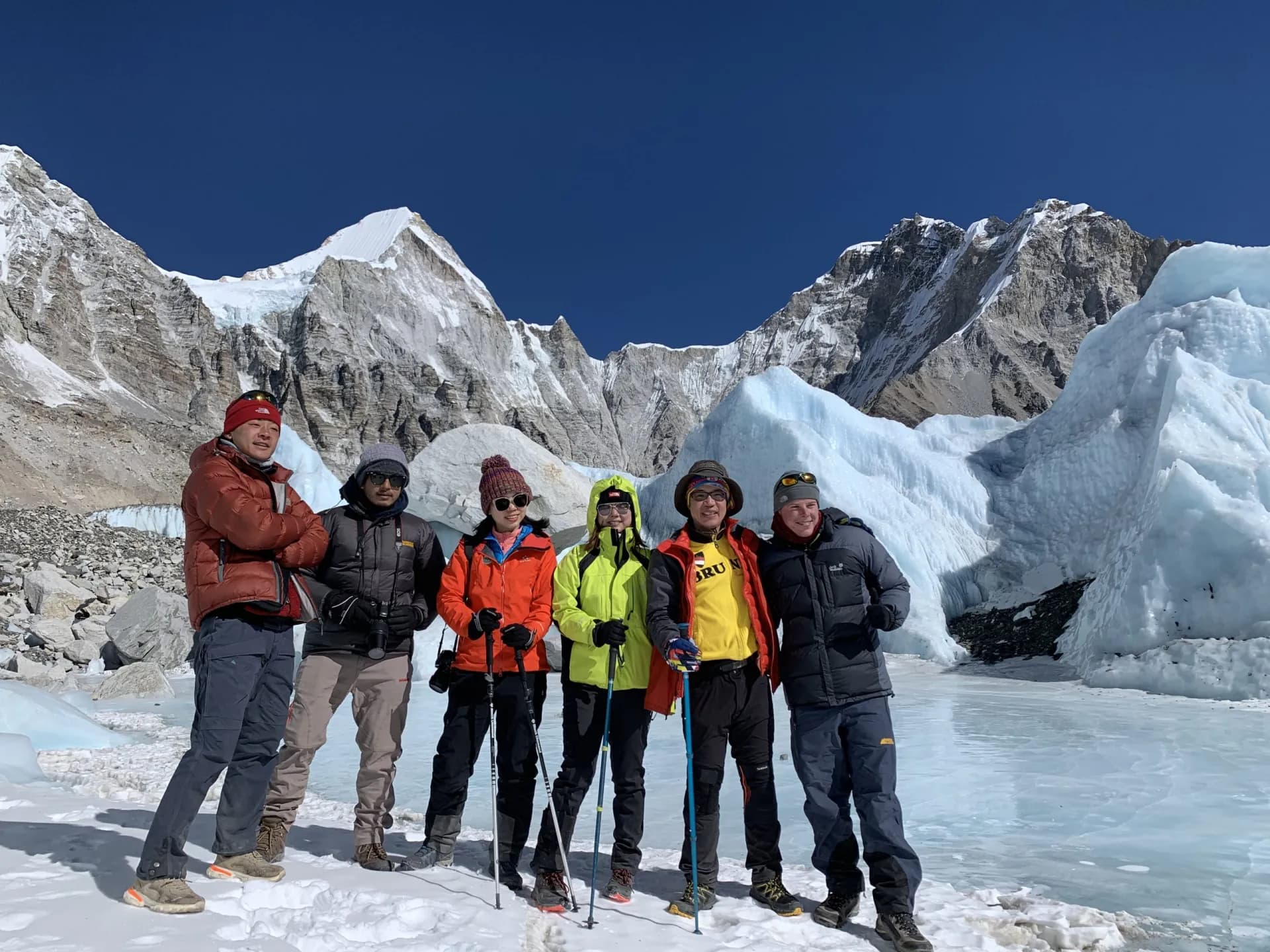
The North Everest Base Camp (EBC) in Tibet is a popular destination for travelers who want to see the world’s tallest mountain from the north side. If you are unsure why you should visit EBC from Tibet side, then one reason is: unlike the south side in Nepal, the north base camp is reachable by vehicle, so you don’t need to trek long distances to get close to Everest. From here, you can see the huge north face of Everest and other tall mountains like Cho Oyu and Shishapangma.

The base camp is at 5,200M, so visitors need time to acclimatize to avoid altitude sickness. The area is full of snow, glaciers, and wide open land, making it feel like you are on top of the world. A little far North EBC is the small base camp area where climbers start their expeditions to the summit of Everest. You can see tents, climbers preparing for their ascent, and sometimes the famous icefall on the north side.
Tibetan Language, Culture, and Currency during the Tour

In Tibet, people lead a highly spiritual life that is deeply rooted in Buddhism. You will see stupas, monasteries, and gumbas everywhere. Every day, the daily life of Tibetan people starts with a prayer, meditation, or walking around the monasteries. Families often gather to pray together, burn incense, and hang colorful prayer flags for good luck. They wear traditional clothes during special days and festivals. Tibetans are also known for being kind and welcoming.

Likewise, the main language spoken in Tibet is Tibetan. But you may also find some people speaking Mandarin Chinese, especially in cities and tourist areas. Signs in Lhasa and other major towns are usually in both Tibetan and Mandarin. It’s a good idea to learn some basic Tibetan phrases before you go there. Nonetheless, the hotel staff can communicate in simple English, which is a plus point for you.

Now comes the currency part. The official currency used is the Chinese Yuan (CNY). ATMs are widely available in Lhasa and Shigatse. But international cards may not work reliably. Therefore, you should carry enough cash with you to cover the entire trip expenditure. You can change USD or Euros at banks or exchange counters if you fall short of money.

How long does it take to reach EBC from Lhasa

If you are driving to Everest Base Camp from Lhasa, it takes 14 hours to get there. The approximate distance from Lhasa to EBC is 665KM (412Miles). The most commonly used route is through the Friendship Highway, which passes through Shigatse and Tingri. The drive from Lhasa to Shigatse takes about 7 hours (323KM), and from Shigatse to EBC takes another 7 hours (342KM).

You won’t drive 14 hours on the same day due to the high altitude and significant elevation gain. Thus, you will stay overnight in Shigatse on the first day and then travel to EBC the next day. And because of strict speed limits (40, 60, or 80 km/hr) in Tibet, the drive can feel long. Still, the journey will be exciting and memorable as it passes through beautiful mountain views, high passes, and peaceful scenery.

Lhasa to Everest Base Camp Road Condition

Now, many of you may be wondering about the road conditions from Lhasa to Mt Everest Base Camp. Is it a rough mountain road or a smooth paved one?

The answer is that the road from Lhasa to Everest Base Camp is now smooth and well-built, making the journey much more comfortable than before. The Chinese government has spent years improving the route so travelers can reach the foot of Mount Everest without difficulty. The road improvement work was completed around 2015. Today, the highway is fully paved with asphalt and runs across the beautiful Tibetan Plateau. Various types of vehicles, including tourist buses, can travel along this route. But tourist buses usually stop about a mile before the actual base camp.

Travelers can enjoy a pleasant drive, especially during the spring (April to May) and autumn (September to November) seasons in Tibet, which are considered the best times to visit Everest Base Camp. However, in winter, snow and ice can make the roads slippery and challenging to drive on. At that time, it is recommended to use a four-wheel-drive (4WD) vehicle for safety.

Accommodation and Guides during the Lhasa to Everest Base Camp Tour

During the tour from Lhasa to Everest Base Camp, you will find a variety of places to stay. In Lhasa, the city has many luxury hotels with comfortable rooms, private bathrooms, 24-hour service, and even oxygen supply for high altitude. For travelers on a budget, there are also affordable hotels that offer clean and simple rooms. In Shigatse, you can also find good hotels with decent facilities for an overnight stay.

However, at Everest Base Camp (North), accommodation is very basic. You will stay in tent hotels, which provide simple services but are enough for resting after the long journey. Guides are usually available throughout the tour to help you understand the culture, history, and local life of Tibet. They can also assist with travel arrangements, safety, and make your trip easier and more enjoyable.

Per Person From

$1,170

8 Days
  • Best Price Guaranteed
  • No Booking Fees
  • Professional Local Guide
  • 100% Local Operators

FAQs on Lhasa to Everest Base Camp Tour

Travler Reviews

Reviews: 5/5

Reviews: 5/5

Excellent

Excellent

5.0 out of 5

5.0 out of 5

Reviews 5/5

Reviews 5/5

USD 1,170 per person

Tailor-Made

Adventures Await
An epic spiritual journey with the Himalayan 360
Amrit Nepal
Trekking through the Himalayas by Himalayan 360
Wherever you want to go,

we’ll make it extraordinary and uniquely yours.

Create a travel experience that reflects your style and preferences.
With expert guidance, every moment of your trip is uniquely tailored to you.

fancyBottom
fancytop
most Popular

Activities in Nepal
Adventure Treks in Nepal
Adventure Treks In Nepal
7 Trips Screen Link
Ice climbing in Nepal Climbing & Expedition
Climbing & Expedition
5 Trips Screen Link
The living goddess of Nepal, Kumari Cultural and Historical Tours
Cultural and Historical Tours
20 Trips Screen Link
Day Tours
Day Tours
9 Trips Screen Link
Kalapathhar Heli Tour
Heli Tours
4 Trips Screen Link
The living goddess of Nepal, Kumari
Religious and Spiritual Tours
18 Trips Screen Link
everest annapurna region
Trekking
19 Trips Screen Link
Nepal Village
Trekking and Hiking
21 Trips Screen Link
Bird watching tour in Nepal Morning wildlife adventure tour inside the chitwan national park.
Wildlife Tours
5 Trips Screen Link
Trip Planner
Trip Planner Trip Planner