Everest Base Camp Trek

Destination

Everest Region trek

Max. Altitude

5,545M/18,192FT

Difficulty

Strenuous

Best Season

Feb, March, April, May, June, Sep, Oct, Nov & Dec

Transportation

Flight | jeep

Start / End

Kathmandu/Kathmandu

Accommodation

Tea house

Meals

B.L.DBreakfast Lunch Dinner

Trek Distance

114.48KM | 71Mile

Route

KTM-Namche-EBC-Lukla-KTM

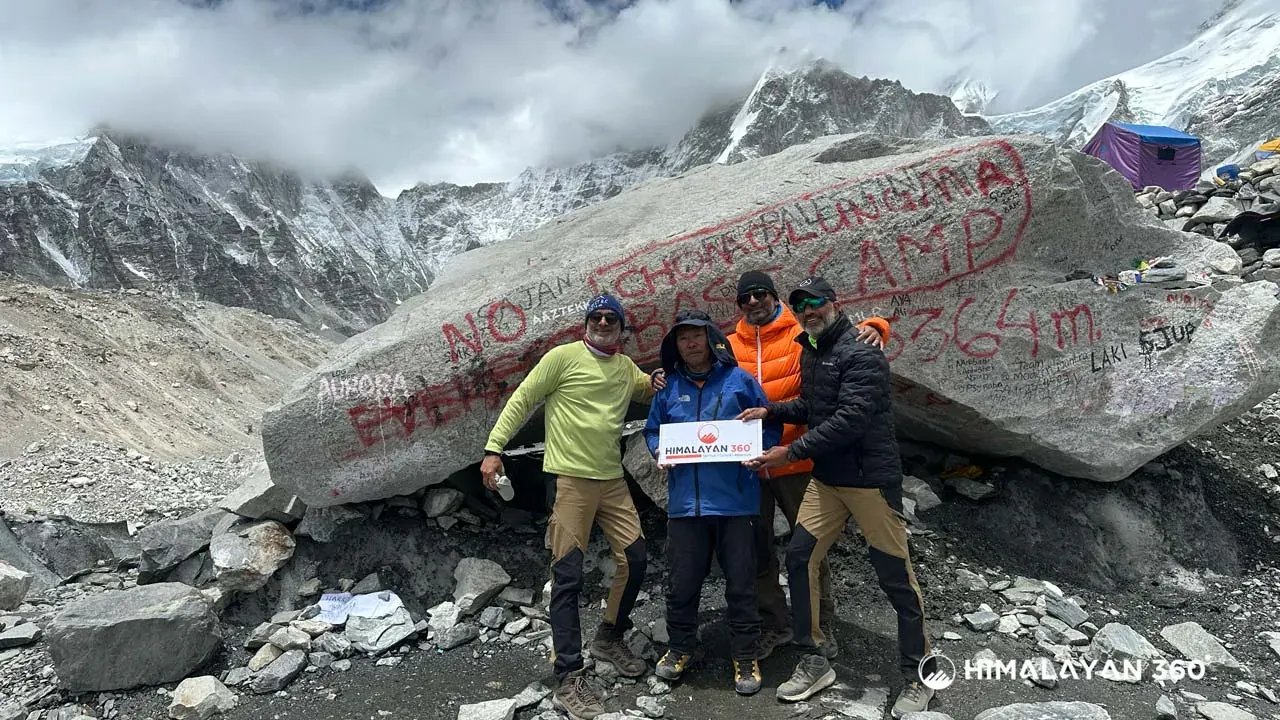
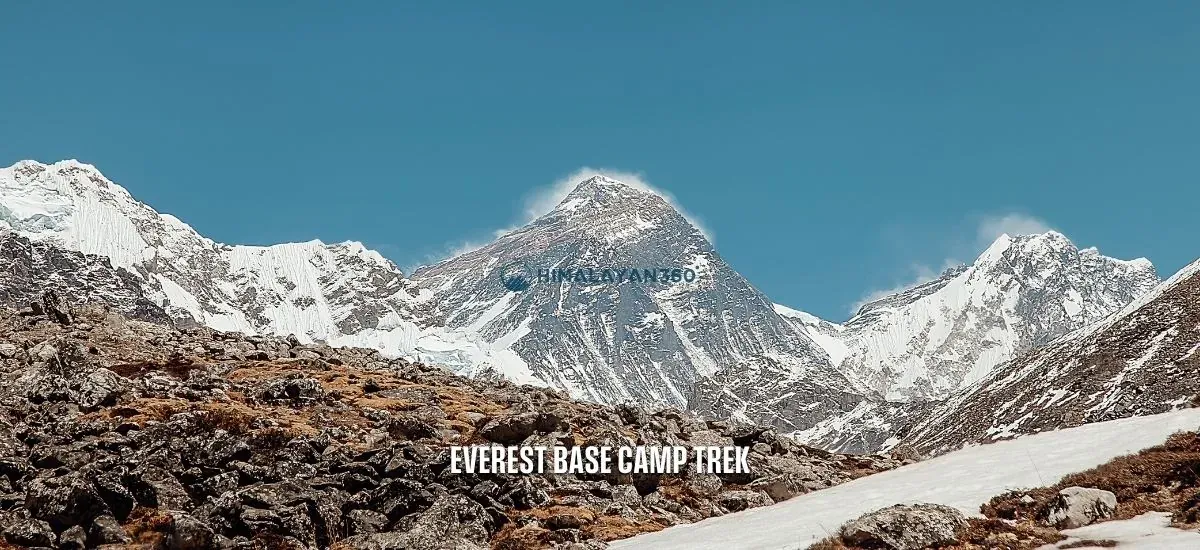
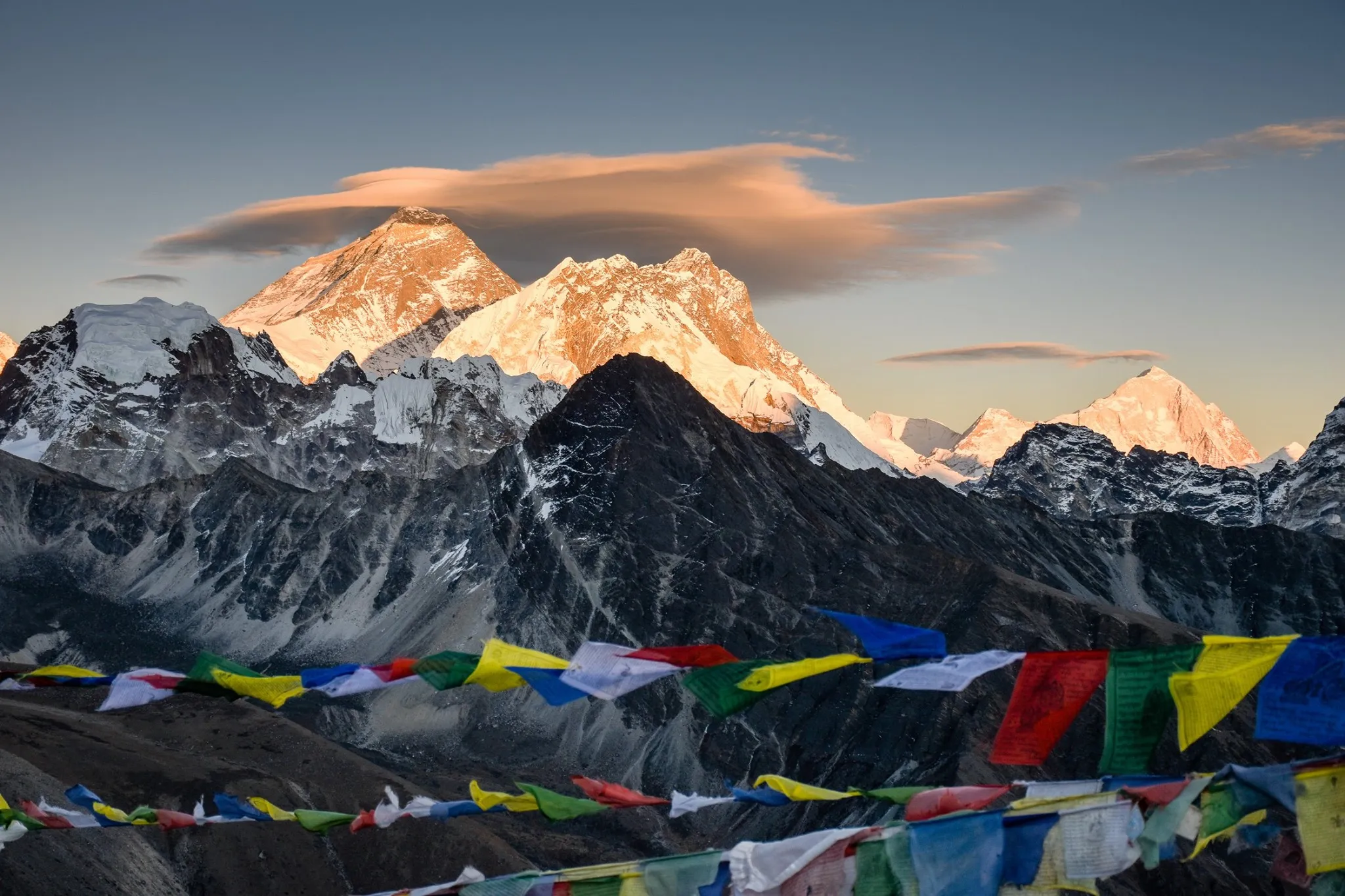
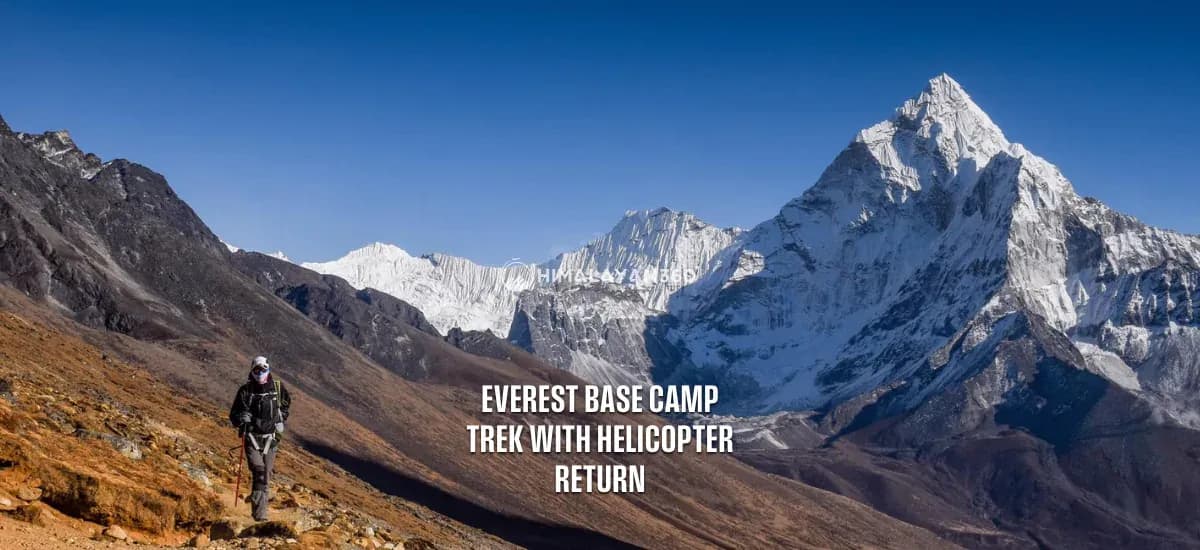
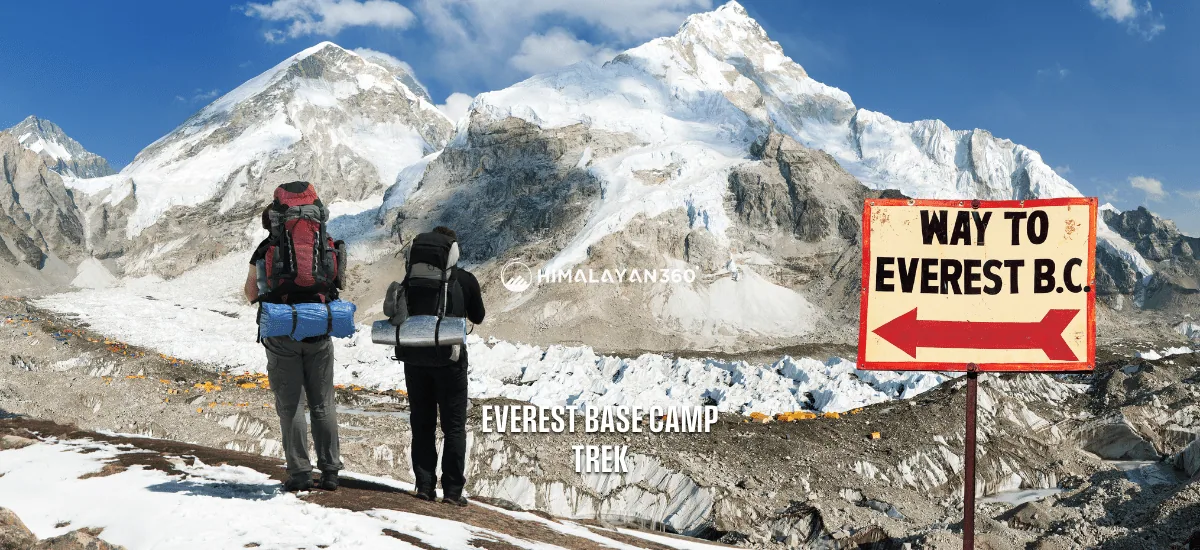
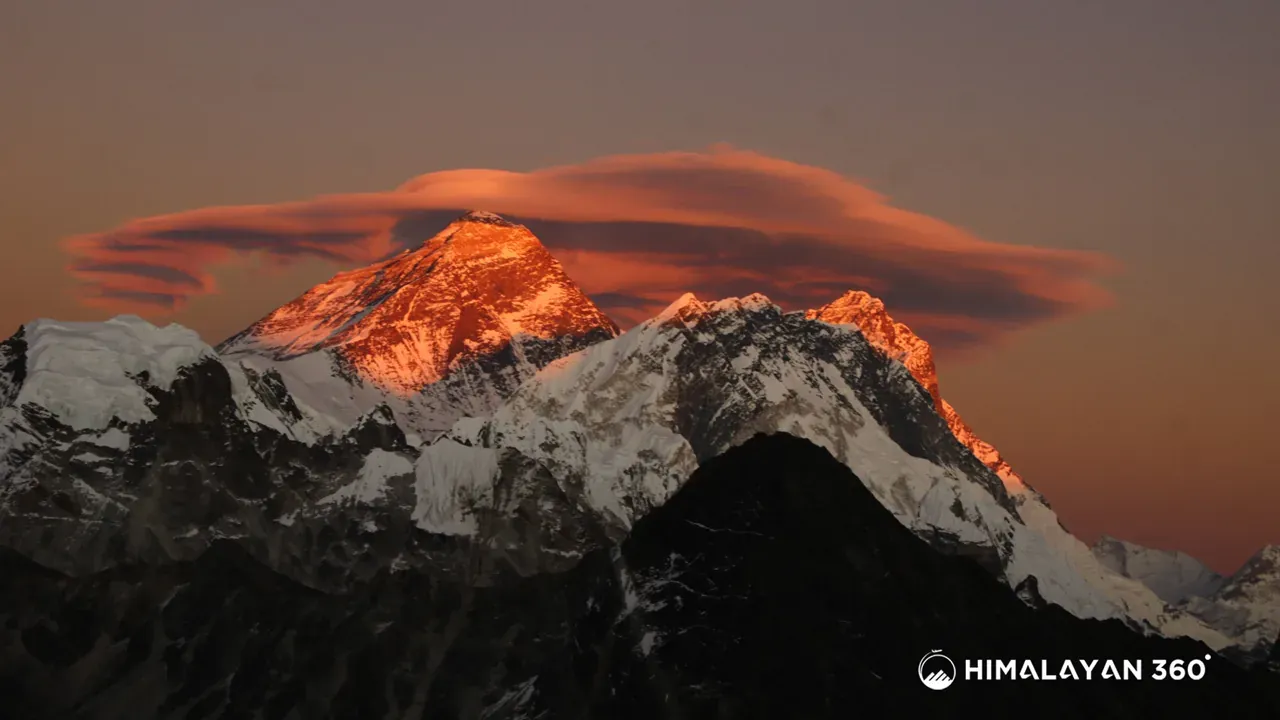
Everest Base Camp Trek is every trekker’s dream adventure. It takes you right to the foot of the world’s tallest mountain, Mount Everest (8,848.86 m) at 5,364 meters. One of the best experiences is the early morning hike to Kala Patthar (5,545 meters), where you get incredible views of Everest, Lhotse (8,516 m), Nuptse (7,861 m), and other giant peaks. The best time to do the EBC trek is during Spring (March-May) and Autumn (September-November).

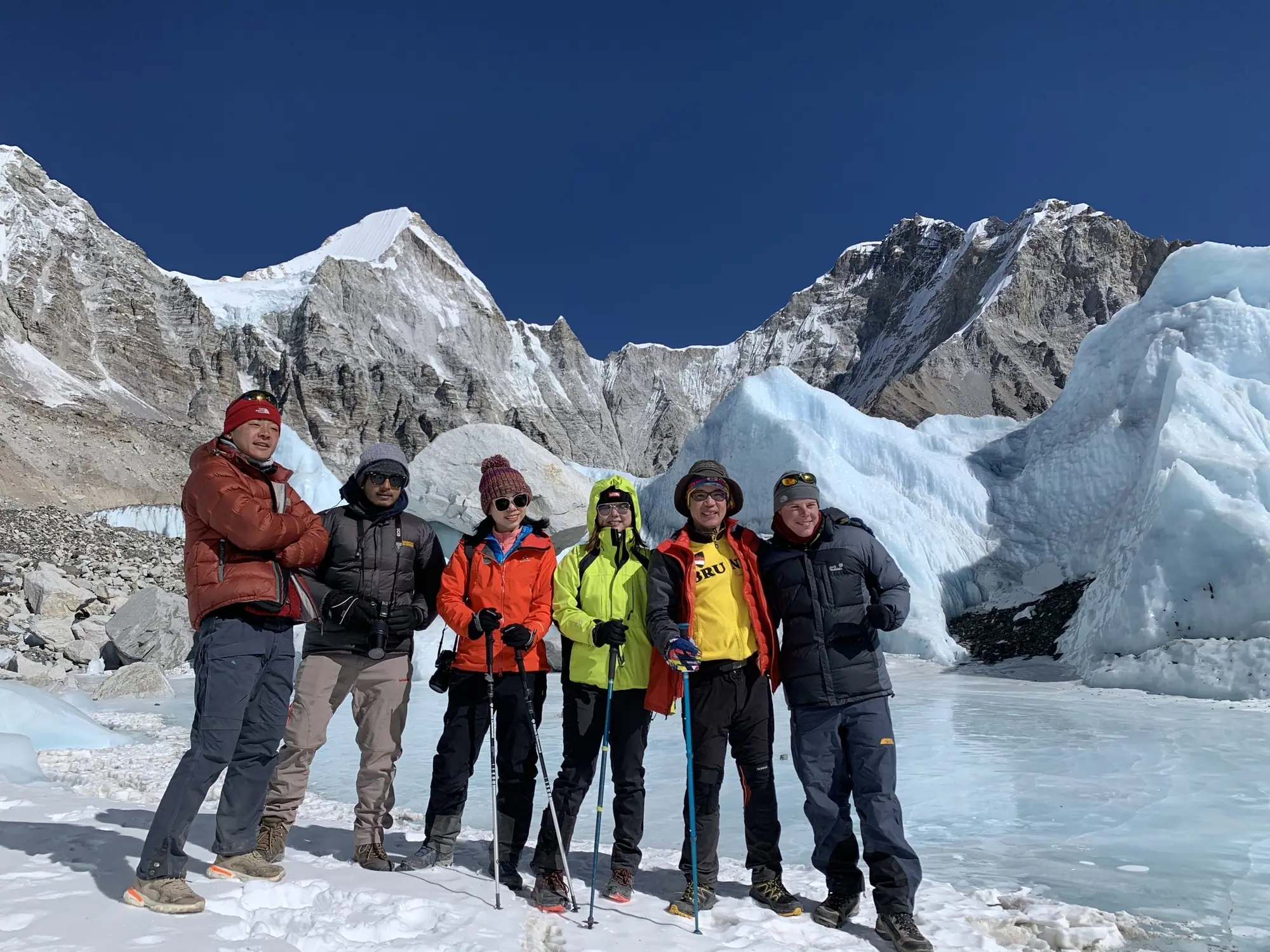
You’ll follow the classic route through the Khumbu Valley, starting with green forests and terraced hills. As you go higher, the landscape changes to rocky alpine paths and glaciers. Along the way, you’ll cross famous suspension bridges, see flowing rivers, and walk near the massive Khumbu Glacier. Important landmarks include Namche Bazaar (a lively mountain town),  Tengboche Monastery (a peaceful place with amazing mountain views), and memorial sites that honor climbers from the past. You will also pass through traditional Sherpa villages, offering a unique opportunity to experience the Nepali Sherpa culture and spirituality.

Per Person From

$1,260

14 Days

Experts for help

Ask our travel experts about customising this trip.
Build Your Custom Trip

Per Person From$1,26014 Days

Major Highlights of Everest Base Camp Trek

  • An adventurous trek to the foot of the world’s highest mountain, Mount Everest.
  • Explore the natural beauty and varying landscapes of the Everest region.
  • Get on a thrilling and scenic flight to Lukla, one of the world’s most dangerous airports.
  • Rest in beautiful Sherpa settlements like Namche Bazaar and visit ancient monasteries.
  • Take a short side excursion to Everest View Hotel and Dingboche viewpoint.
  • Hike on exquisite trails right through the heart of Sagarmatha National Park.
  • Ascend to the Everest Base Camp and hike to the Kala Patthar viewpoint.
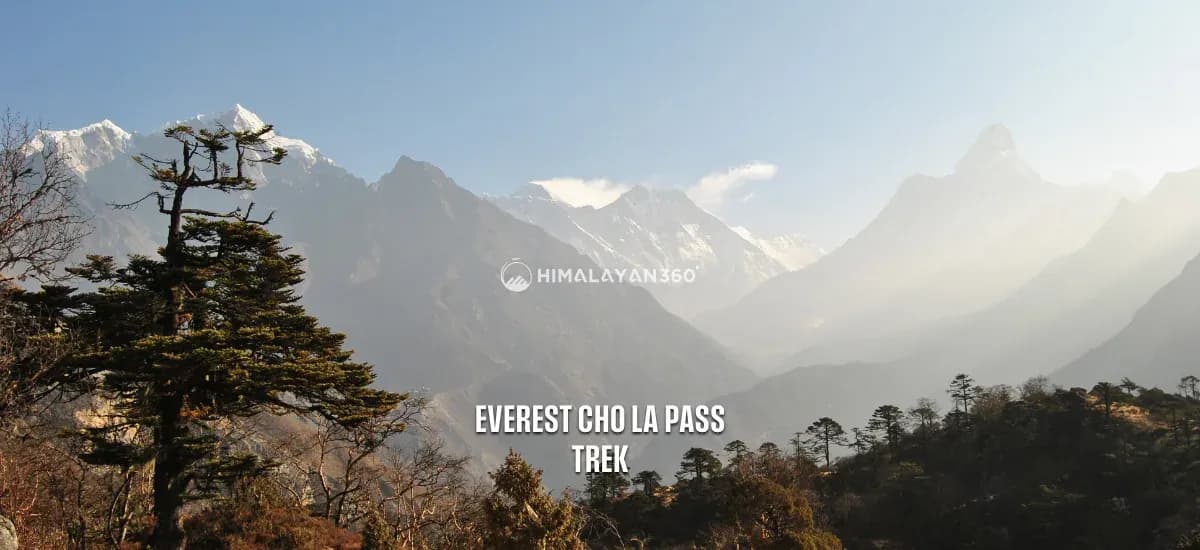
  • Witness the grand panoramic views of Mount Everest, Lhotse, Nuptse, Ama Dablam, Cho Oyu, Pumori, Thamserku, and other snow-capped peaks.
  • View the magnificent Khumbu Glacier, Nepal’s largest, and the Khumbu Icefall.
  • Stay at local family-run teahouses while immersing yourself in the warm hospitality of Sherpas.

Everest Base Camp Trek at a Glance

Distance, walking time and high point for each day
DayItineraryDistance / TimeAltitude
01Arrival At Tribhuvan International Airport In Kathmandu And Transfer To Hotel—1,400 m
02Fly To Lukla From Kathmandu Or to Ramechhap Airport And Then to Phakding7.3 km3 hrs2,860 m| Lukla
03Trek To Namche Bazaar From Phakding9.8 km6 hrs3,440 m| Namche
04Acclimatization Day At Namche. to Hotel Everest View4 km2 hrs3,860 m| Everest view hotel
05Trek To Tengboche From Namche Bazaar9.3 km6 hrs3,860 m| Tengboche
06Trek To Dingboche From Tengboche10.4 km6 hrs4,410 m| Dingboche
07Acclimatization Day. to Dingboche Viewpoint (5,083m / 16,676ft)3.82 km4 hrs5,083 m| Dingboche view Point
08Trek To Lobuche From Dingboche8.02 km5 hrs4,910 m| Lobuche
09Trek To Everest Base Camp And Then Back To Gorak Shep11.6 km7 hrs5,364 m| EBC
10Morning to Kala Patthar And to Pheriche13.24 km7 hrs5,545 m| Kalapatthar
11Trek Back To Namche Bazaar From Pheriche19.8 km7 hrs4,240 m| Pheriche
12Trek Back To Lukla From Namche Bazaar17.2 km7 hrs3,440 m| Namche
13Fly Back To Kathmandu/Manthali Airport And to Kathmandu—6 hrs2,860 m| Lukla
14Transfer To The International Airport For Your Final Departure——
On foot, across 14 trekking days114.5 km66 hrs5,545 m

Reviews from our Guests

From travellers who walked this exact itinerary.

★★★★★

Standing at base camp you can hear the glacier moving. It cracks and groans and every so often there is a sound like distant thunder from an avalanche somewhere. I had seen a hundred photos and none of them prepare you for the noise. The walk from Gorak Shep across the moraine is rough underfoot and takes longer than the distance suggests. Take your time and look around, because the icefall above camp is extraordinary.

SD
Scott DunlevyMay 2026
★★★★★

Do not skip the extra day at Namche. We hiked up to the Everest View Hotel and got our first proper look at Everest and Ama Dablam, then came back down to sleep lower. It helped. Namche is a surprisingly lively place with bakeries and gear shops, and after a few days on the trail it feels like a city. The climb up from Phakding to get there is steep and long, so pace yourself.

LB
Lukas BrennerApril 2026
★★★★★

Getting out of a sleeping bag at Gorak Shep in the dark is the hardest part of the whole trek. The climb up Kala Patthar is short but at 5,545 metres it feels endless. Then the sun comes up on Everest and nobody says anything for a while. Anjan had warned us it would be cold and he was not exaggerating, but he also made sure we had hot tea waiting when we got back down. Worth every difficult step.

EC
Erin CallaghanNovember 2025 · Guided by Anjan Bikram Thapa
★★★★★

We arrived at Tengboche in cloud and thought we had missed the view completely. The next morning it cleared and Ama Dablam was right there behind the monastery. We sat in on the morning prayers which was quiet and unhurried and one of my favourite memories of the trip. Ramkrishna explained what was happening without talking over it. The rest of the trek to base camp was harder than I expected but this was the day I remember most.

MK
Meera KrishnanOctober 2025 · Guided by Ramkrishna Mahato
★★★★★

I wanted to visit Nepal since 1985. I haven’t been since then because I moved to America. I planned a vacation to visit India and Nepal in 2023 and I came up with my Facebook friend, Rajendra Amjain, and asked him to organized my trip with my siblings to visit Kathmandu and Pokhara for a week. Through Himalayan 360, I was very pleased how he organized the hotel, plane tickets, and transportation. I was very happy and pleased with his service and now for 2025, I am planning an Everest Base Camp trip with Himalayan 360. I am looking forward to it since they are the best adventure trip organizer. If anyone wants to join, please contact Rajendra and his team for any tracking or adventure activities or a simple visit to see the country. Him and his team can be very helpful to make your vacation/trip very enjoyable and less stressful. I recommend everyone who wants to go to Nepal to get in touch with Himalayan 360 for their future adventures.

Verified purchase

CJ
Chaitanya JoshiAugust 2024
★★★★★

Expressing my trek experience to the Everest Base Camp is beyond words of comprehension. As we trekked through diverse landscapes, I was spellbound looking at the majesty of nature, and each step felt magical. The towering mountains, the gushing rivers, the dreamy sunrises and sunsets, the friendly people-literally everything made me feel alive and utterly complete. Nepal is a beautiful country, and I think the Nepali people make it more enchanting for tourists like us with their genuine warmth and hospitable nature. Overall, it was one of the best experiences of my life. Grateful to the team at Himalayan 360 for making this trip a success with your exceptional service and expertise.

Verified purchase

F
FlynnSeptember 2023 · Guided by Kumar Thapa
★★★★★

The Everest Base Camp Trek was an amazing experience for me. Our trek began at Lukla with our seasoned guides who had in-depth knowledge of the trail, coupled with a genuine passion for the Himalayas, which made every step of the trek both educational and inspiring. Himalayan 360's attention to detail, from comfortable teahouses to energizing meals tailored to sustain trekkers in the high-altitude environment, exceeded expectations. The fact that the safety of the trekkers was kept as the top priority, instilled confidence in us. Reaching the Everest Base Camp after days of trekking felt like a huge achievement. I wholeheartedly recommend Himalayan 360 to anyone seeking an exceptional and well-guided trekking experience to the Everest Base Camp.

Verified purchase

JH
Jackson HayesSeptember 2023 · Guided by Nabaraj
★★★★★

I did 14 days Everest Base camp trek with Himalayan360. They are outstanding ppl, well information, provide quality food during trek and guide chhiring is perfect guide for EBC.thank you team HIMALAYAN 360! 🙏1

Verified purchase

LD
link dipakAugust 2023

Everest Base Camp Trek Itinerary, Day by Day

Download this itinerary

Day 01: Arrival At Tribhuvan International Airport In Kathmandu And Transfer To Hotel

Day details
FactDetails
Highest Altitude:1,400M/4,593FT

On the first day, you will arrive at the Tribhuwan International Airport. Upon arrival at TIA, a representative from Himalayan 360 will welcome you with a Khaata ( traditional scarf). Then, they will transfer to your hotel, where you can freshen up.

Later in the day, we will hold a short meeting to introduce you to the guide, and he will give you a brief about the trek. If you have any questions, we’ll be happy to answer them. You’ll have spare time in the evening. So, you can stroll around the hotel area or go last-minute shopping for gear or essentials.

Day details
FactDetails
Meals:N/ A
Accommodation:3 Star Hotel

Day 02: Fly To Lukla From Kathmandu Or Drive To Ramechhap Airport And Then Trek To Phakding

Day details
FactDetails
Time:02:00-14:00
Trek Distance:7.3KM
Ascent:176M/ 577FT
Descend:389M/ 1,275FT
Trek Duration:3Hour
Flight Hours:35 mins flight from ktm or 5-6 hrs drive & 20 min flight from Manthali
Highest Altitude:2,860M/9,383FT | Lukla

You will have breakfast in your hotel, and our representative will take you to Tribhuvan International Airport, Kathmandu. It takes around 30 minutes to land at Lukla Airport. You can take Manthali Airport, Ramechhap, to avoid air traffic during peak season. However, you must drive to Ramechhap first, which will take 3 to 4 hours. The flight from Ramechhap to Lukla takes 20 minutes.

Upon reaching Lukla, you will meet your porter. Our trekking will begin from here onwards. It is a relatively short and easy trek to Phakding. We will walk alongside the Dudh Koshi River. There are a few ascending and descending sections, but nothing too demanding. We will stay overnight at a teahouse in Phakding.

Day details
FactDetails
Meals:Breakfast, Lunch and Dinner
Accommodation:Tea House or Lodge

Day 03: Trek To Namche Bazaar From Phakding

Day details
FactDetails
Time:08:00-16:00
Trek Distance:9.8KM
Ascent:1,090M/3,575FT
Descend:290M/951FT
Trek Duration:6Hour
Highest Altitude:3,440M/11,286FT| Namche

On day 3 of the Everest Base Camp trek itinerary, we will continue trekking alongside the northern bank of the Dudh Koshi River and enter a beautiful pine forest. As we slowly start to ascend, the beautiful mountain views start to become clearer. We will also cross the famous Hillary Suspension Bridge along the way. Then, we will reach the Sagarmatha National Park entrance in Monjo village. There is a checkpost at the entrance where we must show our permits.

After entering the national park area, we will start trekking through the dense forest trails. We will continue our uphill climb, crossing charming wooden bridges until we reach the point where the Dudh Koshi and Bhote Koshi rivers converge. From here, we will get the first view of Mount Everest, Lhotse, and Nuptse. Then, it takes another two hours of steep climbing to finally reach Namche Bazaar. It is the trading hub of the Everest region and is also famous as Sherpa Capital. Overnight at Namche.

Day details
FactDetails
Meals:Breakfast, Lunch and Dinner
Accommodation:Tea House or Lodge

Day 04: Acclimatization Day At Namche. Hike To Hotel Everest View

Day details
FactDetails
Time:08:00-13:00
Trek Distance:4km
Ascent:420M/1,378FT
Descend:420M/1,378FT
Trek Duration:2Hour
Highest Altitude:3,860M/12,664FT | Everest view hotel

Namche Bazaar is our first stop for a rest day. It sits at an altitude of 3,440 meters and is a perfect location for acclimatization. Acclimatizing helps your body adapt to the changing elevation. Despite it being a rest day, we must stay active. It enables our bodies to adjust to the changing altitude, temperature, and surroundings.

On this day, we will take a two-hour hike to Syangboche Hill towards Hotel Everest View. The Everest View Hotel has a great viewpoint and offers spectacular views of Mount Everest, Ama Dablam, and more. You can also enjoy lunch at the hotel while taking in the stunning panoramas. After the short excursion, we will descend to Namche Bazaar. You can explore the vibrant marketplaces and alleyways of the picturesque village.

Day details
FactDetails
Meals:Breakfast, Lunch and Dinner
Accommodation:Tea House or Lodge

Day 05: Trek To Tengboche From Namche Bazaar

Day details
FactDetails
Time:08:00-16:00
Trek Distance:9.3KM
Ascent:1035M/3,395FT
Descend:597M/1,958FT
Trek Duration:6Hour
Highest Altitude:3,860M/12,664FT | Tengboche

With a rest day at Namche Bazaar, we will head towards Tengboche on this day. Today’s trek enters the dense forest trails. There are not many steep climbs and descents, but it is demanding. En route, we can witness a variety of flora and fauna. The trail will slowly descend as we get closer to Phunki Tenga Village. It again starts to ascend as we approach Tengboche.

You will also start to see colorful prayer flags and mani walls. The Tengboche Monastery is a spiritual hub for the Buddhist people in the Khumbu region of Nepal. It is also a great viewpoint as it sits below the stunning Mount Ama Dablam. We will stay overnight at the village of Tengboche.

Day details
FactDetails
Meals:Breakfast, Lunch and Dinner
Accommodation:Tea House or Lodge

Day 06: Trek To Dingboche From Tengboche

Day details
FactDetails
Time:08:00-16:00
Trek Distance:10.4KM
Ascent:676M/2,217FT
Descend:229M/751FT
Trek Duration:6Hour
Highest Altitude:4,410M/14,468FT | Dingboche

On the sixth day of the Mt Everest Base Camp Trek, as usual, we will have a hearty breakfast while enjoying the spectacular mountain views. The trail from here goes through alpine woods and passes by several mani walls, prayer flags, and chortens. Similarly, we will cross traditional settlements like Pangboche, Shomare, Orsho, and Tsuro Wog. The trekking trail traverses Khumbila Khola Valley and slowly starts to follow Imja Khola.

As we continue forward, we can see mountains such as Ama Dablam, Taboche, Nuptse, Thamserku, Cholatse, and others. After trekking for around six hours, we will rise to Dingboche. Stone walls surround the windswept fields in the village. Dingboche is the last permanent settlement before the Everest Base Camp hike. We will rest for the night here.

Day details
FactDetails
Meals:Breakfast, Lunch and Dinner
Accommodation:Tea House or Lodge

Day 07: Acclimatization Day. Hike to Dingboche Viewpoint (5,083m / 16,676ft)

Day details
FactDetails
Time:08:00-13:00
Trek Distance:3.82KM
Ascent:673M/2,207FT
Descend:673M/2,207FT
Trek Duration:4Hour
Highest Altitude:5,083M/16,676FT | Dingboche view Point

We will take another acclimatization stop at Dingboche on our Everest Base Camp journey. On this day, we will take a short excursion to Dingboche’s viewpoint. The steep trails leading to the viewpoint are physically demanding, traversing rocky and rugged terrain. It takes around four hours to get there, but the challenging excursion is worth the effort.

We can see marvelous panoramas along with the picturesque landscapes down below. You will have time to explore around and take photographs before descending. In the evening, you can take a stroll around Dingboche village.

Day details
FactDetails
Meals:Breakfast, Lunch and Dinner
Accommodation:Tea House or Lodge

Day 08: Trek To Lobuche From Dingboche

Day details
FactDetails
Time:08:00-15:00
Trek Distance:8.02KM
Ascent:515M/1,689FT
Trek Duration:5Hour
Highest Altitude:4,910M/16,108FT | Lobuche

The trail begins to get challenging as you leave Dingboche village. First, we will climb uphill the ridge above Pheriche Village. Then, we will slowly start ascending a route alongside the lateral moraine of the Khumbu Glacier. The trail passes through Dughla Pass before ascending towards Chupki Lhara. From here, we will begin our steep climb to Thukla Pass, a rocky ascent. We will also come across many memorial stones with colorful prayer flags along the way. These stones are tributes to the mountaineers who lost their lives during the Mount Everest expedition.

Then, we will come across the path that connects the Gokyo Lakes and the Cho La Pass route. The trail from Thukla Pass is leveled, and the surrounding begins to change into the alpine desert. Then, we will reach Lobuche village. The Lobuche glacier ridge offers spectacular views of Everest Basecamp, Kala Patthar, Khumbu Glacier, and moraines. We will spend the night at a teahouse in Lobuche.

Day details
FactDetails
Meals:Breakfast, Lunch and Dinner
Accommodation:Tea House or Lodge

Day 09: Trek To Everest Base Camp And Then Back To Gorak Shep

Day details
FactDetails
Time:08:00-15:00
Trek Distance:11.6KM
Ascent:484M/1,588FT
Descend:243M/798FT
Trek Duration:7Hour
Highest Altitude:5,364M/17,598FT | EBC

We will begin our day early today. It is an important day as we will finally reach the base of the world’s highest peak, Mount Everest, at Everest Base Camp. For the first stage of our trek today, we will head towards Gorak Shep. We will continue trekking alongside the lateral moraine of Khumbu Glacier initially. Then, we will pass the pyramid signpost and head towards Thangma Riju. The trails ascend and descend as we reach Gorak Shep. We will take a short break and leave our luggage at a teahouse before starting our second phase of the trek.

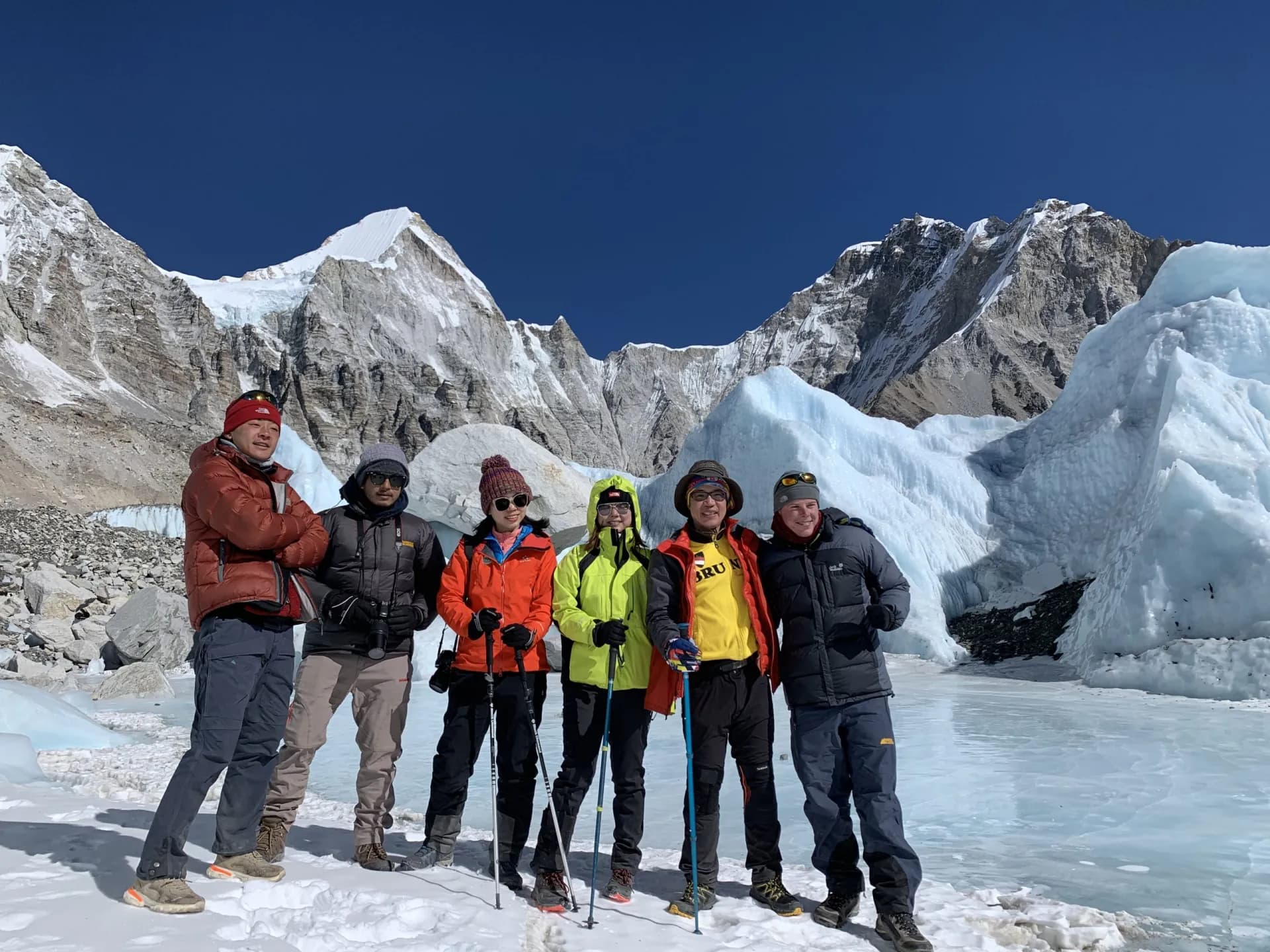
From Gorak Shep, we will begin a demanding climb to the EBC. En route, we can witness the iconic Khumbu Glacier and Khumbu Icefall. The EBC is the closest you will get to the mountain without summiting it. The grand mountain view that unfolds before you is surreal, to say the least. With a sense of achievement and fulfillment, we will return to Gorak Shep and stay there overnight.

Day details
FactDetails
Meals:Breakfast, Lunch and Dinner
Accommodation:Tea House or Lodge

Day 10: Morning Hike To Kala Patthar And Trek Back To Pheriche

Day details
FactDetails
Time:04:00-16:00
Trek Distance:13.24KM
Ascent:502M/1,647FT
Descend:1,409M/4,623FT
Trek Duration:7Hour
Highest Altitude:5,545M/18,192FT| Kalapatthar

We’ll be heading out for an early morning hike today. We will hike to the Kala Patthar vantage point to watch one of the most breathtaking sunrises. You can see the mountains like Everest, Lhotse, Nuptse, and others at ground level. The view of the sun’s first rays hitting the glistening peaks of the mountains is out of this world.

It is an extraordinary experience and a moment that will last you a lifetime. After the surreal view, we will head back to Gorak Shep. We will have our breakfast and start our descent. We will head back to Pheriche and spend the night there.

Day details
FactDetails
Meals:Breakfast, Lunch and Dinner
Accommodation:Tea House or Lodge

Day 11: Trek Back To Namche Bazaar From Pheriche

Day details
FactDetails
Time:08:00-16:00
Trek Distance:19.8KM
Ascent:677M/2,221FT
Descend:1,513M/4,964FT
Trek Duration:7Hour
Highest Altitude:4,240M/13,910FT | Pheriche

We will begin descending from Pheriche to Namche Bazaar, retracing our steps back to Namche Bazaar. We will once again trek past Dughla Pass and the Khumbu Khola Valley, passing by villages such as Orsho, Shomare, Pangboche, and others. Similarly, we will cross the Tengboche and the Tengboche Monastery before reaching the Namche Bazaar.

As you get closer to Namche Bazaar, the forests and greenery slowly return, bringing back a refreshing vibe to the trail. It’s a long day of walking, especially after the tough hike the day before.

Day details
FactDetails
Meals:Breakfast, Lunch and Dinner
Accommodation:Tea House or Lodge

Day 12: Trek Back To Lukla From Namche Bazaar

Day details
FactDetails
Time:08:00-16:00
Trek Distance:17.2KM
Ascent:672M/2,205FT
Descend:1,246M/4,088FT
Trek Duration:7Hour
Highest Altitude:3,440M/11,286FT | Namche

It is the final day of our Base Camp Everest trek. Today, we trek down steeply from Namche Bazaar to Lukla, retracing our steps on rocky and rugged terrain. Similarly, we will trek alongside the banks of the Dudh Koshi River and cross several suspension bridges. Then, we will exit the Sagarmatha National Park area and pass through dense rhododendrons, oaks, and fir forests. We will stay overnight at Lukla.

Day details
FactDetails
Meals:Breakfast, Lunch and Dinner
Accommodation:Tea House or Lodge

Day 13: Fly Back To Kathmandu/Manthali Airport And Drive Back To Kathmandu

Day details
FactDetails
Time:07:00-16:00
Travel Duration:5-6 hrs drive | 20 min flight from Manthali
Flight Hours:35 mins flight from ktm
Highest Altitude:2,860M/9,383FT | Lukla

Today will be the final day of the Everest Basecamp Trek. After breakfast, you will bid farewell to the Everest region and its breathtaking mountain panoramas. You will board a flight from Lukla to Kathmandu or Manthali Airport, Ramechhap to Kathmandu. You will have some time to explore and shop around. We will hold a farewell dinner in the evening and conclude our remarkable journey together.

Day details
FactDetails
Meals:Breakfast, and Dinner
Accommodation:3-Star Hotel

Day 14: Transfer To The International Airport For Your Final Departure

Our representative will assist you in transferring to Tribhuvan International Airport two hours prior to your scheduled flight time. We hope you had a wonderful time with us. Thank you for choosing Himalayan360 as your trusted tour company for your dream EBC trek in Nepal.

Day details
FactDetails
Meals:Breakfast

Everest Base Camp Trek Cost: Included and Excluded

Cost Includes

Cost Excludes

Transfer

  • Kathmandu – Lukla – kathmandu Flights
  • KTM-Ramechap-KTM sharing vehicles (if needed)
  • International flight
  • Extra transfer which is not mentioned in itinerary.

Accommodation & Food

  • 2 Night Kathmandu 3 start hotel (sharing basis BB plan)
  • 11 Night in mountain tea house lodge (sharing basis)
  • Food: 13 Breakfasts, 11 Lunches, 12 Dinners
  • Extra night accommodation in Kathmandu due to early arrival or late departure, or early return from the trek
  • Extra night during Trekking

Support

  • Government-licensed English-speaking local trek leader for 16 days
  • Porter to carry bags (2:1porter)

Permit & Insurance

  • Sagarmatha National Park entry permit fee
  • Khumbu Pasang Lhamu Rural Municipality fees
  • Travel insurance that covers emergency high-altitude rescue and evacuation (compulsory)

Others

  • Gov. and local tax and agency service charges
  • Free luggage storage services in Kathmandu
  • Appreciation Certificate after the successful trek
  • Free consulting services before & after trek book
  • Farewell dinner at the end of the trek
  • Trek leader for more than 12 trekker groups
  • Staff insurance, salary, equipment, food & clothing.
  • MEDICAL KIT: Comprehensive Medical kit.
  • Personal clothing and gear and Personal expenses: shopping, snacks, boild water, drinks, hot shower, alcohol, Wi-Fi, calls, battery charging, extra porters, etc.
  • Tips for staff (it is expected)
  • All other costs and expenses not listed in “including”
  • Additional cost: Additional costs incurred due to causes beyond our control, for example weather conditions, landslides, itinerary modifications, illness, government policies change, strikes, etc.

Route & Elevation

01k2k3k4k5k6kD1D2D3D4D5D6D7D8D9D10D11D12D13| Kalapatthar 5,545 m
Highest point reached on each day, plotted against distance walked. Metres on the left, day number along the bottom.

Everest Base Camp Trek Information

Everything to check before you book.

Grade
Strenuous
Max altitude
5,545M/18,192FT
Best months
Feb, March, April, May, June, Sep, Oct, Nov & Dec
Distance
114.48KM | 71Mile
Sleeps in
Tea house
Daily activity
Trekking in Nepal

Plan your trek

Cost & permits

From $1,260 per person

The price is per person and drops as your group grows.

Group sizePrice per person
1 person$1,815
2 to 3 people$1,455
4 to 6 people$1,340
7 to 12 people$1,320
13 to 20 people$1,290
21 to 30 people$1,260

Included

  • Sagarmatha National Park entry permit fee
  • Khumbu Pasang Lhamu Rural Municipality fees

Not included

  • Travel insurance that covers emergency high-altitude rescue and evacuation (compulsory)

Everest Base Camp Trek Cost in 2026

The standard cost of the Everest Base Camp Trek package ranges from USD 1200 to USD 1800 per person. However, the price can vary depending on various factors such as trek duration, season, number of people in your group, and services. The standard trek package includes services like transportation, accommodation, meals, permits, guides, and porter fees. The cost will increase if you add more services or customize the EBC Trek package.

Take a look at the Himalayan 360’s Everest Base Camp Trek package cost:

No. of person in a groupCost per person
1USD 1,815
2 – 3USD 1,455
4 – 6USD 1,340
7 -12USD 1,320
13 – 20USD 1,290
21 – 30USD 1,260

Note: The packages do not include personal charges during the trek, like hot water/ shower, internet/ WiFi, phone calls, charging for electronic devices, soft drinks, etc.

Essentials Permits For 14 days Everest Base Camp Trek

You will require the following trek permits for Everest Base Camp:

Khumbu Pasang Lhamu Rural Municipality Entrance Permit

The Khumbu Pasang Lhamu Rural Municipality Entrance Permit is a local permit necessary for the Everest Base Camp Trek. It is a newly introduced permit that replaced the TIMS (Trekkers Information Management System) card on October 1, 2018. You can obtain the permit from the Nepal Tourism Board Office in Kathmandu or the Lukla or Monjo checkpost. 

  • The Khumbu Pasang Lhamu Rural Municipality Entrance Permit costs NPR 2000 per person for the first four weeks for SAARC and non-SAARC residents. After four weeks, the cost rises to NPR 2500 per person.

Sagarmatha National Park Entry Permit

The trekking trails of Everest Base Camp go through Sagarmatha National Park. The national park is a UNESCO World Heritage Site and is a habitat for various endangered and rare species. It is also a government-protected area. Hence, all trekkers must obtain an entry permit to enter the region. You can obtain the permit from the Nepal Tourism Board in Kathmandu or the Sagarmatha National Park Entry Gate in Monjo.

  • The permit cost for SAARC residents is NPR 1500 per person.
  • The permit cost for non-SAARC residents is NPR 3000 per person.

**Note:**Children under the age of ten are eligible for free entry.

Is Everest Base Camp Trek Safe For Beginner?

Of course, yes! Beginners can participate in the Everest Base Camp Trek. It is a moderate trek requiring no prior experience or technical skills. Trekkers must be healthy and have good physical fitness. It is a high-altitude journey that requires proper physical and mental preparation. They must also be prepared for other unforeseen challenges during the trek.

During the Everest Base Camp Trek, beginners must be able to climb steep trails uphill and downhill on varied terrains. The average walking time per day is 5 to 6 hours. Likewise, the highest point of the trek is above 5,000 meters. Hence, it is physically demanding and mentally stressful.

There are several ways beginners can prepare for the journey. They can undertake exercises and training that boost their stamina and endurance. It is best to undertake the exercises and training 2 to 3 months prior to the journey. With proper preparation, beginners can complete the trek successfully and enhance their experience of the EBC Trek.

Preparation for 14 Days Everest Base Camp Trek

The moderate trails of Everest Base Camp Trek require adequate physical and mental preparation. During the trek, you must ascend and descend on varied terrains for 5 to 6 hours a day. It is physically demanding and causes overexertion. Hence, you must be reasonably fit to join the trek. The best way to prepare yourself physically is to undertake exercises and training that build your strength, endurance, and stamina.

Cardiovascular, strength-building, and endurance-building exercises are best for EBC Trek preparation. Running, jogging, brisk walking, cycling, and swimming are especially beneficial. Other exercises, such as push-ups, pull-ups, squats, planks, lunges, deadlifts, bench presses, etc., are also great workouts. Similarly, you can take altitude stimulation training to get used to the high elevation. You can also join a gym and hire a fitness trainer.

Start with mild exercises and slowly increase the intensity for the best result. Yoga and meditation are also helpful for mental preparation. Adequate research, familiarizing with the route, and understanding the challenges allow trekkers to build the mental resilience necessary for the journey. The trekking route goes through remote and rural areas of Eastern regions. The lack of facilities and challenges can stress you out easily. So, physical and mental preparation is a must for Everest Base Camp Trek.

Is Everest Base Camp Trek Challenging?

Everest Base Camp is a moderate trek but gets challenging as you ascend to higher altitudes. The trekking trails have numerous steep sections that are physically strenuous. Similarly, the average trekking hours each day is 5 to 6 hours. En route, you will cross several suspension bridges, slopes, and narrow sections on rocky and rough terrains. During the 14 days of the Everest Base Camp Trek, you will cover the 130 km distance from Lukla to the base camp and return. 

In addition to the challenging terrain, the high altitude also makes the EBC Trek a strenuous journey. The weather starts to become more unpredictable and changes rapidly. The oxygen level in the atmosphere also begins to get thinner. As a result, many trekkers start experiencing the symptoms of altitude sickness. The symptoms can range from mild to severe and can even turn fatal without proper medical assistance. It is crucial for trekkers to acclimate to mitigate the risks.

The challenges of the Everest Base Camp trek route will test your physical and mental limitations. The remote location, lack of infrastructure, and demanding trek all contribute to its difficulty. Therefore, trekkers must understand the challenges to prepare themselves for the journey better.

Best time to go

Feb, March, April, May, June, Sep, Oct, Nov & Dec

Nepal experiences four seasons annually, each with its own special features. Here is a brief on each season for EBC Trek:

Spring (March to May)

Spring, with bright and sunny weather conditions, is one of the best times for Everest Base Camp Trek. The daylight is longer, and the temperature is moderate at this time. The weather remains cold in early spring, and there is light snowfall at higher altitude regions. But it gradually becomes warmer. The average daytime temperature in spring is 15 degrees Celsius. Meanwhile, the nighttime temperature can drop to -1 degrees Celsius. The precipitation level is low except for occasional rain showers. As a result, the visibility is brilliant. Moreover, it is an active time for flora and fauna. The rhododendron-adorned trails are in full bloom, and there is likely a chance for you to witness rare wildlives during the trek.

Summer (June to August)

With the beginning of the summer, monsoon season also enter the country. It brings heavy rain clouds and rainfall in the hilly regions. The heavy rain can cause floods, landslides, and mudslides. Similarly, the forest trails are wet, muddy, and infested with leeches and mosquitoes. The average daytime temperature in the Everest region is 22 degrees Celsius. It is hot and humid during this time, so trekking is uncomfortable. The nighttime temperature can drop to 4 degrees Celsius. Summer is not a suitable time for EBC Trek. The poor visibility also causes frequent flight delays and cancellations. It is best to avoid trekking during this season.

Autumn (September to November)

Autumn is the peak season for trekking, including Everest Base Camp. It is the best time to trek to Everest. The season has the most stable and favorable weather conditions. The temperature is mild, neither too hot nor too cold. The air is crisp, while the sky is clear with excellent visibility. You can enjoy the best views and sceneries during this time of the year. The average daytime temperature is around 17 degrees Celsius. Similarly, the nighttime temperature can drop to -8 degrees Celsius. The autumn foliage also adds to the beauty of the landscapes along the trail. There is little or no obstruction of visibility during autumn. Hence, most trekkers prefer to trek at this time. Accommodations can get fully packed, so it is best to book in advance.

Winter (December to February)

With the beginning of the winter season, it begins to snow in the higher-altitude regions. The days are usually warm, but the temperature plunges at night. The average daytime temperature at higher altitude regions is -5 degrees Celsius, which drops below -15 degrees Celsius at night. As the season progresses, heavy snowfall and blizzards are in high-altitude areas. The snow can even block the high mountain passes. Due to the freezing temperature and harsh weather conditions, trekking in winter is not recommended. However, many seasoned and experienced trekkers choose this season for adventurous trekking. It requires meticulous preparation and the right gear for trek to EBC in winter.

On the trail

Lukla Flights from Kathmandu

Flying to Lukla is the most common way of starting the Everest Base Camp Trek. You can fly from Tribhuvan International Airport’s domestic terminal in Kathmandu, but if you want to avoid air traffic, you can consider flying from Manthali Airport, Ramechhap. You must first take a four-hour drive from Kathmandu to Ramechhap. The flight from Kathmandu takes 30 minutes, while it takes 20 minutes to fly from Ramechhap to Lukla.

Yeti, Tara, and Buddha are the most popular airlines that provide regular flights to Lukla. They have Twin Otter model aircraft and a weight limitation of 15 kg (5 kg for hang carry and 10 kg for luggage). In cases of excess weight, airlines will charge an additional USD 1 per kg.

You will land at Tenzing Hillary Airport, Lukla, at an altitude of 2,860 meters. It is one of the world’s most dangerous airports, with a short, sloped runway. Tall mountains surround the airport, which makes the touchdown more thrilling. The weather at Lukla is also notorious for being unpredictable. Frequent fog, high winds, and rain cause poor visibility, leading to flight delays and cancellations. Therefore, only experienced pilots are certified to fly to Lukla.

Accommodations and Meals During Everest Base Camp Trek

The Everest region lies in the rural eastern part of the country. As a result, the region lacks proper facilities and infrastructure. Thus, the options for accommodations are limited than in urban areas like Kathmandu. You will mostly find teahouses, lodges, and guesthouses along the Everest Base Camp Trek route. There are a few luxurious stays at Lukla and Namche Bazaar, but they are expensive, and the services may not be up to par.

The locals usually run these accommodations. The rooms are primarily on a sharing basis with communal bathrooms and dining halls. They provide beds, blankets, and pillows for their guests. Single rooms with attached bathrooms are rare. However, they may be available in villages like Lukla and Namche. The higher you go, the more basic and limited the facilities become. You will have to pay additional charges for services like hot water/ showers, internet, phone calls, and charging for electronic devices. 

Meal options during the Everest Base Camp Trek are also limited. The teahouses and lodges provide the meals for their guest according to the package. You can also find small eateries and restaurants en route. Dal Bhat, the staple Nepalese cuisine, is the most widely available meal. The high-carb and protein-rich diet consists of rice, lentil soup, vegetables, curries, pickles, and salad. You can also find Western and continental cuisines. The most common meal options such as eggs, porridge, cornflakes, oats, bread (Tibetan/ Indian), momo (dumpling), chowmein, thukpa, sandwiches, soup, Sherpa Stew, thenduk, pasta, spaghetti, french fries, curries, spaghetti, etc. Tea (black, milk, green), coffee, soft drinks, bottled water, and alcoholic beverages are also available during EBC Trek.

Direct flight to Everest Base Camp using a helicopter

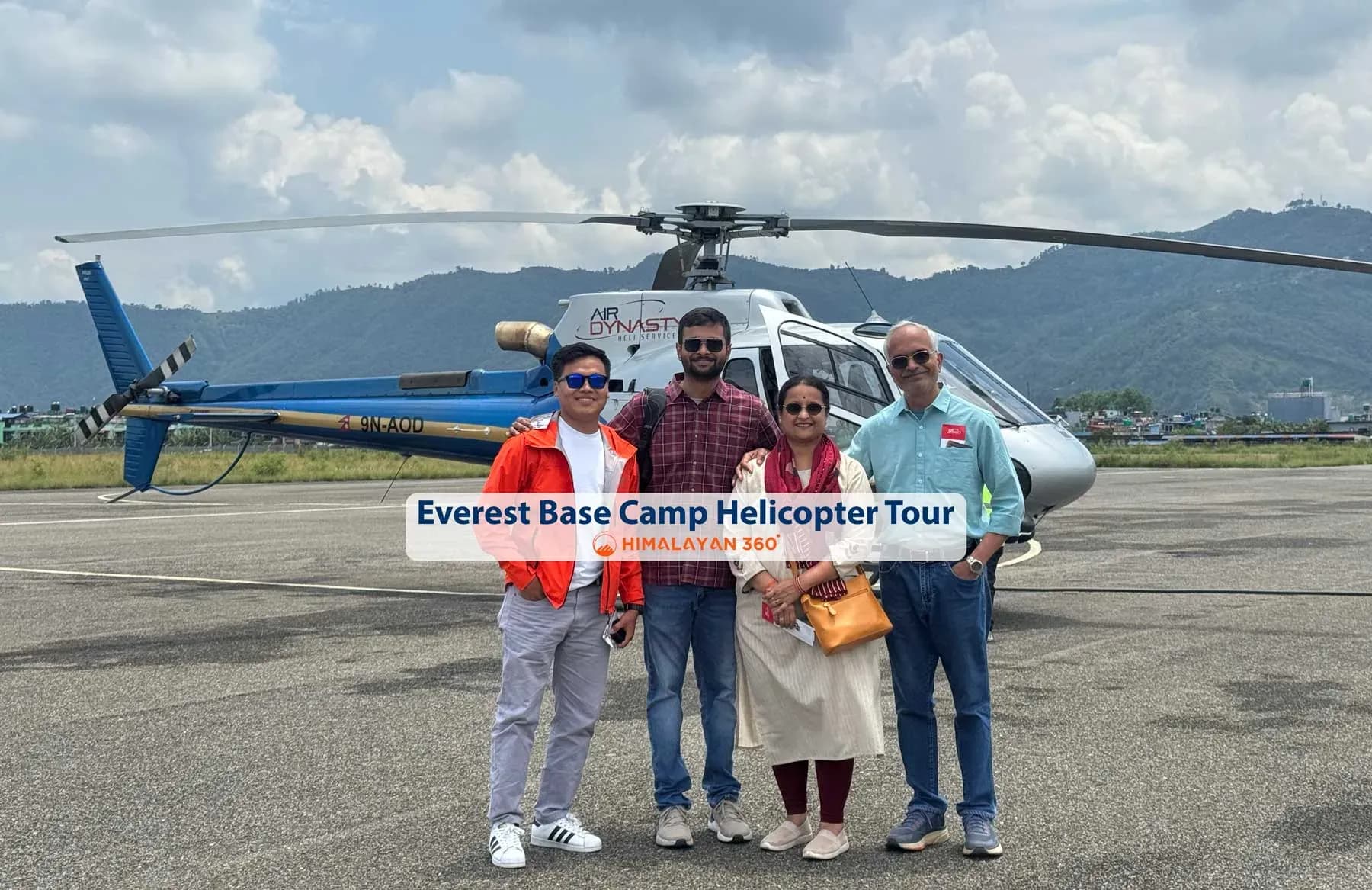
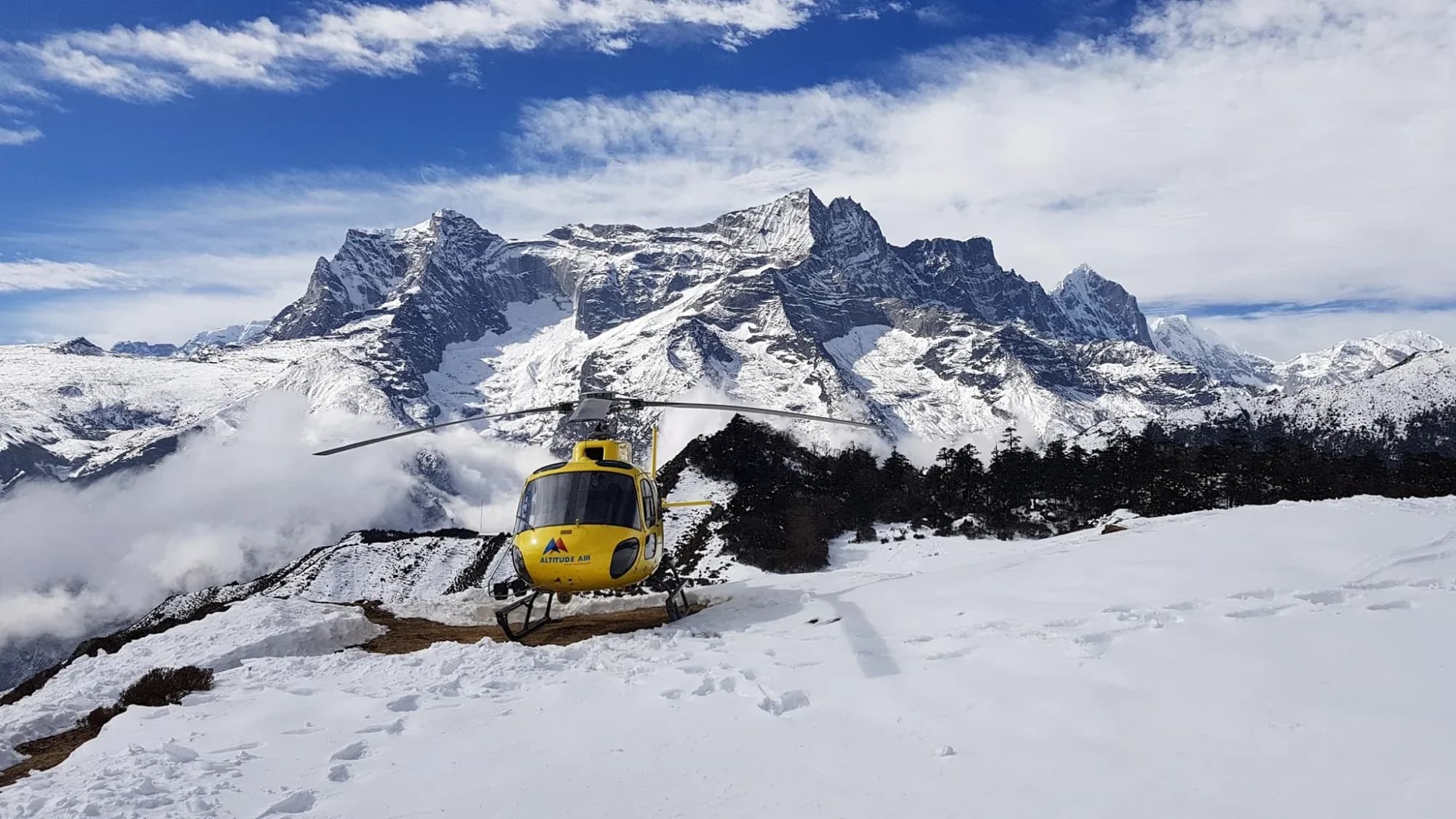
Those who do not have the time or physical ability to trek to the Everest Base Camp can take a direct flight using a helicopter. It is a luxurious and convenient way of getting to the Mount Everest base camp. Many tour operators provide a one-day Everest Base Camp Helicopter Tour, where travelers can get there and return within 6 to 7 hours. It is a thrilling ride that offers a unique chance to fly over the picturesque landscapes of the Everest region, Everest Base Camp, and Kala Patthar. It allows you to witness the sceneries and the mountain panoramas from a bird’s eye view. Anyone can travel to the Everest Base Camp using a helicopter and experience the surreal moment. Check out Himalayan 360’s Everest Base Camp Helicopter Tour for more information!

Major Attractions of 14 Days Everest Base Camp Trek

Classic Adventurous Trails

The trekking trails of Everest Base Camp follow the route that Sir Edmund Hillary and Tenzing Norgay Sherpa took to summit Everest in 1953. Many trekkers join the trek to follow in their footsteps and feel the adventure. Everest Expeditions teams also take this trek route to Everest Base Camp. You will take a flight from Kathmandu to Lukla’s Tenzing Hillary Airport. Then, you will start your trek from here. The scenic trails go through forest trails, rivers, valleys, settlements, suspension bridges, glaciers, and waterfalls. The challenges during the journey further make the trek a perfect trip for adventurers, nature lovers, and photographers.

Sagarmatha National Park

The classic trekking trails of Everest Base Camp go through the dense subtropical forests to highland meadows within the Sagarmatha National Park. The national park covers an area of 1,148 sq. km and an altitude from 2,845 to 8,848 meters. The trekking trails from the Sagarmatha National Park entrance in Monjo to Everest Base Camp and Mt Everest all lie within the national park. Hence, you will trek within the national park. It is a great opportunity to witness the diverse Himalayan flora and fauna of the Everest region. You will get to immerse yourself in the serene and raw nature.

Vibrant Sherpa Villages

En route to the Everest Base Camp, you will traverse small, picturesque villages and settlements. The majority of the residents living in this high-altitude region belong to Sherpa communities. You will stay at local teahouses and lodges during your journey. One of the famous Sherpa villages along the trekking route is the Namche Bazaar. It is the trading hub and Sherpa capital of the Everest region. While exploring, you can see traditional houses with small alleyways, bustling markets with colorful goods, and residents in their traditional attire. Similarly, you can visit museums and monasteries to gain deeper insight into the region’s culture, traditions, and history.

Panoramic Mountain Vistas

Many trekkers join the Everest Base Camp Trek for the panoramic mountain views. The trek allows you to witness Mount Everest from a close and personal view. The base camp lies at the foothill of Everest, the gateway to the summit of the world’s highest mountain. Along with Mount Everest, you can witness other surrounding peaks. Similarly, the Kala Patthar viewpoint, which is slightly higher elevation than the Everest Base Camp, offers astounding panoramic mountain views of Everest, Lhotse, Nuptse, Cho Oyu, Ama Dablam, Pumori, and many more. These mountains will also keep you company throughout your trek journey.

Khumbu Glacier & Khumbu Icefall

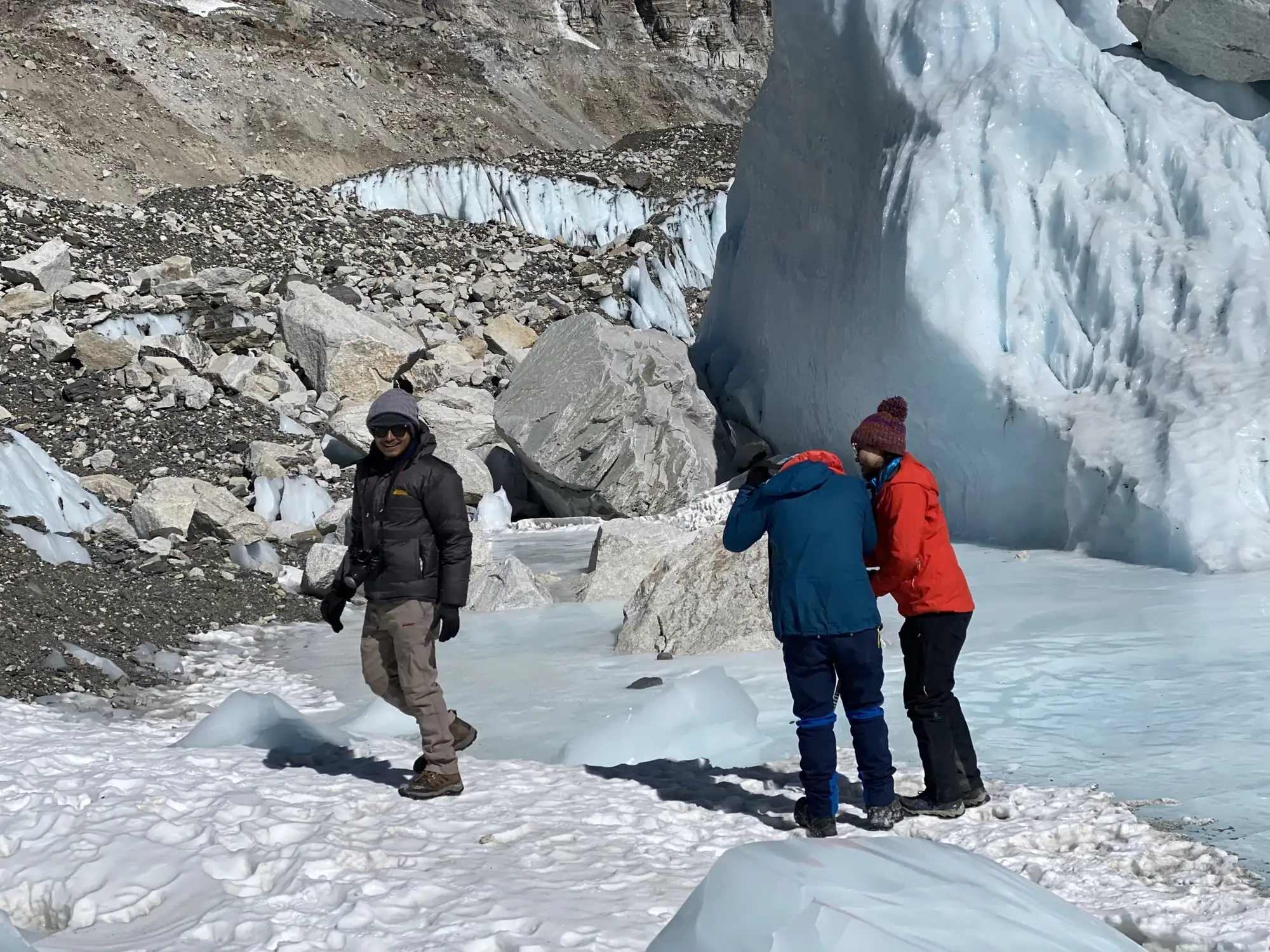
The unique and diverse landscapes of the Everest region attract thousands of trekkers, nature lovers, and photographers. The iconic Khumbu Glacier and Khumbu Icefall are significant landmarks of the Everest Base Camp Trek. Both lie en route to the base camp, so you can witness their breathtaking views. The Khumbu Glacier is one of the world’s highest glaciers, extending from an altitude of 4,900 meters to 7,600 meters. It is a massive glacier surrounded by Nuptse and Lhotse. Similarly, the Khumbu Icefall lies just above the Everest Base Camp at 5,486 meters. The glacier descends here and creates a massive ice-block field. The icy terrain and white surroundings are truly a sight to behold!
Distance From Kathmandu to Everest Base Camp

Kathmandu is approximately 300 km away from Everest Base Camp. The most common way of accessing Everest Base Camp is by flight from Kathmandu to Lukla. It is a 30-minute scenic and thrilling flight. The new alternative is to take a flight from Manthali Airport, Ramechhap. It takes a 3 to 4-hour drive from Kathmandu to reach Ramechhap. Likewise, you can also take a roadway, but it takes longer to complete the trek.

After arriving at Lukla, you will begin your trek to the Everest Base Camp. The distance from Lukla to the base camp is 65 km one-way. It takes a few days of trekking to reach Everest Base Camp. The average walking distance is around 7 to 12 km per day, depending on the destination. Similarly, you will gain around 500 meters altitude each day. As Everest Base Camp is a high-altitude trek, it is best to take acclimatization stops, especially for beginners, to minimize the risk of altitude sickness.

Gorak Shep: The Last Settlement Before Everest Base Camp

Gorak Shep sits at 5,164 meters and is the last settlement on the Everest Base Camp trail. It is the highest place most trekkers sleep on the route, one stage above Lobuche (4,910 meters), in the Solukhumbu district of the Khumbu region. The village is a handful of teahouses on the flat, sandy bed of an old glacial lake, pinched between the Khumbu Glacier and the slopes of Kala Patthar and Pumori. There is no road and no airstrip, so everyone who arrives has walked in from Lukla.

Days 9 and 10 of this itinerary both run from here. Everest Base Camp (5,364 meters) is about 3 km further on, a 2 to 3 hour walk each way along the rocky edge of the Khumbu Glacier, which is why groups leave their packs at a teahouse and continue the same afternoon. Kala Patthar (5,545 meters) starts from the village itself and takes around 3 hours uphill. Trekkers set off before dawn for the sunrise, and morning temperatures up there can fall below -20 degrees Celsius.

Gorak Shep was the original Everest Base Camp in the 1950s, before expeditions moved their camp closer to the Khumbu Icefall. The camp you walk to now is a seasonal tent city on the moraine with no lodges at all, so the beds are in the old base camp and the goal is the current one.

Facilities are basic. Rooms are simple and most sleep 2 to 3 people, and meals cost roughly USD 1 to 2 more than at Lukla or Namche Bazaar because everything is carried up. There is no shop, bank, pharmacy or health post, and the nearest permanent aid post is well below at Pheriche. This is also the highest night of the trek, so report a headache, nausea or broken sleep to your guide rather than waiting to see how you feel in the morning.

What Is Sagarmatha National Park?

Sagarmatha National Park is the protected area the whole Everest Base Camp route runs through. It covers 1,148 sq km of the Khumbu region in Solukhumbu district, northeastern Nepal, and runs north to the Tibetan border. Sagarmatha is the Nepali name for Everest, from sagar (sky) and matha (head), so the name reads as Forehead of the Sky. The Tibetan name for the same mountain is Chomolungma, Goddess Mother of the World.

The park was established on 19 July 1976 and inscribed as a UNESCO World Heritage Site in 1979. Along with Everest (8,848.86 m) it holds Lhotse (8,516 m), Cho Oyu, Nuptse (7,861 m) and Ama Dablam (6,812 m), the 17 km Khumbu Glacier and the 36 km Ngozumpa Glacier, which is the longest in Nepal. It is also an Important Bird Area, with more than 200 bird species, at least 26 mammal species and 865 plant species. Snow leopard, red panda, Himalayan tahr, musk deer and Himalayan black bear all live here, and the monal, blood pheasant and bearded vulture are the birds you can realistically see from the trail.

The Department of National Parks and Wildlife Conservation manages it, and the Nepal Army staffs the posts inside the park and checks permits at the gate above Lukla. The Sherpa villages on the route, Namche Bazaar, Khumjung, Thame and Phortse, sit inside the boundary rather than outside it. Their land is handled under buffer zone management, and a share of park revenue returns to local user groups.

You enter at the checkpost in Monjo on day 3 and leave the park again on the way down to Lukla. Entry costs NPR 100 for Nepali citizens, NPR 1,500 for SAARC nationals and NPR 3,000 for other foreign nationals, and the fee is included in this trip. Children under ten enter free.

Weigh it up

How Everest Base Camp Trek compares with the trips people most often weigh it against.

This trip compared with the alternatives
TripDays / DistanceDifficultyFrom
Everest Base Camp Trekthis trip14 days114.48 kmStrenuous$1,260
Kanchenjunga South Base Camp Trek14 days103 kmChallenging$1,899
Manaslu Circuit Trek14 days143.7 kmStrenuous$920
13 Days Manaslu Circuit Trek13 days160.5 kmStrenuous$890
15 days Tsum Valley Trek15 days147.2 kmMedium$965

Is Everest Base Camp Trek Better than Annapurna Base Camp Trek? ( EBC Vs ABC )

The Everest Base Camp and the Annapurna Base Camp are two of the most popular trek destinations in Nepal. While many trekkers consider Everest Base Camp the best, some prefer Annapurna Base Camp Trek. So, which one is better?

Both Everest Base Camp and Annapurna Base Camp are high-altitude treks with moderate grades. It takes 12 to 14 days to complete the Everest Base Camp Trek and 7 to 12 days to do Annapurna Base Camp Trek. Another vital difference between the two is that the highest point of EBC is slightly higher at 5,364 meters, while ABC is at 4,130 meters. Both treks are physically demanding, but Everest Base Camp is slightly more strenuous than the Annapurna Base Camp.

Each trek has its unique features and offers breathtaking panoramic views. The Annapurna Base Camp lies northwest of Pokhara. You will begin trekking from Nayapul and enter the Annapurna Conservation Area. The gorgeous panoramas of Annapurna massif, Machhapuchhre (Fishtail), Dhaulagiri, Himchuli, and others are visible from ABC. It also offers a glimpse of Gurung and Magar culture. Meanwhile, the Everest Base Camp lies in the eastern region. You will fly to Lukla and trek within the Sagarmatha National Park. The trek offers panoramas of Everest, Lhotse, Nuptse, Cho Oyu, and more. You will immerse yourself in the Sherpa culture during the EBC Trek.

As you can see, both Everest Base Camp and Annapurna Base Camp are unique and adventurous treks. Whichever you choose, you are guaranteed to get a rewarding experience. The EBC Trek is comparatively more demanding and takes longer days than ABC. Meanwhile, ABC is more easily accessible than EBC. So, depending on your preferences and needs, you can choose the one that best suits you.

Departure Dates

Every departure below runs 14 days and costs $1,260 per person.

13 departures in 2026.

October 20265 departures

  • Sat17OctFri30Octnext departure

    Booking Open· Group of 12

  • Tue20OctMon2Nov

    Booking Open· Group of 12

  • Sat24OctFri6Nov

    Booking Open· Group of 12

  • Tue27OctMon9Nov

    Booking Open· Group of 12

  • Sat31OctFri13Nov

    Booking Open· Group of 12

November 20268 departures

  • Thu5NovWed18Nov

    Booking Open· Group of 16

  • Sat7NovFri20Nov

    Booking Open· Group of 16

  • Thu12NovWed25Nov

    Booking Open· Group of 16

  • Sat14NovFri27Nov

    Booking Open· Group of 16

  • Thu19NovWed2Dec

    Booking Open· Group of 16

  • Sat21NovFri4Dec

    Booking Open· Group of 16

  • Thu26NovWed9Dec

    Booking Open· Group of 16

  • Sat28NovFri11Dec

    Booking Open· Group of 16

FAQs for Everest Base Camp Trek

More trips like Everest Base Camp Trek

$1,260 per person

Himalayan360Everything there is to do in the Himalayas

  • AdventureTrek the Himalayas, fly over them at sunrise, land at base camp, drift across the lake at Pokhara
  • CulturalLearn Kathmandu’s temples, eat your way through the city, sit at a festival in Bhutan
  • SpiritualRoll out a yoga mat on the trail, walk to Muktinath, cross Tibet to Kailash

Every path, Himalayan360 has you covered.

Trekkers at Everest Base CampTrek
A helicopter landed on the snow above GokyoBy air
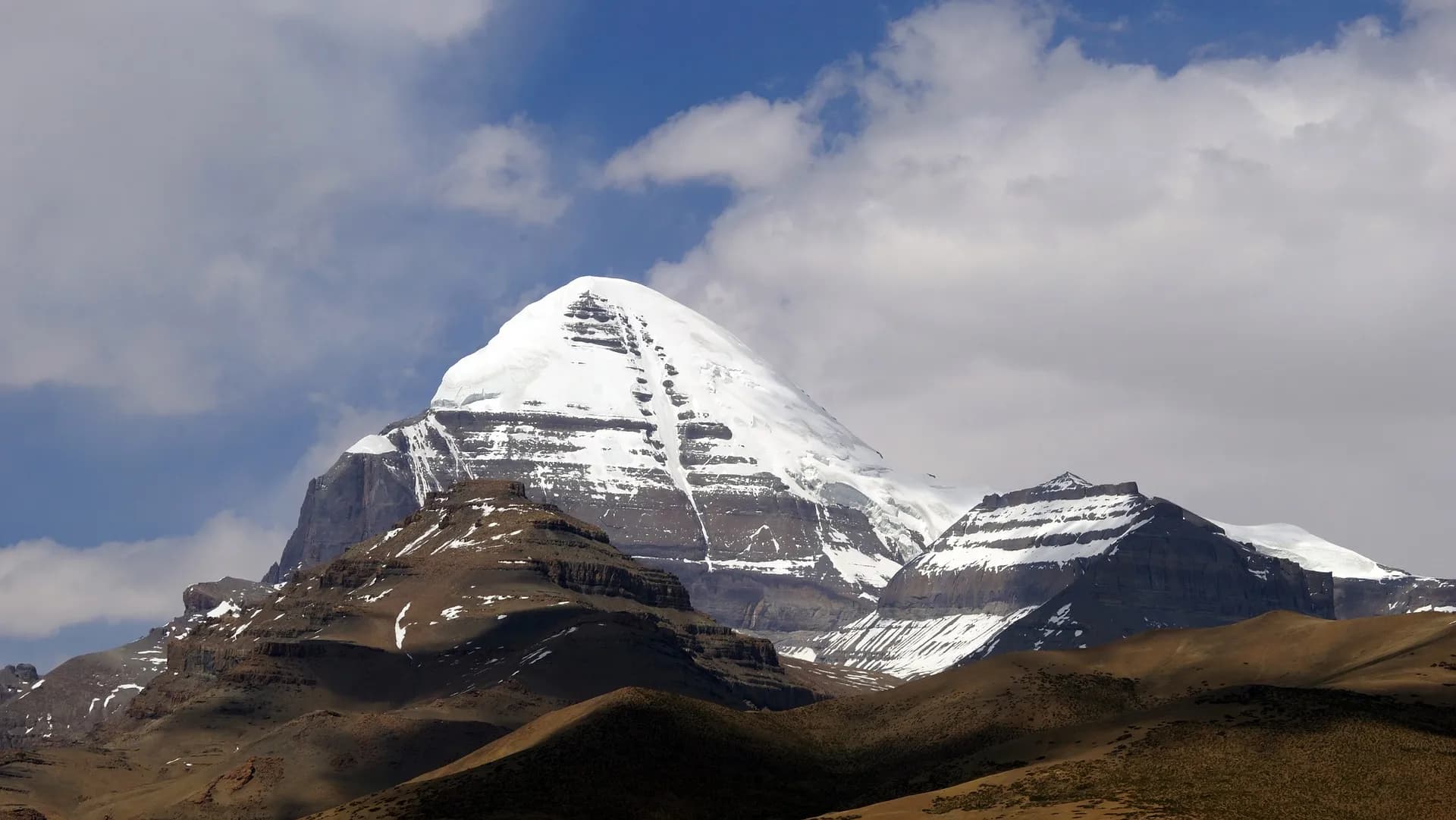
Mount Kailash, the goal of the Mansarovar yatraPilgrimage
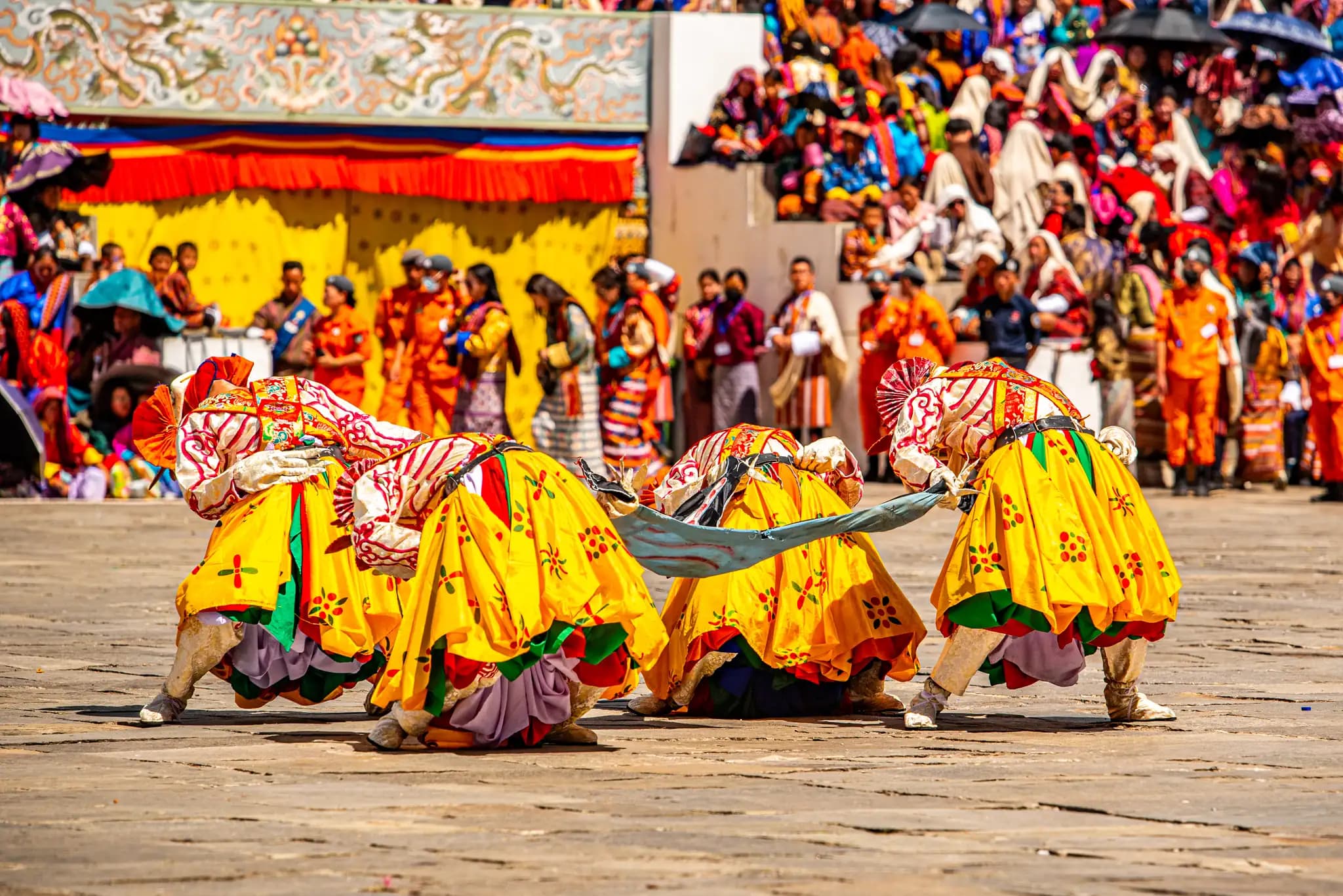
Dancers in costume at the Paro Tshechu festival in BhutanFestivals
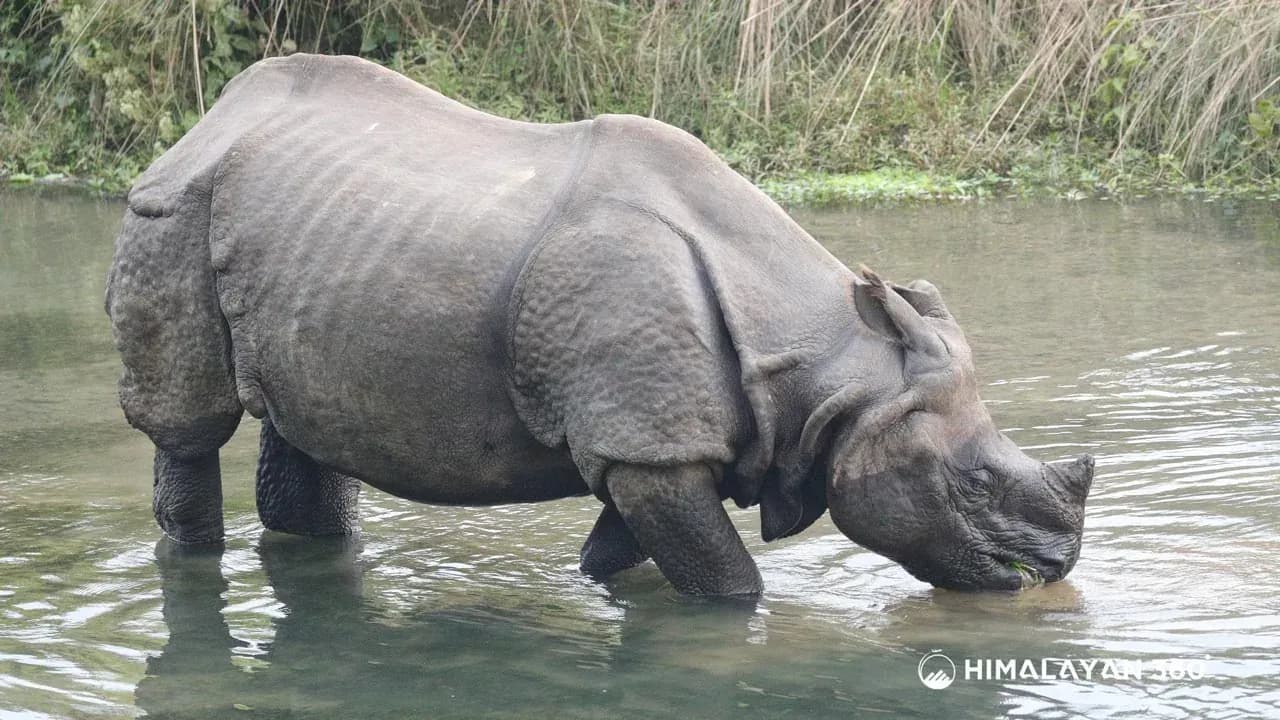
A one-horned rhino in Chitwan National ParkWildlife
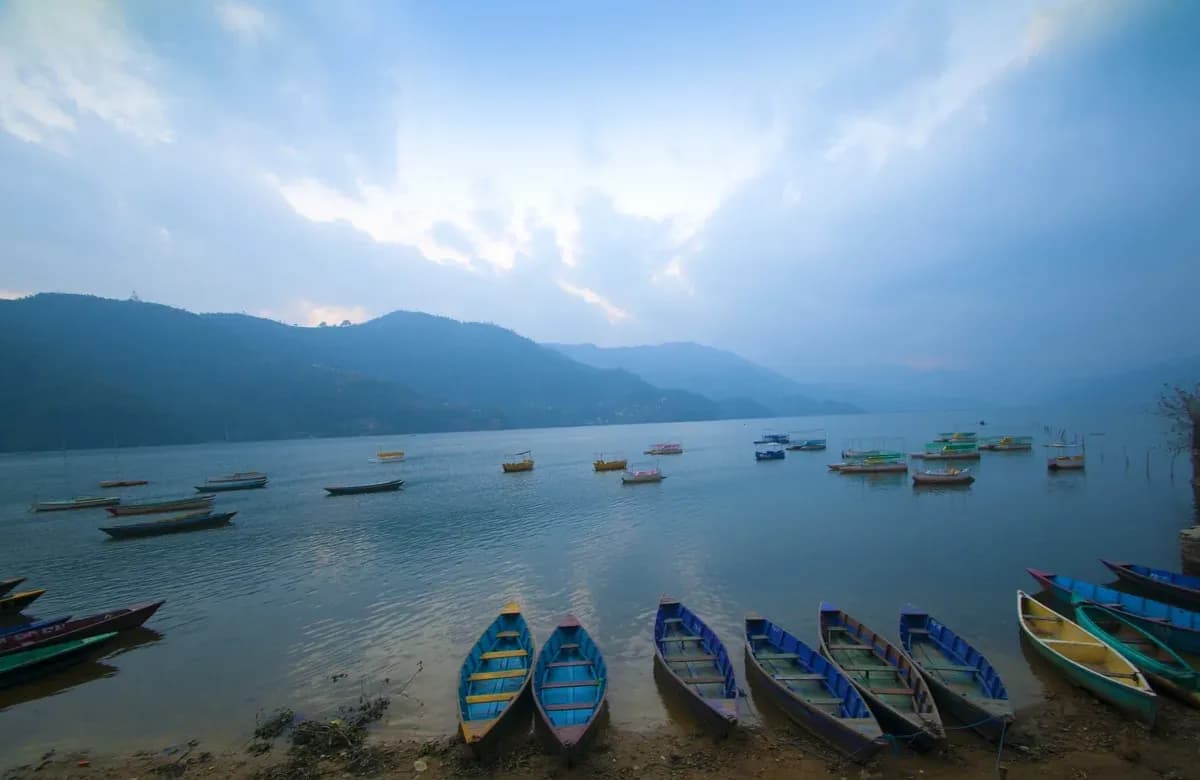
Boats moored on Phewa Lake at PokharaLuxury
Arms open to the mountains on the yoga and meditation trekYoga
A Nepali dal bhat thaliFood
Pagoda temples in Bhaktapur Durbar SquareHeritage
Trip Planner