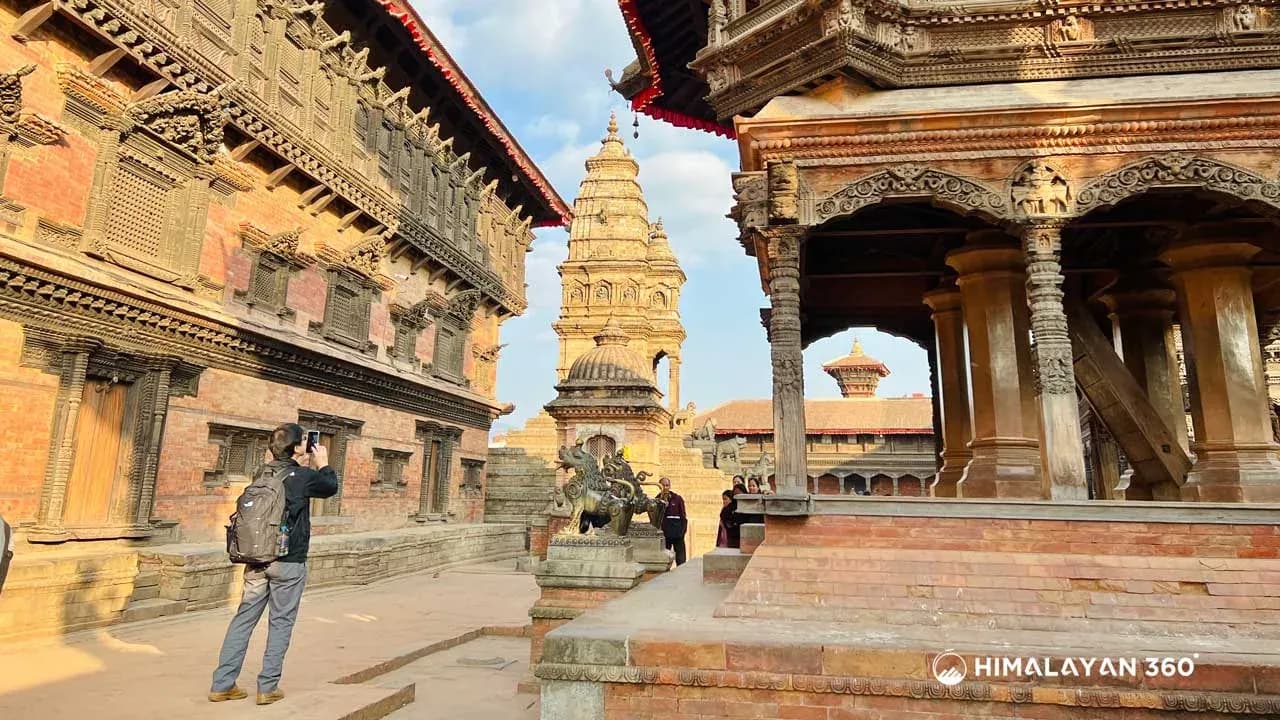
After the recent Gen-Z protest, the country is calm again, with peace and safety restored. Visit: This Vlog by a Fellow Tourist to see the friendly and welcoming side of Nepal, even during hard times.
Sagarmatha National Park
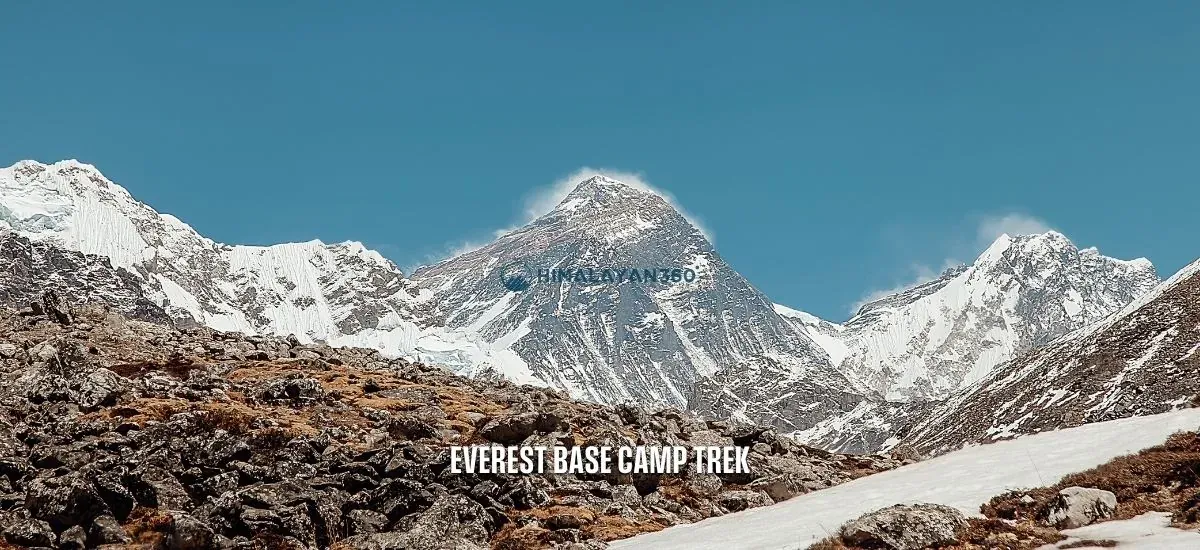
Sagarmatha National Park, a UNESCO World Heritage Site in Nepal, is home to the world’s highest peak, Mount Everest (8,848.86 m), known as Sagarmatha in Nepali. The name Sagarmatha is derived from the Nepali words sagar (sky) and matha (head), translating to “Forehead of the Sky“. The Tibetan name for Mount Everest is Chomolungma, meaning “Goddess Mother of the World“. Located in the Solukhumbu district of Nepal, the park is renowned for its mountain scenery, glaciers, and biodiversity, as well as the unique culture of the Sherpa people.
The park was established on July 19, 1976, to protect the ecosystem and cultural heritage. The park covers 1,148 sq km in the Khumbu region of northeastern Nepal, extending to the Tibetan border in the north. In addition to Mount Everest, the park contains numerous other peaks over 6,000 m, including Lhotse, Cho Oyu, and Ama Dablam. The landscapes include a network of massive glaciers, such as the Khumbu and Ngozumpa, as well as glacial rivers like the Dudh Koshi.
The Sagarmatha region gained international attention in 1953 when Sir Edmund Hillary and Tenzing Norgay Sherpa made the first successful ascent of Mount Everest. Tourism began to take hold in the early 1960s, leading to the development of trekking routes and teahouses. It is a place of natural wonder, rich culture, and remarkable adventure.
Transportation Options to Reach Sagarmatha National Park
Reaching Sagarmatha National Park is an adventure in itself, with several transportation options available for travelers. From flights to roads, you can choose the mode that suits your schedule and budget. Most trekkers combine air and road travel to begin their journey towards Everest Base Camp.
Driving to Jiri, then Trekking
One of the traditional routes to reach Sagarmatha National Park begins with a drive from Kathmandu to Jiri. It is a historic path taken by Sir Edmund Hillary and Tenzing Norgay in 1953. While Jiri is the traditional start, some trek begins a bit further down, at locations like Bhandar or Sivalaya.
The trek from Jiri to Sagarmatha National Park takes 7–11 days and is considered demanding. Permits such as Sagarmatha National Park and Khumbu Pasang Lhamu Rural Municipality are required for this trek. Highlights along the route include Lamjurala Pass, Sherpa villages such as Bhandar, Junbesi, and Nunthala, and stunning views of Mount Everest.
Flight to Lukla and Trekking
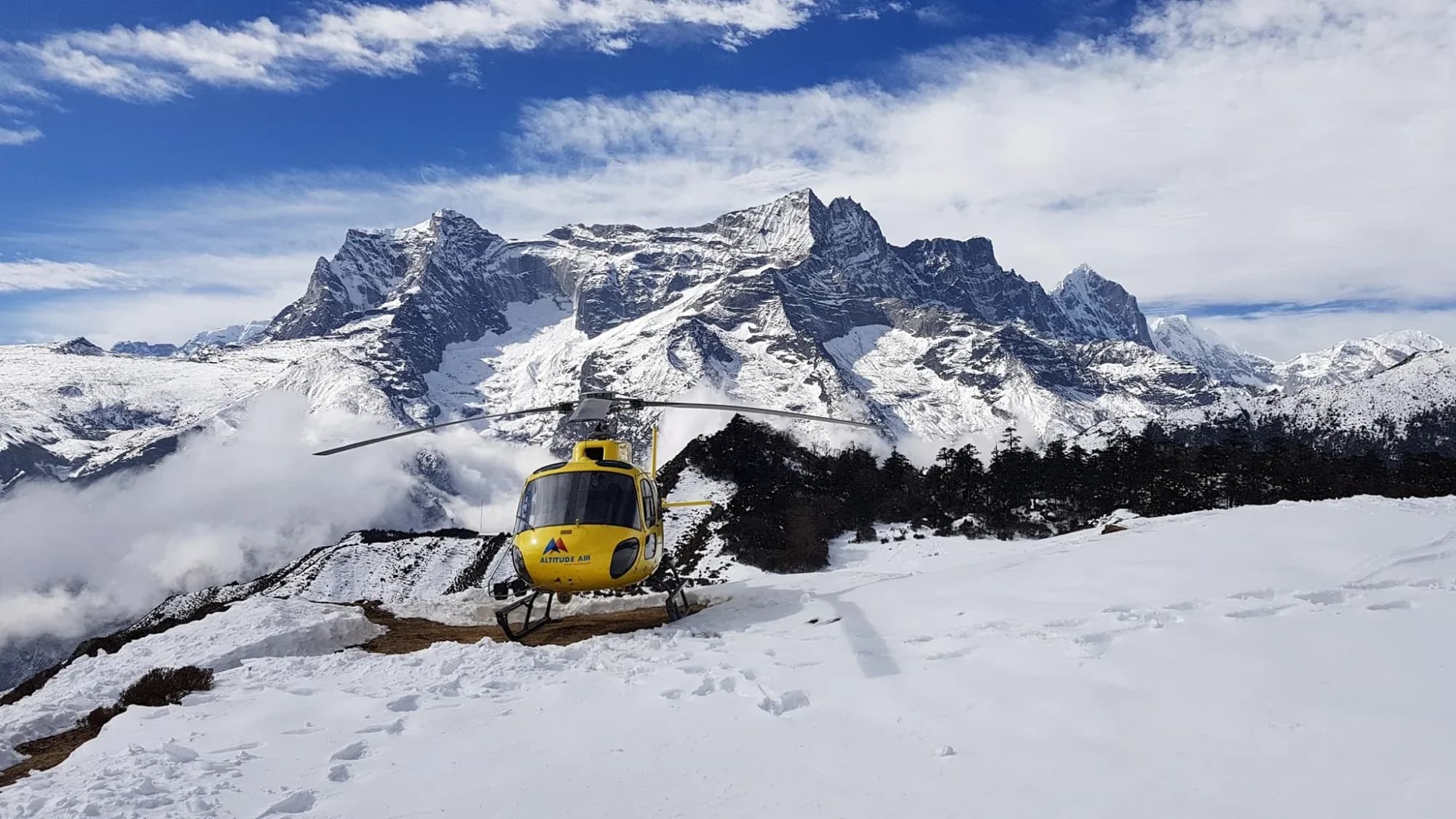
The most popular way to reach Sagarmatha National Park is by taking a short, scenic flight from Kathmandu to Lukla, known as the gateway to the Everest region. It is the faster option than driving to Jiri. The small, propeller-driven aircraft carry 15 to 20 passengers and operate primarily in the early morning for the best weather conditions.
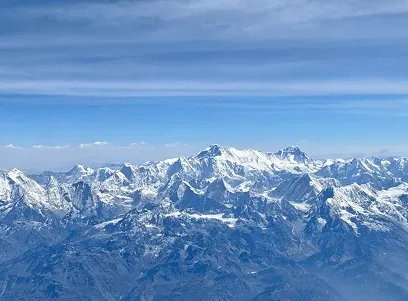
This option takes around 2 days to reach the park. The best seasons for the flight are spring (March–May) and autumn (September–November). During the flight, you can enjoy aerial views of the Mahalangur Himalayan Range, including Everest, Nuptse, and Ama Dablam, as well as the Dudh Koshi River and valley.
Note: During peak season, direct flights to Lukla may be fully booked; travelers can drive from Kathmandu to Manthali (Ramechhap) and take a flight from there to begin their trek towards Sagarmatha National Park.
Famous Trekking Itineraries from Sagarmatha National Park
The Major Attraction: Everest Base Camp

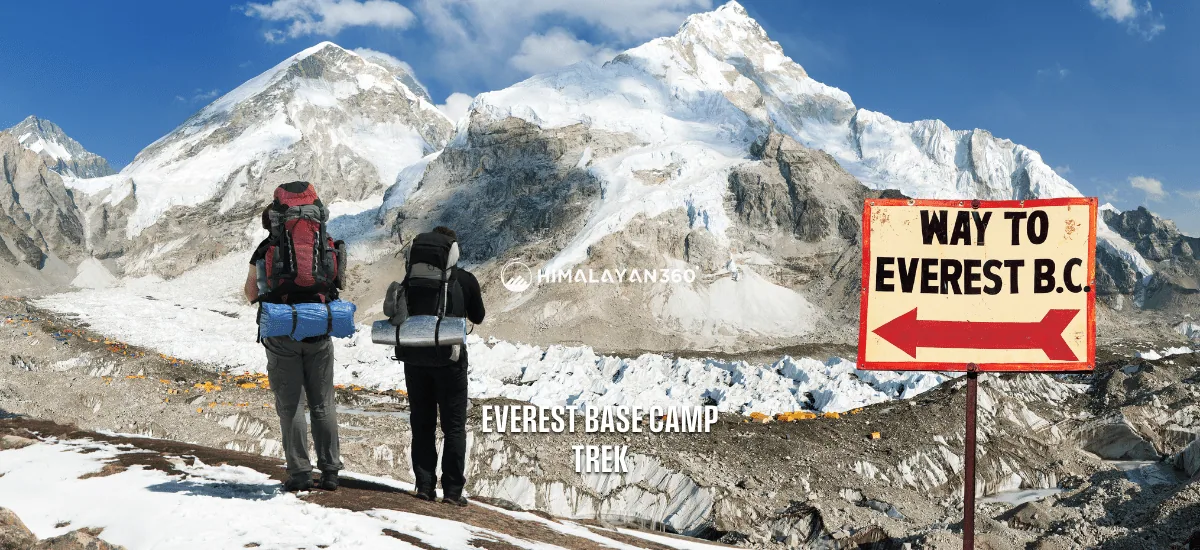
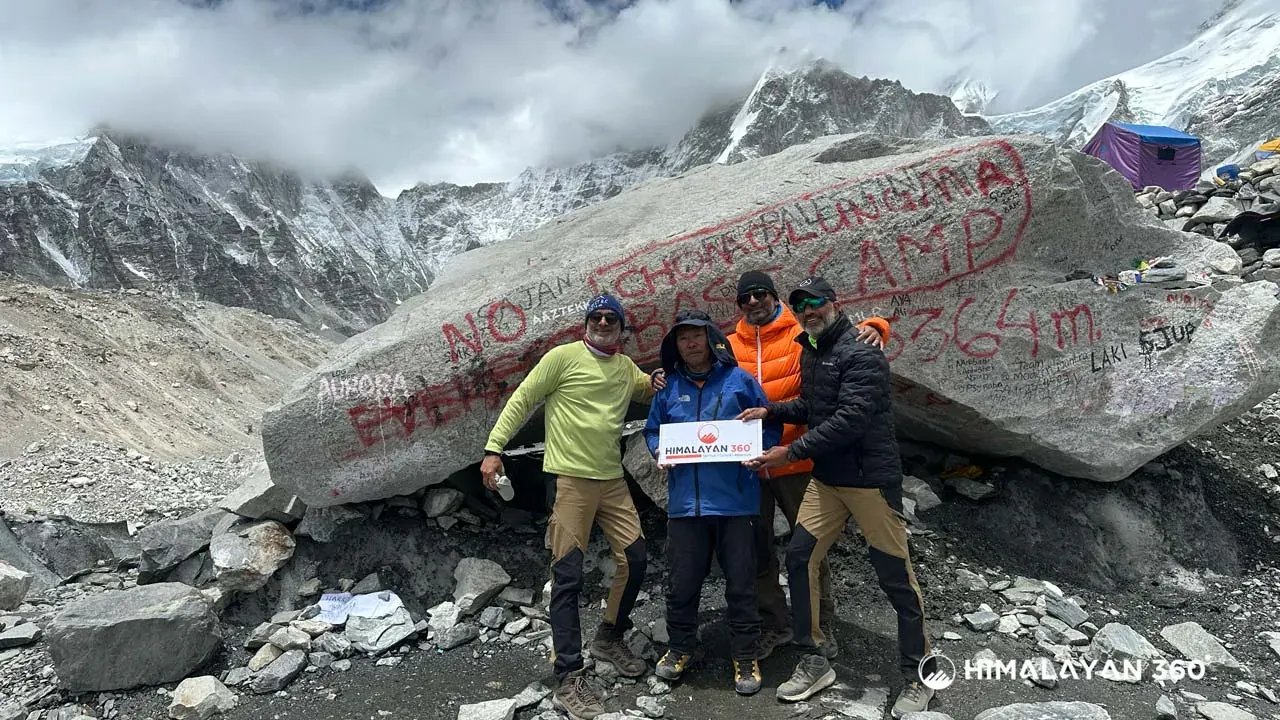
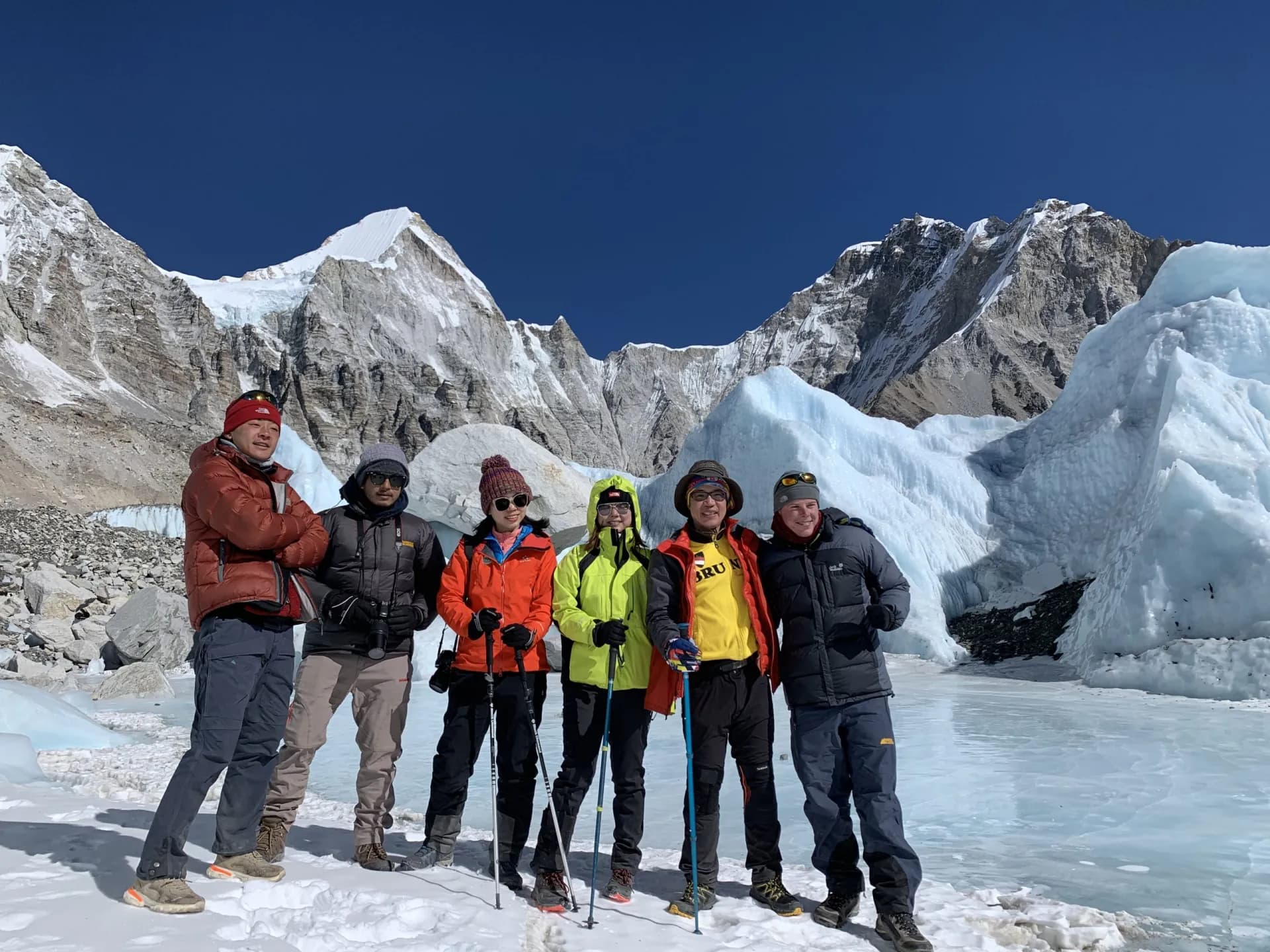
Everest Base Camp Trek is the ultimate destination for trekkers visiting Sagarmatha National Park, which takes them to the base of Mount Everest at 5,364 m. It lies on the southern face of Mount Everest, and the entire trekking route to get there passes through the park. The trek usually takes 10-14 days from Lukla and is considered moderate to challenging due to high-altitude trails and long daily walks.
- Costs around USD 1,260-1,815 per person
- Offer beautiful views of Mount Everest, Lhotse (8,516 m), Thamserku (6,623 m), Ama Dablam (6,812 m), and Nuptse (7,861 m) from the high trails
- Includes a visit to the Khumbu Glacier and Kalapatthar (5,545 m)
- Provide cultural encounters at Khumjung and Tengboche Monastery (Dawa Choling Monastery).
The Turquoise Colored Gokyo Lakes Trek

The Gokyo Lake Trek is another popular journey within Sagarmatha National Park. This trek follows the same initial route as the EBC trek from the Lukla airport and separates at Namche Bazaar. Within the park, the Gokyo trek is renowned due to its series of turquoise glacial lakes, which are considered the world’s highest freshwater lake system and are designated a Ramsar site.
- Costs USD 1710 – 2,000 per person
- Cross and walk alongside the Ngozumpa glacier (36 km), the longest glacier in Nepal
- Hike up to Gokyo Ri for a view of Everest, Lhotse, Makalu, and Cho Oyu
- Visit three of the main Gokyo lakes: Longpanga Tsho, Taujung Tsho, and Gokyo Tsho (Dudh Pokhari).
14 Days
13 Days
Inside Park Island Peak Climbing

Island Peak Climbing (also known as Imja Tse climbing) is another renowned climbing adventure inside the National Park. The route begins at Lukla, then goes through Sherpa villages like Namche Bazaar and Dingboche, and eventually to Chhukung before heading to Island Peak Base Camp. The climb usually takes 14-16 days and is graded as challenging because it requires basic mountaineering skills like using crampons, ropes, and ice axes.
- Costs USD 2,751 – 2,800 per person
- Climb to the 6,189 m summit to enjoy the view of Lhotse Middle (8,414 m), Lhotse Shar (8,383 m), Mount Makalu (8,485 m), Baruntse (7,129 m), and Ama Dablam
- Learn basic mountaineering techniques under the guidance of experienced climbing Sherpas
- Acclimatize at Namche and Chhukung, and go for a side hike to Everest View Hotel, Khumjung Valley, and Chhukung Ri.
Everest Two Passes and Three High Passes Trek for More Adventure Seekers

The Everest Two Passes and Three Passes Trek is one of the most adventurous routes within Sagarmatha National Park. It is designed for trekkers looking for a complete and challenging Himalayan experience. The journey lasts 16-18 days and is rated challenging due to high altitude, long walking days, and steep climbs.
- Costs around USD 1,550 for the Two Pass Trek and USD 1,885 for Three Pass Trek
- Cross three high mountain passes: Kongma La (5,535 m), Cho La (5,420 m), and Renjo La (5,360 m)
- Visit popular stops like Everest Base Camp, Gokyo Lakes, and Gokyo Ri in a single trek
- Discover traditional Sherpa villages, monasteries, and local lifestyles across the Khumbu region.
16 Days
18 Days
Main Highlights of Sagarmatha National Park
Sagarmatha National Park is home to high mountain landscapes, Sherpa culture, and a unique high-altitude ecosystem. The park offers much more than the Everest Base Camp trek, with a variety of attractions that attract trekkers, climbers, and cultural explorers. Here are some main highlights:

Khumbu Glacier at the Park’s Center
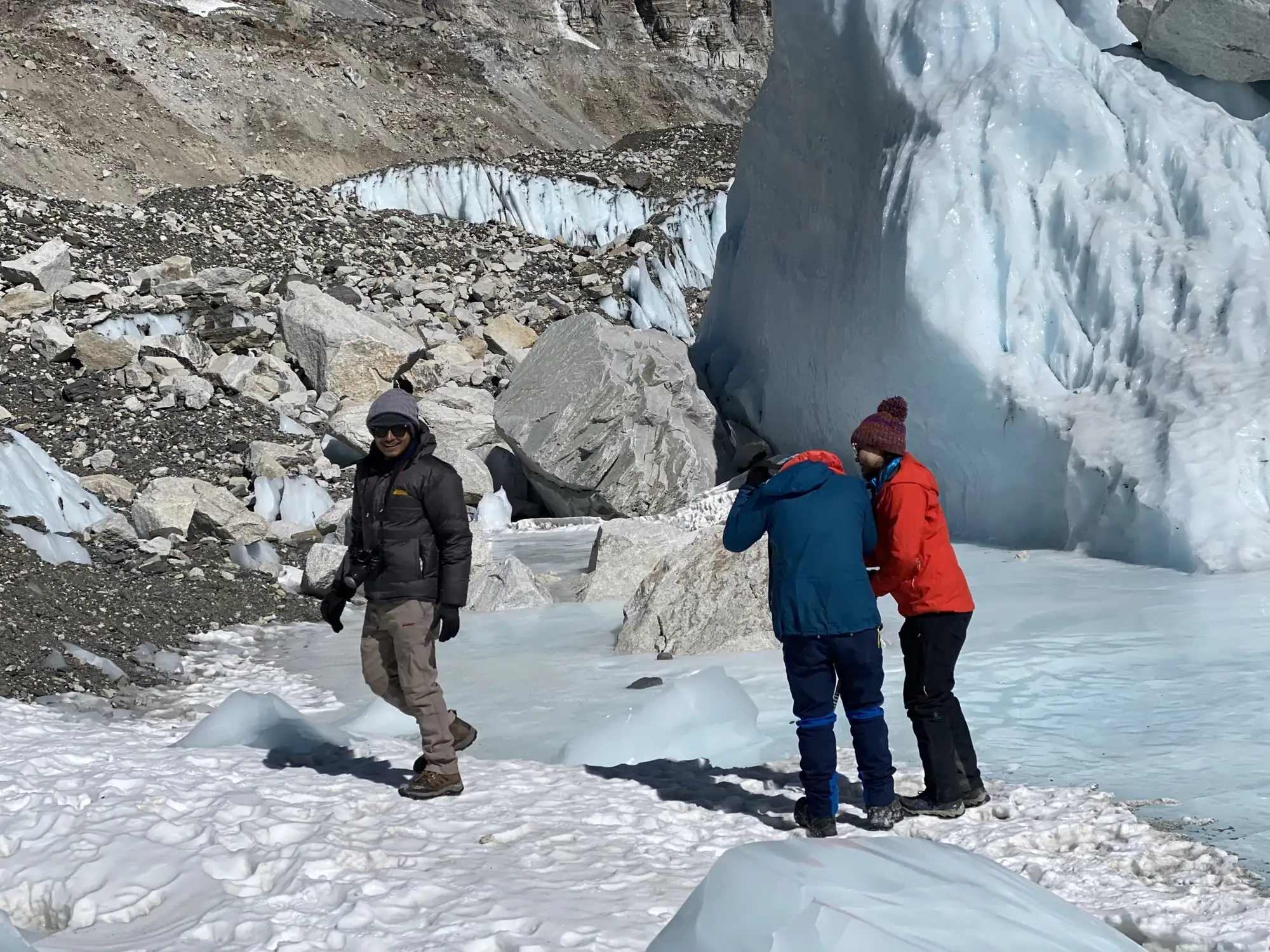
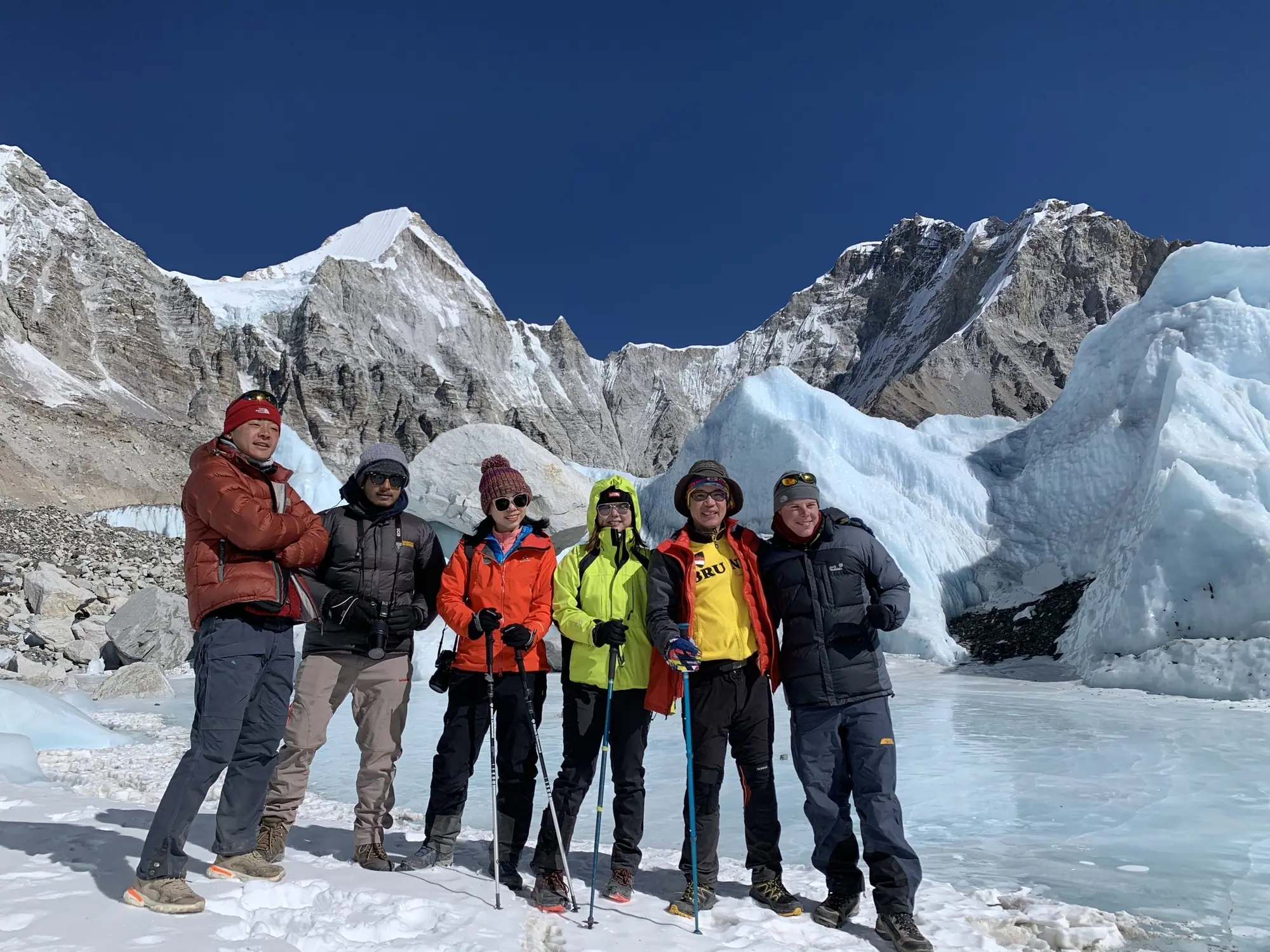
Khumbu Glacier is the highest glacier in Nepal. It is located in the center of Sagarmatha National Park and originates from the Western Cwm, a valley between Mount Everest and Lhotse-Nuptse ridge. The Khumbu glacier is 17 km long, with elevations ranging from 4,900 m to 7,600 m. One of the most noticeable features of the glacier is the Khumbu Icefall. Most of the trekkers and mountaineers visit the Everest region just to see it.
Gokyo Lakes: High Altitude Fresh Water
The Gokyo Lakes are a system of six main high-altitude freshwater lakes located in the Khumbu region of Sagarmatha National Park. Lying between 4,700 and 5,000 m, they are fed by the meltwater of the Ngozumpa glacier. The lake provides a vital high-altitude wetland ecosystem and habitat for various alpine flora and fauna. In 2007, the Gokyo Lakes and surrounding wetlands were named as a Ramsar site for their international importance in conservation and biodiversity.
Panoramic View of Mount Everest and Other High Peaks
There are several locations within the park that offer a panoramic view of Mount Everest and the surrounding peaks. From Kala Patthar, you can see Nuptse, Lhotse, Pumori, and Changtse. From Gokyo Ri, you can see Lhotse, Makalu, and Cho Oyu. From Hotel Everest View, you can see Ama Dablam, Lhotse, Thamserku, and from Renjo La Pass, you can see Cho Oyu, the Mahalangur Himal range, and Everest. These are the main viewpoints for observing tall mountains in a single frame.
Kalapatthar Sunrise View
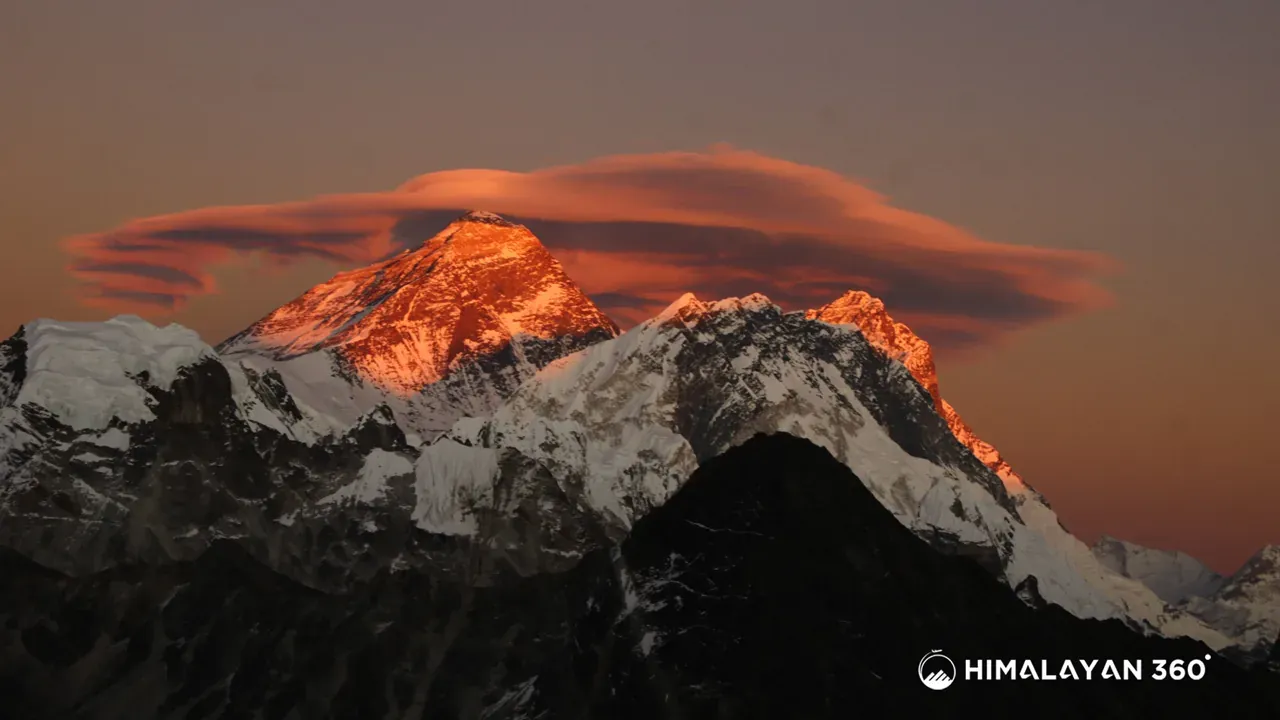
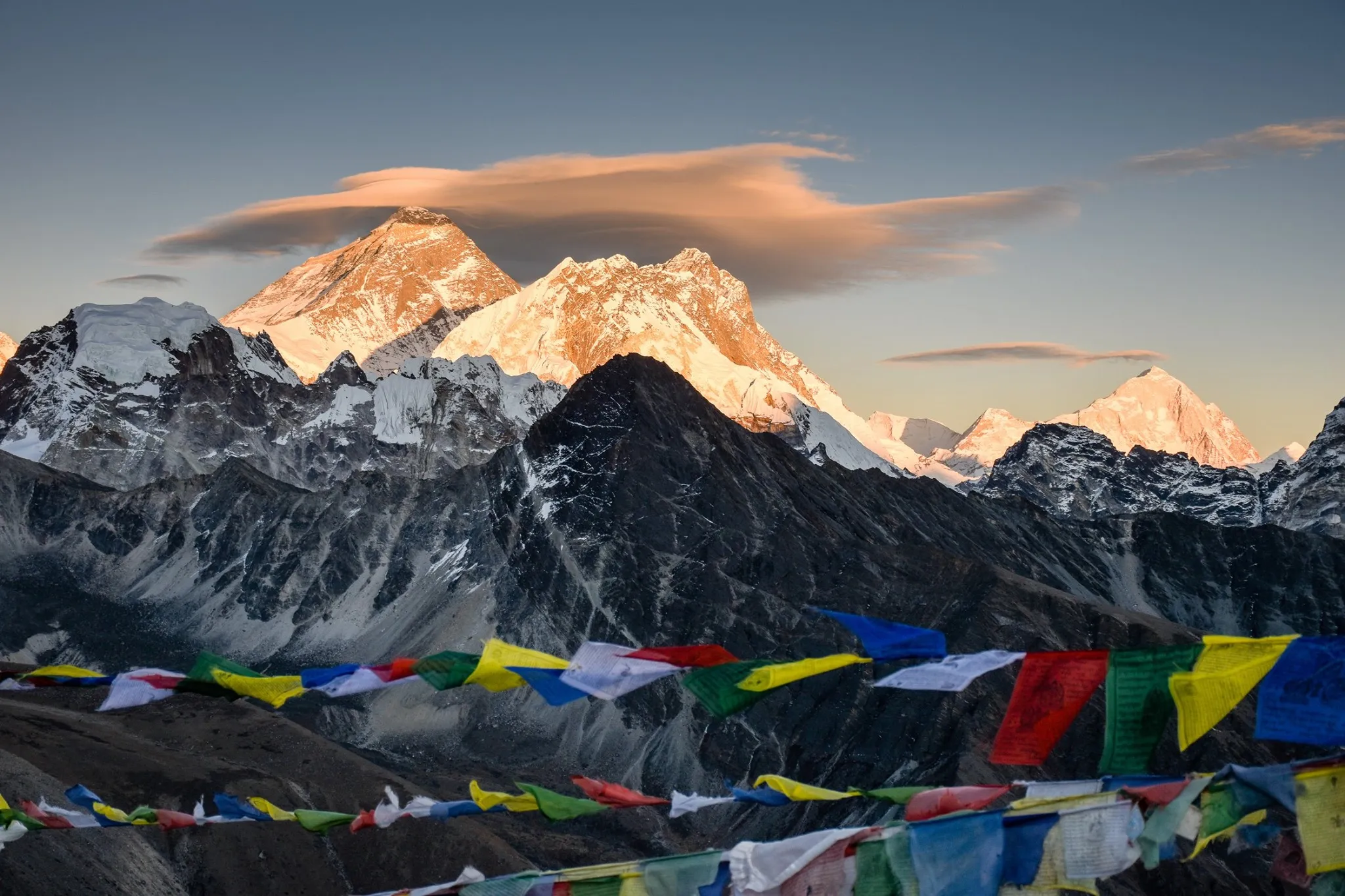
Kala Patthar (5,545 m) is one of the most popular vantage points in Sagarmatha National Park. From the top, trekkers can witness the beautiful sunrise view when the first golden rays illuminate Everest, Lhotse, Nuptse, and Ama Dablam. The hike to Kala Patthar begins from Gorak Shep, the highest village on the trail, around 4:00 to 5:00 a.m. The view of Kala Patthar is appreciated because, unlike from EBC, the summit of Mount Everest is not obstructed by the Nuptse wall.
Tengboche Monastery: A Formal Religious Experience at High Altitude
Tengboche Monastery is a renowned Tibetan Buddhist monastery situated at 3,867 m within the park. The monastery is famous for its location on a hill, with the Ama Dablam forming a backdrop. Trekkers often stop here to receive blessings for a safe journey to the Everest region and back. The monastery is home to a large statue of Shakyamuni Buddha (often two stories tall), along with a smaller statue of Guru Rinpoche (Padmasambhava) and Manjushri.
Himalayan Wildlife and Biodiversity

Sagarmatha National Park is not only famous for its 8,000 m peak but also for its rich wildlife and biodiversity. It is an important Bird Area (IBA) and is home to over 200 species of birds, at least 26 species of mammals, and 865 species of plants. Rare and endangered species include the snow leopard, red panda, Himalayan tahr, musk deer, Himalayan black bear, Himalayan serow, and langur monkeys. High altitude birds such as the Himalayan monal, blood pheasant, snowcock, bearded vulture, and bar-headed goose are also commonly found.
The plant life in the park changes with the elevation, creating different vegetation zones. The lower regions up to 3,000 m are full of pine, hemlock, and fir forests. As you ascend (3,000-4,000 m), the forest gives way to birch, juniper, and scrub rhododendron. Above treeline between 4,000-5,000 m, the landscape is dominated by alpine meadows, hardy grasses, and shrubs that can survive the harsh conditions. Above 5,000 m, the zone consists of bare rock, glaciers, and permanent ice.
Trekkers and nature enthusiasts visiting the region can observe these species in their natural environment. These ecosystem makes the park a key destination for wildlife appreciation and ecological study in the Himalayas.
What are the Permit Requirements for Visiting Sagarmatha National Park
Before entering the park, travelers must obtain the necessary permits for Sagarmatha National Park. These permits ensure safe trekking experiences in the Everest region.
| Permit Name | Purpose | Cost (Nepalese Nationals) | Cost (SAARC Nationals) | Cost (Other Foreign Nationals) |
| Sagarmatha National Park Entry Permit | Required to enter the park and trek inside | NPR 100 (USD 0.71) | NPR 1,500 (USD 10.65) | NPR 3,000 (USD 21.3) |
| Khumbu Pasang Lhamu Rural Municipality Permit | Needed for Local government regulation | NPR 3,000 (USD 21.3) | Same as Nepalese Citizens | Same as Nepalese Citizens |
Note: A TIMS card is not required to trek in Sagarmatha National Park in 2025. It has been replaced by a local permit (Pasang Lhamu Rural Permit) system for the Everest region.
Tips for Visiting Sagarmatha National Park
Before Visiting:
- Check health and fitness: Ensure you are physically prepared for high-altitude trekking and consult a doctor if needed
- Plan your route: Decide whether you’ll trek via Lukla, Jiri, or another route, and book flights or transport accordingly. You can book with us, and we’ll manage all the route and transportation options for you.
- Pack essential gear: Prepare trekking boots, warm clothing, backpacks, and other necessary equipment before departure.
- Arrange insurance: Get travel and trekking insurance that covers high-altitude trekking and emergencies.
During the Visit:
- Follow park rules: Respect Sagarmatha National Park regulations, stay on marked trails, and avoid disturbing wildlife.
- Acclimatize properly: Take rest days at higher altitudes to help your body adapt to the thin air.
- Monitor your health: Watch for symptoms of altitude sickness, fatigue, or dehydration, and inform your guide
- Keep the environment clean: Avoid littering and use eco-friendly practices to protect the natural beauty of the park.
After Visiting:
- Share your experience: Document your trek photos, videos, or a travel journal to inspire others
- Provide feedback: Leave reviews for guides, lodges, or trekking companies to help future travelers
- Support local communities: Purchase handicrafts or souvenirs from Sherpa artisans to contribute to the local economy
- Plan your next adventure: Use your experience to prepare better for future treks or mountaineering trips in the Himalayas.
16 Days
11 Days