Langtang Valley Trek vs Annapurna Base Camp Trek is a common comparison for trekkers choosing between two classic routes in Nepal. Langtang Valley Trek is quieter, closer to Kathmandu, and more culture-focused, while Annapurna Base Camp Trek is busier, has more diverse scenery, and is better developed. Langtang Valley lies north of Kathmandu near the Tibet border inside Langtang National Park, while Annapurna Base Camp is located in central Nepal within the Annapurna Conservation Area.
The difference also shows in trail style, cost, and landscape. Langtang Valley Trek takes 8–10 days and follows a single mountain valley with forests, rivers, and glaciers. While the Annapurna Base Camp Trek takes around 9–14 days and passes from terraced farmlands to alpine basins. It is surrounded by peaks like Annapurna I (8,091M) and Machhapuchhre (6,993M). Annapurna has better lodges and more facilities, while Langtang offers raw nature and fewer trekkers.
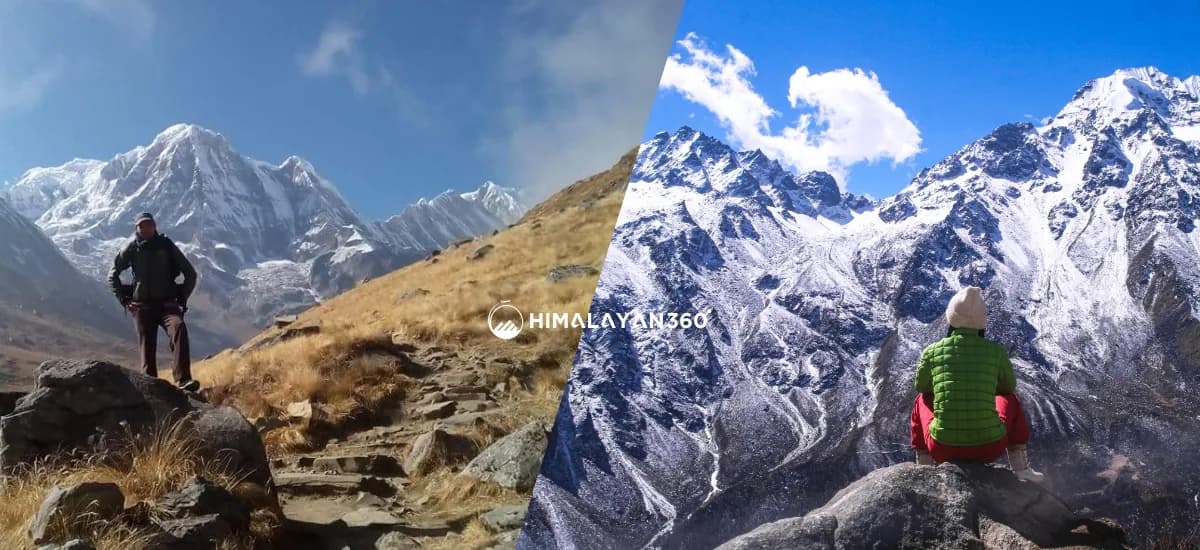
The difference between Langtang and Annapurna is easiest to see if you compare Langtang Valley trek vs Annapurna Base Camp on what each one actually walks through. Langtang is one valley: forest, then Langtang Village and Kyanjin Gompa in the upper valley, with peaks like Langtang Lirung standing over the whole of it. ABC is a corridor that climbs from Gurung farmland into a bamboo gorge before finally reaching Annapurna Base Camp inside the sanctuary, ringed by giants like Annapurna I and Annapurna South. Comparing Langtang Valley with the Annapurna massif is therefore less a question of which is harder than of whether you want a valley or an amphitheatre.
Trek Overview: Langtang Valley Trek vs Annapurna Base Camp Trek Side by Side
| | Langtang Valley Trek | Annapurna Base Camp Trek |
| Duration | 8 to 10 days | 9 to 14 days |
| Highest point | 3,870M at Kyanjin Gompa, 4,984M at Tserko Ri if you add it | 4,130M at Annapurna Base Camp |
| Trailhead | Syabrubesi, about 120KM north of Kathmandu | Nayapul or Phedi, reached through Pokhara |
| Getting there | Road only, no domestic flight | Flight or long drive to Pokhara, then a road transfer |
| Trekkers per year | 15,000 to 33,000 | Nearly 300,000 into the Annapurna Conservation Area in 2025 |
| Typical budget cost | USD 450 to 700 | USD 600 to 1,000 |
| Culture on the trail | Tamang villages and Tibetan Buddhism | Gurung and Magar villages |
| Night sky | Bortle Class 1 | Bortle Class 2 |
| Choose it for | Quiet trails, a short trip, no flights, raw nature | Varied scenery, developed lodges, a social trail |
The short version, if you only read one paragraph: pick Langtang when time or budget is tight and you would rather not share the trail, and pick Annapurna Base Camp when you want the sanctuary amphitheatre and do not mind company in it. The sections below compare the two on each factor in turn.
Elevation and Altitude: Langtang Valley vs Annapurna Base Camp
Both treks have different altitude challenges. While the ABC trek reaches a higher mandatory destination, Langtang Valley provides optional side hikes to much higher elevations. The table below describes its elevation pattern more nicely.
| Element | Langtang Valley Trek | Annnapurna Base Camp Trek |
|---|
| Highest Point | 3,870M at Kyanjin Gompa (mandatory) 4,984M at Tserko Ri (optional) | 4,130M at Annapurna Base Camp |
| Starting Elevation | Syabrubesi (1,460M) | Nayapul (1,070M) |
| Average Sleeping Altitude | 3,000–3,900M | 2,600–3,500M |
| Total Elevation Gain | Higher gain in a shorter distance | Moderate gain over a longer distance |
| Acclimatization Need | Higher due to altitude | Moderate and gradual |
| Risk of Altitude Issues | Slightly higher | Lower compared to Langtang |
Crowd Levels: Annapurna Base Camp vs Langtang
The difference in crowd levels between the Langtang Valley Trek and the Annapurna Base Camp Trek is very clear in 2026. Annapurna Base Camp (ABC) sees record-breaking traffic, which makes it one of the busiest treks in Nepal. In 2025, nearly 300,000 foreign tourists visited the Annapurna Conservation Area, up from about 244,045 in 2024. April remains the busiest month, with over 44,700 visitors, followed by October with roughly 37,000 arrivals. The high traffic fills teahouses quickly, and the trail feels crowded.
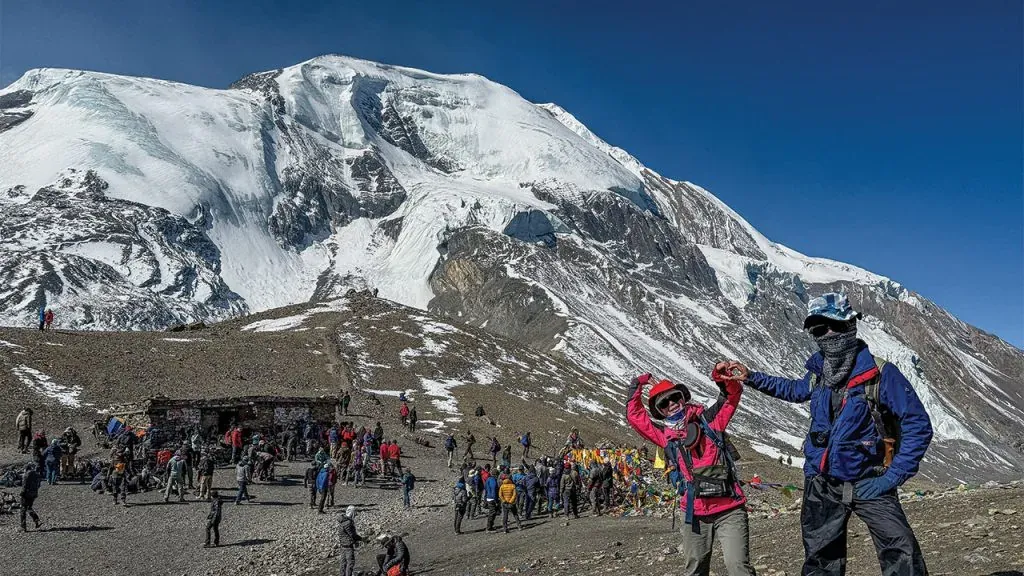
Langtang Valley Trek, in contrast, is much quieter. The region sees between 15,000 and 33,000 international trekkers annually, about 10% of the number visiting Annapurna. Even in peak months like October and November, it is normal to walk for long parts of the trail without seeing many other trekkers. Family-run lodges are common, offering an authentic experience.
Both treks provide beautiful mountain views, but the experience of the trail itself changes greatly depending on the crowd levels.
Difficulty Level Comparison for Langtang Valley Trek vs Annapurna Base Camp Trek
The difficulty of a trek depends on daily walking hours, trail condition, altitude, and overall physical effort. Both the Langtang valley Trek and Annapurna Base Camp Trek are considered a moderate trek, but they challenge trekkers in different ways. ABC is the longer trek of the two and spreads its climbing over more days, while Langtang packs a steeper gain into a shorter entire trek. ABC and Langtang also differ in what tires you: stone staircases on one, rough valley path on the other. The table below compares their difficulty level in a clear and practical way.
| Difficulty Factor | Langtang Valley Trek | Annnapurna Base Camp Trek |
|---|
| Overall Difficulty | Moderate / Easier for beginners | Moderate to Challenging |
| Daily Walking Time | 5–7Hours | 4–6Hours |
| Trail Condition | Narrow trails, rocky paths, and some uphill sections | Stone steps and gradual paths |
| Highest Altitude Impact | Lower altitude makes walking easier | Higher altitude increases breathing effort |
| Fitness Requirement | Good fitness needed | Basic to good fitness is enough |
| Suitability for Beginners | Suitable for preparation | Very suitable for beginners |
| Recovery Time Needed | Slightly more rest required | Faster recovery between days |
Cost and Budget: Langtang or Annapurna?
Cost plays a major role when choosing between these two treks. Langtang Valley Trek costs around USD 449–600, while Annapurna Trek costs USD 666–1000. The table below compares permit, transport, and overall expenses clearly.
| Cost Components | Langtang Valley Trek | ABC Trek |
|---|
| Permits | Langtang National Park Entry Permit (USD 23–25) | Annapurna Conservation Area Permit (USD 23–25) |
| Transport to Trail Start | USD 10–60 | USD 30–80 |
| Accommodation on Trail | USD 5–15/night | USD 3–10/night |
| Food & Drinks | USD 5–15/day | USD 25–45/day |
| Guide & Porter (optional per day) | USD 20–30 | USD 30–40 |
| Estimated Total (Self-Guided/Budget) | USD 450–700 | USD 600–1,000 |
Best Time for Langtang and Annapurna
The best time to trek both Langtang Valley and Annapurna Base Camp is spring from March to May and autumn from September to November. In spring, the trails are dry, and the temperatures stay mild during the day. Langtang Valley shows blooming rhododendron forests with clear views of Langtang Lirung (7,227M) and Dorje Lakpa (6,966M). Annapurna Base Camp offers beautiful mountain views of the Annapurna range, including Annapurna I, Machhapuchhre and Annapurna South, under bright blue skies.
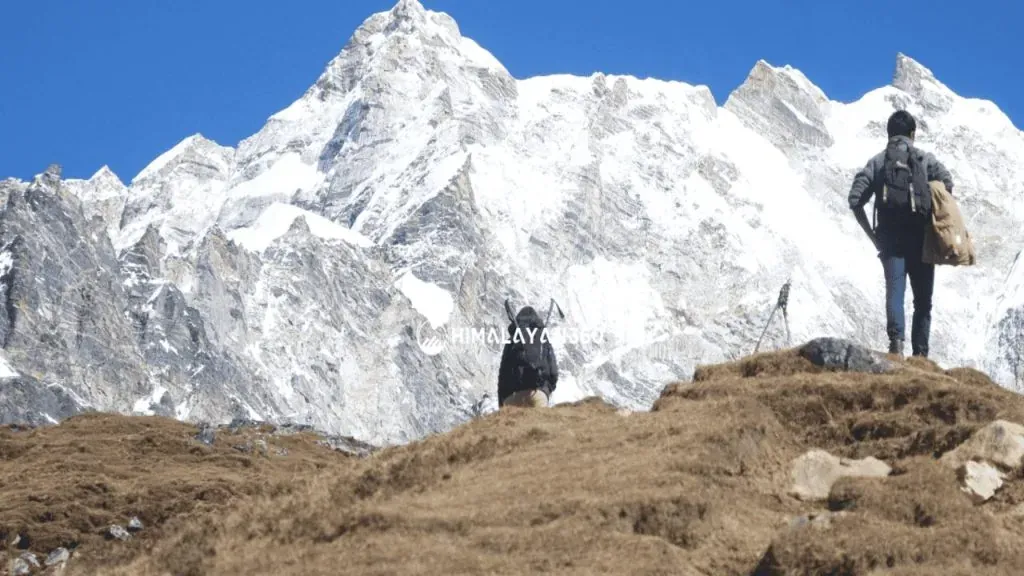
Summer and winter are also possible seasons with good preparation and flexible plans. Summer, from June to August, brings warmer days and green landscapes. Langtang Valley has bright green forests and many waterfalls, while Annapurna has remote valleys and high peaks covered in clouds. Short rain showers are common, but trekking remains manageable. Winter, from December to February, provides cold mornings. With proper clothing and planning, both routes can be enjoyed in every season.
Trek Accessibility: The Drive from Kathmandu vs the Flight to Pokhara
Langtang Valley Trek is easier to access from Kathmandu. The trail starts from Syabrubesi, which is about 120KM north of the capital. Most of the route is reachable by road using public buses or private vehicles. There is no flight required, which reduces the risk of delays caused by weather or cancellations. The road is well-traveled and maintained, though occasional landslides in the monsoon season can cause minor delays. Overall, the drive from Kathmandu gives Langtang straightforward access and a smooth start to the trek.
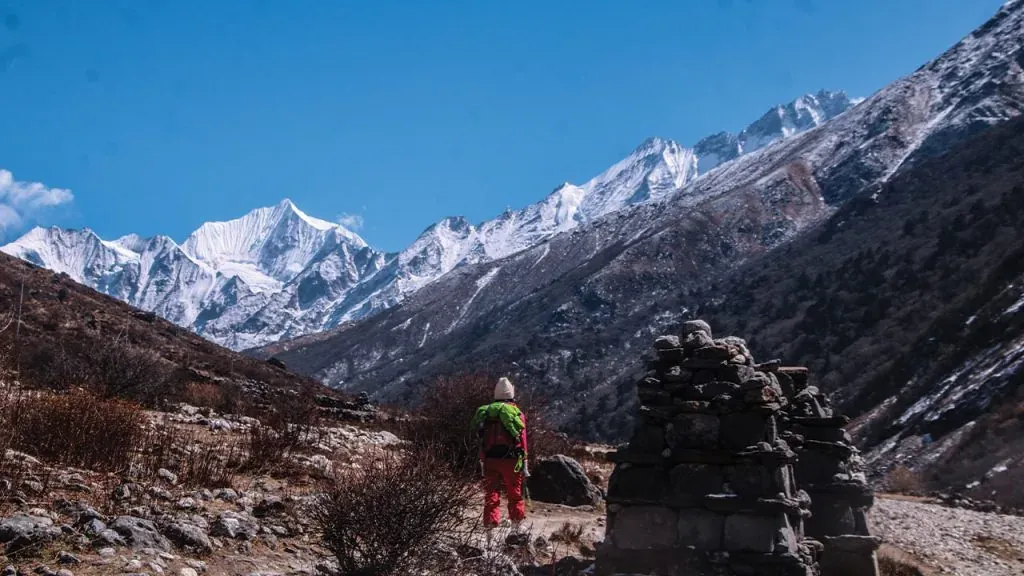
Annapurna Base Camp Trek requires more travel planning. Trekkers need to fly or drive to Pokhara, about 200KM west of Kathmandu. From Pokhara, additional road travel is needed to reach the trailhead at Nayapul or Phedi. Flights to Pokhara can face weather delays during the monsoon and winter months.
Roads in this region are longer and sometimes less predictable, adding a potential source of delay. Despite this, Annapurna offers excellent facilities and multiple trail options, but the overall travel to the starting point is more complex than Langtang.
Adventure Activities Beyond Trekking
Both the Annapurna and Langtang region trek offer exciting options beyond standard trekking. Langtang is best for side-hikes, small climbs, and exploring high-altitude lakes, while Annapurna provides multiple side trails, river crossings, and optional climbs for adventurous trekkers. The table below summarizes the adventure activities for each route.
| Activity Type | Langtang Valley Region | Annapurna Base Camp |
|---|
| Aerial Sports | Helicopter sightseeing tours (Kathmandu-based). | Paragliding, Ultralight flights, and Skydiving. |
| High Adrenaline | N/A | World’s steepest Zipline, Bungee jumping, and Canyon swings. |
| Water Sports | Riverside camping (Trishuli River en route). | White-water rafting, Kayaking, and Boating on Phewa Lake. |
| Climbing/Summiting | Yala Peak (5,500M) & Naya Kanga (5,844M) | Tent Peak (Tharpu Chuli), limited within the ABC sanctuary. |
| Wildlife | Rare Red Panda tracking in the National Park. | Bird watching and different subtropical fauna. |
Night Sky and Star Gazing Opportunities
Both treks offer strong night sky experiences, but Langtang Valley stands out for dark sky quality. Langtang Valley falls under Bortle Class 1, which is the highest level of natural darkness. Annapurna Base Camp lies under Bortle Class 2, which is still very dark but slightly affected by human activity. The best stargazing spot in Langtang is Kyanjin Gompa at 3,870M, while Machhapuchhre Base Camp at 3,700M offers the best views on the ABC route.
Langtang Valley is considered the better choice for serious stargazers and photographers. The valley is wide and open, so you can see almost the whole horizon all around you. This makes it easier to see the Milky Way. Stars appear closer to the horizon, which helps during meteor showers like the Perseids and Geminids.
Annapurna Base Camp offers a different but equally beautiful night sky experience. The trek enters a glacial basin surrounded by peaks over 7,000 and 8,000M. At Annapurna Base Camp, the white mountain walls reflect moonlight and starlight. This creates a natural glow across the sanctuary.
How the Two Compare With Other Nepal Treks
Neither of these is the only option, and the choice often makes more sense set against the rest of the Nepal trekking menu.
- Everest Base Camp trek. Longer, higher and dearer than either of these, and it needs a flight to Lukla. It is the best trek of the group for altitude and reputation and the worst for budget and reliability.
- Annapurna Circuit trek. A circuit trek rather than an out and back, two to three weeks long, crossing Thorong La. It passes under Annapurna II and Annapurna III on the northern side of the massif, ground the iconic Annapurna sanctuary route never sees. Annapurna Circuit vs Langtang is a comparison of a long expedition with a short holiday.
- Manaslu Circuit trek. A restricted-area circuit with far fewer trekkers than ABC and considerably more paperwork than Langtang.
- Mardi Himal trek. The short option in the Annapurna region, closer in length to Langtang than to ABC.
- Gokyo trek. The Everest region’s lake trek, and the nearest thing in Nepal to Langtang’s quiet if you are willing to fly.
A trek to Langtang stays the shortest way to reach a big Himalayan valley from Kathmandu, and it is the only walk on this list that needs no domestic flight at all. The Langtang trek is also the cheapest of them, which is usually the deciding factor for anyone comparing more than two.
Final Thoughts: Which Trek Suits You Best?
Choosing between the Langtang Valley Trek vs Annapurna Base Camp trek depends on what kind of experience you value most. Langtang is perfect if you want peaceful trails, close contact with local villages, and easy access from Kathmandu. Annapurna Base Camp is better for those who enjoy social trails, varied landscapes and mountain views in one journey, and its trail is more developed than Langtang at every stop. The route offers top facilities and a lively trekking atmosphere with people from around the world.
Both treks are enjoyable and safe with good planning. No matter which one you choose, each delivers a lifetime memorable Himalayan experience in its own way.
Langtang Valley Trek
8 Days
Langtang Valley Trek
$449
5.0(10 reviews)
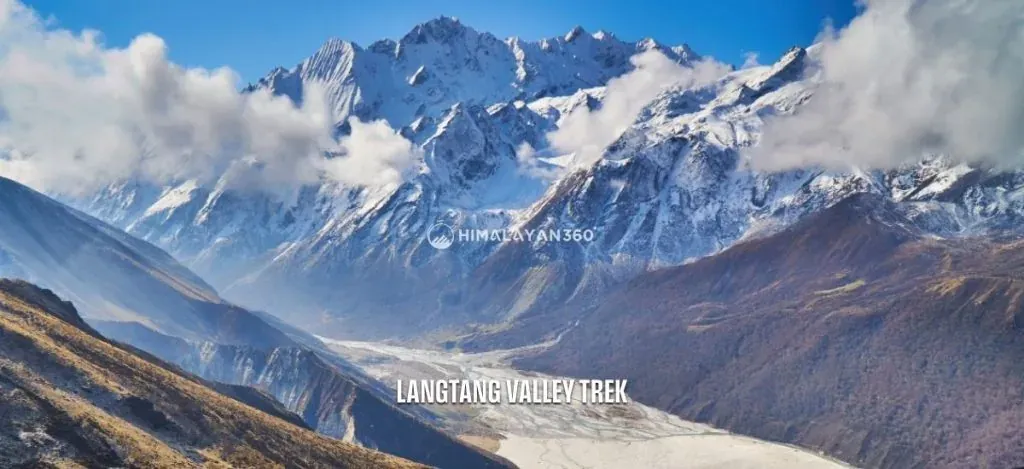
Have you ever dreamed of trekking in the Himalayas but worried that overcrowded trails will ruin the adventure? The 8-days Langtang Valley Trek is the perfect solution to this dilemma. Located just north of Kathmandu, the trek can be reached within a 6-hour drive, with no flights required. Fully rebuilt after 2015 earthquake and safer than ever, this trek offers a Tamang Himalayan experience rather than a Sherpa-focused one, while directly supporting the economic growth of the local community. This trek is fully focused on nature. You will cross the Langtang Khola and Bhote Koshi rivers using simple suspension bridges made of steel or wood, with minimal modern modification You can also see Langtang Lirung (7,234M), Dorje Lakpa (6,966M), Gangchempo (6,388M), Yala Peak (5,500M), and many other snow-covered mountains throughout the journey. The trekking route also connects with high Himalayan passes used by local traders and yak herders for many years. Villages in the Langtang valley still follow old Buddhist traditions. During festivals like Sonam Lhosar (Jan–Feb) and Buddha Jayanti (May), local people gather for prayers, dancing, singing, and family celebrations. Trekkers can see yak farming, the cheese-making process, and traditional stone and clay houses that portray the lifestyle of the high Himalayas. The route from Syabrubesi to Lama Hotel and Langtang Village up to Kyanjin Gompa lies inside Langtang National Park, the first Himalayan national park of Nepal, established in 1976. The park covers around 1,710 sq km and protects forests, rivers, glaciers, and alpine grasslands. The region is inhabited by red pandas, Himalayan black bears, musk deer, snow leopards, and over 250 species of birds including Himalayan Monal (the national bird of Nepal). If you want capture mountain views without going on a long expedition, the Langtang Valley Trek is one of the best choices in Nepal. Pack your boots, charge your camera, and get ready to walk in one of the most loved Himalayan valleys.
Book Now Make An Enquiry
Annapurna Base Camp Trek
9 Days
Annapurna Base Camp Trek
$666
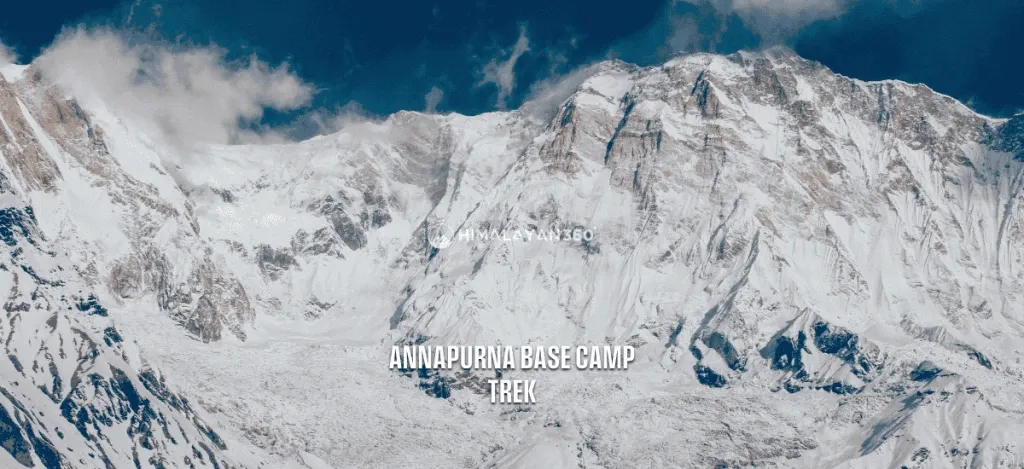
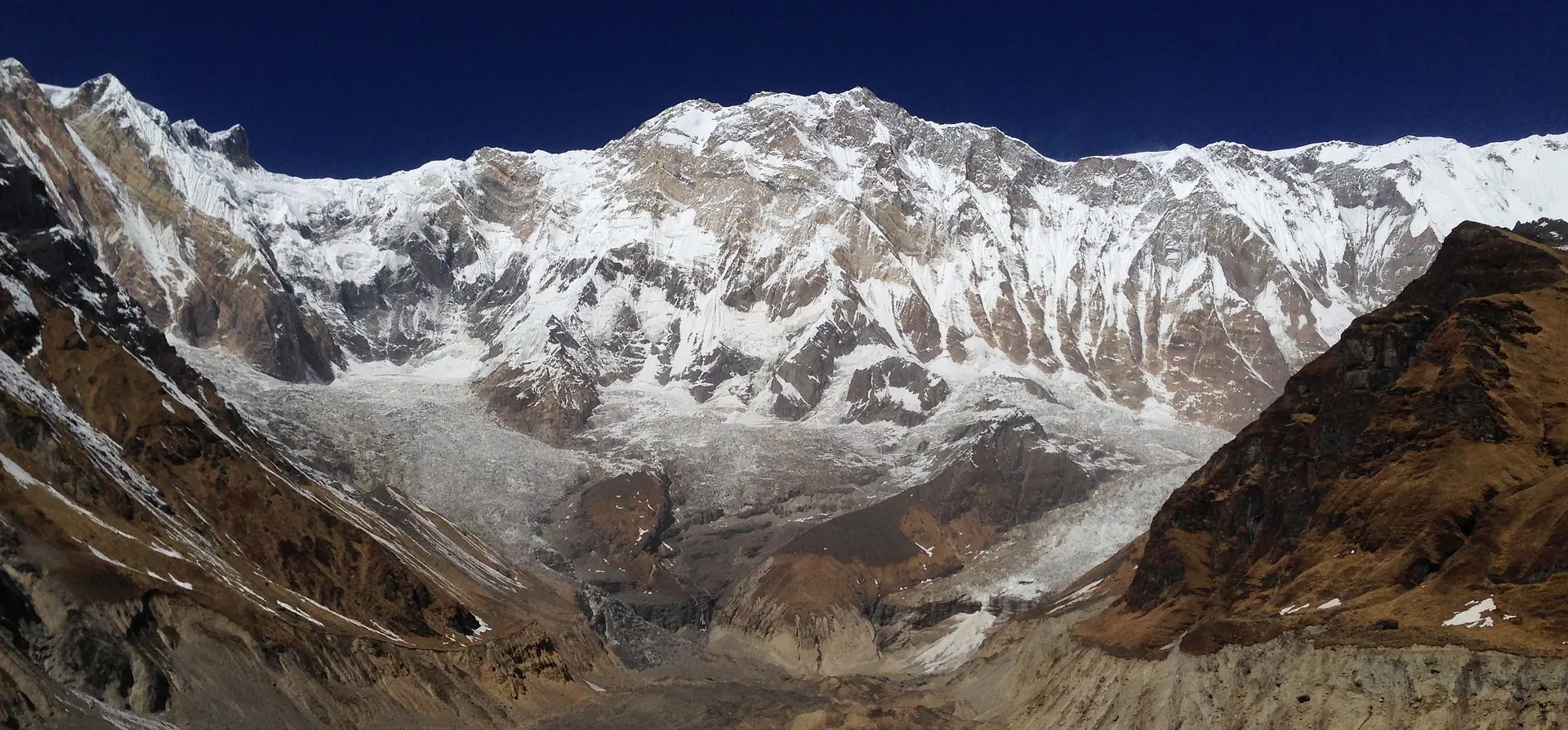
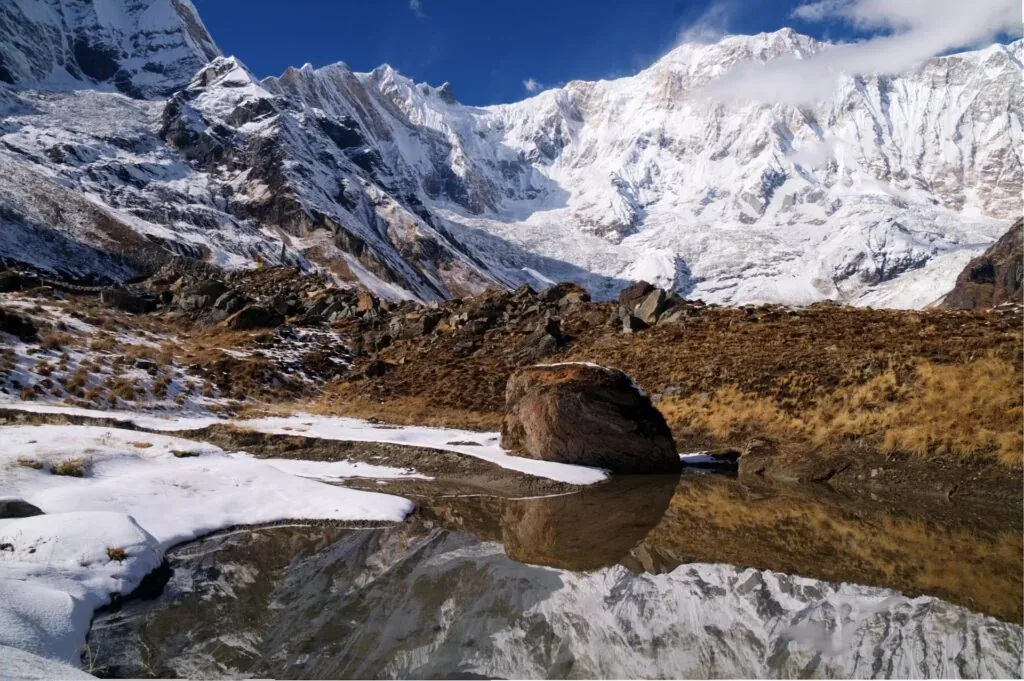
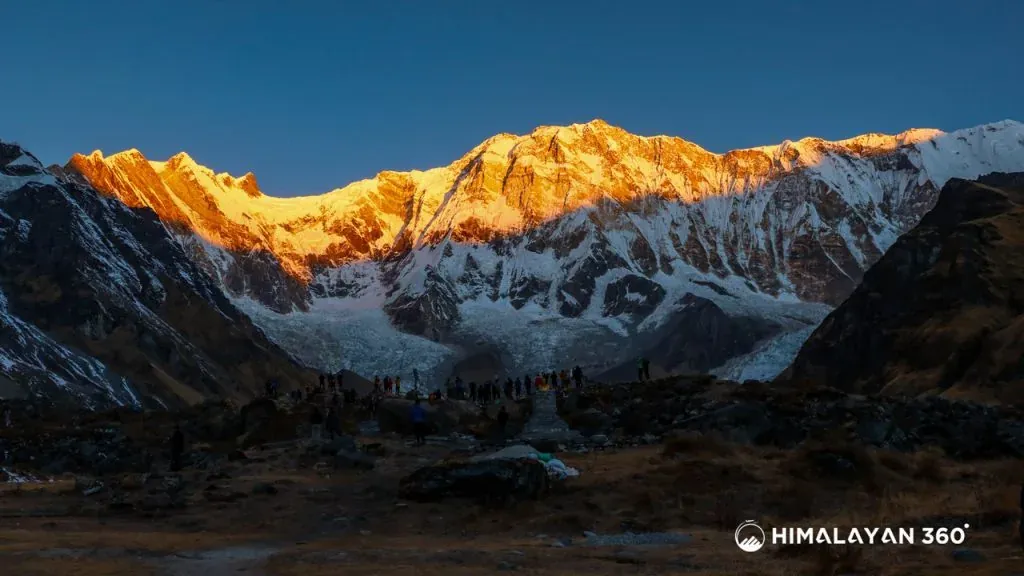
The Annapurna Base Camp (ABC) Trek is one of the most popular trekking adventures loved by trekking enthusiasts and adventurers worldwide. Starting from Pokhara, the trek takes you deep into the heart of the Annapurna Sanctuary, surrounded by some of the world’s tallest peaks. Over 9 days, you’ll walk through terraced fields, quiet green forests, and peaceful mountain villages. The final destination, Annapurna Base Camp, sits at 4,130 meters and offers stunning views of Annapurna I, Machhapuchhre (Fishtail), Hiunchuli, and other snow-covered peaks. The highlight of the trek is not just about seeing mountains, but also about learning about the culture and the everyday life of the people in the Annapurna region. The trail passes through traditional villages like Ghandruk, Chhomrong, Ulleri, and Ghorepani, where you can meet the friendly Gurung and Magar people. You’ll stay in teahouses, try Nepali food, and see Buddhist prayer flags and temples along the trail. The Annapurna Base Camp trek is suitable for first-time trekkers with a good fitness level. Even though the altitude goes above 4,000 meters, the gradual climb gives your body time to adjust. The best time to do the Annapurna Base Camp trek is in spring (March to May) or autumn (September to November), when the weather is clear and the views are at their best.
Book Now Make An Enquiry
 Trek
Trek By air
 Pilgrimage
 Festivals
 Wildlife
 Luxury
 Yoga
Yoga Food
Food Heritage