Bouddhanath Stupa
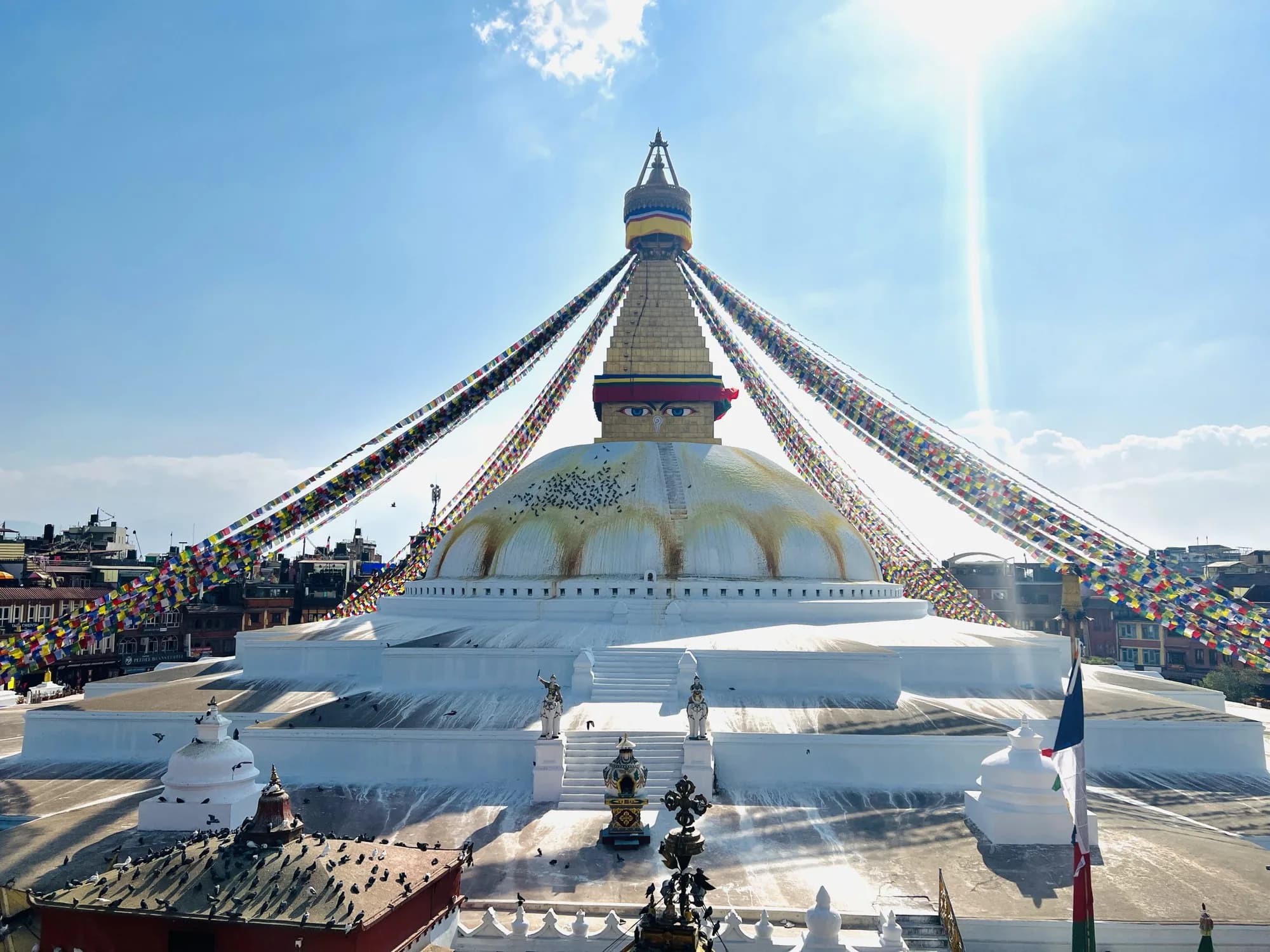
Bouddhanath Stupa is an ancient, spherical, and gigantic stupa in Kathmandu Valley. There is an ancient belief that the remnants of the body of Kashyapa Buddha are buried inside the stupa. When you’re here, you will be taken aback by the peaceful face of the Buddha in the stupa, the prayer wheels that never seem to stop throughout the day, the blowing of the prayer flag by the wind, the unique and strong smell of butter lamps, and the monasteries close by.
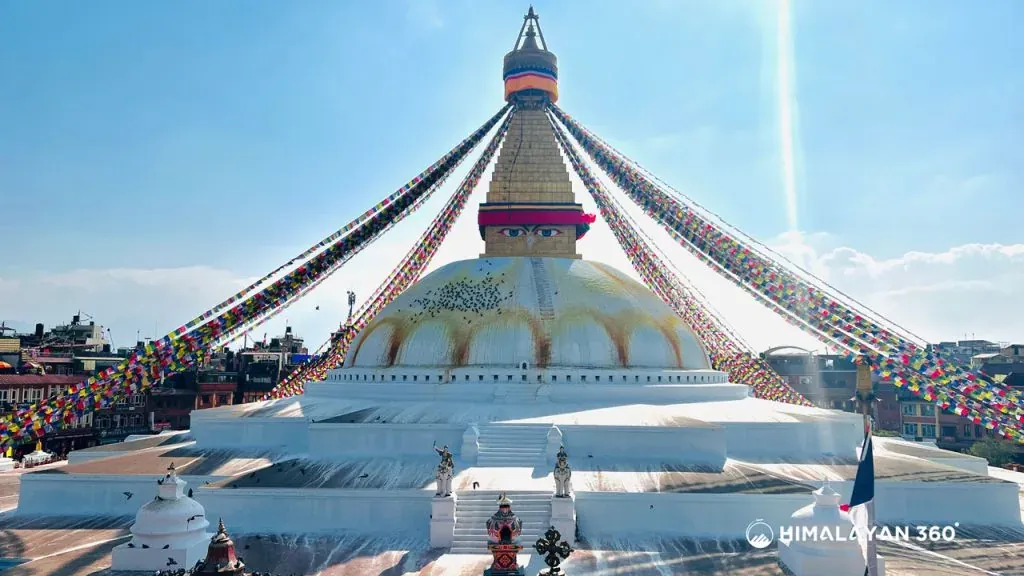
In the past, the location was popular among Hindu and Buddhist devotees who would visit to offer their prayers to the lord. However, in recent times, a large number of devotees have emerged at the site, accompanied by many youngsters and tourists who are drawn to the location due to its serene nature. Further, there are plenty of restaurants, cafes, and souvenir shops around the stupa that have increased the liveliness of the location.
Bhaktapur Durbar Square
Bhaktapur Durbar Square is truly a treasure of the ancient city of Bhaktapur, Nepal, and a living showcase of Newari art, culture, and architecture. Unlike the Durbar Squares in Kathmandu and Patan, Bhaktapur’s version still feels deeply rooted in the past. The traditional houses surrounding the square, along with the well-preserved temples and palace courtyards, offer a real glimpse into medieval Nepal.
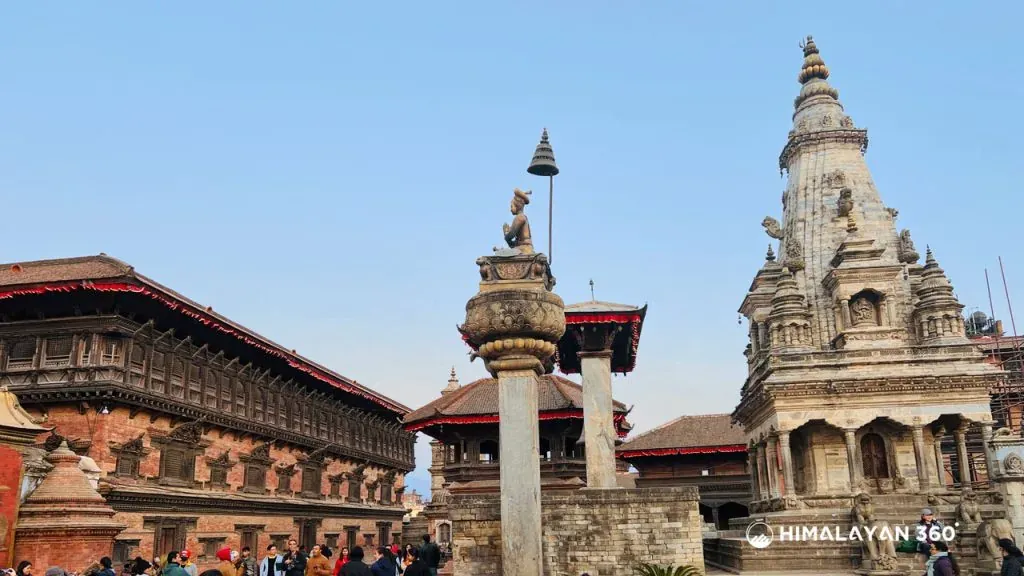
Having said that, this does not necessarily mean that you won’t find good amenities or at least facilities for a day tour in this landmark. There are several modern amenities like handicrafts shops, heritage-style restaurants, cozy cafes, etc., that cater well to daytime travelers. Bhaktapur is best known for the Nyatapola temple, which is Nepal’s tallest pagoda. Some other attractions inside this world’s UNESCO wonders include the 55-window temple, Potter’s Square, where you can engage in pottery, and the local markets of Bhaktapur, where you can savor the ever-famous Juju Dhau (which translates to King Curd).
Changunarayan Temple
Very close to Bhaktapur is Nepal’s oldest Hindu temple, the Changunarayan temple. The temple was made as a devotion towards Lord Vishnu. This temple was built during the 4th-century Lichchavi period. Dating back to the 5th century, you can also find ancient scriptures in the walls of this temple and stones around it. While reading these scriptures may be impossible, learning that the same stones and walls you see here have witnessed centuries pass can be a fascinating experience.
You can see the most amazing view from the top of a hill overlooking the city below. Additionally, the temple is situated very close to the hills, making it an ideal location for a short hike as well. On your day tour, it may not be possible to go on a hike, but we bet you won’t miss any amazing elements in your short trip to Changunarayan! The temple has a serene and peaceful atmosphere. You will see devotees frequenting this location one after the other. Likewise, the pagoda-style temple has remained intact with timely construction.
Kathmandu Durbar Square
Kathmandu Durbar Square is situated in the heart of the Kathmandu Valley. With the most amenities and modern elements, the locals and the travelers have made the site seem as if the area around the palace is never asleep. As soon as you enter the Durbar Square, you will be welcomed by a ferocious and divine figure of Kaal Bhairava, a fierce avatar of Lord Shiva. There is a belief that the statue had been a symbol of justice in the past. In addition to this, there are plenty of modern buildings that were built during the Rana rule.
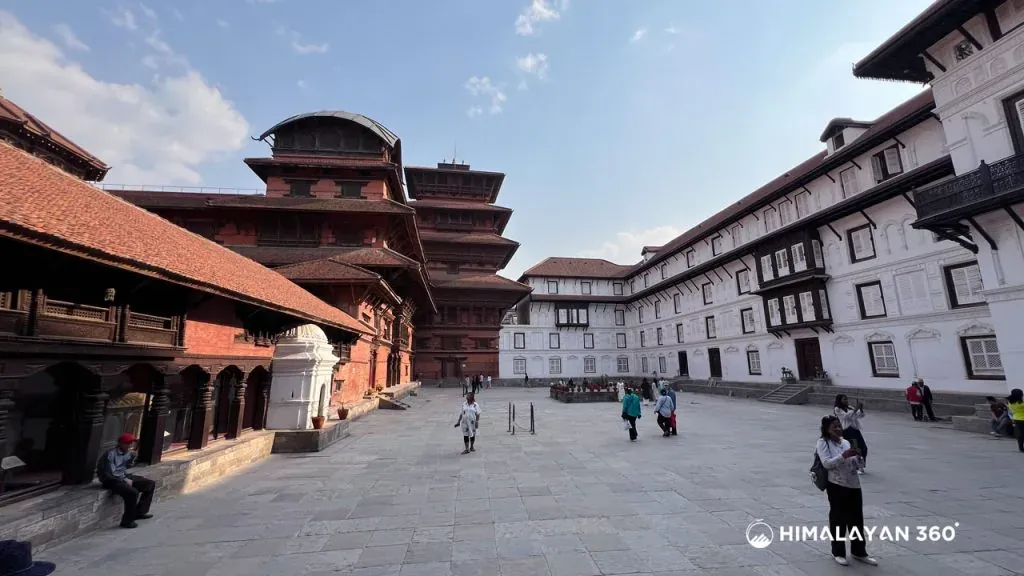
Furthermore, you can also briefly visit Kumari Ghar, where the living child Goddess Kumari lives. The Hanuman Dhoka Palace is one built with meticulous wooden details, which is a sight to behold! Likewise, smaller historical temples and the palace courtyards have increased the ancient beauty of the Durbar Square area. For a quick snack or a drink, you can stop by a restaurant or a cafe in Freak Street. There are just as many colorful souvenir shops in Kathmandu Durbar Square for you to shop from.
Pashupatinath Temple
The Pashupatinath Temple is one of the most religiously significant Hindu temples in the world, dedicated to Lord Shiva. The temple is located at the banks of the Bagmati River, abd holds deep history and culture. There is a saying that Lord Shiva had come to the present temple area as a deer. He was so mesmerized by the location that he decided to settle there for a long time. However, other gods didn’t want him to stay there. So, they convinced him to return to his divine abode. Many believe that the Shiva Linga in the temple today was formed from the antler that broke off when Lord Shiva took the form of a deer.
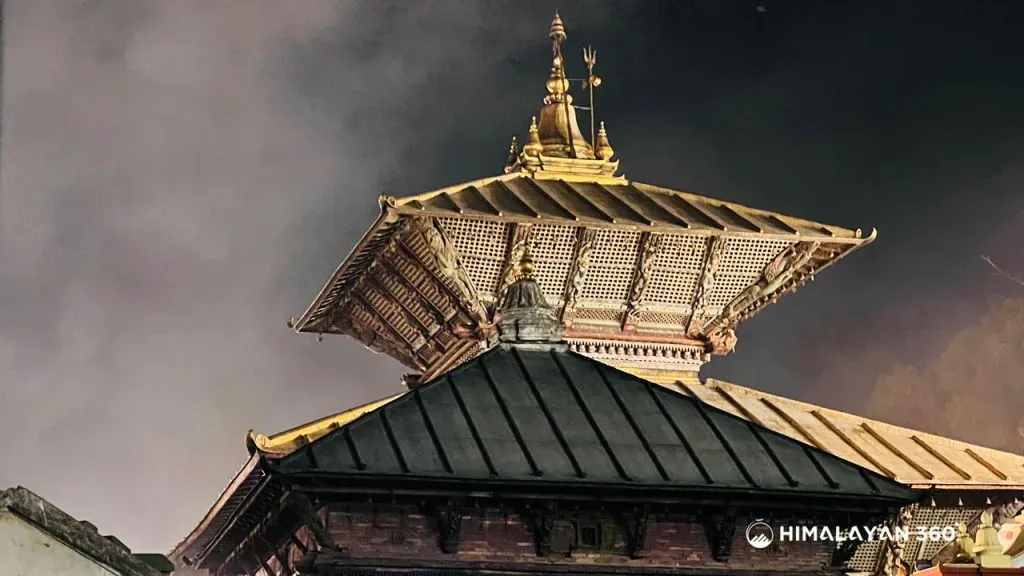
The surrounding area in the Pashupatinath temple is never quiet and without devotees. The divine aura of this location brings not only Nepalese devotees but also devottes from around the world. During the major festival of Shivaratri, the number of visitors exceed a million. Behind the main temple, along the banks of the Bagmati River, you’ll see an open-air cremation site. Here, cremation rituals are carried out daily, as part of sacred Hindu tradition. In the evening, devotees also gather to see spiritual Sandhya Aarati ceremony performed on the opposite side of the cremation grounds.
Patan Durbar Square
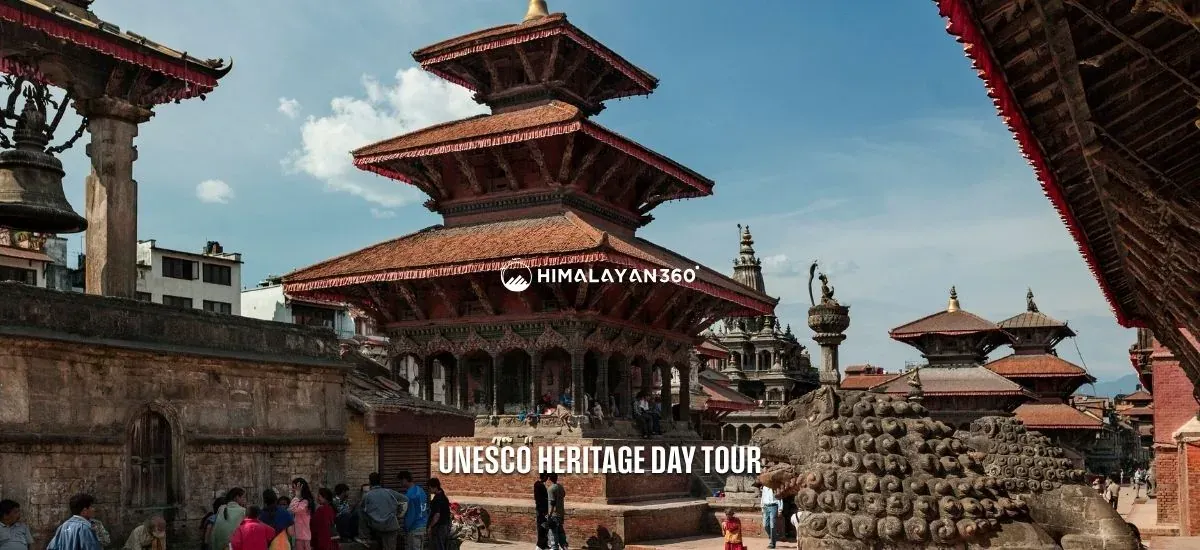
Patan Durbar Square is another landmark you will visit. Locals and travelers of all ages always occupy the peaceful Durbar Square courtyard. Today, the palace has been turned into a museum. But, it has not yet lost its essence from the Malla dynasty period (12th to 18th century). Here, you will get to see from the throne of the late kings to the murals, statues, and some other artefacts from the ancient period. You will be shifted to a whole other era as soon as you enter the palace area.
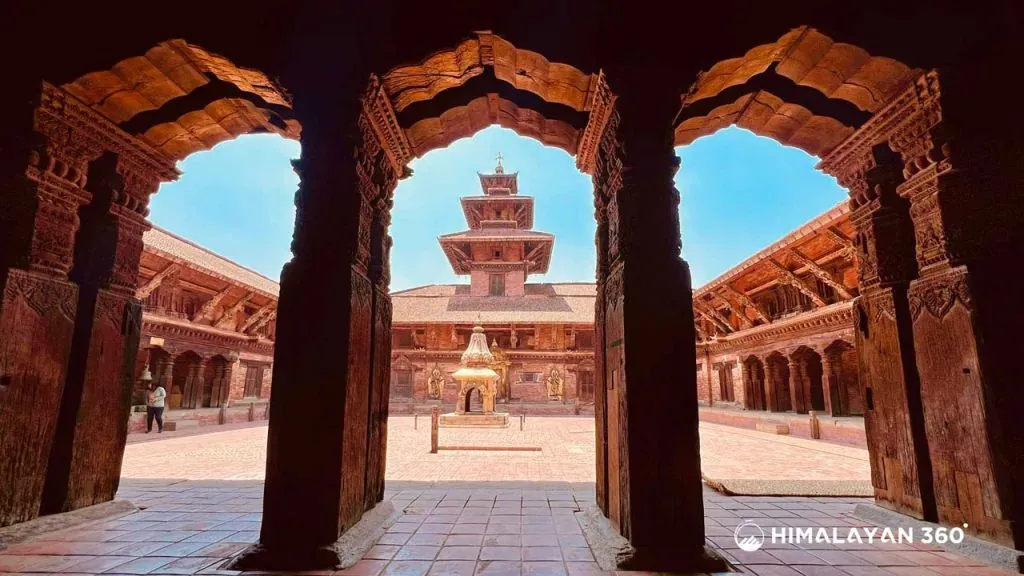
Besides the museum, you can also visit the Krishna Mandir temple, which was made after Siddhi Narsingha Malla saw a dream of Lord Krishna dancing in the same place where the temple was later built. The temple is said to have been built from a huge stone. There are other temples, such as the Bhimsen Temple and the Golden Temple (Hiranya Mahavihar), that you can visit. If you’d like to stop by for refreshments, you’ll find plenty of local options in the Durbar Square area.
Swoyambunath Stupa
Last but not least, the day tour include visit is the Swayambhunath stupa, also known as the Monkey Temple. Buddhists and Hindu devotees from ancient times had claimed that the stupa emerged by itself, hence its name, which translates to “self-created”. This further increases the universal value in religious and spiritual way of the stupa. Visitors can have a scenic view of Kathmandu city from the top. Even climbing the stairs in Swoyambhunath can feel like a brief spiritual journey.
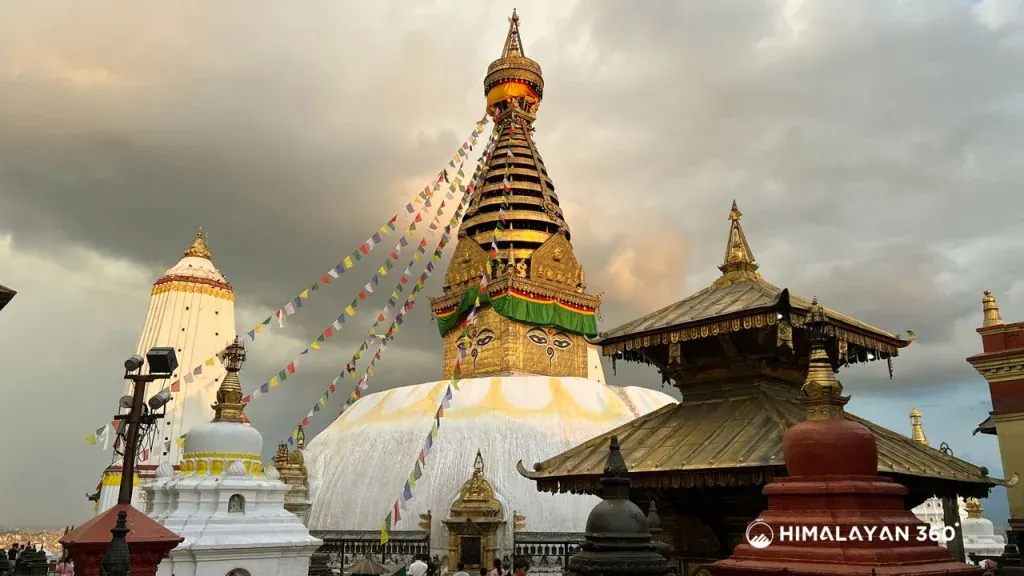
Needless to say, the aura of the stupa is undeniably wonderful and positive. You will find monkeys at every step of the way as soon as you’re here. The animals are quite friendly and familiar to the visitors and are, hence, not dangerous. You may still want to be cautious so as not to let them snatch your stuff because you can never tell with the mischievous inborn nature of the monkeys.



 2 Days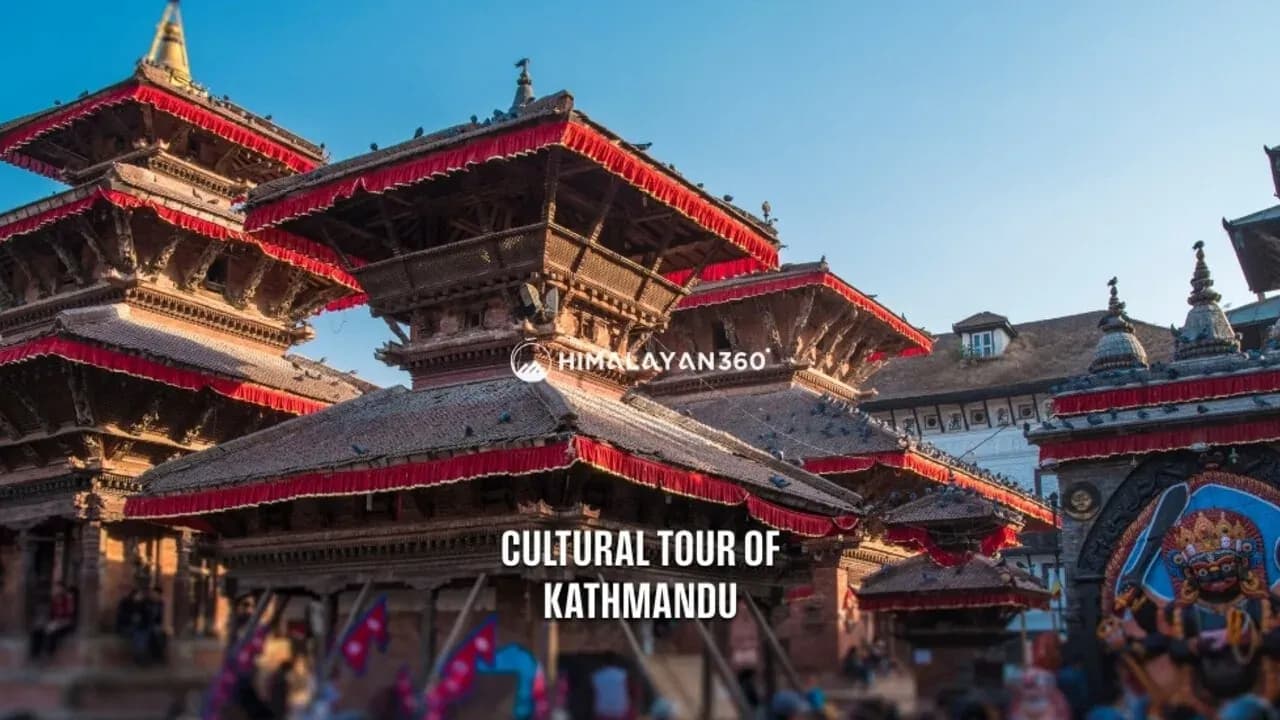
 Trek
Trek By air
 Pilgrimage
 Festivals
 Wildlife
 Luxury
 Yoga
Yoga Food
Food Heritage