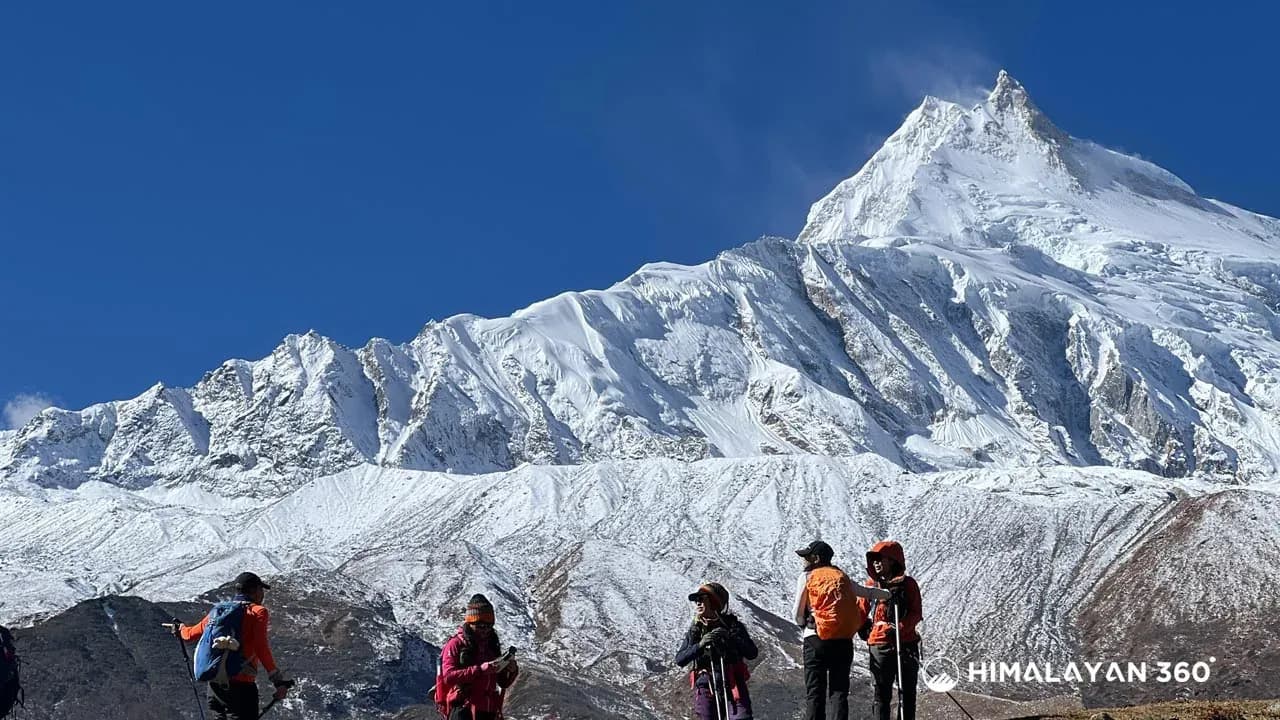
Ever wondered why the Manaslu Circuit Trek feels like a secret trail that everyone whispers about but few actually walk? When you look at the facts about the Manaslu Circuit trek, you’ll see that fewer than 10,000 trekkers visit this route each year, which makes it less active than Everest or Annapurna. The trail loops Mt. Manaslu (8,163M), the 8th-highest mountain in the world, and runs through seven climate zones, from warm valleys to icy high passes. Anyone attempting the Manaslu Circuit is walking into the least-developed trekking area in Nepal that still has teahouses in it, and the popularity of the Manaslu Circuit has grown without the crowds arriving with it.
The trek also passes over 20 villages, many of them influenced by Tibetan culture and ancient trade routes. You’ll walk beside glaciers, cross the Larkya La Pass at 5,106M, and explore sacred places like Pungyen Gompa and Lho Monastery. Every day offers new views, new stories, and new culture.
Here are some Manaslu Circuit Trek Facts you need to know if you are thinking of doing this trek.
Overview of the Manaslu Circuit Trek Route, Cost and Best Time
Trekking to Manaslu is not like trekking anywhere else in the country. Before the eleven facts, here is a short guide to the Manaslu Circuit trek in Nepal that they describe, and to the Manaslu Circuit trek route it follows.
- Trek route. You start the trek at Machha Khola. From there the Manaslu Circuit route follows the Budhi Gandaki up the Manaslu north side and around the mountain and comes down the Marsyangdi to Dharapani, joining the Annapurna Circuit trail at the end of the trek. It is a loop around the Manaslu massif rather than an out-and-back walk to a base camp, and the trek to Tilje and Dharapani at the finish drops you straight onto the Annapurna trail.
- Distance and duration. 143.7KM (89 miles) of walking, 13 to 14 days on the trail inside a standard 14-day Manaslu Circuit trek itinerary from Kathmandu and back.
- Highest point. Larkya La Pass at 5,106M. The highest point on this trek is also its longest day, and crossing it is what most trekkers on the Manaslu Circuit remember.
- Manaslu Circuit trek cost. Our guided departures start at USD 920, with the Manaslu Restricted Area Permit, the Manaslu Conservation Area Permit and ACAP adding about USD 119 to 144 per person depending on season.
- Best time to trek. Autumn, late September to November, with spring from March to May the second choice. That is also the best time to trek the Manaslu region of Nepal generally, including the Tsum Valley side trip.
- Permits and guide. The Manaslu restricted area runs from Jagat to Dharapani. Trekking in the Manaslu restricted area without a guide is not allowed, and hiring a freelance guide is not an option here either: the permit has to be filed by a registered agency with a licensed trekking guide in Nepal named on it. A guide and porter is the normal arrangement, and an experienced guide is worth more here than anywhere else in the Manaslu area.
- Altitude sickness. Every night from Lho onwards is above 3,000M, so acclimatisation days at Samagaun and Samdo are part of the trek rather than optional extras. The hike to Manaslu Base Camp on the Samagaun rest day gives great views of Manaslu and does the acclimatisation work at the same time.
The best time to do the Manaslu Circuit is therefore October or April, and that combination is why it is counted among the best treks in Nepal, and why it is a more challenging trek than the Everest Base Camp trek on the legs if not on the lungs. Full day lengths and the season comparison are in the Manaslu Circuit Trek difficulty, distance and best season guide.
1. First Trekking was Opened in 1991
A historical fact about the Manaslu Circuit is that it was officially opened to foreign trekkers in 1991 after being a restricted area for decades. The trail follows an ancient salt trading route following the Budhi Gandaki River, which connected Gorkha and Tibet. Opening the trek helped the visitors to explore the Himalayan region and the untouched states, much like trekking in Nepal decades ago, before Everest and Annapurna became crowded.
Access was carefully controlled from the start. In 1997-1998, the Manaslu Conservation Area Project (MCAP)was established to protect the environment, cultural sites, and local communities. These measures have kept the region less crowded by helping trekkers to enjoy its raw beauty and cultures.
2. A Trekking Guide is Mandatory, Independent Hiking is Not Allowed
Trekking the Manaslu Circuit without a licensed trekking guide is not permitted. The region sits close to the Tibetan border with limited access points, so the government keeps it as a restricted zone, and the rule applies to everyone regardless of experience or fitness. The permits themselves can only be filed by a registered agency, never by an individual.
The same rule covers the Manaslu Circuit with Tsum Valley Trek. What did change is the group size. As of March 22, 2026, Nepal removed the minimum two-person requirement, so a solo traveller can now be issued the Restricted Area Permit individually and trek as the only paying client, with a licensed guide and a registered agency behind the paperwork. What that means in practice is covered in the Manaslu Circuit Trek solo guide.
The restriction is mainly for safety and management. The region has few communication services, long distances between villages, and high-altitude risks, so a trained guide is essential for emergencies. Permits must be issued through a registered Nepali agency like Himalayan 360. Solo travelers no longer need to find a second trekker. They can trek as the only paying client with a licensed guide.
3. Lhosar: New Year Celebration on a Different Date
Lhosar is one of the most popular cultural events you can witness during the Manaslu Circuit Trek. The region follows three different lunar calendars, so the New Year arrives on three separate dates. Gurung communities celebrate Tamu Lhosar around late Dec or early Jan. Tamang people celebrate Sonam Lhosar in late Jan or Feb. In the upper Nubri Valley, villages like Samagaun and Lho welcome Gyalpo Lhosar in Feb or Mar.
Each celebration marks the start of a new lunar cycle and the shift to a new animal year in the 12-year zodiac system. These festivals make the trail active with colour and tradition. Homes are cleaned, and families gather for food like Khapse and Guthuk. Monasteries in the higher villages, like Samagaun, often host masked dances during these festivals.
4. Gorkha Region, Birthplace of the Founding Father of Nepal
The Manaslu Trek begins in the Gorkha region, the birthplace of King Prithvi Narayan Shah, the unifier of Nepal. He was born in the Gorkha Palace on January 11, 1723, and from this hill kingdom, he launched a decades-long campaign to unite the scattered Baisi and Chaubise states. The region is also the ancestral home of the famous Gurkha soldiers, whose bravery made the name “Gorkhali” known around the world.
This historical connection becomes clear as trekkers move through the Lower Manaslu trail. Places like Soti Khola and Arughat sit within the Gorkha District. Many trekkers visit Gorkha Bazaar before the trek to explore landmarks such as the hilltop palace, the Gorakhnath Cave, and the Kalika Temple. This historical backdrop adds another layer of features to the Manaslu experience beyond the mountains and landscapes.
5. The Risk of Avalanche around Samagaon and Manaslu Base Camp
Avalanche risk around Samagaon is one of the least heard facts on the Manaslu Circuit. The trail between Samagaon and Smado and the routes towards Pungyen Glacier and Manaslu Base Camp pass below slopes where heavy winter snow builds up. Avalanches are most common from Dec to Feb when the snow volume increases, and the slopes can’t handle it. These slides can sometimes reach the trekking path.
The risk is one of the main reasons why the region requires a licensed guide. In high-risk periods, they may delay the hike or choose safer routes. The danger became widely recognized after the 2012 avalanche near the Manaslu Base Camp area , which caused multiple deaths. Today, agencies track conditions closely, and trekkers depend on expert judgement to move safely. This part of the trek, between Samagaun and Samdo, is also where altitude sickness catches most people out.
6. The Highest Point on the Trek: Larkya La Pass (5,106M)
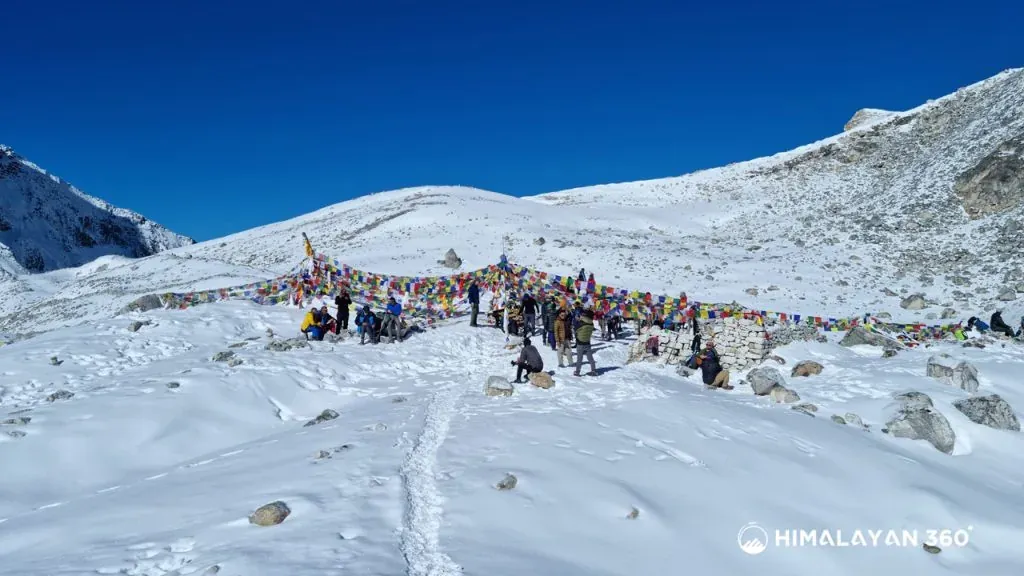
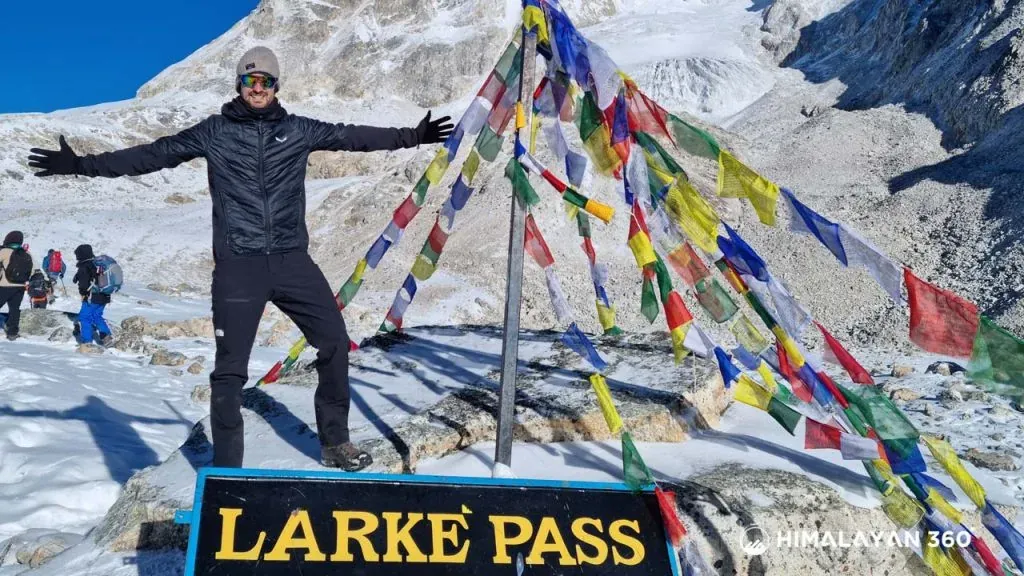
Larkya La Pass is the highest point on the trek. It indicates the natural divide between the Budhi Gandaki Valley and the Marsyangdi Valley by linking the Manaslu region with the Annapurna side. Trekkers usually start from Dharamsala around 3 AM to avoid strong winds and changing weather. The climb passes frozen lakes and glacial moraine, where the thin air makes every step slower,
At the top, you’re all surrounded by mountain views of Himlung Himal, Cheo Himal, Kang Guru, and Annapurna II. But the work is not over at the summit. The descent to Bhimthang is long and steep, with a drop of 1,400 m in a single day. Proper acclimatization in Samagaun and Samdo is essential for a safe and successful crossing.
7. Samagaon: The Largest Village in the Trail
Samagaon is the largest village on the Manaslu Circuit and the main cultural center of the upper valley. It sits at 3,530M and is home to the Nubri people, whose traditions come from Tibetan Buddhism. The village is made of stone houses, long mani walls, and chortens that show its spiritual history. Trekkers often spend one or two extra days here before moving towards Samdo and Larkya La Pass.
Samagaon also serves as the starting point for the best side trips in the region. Many trekkers hike to Pungyen Gompa at around 4,000 m to watch the south face of Manaslu. Others visit Manaslu Base Camp or Birendra Lake. The village offers beautiful views of Manaslu, Himalchuli, and Ngadi Chuli as well. Though Samagaon is a large settlement for this region, amenities remain simple, and trekkers must rely on basic teahouses and carry enough cash due to limited services.
8. Pre-Booking for Teahouse at Dharamsala
Pre-booking the teahouse at Dharamsala (4,460 m) is one of the most important practical details of the Manaslu Circuit Trek. This spot is the final overnight stop before crossing the Larkya Pass, but it has only a few basic lodges with limited beds. During peak months like Oct and Apr, these rooms fill quickly. Many trekkers must rely on tents or even sleep on the dining hall floor if they arrive without a reservation.
Because independent trekking is not allowed in Manaslu, guides play a key role in securing rooms in advance. Most of the agencies, including us, call ahead early to confirm beds at Dharamsala because of the high demand and the freezing night temperatures at this altitude. Pre-booking here is not just a convenience directly affects comfort and safety before the hardest day of the trek.
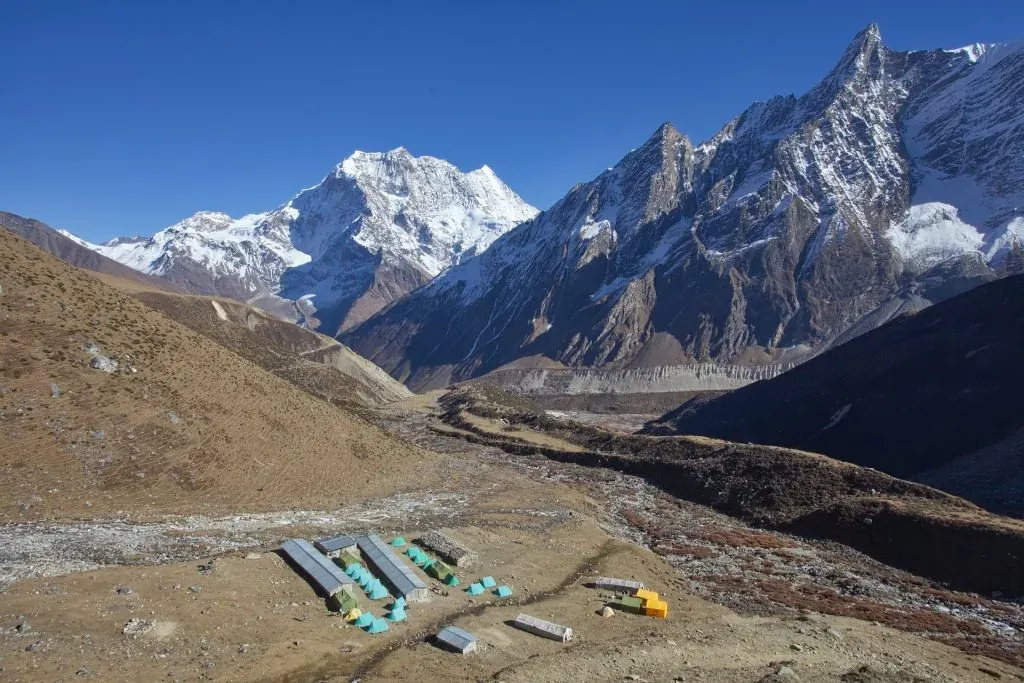
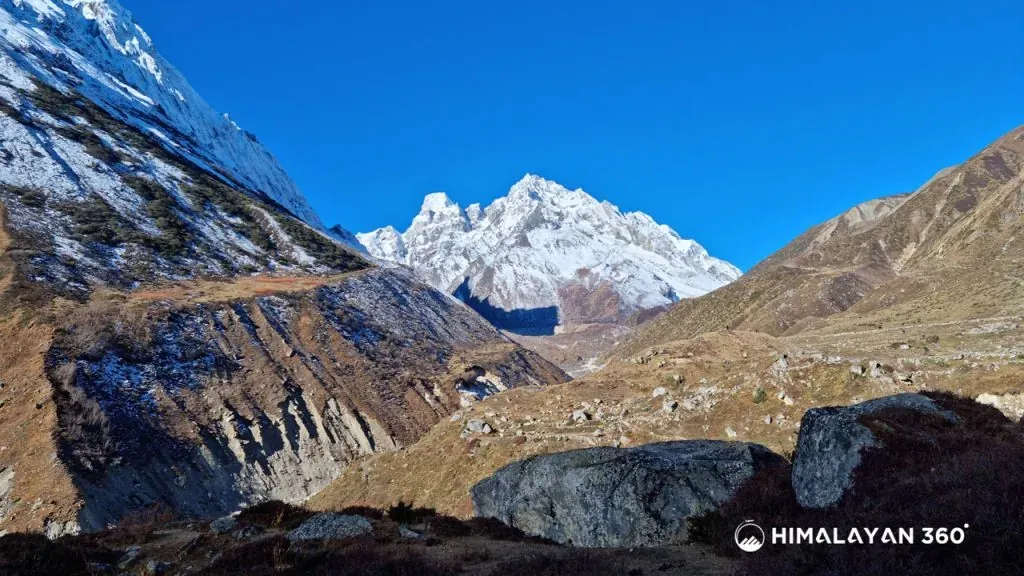
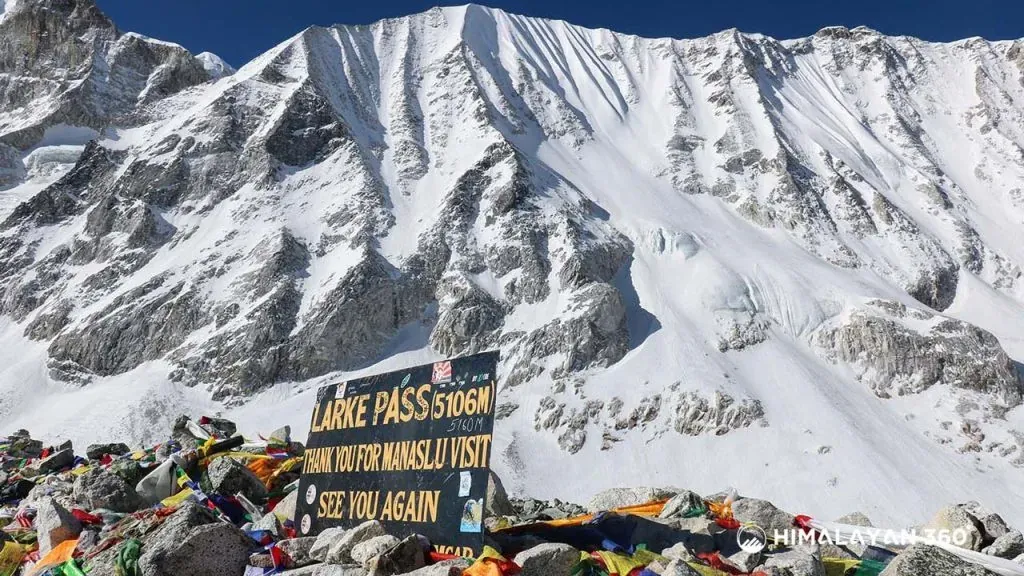
14 Days
Manaslu Circuit Trek
$920
5.0(7 reviews)
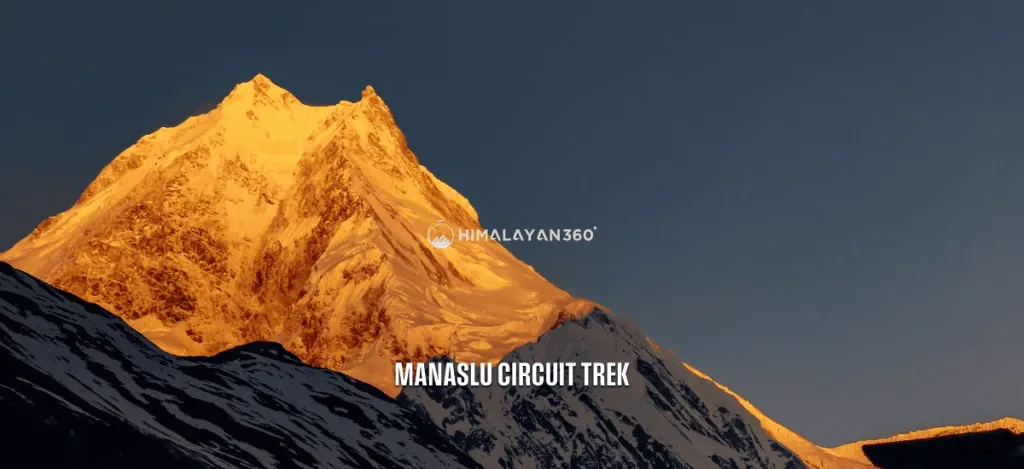
The Manaslu Circuit Trek is a stunning 13-18 day teahouse trek in Nepal, circling the world’s 8th highest mountain (Manaslu 8,163m), and covers about 144KM (89 Miles). The trek journey starts at Machha Khola and slowly climbs through farmlands and small villages. As you move higher, you reach mountain valleys like Samagaon and Samdo. The biggest highlight of the Manaslu Circuit is crossing the Larkya La Pass (5,160M), where you can see amazing views of Manaslu, Himalchuli, and Ngadi Chuli. The trek also offers a local culture experience. Villages such as Samagaon, Namrung, Lho, and Deng show strong Tibetan traditions. You will see monasteries, prayer flags, and mani walls along the way. Depending on the season, you may also witness festivals like Lhosar (Tibetan New Year) or Saga Dawa, which celebrates Buddha’s life. In these villages, people farm millet, herd yaks, and live in ways passed down for centuries. This gives trekkers a close look at a culture that is still very traditional. The Manaslu Circuit trek trail also takes you through different natural landscapes. In the lower region at Jagat and Soti Khola, you will walk through green forests alive with rhododendron, magnolia, and bamboo. As you go higher past Philim, Namrung, and Samdo, the forest changes into oak, maple, and conifers, with waterfalls along the way. Near Samagaon and Larkya La, the land becomes rocky and snowy, with only small plants like moss and lichens. The changing landscape offer the true trekking experience throughout the Manaslu Circuit trek. Likewise, one special thing about the trek to Manaslu Circuit region is that it is a restricted area. Trekkers need special permits, which help protect the environment and keep the trail less crowded. You will need to compulsorily hire a trekking guide. You can find simple teahouses and lodges in main villages, but the trek still feels wild and quiet compared to other popular routes in Nepal. The best time for Manaslu Circuit trek is during the Spring (March to May) and Autumn (September to October) seasons.
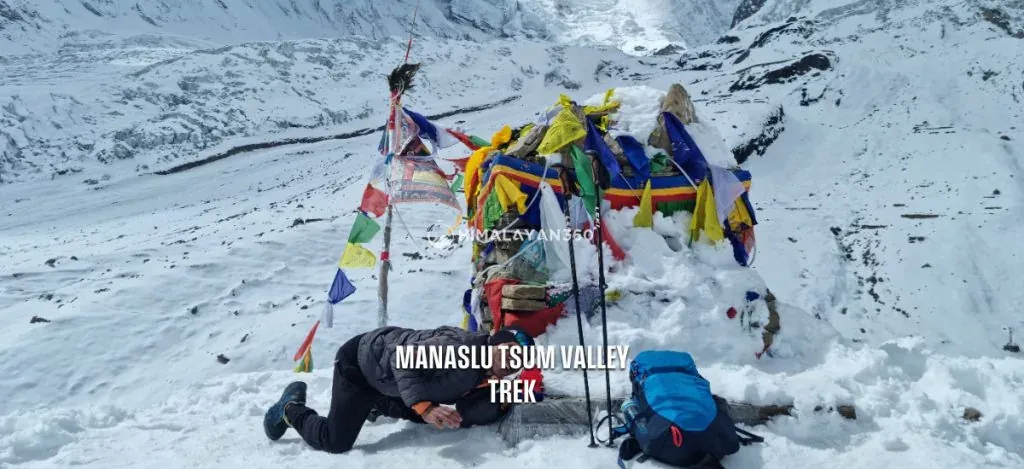
20 Days
Manaslu Tsum Valley Trek
$1,330
The Manaslu Tsum Valley Trek is an adventure around Mount Manaslu, the world’s eighth-highest peak at 8,163 meters (26,781 feet). This trek takes you through the scenic Manaslu Conservation Area and into the remote Tsum Valley, close to the Tibetan border. For 20 days, trekkers travel through serene pine forests, rhododendron jungles, and challenging trails leading up to the Larkya La Pass with majestic mountain views. The trek features high-altitude lakes, unique wildlife, and ancient Buddhist monasteries, with altitudes above 3,000m and 5,000m (16,404 feet) respectively. Along the way, you’ll discover a rare blend of Nepali and Tibetan culture, language, and traditions that make this region truly special. You will climb through Gurung villages with rice and millet terraces and cross many Buddhist shrines, especially in the Tsum Valley, which also has a similar culture to Tibetans. Tsum Valley, located near the Tibetan border, offers opportunities to encounter Buddhist monks and explore Milarepa’s Cave. You can also view Nepal’s national bird, the Lophophorus, against majestic landscapes of Mount Manaslu and Himalayan ridges like Hiunchuli and Annapurna II. The Manaslu Tsum Valley trek is ideal for adventure-seekers, but beginners with strong bodies and amazing stamina can also experience this. Just make sure that you are physically fit, if you are planning to take up the trek.
9. The Manaslu Conservation Area and the Manaslu Region
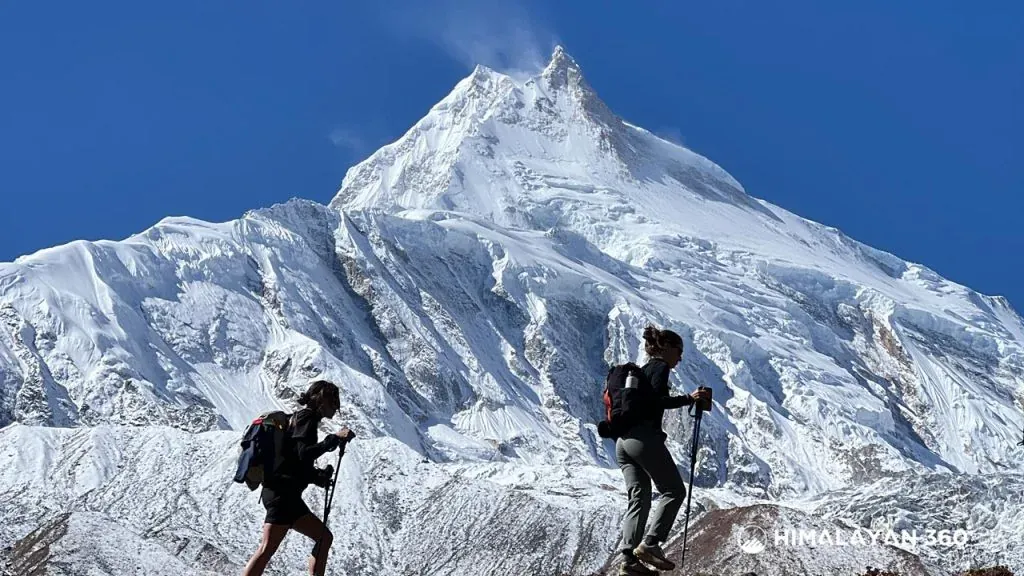
The entire route of any Manaslu Region Trek passes through the Manaslu Conservation Area (MCA), a protected region managed for both nature conservation and community welfare. Here are some facts about it as well:
- Establishment and Size: It was established in December 1998 and covers 1,663 sq.km from 600M up to 8,163M, the height of Mount Manaslu.
- Conservation Goals: To balance environmental protection, local livelihoods, and responsible tourism.
- Biodiversity Hotspot: It is home to 33 mammal species, like snow leopard, blue sheep, musk deer, the rare gray wolf, and 110 bird species, such as Himalayan Monal (Danphe), Himalayan Griffon Vulture, and Yellow-billed Chough
- Cultural Preservation: MCA also protects the cultural heritage of Nubri, Tsum, and Gurung communities who live here.
- Ecotourism Focus: The conservation area promotes ecotourism, such as keeping the Manaslu trail clean, less crowded, and closer to its cultural roots.
10. Encounter Many Traditional Suspension Bridges
Crossing traditional suspension bridges is a daily reality on the Manaslu Circuit. The trail follows the Budhi Gandaki gorge, where steep cliffs leave no space for safe footpaths. Because of this, trekkers cross dozens of bridges, many of them long and high. Most crossings take place over the Budhi Gandaki River itself. These bridges turn the difficult landscape into a walkable route, proving how essential they are for movement between remote villages.
Some bridges stand out for their engineering. The cantilever bridge near Yarubagar is one of the most popular, built to span a rock wall where a normal suspension bridge could not be anchored. Trekkers also cross rivers like Tharo Khola, Yaru Khola, Siyar Khola, Deng Khola, and Dudh Khola before reaching the Marsyangdi Valley.
11. The Turquoise Colored Birendra Lake (3,691M)
Birendra Lake is the most well-known fact about the Manaslu Circuit Trek. The lake is named after the late King Birendra Bir Bikram Shah, a former monarch of Nepal. It lies near Samagaon and is fed directly by meltwater from the Manaslu Glaciers. Its bright turquoise color comes from glacial sediments suspended in the water, which reflect sunlight.
On clear days, the lake mirrors Mount Manaslu, Himalchuli, and Ngadi Chuli, which creates a beautiful scenery. The lake is also a key acclimatization stop. Trekkers usually visit it as a short 1-2Hour side hike from Samagaon. The area also holds cultural meaning for local Nubri communities, who follow Tibetan Buddhism. Prayer flags and small stone cairns built as offerings often surround its banks.
Conclusion: Book the Manaslu Circuit Trek
The Manaslu region treks bring together deep culture, beautiful nature, and real Himalayan adventure. Trekkers who complete the Manaslu Circuit walk inside the Manaslu Conservation Area, cross many suspension bridges and Larkya La Pass, visit Birendra Lake, and hike toward the high Manaslu Base Camp. Combining Manaslu and Tsum Valley adds a week and a second culture to the same permit run. These facts show why the trek is growing in popularity among those searching for a less crowded but satisfying journey in Nepal, and why trekkers who have already walked the Annapurna Circuit Trek keep coming back for this one. Manaslu and Annapurna share a trailhead district and almost nothing else. Plan your Manaslu Circuit trek around these facts and the trek makes more sense. If you want to explore the Manaslu valley for yourself, book the Manaslu Circuit Trek with us: our 14 day Manaslu Circuit Trek starts at USD 920, and the difficulty, distances and seasons are set out in the Manaslu Circuit Trek difficulty, distance and best season guide.
 Trek
Trek By air
 Pilgrimage
 Festivals
 Wildlife
 Luxury
 Yoga
Yoga Food
Food Heritage