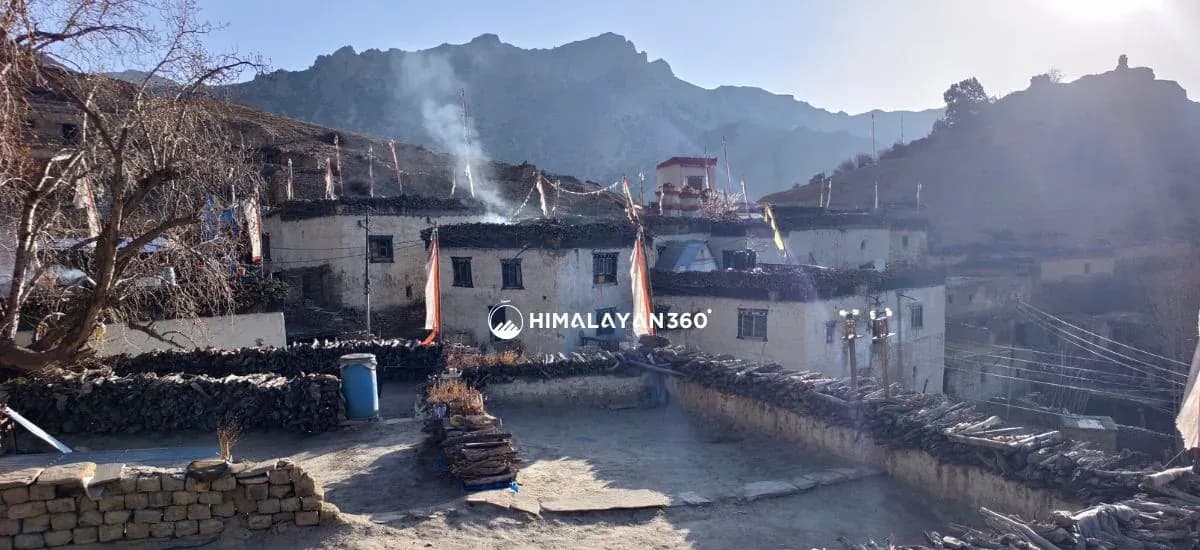
Upper Mustang has a cold, arid trans-Himalayan desert climate, and it is mostly dry even during the monsoon season of Nepal. That single fact changes everything about how you plan your trip. Most trekkers spend months researching a route, book flights, apply for a restricted area permit (which costs USD 500 for the first 10 days), and then arrive in the wrong season.
In spring, afternoon winds hit them, in winter, it becomes extremely cold, and during the monsoon, they expect rain but find dry and dusty conditions instead. None of these situations is very serious in Upper Mustang, the way they would be elsewhere in Nepal, but getting the timing wrong still means wasted days, bad visibility, and uncomfortable nights.
This guide breaks down exactly what the weather looks like across every season so you can plan with precision.
Why Upper Mustang Weather is Different
Upper Mustang lies in the rain shadow of the Annapurna and Dhaulagiri mountain ranges, which block the moisture-laden monsoon winds blowing up from the Bay of Bengal. That single fact explains most of the weather and climate you will meet on the trail. The result is an average annual rainfall of just 252 mm to 307 mm, compared to over 3,000 mm in parts of southern Nepal. Even during peak monsoon, precipitation here is minimal.
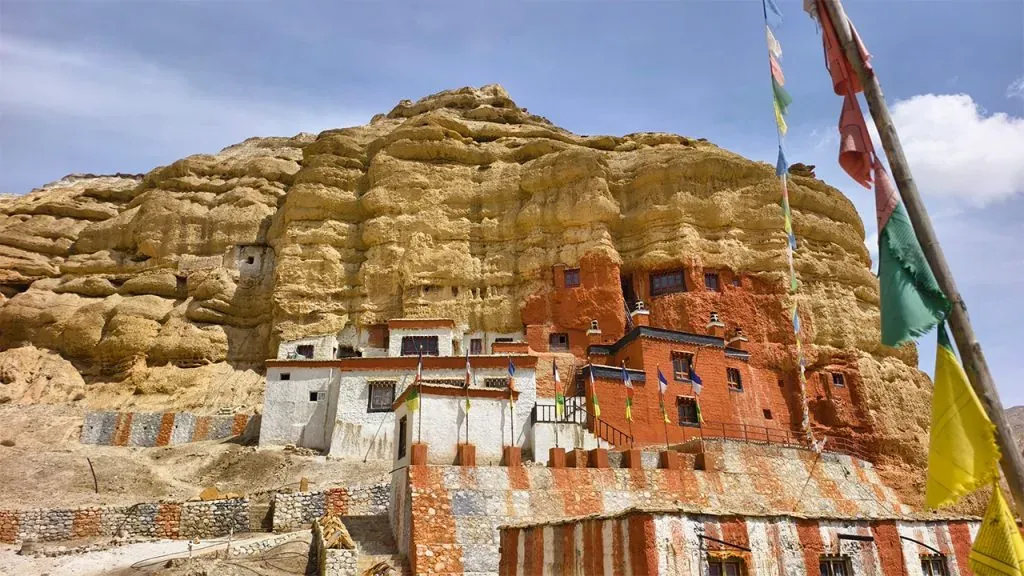
The average annual temperature of the region is approximately 10.9°C, and the climate is classified as a cold desert. Upper Mustang experiences a far wider daily swing than that average suggests. Elevation has a big impact here; the higher you go, the colder it gets after sunset, regardless of how warm the afternoon feels.
One feature that surprises first-time trekkers is the wind. Afternoon winds are common in Upper Mustang for most of the year between February and May. By midday, gusts can make walking on open ridges difficult.
Upper Mustang Weather Month by Month
Use this table to match your travel dates with the actual conditions on the ground. It sets out the weather and temperature for every month in Upper Mustang, and the pattern is more useful than any single figure. Read the lows rather than the highs: the average daytime temperature is what you walk in, the average low is what you sleep in, and the gap between a warm afternoon and a freezing night is the single thing most trekkers underestimate here.
| Month | Average High | Average Low | Conditions |
|---|---|---|---|
| January | 11°C | -7°C | Cold, dry, snowfall (sometimes) |
| February | 13°C | -5°C | Cold, dry, windy |
| March | 16°C | -2°C | Cool days, cold nights, wind picks up |
| April | 15°C | 0°C | Mild days, cool nights, some winds |
| May | 18°C | 4°C | Warm, dry, great trekking conditions |
| June | 20°C | 8°C | Warm, dry, potential afternoon winds |
| July | 22°C | 11°C | Warm, occasional cloud cover |
| August | 22°C | 11°C | Warm, light rains possible |
| September | 20°C | 7°C | Mild, clear skies, ideal trekking |
| October | 17°C | 3°C | Cool air, excellent visibility |
| November | 12°C | -3°C | Cold, dry, cloudless skies |
| December | 8°C | -10°C | Cold, dry, intermittent snow |
Upper Mustang Weather in Spring: March to May
Spring in Upper Mustang, from March to May, brings the most pleasant weather of the first half of the year and is one of the best seasons for trekking in Upper Mustang. Daytime temperatures average between 15°C and 21°C, the skies are clear, and the trails are dry.
The one consistent challenge in spring is wind. Afternoons, particularly between 1 PM and 4 PM, can bring powerful gusts across the plateau sections between villages. Experienced trekkers plan for early morning starts to cover ground before conditions deteriorate.
May also coincides with the Tiji Festival, a three-day religious ceremony held in Lo Manthang that attracts visitors from Nepal and the diaspora. If the festival falls during your travel window, weather and cultural experience align perfectly.
Upper Mustang Weather in Summer and the Rain Shadow Effect
Summer (June to August) is when Upper Mustang becomes very different from the rest of Nepal. While the trekking industry largely shuts down due to monsoon flooding, trail washouts, and leeches, Upper Mustang stays dry.
Daytime temperatures during summer peak at 22°C to 25°C, and nights are comfortable at 8°C to 11°C. The Annapurna and Dhaulagiri mountains block the monsoon clouds before they reach the area, keeping the valley dry.
However, there is one important thing to keep in mind. The lower section of the route through Jomsom and Kagbeni does receive some rainfall during this period. Road access and river crossings closer to Beni can be affected, but once you are inside Upper Mustang proper, conditions normalize quickly.
Upper Mustang Weather in Autumn: September to November
Autumn (September to November), like spring, is one of the best times to visit Upper Mustang when the weather is most favorable. September clears quickly after the tail end of the monsoon. Skies are completely blue, visibility extends for hundreds of kilometers, and temperatures are moderate: 12°C to 20°C during the day, dropping to -3°C to -8°C at night. October and November are the driest and clearest months of the season in Upper Mustang, and October is the best month in Upper Mustang for trekking, with clear air, consistent weather, and little to no wind.
November is the start of a transition. Days are still clear and manageable, but nights begin to drop below -5°C regularly, and by late November, high passes start accumulating snow. Trekkers who push deep into November need to carry warmer gear and check trail conditions carefully.
Upper Mustang Weather in Winter: December to February
Winter (December to February) is very cold. Daytime temperatures in Lo Manthang stay around 0°C to 5°C, but at night they drop to -20°C to -25°C. The coldest month is January, when lows can reach -7.3°C even on the valley floor.
Snowfall is possible throughout winter, and some high passes on trekking routes into Lo Manthang can become inaccessible after heavy snowfall. That said, compared to most Himalayan regions, winter precipitation in Upper Mustang is low. The trails are not washed out or overgrown; the only challenge is the cold temperature.
For experienced, well-equipped trekkers, winter offers absolute solitude. Teahouses are mostly empty, and the cave monasteries and old villages look even more unique when covered with frost. In winter, there are about 9 hours of sunshine each day, so the cold is a dry cold that the sun can partially offset.
What to Pack for Each Season
Your packing list should match the season, not just a generic “Himalayan trekking” checklist.
| Spring and Autumn | Summer | Winter |
|---|---|---|
| Moisture-absorbing base layers and mid-layer fleece | Lighter layers with a windproof shell | Down jacket rated to -20°C |
| A windproof outer shell (critical for spring afternoons) | Rain jacket for the lower elevation approach through Jomsom | Thermal base layers (top and bottom) |
| Insulated sleeping bag rated to at least -10°C | Dust protection (a buff or face mask) for dry, windy days on the plateau | Insulated gloves and a balaclava |
| Sun protection: UV index at altitude is extreme, sunscreen SPF 50+ and UV-blocking sunglasses are non-negotiable | Microspikes or crampons if venturing to higher passes | |
| Trekking poles for rocky descents | Hand warmers as backup |
Weather Myths about Upper Mustang
Even though Upper Mustang is known as a “rain shadow” desert, several common misconceptions can lead to poor planning for trekkers. Here are some myths about Upper Mustang.
| The Myth | The Reality (Buster) |
|---|---|
| It Never Rains | While in a rain shadow, it still gets occasional rain. |
| Summer is Perfectly Dry | The trek is dry, but the access route (Pokhara to Jomsom) is mostly hit by heavy monsoon landslides |
| The Wind is a Breeze | It is a daily gale. After 12:00 PM, 40 km/h winds blow dust and sand |
| Winter is Just Quiet | It becomes very quiet. Most teahouses close as locals move south to avoid the extreme cold |
| Sun is the Same as Home | The air is thin, so UV rays are stronger. You can get sunburned much faster than at sea level |
How Strong are the Winds and Dust Storms in Upper Mustang
Winds in Upper Mustang are one of the strongest natural forces. Calm conditions last only until late morning. After about 11 AM, wind speeds rise quickly as air moves up from the Kali Gandaki Gorge toward the Tibetan Plateau. Average afternoon winds reach 40 to 50 km/h, which is strong enough to slow walking speed and make communication difficult. In extreme cases, weather stations near Jomsom have recorded gusts close to 150 km/h, though such events are rare.
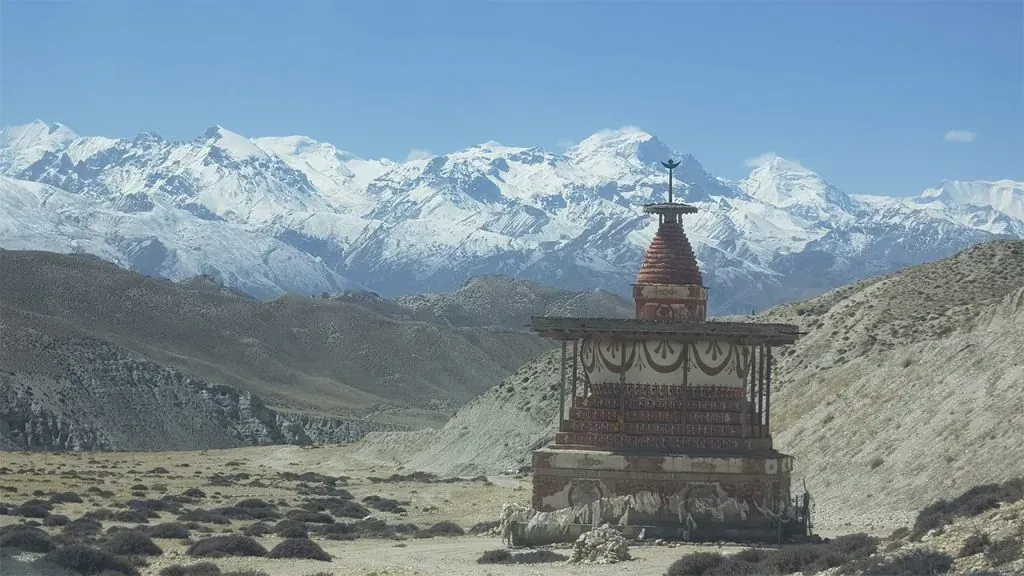
These strong winds lift loose sand and dust from the dry valley floor, creating short but intense dust storms. Visibility can drop quickly on open trails, and trekkers may struggle to see paths clearly. The wind also increases physical effort, as walking against it feels much harder than normal hiking. Dust can irritate the eyes and throat, so protection like sunglasses and a face covering is essential during the afternoon hours.
Does Upper Mustang Ever Get Snow?
Yes, but not as frequently as the other Himalayan regions. Snowfall occurs mainly between December and February, with late-season snow in March at higher elevations. The trans-Himalayan location means precipitation of any kind is relatively rare. When snow does fall, it clears within a day or two due to low humidity and sunshine.
The highest recorded temperature in Upper Mustang is around 35°C, documented in April and June. The temperature range across a single year in Upper Mustang is therefore extreme, from -25°C at high-altitude winter campsites to 35°C on a hot June afternoon in the valley.
Upper Mustang and Lower Mustang Are Two Different Climates
Mustang is one district, but the weather conditions change at Kagbeni. South of it, Lower Mustang holds the Kali Gandaki valley towns of Jomsom, Marpha and Muktinath. These sit lower, stay milder and keep most of their lodges open all year. North of it, the trail climbs onto the plateau, and Lo Manthang at 3,800M and above is colder after dark and more exposed than anything in the valley below.
The gap between Upper Mustang and Lower Mustang is widest in winter. Valley towns in Lower Mustang run about 10°C to 15°C by day and -1°C to -5°C at night, with Muktinath dropping closer to -15°C, while nights in the Upper Mustang area reach -20°C to -25°C. In spring and autumn the two feel much closer together, and the difference is wind rather than temperature: the Kali Gandaki funnels the afternoon gusts hardest through the Jomsom and Kagbeni stretch that both halves share.
This matters when you pack, because almost every Upper Mustang trip begins with two or three days in Lower Mustang. Pack for the Upper Mustang nights and the approach simply feels comfortable.
How the Weather Affects Jomsom Flights and the Road
Weather in Upper Mustang decides how you get in, not just what you wear. The short flight from Pokhara to Jomsom is weather dependent all year and is the first thing to be cancelled when cloud or wind builds, so keep at least one buffer day in the plan at the Jomsom end.
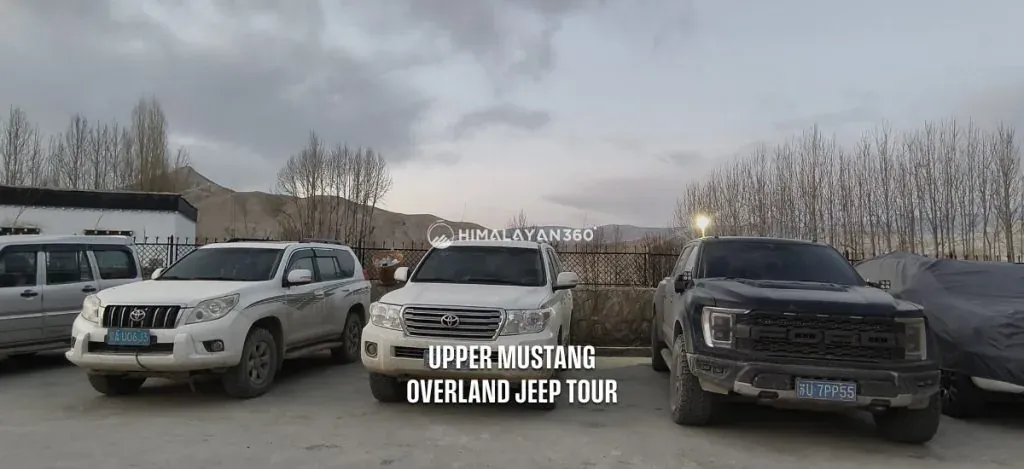
The overland alternative is the road from Beni through Jomsom, which is why an Upper Mustang overland jeep tour is a workable backup when flights stop. That road is the part of the journey most exposed to monsoon rain and landslides between June and August, even though the trekking days above Kagbeni stay dry. If you are weighing the two ways in, our comparison of the Mustang jeep tour and trekking sets out the trade-offs.
Winter is the opposite problem. The trails and roads stay dry, but snowfall can briefly close the Kagbeni to Muktinath road and the high passes on the walking route to Lo Manthang.
How to Read an Upper Mustang Weather Forecast
Type Mustang Nepal weather into any forecast app and you get a single point reading, and that point almost always sits down in the Kali Gandaki valley rather than up on the plateau. A 10-day weather forecast for Mustang is therefore a fair guide to Jomsom and close to useless for Lo Manthang, where the nights run far colder. Three habits make the current weather more useful here.
- Read the valley station as a baseline, then subtract for altitude. Every night you spend north of Kagbeni is colder than the number on the screen.
- Ignore the precipitation line and read the wind line. A Nepal weather forecast is built around rain, and rain is the one thing Upper Mustang mostly does not get. Wind decides how your day goes, and it is rarely modelled well at this scale.
- Check Pokhara and Jomsom together before a flight. The flight is cancelled on the conditions at either end of that hop, not on the weather over Lo Manthang.
Beyond about three days, treat any forecast for this region as a rough shape rather than a plan. Dry weather is the safe assumption in every month outside deep winter, and extreme weather here usually means wind or cold rather than a storm.
Plan Your Trip Around the Weather
The data points to two clear seasons, late March through May and late September through October. Summer is an option if you want fewer crowds and do not mind wind and dust. Winter is viable only for experienced, properly planned trekkers, and the Upper Mustang trek in winter covers what that involves.
This page is about conditions. For the recommendation itself, which season suits which kind of traveller, what each one costs and the best time to trek Upper Mustang, see the best time to visit Upper Mustang.
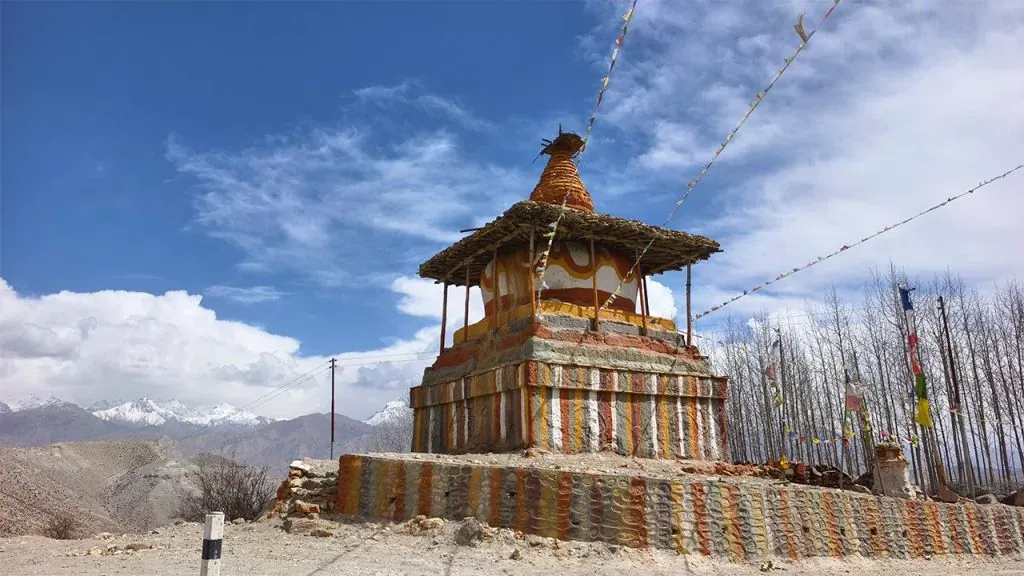
Upper Mustang requires a Restricted Area Permit, organized through a licensed trekking agency. This is not a region where you show up and figure it out. Permits, logistics, and guide requirements make advance planning essential regardless of season. Himalayan 360 offers permitted treks in Upper Mustang, with seasonal itineraries planned according to the best weather periods outlined in this guide.
16 Days
Upper Mustang Trek
$1,666
5.0(2 reviews)
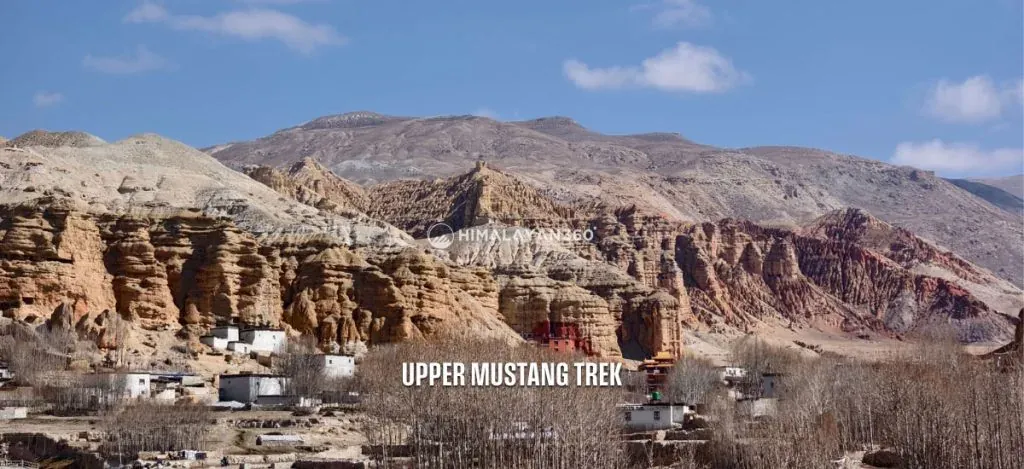
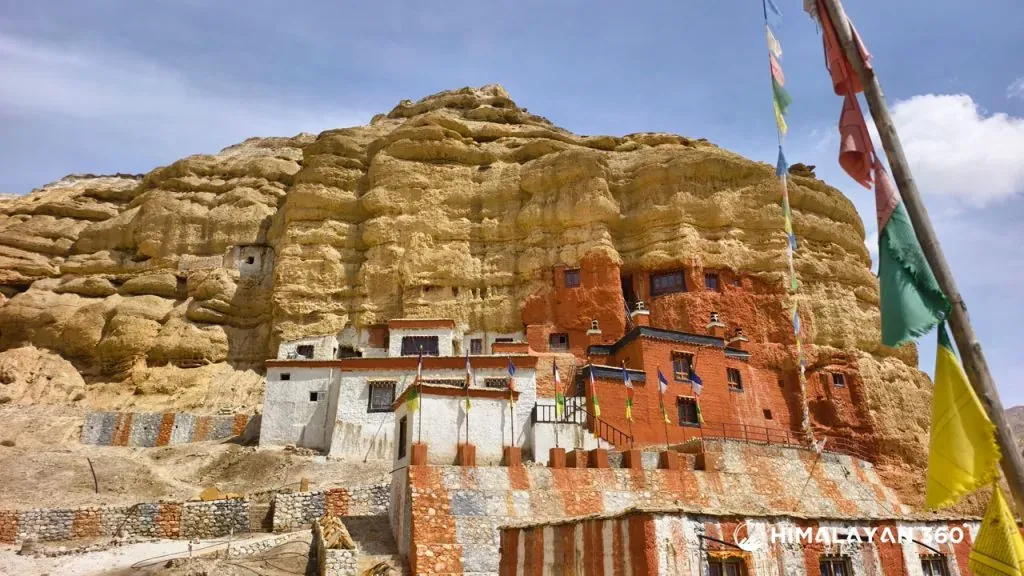
Starting in Nepal, there is a rare journey to the Upper Mustang Trek, leading to the last Forbidden Kingdom called Lo Manthang. Beyond the tall Himalayas and the reach of the monsoon, there lies a dry, desert-like land unlike much of Nepal. The trail was closed to outsiders until 1992, this area hold its old Tibetan culture and mysterious feeling. Along the way, there are ancient caravan trails, fortress villages, and monasteries built on cliffs, making it seem like a place frozen in time. As you travel through desert-like trails, you’ll pass through age-old villages like Kagbeni, traditional Mustangi homes, and mysterious cave monasteries. The journey winds past terraced fields, hidden valleys, and the banks of the Trishuli and Marsyangdi Rivers. Along the way, take in stunning views of Annapurna, Dhaulagiri, and Manaslu. The stark landscapes are dotted with fossil rocks and sacred chortens. Lo Manthang, a walled city rich in legend and tradition, is at the heart of the trek. This is more than a trek, it’s a walk through living history.
13 Days
Upper Mustang Motorbike tour
$2,350
5.0(1 reviews)
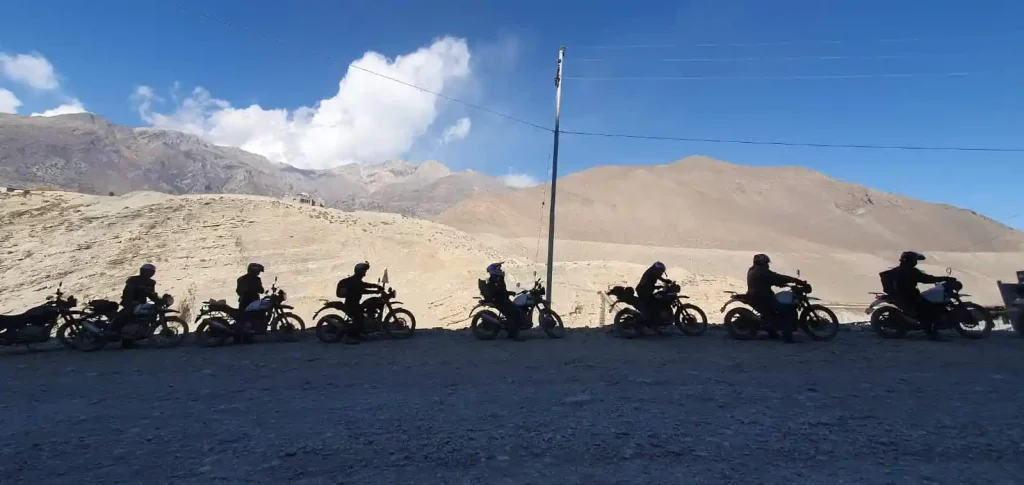
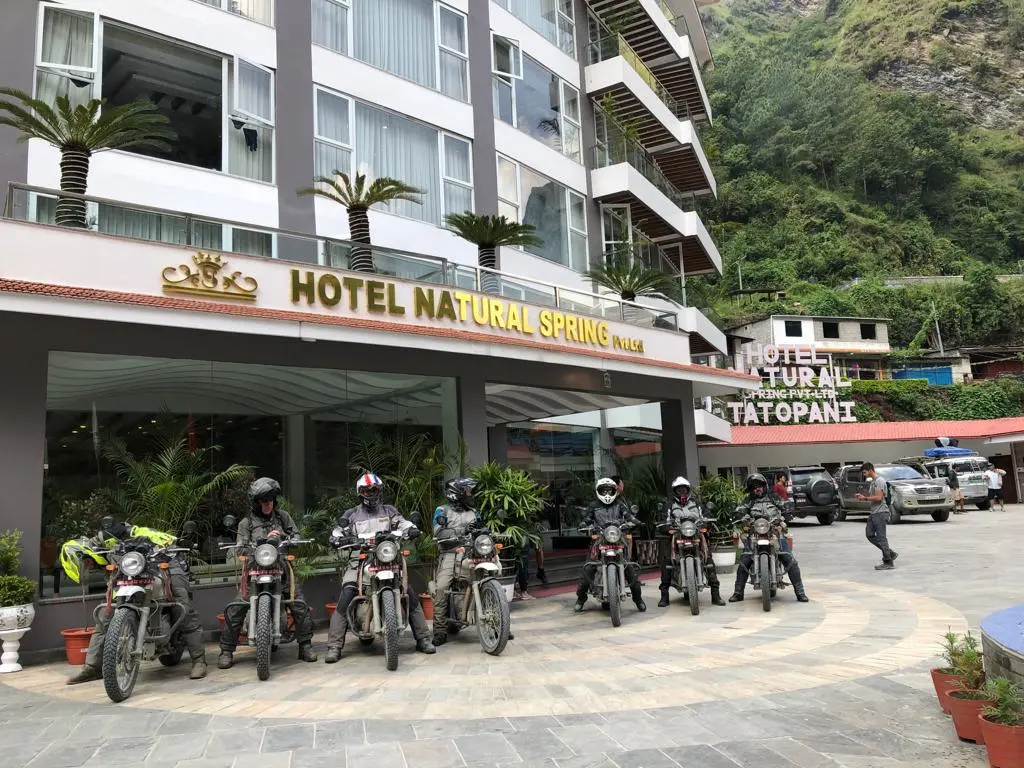
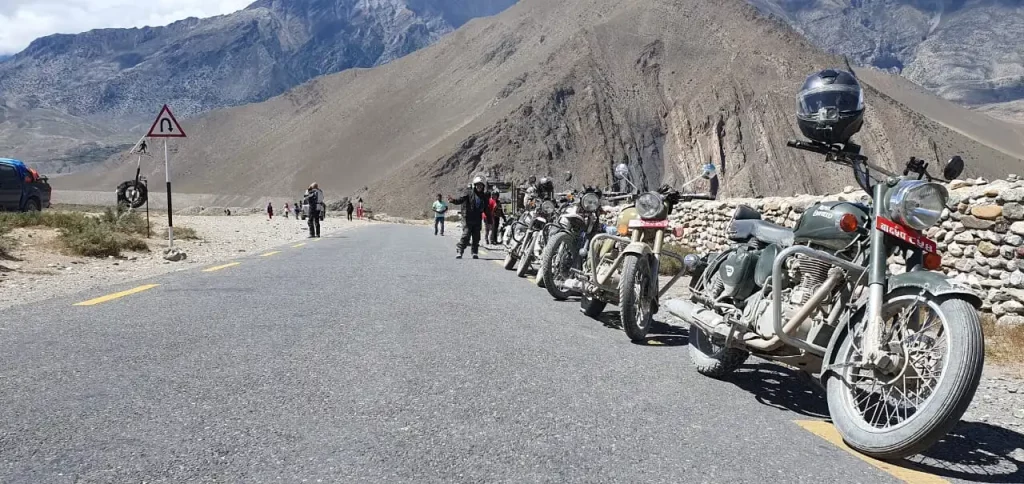
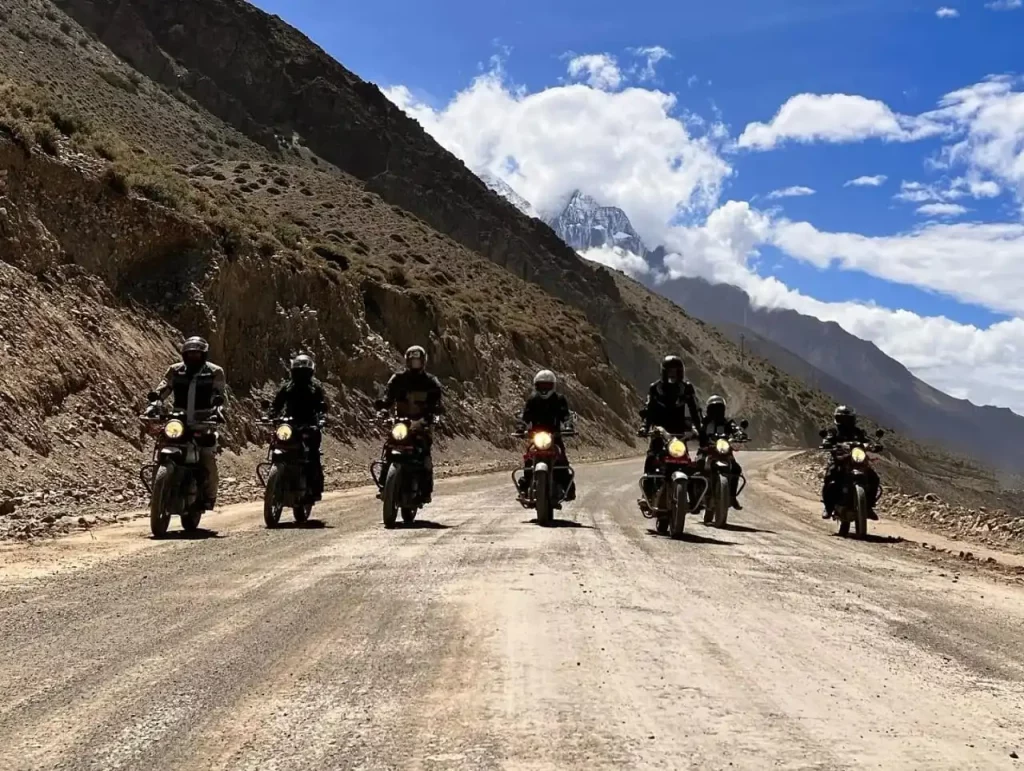
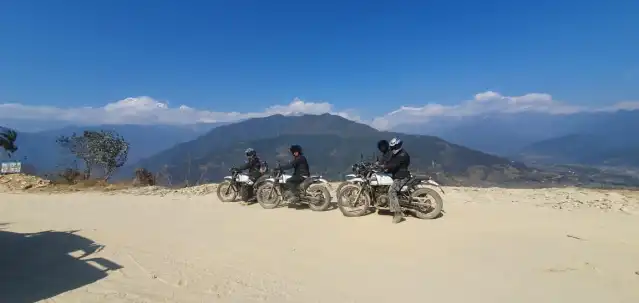
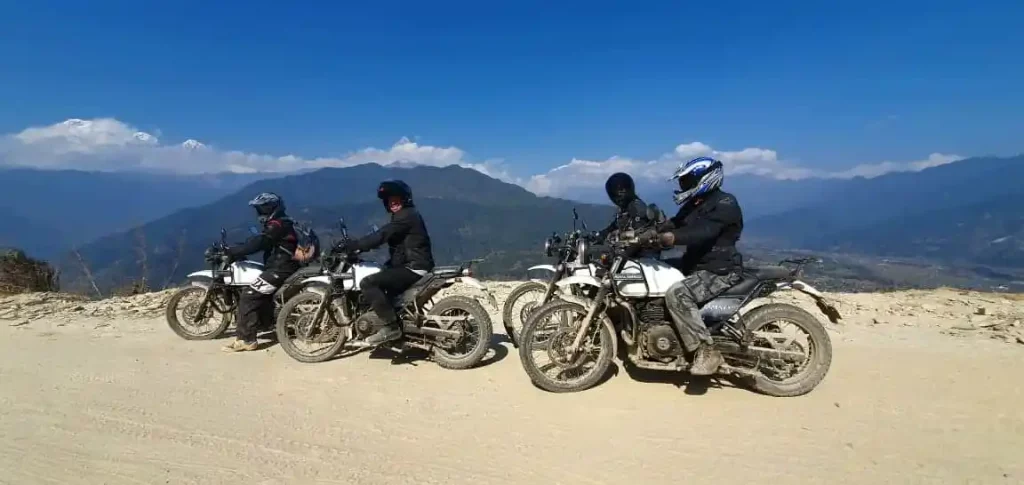
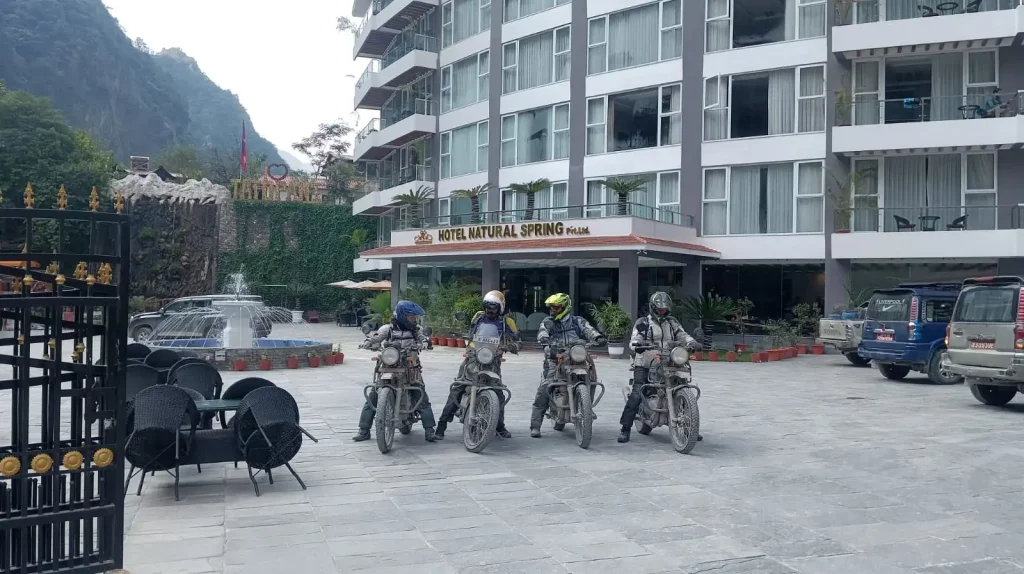
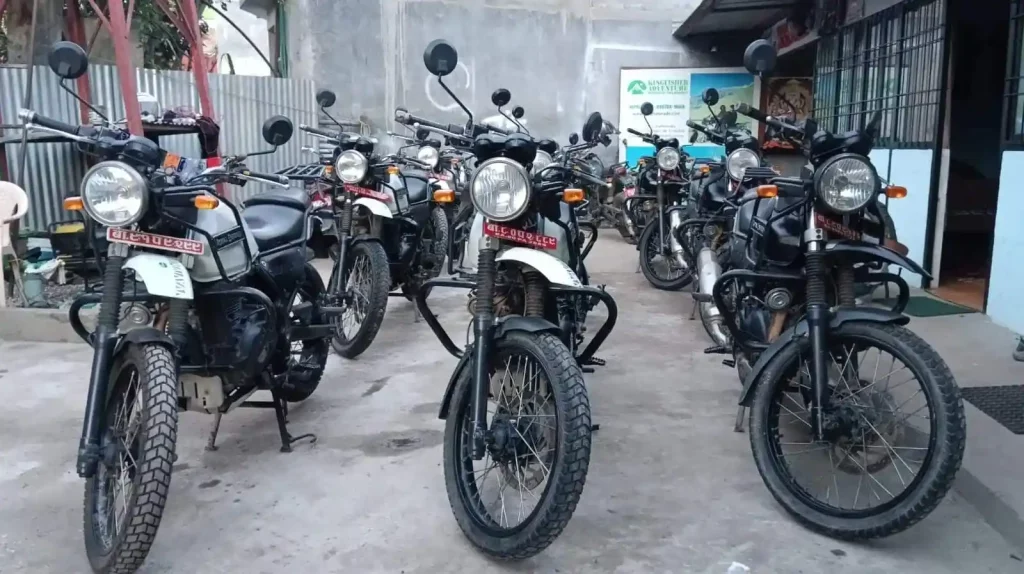
Experience the exhilarating and awe-inspiring Upper Mustang Motorbike Tour, curated exclusively by Himalayan 360. Ignite your senses as you embark on a journey like no other, astride the powerful 500cc Classic Enfield or the rugged 411 CC Royal Enfield Himalayan bike. Brace yourself for an adventure that will leave an indelible mark on your soul as you traverse the mesmerizing landscapes of the majestic Tibetan Plateau.
11 Days
Mustang Overland Jeep Tour
$1,699
5.0(5 reviews)
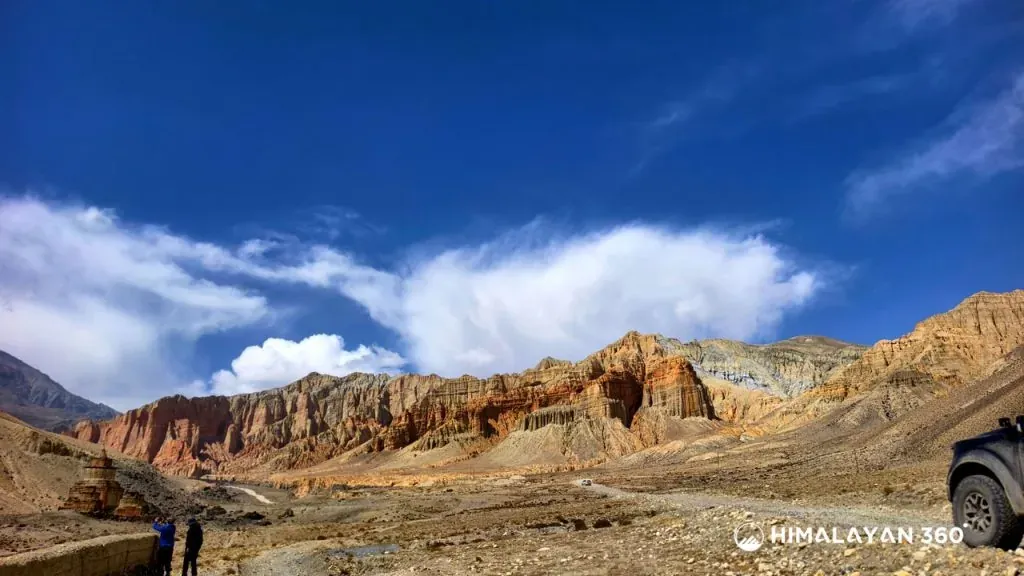
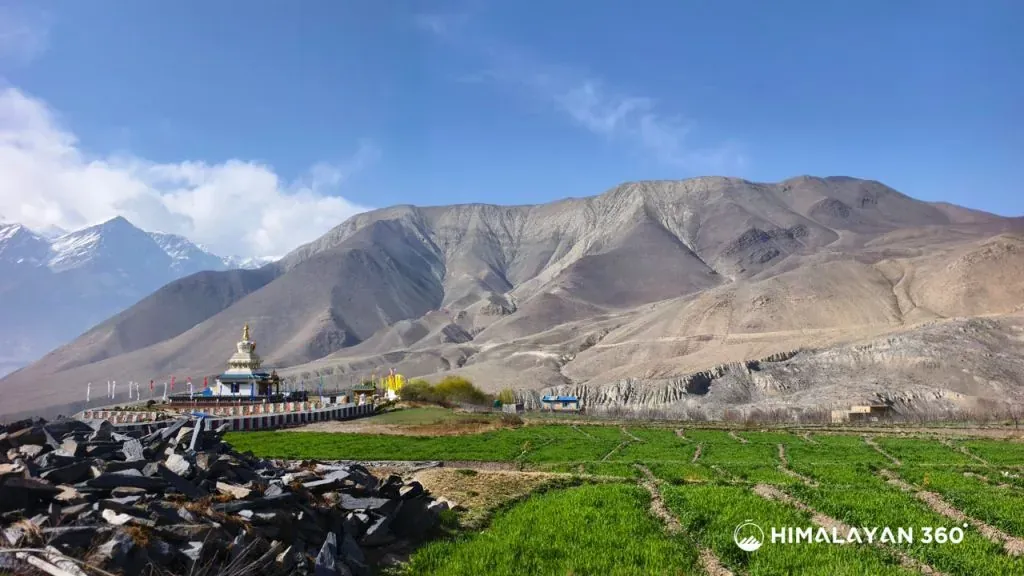
The Upper Mustang Overland Jeep Tour is a quick and accessible exploration of the Upper Mustang region without the effort of long trekking days. Upper Mustang is known as the “Last Forbidden Kingdom of Nepal”. It was closed to outsiders until the early 1992. Since then, it slowly opened up and has now become a renowned travel destination due to easy roadway access. Many people visit there to experience its ancient culture, dramatic landscapes, and quiet charm, which remains untouched by modern life. The region feels like a different world, with dry, desert-like hills, red cliffs, and villages that reflect a strong Tibetan Buddhist culture. The 11 days Upper Mustang Overland tour package via jeep takes you deep into Nepal’s remote north, right up to the border of Tibet. Your journey starts in Kathmandu and takes you through famous places like Pokhara, Tatopani, Jomsom, Kagbeni, and Marpha before reaching the ancient walled city of Lo Manthang. Along the way, you’ll explore monasteries, chortens, and prayer walls that share stories of the region’s spiritual heritage. You’ll also drive beside the Kali Gandaki River, known for its black fossils (shaligrams), and enjoy views of towering peaks like Nilgiri and Dhaulagiri. Other highlights include visits to mysterious sky caves, rare Himalayan landscapes, and colorful local villages where people still live by ancient customs. The region is rich in history, and the quiet beauty of Mustang makes it one of Nepal’s most unique and unforgettable destinations.
 Trek
Trek By air
 Pilgrimage
 Festivals
 Wildlife
 Luxury
 Yoga
Yoga Food
Food Heritage