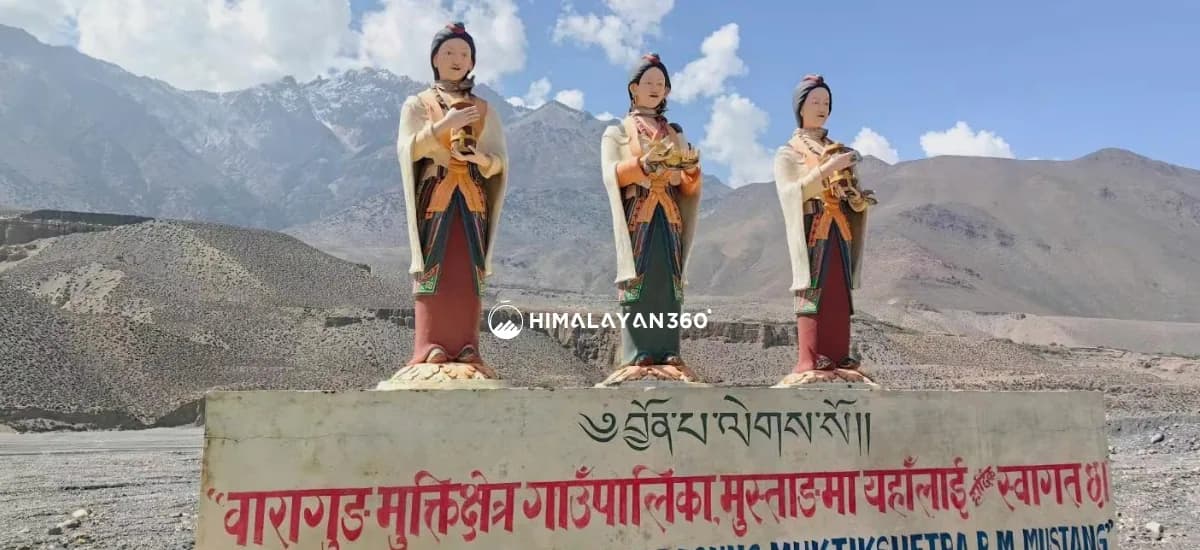
The best time to visit Mustang Nepal is during spring (Mar–May) and autumn (Sept–Nov), when skies are clear, temperatures are moderate, and trekking trails are at their most accessible. But Mustang is not like the rest of Nepal, and that distinction changes everything about how you plan your trip.
Many travelers spend weeks planning a trip to Nepal, but still choose the wrong time for Upper Mustang Trek. They think the monsoon season means everything is closed, or that winter travel is not possible at all. Because of this, they visit at the wrong time and face various problems like dusty trails, strong winds, or very cold weather. This guide explains each season in a clear way, so you can pick the right time based on what Mustang is really like.
Best Times to Visit Mustang at a Glance
If you only read one section, read this one. The table maps each window to what you actually get for visiting Mustang at that time of the year.
| When | What you get | Who it suits |
| October | The most reliable clear skies and comfortable temperatures of the year, dry trails, least wind | Anyone visiting Upper Mustang for the first time |
| April and May | Wildflowers, wildlife and the Tiji Festival in Upper Mustang, with warm daytime temperatures | Culture-first travellers who can book months ahead |
| June to August | The warmest time of year, fewer crowds and the lowest prices, because the region remains relatively dry | Anyone whose leave only falls in summer |
| December to February | Empty villages, ancient monasteries to yourself and clear night skies, against heavy snowfall risk on the passes | Experienced, well-equipped trekkers, or Lower Mustang visitors |
Two things are true in every season here. Upper Mustang is a restricted area, so a permit and a licensed guide are required whatever month you choose, and the wind builds after late morning from spring through autumn. Neither depends on the best times you pick.
Seasonal Weather Patterns of Mustang Nepal
Mustang, Nepal has a special climate because it lies in a rain shadow area of the Himalayas. This means it stays much drier than most other regions in Nepal, even during the monsoon season. The area experiences four main seasons with different temperatures, wind levels, and travel conditions. The season summaries below cover what each one is good for. If you want the month-by-month temperature and wind figures instead, they are set out in full on our Upper Mustang weather page.
Visiting Mustang in Spring: March to May
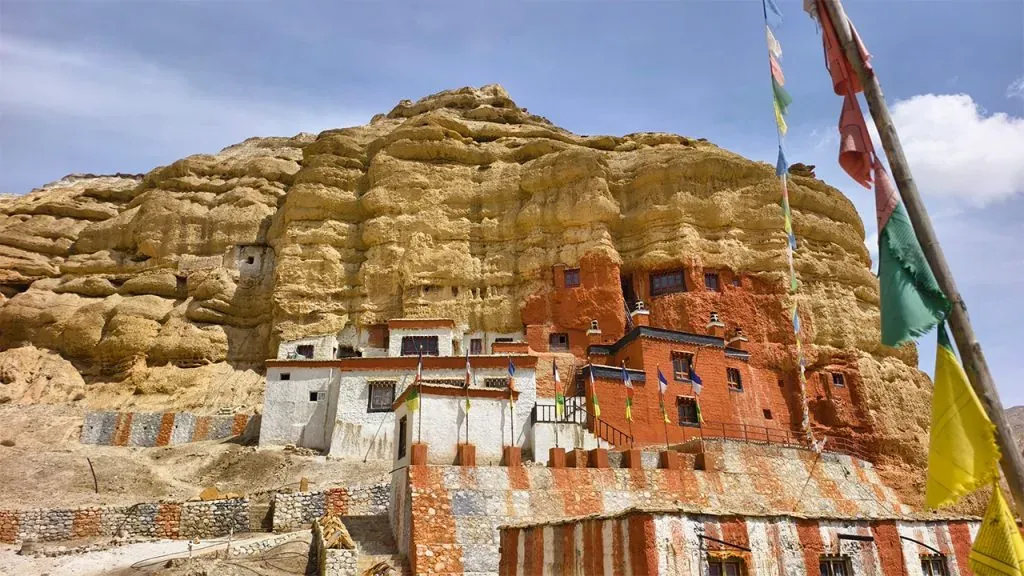
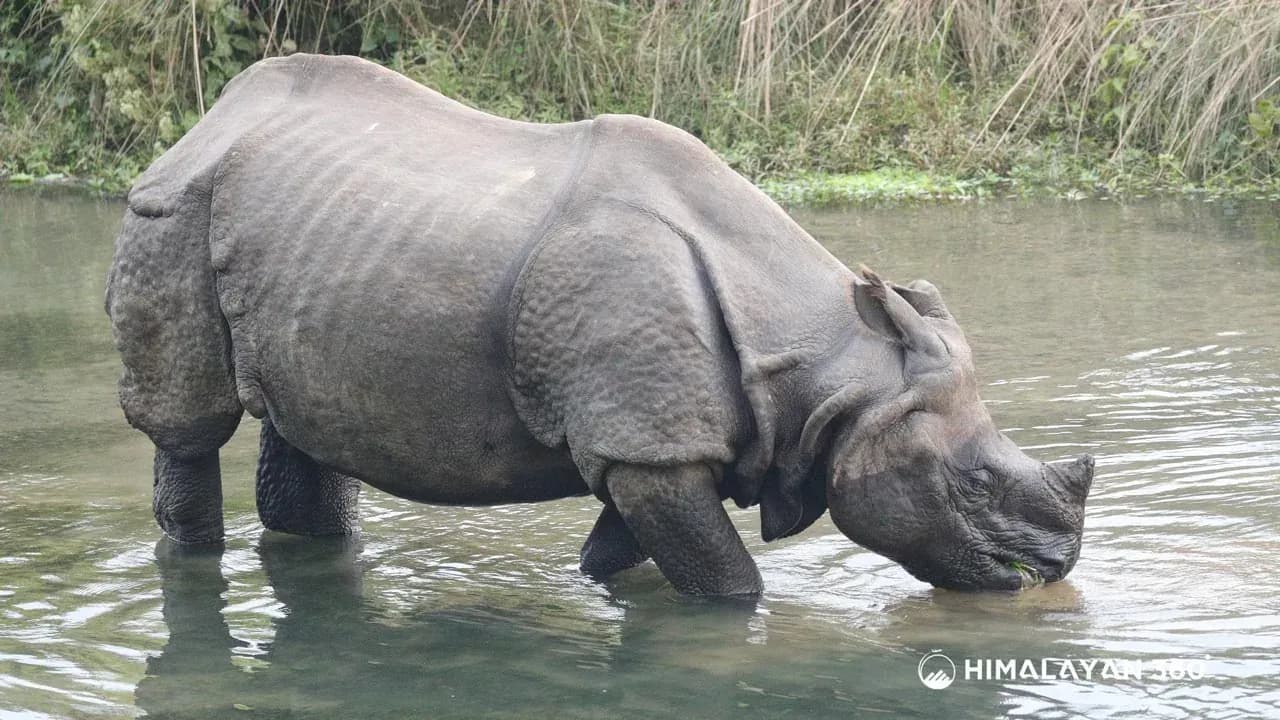
Spring is considered the single best time to visit Mustang Nepal, for first-time trekkers or for the Mustang Motorbike Tour. Rhododendrons and other wildflowers bloom in the lower village, and wildlife sightings increase in spring, with chances of spotting snow leopards, wild donkeys, musk deer, and Albino bears. Mountain views of the snow-capped peaks of Annapurna, Dhaulagiri, and Nilgiri are exceptionally clear during April and May, under the clear skies that make spring one of the best times to trek here.
- Temperature: Daytime 15°C to 21°C, nights -6°C to -2°C
- Trek duration: 14 to 16 days
- Approx. cost: USD 1,200 to 1,666
- Crowd level: High
- Trail Conditions: Dry, firm, and clear with minimal rain
Visiting Mustang in Autumn: September to November
Autumn is the peak trekking season across Nepal, and Mustang is no exception. Spring and autumn are the best times of the year for a first Mustang tour, with clear skies and comfortable temperatures on almost every walking day. The apple harvest season in Mustang takes place in September and October. Places like Marpha are well known for their apple farms, apple brandy, and different apple foods. Autumn is also the season of Nepal’s biggest festivals, Dashain and Tihar. These festivals are celebrated with lights, food, and family gatherings in villages. If you visit at the right time, you may see local celebrations and festival activities.
- Temperature: Daytime 12°C to 20°C, nights -5°C to -1°C
- Trek duration: 14 to 16 days
- Approx. cost: USD 1,200 to 1,666
- Crowd level: High
- Trail Conditions: Clean with sharp visibility and safe walking paths
Visiting Mustang in Summer and Monsoon: June to August
This is where Mustang surprises many travelers. Even though June to September is the monsoon season in Nepal, Upper Mustang can still be trekked. This is because it lies north of the Himalayas, which block most of the rain clouds and keep the region dry. If you are a working professional who can only take leave in the summer, Mustang is one of the very few Himalayan regions that accommodates you without high risk.
- Temperature: Daytime 18°C to 28°C, nights 5°C to 10°C
- Trek duration: 14 to 16 days
- Approx. cost: USD 1,500 to 2,500
- Crowd level: Low
- Trail Conditions: Dry but windy, dusty, and light rain in lower areas
Visiting Mustang in Winter: December to February
Upper Mustang trek in winter is the most challenging decision because many local families in Upper Mustang migrate down to Pokhara or Kathmandu. But Lower Mustang has a different winter experience. Areas like Jomsom, Kagbeni, and Marpha are still open and easy to reach during this time. If you want a crowd-free experience and are not pushing for Lo Manthang, lower Mustang in winter can be a genuinely good choice.
- Temperature: Daytime 0°C to 10°C, nights -15°C to -5°C
- Trek duration: 8 to 12 days for Lower Mustang
- Approx. cost: USD 900 to 2,000
- Crowd level: Low
- Trail Conditions: Cold, icy, and windy with snowfall at higher elevations
Choosing the Best Time to Visit Upper Mustang
Every season in Mustang is walkable, so choosing the best time is a question of what you came for rather than what is possible. Spring and autumn are the best times for trekking and sightseeing together, but they are not automatically right for you.
| If you want | Go in | Why |
| The most reliable views and a first trip to Mustang | October | Stable weather, sharp visibility, dry trails and the least wind of the year |
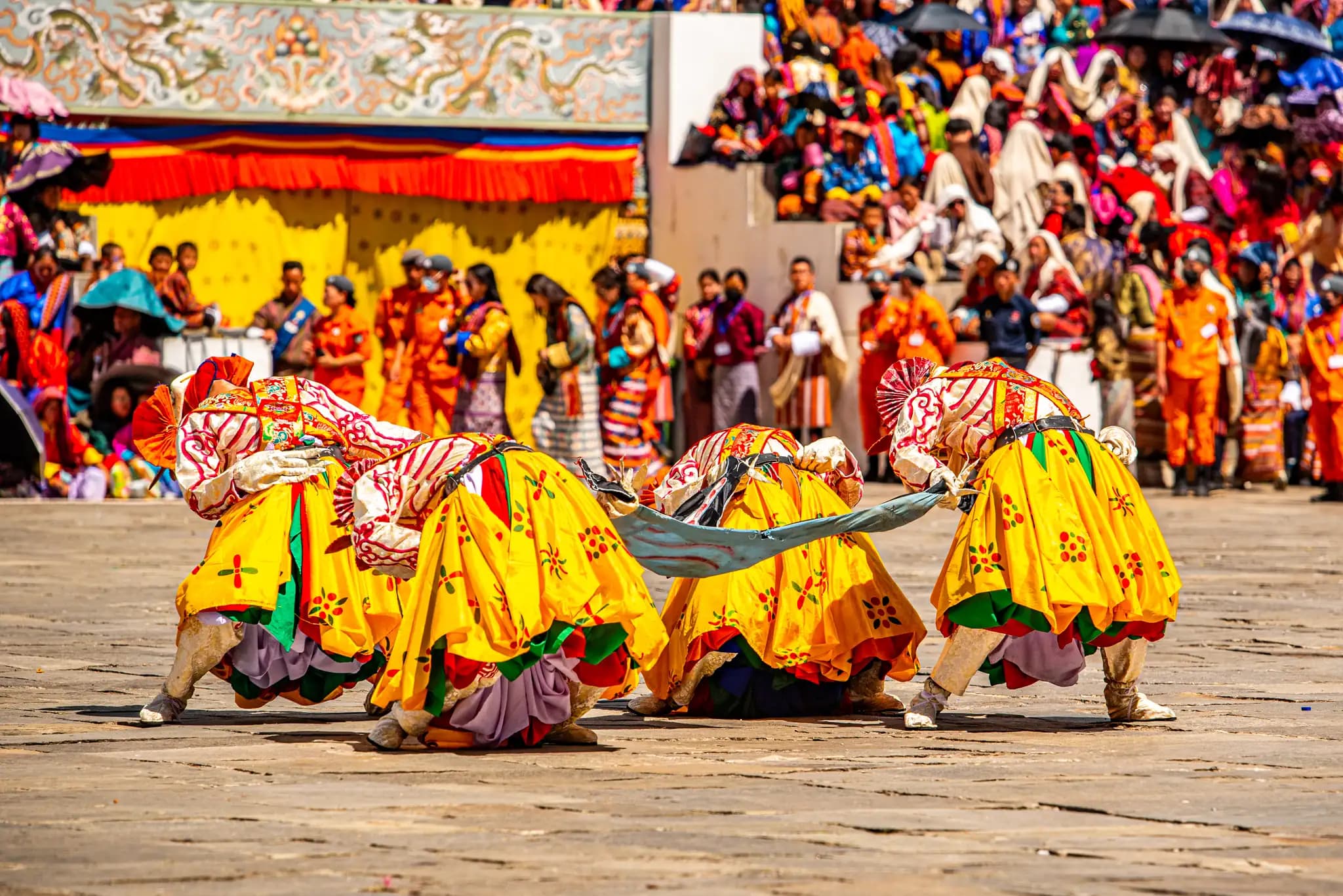
| The Tiji Festival in Lo Manthang | May | Three days of masked dances. Book months ahead, the village fills up |
| Wildflowers, apple harvest or a Nepali festival | April to May, or September to October | Rhododendron and wildlife in spring, the Marpha apple harvest plus Dashain and Tihar in autumn |
| A Himalayan trek when the rest of Nepal is closed by monsoon | June to August | The rain shadow keeps Mustang dry while other regions flood. Low crowds and the lowest prices |
| Solitude, empty villages and clear night skies | December to February | Very cold and many teahouses close, so it suits experienced, well-equipped trekkers |
| Culture and mountain views without a hard trek | Any season, in Lower Mustang | Jomsom, Kagbeni and Marpha stay open year round and need only an ACAP permit |
If you are choosing between walking the route and driving it, the season matters less than the format. Our comparison of the Mustang jeep tour and trekking covers time, cost and comfort side by side.
Mustang Trekking Routes and How the Season Affects Them
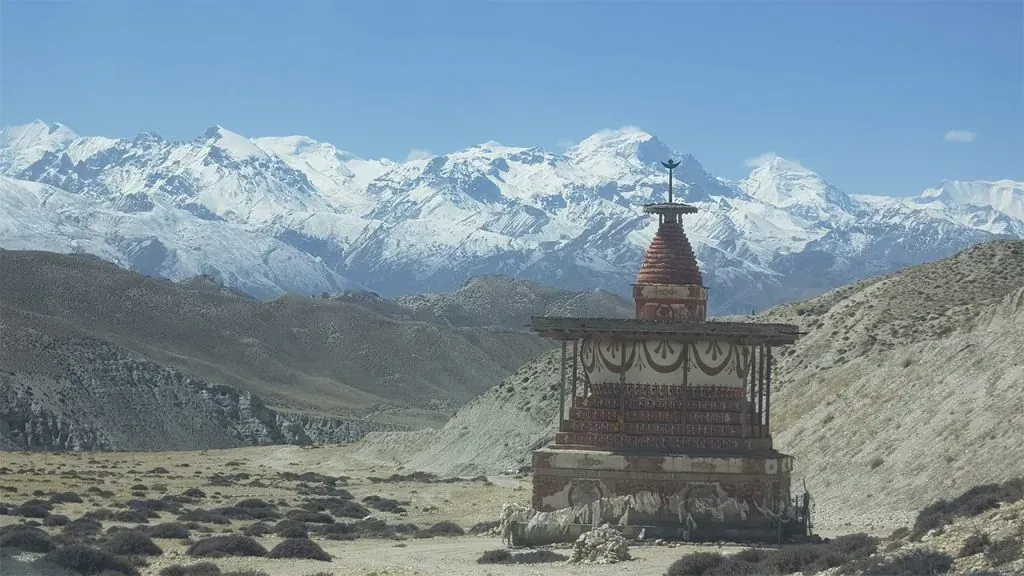
Mustang has three main trekking routes: Upper Mustang, Lower Mustang, and the Lo Manthang circuit. Each route offers a different experience, from cultural walks in Lower Mustang to desert-style trekking in Upper Mustang. The best time to visit Mustang Nepal, and the trekking conditions change a lot with the seasons. Weather affects road access, flight schedules, and how safe and comfortable the trails are. Some routes are open most of the year, while others are open only in specific seasons due to wind, snow, and extreme cold.
| Route | Best Season | Difficulty | Tips |
|---|---|---|---|
| Lower Mustang | All year | Easy | Connected by road/flight, good for short cultural treks, winter is cold but still accessible |
| Upper Mustang | Mar–May, Sep–Nov | Moderate | Restricted area permit required, dry but windy region, avoid deep winter due to extreme cold |
| Lo Manthang Circuit | Apr–May, Sep–Oct | Moderate to hard | Best for cultural experience, strong winds are common, plan for festivals like Tiji |
Budget Planning: Cost Differences by Season
The cost of trekking in Mustang, Nepal, changes according to the season you choose. The biggest difference is between peak seasons (spring and autumn) and off-peak seasons (summer/monsoon and winter). In peak seasons, demand is high, so prices for guides, flights, and accommodation increase. In off-peak seasons, prices are lower, but some services may be limited or less comfortable. Understanding these changes assists you in planning a trip that fits both your budget and travel style.
| Season | Budget Status | Impact on Cost | Notes |
|---|---|---|---|
| Top (Spring & Autumn) | Standard | No discounts | Best visibility and high demand for guides. |
| Winter (Dec–Feb) | Discounted | ~10-20% off lodging | Many teahouses close due to extreme cold. |
| Monsoon (Jun–Aug) | Lowest | Huge room discounts | Leeches and landslide risks |
Permits and Entry Requirements for Mustang (2026–2027)
To trek in Mustang, you need two main permits: the Annapurna Conservation Area Permit (ACAP) and the Restricted Area Permit (RAP) for Upper Mustang. ACAP is required for all trekkers in the region, while RAP is only needed if you go beyond Kagbeni into Upper Mustang up to Lo Manthang. In addition, some routes may also require a TIMS card. Below is a clear breakdown of all permit costs.
| Permit Type | Foreign Nationals (Standard) | SAARC Nationals | Nepali Citizens |
|---|---|---|---|
| Restricted Area Permit (RAP) | USD 50 per day | USD 25 – 50 per day | NPR 500 – 1,000 (Admin fee) |
| ACAP Fee | NPR 3,000 (~USD 23–30) | NPR 1,000 (~USD 7) | NPR 100 |
| TIMS Card | USD 10 – 20 | NPR 300 – 1,000 | NPR 100 – 200 |
Note: The paper TIMS card has been replaced by the e-TIMS nowadays, which links your passport to your guide’s license number.
2026 Solo Trekking Policy Update
With the updated permit system in Nepal, trekking in restricted areas like Upper Mustang and solo trekking in Nepal has become safer. These changes mainly affect how permits are issued and how solo or small-group trekkers can organize their trips. The Department of Immigration (DoI) has introduced new rules to improve regulation while still keeping access open for independent travelers through proper agencies and guides. The rules are:
- Even individual foreign tourists are now allowed to apply and obtain the RAP through registered trekking agencies.
- A trekking guide can now lead a group of a maximum of seven trekkers only.
- Tourists can apply for permits digitally from abroad using a “Visa Application Submission ID.”
Practical Tips Before You Go
- Pokhara to Jomsom flights depend on the weather throughout the year, so it is important to keep at least one extra buffer day in your travel plan.
- The Annapurna Conservation Area Permit (ACAP) is mandatory for all visitors to Mustang, no matter which season you travel in.
- Altitude sickness can affect trekkers in Upper Mustang around Lo Manthang (3,800M+), so proper acclimatization is necessary in every season.
- Even in summer, temperatures drop quickly after sunset in Upper Mustang, so carrying warm clothing is essential.
- The road from Beni to Jomsom is now open for jeep travel, which can be a backup option when flights are canceled due to bad weather.
So When Are the Best Times to Go?
October if you want certainty, May if you want the Tiji Festival, and July if you want the Himalaya to yourself. Winter belongs to Lower Mustang unless you are experienced and equipped for -20°C nights, which the Upper Mustang trek in winter guide explains in detail.
Mustang is best enjoyed when you plan your trip carefully. The right season depends on what you want to experience. Himalayan 360 offers Mustang trekking in all suitable seasons with experienced local guides who understand the routes, permits, and local festivals. Whether you want to see the Tiji Festival in May or take an undisturbed summer trek in July, we can create a travel plan based on your schedule and experience level.
16 Days
Upper Mustang Trek
$1,666
5.0(2 reviews)
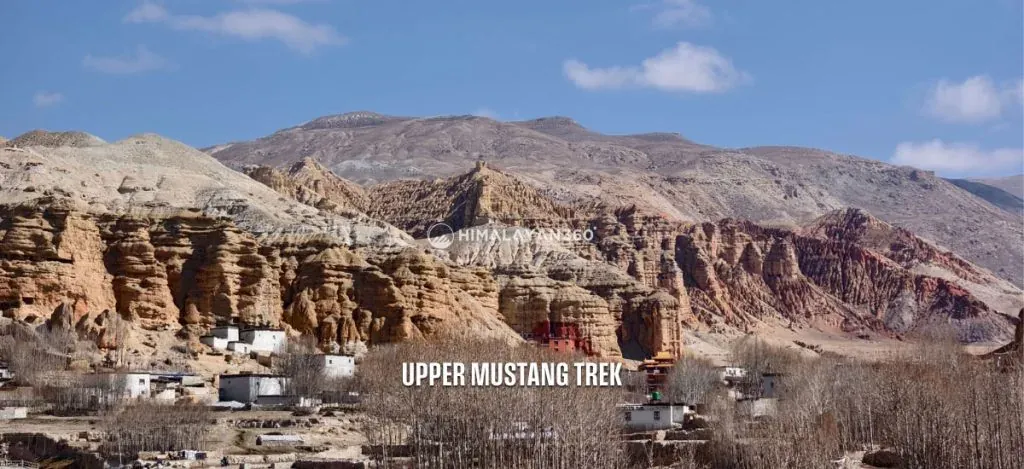
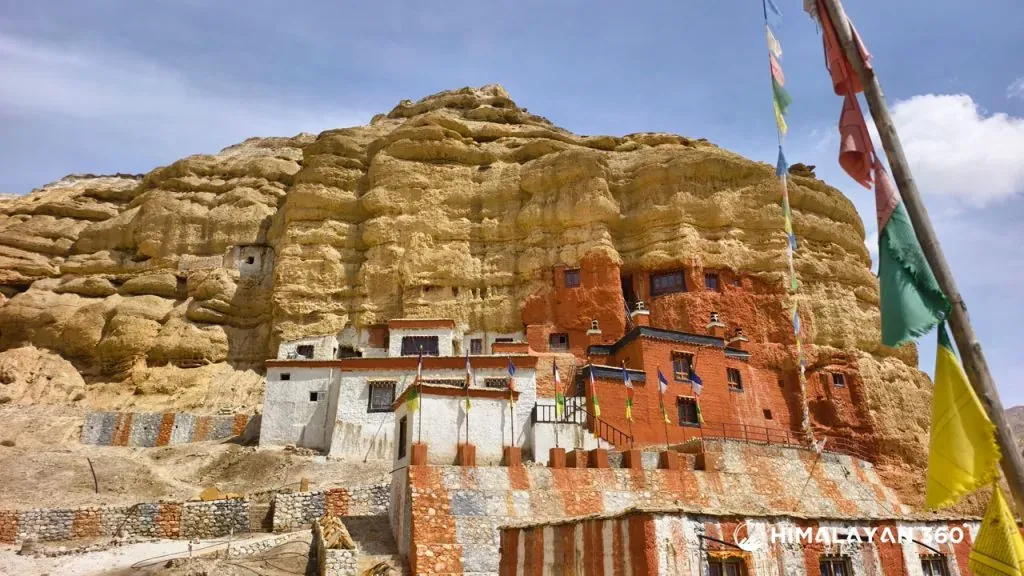
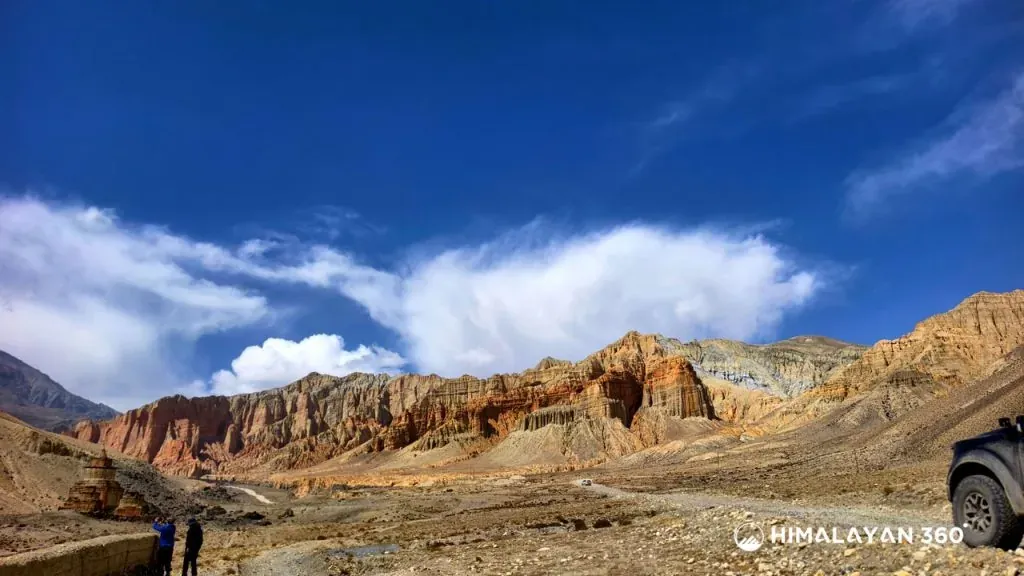
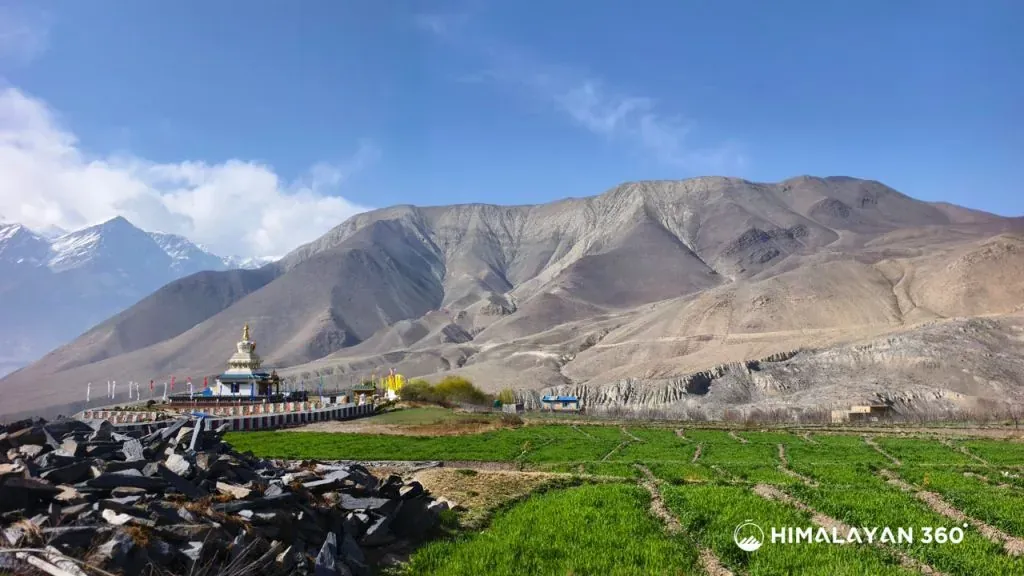
Starting in Nepal, there is a rare journey to the Upper Mustang Trek, leading to the last Forbidden Kingdom called Lo Manthang. Beyond the tall Himalayas and the reach of the monsoon, there lies a dry, desert-like land unlike much of Nepal. The trail was closed to outsiders until 1992, this area hold its old Tibetan culture and mysterious feeling. Along the way, there are ancient caravan trails, fortress villages, and monasteries built on cliffs, making it seem like a place frozen in time. As you travel through desert-like trails, you’ll pass through age-old villages like Kagbeni, traditional Mustangi homes, and mysterious cave monasteries. The journey winds past terraced fields, hidden valleys, and the banks of the Trishuli and Marsyangdi Rivers. Along the way, take in stunning views of Annapurna, Dhaulagiri, and Manaslu. The stark landscapes are dotted with fossil rocks and sacred chortens. Lo Manthang, a walled city rich in legend and tradition, is at the heart of the trek. This is more than a trek, it’s a walk through living history.
11 Days
Mustang Overland Jeep Tour
$1,699
5.0(5 reviews)
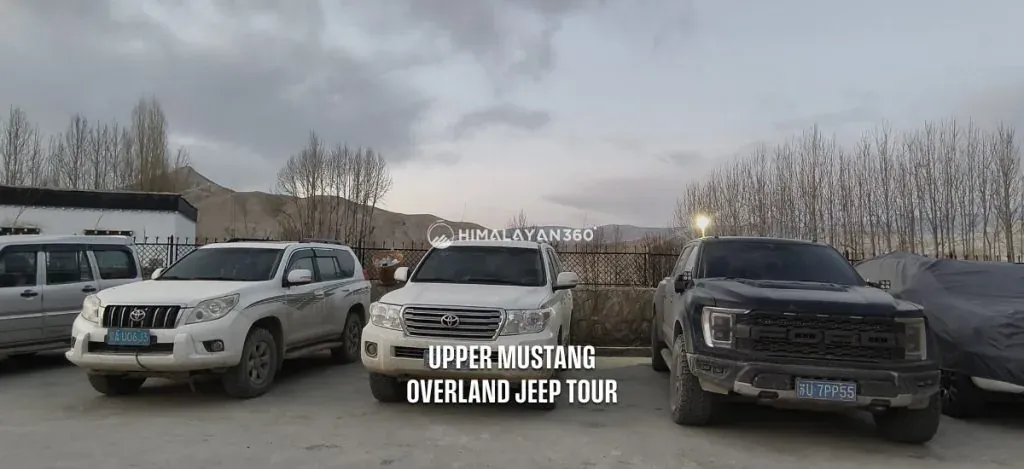
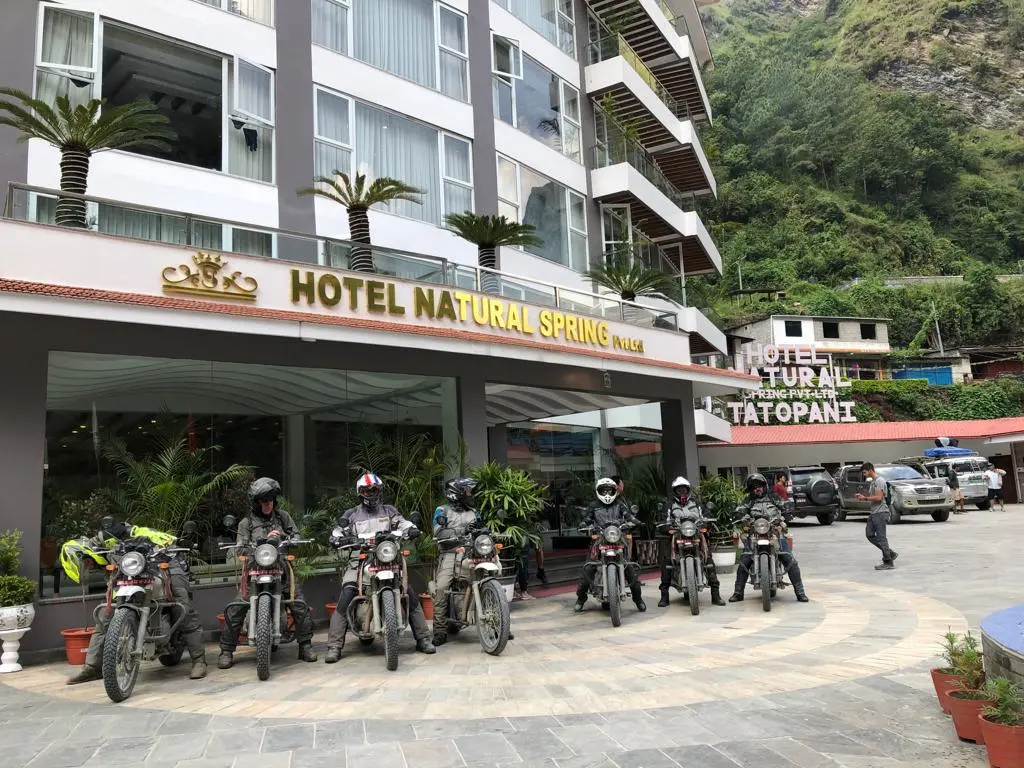
The Upper Mustang Overland Jeep Tour is a quick and accessible exploration of the Upper Mustang region without the effort of long trekking days. Upper Mustang is known as the “Last Forbidden Kingdom of Nepal”. It was closed to outsiders until the early 1992. Since then, it slowly opened up and has now become a renowned travel destination due to easy roadway access. Many people visit there to experience its ancient culture, dramatic landscapes, and quiet charm, which remains untouched by modern life. The region feels like a different world, with dry, desert-like hills, red cliffs, and villages that reflect a strong Tibetan Buddhist culture. The 11 days Upper Mustang Overland tour package via jeep takes you deep into Nepal’s remote north, right up to the border of Tibet. Your journey starts in Kathmandu and takes you through famous places like Pokhara, Tatopani, Jomsom, Kagbeni, and Marpha before reaching the ancient walled city of Lo Manthang. Along the way, you’ll explore monasteries, chortens, and prayer walls that share stories of the region’s spiritual heritage. You’ll also drive beside the Kali Gandaki River, known for its black fossils (shaligrams), and enjoy views of towering peaks like Nilgiri and Dhaulagiri. Other highlights include visits to mysterious sky caves, rare Himalayan landscapes, and colorful local villages where people still live by ancient customs. The region is rich in history, and the quiet beauty of Mustang makes it one of Nepal’s most unique and unforgettable destinations.
13 Days
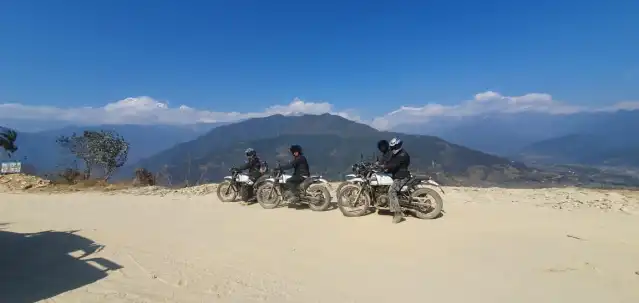
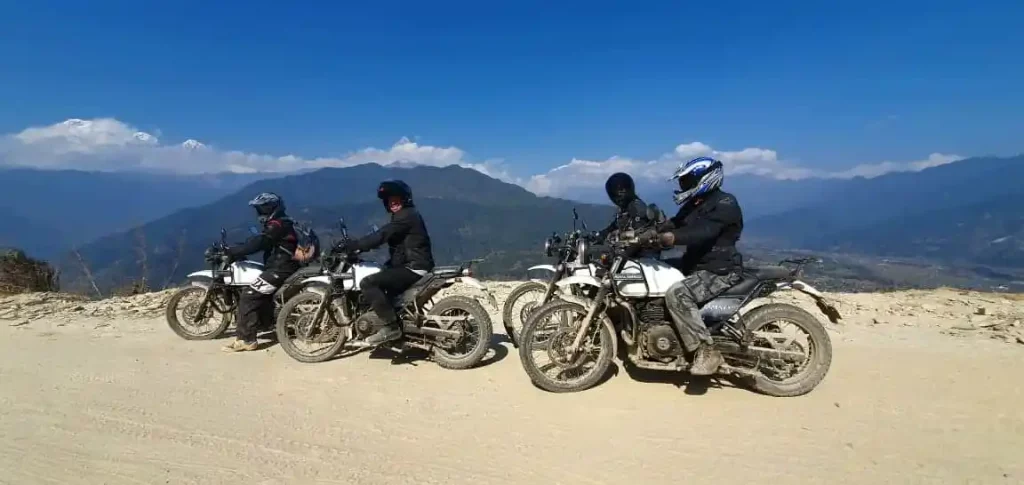
Upper Mustang Motorbike tour
$2,350
5.0(1 reviews)
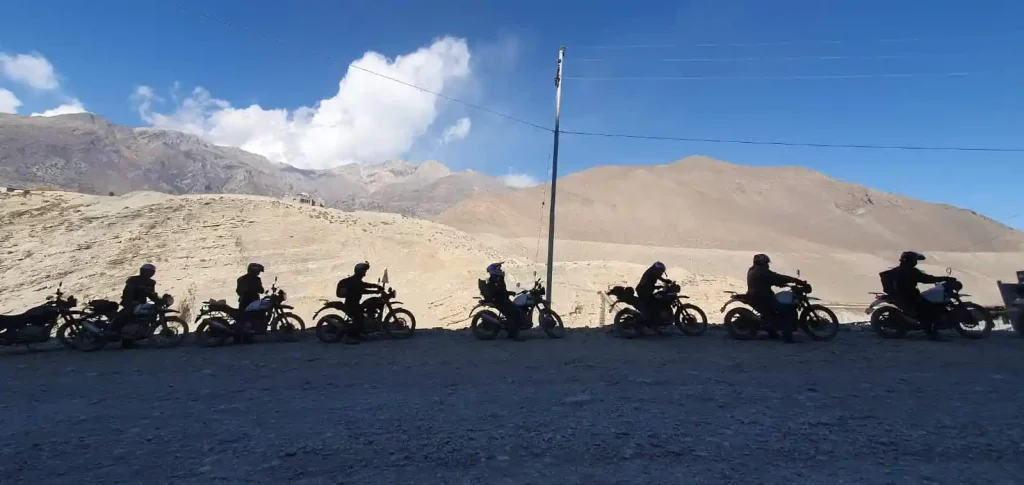
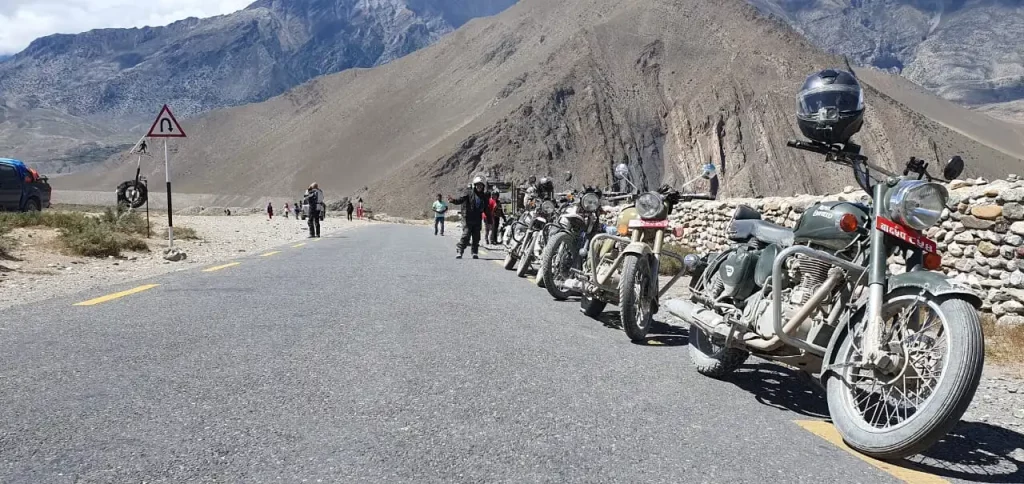
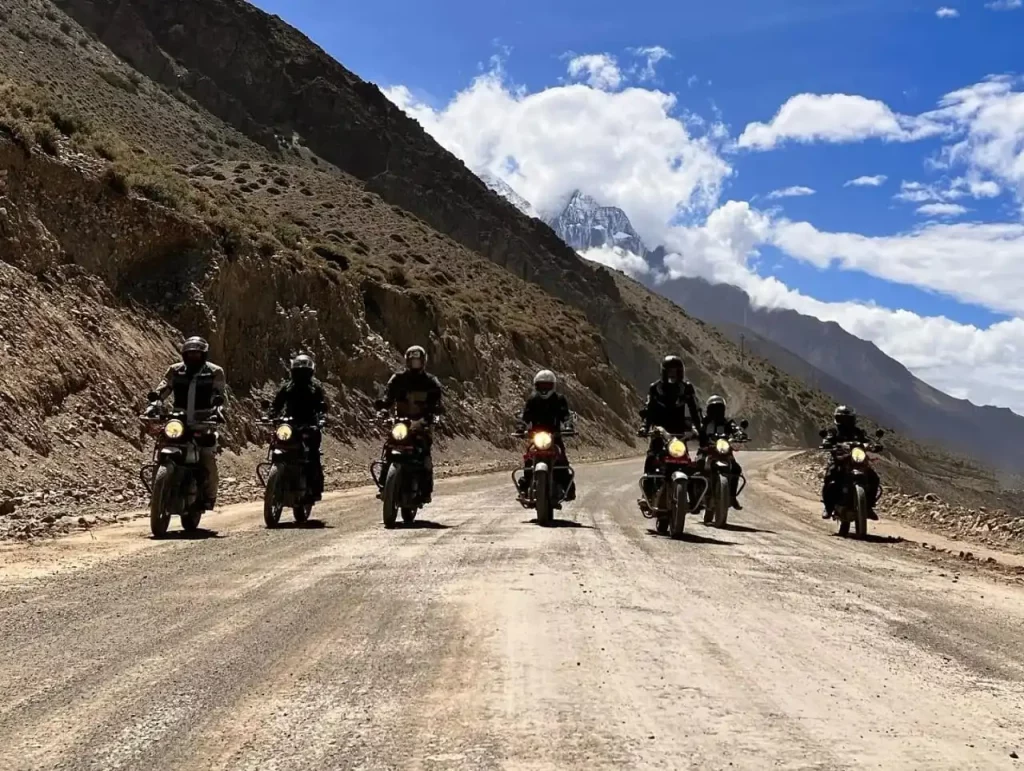
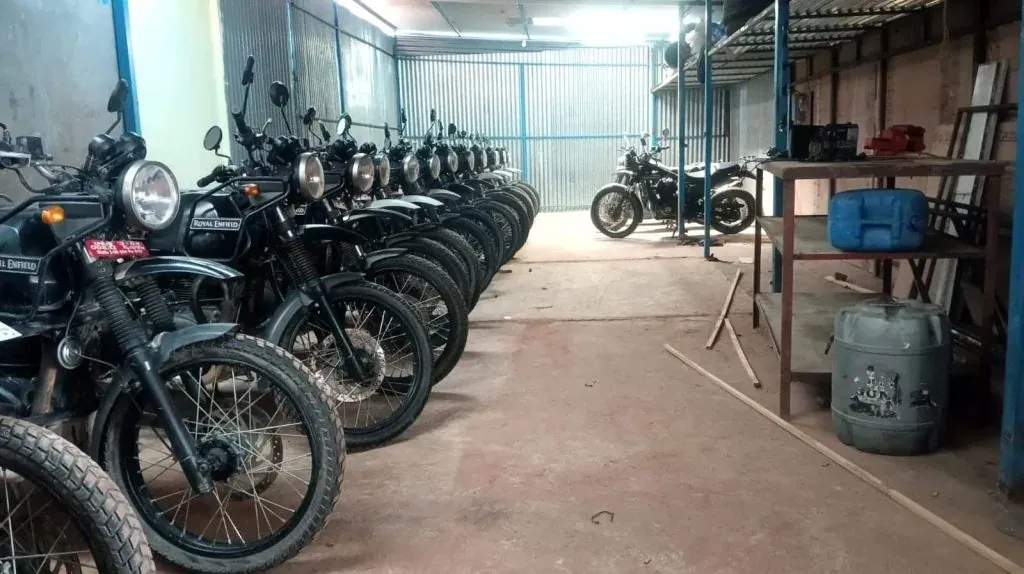
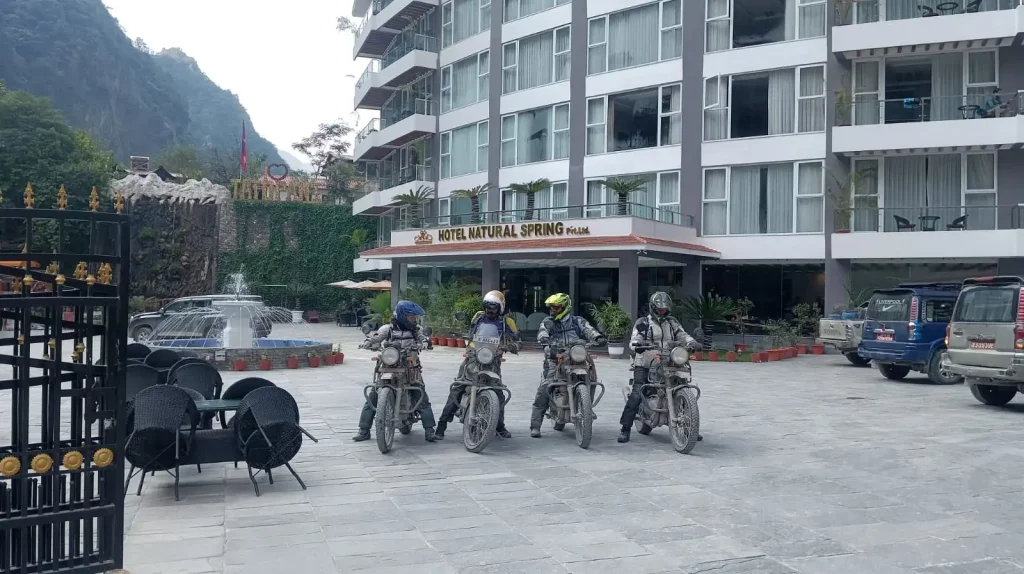
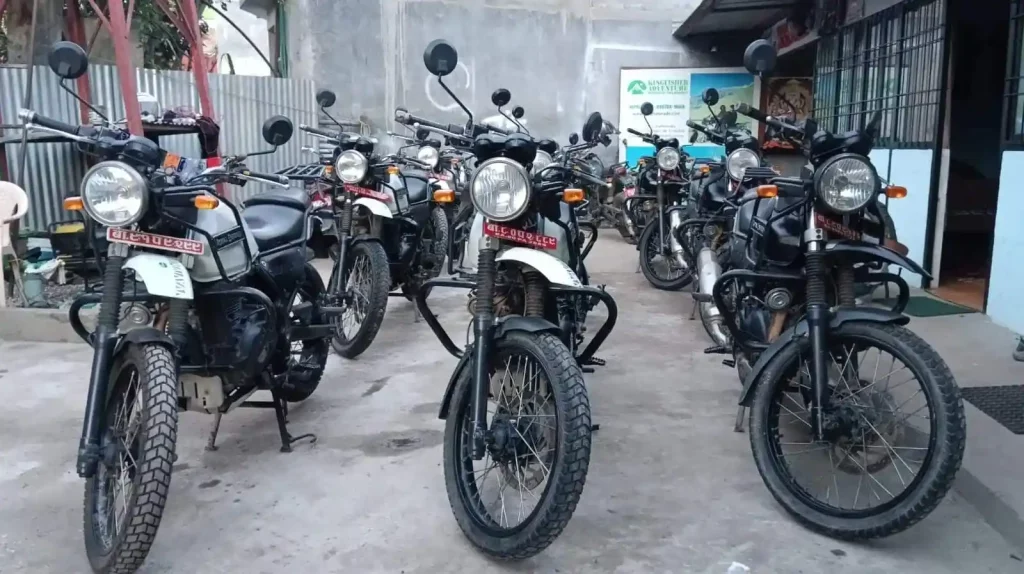
Experience the exhilarating and awe-inspiring Upper Mustang Motorbike Tour, curated exclusively by Himalayan 360. Ignite your senses as you embark on a journey like no other, astride the powerful 500cc Classic Enfield or the rugged 411 CC Royal Enfield Himalayan bike. Brace yourself for an adventure that will leave an indelible mark on your soul as you traverse the mesmerizing landscapes of the majestic Tibetan Plateau.
 Trek
Trek By air
 Pilgrimage
 Festivals
 Wildlife
 Luxury
 Yoga
Yoga Food
Food Heritage