Route update, 4 September 2026. The August 2026 flood destroyed the Rasuwagadhi and Kerung border crossing. The overland route to Kailash is closed for the 2026 season. Check which Kailash routes are open after the flood before planning around anything below.
The Kailash Mansarovar Yatra route has five main travel paths used by pilgrims and travelers each year. These are the Lipulekh Pass Route (via Uttarakhand), the Nathu La Pass Route (via Sikkim), the Nepal Overland Route (via Kathmandu and Kerung), the Lhasa Route (via Tibet), and the Simikot–Hilsa Helicopter Route. The choice of route depends on road access, altitude gain, cost, and time, with travel durations ranging from 10 to 28 days. The name is written both ways, Kailash Mansarovar Yatra and Kailash Manasarovar Yatra, and both describe the same trip to Mount Kailash and Lake Manasarovar.
This journey is one of the highest pilgrimage trips in the world, crossing elevations above 5,000M. It is considered a holy site for Hindu, Buddhist, Jain, and Bon traditions. Pilgrims following these religions come to complete a full circuit around Mount Kailash, known as the Kora, which is about 52KM long and takes three days in total.
Let’s walk through every route to Kailash Mansarovar in detail, so you can pick the route for Kailash that matches your time, budget and fitness before planning a successful parikrama around Mount Kailash.
Understanding the Routes to Kailash: Every Route Option Compared
The Kailash Mansarovar Yatra can be completed through several routes via India, Nepal and Tibet. Understanding the route options before you book matters more here than on most trips, because each one commits you to a different number of days and a different rate of altitude gain. There is no new route into the region either; the five below are the only legal options, and the Lipulekh path reopened rather than being newly built. These routes include both road and air options. Each route provides a different experience in terms of travel duration, comfort level, altitude gain, and physical difficulty. Pilgrims can choose from traditional trekking paths, overland journeys, or faster helicopter-based routes depending on their budget, fitness, and schedule.
All Kailash Mansarovar routes are operated with essential permits, guided assistance, transportation arrangements, and safety support required for high-altitude travel. Some routes focus more on spiritual trekking experiences, while others provide more comfortable road access with modern logistics. Each route of Kailash pilgrimage travel is discussed below in detail.
Kailash Mansarovar Yatra from India: Route via Lipulekh Pass in Uttarakhand
The Lipulekh Pass Route is the traditional path and the classic Kailash Mansarovar Yatra from India. For the Kailash Mansarovar Yatra in 2026, the Ministry of External Affairs (MEA) of the Government of India has announced the resumption of this route for 10 batches of 50 pilgrims each. Selection is done through a computerized random draw, and applications are accepted at kmy.gov.in.
Starting from Dharchula, the route from India follows an old trail towards Lipulekh Pass in Uttarakhand (5,334M) before it crosses into Tibet. Reaching Mansarovar from India this way is slow, and the route takes three weeks or more door to door. This traditional pilgrimage path is best suited for experienced trekkers and pilgrims who are comfortable with multi-day high-altitude trekking because it is the most physically challenging route.
- Total Duration: 22-25 days
- Cost: USD 2200-3000 per person
- Difficulty: Hard
- Distance Covered: Approx. 3,000KM round trip
- Itinerary: Delhi → Dharchula → Tawaghat → Gunji → Kalapani → Lipulekh Pass → Taklakot → Mansarovar
This is not the Adi Kailash yatra. Dharchula is the road head for both journeys, which is why the two get confused. Adi Kailash, also called Chota Kailash, is a separate peak in the Pithoragarh district of Uttarakhand, and that tour stays inside India with no border crossing, no Chinese Group Visa and no Tibet permit. The Lipulekh route described here crosses into Tibet at 5,334 m and continues to Mount Kailash and Lake Mansarovar.
Kailash Mansarovar Route via Nathu La Pass in Sikkim
The Nathu La Pass in Sikkim carries the most comfortable and road-focused option for the Kailash Mansarovar Yatra. Because the majority of the journey in both Sikkim and Tibet is by bus, it is the preferred route for senior citizens up to age 70. This route has modern infrastructure, with maintained high-altitude roads instead of long trekking sections.
However, the Nathu La route also comes with some challenges. The journey takes longer overall, batch availability is limited, and pilgrims must pass a strict medical test due to the high altitude. In addition, the government-managed travel arrangements make this route more expensive compared to other Kailash Mansarovar routes.
- Total Duration: 21 days
- Cost: USD 3,500-4,500
- Difficulty: Hard
- Distance Covered: Approx. 3,000-3,600KM round trip
- Itinerary: Delhi → Gangtok → Nathu La Pass → Lhasa → Shigatse → Saga → Mansarovar → Mount Kailash Kora
Kailash Mansarovar Yatra via Kathmandu: The Nepal Overland Route
The Kailash Mansarovar Yatra from Kathmandu (via Kerung) is the most popular path for the Mansarovar Lake tour, and the Nepal route is what operators usually mean when they quote a Kailash tour without naming a border. Most pilgrims fly into Tribhuvan International Airport in Kathmandu and spend a day in the city of Kathmandu before the drive north. Travelling to Manasarovar from Kathmandu is also the cheapest of the five options, and most groups book Kailash Mansarovar via Kerung rather than via Lhasa. This journey starts from Kathmandu and crosses into Tibet via the Kerung border, offering a scenic Himalayan road journey with better altitude acclimatization compared to other routes. It is the Kailash Mansarovar Yatra by road in its most common form, and it is less physically tough than the Lipulekh route, which makes it suitable for both group tours and private trips.
This route is preferred because of its easier permit arrangements and travel logistics in recent years. Travelers must carry an original passport valid for at least 6 months, and Indian resident pilgrims must process their Chinese Group Visa through the Embassy of China in New Delhi, while NRIs and other nationalities can process it in Kathmandu.
- Total Duration: 9-15 days
- Cost: USD 1,180-2,770
- Difficulty: Hard
- Distance Covered: Approx. 2,000-2,100KM round trip
- Itinerary: Kathmandu → Syabrubesi → Kerung → Pharyang→Darchen→Mansarovar
Outline Itinerary of Kailash Mansarovar Yatra via Nepal
- Day 01: Arrival In Kathmandu
- Day 02: Kathmandu Temple Exploration, Trip Preparation & Briefing
- Day 03: Drive Towards Nepal-Tibet Border (Timmure)
- Day 04: Drive From Timmure To Gyirong
- Day 05: Acclimatization Day At Gyirong
- Day 06: Drive From Gyirong To Saga
- Day 07: Drive From Saga To Darchen Via Lake Mansarovar
- Day 08: Drive To Lake Mansarovar And Back To Darchen
- Day 09: First Day Of Kailash Outer Kora – Trek To Dirapuk
- Day 10: Second Day Of Kailash Outer Kora – Trek To Zuthulpuk Via Dolma La Pass
- Day 11: End Of Kailash Parikrama – Drive To Saga
- Day 12: Drive Back From Saga To Gyirong
- Day 13: Drive Back To Kathmandu
- Day 14: Final Departure
Kailash Mansarovar Yatra via Lhasa Route
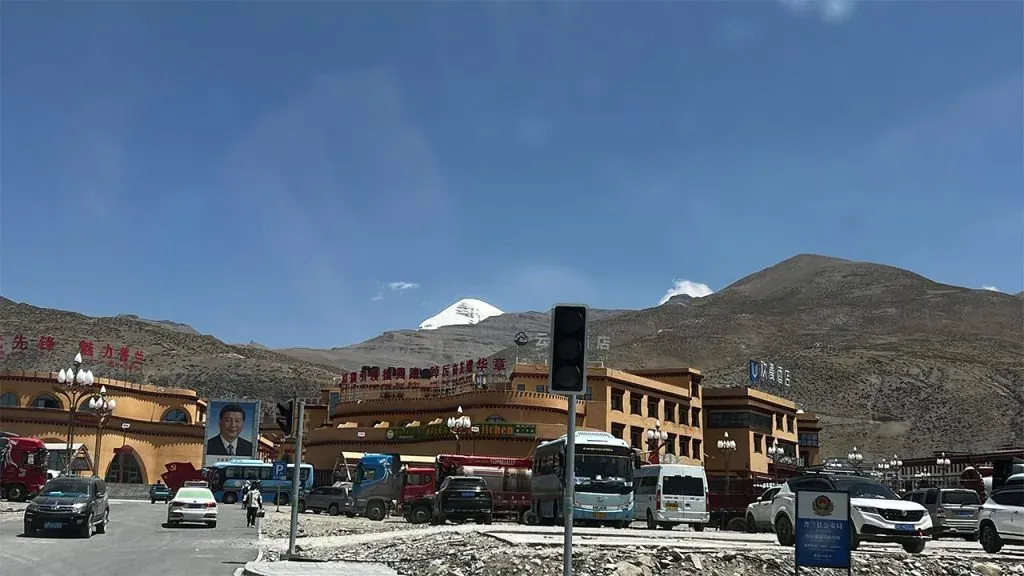
The Lhasa Route (via Tibet) is an ideal option for travelers who want to avoid long road journeys from the Nepal border and instead begin their trip in Lhasa. Since Lhasa is located at around 3,650 m, pilgrims spend two days there for acclimatization before traveling to higher regions above 4,500 m. This adjusts their body better to the altitude and can reduce the risk of altitude sickness during the journey.
This route is also popular because it avoids the sometimes challenging road conditions between Kathmandu and the Kerung border. In addition to the spiritual journey to Mount Kailash and Lake Mansarovar, travelers get the opportunity to explore important Tibetan cultural sites in Lhasa, such as the Potala Palace, Jokhang Temple, and the Norbulingka summer palace.
- Total Duration: 15-18 days
- Cost: USD 3,800-5,000
- Difficulty: Moderate
- Distance Covered: Approx. 2,400-2,800KM round trip
- Itinerary: Lhasa → Shigatse → Saga → Mansarovar → Mount Kailash Kora
Kailash Mansarovar Helicopter Route via Simikot–Hilsa
The Kailash Mansarovar Yatra by helicopter (via Hilsa) is the fastest way to reach Kailash Parvat. It is suitable for pilgrims with limited time or those who want to avoid long overland travel. This option saves around 4–5 days compared to the Kerung overland route. It also provides beautiful aerial views of Himalayan peaks like Api Himal and Saipal Himal.
However, the helicopter route also comes with some challenges. Travelers experience faster altitude gain, weather-related flight delays are common in the Himalayan region, and this route is more expensive than the overland option. Pilgrims should also be prepared for a limited baggage allowance during helicopter flights and proper acclimatization to avoid altitude sickness.
- Total Duration: 9-11 days
- Cost: Varies by season and the type of flight you choose
- Difficulty: Moderate to Hard
- Distance Covered: Approx. 700-1,000KM round trip
- Itinerary: Kathmandu → Nepalgunj → Simikot → Hilsa → Taklakot → Mansarovar
14 Days
Kailash Mansarovar Yatra
$2,770
5.0(6 reviews)
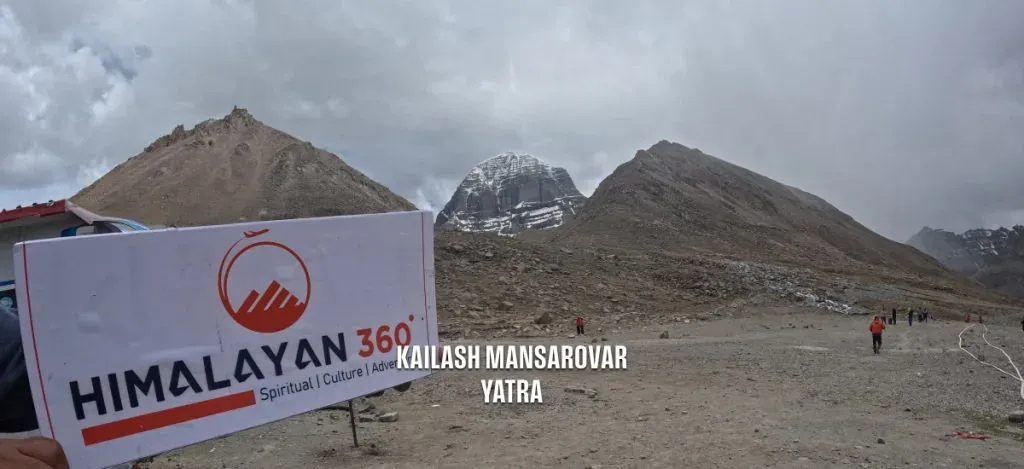
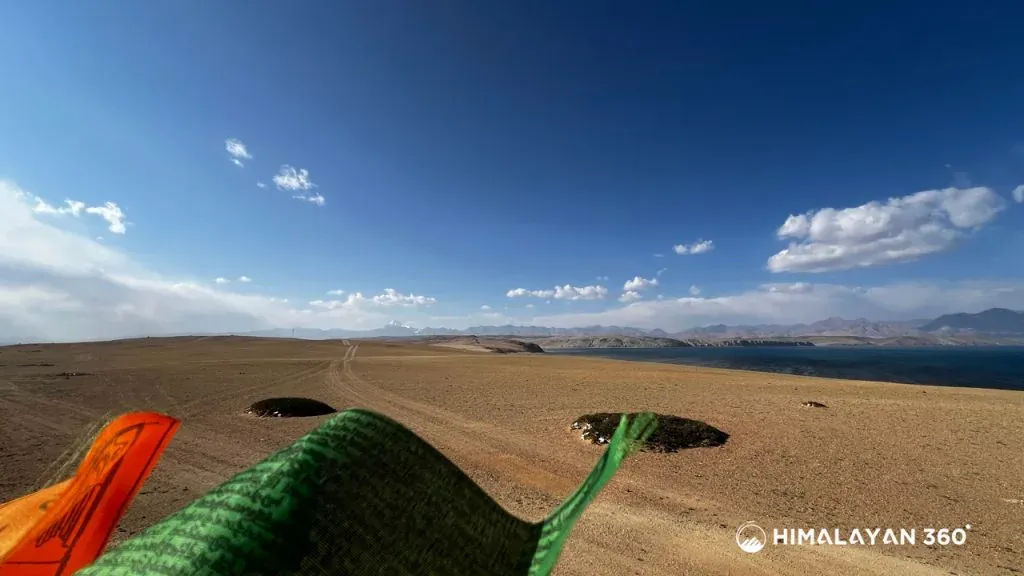
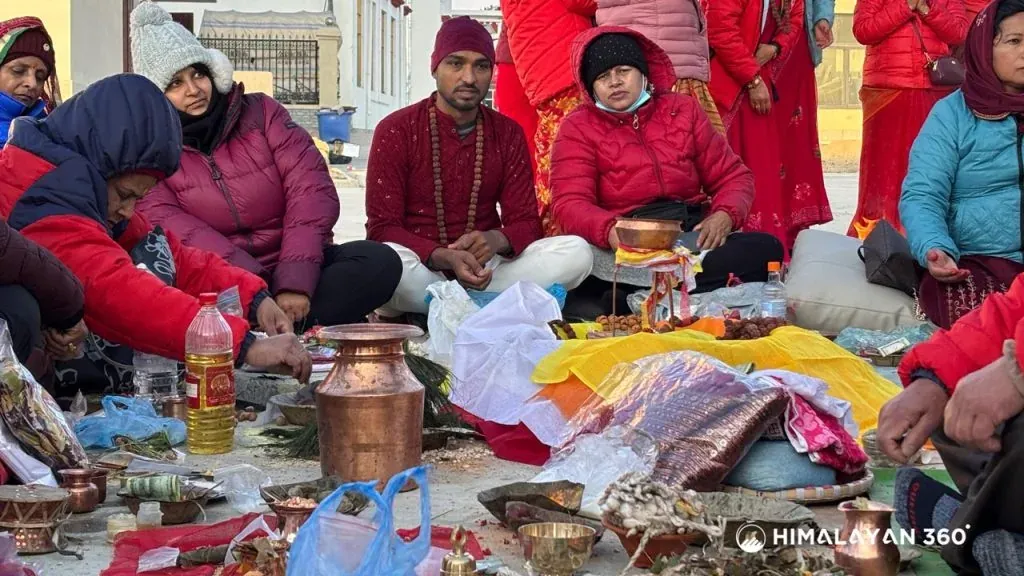
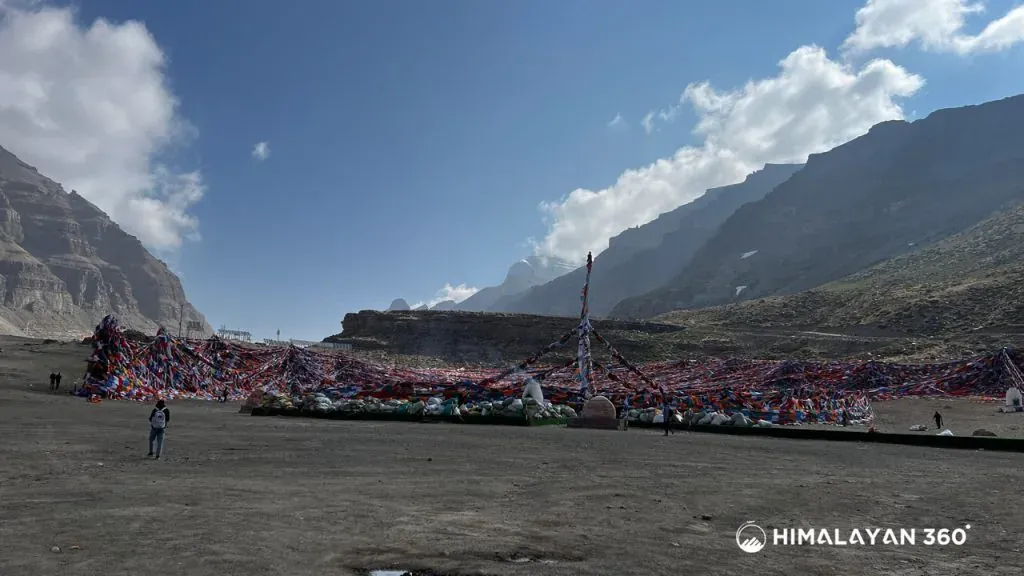
The Kailash Mansarovar Yatra from Nepal is one of the world’s most demanding and most revered pilgrimages — a journey to Mount Kailash (6,638 m) and the sacred Lake Mansarovar on the high plateau of western Tibet. This is our 14-day overland yatra, departing from Kathmandu and crossing into Tibet at the Rasuwagadhi–Gyirong border. It is the route most pilgrims choose: slower than the helicopter, which means your body acclimatises properly instead of being dropped at altitude, and far less expensive. You travel through the Himalayan foothills, over the Tibetan plateau, past Lake Mansarovar, and finally around Mount Kailash itself on the three-day Kora. Mount Kailash is held sacred by four faiths. Hindus know it as the abode of Lord Shiva. Buddhists know it as the seat of Demchog (Chakrasamvara). Jains revere it as the place where their first Tirthankara attained liberation. For Bon followers it is the axis of the world. Lake Mansarovar, at its foot, is believed in Hindu tradition to have been created by Lord Brahma. We have operated this pilgrimage since 2014. We arrange the Chinese Group Visa, all four Tibet-side permits, accommodation, transport, meals, oxygen and a medical kit, and Nepali- and Hindi-speaking support throughout. Groups run 5–20 pilgrims. 2027 departures are open now. Bookings for the May–September 2027 season are being taken from August 2026, and the earlier you book, the better your choice of date.
10 Days
Kailash Charan Sparsh Tour
$1,999
5.0(2 reviews)
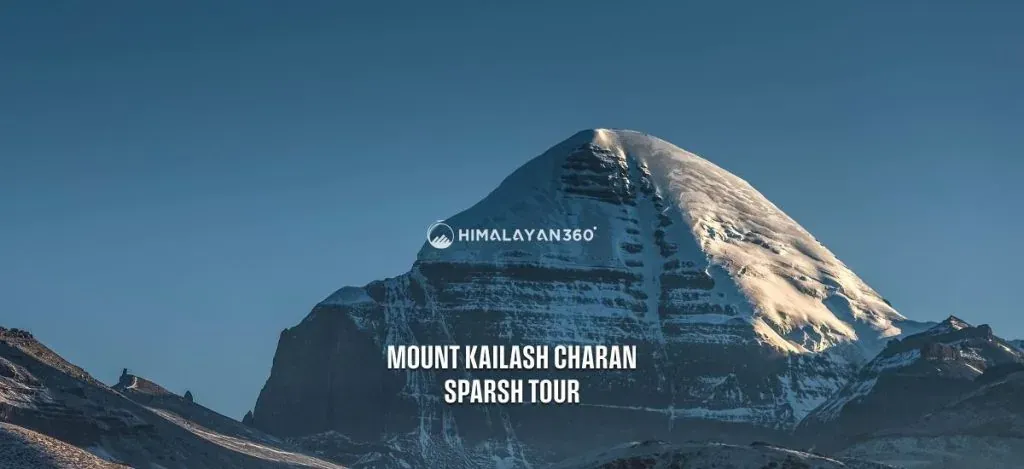
Kailash Charan Sparsh Tour with Lake Mansarovar is a journey to the sacred Mount Kailash, combining touching the feet of Mount Kailash (Charan Sparsh) with a visit to the holy Lake Mansarovar. Reaching the base of Mt Kailash represents a deep connection with Lord Shiva. Followers believe that this mountain is where Lord Shiva resides, and many consider the journey to Mount Kailash a significant spiritual experience that should be undertaken only once in a lifetime. This pilgrimage place is sacred for the people of the Jain, Hindu, Buddhist, and Bon religions. Likewise, the mountain is near the sources of several major rivers, including the Indus, Sutlej, Brahmaputra, and Karnali. Unlike the Kailash Mansarovar tour, the Mount Kailash Charan Sparsh pilgrimage covers a distance of 7 km from the Dirapuk monastery to the mountain’s north face, which differs from the traditional Kailash Mansarovar Yatra. This spiritual tour provides travellers with positive energy, which can be particularly beneficial as they trek through the icy moraines and snowy mountains. Now, let’s talk in detail about the Mount Kailash Charan Sparsh tour.
The Kailash Parikrama (Kora)
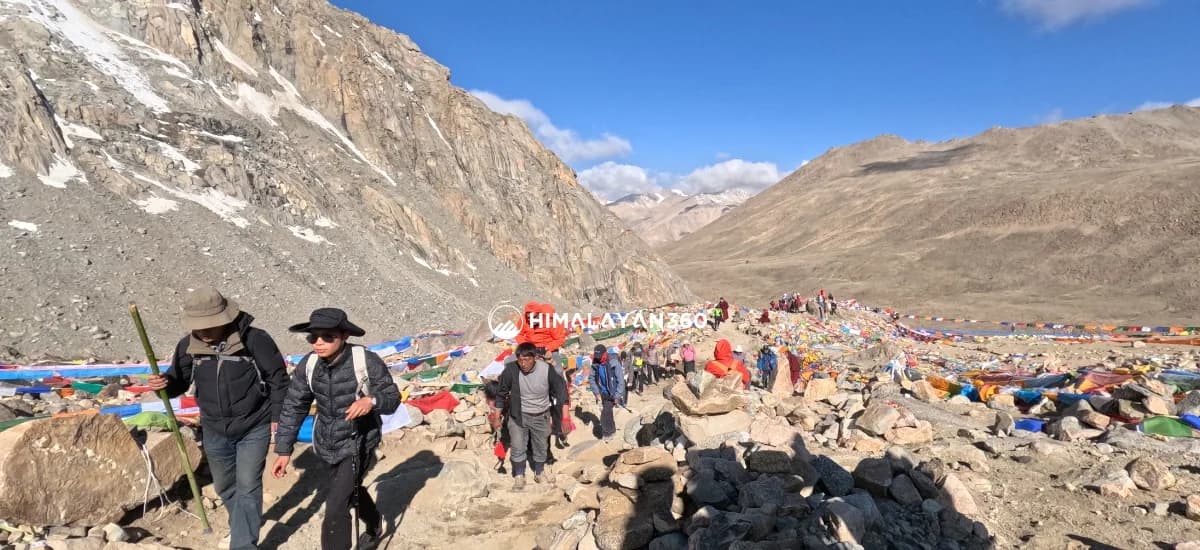
The Kailash Parikrama (Kora) is a 52KM spiritual circumambulation of Mount Kailash completed over three days. The route starts at Darchen, passes through Dirapuk Monastery and Zuthulphuk Monastery, and returns to Darchen at the end. This sacred journey is undertaken by pilgrims looking for spiritual purification and blessings. The Mount Kailash trek itself is only these three days, and for most people the spiritual Kailash experience is here rather than on the drive in. A complete three-day itinerary is outlined below.
Day 1: Darchen to Diraphuk
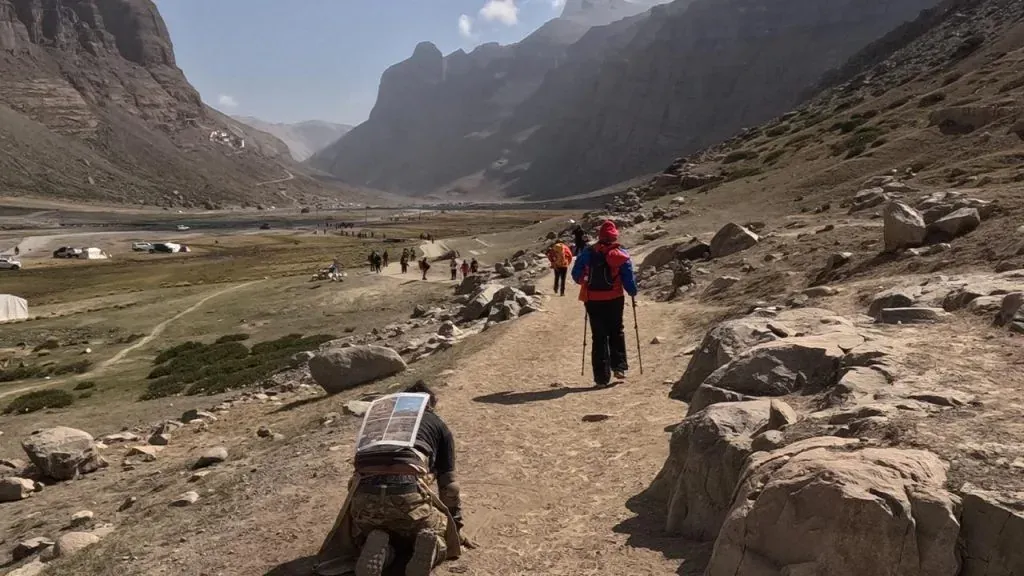
The day starts with a short 6KM drive from Darchen to Yamdwar (the “Gate of the God of Death”), followed by a trek through the Lha Chu Valley and finally to Diraphuk. You can see Tibetan pilgrims performing dandavat pranam (full prostrations) on the way, along with views of the west and north face of Kailash.
Day 2: Diraphuk to Dolma La Pass to Zuthulphuk
The day starts with a full uphill climb to the Dolma La Pass (5,630M), which is the highest point of the entire Kailash and Mansarovar Yatra. The summit is decorated with colorful prayer flags, and shortly after crossing, the trail drops towards Gauri Kund, where Goddess Parvati is believed to have bathed. After a long descent, the route reaches Zuthulphuk Monastery, where pilgrims stay overnight.
Day 3: Zuthulphuk to Darchen
The final part of the spiritual journey follows a flat trail along the Dzong Chu River, which is the easiest part of the entire parikrama. The trek concludes at a pickup point near Darchen (Chongdo), where vehicles take pilgrims back to the main settlement, completing the circuit around Kailash.
Which Route is Best for Kailash Mansarovar Yatra and why?
Nepal Overland tour (via Kathmandu and Kerung) is the most popular and budget-friendly for ordinary pilgrims (devotees), whereas the Helicopter route is best for those with a tight schedule or lower physical fitness. The table below sets travel time, difficulty and starting point side by side so you can see which is the best Kailash option for your dates.
| Route | Starting Point | Duration | Difficulty | Best For |
|---|---|---|---|---|
| Lipulekh Pass | Dharchula | 22-25 days | Hard | Physically fit trekkers searching for a traditional path |
| Nathu La Pass | Gangtok | 21 days | Hard | Indian citizens seeking government-managed road trips |
| Nepal Overland | Kathmandu | 9-15 days | Hard | First-time pilgrims & budget travelers |
| Lhasa Route | Lhasa | 15-18 days | Moderate | Cultural enthusiasts & photography lovers |
| Simikot–Hilsa Helicopter | Kathmandu | 9-11 days | Moderate to Hard | Senior citizens & those short on time |
Best Time to Do Kailash Mansarovar Yatra
The best time for the Kailash Mansarovar Yatra is from May to September, when the weather is comparatively stable, and mountain roads are accessible. During these months, daytime temperatures are around 8°C and 20°C, snowfall is lower, and pilgrims can travel with better transport and accommodation support. July and August may bring rain in Nepal-side regions, but Tibet itself is a dry state.
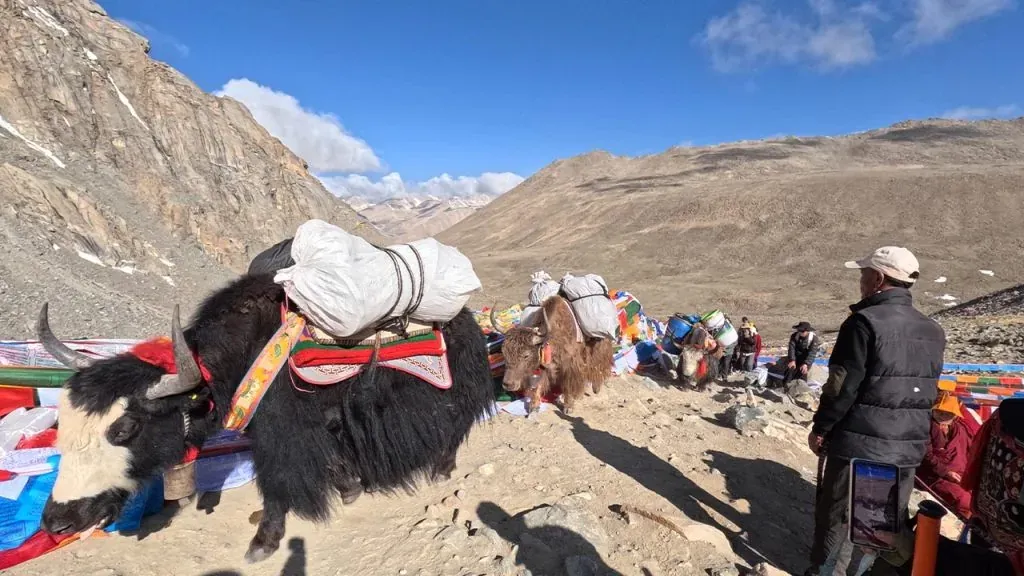
Many pilgrims choose when they are visiting Kailash on spiritually important dates rather than on weather alone. Full moon periods are popular because completing the Parikrama (Kora) around Mount Kailash during a full moon is believed to bring greater spiritual blessings. Another important time is the Saga Dawa Festival (celebrated in May or June), which honors the birth and liberation of Buddha.
The year 2026 holds additional spiritual importance because it is recognized as the Year of the Horse. According to traditional belief, completing one Kora during a Horse Year is equal to performing 12 pilgrimages in ordinary years. Because of this importance, 2026 is expected to attract a much larger number of pilgrims from India, Nepal, and around the world.
Note: Our fixed group tours are thoughtfully scheduled and offer specific departure dates, providing a fantastic opportunity for both solo travelers and groups to come together. Join other guests on a memorable journey and share in the adventure of a lifetime!
Permits, Visas & Entry Requirements for Kailash Mansarovar Yatra
Getting the permit and visa paperwork for the Kailash Mansarovar Yatra involves several steps and approvals from different government offices. The rules are different for Resident Indians and for foreigners or NRIs. Here’s what you legally need for your Yatra.
| Requirements | Resident Indian Citizens | NRIs / OCI Holders | Foreign Nationals |
|---|---|---|---|
| Passport | Original, minimum 6 months’ validity from travel date | Same | Same |
| Chinese Group Visa | Issued in New Delhi | Issued in Kathmandu | Issued in Kathmandu |
| Tibet Travel Permit (TTP) | Arranged by MEA or travel operator | Arranged by travel operator | Arranged by travel operator |
| Alien & Military Permits | Required for Mount Kailash restricted and sensitive zones | Same | Same |
| Nepal Entry Visa | Not required | Tourist Visa (on-arrival available in Kathmandu) | Tourist Visa (on-arrival available in Kathmandu) |
| Nepal RAP | Required only for Simikot/Hilsa routes | Same | Same |
| Medical Fitness | Mandatory certificate from a registered doctor | Same | Same |
Important Things to Know
- The operator manages permits, hotel confirmations, transport paperwork, and Tibet approvals.
- Documentation timelines are planned in advance, so travelers just need to submit passport copies, photos, and basic forms.
- Permit approvals can take a few weeks, which is normal for Tibet travel.
- Independent travel to Kailash and its restricted zone is not permitted, which is why joining an authorized group is mandatory
Kailash Mansarovar Yatra Route Map
The Kailash Mansarovar Route Map is an important guide for pilgrims planning their journey to Mount Kailash and Mansarovar Lake. This Mansarovar Yatra route map, via Kerung, shows the main overland road from Kathmandu through the Rasuwagadhi border and across Tibet via Saga and Paryang. The map also highlights alternative travel options such as the Lhasa route and the helicopter route via Nepalgunj, Simikot, and Hilsa.
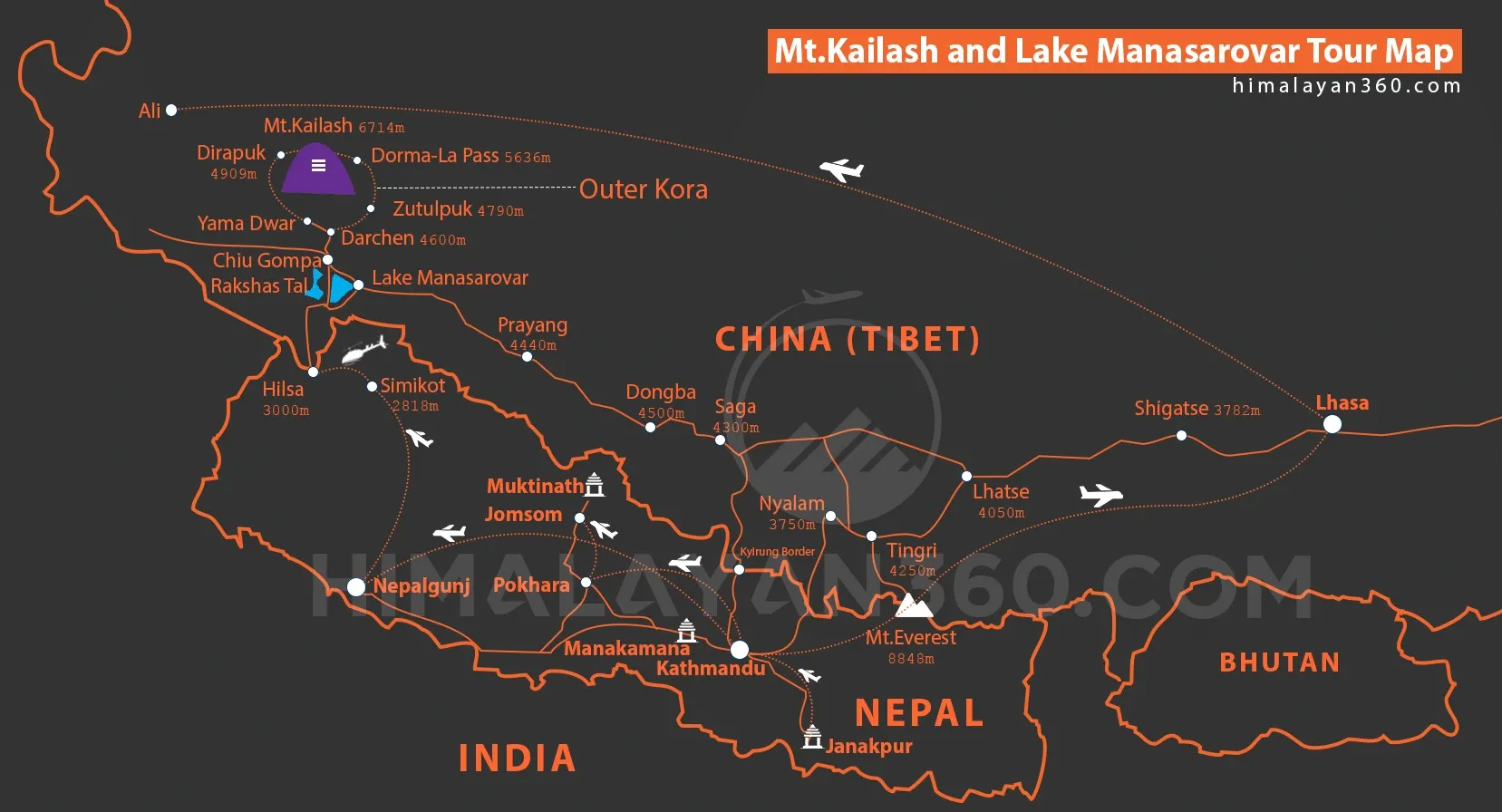
It also explains the 52 km Kailash Parikrama (Kora), which is the most spiritual part of the journey. Important places like Darchen, Dolma La Pass (5,630 m), Dirapuk Monastery, Zutulpuk Monastery, Rakshas Tal, and Chiu Gompa are clearly indicated to help travelers plan their trekking days and understand the altitude challenges.
Distances and Driving Days on the Nepal Overland Route
The Nepal overland route needs 14 days because of one number: the Saga to Darchen leg is about 547 KM across the plateau, and it is a single driving day. The table below breaks the route into its actual segments, which is the fastest way to see where the days go and why a shorter itinerary means less acclimatisation rather than less distance.
| Segment | Approx. distance | Notes |
| Kathmandu to Rasuwagadhi (Timmure) | 145 KM by road | Follows the Trishuli River to the Nepal side of the border |
| Rasuwagadhi to Gyirong (Kerung) | 98 KM by road | Border formalities at Gyirong Port, then a night in Gyirong town |
| Acclimatisation day at Gyirong | Short hikes only | The single most useful day on the itinerary for altitude |
| Gyirong to Saga | 230 KM by road | First full day on the Tibetan plateau, views of the Brahmaputra |
| Saga to Lake Mansarovar and Darchen | 547 KM by road | Longest driving day of the trip, via Paryang. First sight of the lake |
| Darchen to Lake Mansarovar and back | 80 KM by road | Puja and holy dip at the lakeshore, then back to Darchen to sleep |
| Kora day 1, Darchen to Dirapuk | 12 KM on foot | After a 6 KM drive to Yamdwar. West and north faces of Kailash |
| Kora day 2, Dirapuk to Zuthulphuk | 22 KM on foot | Crosses Dolma La Pass at 5,630 m, the highest point of the yatra |
| Kora day 3, Zuthulphuk to Darchen | 8 KM on foot | Flat trail along the Dzong Chu river, then vehicles from Chongdo |
| Darchen to Saga | 547 KM by road | The long plateau drive again, in reverse |
| Saga to Gyirong | 230 KM by road | Descending back towards the border |
| Gyirong to Kathmandu | 243 KM by road | Border formalities, then the Trishuli road back into Nepal |
Two things follow from this table. The first is that only about 42 KM of the whole trip is walked, all of it on the three kora days, so road tolerance matters more than trekking fitness on this route. The second is that the helicopter route via Simikot and Hilsa saves days by removing the Saga plateau drives, not by shortening the kora, which is why it gains altitude faster and suits pilgrims who are short on time rather than short on stamina.
Conclusion
Choosing the right Kailash Mansarovar Yatra route is important for your safety, comfort, and overall journey experience. Some travelers prefer the traditional Lipulekh route, while others choose the faster helicopter route via Simikot. No matter which route you select, proper preparation is essential.
If you are planning this journey, contact Himalayan 360 for a personalized itinerary and expert guidance based on your fitness level, travel style, and budget.
10 days Mount Kailash and Mansarovar Yatra
10 Days
10 days Mount Kailash and Mansarovar Yatra
$2,299 $1,870
5.0(5 reviews)
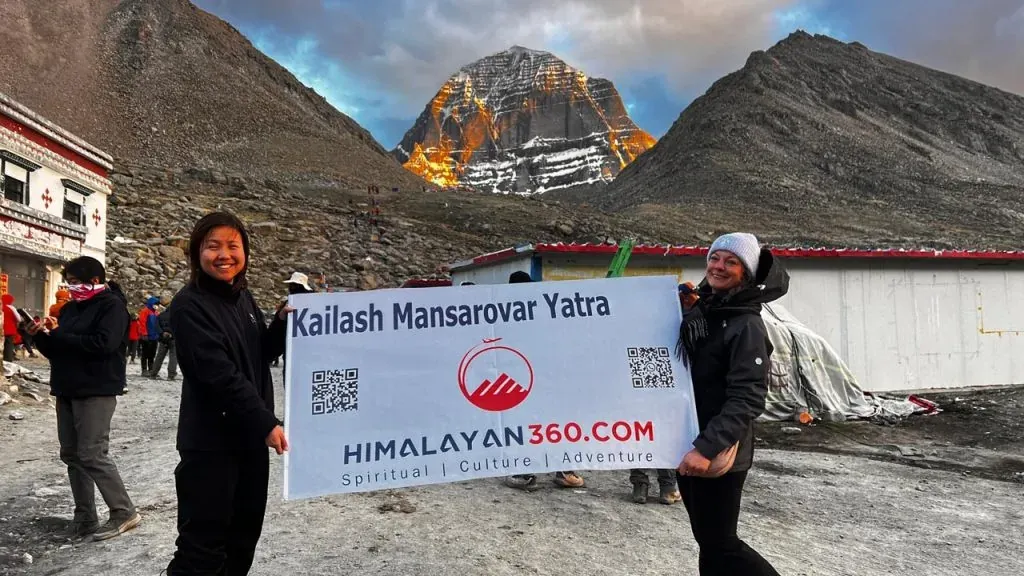
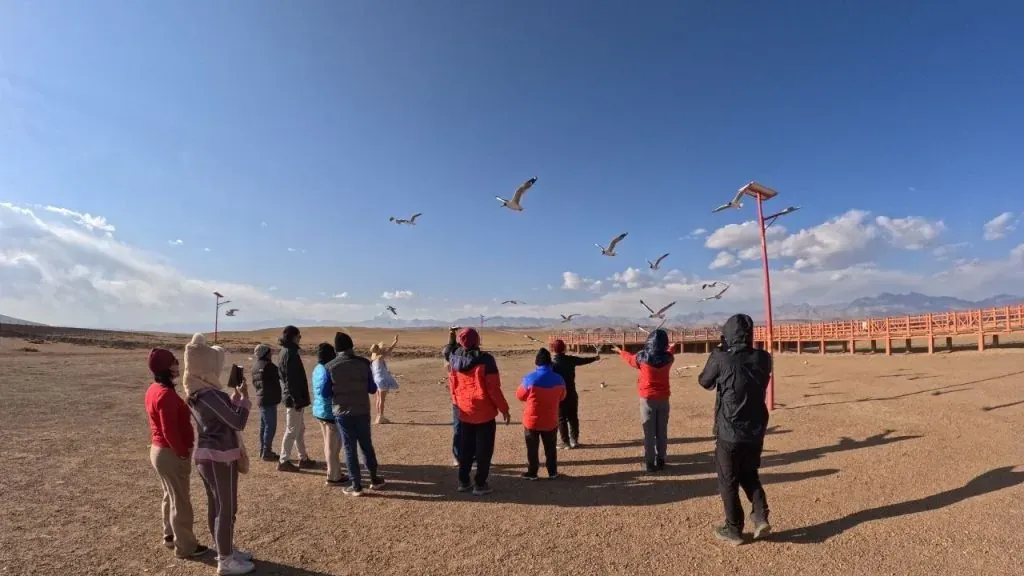
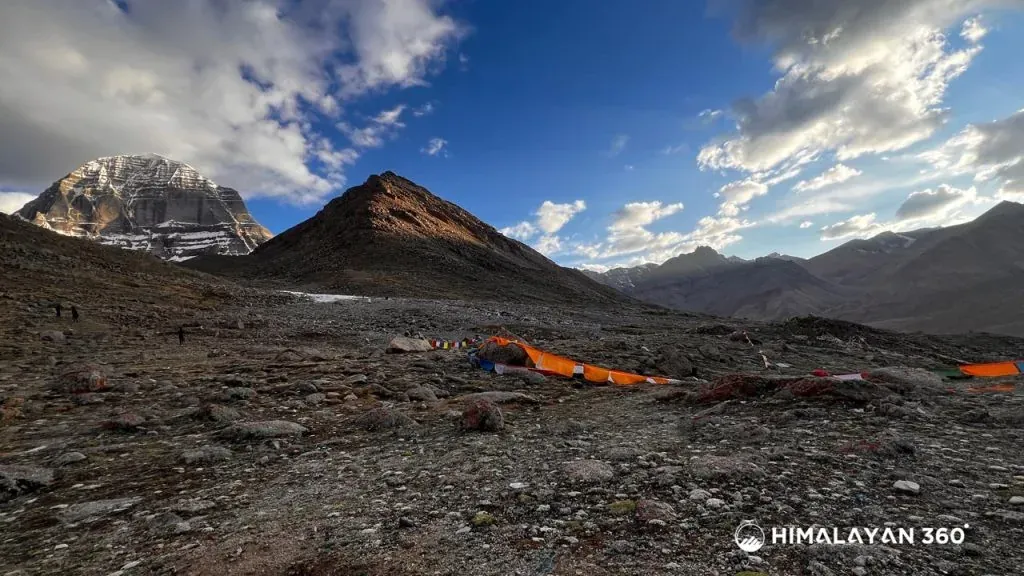
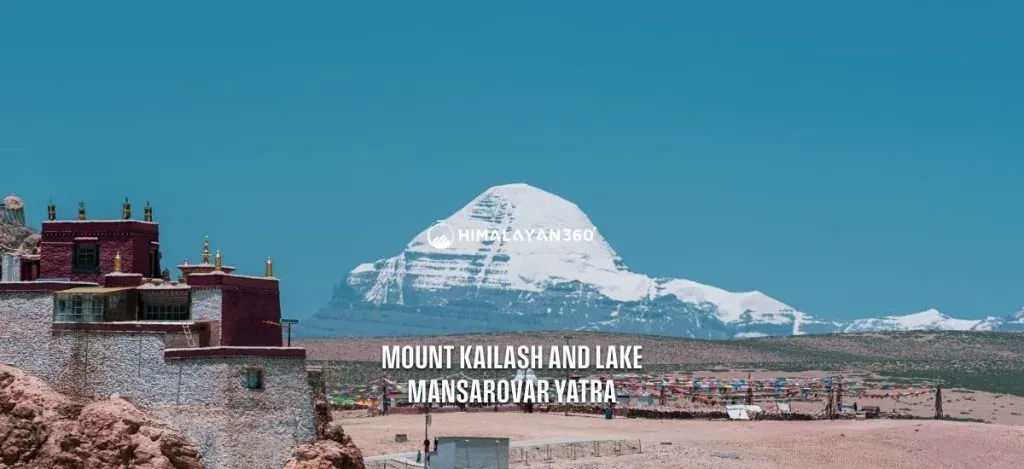
The 10-Day Mount Kailash and Lake Mansarovar Yatra is the shorter, budget-friendly way to complete this sacred pilgrimage. Unlike the longer 15-day route that begins in Kathmandu, this version starts right at the Tibet border — so you spend less time on the road and reach Mount Kailash and Lake Mansarovar faster, on a shared-vehicle basis that keeps the cost down. Over ten days you cross from Kyirong (Gyirong) into Tibet, drive across the high plateau through Saga, and arrive at the holy Lake Mansarovar before beginning the Kailash Kora (Parikrama) — the circumambulation that crosses the 5,630m Dolma La Pass. It’s the same revered destination that Hindus, Buddhists, Jains, and Bon followers hold sacred, on an itinerary built for pilgrims who want the essential journey without the extra days. If you’d rather travel at a gentler pace with sightseeing in Kathmandu, see our 14-day Kailash Mansarovar Yatra instead. For most pilgrims, Mount Kailash is not a place you simply decide to visit — it is a call you finally answer. Many carry the dream of standing before Lord Shiva’s sacred abode for years, waiting for the right moment, the right health, the right time in life. In 2026, the Tibetan Horse Year, that moment has arrived — a rare alignment that comes once in a generation, when a single parikrama around the holy mountain is believed to carry the merit of many. If Kailash has been calling you, this is the year to answer — and this 10-day journey is the most accessible way to make that lifelong dream real.
Lhasa Everest Kailash Mansarovar Kathmandu Tour
14 Days
Lhasa Everest Kailash Mansarovar Kathmandu Tour
$3,350
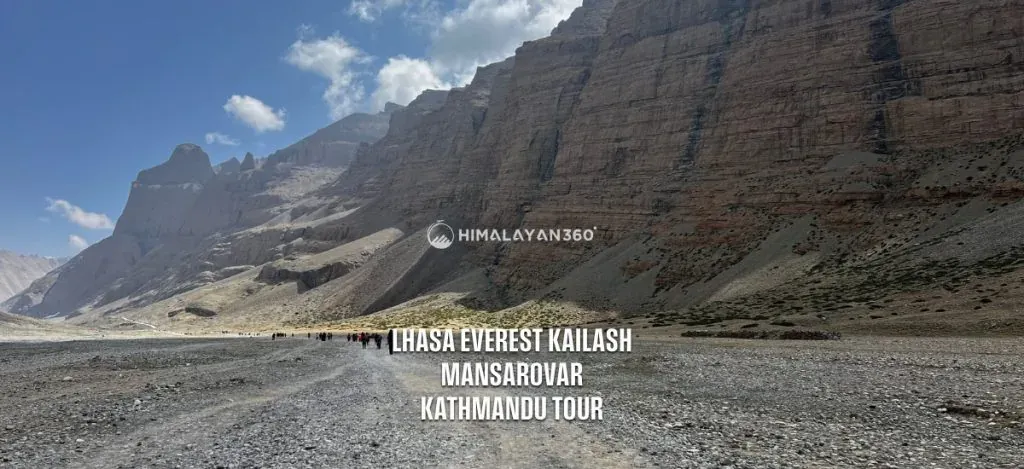
The Lhasa Everest Kailash Mansarovar Kathmandu Tour is a 14 days overland trip that takes you from Lhasa to Mount Everest Base Camp (EBC), then to the sacred Mount Kailash and Lake Mansarovar, and finally to Kathmandu. It is one of the most complete Tibet to Nepal tours. Your journey begins in Lhasa. While in Lhasa, you will explore famous landmarks like the Potala Palace, Jokhang Temple, Barkhor Market, and the ancient Sera and Drepung Monasteries. Then from Lhasa, you will drive across Yamdrok Lake and Karola Glacier to Gyantse and Shigatse. From Shigatse, you will drive to the Tibet-side Everest Base Camp, where you will get to see views of Mount Everest up close. From EBC, the road leads west toward Mount Kailash and Lake Mansarovar. This region is sacred to Hindus, Buddhists, Jains, and Bon followers. Pilgrims believe that walking around Mount Kailash (Kora) cleanses one’s sins and brings spiritual peace. During the 3-day Kailash Kora trek, you’ll cross the high Dolma La Pass and witness the stunning beauty of Tibet’s remote landscape. After completing the spiritual Kora, you’ll continue to Gyirong Valley, near the Nepal border. The scenery changes dramatically here, from dry plateaus to green forests and waterfalls. Our guide will help you travel safely to Kathmandu. Your journey ends in Kathmandu, where you experience the warmth of Nepali hospitality and vibrant local culture. This tour is perfect for those who want to experience both the spiritual side of Tibet and the natural beauty of the Himalayas.
 Trek
Trek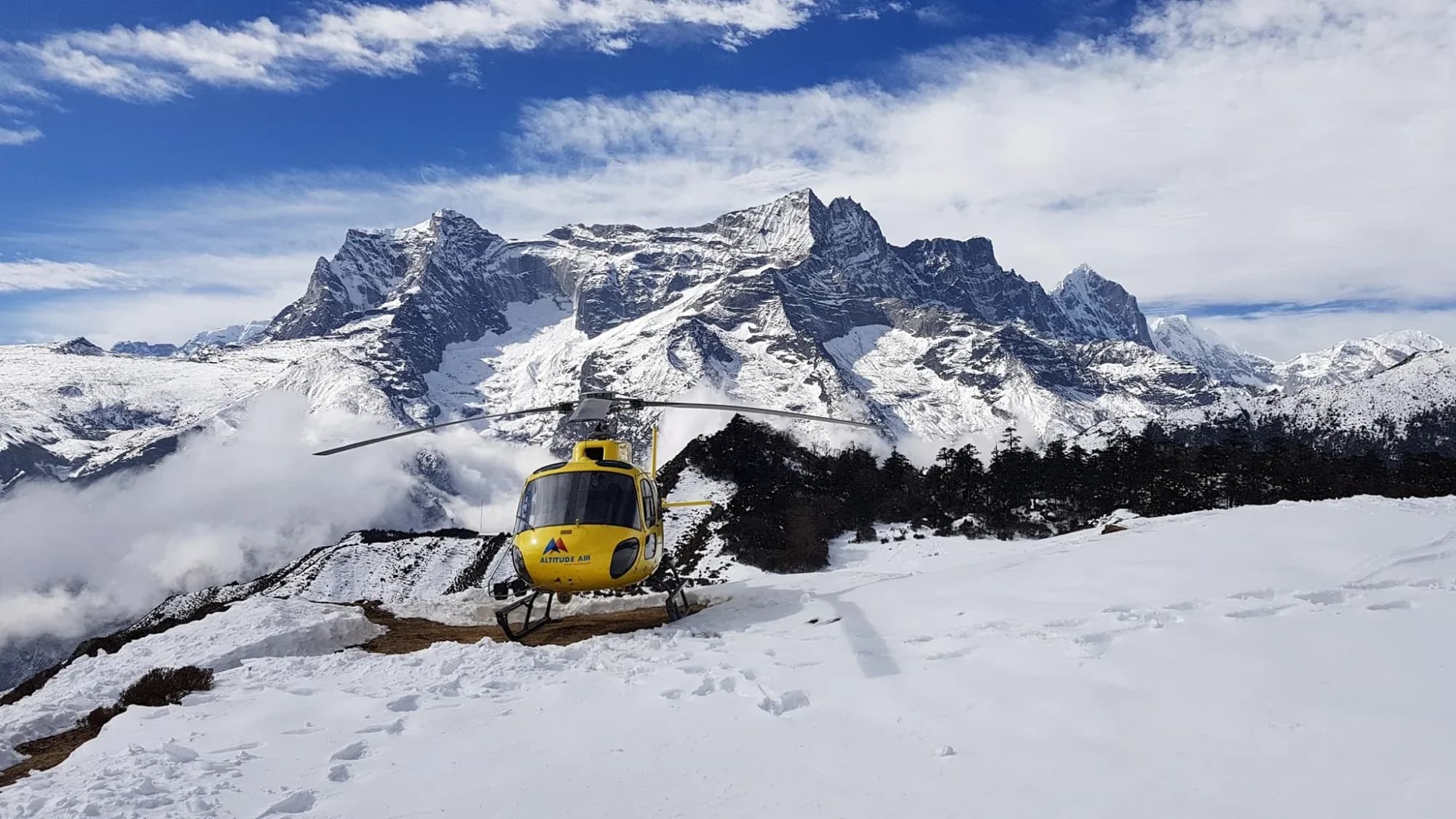 By air
 Pilgrimage
 Festivals
 Wildlife
 Luxury
 Yoga
Yoga Food
Food Heritage