The Origin of the Park
The story of Makalu Barun National Park begins in the 1980s, when researchers from The Mountain Institute (TMI), led by president Daniel C. Taylor, conducted surveys in the Barun Valley. They were originally searching for biological evidence related to the mystery of the Yeti. Instead, they uncovered something even more significant: a valley with exceptional biodiversity that had been largely undocumented.
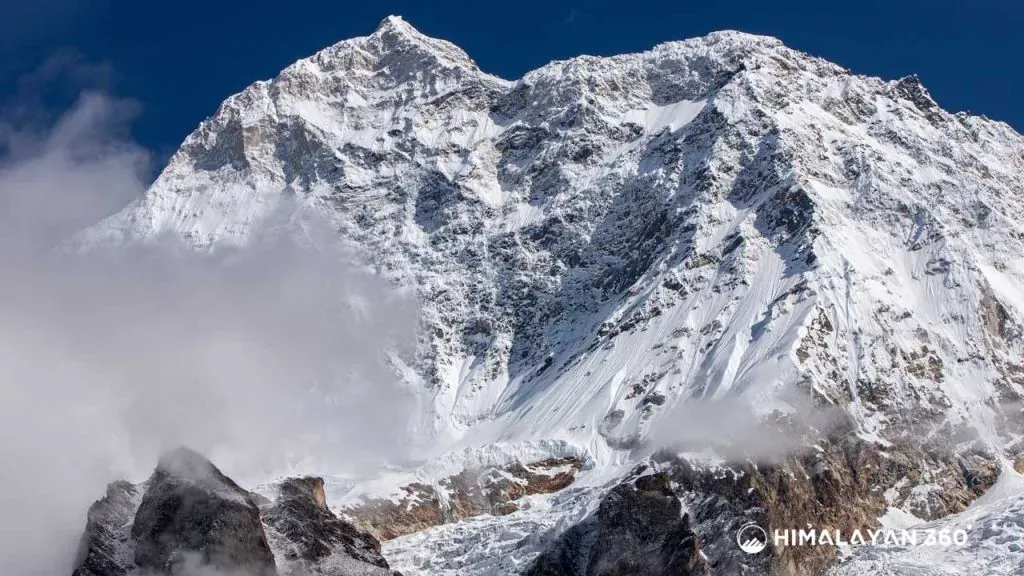
These discoveries led to a formal proposal to protect the region in 1985. By 1988, the Makalu Barun Conservation Area Project (MBNPCA) was launched as a joint effort between Nepal’s Department of National Parks and Wildlife Conservation and The Mountain Institute. The area was officially recognized in 1991, and in 1992, it was declared a national park.
The Wildlife You Can Find Here
The park is home to 88 species of mammals, 440 species of birds, 315 types of butterflies, 43 species of reptiles, 16 species of amphibians, and 78 species of fish, which makes it one of the richest ecological regions in Nepal.
Among the mammals, the park is one of the few places in Nepal where you have a chance of encountering the red panda (Ailurus fulgens), snow leopard (Panthera uncia), and clouded leopard within the same protected area. Those three are the rare wildlife that draws researchers here, but the fauna you are far more likely to actually see is ordinary and everywhere: Himalayan black bear sign in the forested areas, barking deer, wild boar, serow, musk deer, langur in the lower rhododendron forests, red fox on the open ground, and Himalayan marmot whistling from the alpine meadows above Yangle Kharka. Rare and endangered species have a genuine refuge here because so few people walk through, and that is what makes the park ecologically significant rather than merely scenic. In May 2009, researchers made an important discovery when they captured the first-ever image of the Asian golden cat at an altitude of 2,517M inside the park.
The Flora You Can Find Here
The vegetation in Makalu Barun National Park changes from subtropical forests at lower elevations to sub-alpine meadows and permanent snowfields near the high peaks. Among the species of flowering plants recorded here, the park is home to 25 out of 30 species of rhododendron in Nepal, along with 47 species of orchids, 48 species of primroses, 87 kinds of medicinal herbs, and 86 species of fodder trees. In total, 56 plant species found here are considered endangered.
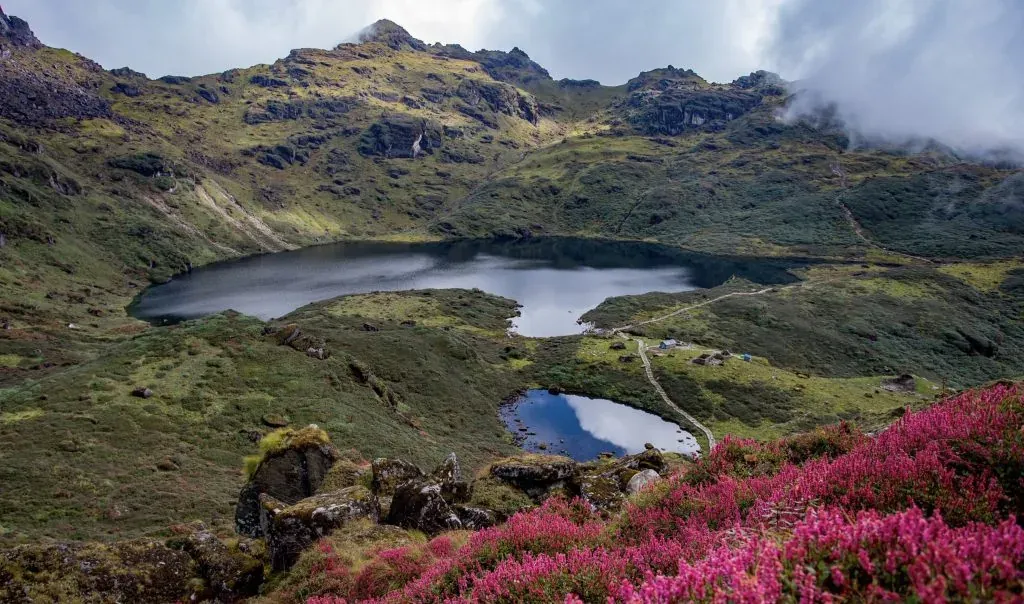
The Barun Valley, which has been declared a Strict Nature Reserve, protects some of the rarest forests and alpine meadows for scientific study and genetic resource preservation. During spring, the landscape turns red and pink with the rhododendrons blooming across the hillsides, with the beauty that cannot be matched anywhere.
Popular Trekking Routes Inside Makalu Barun National Park
Popular trekking routes inside Makalu Barun National Park include the Makalu Base Camp Trek, Barun Valley Trek, and the Makalu Viewpoint Trail. Below, we have explained each of these routes in detail.
Makalu Base Camp Trek
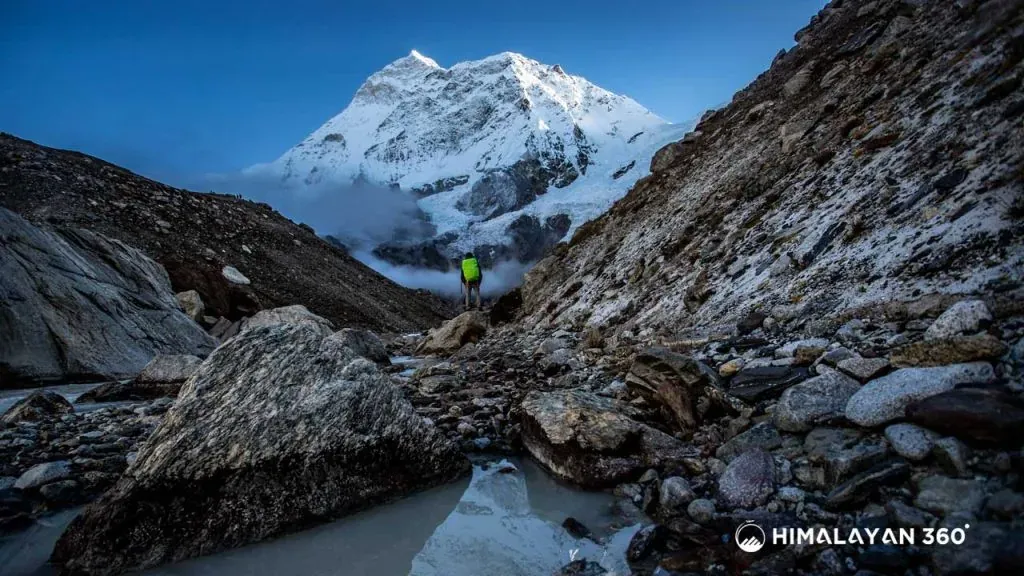
The Makalu Base Camp Trek is a remote and adventurous journey that takes you deep into Makalu Barun National Park. The route starts with a flight to Tumlingtar, followed by a trek through Num, Seduwa and Tashigaon, over the high passes at Khongma Danda to Dobate, then up the Barun Valley through Yangle Kharka and Langmale Kharka to Makalu Base Camp. The itinerary takes around 17–18 days with proper acclimatization. The trip page sets out the full route, duration and what to expect along the journey.
- Best Time: Spring (Mar–May) and Autumn (Sept–Nov)
- Cost Range: USD 1,299 – 1,999
- Highlights: Mount Makalu, Barun Valley, Rai and Sherpa villages, fewer crowds
Barun Valley Trek
The Barun Valley is a 12–16 days trek within Makalu Barun National Park that focuses on the natural beauty of the valley rather than reaching high-altitude base camps. The trek begins with a flight to Tumlingtar, followed by a walk through villages like Num and Seduwa into the Barun Valley.
- Best Time: Spring (Mar–May) and Autumn (Sept–Nov)
- Cost Range: USD 1,500–2,800
- Highlights: Mount Makalu, Chamlang, rich biodiversity, and glacial views
Makalu Viewpoint Trail
The Makalu Viewpoint Trail is a shorter and more accessible trek perfect for those who want great mountain views without a long expedition. The route is exactly the same, and it takes 7–10 days with moderate elevation gain and enough time to enjoy the landscape and return comfortably.
- Best Time: Spring (Mar–May) and Autumn (Sept–Nov)
- Cost Range: USD 1,000–2,000
- Highlights: Chamlang, Baruntse, Tashigaon village, and Mt. Baruntse
Permits and Fees for Makalu Barun National Park
Two permits are required to enter, and both are checked on the trail. Neither can be bought at the last minute in the valley, so this is worth sorting out in Kathmandu.
| Permit | Cost | Where to get it |
|---|
| Makalu Barun National Park and Conservation Area Permit | NPR 100 for Nepali citizens, NPR 1,500 for SAARC nationals, NPR 3,000 (about USD 25) for other foreign nationals. Children under 10 exempt | Online through the DNPWC e-ticket portal, collected at the Nepal Tourism Board office in Kathmandu or at the Num and Seduwa park entry points |
| Makalu Rural Municipality Permit | USD 20 per person per week for the first four weeks, then USD 25 per week. Same for all nationalities | Makalu Rural Municipality Office in Num, and checkpoints along the trail |
Three practical points. Since April 2023 every foreign trekker inside a Nepali national park must walk with a licensed guide, and the municipality office will ask to see that guide or their licence before issuing the permit. Cash is the only reliable payment beyond Tumlingtar, which holds the last ATM on the route. And permits get wet: carry photocopies and keep colour scans on your phone, because a soggy printout can hold you up at a police or park post.
Checkpoints on the standard route are Num, Seduwa, Tashigaon, Khongma Danda, Dobate and Makalu Base Camp, and you pass through the same posts again on the way out to close your record. The full breakdown, including documents needed and how to extend a permit, is in our guide to the permit for Makalu Base Camp Trek.
How to reach Makalu Barun National Park
Reaching Makalu Barun National Park may feel remote at first, but the journey is straightforward when broken into steps. It involves three main stages: a flight, a drive, and then a trek. Let’s go through each step clearly.
- Fly from Kathmandu to Tumlingtar: Take a domestic flight from Kathmandu to Tumlingtar Airport. This is the most common and fastest way to get close to the Makalu region.
- Drive to the trailhead (Num or Seduwa): From Tumlingtar, take a jeep drive to villages like Num Village or Seduwa. The road is rough but manageable.
- Start trekking from Num or Seduwa: These villages are the main trailheads into the park. From here, the trekking route begins with a descent into the Arun River valley before climbing toward Barun Valley.
Best Time to Visit Makalu Barun National Park
The best time to visit Makalu Barun National Park is during the Spring and Autumn. April and May are the strongest weeks of the spring window, when the rhododendron forests are in flower low down and the snow-capped peaks stand clear above them, and these seasons offer the safest trail conditions and the most breathtaking views. The table below provides clear information about the best time to visit.
| Season | Temperature | Visibility |
|---|
| Spring | 10°C to 20°C | Excellent |
| Autumn | 12°C to 18°C | Excellent |
| Winter | -5°C to -20°C | Clear |
| Monsoon | 15°C to 25°C | Poor |
Culture & Lifestyle of People You’ll Encounter on Trail
Trekking through Makalu Barun National Park is as much a cultural journey as it is a natural one. Along the trail, you will pass villages of Limbu, Sherpa, Yakkha, Gurung, Tamang, Magar, Newar, Brahmin, and Chhetri communities, each with its own traditions and way of life. Buddhism and Hinduism are the main religions here, and you will see prayer flags, chortens, mani walls, and small temples along the route.
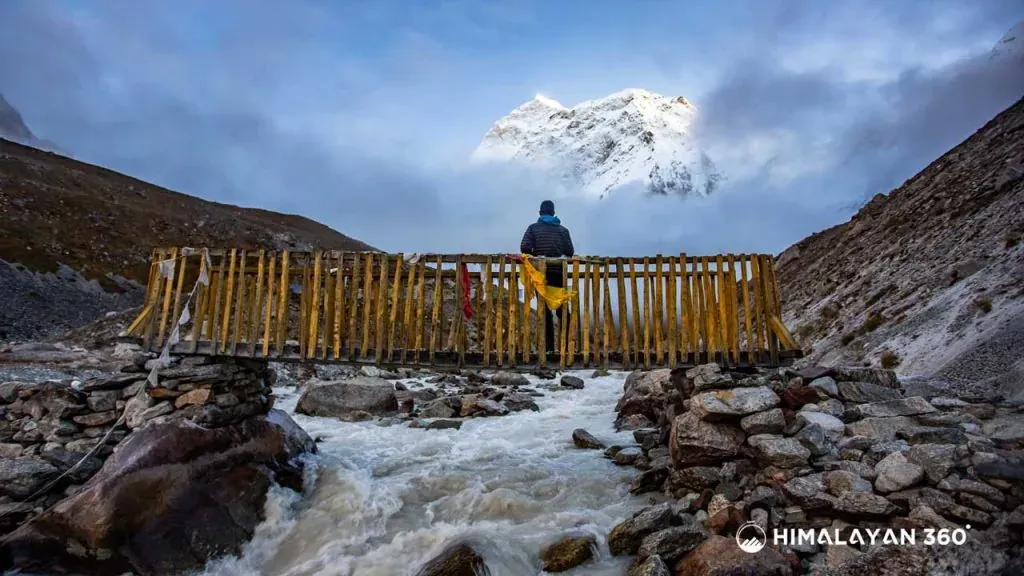
What makes this region even more special is its community-based conservation approach. At the time of its establishment, around 32,000 people were living within the area, spread across 12 Village Development Committees. These communities relied mainly on farming, and instead of being relocated, they were included in conservation efforts. Local communities now manage forest resources through community groups, which protect the environment while supporting their livelihoods. That model is the reason sustainable tourism works here at all: the Sherpa and Rai communities along the trail keep the lodges, staff the trek and hold the user rights to the forest, so the money a visitor spends and the habitat that visitor came to see are tied to the same households.
Makalu Barun National Park vs Chitwan National Park
Choosing between Makalu Barun National Park and Chitwan National Park depends on whether you are looking for a high-altitude mountain adventure of Makalu or a lowland jungle safari of Chitwan. Here’s a clear comparison.
| Aspect | Makalu Barun National Park | Chitwan National Park |
|---|
| Terrain | High Mountains & Valleys | Sub-tropical Lowlands (Terai) |
| Altitude Range | 435M to 8,485M | 110M to 850M |
| Main Activity | Trekking & Mountaineering | Jungle Safaris (Jeep/Canoe) |
| Popular Wildlife | Red Panda, Snow Leopard | One-Horned Rhino, Bengal Tiger |
| Accessibility | Harder (Flight + off-road drive + multi-day trek) | Easier (Short flight or 5-6 hour drive from Kathmandu) |
| UNESCO Status | No | Yes (World Heritage Site) |
Why Makalu Barun Deserves More Attention
The appeal of Makalu Barun National Park is not based on hype but on solid facts. It has more mammal species than most national parks in South Asia, an 8,000M elevation range found nowhere else under one protected boundary, and a successful community-based conservation model that has been working for over 30 years.
You will not see crowded teahouses or busy trekking routes here, so pack your bags and get ready to explore one of the most underrated national parks in Nepal with the Himalayan 360 team.
Makalu base camp trek
17 Days
Makalu base camp trek
$1,299
5.0(7 reviews)
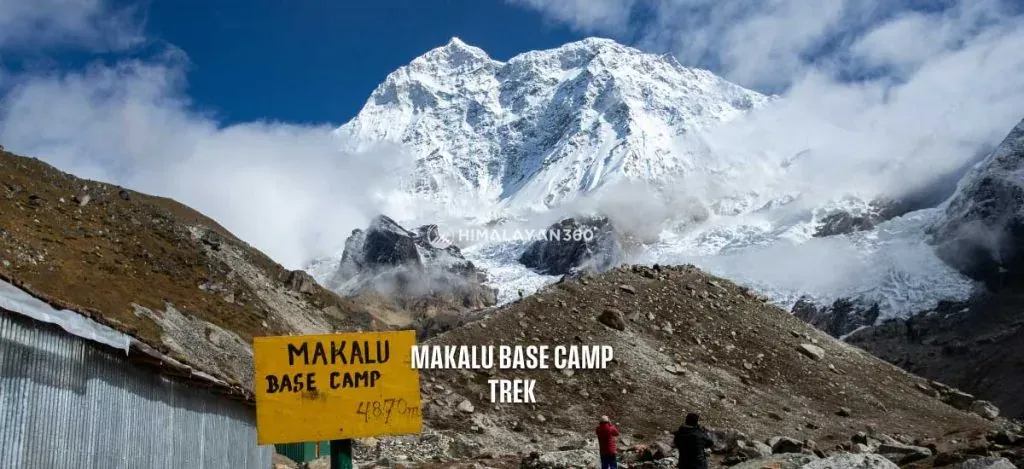
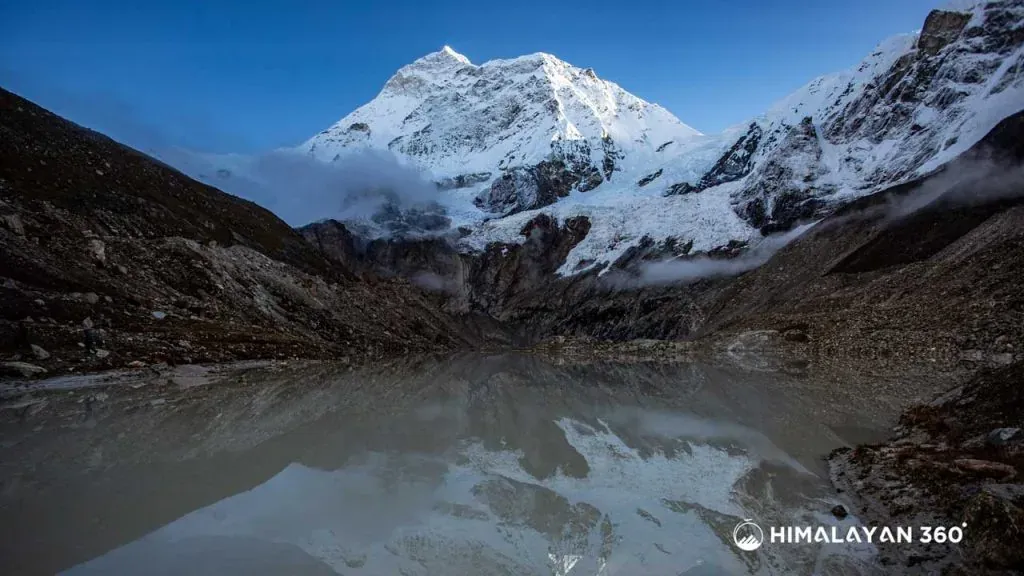
The Makalu Base Camp Trek is one of Nepal’s most rewarding adventures if you want to avoid the crowded Everest and Annapurna trails and experience a wilder, untouched part of the Himalayas, where the mountains feel raw, and the scenery just keeps surprising you. Nestled in the remote eastern Himalayas, the trail gives you sweeping views of some of the world’s tallest peaks, including Mount Makalu (8,463M, the world’s fifth highest mountain) and distant views of Mount Everest, Lhotse, and Kanchenjunga from certain points. The trek ends at Makalu Base Camp (4,870M), sitting right under Makalu’s dramatic south face, surrounded by glaciers, ice cliffs, and high alpine valleys. Now, let’s talk about the journey itself. You start in the lower hills near Num, and the trail climbs steadily through terraced fields and small villages where Rai, Gurung, and Sherpa communities live. As you go deeper into Makalu Barun National Park, the Makalu Base Camp trek path winds through thick rhododendron and bamboo forests, deep river gorges, and wide yak pastures. You may also see incredible wildlife like red pandas, musk deer, Himalayan tahr, and in the most remote parts, maybe even the elusive snow leopard. Villages and teahouses are few and far between, so you really feel the isolation. One of the trek’s defining features is the mix of altitude and history. You will cross several high passes above 4,000M, including the famous Shipton La, named after the legendary explorer Eric Shipton, whose expeditions opened up this part of the Himalayas for modern trekkers. Makalu Base Camp Trek difficulty is moderate to challenging. You’ll face long climbs, rocky trails, and thin air that makes every step feel different. Moreover, the constantly changing landscapes make the trek challenging. But the reward is totally worth it. Standing beneath Makalu’s colossal south face and looking across the surrounding giants is one of those moments that stays with you forever.
Book Now Make An Enquiry
Chitwan Jungle Safari
3 Days
Chitwan Jungle Safari
$170
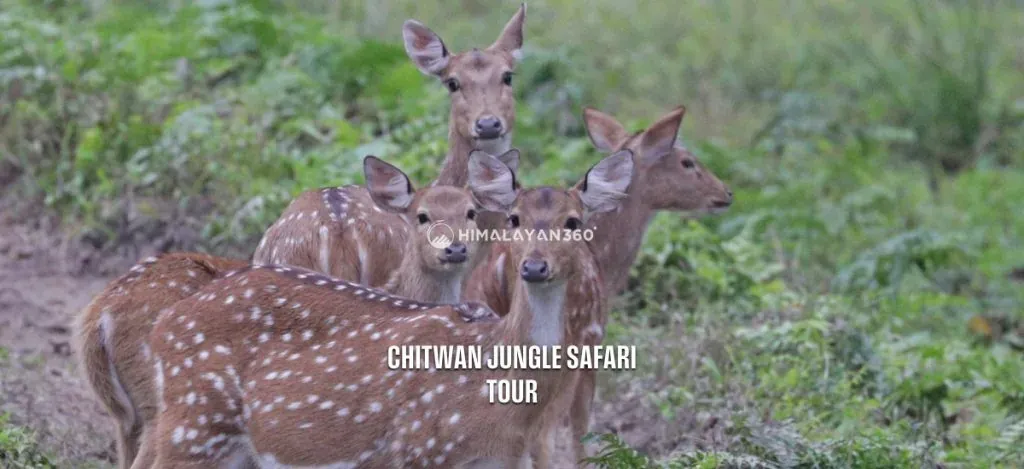
If you think traffic in Kathmandu is wild, wait until you see a rhino casually crossing your jungle path. A Chitwan Jungle Safari is a wildlife tour in the subtropical lowlands of southern Nepal. This tour takes you deep into Chitwan National Park, a UNESCO World Heritage Site famous for its one-horned rhinoceros, Bengal tigers, crocodiles, and birdlife watching. In short, it’s the best way to experience Nepal beyond the mountains, where adventure, nature, and culture collide. During your safari, you’ll ride through sal forests, open grasslands, and riverbanks either on a 4×4 jeep or by canoe. The adventure begins as soon as you enter the park. If luck is on your side, you might even catch a glimpse of a Bengal tiger! Besides wildlife, you can visit the elephant breeding center, where you can observe baby elephants with their mothers. The Chitwan Jungle Safari isn’t just about the animals; it’s a full cultural experience. You’ll visit a local Tharu village to learn about their history and daily life. In the evening, you can enjoy a cultural program featuring traditional Tharu stick dances. Whether you’re a nature lover, photographer, or just someone looking for a wildlife adventure, Chitwan promises to surprise you in every possible way.
Book Now Make An Enquiry
 Trek
Trek By air
 Pilgrimage
 Festivals
 Wildlife
 Luxury
 Yoga
Yoga Food
Food Heritage