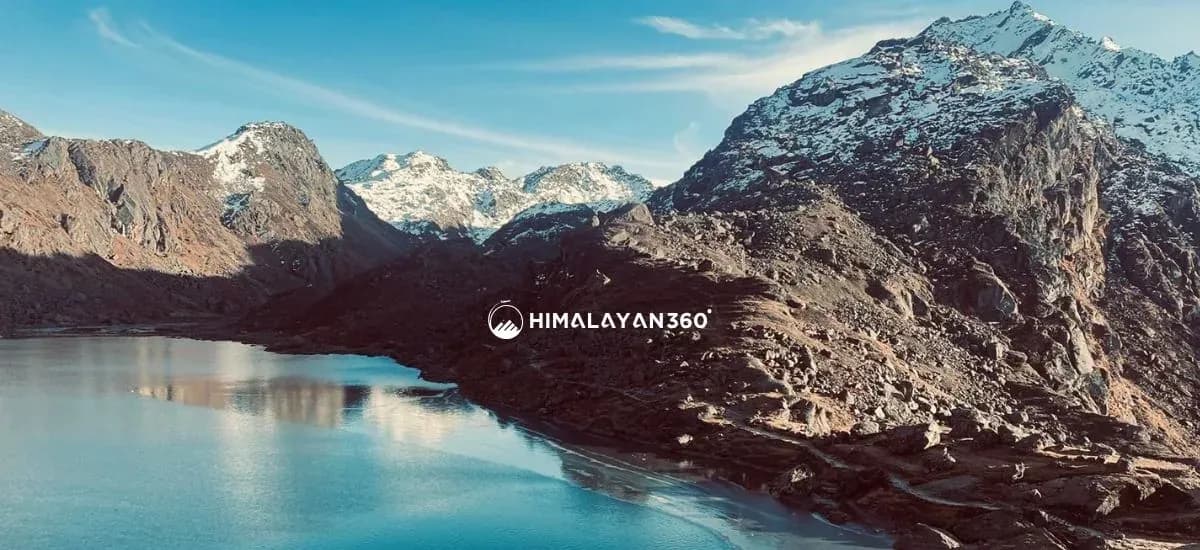
Route update, 4 September 2026. The August 2026 flood destroyed the 42km road to Syabrubesi and the trailhead town itself. The trail above is intact, but the way in has changed. Check is Nepal safe to trek after the 2026 flood before planning around anything below.
The Kathmandu to Gosaikunda Distance is around 110 – 125KM by road and around 67.5KM in a straight aerial line. Out of this, about 95 –100KM is covered by road from Kathmandu to Dhunche or Syabrubesi, and the remaining 15–25KM is a trekking trail leading up to Gosaikunda Lake. The trek takes 3 to 4 days, as the trail starts from about 2,000M to over 4,380M at the lake.
What makes this route special is not just the distance, but the change in landscape and altitude. Within a short travel range, you move from city streets to alpine terrain inside Langtang National Park. The route passes forests, small villages, and high ridges before reaching the lake. This slow climb adjusts your body to the height while giving you clear views of the Himalayas and making the distance feel shorter and more engaging than it looks on a map.
How to Get from Kathmandu to Gosaikunda Trailhead
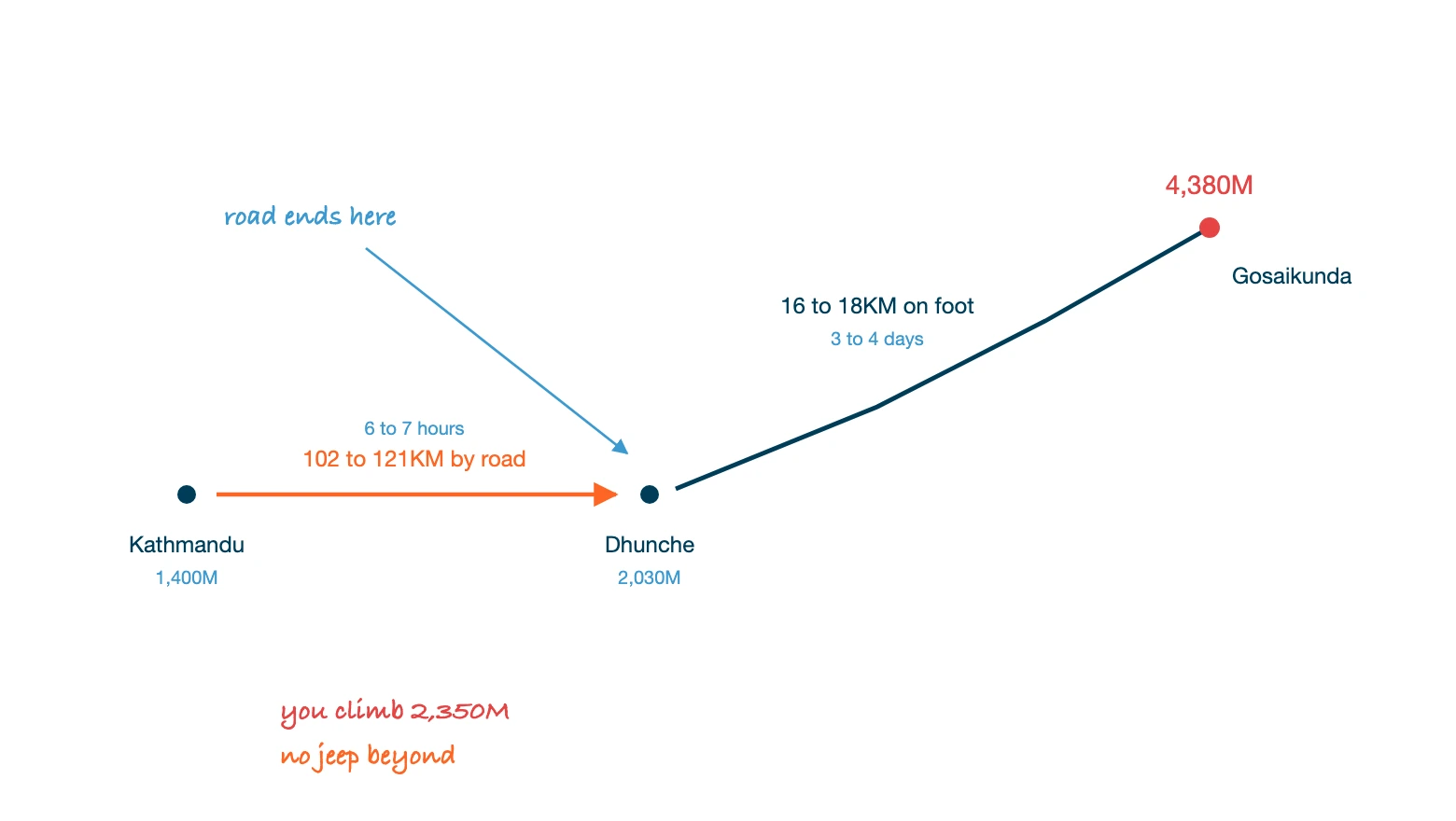
The journey from Kathmandu to Gosaikunda is divided into two parts. Let’s go through them thoroughly.
First Part: Kathmandu to Dhunche by Road
The drive from Kathmandu to Dhunche is about 102 to 121KM, depending on the route, and takes 6 to 7 hours by bus or jeep. Buses leave from Machhapokhari Bus Park in Kathmandu, and the road follows the Trishuli River before going uphill into Langtang National Park.
Second Part: Dhunche to Gosaikunda by Foot
From Dhunche, the trek to Gosaikunda Lake is about 16 to 18 km. The elevation gain is steep, starting at 2,030M in Dhunche and finishing at 4,380M at the lake. This means you gain about 2,350M in height over 2 to 3 days of trekking. Though it can vary depending on your route, you might either explore the Langtang Valley first and then go to Gosaikunda, or head there directly.
Best Season to Make The Journey
The Kathmandu to Gosaikunda route is open throughout the year, but some months are better than others for trekking. Let’s look at each season briefly.
- Spring (Mar – May): Rhododendrons bloom, the weather is calm, and mountain views are clear.
- Autumn (Sept – Nov): This is the most popular time, with dry trails, warm days, and very clear views.
- Winter (Dec – Feb): It is cold, with snow above 3,500M. The lake may freeze, but the trails are uncrowded and beautiful.
- Monsoon (Jun – Aug): There are leeches on lower trails, views are often blocked, and paths can be slippery, so it is not good for beginners.
Note: Autumn is the peak season because the skies over Langtang National Park are clear after the monsoon.
How Long Does the Kathmandu to Gosaikunda Journey Take?
The time it takes to travel from Kathmandu to Gosaikunda depends on the route you choose. A Gosaikunda Short trek takes about 5 days, starting with a drive to Dhunche and then trekking up to the lake and back. This option is faster and suits travelers with limited time. A longer route combines the Langtang Valley and Gosaikunda trek, which takes around 10 to 13 days.
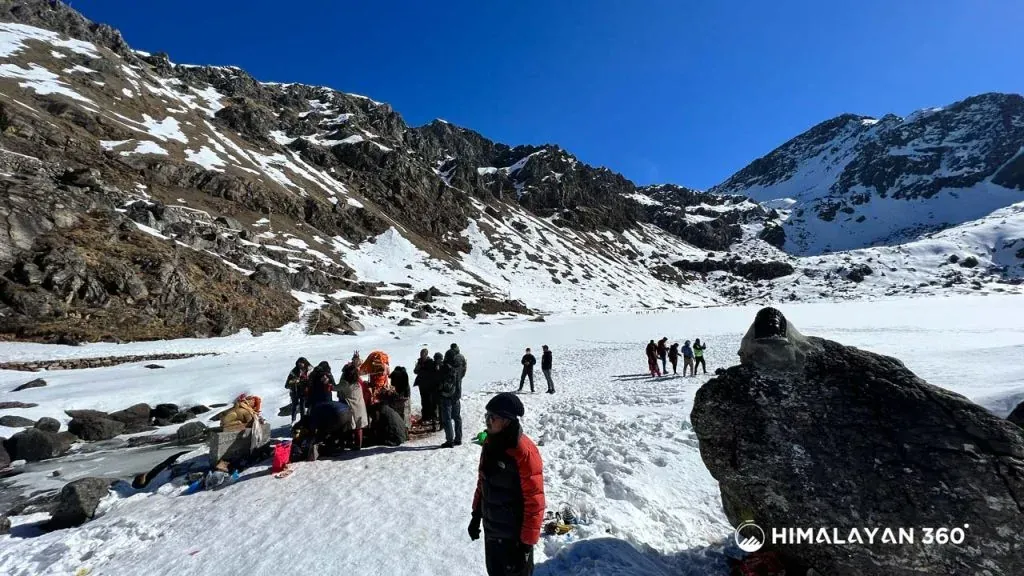
Taking more days is often the better choice, not just for comfort but for safety. The trail ranges from about 2,000 m to over 4,300 m, so a slower speed allows your body to adjust to the height and lowers the risk of altitude sickness. It also gives you time to enjoy views from forests and villages to open mountain areas and lakes.
Cultural & Scenic Highlights Along the Gosaikunda Trail
The Gosaikunda trail is rich in both culture and natural beauty. People going here find Tatopani village, Sing Gompa, Laurebinayak, and many other historical spots absolutely mesmerizing. Below, we have discussed these highlights briefly to help you understand what makes this trail special.
Tatopani Village, the Gateway to the Trek
Tatopani Village is a key stop on the Gosaikunda trail and part of the Tamang Heritage Trail. It’s natural hot springs that are rich in minerals (sulfur) are perfect for relaxing tired muscles after long climbs. Tatopani is not only famous for these springs but also for the views of the Ganesh Himal range and the Chilime Hydropower Plant.
Sing Gompa, Monastery with a View
Sing Gompa, also known as Chandanbari, is an important stop for acclimatization and cultural experience. It is surrounded by traditional Buddhist life, ancient murals, statues of Avalokiteshvara, and butter lamps. The monastery is rightly called the “Monastery with a View.” From here, you can see the Langtang Lirung, Ganesh Himal, and even the Annapurna range on clear days.
Laurebinayak a Scenic Stop on the Trail
Laurebinayak, also called Lauribina, is named after “Lauri” (walking stick) and “Binayak” (Ganesh). Pilgrims would leave their walking sticks here as an offering to Lord Ganesh after the long climb. The ridge is famous for its panoramic views of Langtang Lirung (7,227M), Ganesh Himal (7,422M), Manaslu (8,163M), and the Annapurna range. Many trekkers stay overnight to watch the sunrise or sunset over the clouds, a truly unforgettable experience.
Gosaikunda Lake
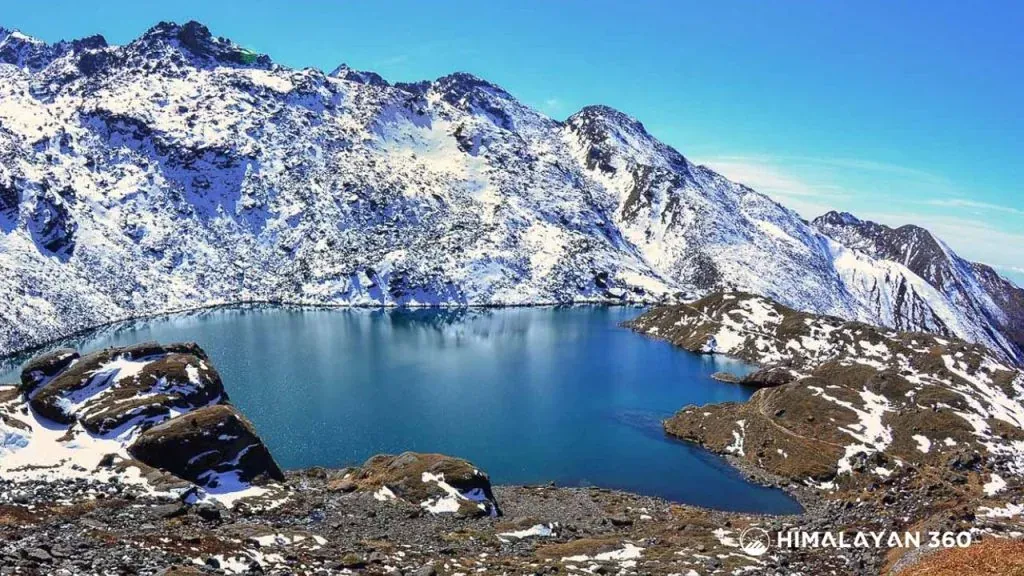
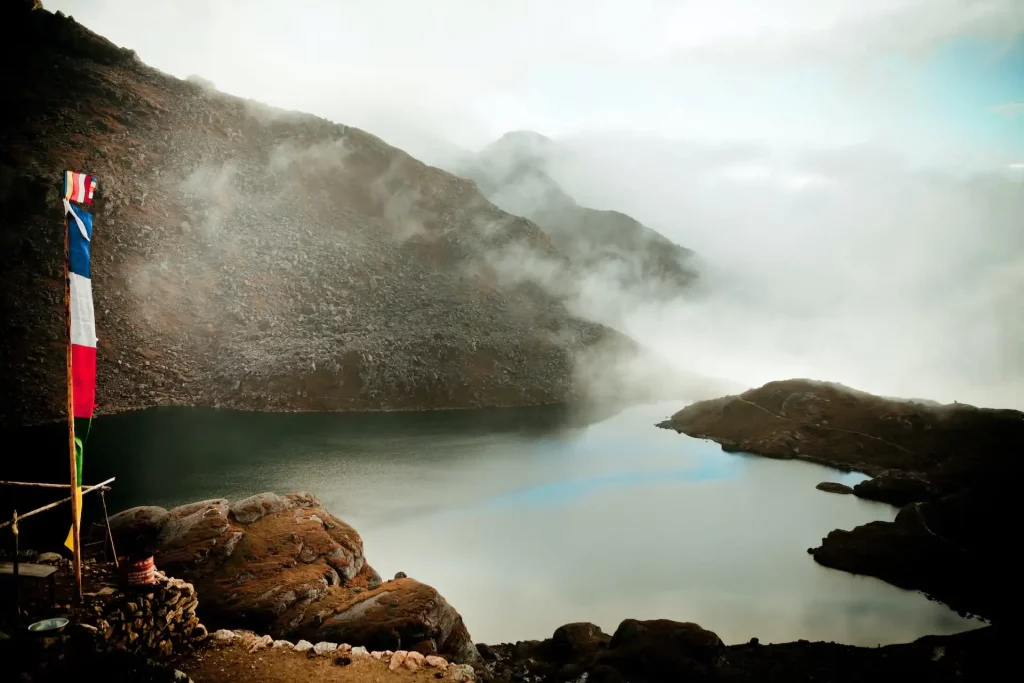
Gosaikunda Lake (4,380 m) is the jewel of Langtang National Park. It is part of a cluster of 108 lakes, including Saraswati Kunda and Bhairav Kunda. The lake is also considered sacred in Hindu culture. Legend says Lord Shiva created the lake to cool his burning throat after swallowing poison to save the world. Every year during the Janai Purnima festival, thousands of pilgrims come to bathe in the icy waters, believing it cleanses sins and brings spiritual healing.
Permits Needed to Reach Gosaikunda
Before you start the trek to Gosaikunda via Dhunche, you must get two permits. Both are available at the Nepal Tourism Board in Kathmandu, at the TAAN office, or directly at the checkpoint in Dhunche.
- Langtang National Park Entry Permit: Costs aboutNPR 3,000 (≈ USD 22–25) per foreign adult and NPR 1,500 (~USD 11.50) for SAARC Nationals
- TIMS Card (Trekkers’ Information Management System): Costs aboutNPR 2,000 (≈ USD 17) per person and NPR 1,000 (~USD 7.60) for SAARC Nationals
Note: No additional permits are required specifically for Gosaikunda beyond these two.
Make the Gosaikunda Trek Yours
The journey from Kathmandu to Gosaikunda may seem short, but at 4,380M the lake does not forgive poor preparation or rushed itineraries. Whether your trek lasts 4 days or 13, it’s essential to choose a route that matches your fitness and allows your body to adjust to the altitude. Himalayan 360 designs Langtang Gosaikunda trek itineraries that balance distance, elevation gain, and daily trekking hours, so you reach the lake ready to enjoy its beauty instead of struggling to recover.
5 Days
Gosaikunda Short Trek
$250 $200
The Gosaikunda Short Trek is a captivating Himalayan adventure that takes trekkers through the stunning landscapes of Nepal’s Langtang region. This trek is renowned for its mix of natural beauty, cultural exploration, and spiritual significance. At the heart of the journey lies Gosaikunda Lake, a holy site revered by both Hindus and Buddhists. The trek’s path winds through lush forests, quaint villages, and alpine meadows, providing a blend of diverse experiences. It is easily accessible from the capital city and offers a relatively shorter trek compared to some other popular routes. The trek’s duration can vary based on your starting point and the specific itinerary you choose. Generally, it takes about 6-7 days to complete the trek, but it can be extended or shortened depending on your preferences and the trails you take.
13 Days
Langtang Gosainkunda Trek
$659
5.0(11 reviews)
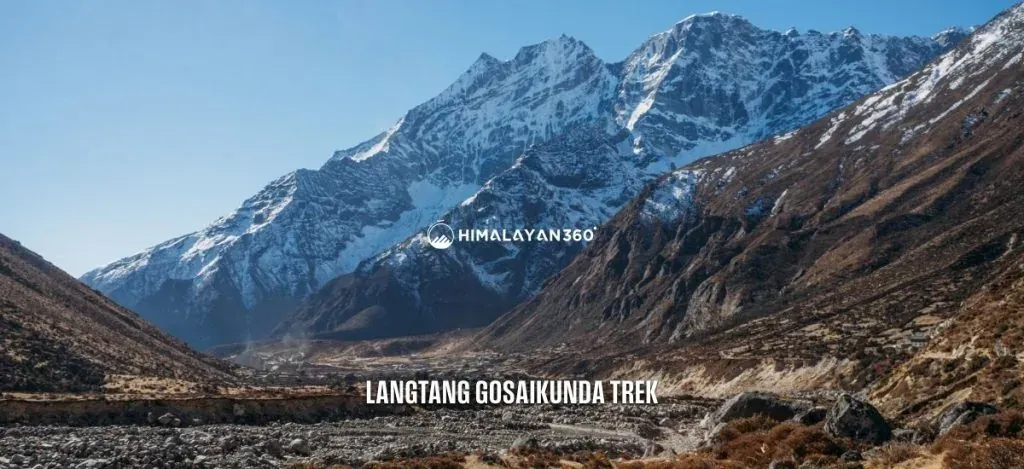
The Langtang Gosaikunda Trek offers an all-in-one experience through the village of Langtang to the sacred Gosaikunda Lake. Starting with a drive from Kathmandu to Syaprubesi, the trek is near Kathmandu, just 115km away within the Langtang National Park of Rasuwa district. It is ideal for those who prefer to experience mid-hills and high altitudes. It is also suitable for first-time trekkers as it only reaches up to 4,610 meters. The trek offers everything from deep gorges, pine and rhododendron forests, rocky terrain to yak pastures, monasteries, terraced farms, rural villages, Buddhist culture, and icy glaciers. The prominent highlight of this journey is a panorama of the Langtang range. The peaks included are Mount Dorje Lakpa, Langshisha Ri, Kyunga Ri, Changbu, Gangchenpo, Yansa Tsenji, and the Langtang Lirung. In 2015, the earthquake triggered an avalanche, causing massive loss to this valley. Many people died, and the trekking route was also closed until 2017. Hence, it is less commercialized. The community worked hard during these years and rebuilt the valley, keeping the essence of centuries-old monasteries. Now, in the present, it stands as a beautiful and strong valley yet to be discovered.
 Trek
Trek By air
 Pilgrimage
 Festivals
 Wildlife
 Luxury
 Yoga
Yoga Food
Food Heritage