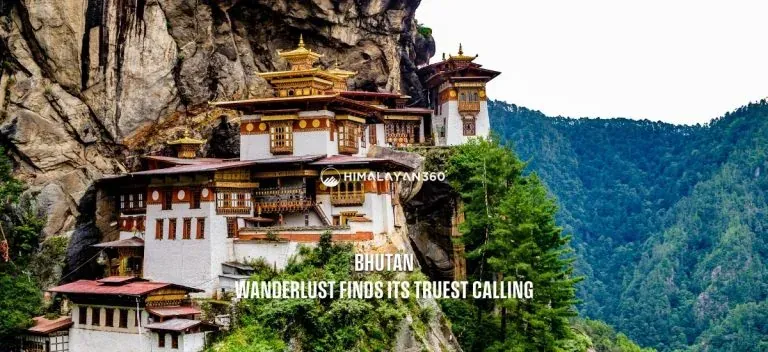
Bhutan
6 Trips
Why Choose a Bhutan Tour? Bhutan, also known as the “Land of the Thunder Dragon,” is a place where ancient traditions and a clean, carbon-negative environment are preserved. Tours to Bhutan are focused on the western and central regions, where you’ll find mountains, cultures, and spiritual sites. Many people chooses tour in Bhutan for the following reasons:
- Gross National Happiness (GNH): Bhutan focuses on happiness rather than just economic growth by creating a positive atmosphere for visitors.
- World’s Only Carbon-Negative Country: With over 70% of its land covered in forest, Bhutan absorbs more carbon dioxide than it produces.
- Traditional Way of Life: Traditions are part of daily life here. People still wear the national dress (Gho and Kira) and practice Buddhist cultures.
- Uncrowded Sites: Due to controlled tourism, you can visit places like Tiger’s Nest Monastery and Punakha Dzong without heavy crowds.
- Famous Himalayan Treks: Explore beautiful trails such as the Druk Path Trek or test yourself with the Snowman Trek.
- Adventure Activities: Bhutan also offers rafting in rivers like Pho Chhu and Mo Chhu, mountain biking, and even the chance to try archery (the national sport).
Top Bhutan Tour Itineraries Bhutan offers a variety of tour itineraries for different travel styles, time frames, and interests. Some of the most popular options are the Druk Path Trek, the cultural Classical Bhutan Glance Tour, and flexible 4–7-day Bhutan tours. Adventure lovers can enjoy trekking routes like Druk Path, while families and first-time visitors can do shorter cultural tours. Below, we have discussed each itinerary in detail. 7 Days Bhutan Tour A 7-day Bhutan tour is one of the most popular itineraries, which covers main destinations like Paro, Thimphu, Punakha, and Wangdue Phodrang. People choose this itinerary to hike to Tiger’s Nest Monastery, visit Punakha Dzong and Tashichho Dzongs, and drive via Dochula Pass. The tour also includes cultural sites such as Buddha Dordenma, National Memorial Chorten, and the fertility temple Chimi Lhakhang.
- Duration: 7 days
- Approximate cost: USD 1,970 – 1,290 per person
- Difficulty: Easy
- Best season: Mar, Apr, May, Sept, Oct, Nov, Dec
- Permits: Bhutan visa, Sustainable Development Fee (SDF), and route permits arranged through a licensed tour operator
- Sale Discount: ~26%
6 Days Bhutan Tour A 6-day Bhutan tour is a short itinerary that covers destinations like Paro, Thimphu, Punakha, and Wangdue Phodrang without extending the stay in Punakha. It is famous for showcasing Bhutan’s culture, religion, and lifestyle in a shorter duration. Travelers pick this tour to explore Punakha Dzong, Tashichho Dzong, Dochula Pass with its 108 chortens, Buddha Dordenma, National Memorial Chorten, and Chimi Lhakhang within a shorter timeframe.
- Duration: 6 days
- Approximate cost: USD 1,730 – 1,044 per person
- Difficulty: Easy
- Best season: Mar, Apr, May, Sept, Oct, Nov, Dec
- Permits: Bhutan visa, Sustainable Development Fee (SDF), and route permits arranged through a licensed tour operator
- Sale Discount: ~25%
5 Days Bhutan Tour A 5-day Bhutan tour is an efficient itinerary that covers the important places of Paro and Thimphu with a day trip to Punakha. It is maintained as 2 nights in Thimphu and 2 nights in Paro. This tour is perfect for travelers with limited time who still want to experience the culture of Bhutan without long travel days. On this tour, you’ll hike to Tiger’s Nest Monastery, explore Tashichho Dzong, and drive to Punakha Dzong during the day trip.
- Duration: 5 Days
- Approximate Cost: USD 1,385 – 999 per person
- Difficulty: Easy (short hikes and comfortable travel)
- Best Season: Mar, Apr, May, Sept, Oct, Nov, Dec
- Permits: Bhutan visa, Sustainable Development Fee (SDF), and route permits arranged by a licensed tour operator
- Sale Discount: ~18%
Druk Path Trek The Druk Path Trek is an adventure-focused Bhutan itinerary that combines trekking with cultural visits. It covers destinations like Paro, Thimphu, Punakha, and the region near Jomolhari. Unlike standard cultural tours, this trek includes a tented trek and a visit to the Tiger’s Nest Monastery. It is popular among adventure travelers who want physical challenge and cultural exploration. You’ll cross passes like Phume La Pass, camping near lakes like Jimilang Tsho, and ending the trek in Thimphu. The itinerary includes 3-star hotel stays in cities and cottage tent camps during the trekking section.
- Duration: 8–10 Days
- Approximate Cost: USD 2,113 – 1,686 per person
- Difficulty: Moderate
- Best Season: Mar–May and Sept–Nov
- Permits: Bhutan visa, Sustainable Development Fee (SDF), trekking permits, and camping logistics arranged by a licensed tour operator
- Sale Discount: ~14%
Top Bhutan Destinations Included in Tours Most Bhutan Tours follow a route of the western valleys of Paro, Thimphu, and Punakha. These locations offer everything you need to explore within the country, from Wangdue Phodrang to Tiger’s Nest Monastery, Punakha Dzong, and Tashichho Dzong, along with monasteries and local markets. For first-time travelers, these destinations are a must-visit. Let’s go into detail with some top destinations. Tiger’s Nest Monastery The Tiger’s Nest Monastery, also called Paro Taktsang, is the most famous landmark in Bhutan. It is located on a cliff about 900M (3,000FT) above the Paro Valley. It is believed that Guru Padmasambhava (Guru Rinpoche), who brought Buddhism to Bhutan, flew to this site on the back of a tigress in the 8th century to meditate in a cave for three years. It is an uphill climb through pine forests covered with Spanish moss and prayer flags. Once you reach the monastery, you’ll explore small temples and the meditation cave. Before entering the area, all electronic devices, phones, and cameras must be left in lockers at the entrance. Thimphu & Local Markets In Thimphu, modern life and old tradition are most visible in its markets. The Centenary Farmers Market is the largest domestic market in Bhutan and a must-visit on any itinerary. Located near the Wang Chhu River, this multi-story market is where farmers from across the country gather to sell organic products. You can look for local delicacies like dried yak cheese (chugo), strings of bright red dried chilies, forest-harvested fiddlehead ferns, and pink Bhutanese red rice. You can also find eco-friendly bamboo huts near Norzin Lam (the main street) and silk products at the Gagyel Lhundrup Weaving Center. National Museum of Bhutan The museum is located in Ta Dzong, a round watchtower built in 1649 to protect Paro Rinpung Dzong from Tibetan invasions. Its unique conch-shell shape and thick stone walls make it an important architectural landmark.
The museum has a large collection of over 1,500 years of Bhutanese history. It includes Buddhist scroll paintings in the Thangka Gallery, daily life items in the Heritage Gallery, collections of plants and animals in the Natural History section, and Bhutan’s unique stamp designs in the Philatelic Gallery.
Punakha Dzong
Punakha Dzong, also known as Pungthang Dewa Chhenbi Phodrang (The Palace of Great Happiness), is considered one of the most beautiful fortresses in Bhutan. It is located at the meeting point of the Pho Chhu (Male) and Mo Chhu (Female) rivers. It was the capital of Bhutan for over 300 years and is still an important royal site today.
It was built in 1637 by Zhabdrung Ngawang Namgyal, the unifier of Bhutan. It is the second oldest and second largest dzong in the country. Every King of Bhutan has been crowned here since the first, Ugyen Wangchuck, in 1907. It was also the venue for the current King’s royal wedding in 2011.
The Sustainable Development Fee (SDF)
In 2023, the Bhutanese government adjusted the SDF to encourage more visitors while maintaining its conservation goals. Currently, the fee is set at USD 100 per person, per night for most international tourists. This fee goes directly toward funding free education, healthcare, and infrastructure for the Bhutanese people, as well as maintaining the carbon-neutral status. Let’s have a look at the fee table for SDF.
| Category | SDF per Night (USD) | Validity |
| Adults (Ages 12+) | 100 | Until 31 Aug 2027 |
| Children (Ages 6–11) | 50 | Until 31 Aug 2027 |
| Children (Under 6) | Exempt | Ongoing |
| Indian Nationals | 12.85 | Ongoing (Verified) |
Requirements for Entry in Bhutan
You cannot simply show up in Bhutan with a backpack. All visitors (except those from India, Bangladesh, and the Maldives) must obtain a visa in advance.
- Visa Application: This is processed through a licensed tour operator or directly via the Department of Immigration portal.
- The USD 40 Visa Fee: This is a one-time, non-refundable fee.
- Mandatory Guide: While you have more freedom now to choose your own hotels and restaurants than in previous years, you are still required to have a licensed guide for any travel outside of Thimphu and Paro.
Booking & Travel Tips Planning your Bhutan trip the right way provides you a smooth and stress-free experience. Here are some practical tips to help you prepare better:
- Book Through a Licensed Tour Operator: Bhutan requires travelers to book via authorized operators for permits, visas, and itinerary arrangements.
- Currency & Payments: The local currency is Ngultrum (BTN), which is equal in value to Indian Rupees.
- ATM Access: ATMs are available in towns like Thimphu and Paro, but they may not always work nicely in remote areas.
- Travel Insurance: Not mandatory for visa processing (as of 2026), but strongly recommended
- Pack Smart: Bring comfortable walking shoes, multi-layer clothing, and a personal hygiene kit
- Plan in Advance: Popular seasons fill quickly, so book at least 1–2 months early.
Your Bhutan Journey Awaits Bhutan tours give you a rare opportunity to see a world that has preserved its culture and way of life despite modern changes. Whether you are visiting centuries-old fortresses or sharing butter tea with a local farmer, you can find peace everywhere. Ready to explore the “Land of the Thunder Dragon”? Check out our itinerary for the best Bhutan tours at Himalayan 360, and let us take care of the SDF payments and visa permits so you can enjoy your journey without worry.
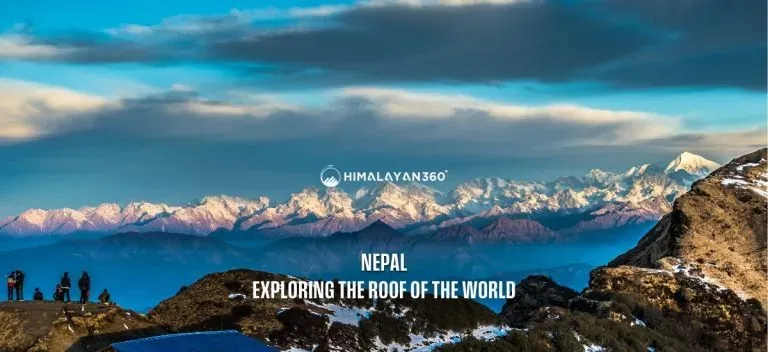
Nepal
66 Trips
Why Nepal is the World’s Best Destination for Treks & Tours
Nepal stands out as the top trekking destination in the world because of its mountain range and natural variety. The country is home to eight of the world’s fourteen peaks above 8,000M, including Mount Everest (8,848.86M). No other place on Earth has as many of the highest mountains located so close together. What makes Nepal even more special is how quickly the landscape changes within less than 150KM. Trekkers can explore subtropical forests to polar conditions, and dry mountain deserts like Upper Mustang, all in a single journey.
Another reason Nepal stands out worldwide is its unique trekking culture and local life. Unlike many countries where trekkers must carry camping gear, Nepal has an established teahouse system run by local families. These lodges provide warm meals (the staple Dal Bhat) and a comfortable place to rest. At the same time, the trail passes Sherpa, Gurung, and Tamang communities, each with its own traditions and festivals, such as Dashain, Tihar, and Lhosar.
Types of Treks & Tours in Nepal Nepal offers many types of treks and tours, so you can choose what fits your budget, comfort, and travel style. You can do Tea House (Lodge) Trekking, Camping (Tented) Trekking in remote areas, Luxury Trekking with high comfort, or Gap (Service) Trekking, where you pick only the services you need. For tours, you can enjoy Cultural & Heritage Tours in places like the Kathmandu Valley, go on Wildlife Safaris in Chitwan National Park, or take Helicopter Tours to mountains like Everest Base Camp. Below we have discussed clearly. Trekking Adventures in Nepal
Trekking in Nepal is one of the most popular adventure activities in the world. The most common style is Tea House (Lodge) Trekking with well-known routes such as the Annapurna Base Camp trek, EBC trek, and Langtang Valley Trek. In this style, trekkers stay in locally run teahouses that provide normal rooms and meals. For more remote regions, Camping (Tented) Trekking is used in areas such as Dolpo and Kanchenjunga. In this system, a full support crew, including guides, cooks, and porters, carries tents, food, and equipment.
Luxury Trekking follows the same famous routes but adds premium services like comfortable lodges, better meals, and even helicopter returns in some cases for faster and easier travel. Gap (Service) Trekking is a flexible option where you can hire only essential staff like guides or porters while paying for food and accommodation directly on the trail.
Cultural & Heritage Tours
These tours are mainly centered in the Kathmandu Valley, which alone has seven UNESCO World Heritage Sites. You can explore Newari architecture, traditional art, and centuries-old religious practices followed by both Hindu and Buddhist communities. These sites show a long history of Nepal between South Asia and Tibet.
Beyond the capital, cultural tours also include important spiritual destinations like Lumbini, which is one of the most popular Buddhist pilgrimage sites in the world. Popular tours include Kathmandu Valley heritage circuits, Buddhist pilgrimage tours, Nagarkot–Changunarayan hikes, Chandragiri and Monkey Temple visits, and even longer expeditions like the Muktinath jeep tour.
Luxury & Comfort Tours
Luxury & comfort tours in Nepal are designed for travelers who want to travel without compromising on comfort. Luxury trekking follows the same famous routes, like the Everest Base Camp and Annapurna region, but offers premium services such as heated rooms, attached bathrooms, hot showers, and high-quality meals in selected lodges. Popular luxury lodge networks like Yeti Mountain Home and Everest Summit Lodge provide comfortable stays at high altitudes.
One of the most popular highlights of luxury travel is helicopter-based experiences in the Everest region. The Everest Base Camp Helicopter Tour takes travelers to fly directly over glaciers and peaks. A major attraction is the Everest View Hotel, located at 3,880M, known as one of the highest hotels in the world and a popular stop for luxury breakfast experiences. Similar helicopter tours are also available in the Annapurna and Langtang regions and beyond Nepal, such as the Bhutan tour and the Kailash Mansarovar Yatra by helicopter.
Wildlife & Jungle Safaris
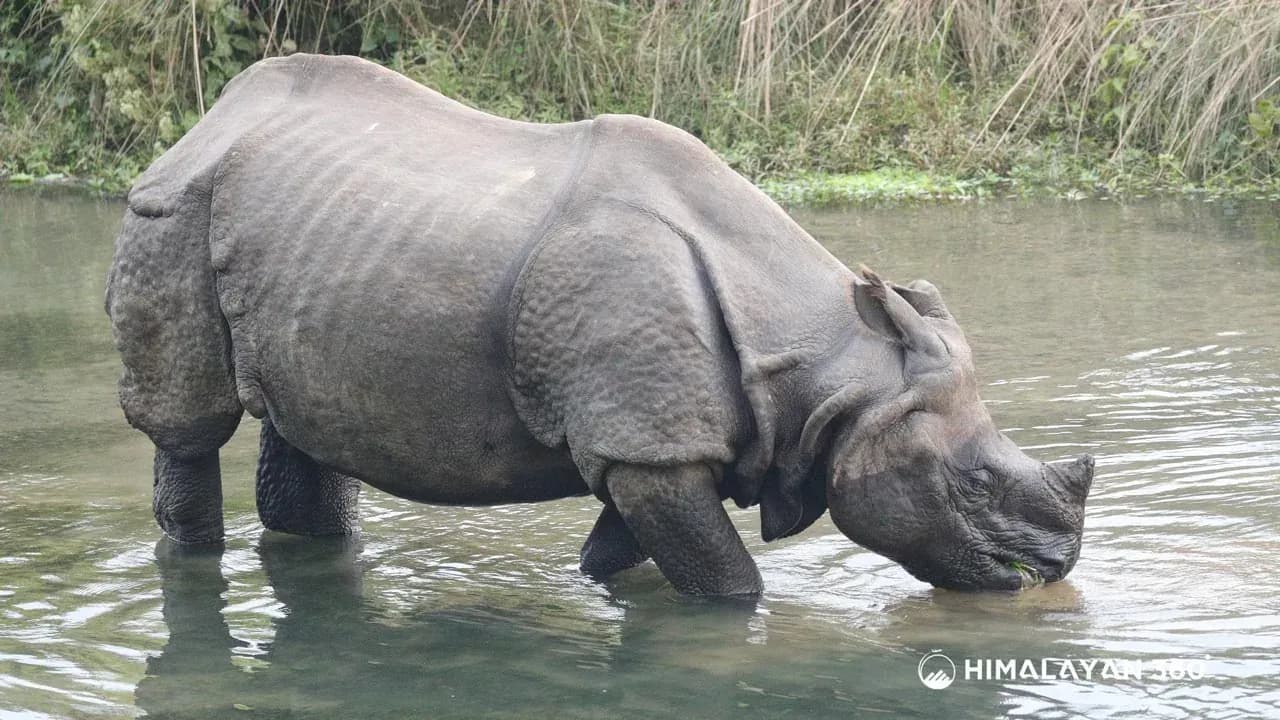
Nepal’s wildlife and jungle safaris offer a completely different experience from mountain trekking. It focuses on the biodiversity of the lowland Terai region. Chitwan Jungle Safari is the most popular safari destination, known for having around 700 one-horned rhinos. You can also spot gharial crocodiles, deer, sloth bears, and over 500 species of birds as well.
For a more remote and less crowded safari, Bardia National Park is considered the best place in Nepal to track the Royal Bengal tiger, along with wild elephants and even rare Gangetic dolphins. Bird lovers can visit Koshi Tappu Wildlife Reserve, which protects around 500 bird species and the last population of wild water buffalo (Arna). These destinations make Nepal a strong wildlife tourism hub in South Asia.
Best Trekking Regions in Nepal You Should Explore
Nepal is home to some of the most famous trekking regions in the world, from the Everest, Annapurna, and Langtang regions to Manaslu, Kanchenjunga, and Mustang. Each area has its own beauty and adventure. These areas are abundant with trekking routes that suit beginners as well as experienced trekkers. Below, we have clearly listed the main trekking regions you should explore.
Everest Region Treks
The Everest Region is the most famous Himalayan trekking area in Nepal and the top adventure destinations in the world. The Everest Base Camp trek is a top bucket-list adventure, along with other popular routes like the Gokyo Lakes Trek and the Everest Three Passes Trek. For climbers, Island Peak and Mera Peak offer beginner-friendly expedition experiences with summit opportunities.
- Everest Base Camp Trek (12–14 Days): Cost USD 1,260–1,815
- Gokyo Lakes Trek (13–14 Days): Cost USD 1,200–1,710
- Everest Three Passes Trek (18–20 Days): Cost USD1,485–1,885
- Island Peak Climbing (16 Days): Cost USD 1,945–2,800
- Mera Peak Climbing (17 Days): Cost USD 2,050–3,070
Annapurna Region Treks
The Annapurna region is known for its wide range of landscapes, from forests to high mountain deserts. The Annapurna Circuit is the best travel route that surrounds the entire Manaslu massif, crossing the high Thorong La Pass (5,416m), visiting the Muktinath Temple, and passing the Kali Gandaki gorge. The Annapurna Base Camp trek leads to a natural mountain sanctuary, while the Mardi Himal Trek and Ghorepani Poon Hill trek offers the closest possible views of Mount Machhapuchhre.
- Annapurna Circuit (10–14 Days): Cost USD 599–1,299
- Annapurna Base Camp (9–12 Days): Cost USD 666–1,099
- Annapurna Base Camp Yoga Trek (11–13 Days): Cost USD 1,317–1,599
- Mardi Himal Trek (5–7 Days): Cost 450–566
- Ghorepani Poon Hill Trek (3–5 Days): Cost USD 388–488
Langtang Region Treks
The Langtang region is the closest Himalayan trekking area to Kathmandu, located just 7–9 hours by road. Known as the “Valley of Glaciers,” the Langtang Valley trek takes you along the Langtang Khola to Kyanjin Gompa (3,830m), from where you can go for a side hike to Tserko Ri and Kyanjin Ri. The Langtang Gosaikunda Trek leads to alpine lakes important to both Hindus and Buddhists, while the Tamang Heritage Trail and Helambu trek offer in-depth cultural experiences in traditional villages.
- Langtang Valley Trek (8–10 Days): Cost USD 449–999
- Langtang Gosaikunda Trek (10–13 Days): Cost USD 659–1,099
- Tamang Heritage Trek (6–8 Days): Cost USD 360–699
- Gosaikunda Short Trek (5–8 Days): Cost USD 200–500
Manaslu Region Treks
The Manaslu region is a peaceful alternative to Annapurna because it is a restricted area that needs special permits and licensed guides. The Manaslu Circuit Trek roams around Mount Manaslu (8,163M), taking trekkers to remote villages like Samagaun and Samdo, and over the high-altitude Larkya La Pass (5,106M). The Tsum Valley Trek takes you into a hidden valley, where you can see monasteries like Mu Gompa and explore Tibetan Buddhist traditions.
- Manaslu Circuit Trek (14–16 Days): Cost USD 920–1,430
- Manaslu Tsum Valley Trek (20–23 Days): Cost USD 1,330–2,035
- Tsum Valley Trek (15–18 Days): Cost USD 965–1,299
- Rupina La Pass and Tsum Valley Trek (23–25 Days): Cost USD 1500–2500
How to Prepare for Your Nepal Trek or Tour
Proper preparation helps you stay safe, comfortable, and enjoy your Nepal trip fully, whether you are trekking in the mountains or exploring cultural sites. A little planning in fitness, permits, packing, and money can make your journey stress-free. Here is how to get ready:
- Start training 2–3 months before your trek with cardio (running, cycling) and leg strength exercises.
- Get a visa on arrival at Tribhuvan International Airport, carry passport photos, and arrange permits.
- Choose travel insurance that covers high-altitude trekking and emergency helicopter evacuation.
- Pack clothes (from warm days to -15°C nights), such as a down jacket, waterproof clothing, a good sleeping bag, and sturdy trekking boots.
- Carry first aid medicines like Diamox, pain relief, water purification tablets, and blister care items.
- Carry enough Nepalese Rupees (NPR) for daily expenses (USD 25–40 per day on trek) as cards are rarely accepted
- Buy a local SIM card like Ncell or Nepal Telecom at the airport for network access during your trip.
Why Choose Us for Nepal Tour
Choosing the right trekking company is the most important decision for a successful Himalayan journey. At Himalayan 360, we bring over a decade of operational excellence and a proven history of serving more than 40,000 happy travelers. Our team consists of Nepali experienced guides who began their careers in the field. We prioritize a hassle-free experience by managing every logistical detail from complex permit arrangements to 24/7 emergency support.
We understand that a one-size-fits-all approach does not work in the mountains, which is why every itinerary we offer is created with a focus on proper acclimatization and flexibility. Whether you are looking for a standard route or a tailor-made luxury adventure, our plans are designed by experts to maximize your success rate while maintaining a sustainable environment. By choosing us, you are not just booking a trip; you are working with a local expert committed to providing the best price guarantee.
Start Your Nepal Adventure Today Nepal tour and treks provide the Himalayas, culture, wildlife, and adventure in one place. From famous trekking routes in Everest, Annapurna, and Langtang to cultural tours and jungle safaris, there is something for every type of traveler. With the right plan, good preparation, and a trusted team, nothing will stop you from successfully completing your journey. Take the first step today and discover the beauty of Nepal for yourself.
View Nepal Treks & Tours trips
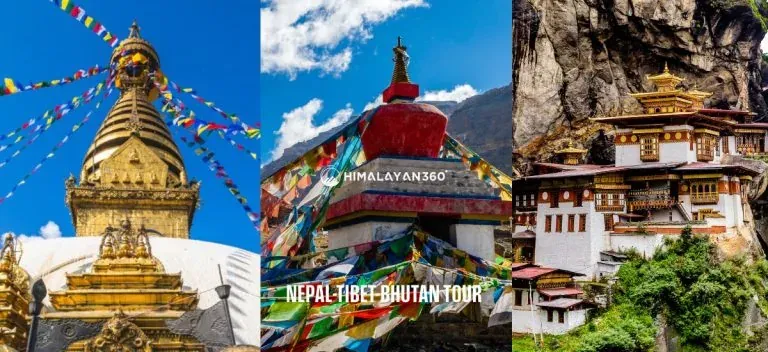
Nepal, Tibet & Bhutan
6 Trips
Is a Nepal Tibet Bhutan Tour Right for You? A trip to Nepal, Tibet, and Bhutan is a dream journey that offers mountain adventure with cultural discovery. However, it may not be right for everyone; it depends on your budget, your physical fitness, and your ability to handle complicated travel plans. Let’s compare these three Kingdoms.
| Aspect | Nepal | Tibet (China) | Bhutan |
| Main Religion | Hinduism (80%) | Buddhism (Vajrayana) | Buddhism (Mahayana) |
| Highest Point | Mount Everest (8,848.86M) | Mount Everest (North Face) | Gangkhar Puensum (7,570M) |
| Visa Process | On Arrival | Pre-arranged Group Permit | Pre-paid Sustainable Dev. Fee |
| Best For | Adventure & Diversity | Religion & Plateaus | Cultural Heritage |
Our Nepal Tibet Bhutan Tour Packages There are different tours to explore all three of these Himalayan destinations, and our agency provides several packages with huge discounts. From the adventurous Lhasa to Kathmandu Overland Tour via EBC, where you travel the Tibetan plateau and witness Everest from the northern side, to the Epic Himalayan Kingdom Tour connecting the cultures of Nepal, Tibet, and Bhutan. For a more time-saving journey, our Highlight of Tibet Nepal Bhutan Tour By Flight takes you to all these destinations in a short time. Below, we have discussed each package thoroughly. Lhasa to Kathmandu Overland Tour via EBC
The Lhasa to Kathmandu Overland Tour via EBC is one of the most adventurous Himalayan journeys for travelers who want to see the north side of Mount Everest in a single trip. This route starts in Lhasa, where you explore Potala Palace, Jokhang Temple, and Sera Monastery.
The journey continues to Shigatse (home to Tashilhunpo Monastery) and Gyantse, visiting Pelkor Chode Monastery and the Kumbum Stupa. Travelers choose this tour for its overland experience in the Tibetan plateau, cultural experience, and the chance to see Everest from a less crowded side before exiting through the Gyirong Border into Nepal.
- Duration: 7–10 days
- Approximate Cost: USD 1250 – 1371
- Difficulty: Hard
- Best Season: Apr, May, Jun, Jul, Aug, Sep, Oct
- Route: Lhasa – Gyantse – Shigatse – Rongbuk – Everest Base Camp – Gyirong – Kathmandu
Highlights of Tibet Nepal Bhutan Tour by Flight The Highlights of Nepal, Bhutan, Tibet tour by Flight is a good choice for travelers who want to explore three Himalayan regions (Tibet, Nepal, Bhutan) comfortably in a shorter time without long overland journeys. In Lhasa, you ‘ll explore Potala Palace, Jokhang Temple, Barkhor Street, Drepung Monastery, and Sera Monastery. In Nepal, the tour covers UNESCO sites in Kathmandu, including Swayambhunath, Patan Durbar Square, Pashupatinath Temple, Boudhanath Stupa, and Bhaktapur Durbar Square. In Bhutan, you’ll visit Thimphu, Punakha Dzong, and hike to Tiger’s Nest Monastery in Paro.
- Duration: 10 days
- Approximate Cost: Depends on Flight Type and Season
- Difficulty: Medium
- Best Season: Mar–May, Sept–Nov
- Route: Lhasa → Kathmandu → Paro → Thimphu → Punakha → Paro
Epic Himalayan Kingdoms Tour The Epic Himalayan Kingdoms Tour is a complete cultural journey. The tour begins in Paro and Thimphu with a visit to landmarks like Punakha Dzong and hiking to Tiger’s Nest Monastery. It then continues to Kathmandu to cover UNESCO sites. The overland journey into Tibet via Kyirong leads to Everest Base Camp, followed by cultural exploration in Shigatse (with Tashilhunpo Monastery) and Gyantse, before reaching Lhasa. Travelers choose this tour for a cross-border adventure and the rare opportunity to visit Bhutan, Nepal, and Tibet in a single itinerary.
- Duration: 15 days
- Approximate Cost: to be confirmed after inquiry
- Difficulty: Moderate
- Best Season: April–June, September–November
- Route: Paro → Thimphu → Punakha → Paro → Kathmandu → Syabrubesi → Kyirong → Everest Base Camp → Tingri → Shigatse → Gyantse → Lhasa
Lhasa Everest Kailash Mansarovar Kathmandu Tour The Lhasa Everest Kailash Mansarovar Kathmandu Tour is a cultural exploration and spiritual pilgrimage, which begins in Lhasa and continues to Shigatse, Tashilhunpo Monastery, then to Everest Base Camp via Rongbuk Monastery. A main highlight is the sacred journey to Lake Mansarovar and Mount Kailash, where pilgrims perform the Kailash Kora (parikrama) by passing Dolma La Pass, Peiku Tso, and Darchen. The tour ends by crossing Gyirung into Nepal and exploring cultural sites in Kathmandu. People choose this tour because it offers three special experiences in one journey: views of the north face of Mount Everest, a visit to Kailash and Mansarovar, and a chance to explore both Tibetan Buddhist and Hindu traditions.
- Duration: 14 days
- Approximate Cost: USD 3,350 – 3,577
- Difficulty: Hard
- Best Season: May, Jun, Jul, Aug, Sep
- Route: Lhasa → Shigatse → Everest Base Camp → Saga → Lake Mansarovar → Darchen → Kailash Kora (Dirapuk – Zutulpuk via Dolma La Pass) → Saga → Gyirung → Kathmandu
Best Time for Nepal Tibet Bhutan Tour The best time for a Nepal–Tibet–Bhutan tour is spring (Mar–May) and autumn (Sept–Nov), when travel conditions are favorable. Here is a quick-reference guide to the best times to visit Nepal, Tibet, and Bhutan, based on the seasons and travel conditions.
| Season | Months | Recommendation | Why Visit? |
|---|---|---|---|
| Spring | Mar – May | Best (Primary) | Blossoming nature, Best for rhododendrons, warmer trekking temperatures, and the Paro Tshechu in Bhutan. |
| Autumn | Sep – Nov | Best (Primary) | Post-monsoon air is the clearest, a great time for photography and for celebrating big festivals like Dashain and Tihar |
| Summer / Monsoon | Jun – Aug | Fair / Selective | While Nepal and Bhutan are rainy (monsoon), Tibet is dry. Great for greenery, but the flight can be delayed. |
| Winter | Dec – Feb | Budget / Cold | Less crowded, prices are also lower, but some high mountain passes in Tibet and Bhutan may be closed because of snow. |
Visa, Permits & Travel Requirements
Traveling across Nepal, Tibet, and Bhutan may sound complicated, but it’s actually very simple when you travel with us. We handle all permits and arrangements, so you don’t have to worry about paperwork or procedures. You only need a valid passport, and we take care of your Tibet Travel Permit, Bhutan visa (through our licensed partners), and all necessary travel documents.Let’s discuss briefly.
For Nepal
| Requirements | Fee | Details |
| Passport | 6 Months Validity | Must have at least two blank pages for stamps. |
| Tourist Visa (15 Days) | USD 30 | Multiple entry, suitable for short tours. |
| Tourist Visa (30 Days) | USD 50 | Multiple entry, common for most trekking trips. |
| Tourist Visa (90 Days) | USD 125 | Multiple entry, for long expeditions or multi-country tours |
| Gratis Visa (Free) | Varies | Issued to children under 10 (except US citizens) and SAARC nationals for the first 30 days of the visa year. |
For Bhutan
| Requirements | Fee | Details |
| Passport | 6 Months Validity | Must be valid for at least 6 months from your date of entry. |
| Visa Fee | USD 40 | A one-time, non-refundable processing fee |
| SDF (Daily Fee) | USD 100 per night | The Sustainable Development Fee for adults. Children (6–12) pay USD 50/night |
| Visa Type | e-Visa | Issued as a Visa Clearance Letter before you arrive, the actual stamp is put in your passport at Paro Airport or land borders. |
| Travel Insurance | Manadatory | Must cover emergency medical care and evacuation for the duration of the stay. |
For Tibet
| Requirement | Fee | Details |
| Chinese Group Visa | USD 110 – 215 (Varies by nationality) | Required for entry from Nepal |
| Tibet Travel Permit (TTP) | Usually part of the tour package | Issued by the Tibet Tourism Bureau and requires 20+ days processing time. |
| Alien’s Travel Permit | USD 8 – 10 | Required for Everest Base Camp, Shigatse, or Mount Kailash. |
| Military Permit | USD 15 – 45 | Required for areas like Ngari or Eastern Tibet |
Why Book Your Nepal Tibet Bhutan Tour With Us Choosing the right agency for Nepal, Bhutan, and Tibet tour makes a huge difference in a multi-country Himalayan journey. We focus on making your Nepal–Tibet–Bhutan tour Hassle-free, safe, and lasting with expert planning and local experience. Here are some reasons why you should choose us.
- Experienced Local Experts: Our team has highly experienced guides and professionals with deep knowledge of the Himalayan regions and cultures.
- Authorized & Trusted Company: We are a government-registered company affiliated with tourism organizations.
- Hassle-Free Travel: We handle everything from permits and flights to accommodation so you can enjoy your trip stress-free.
- No Hidden Costs: Transparent pricing with clear inclusions means no surprises during your journey.
- Responsible Tourism: We follow eco-friendly practices and respect local culture and traditions in every destination.
- 24/7 Support & Safety: Our team is always available, with a focus on safety, acclimatization, and emergency support.
- Customizable Itineraries: Every trip can be changed based on your time, interest, and comfort level.
- Great Value for Money: We make sure you get the best experience for every dollar you spend.
Plan Your Journey Today
The Nepal, Tibet, and Bhutan tour is easily accessible with a planned package. You don’t have to worry about border rules and permits. You can simply enjoy the mountains, nature, and local cultures. This trip takes you close to Mount Everest, to the peaceful monasteries of Tibet, and shows you the concept of “Gross National Happiness” in Bhutan.
Contact us to plan your custom trip and arrange your permits for the coming season.
Nepal Tibet Bhutan Tours trips
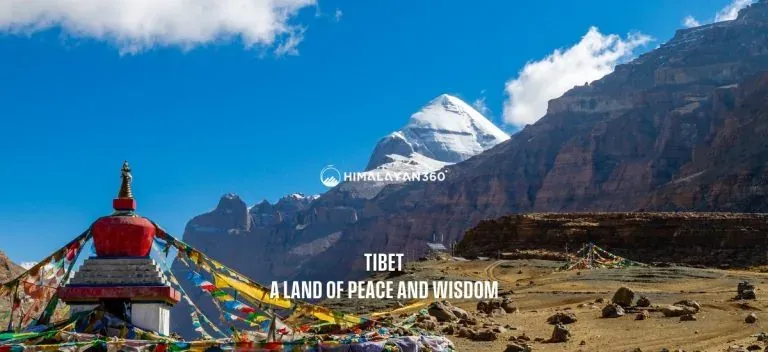
Explore Tibet: Tours, Treks & Spiritual Journeys
7 Trips
Why Choose a Tibet Tour People choose to travel to Tibet because it feels like visiting a place that is both geographically and spiritually rich. Even though the journey can be challenging, reaching the destination makes it all worthwhile. Here’s why many travelers are drawn to Tibet Nepal tour: To visit lakes like Yamdrok Lake and Namtso Lake, known for their bright blue water Enjoy a direct drive to Everest Base Camp, where you get a clear north face view of Mount Everest Witness pilgrims performing rituals around Barkhor Circuit and Jokhang Temple Travel to the Himalayan regions and circumambulate Mount Kailash to wash away sins and bring peace Watch the famous monk debates at Sera Monastery Visit the Potata Palace with a guide to know about its history, legends, and culture Enjoy sweet tea or yak butter tea in local tea houses in Lhasa. Best Time to Visit Tibet The best time to travel Tibet is from April to October, when the weather is clear, temperatures are moderate, and travel conditions are good for sightseeing and high-altitude journeys. The table below gives a quick overview of what each season offers: Season Months Highlights Crowd Level Spring Apr – May Clean Mount Everest (North Face) views from Rongbuk Monastery, millions of wild peach blossoms at the foot of Mt. Namcha Barwa. Moderate Summer Jun – Aug The Shoton Festival at Drepung Monastery, Namtso Lake, and lush high-altitude grasslands for nomadic horse racing. High Autumn Sep – Oct Peak trekking season for the Kora, clear Yamdrok Lake Moderate/High Winter Nov – Mar Heavy crowds of pilgrims at Jokhang Temple, while fewer visitors give more time to explore inside Potala Palace. Low Popular Tibet Tour Packages Best Tibet tour route packages for 2026 range from short cultural city trips to multi-week spiritual expeditions. Popular options include the Lhasa to Everest Base Camp tour, Tibet overland tour, Mount Kailash and Lake Mansarovar Yatra, Kailash Charan Sparsh Tour, the Lhasa to Kathmandu overland tour, and many more. We have discussed these packages clearly below. Lhasa to Everest Base Camp Tour The Lhasa to Everest Base Camp Tour starts from Lhasa and ends at Everest Base Camp, located in Tingri County of the Tibet Autonomous Region near the Nepal border. This route is famous for direct road access to the north face of Mount Everest, something not possible from the Nepal side without trekking. Travelers choose this tour to visit Potala Palace, Rongbuk Monastery, Jokhang Temple, Sera Monastery, the Yamdrok Lake, and to see Gyatso La Pass (5,248M). Duration: 8–10 days Cost: USD 1,060 – 1,170 per person Difficulty: Hard Permits: Tibet Travel Permit, Alien’s Travel Permit, Tibetan Border Pass, and Everest Area Permit required Accommodation: Hotels in cities, guesthouses/tent camps near Everest Base Camp Tibet Overland Tour The Tibet Overland Tour is a trans-Himalayan journey that runs between Lhasa and Kathmandu. It crosses the Tibetan Plateau and enters Nepal via the Gyirong border. This route is famous for being one of the most scenic overland drives in Asia. Travelers choose this tour to explore tibet culture and places like Lhasa, Sera, Barkhor market, Summer Palace of the Dalai Lama, Norbulingka Palace, Jokhang Temple, and Sera Monastery. Duration: 8–10 days (Lhasa to Kathmandu route) Cost: USD 1,199 – 1,599 per person Difficulty: Moderate Permits: Tibet Travel Permit, Alien’s Travel Permit, Military Permit (for certain regions) Accommodation: Hotels in cities, guesthouses near Everest Base Camp Kailash Mansarovar Yatra from Kathmandu The Kailash Mansarovar Yatra is a pilgrimage tour to Mount Kailash and Lake Mansarovar, located in the remote Ngari (Ali) region of western China Tibet, near the borders of Nepal and India. This journey is famous for its religious importance in Hinduism, Buddhism, Jainism, and Bon, where Mount Kailash is believed to be the spiritual center of the universe. Pilgrims undertake this yatra to perform the “52KM Kora” (circumambulation) around Kailash to spiritually purify themselves. Duration: 9–12 days Cost: USD 1,180 – 2,000 per person Difficulty: Moderate Permits: Tibet Travel Permit, Alien’s Travel Permit, and Military Permit required Accommodation: Guesthouses, lodges, and tented camps Kailash Yatra by Heli Via Kathmandu The Kailash Yatra by Helicopter via Kathmandu is a fast-track pilgrimage to Mount Kailash and Lake Mansarovar. It is accessed through Kathmandu, Nepalgunj, Simikot, and the border point of Hilsa. This route is famous for reducing travel time and physical pressure compared to traditional overland journeys. This choice is perfect for pilgrims with limited time, small group tours, or those unable to tolerate long road travel. People choose this yatra for its convenience and spiritual value. Duration: 10–11 days Cost: Depends on the season and the flights you book Difficulty: Moderate Permits: Tibet Travel Permit, Alien’s Travel Permit, Chinese Group Visa Accommodation: Hotels in cities, lodges/guesthouses during the yatra Cost & Budgeting for Tibet Tours A trip to Tibet is a mid-to-high budget trip due to the mandatory guide, private vehicle, and permit fees. You can significantly lower costs by joining a Small Group Tour rather than booking a private one. Package Type Cost Range Inclusions Notes Budget USD 900 – 1,500 Tibet Travel Permit, shared transport, local guide, normal guesthouses/hotels Meals not included, limited flexibility, perfect for backpackers Mid-range USD 1,500 – 3,000 All permits, comfortable hotels (3 star), experienced guide, private or small group transport Some meals included, better itinerary speed, most popular option Luxury USD 3,000 – 6,000+ All permits, 4–5 star hotels, private vehicle, expert guide, and airport transfers High comfort, customizable itinerary, premium services and support Permit and Visa Requirements You cannot travel to Tibet independently. You must be part of an organized China Tibet tour with a licensed guide. The requirements for entering from Nepal are different from those for entering via mainland China. Tibet Travel Permit (TTP): This is issued by the Tibet Tourism Bureau. Your travel agency needs a copy of your passport at least 20 days in advance to process this. China Group Visa: If entering from Nepal, you must obtain a Group Visa at the Chinese Embassy in Kathmandu. This requires at least 3 working days and your physical passport. Military and Heritage Permits: If your tour includes sensitive areas like Mount Kailash or the border regions, additional permits are required, which your operator will handle. How to Prepare for a Tibet Tour Preparing well for a Tibet trip is essential because of its high altitude, dry climate, and strict travel rules. Tibet reaches over 3,600M, and you don’t need to be an athlete, but you do need to be prepared. In the month before your trip, do light aerobic exercises like walking or swimming to improve lung capacity Spend at least 2 days resting in Lhasa at the beginning, move slowly and avoid showering the first night Pack a down jacket, windbreaker, and thermal base layers The UV rays are very strong, so bring SPF 50+ sunscreen, good sunglasses, and a wide-brimmed hat Carry strong moisturizer, lip balm, and saline nasal spray to avoid dryness and nosebleeds Outside Lhasa, international cards are rarely accepted, so carry enough Chinese Yuan (RMB) for daily expenses Always walk clockwise around monasteries, stupas, and prayer wheels as a sign of respect Do not take photos inside monastery chapels without permission. Conclusion A Tibet tour brings together culture, spirituality, and adventure, from exploring monasteries in Lhasa to visiting the north face of Mount Everest and Mount Kailash. With the right Tibet permit, a reliable tour operator, and proper planning, traveling to Tibet from Nepal becomes easy and budget-friendly. Choose the best value package that fits your needs and book your tour today with us to explore this historical land.
 Trek
Trek By air
 Pilgrimage
 Festivals
 Wildlife
 Luxury
 Yoga
Yoga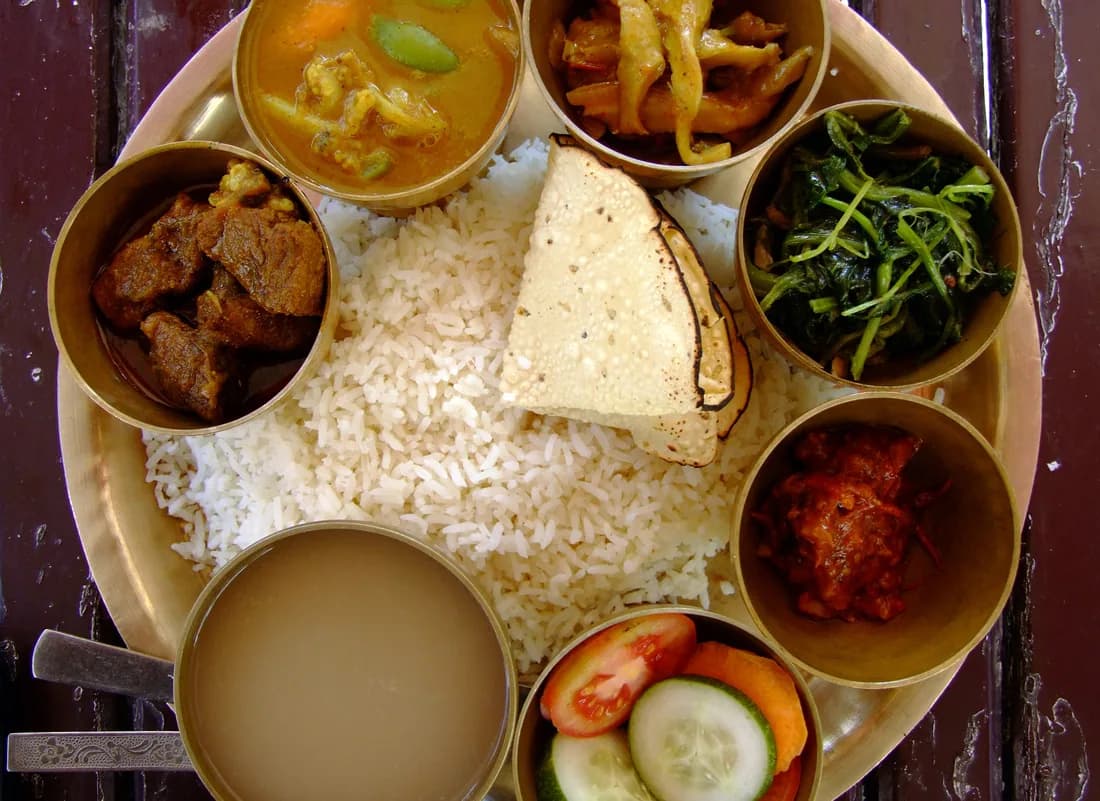 Food
Food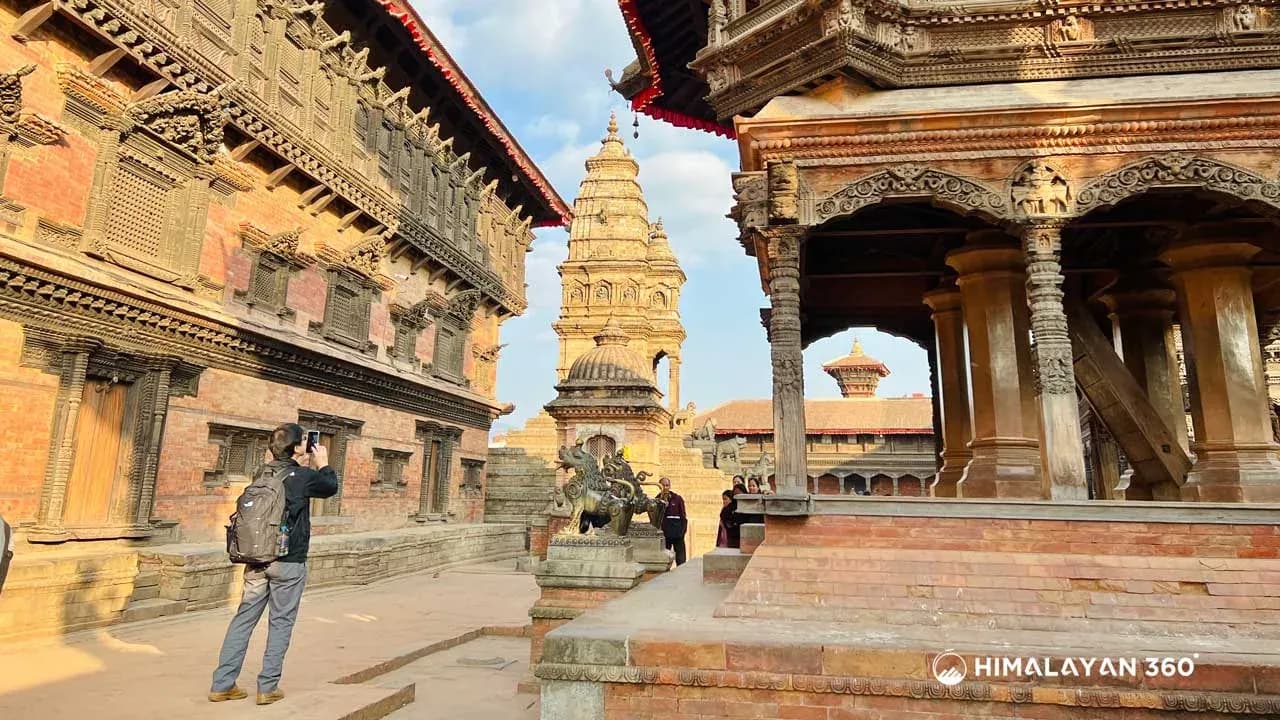 Heritage